Summer in West Dolomites, the Italian Mountains – What to See, Eat & Do

Italy

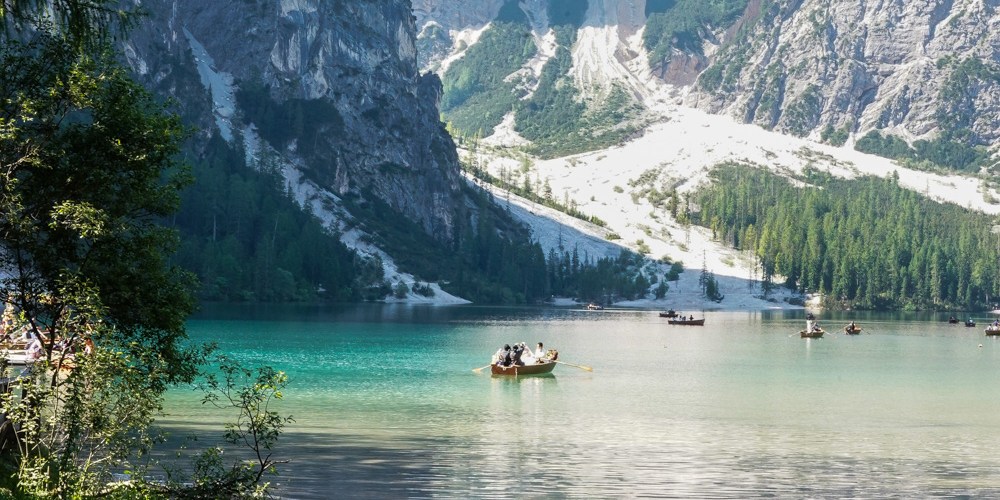
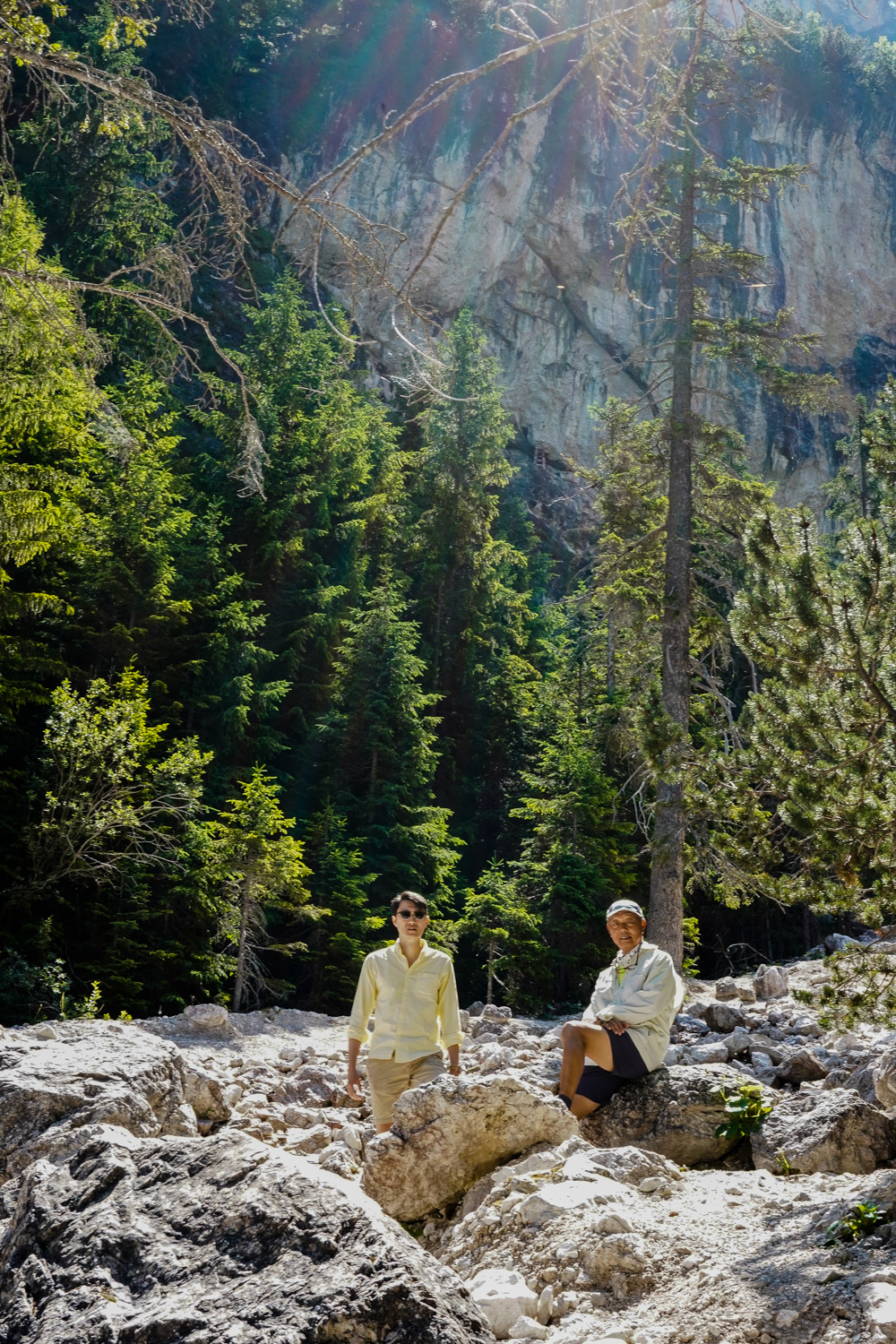
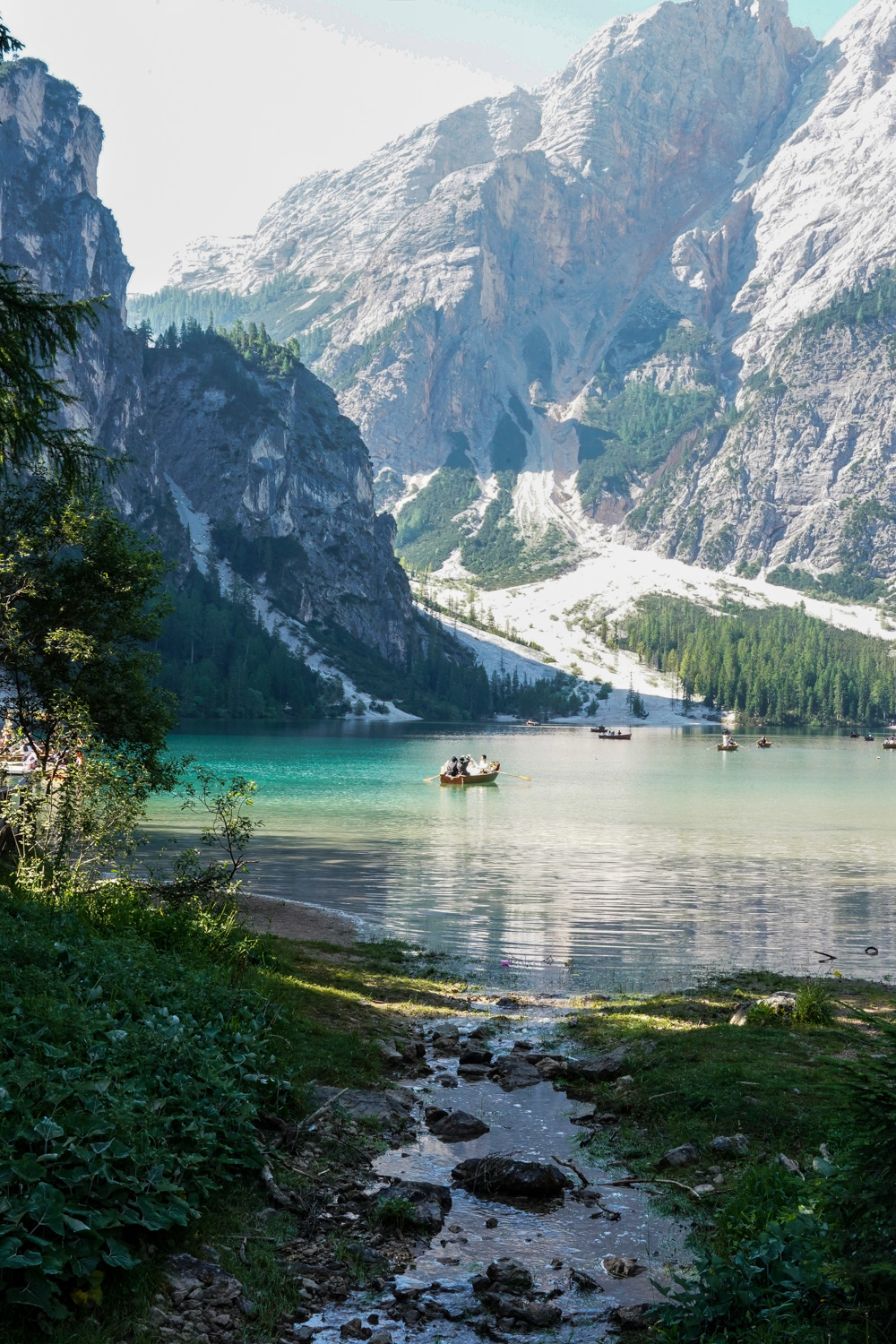
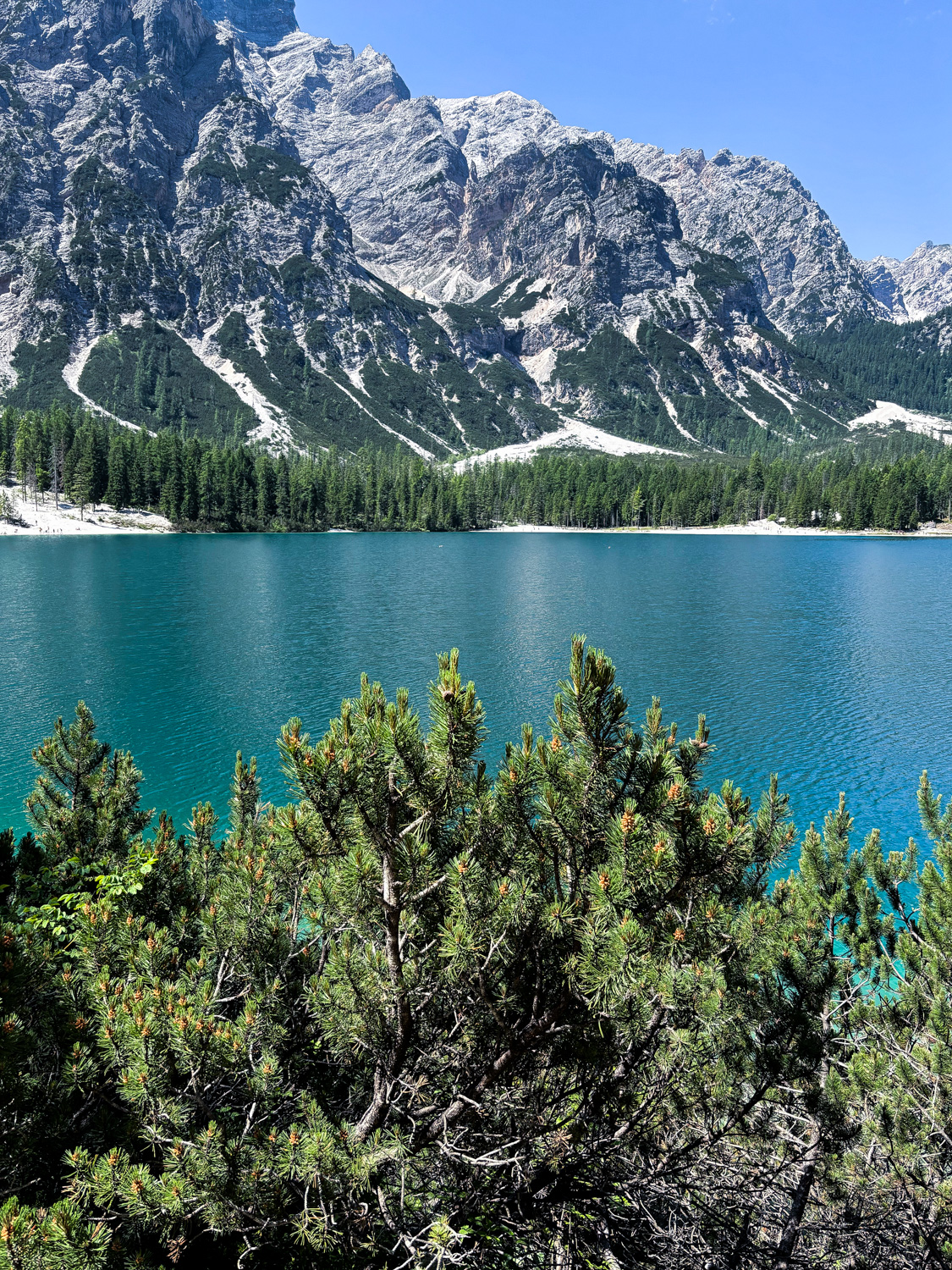
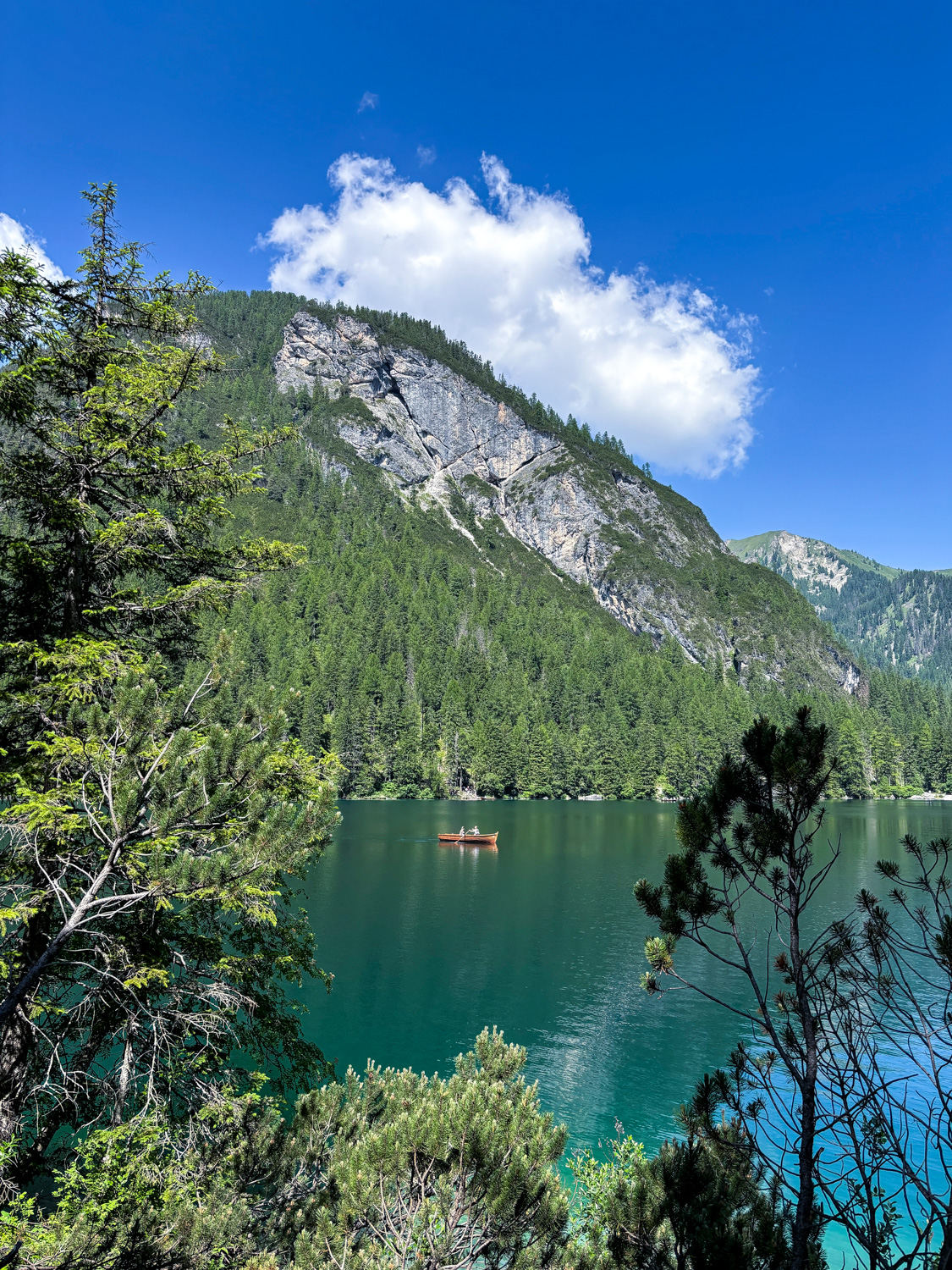
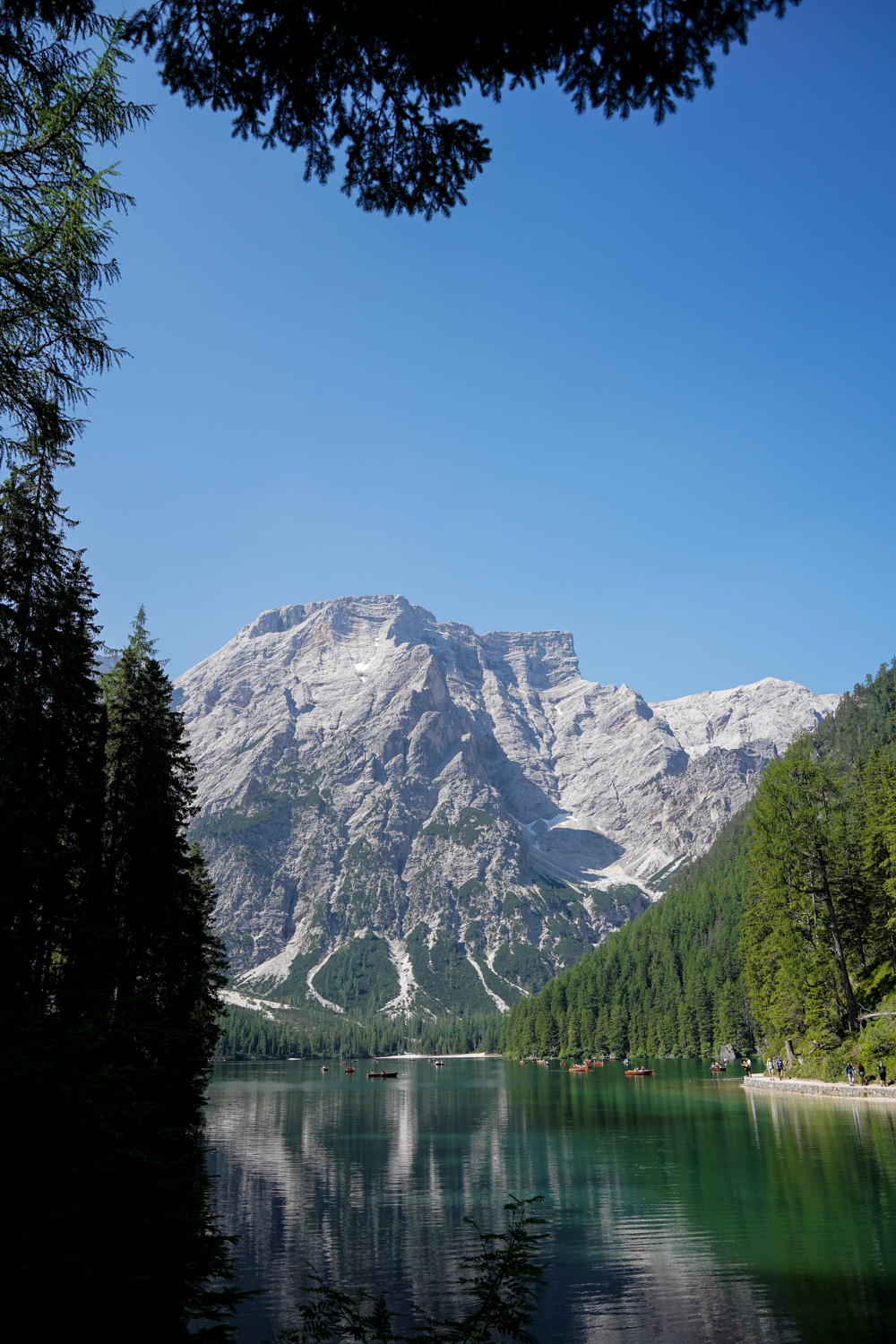
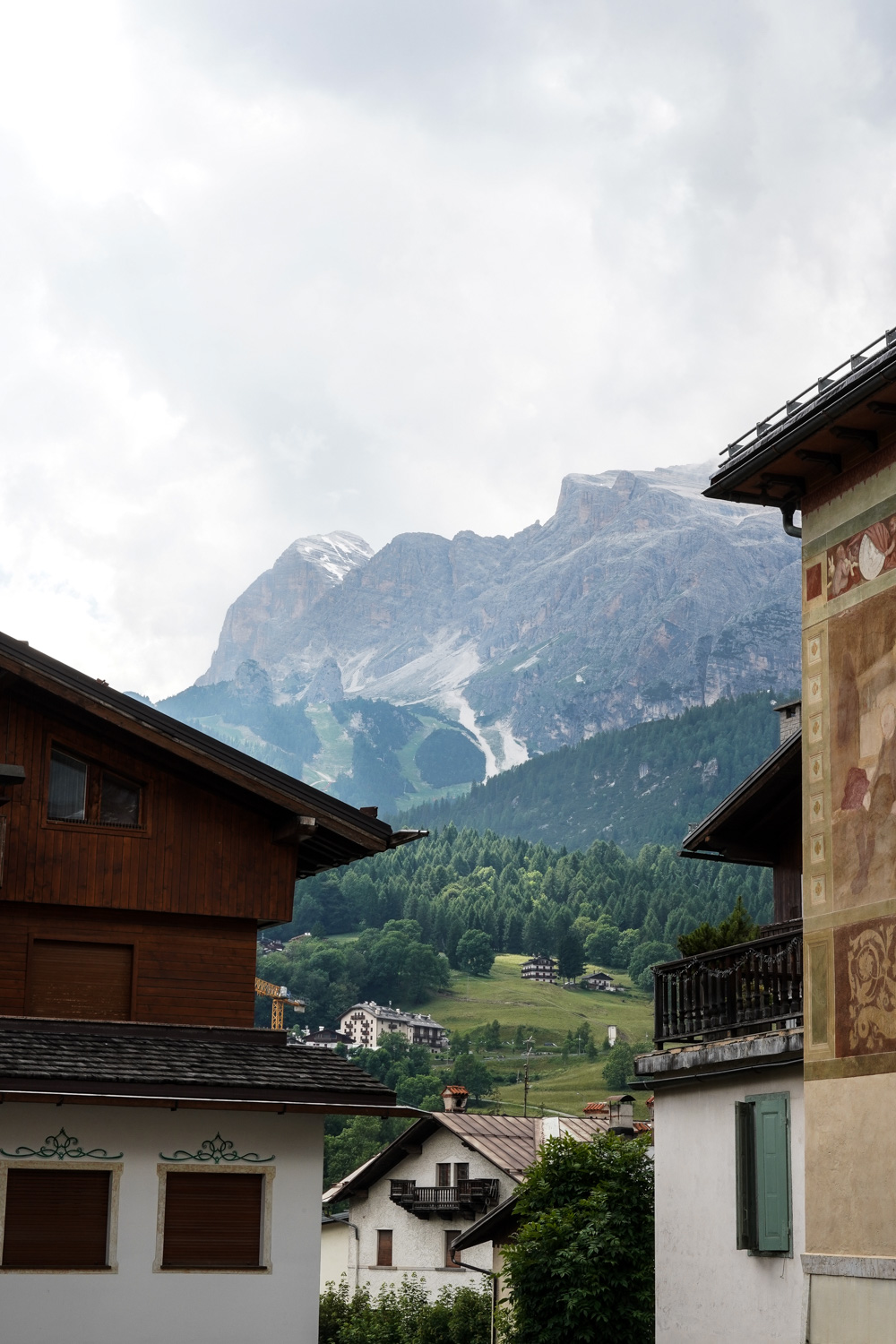
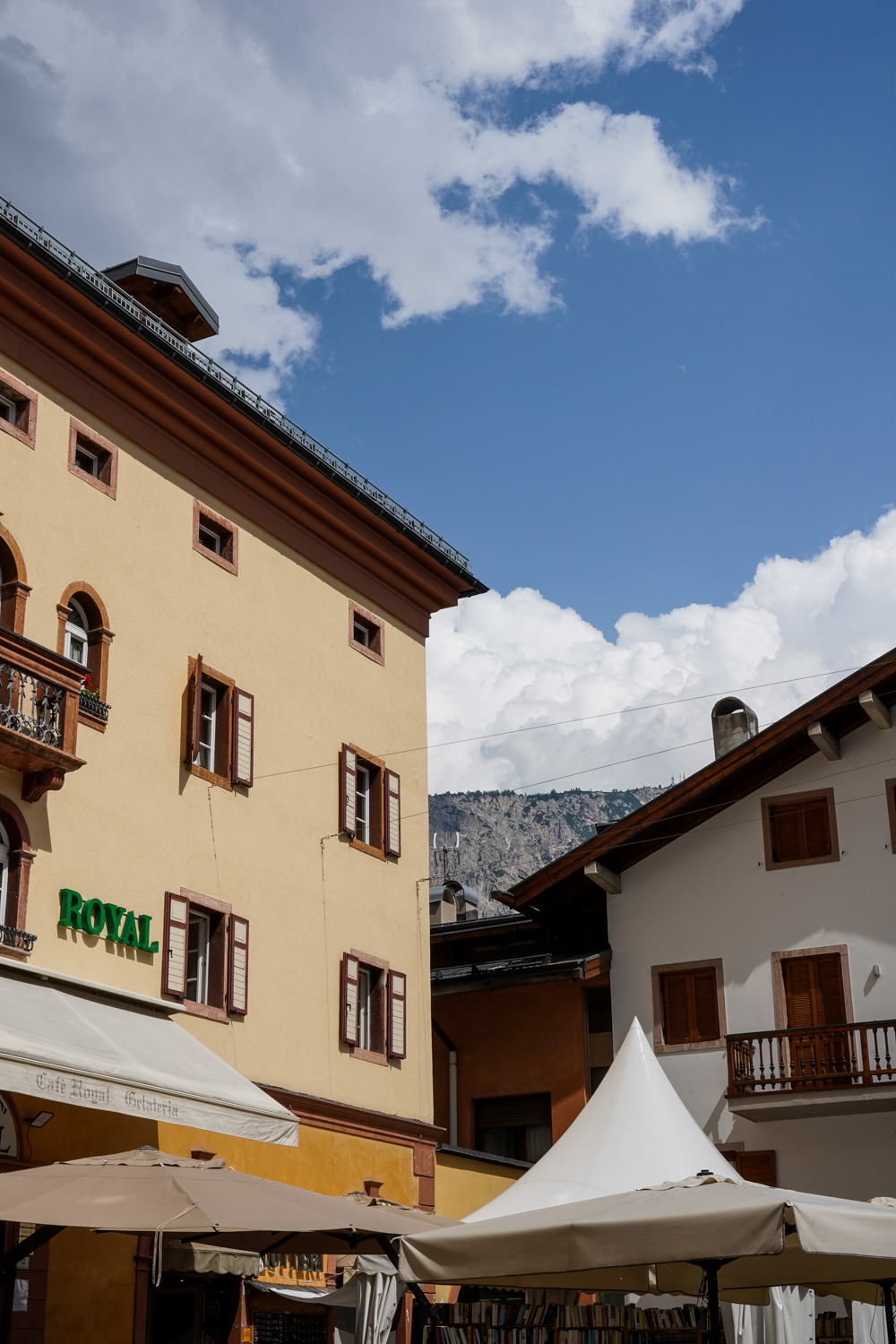
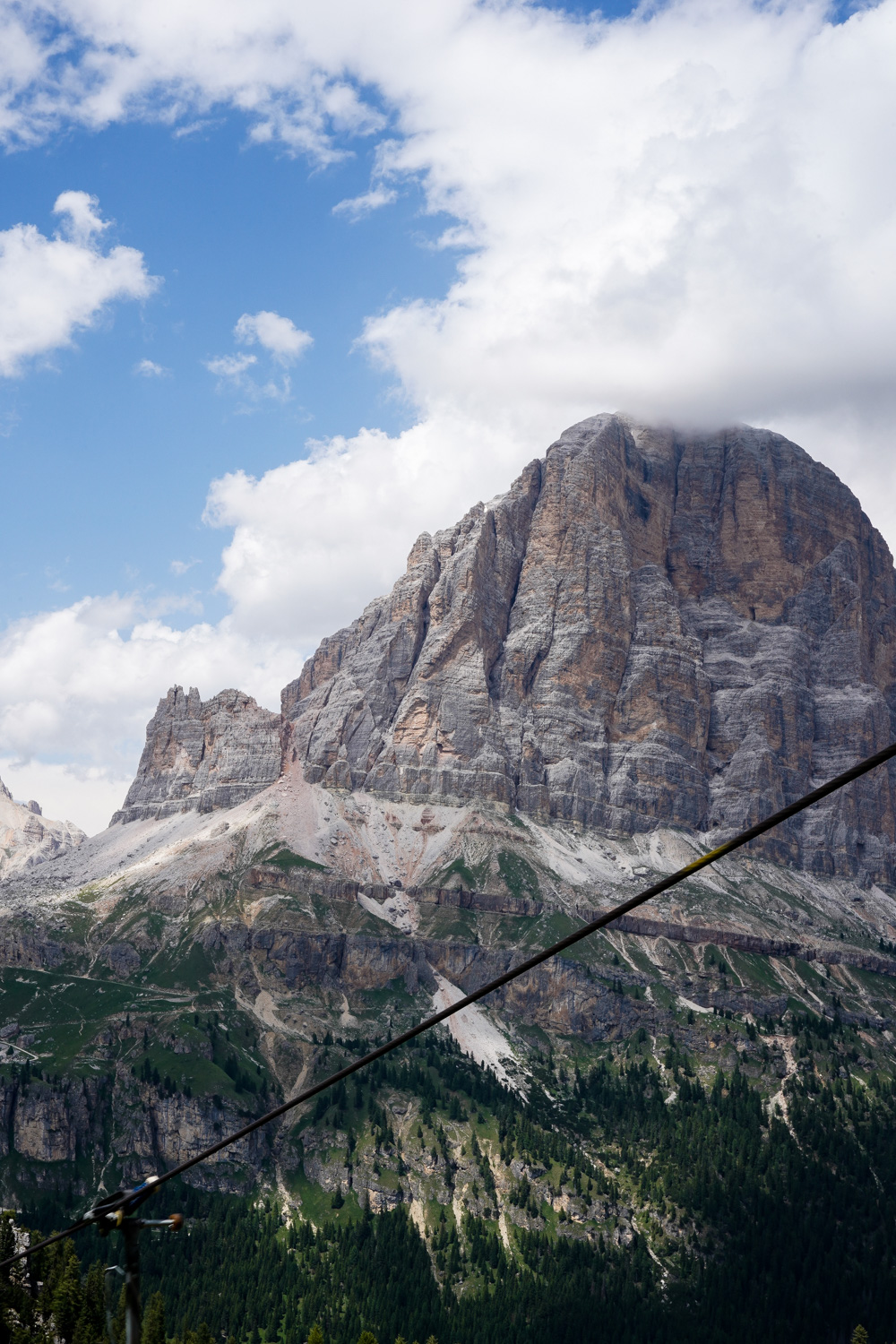
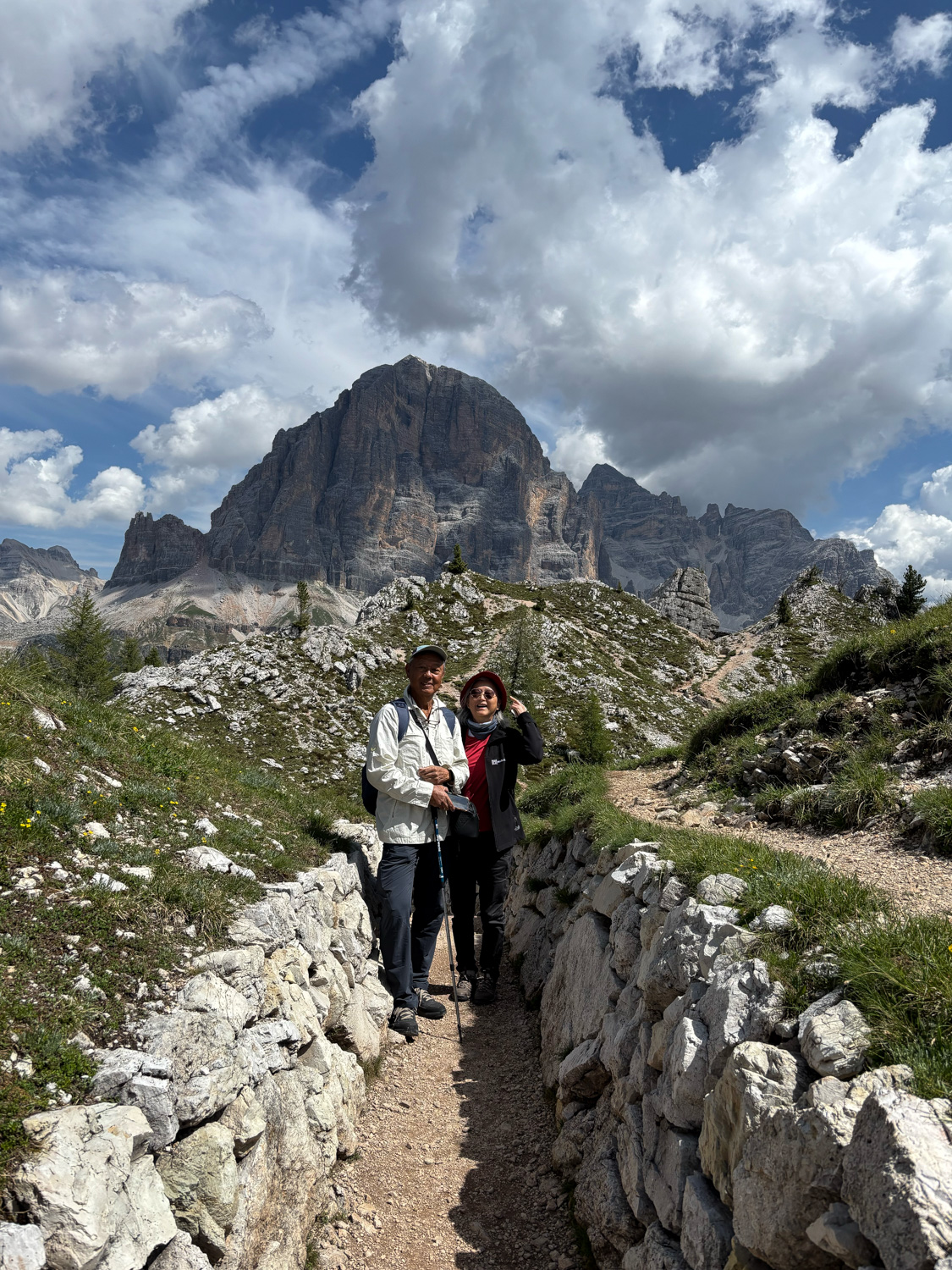
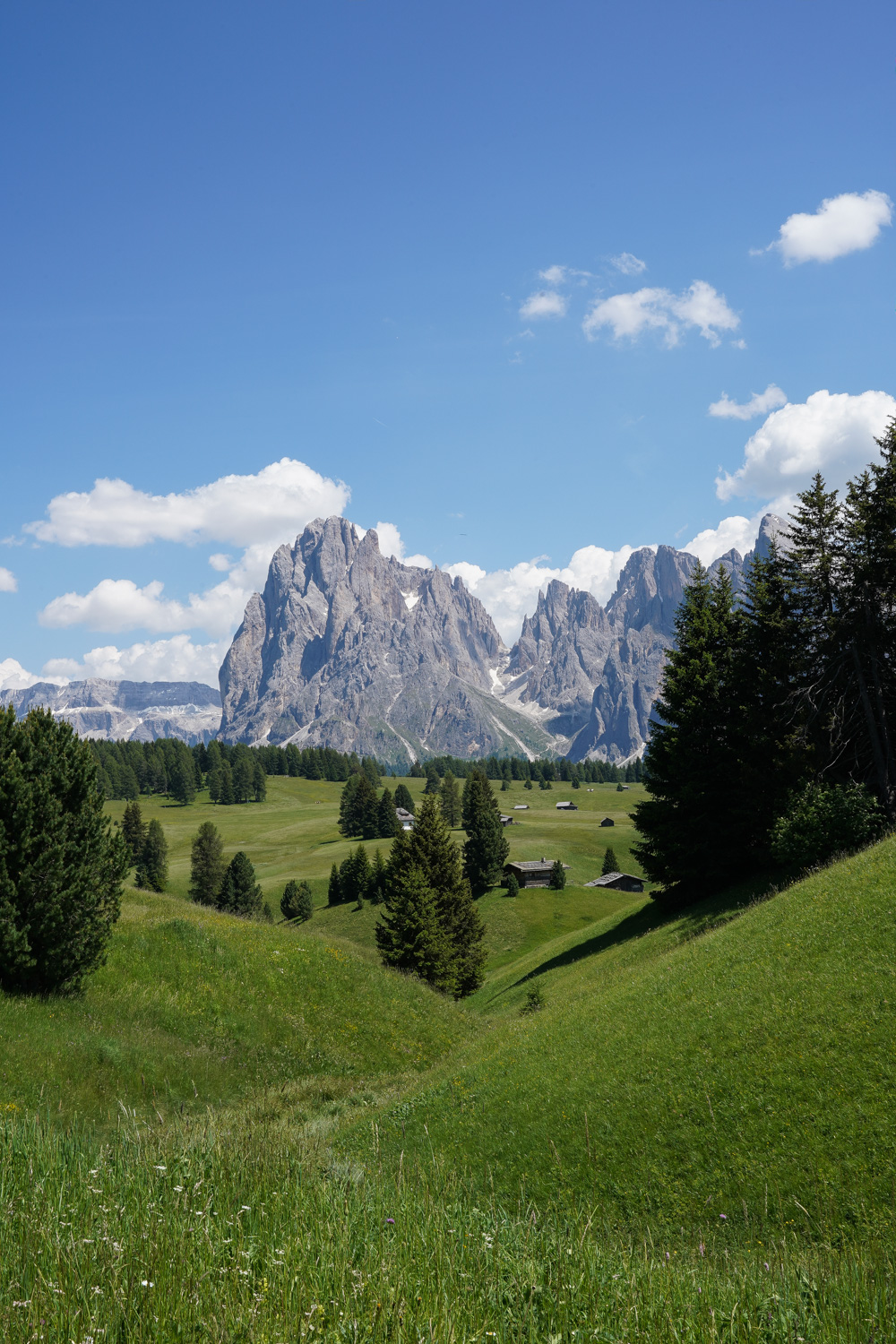
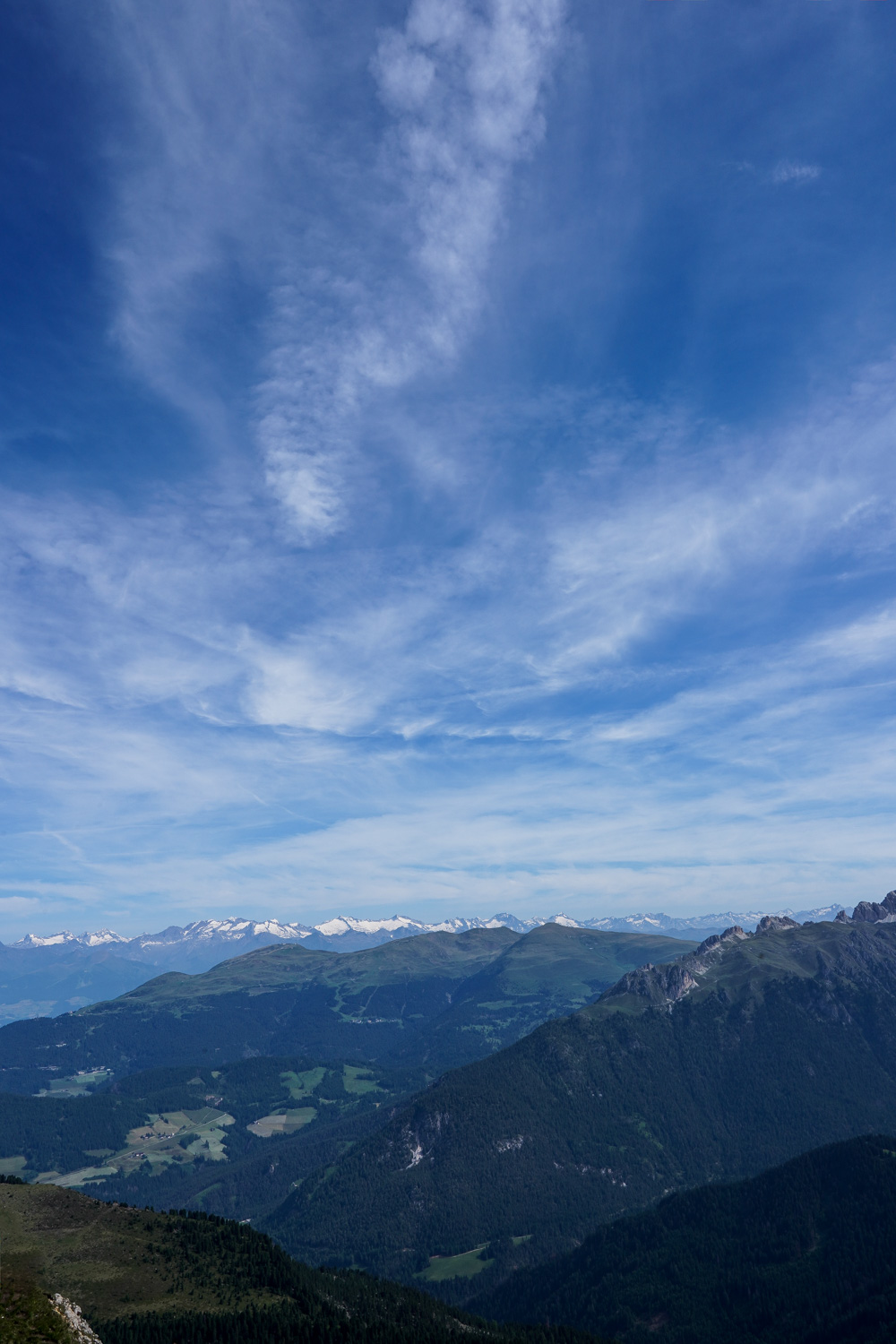
It was Roy’s father who first sold me the idea of the Dolomites in June. It would be a summer. The sky would be a startling blue with fluffs of piercing white clouds. There would be the most stunning mountains in the world and don’t forget the alpine meadows. But I love the Italy of the coast and the languid blues of the sea. The Northernmost point we had ever gone was Lake Como. You can imagine that it took much coaxing, much back and forth, for me to settle on the idea. I would have to acclimatise to the mountains of the North and inevitably, their rich cuisine. But Roy reminded me, “It will be an adventure. A very different Italy.” 

ALPE DI SIUSI

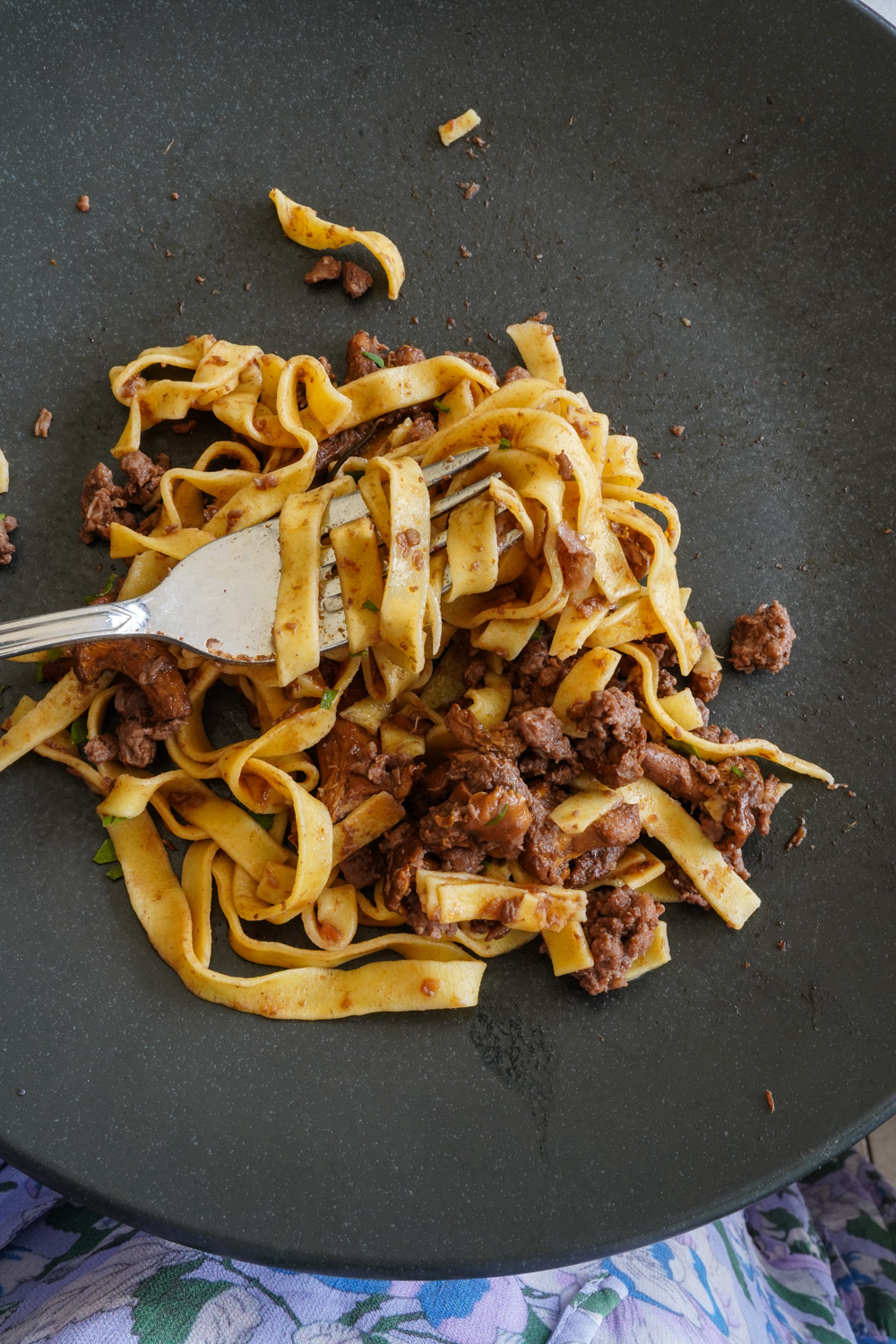
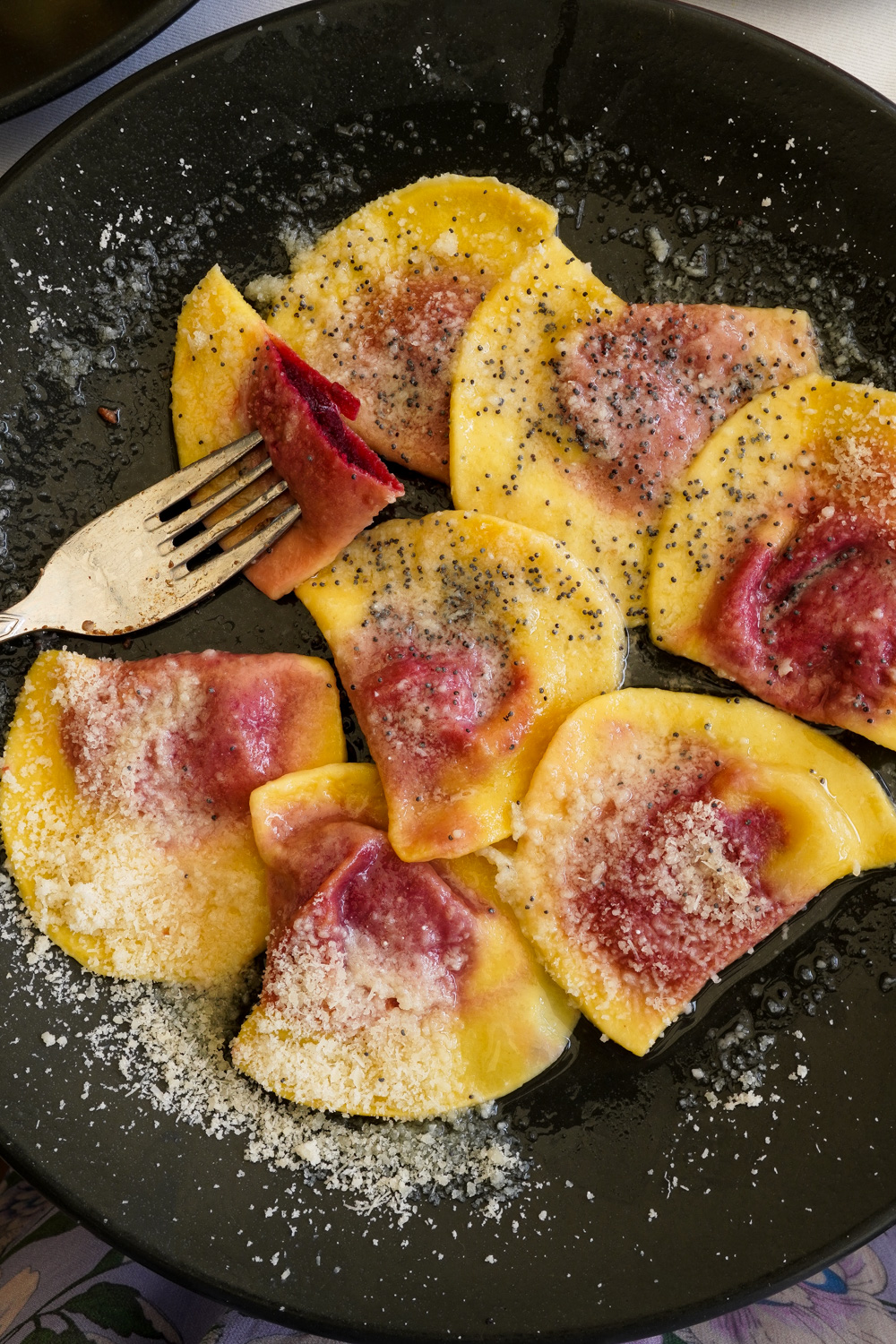
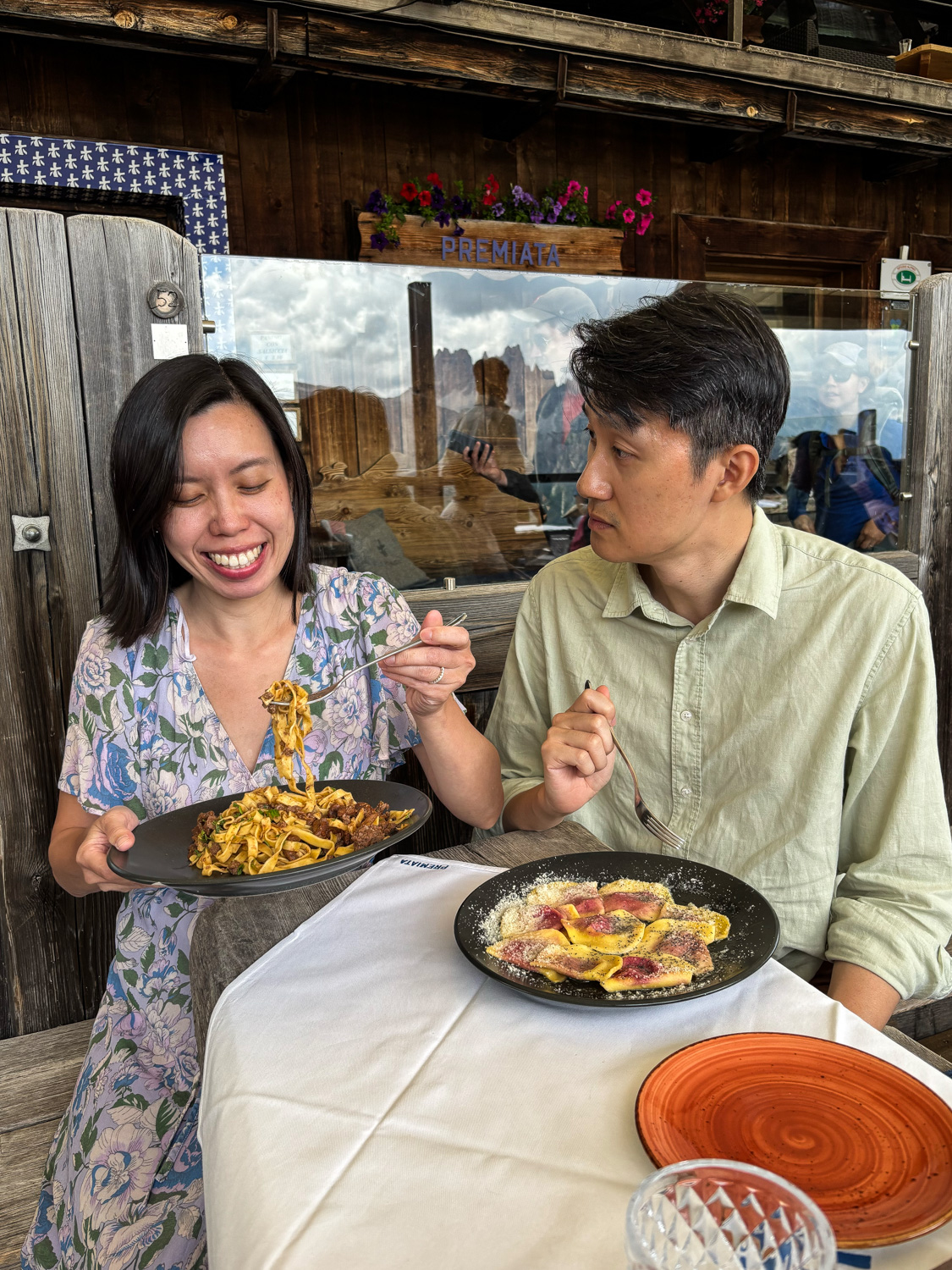
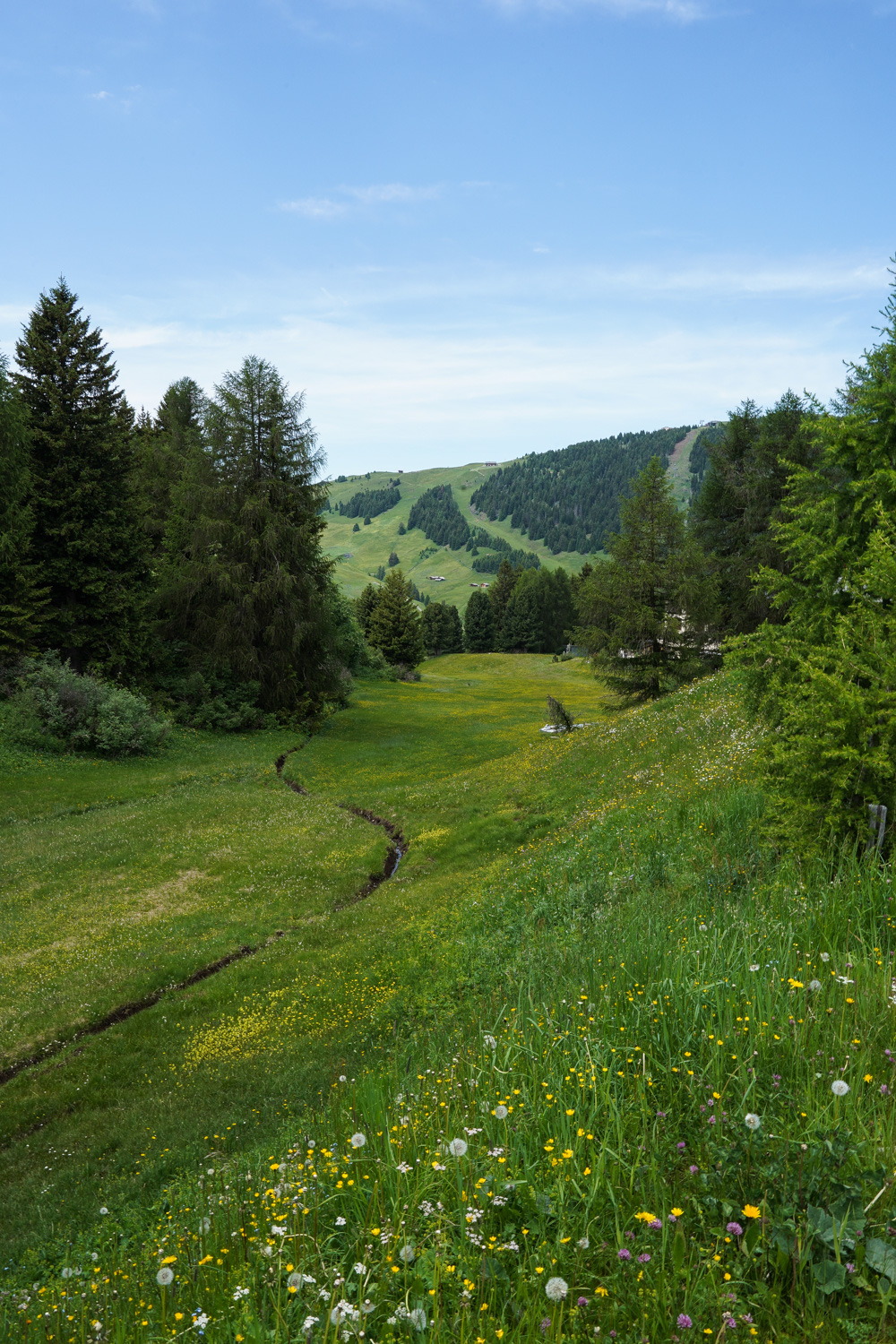
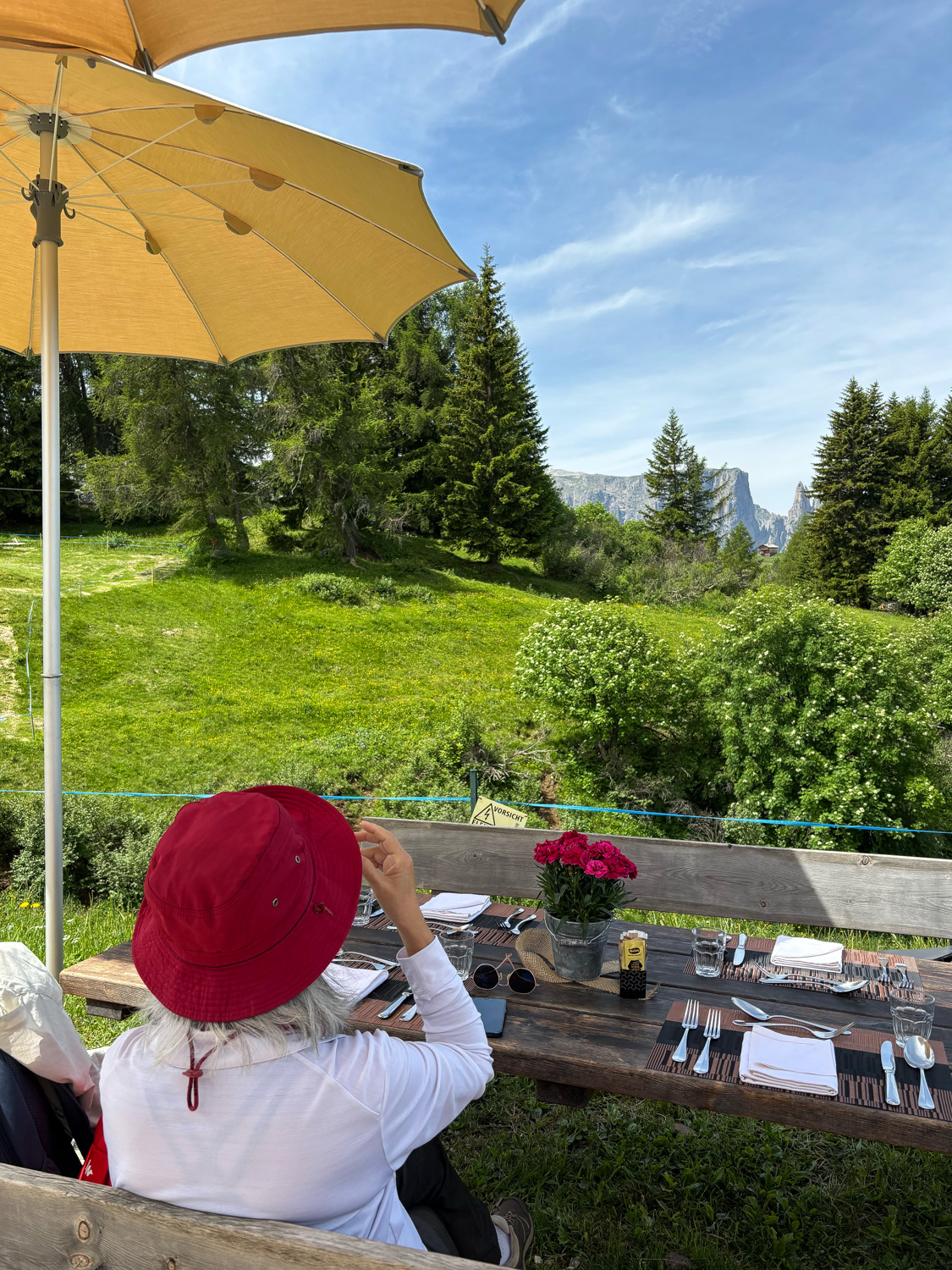
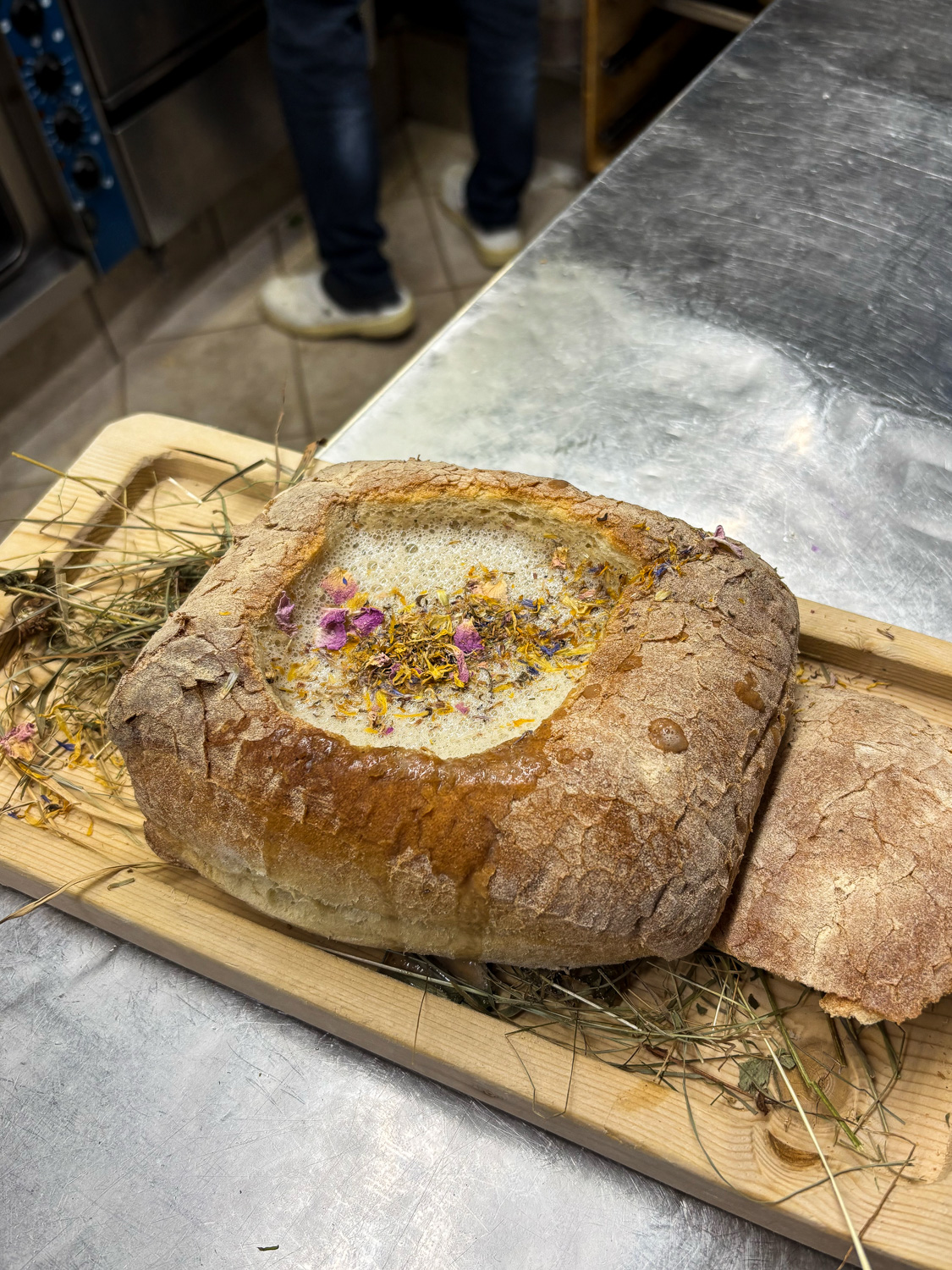
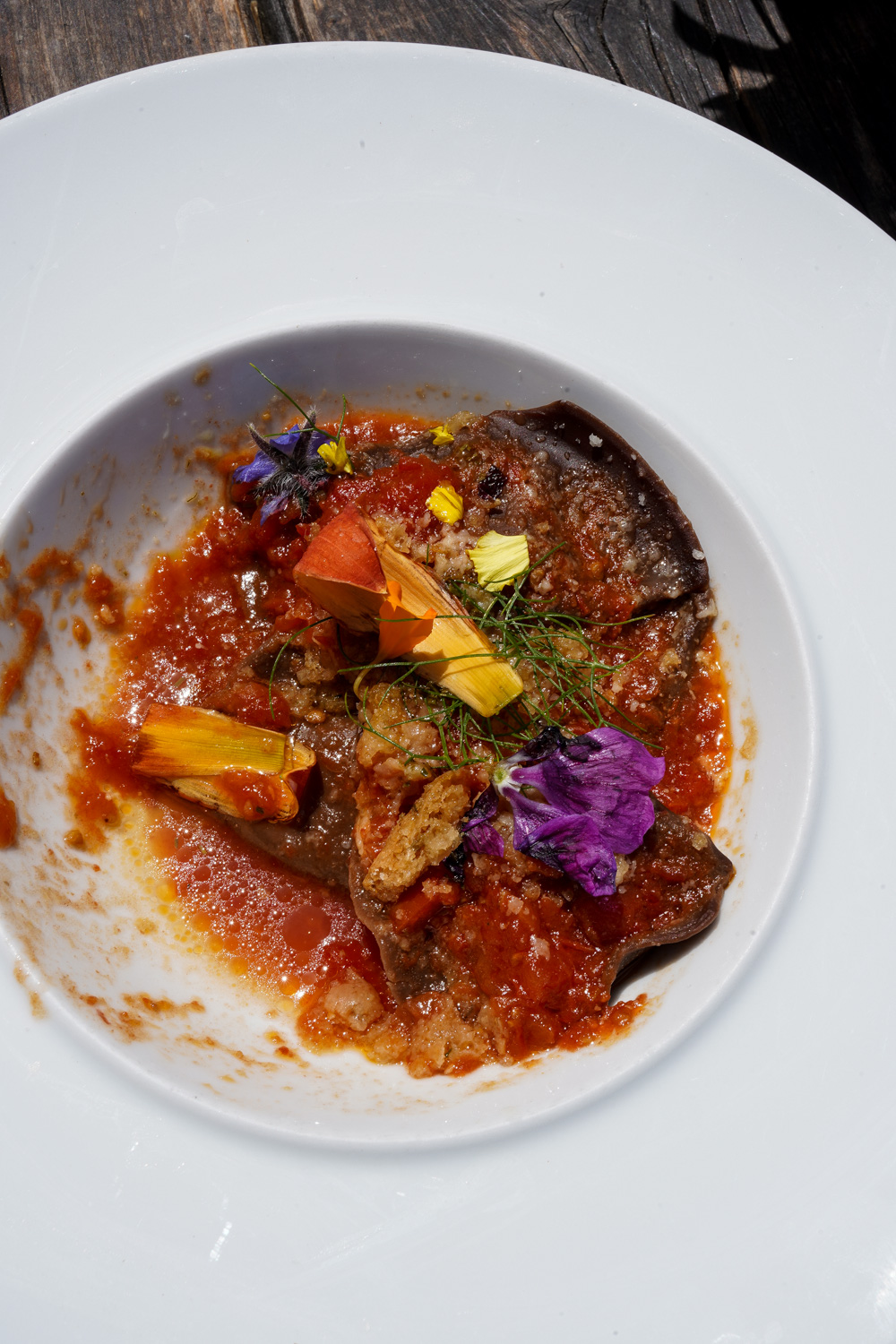
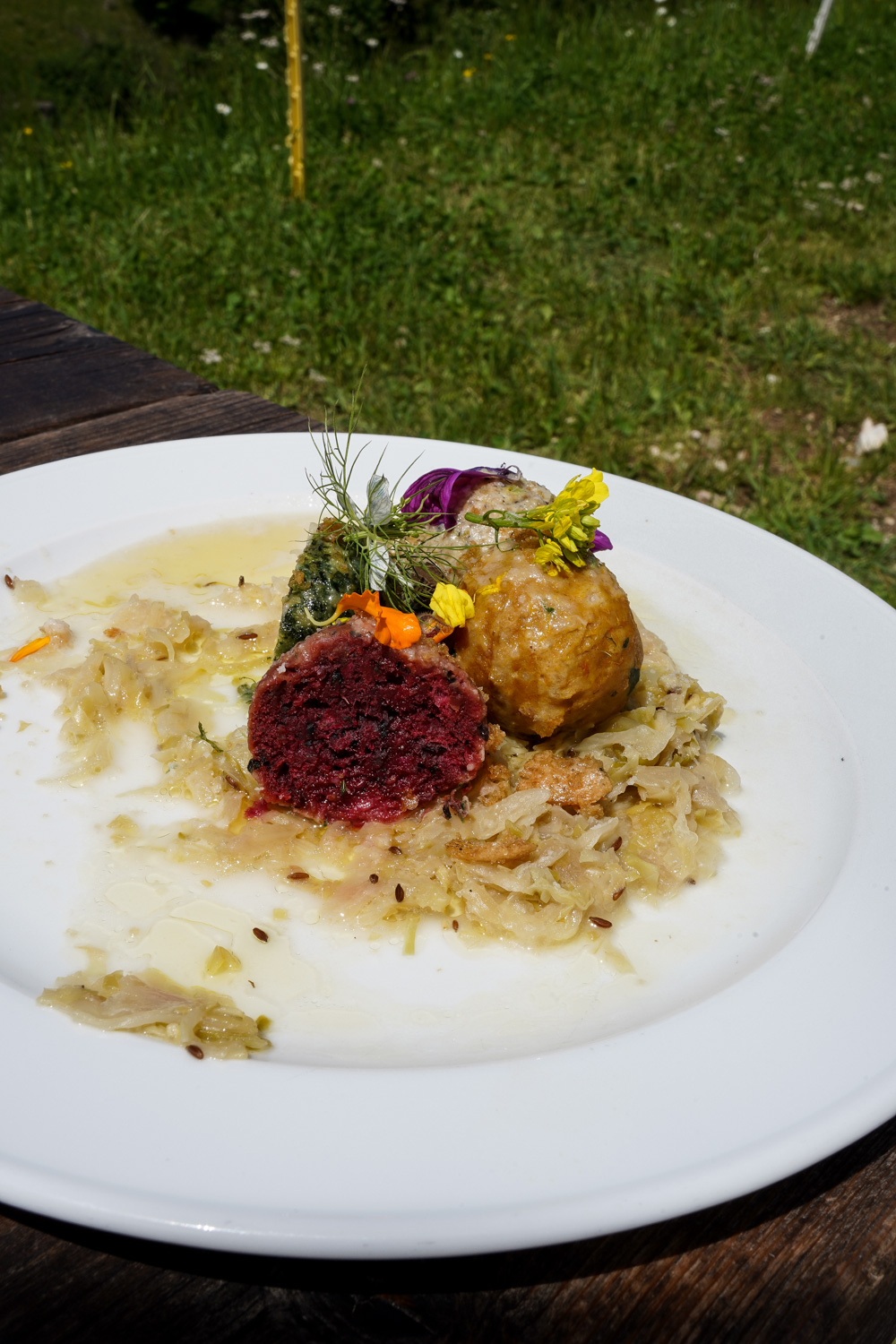
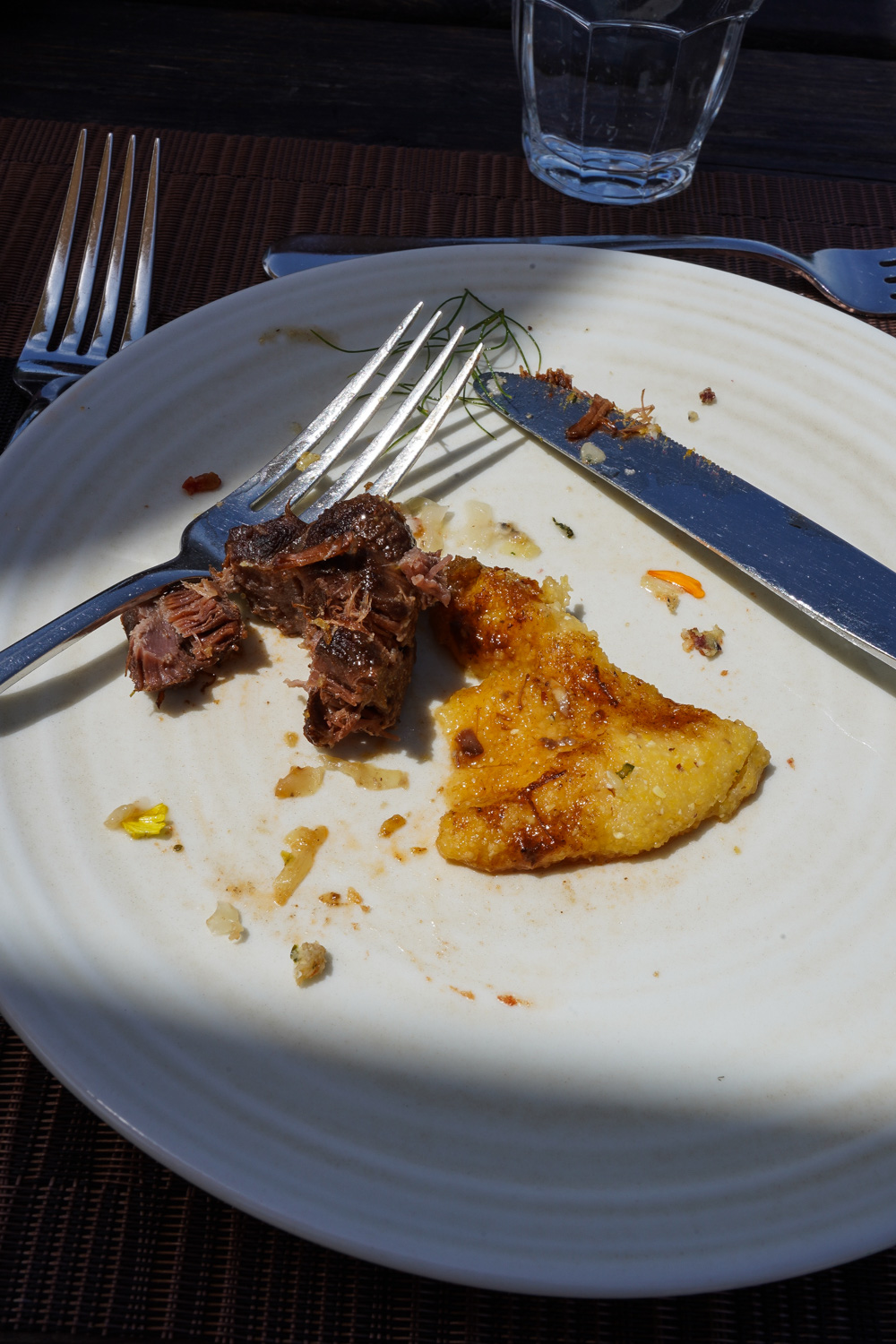
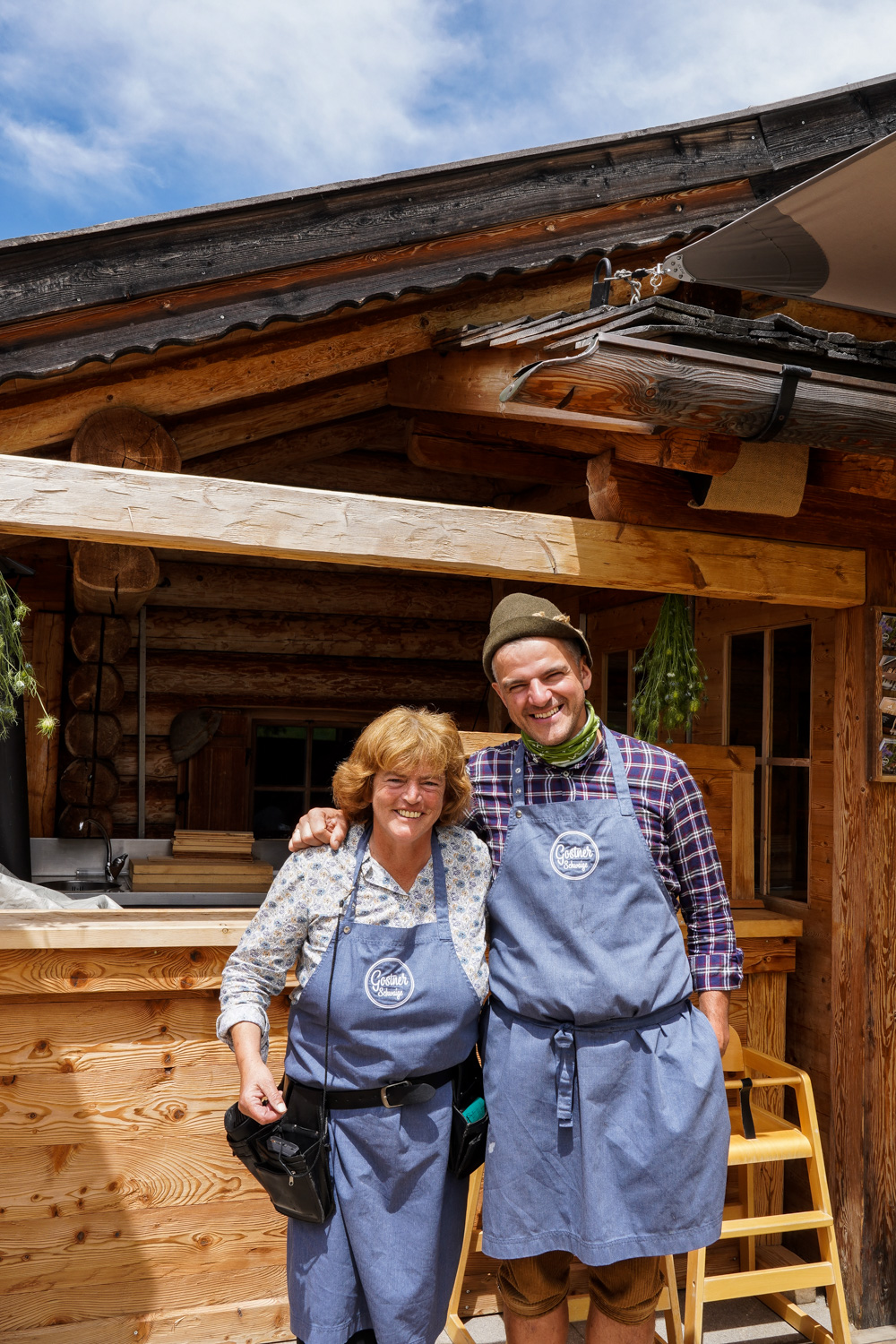
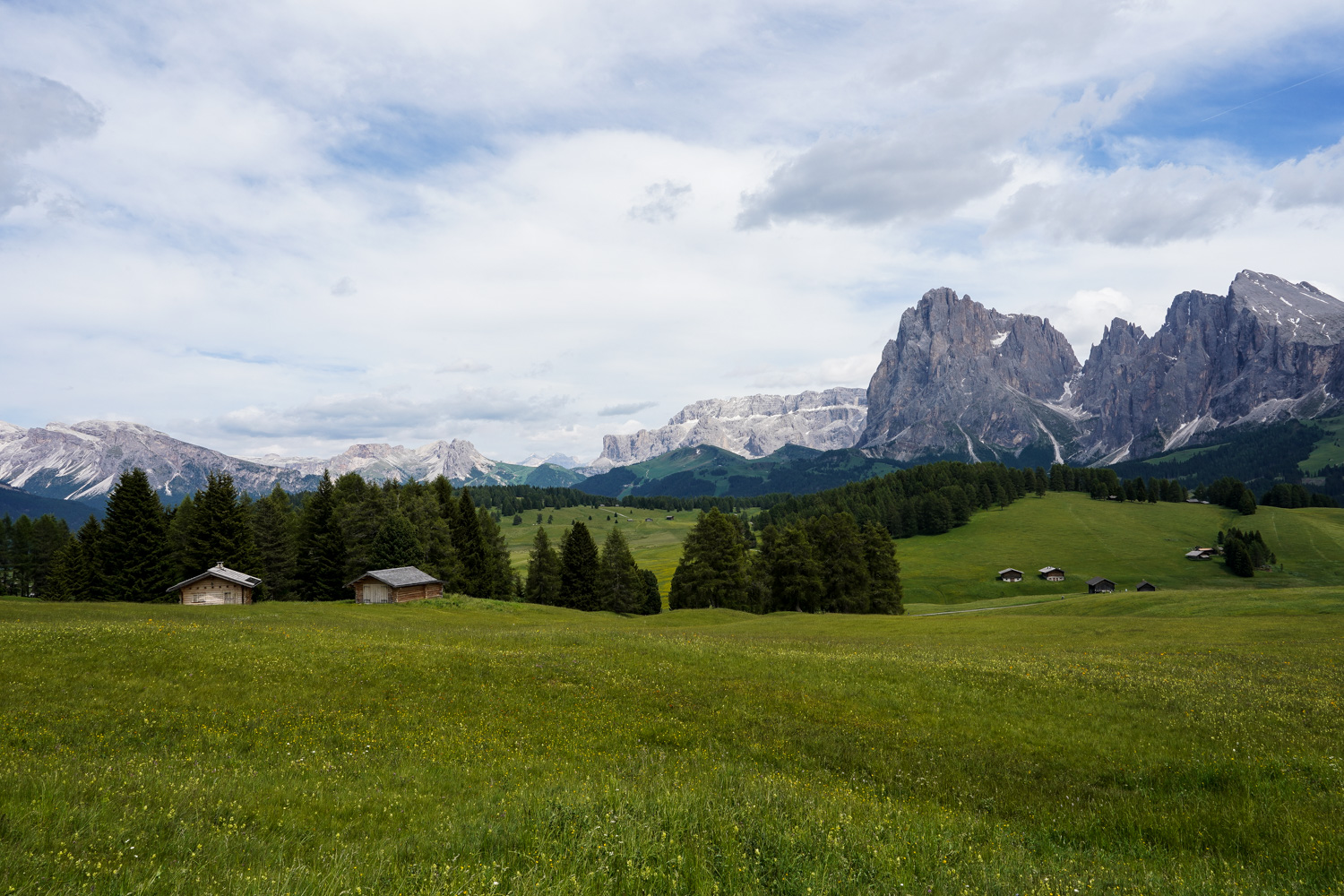
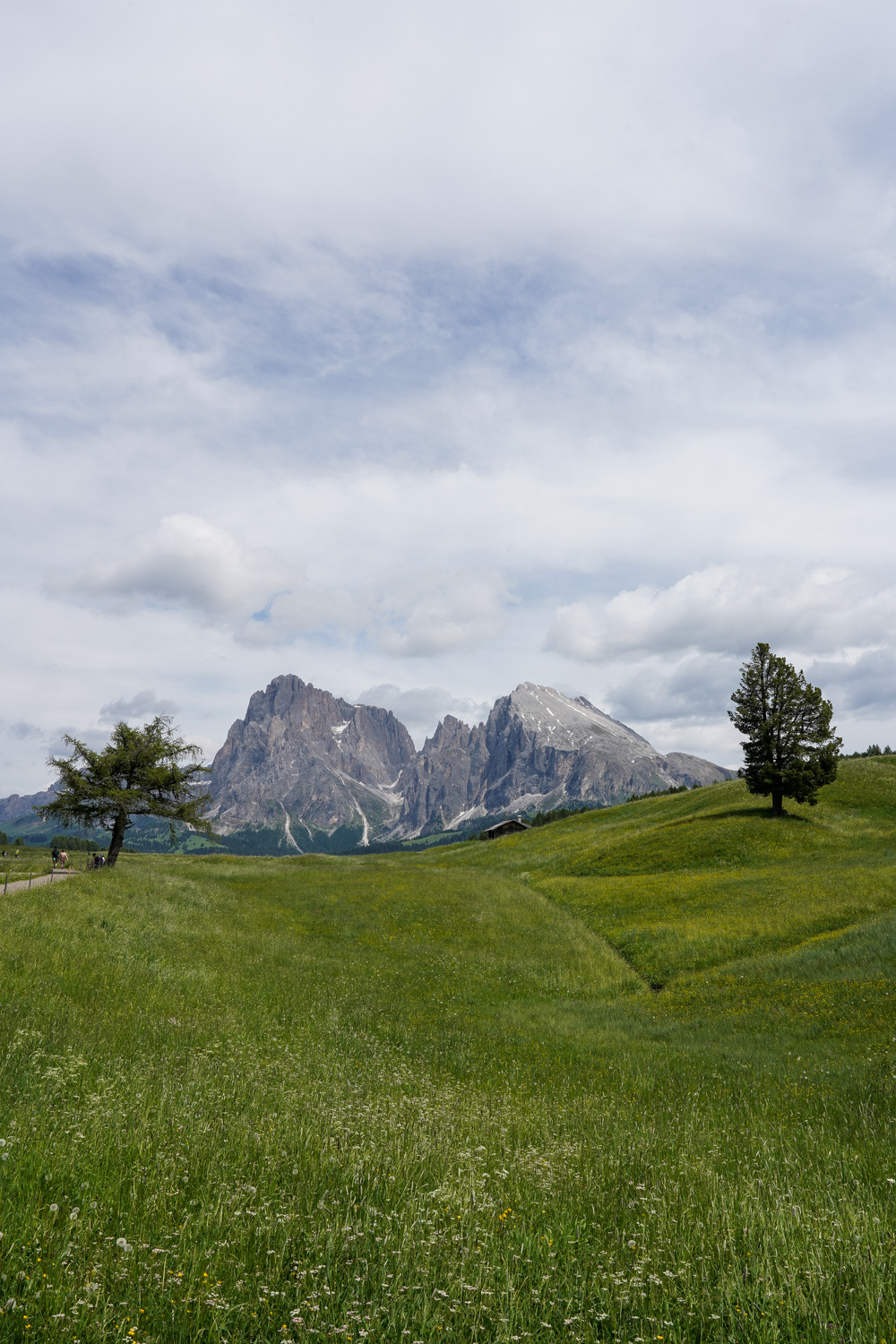
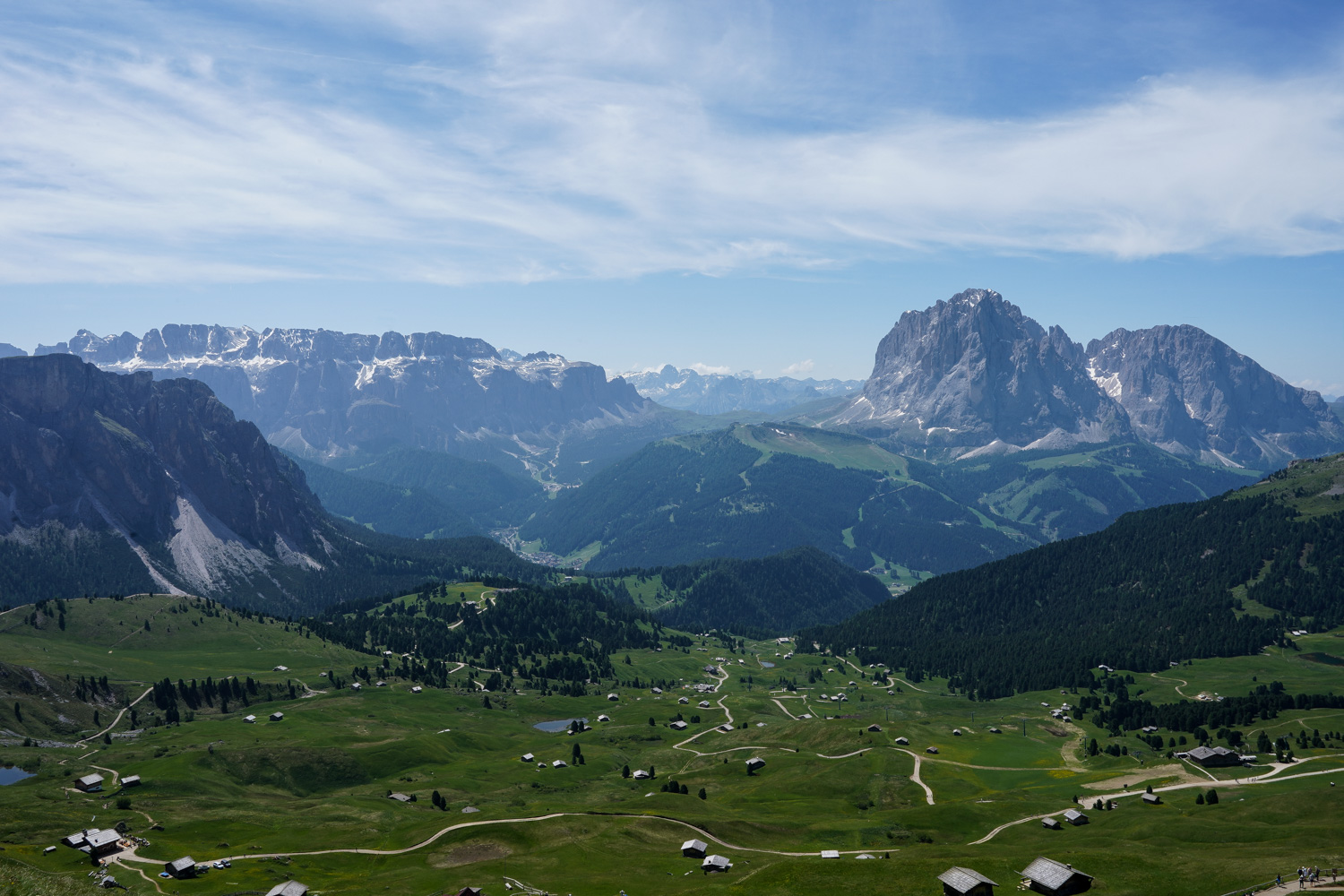
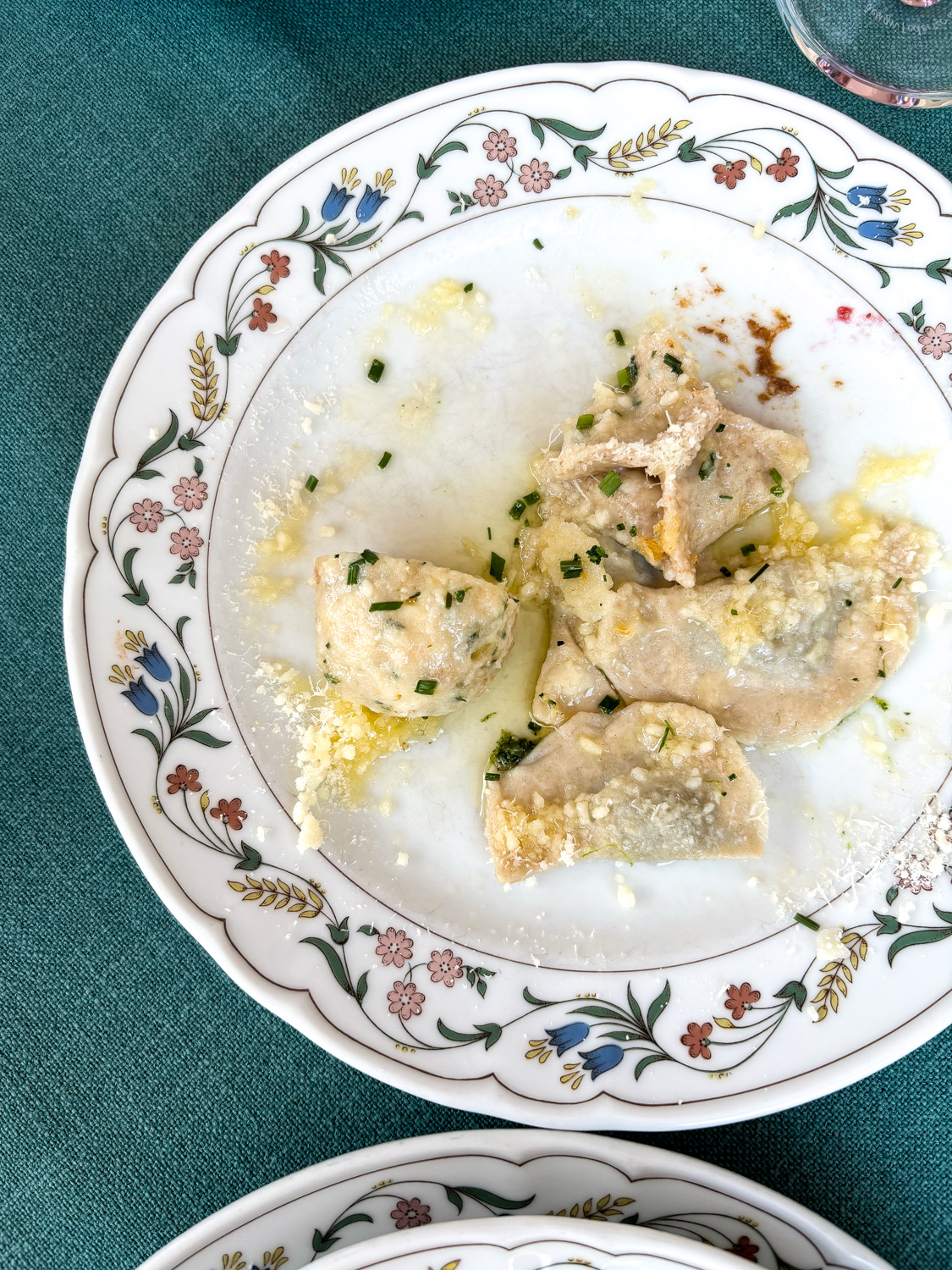
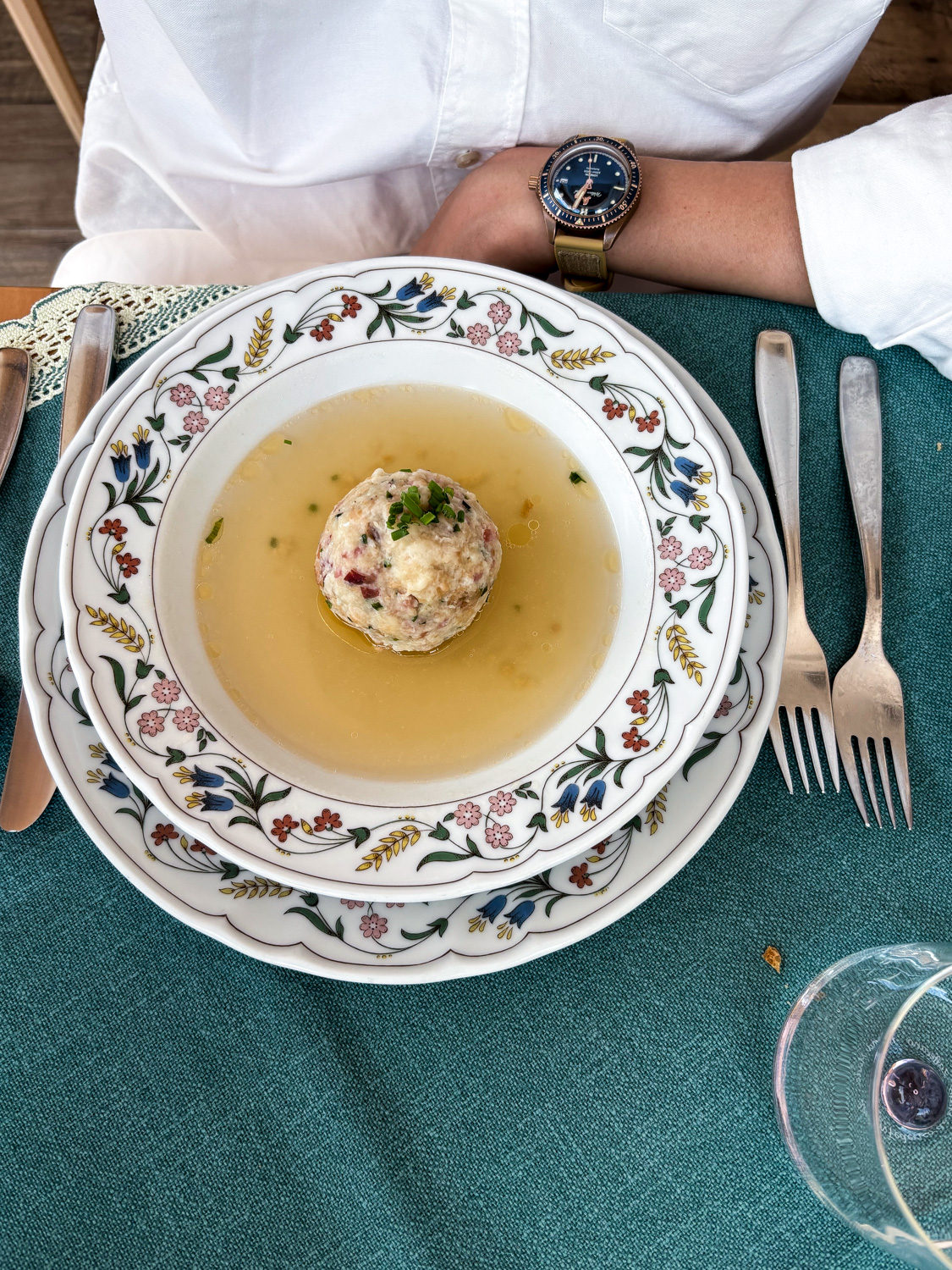
I have often heard that the food in the Dolomites is very different from the rest of Italy. It is entirely landlocked, sharing borders with Austria and Switzerland. Menus are in Italian, German and Ladin. In a way, it is a very un-Italian region with food that feels like a distant cousin of their neighbour Lombardy. Here, the alpine meadows shape the menu, as is the cuisine at Franz’s place Gostner Schwaige. Dora, who has been working here for decades, declares that he is the chef. She never allows anyone to over-order and with a reservation, she will seat you at the best table—right by the meadows. Franz’s dishes are his beautiful creations—a love letter to the Alpe—but it’s when Dora brings them to the table that they truly come alive, carried with pride and care. Carob-flour ravioli, folded in the shape of mezzelune half-moons, are dressed in tomatoes and pine pesto. Hay soup stewed in herbs and flowers. Goulash in red wine served with golden polenta. Then comes dessert, the hardest choice of all. While we manage to settle on scrambled pancakes and apple strudel, we could not decide between honey or cream. But of course, Dora has the best idea of all, “I’ll bring both!” While the charm of the Alpe di Siusi is the slow walk to everywhere and anywhere, the satisfyingly long lunches are what makes the walks worthwhile. 


SECEDA

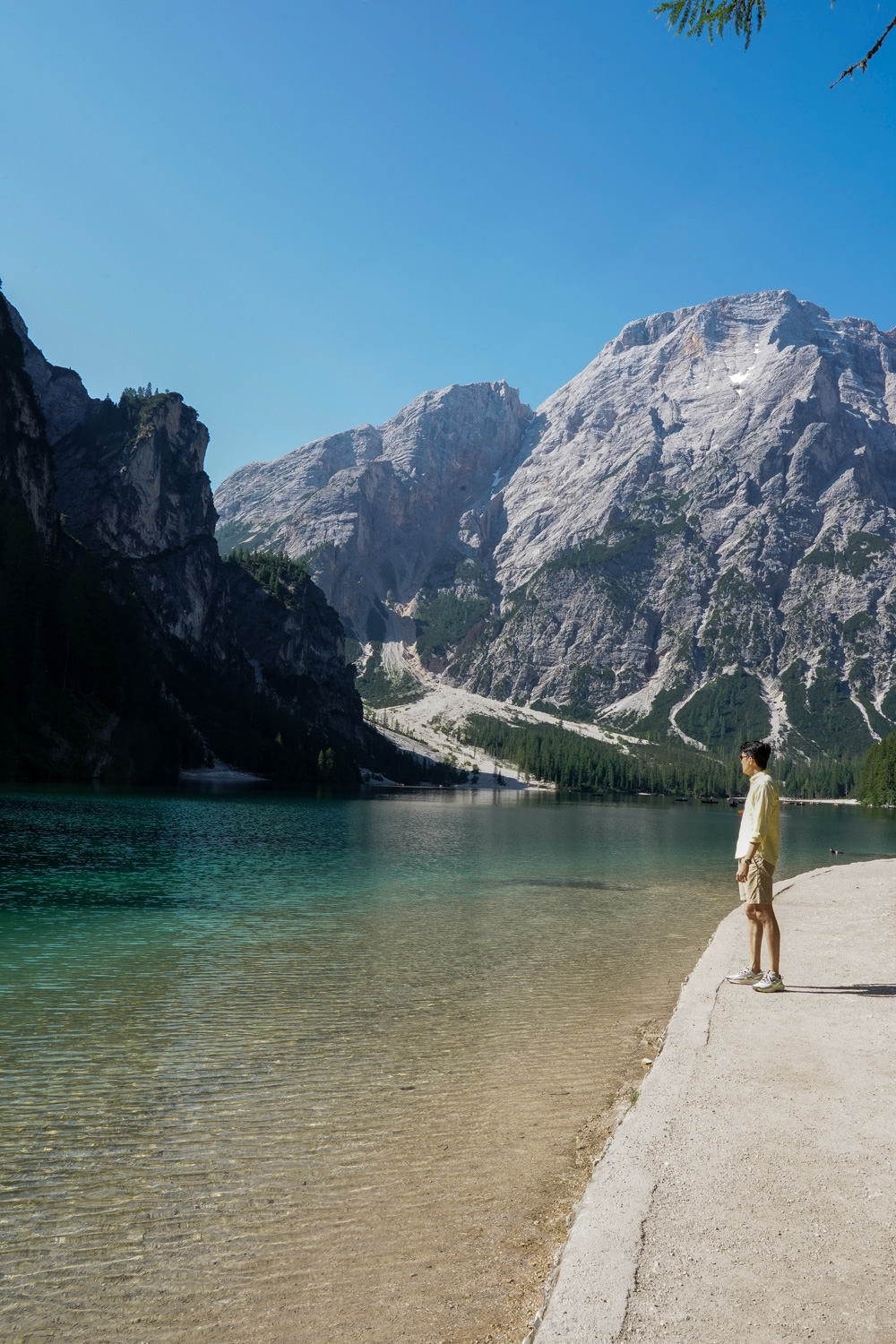
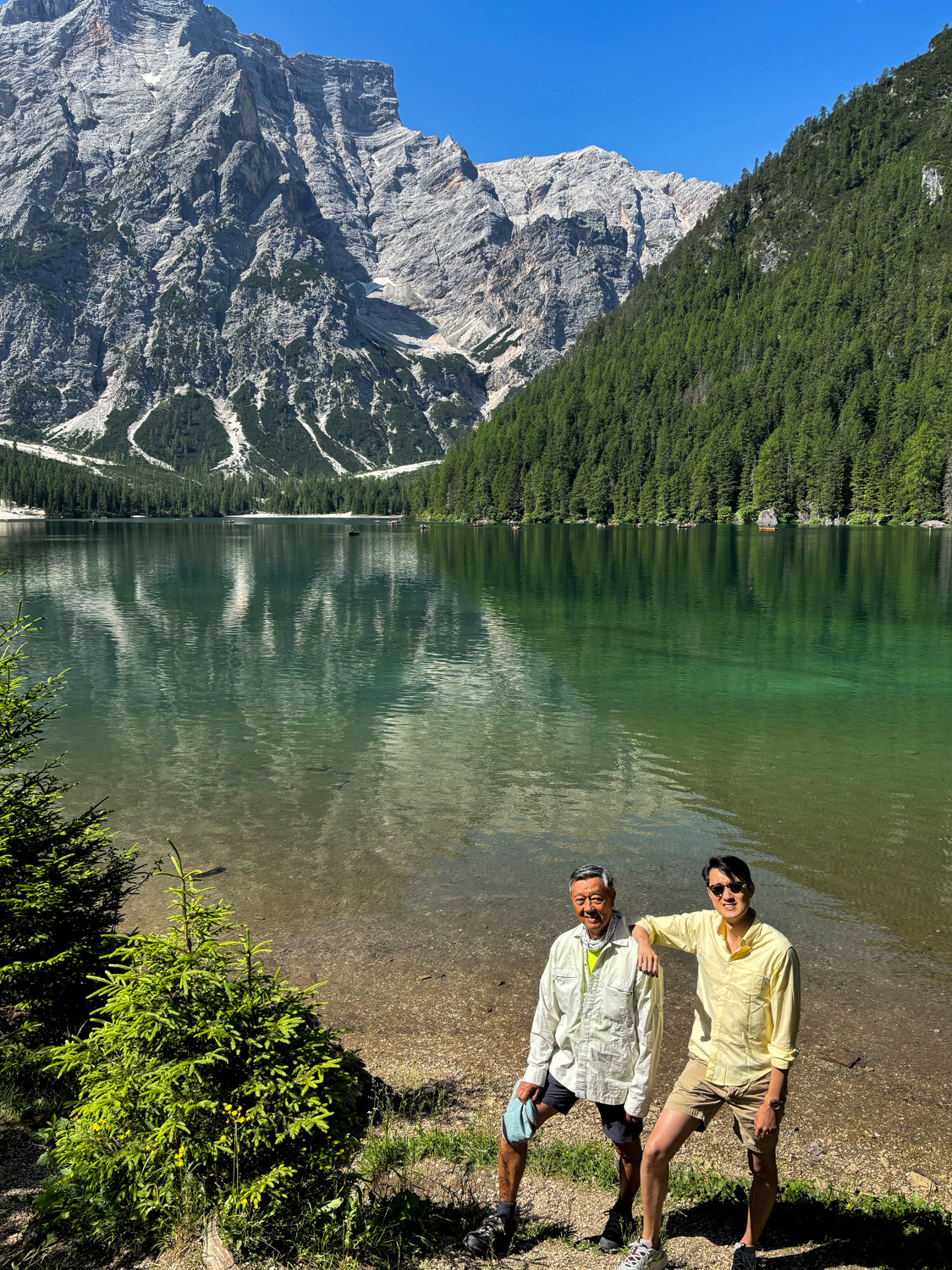
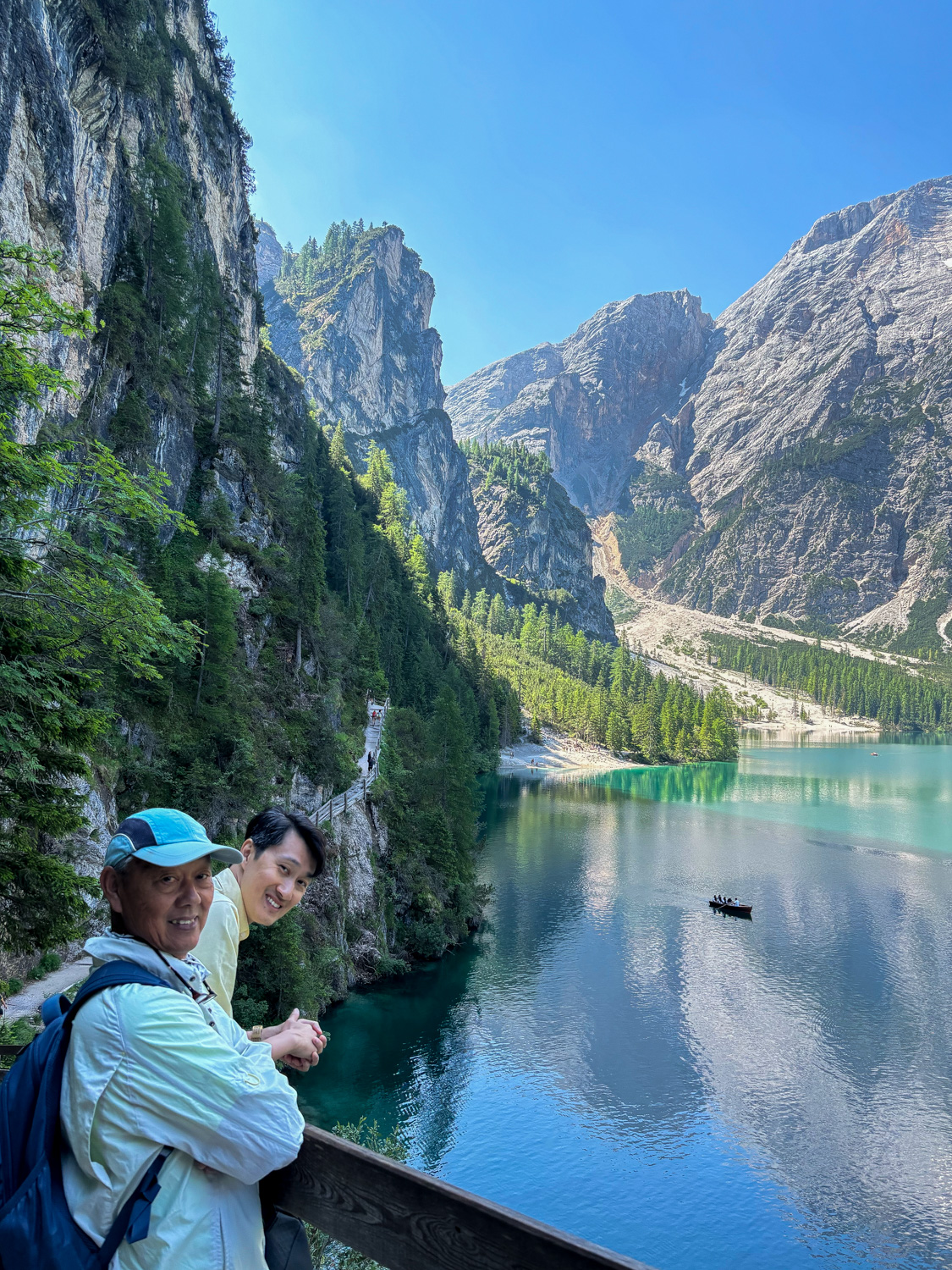
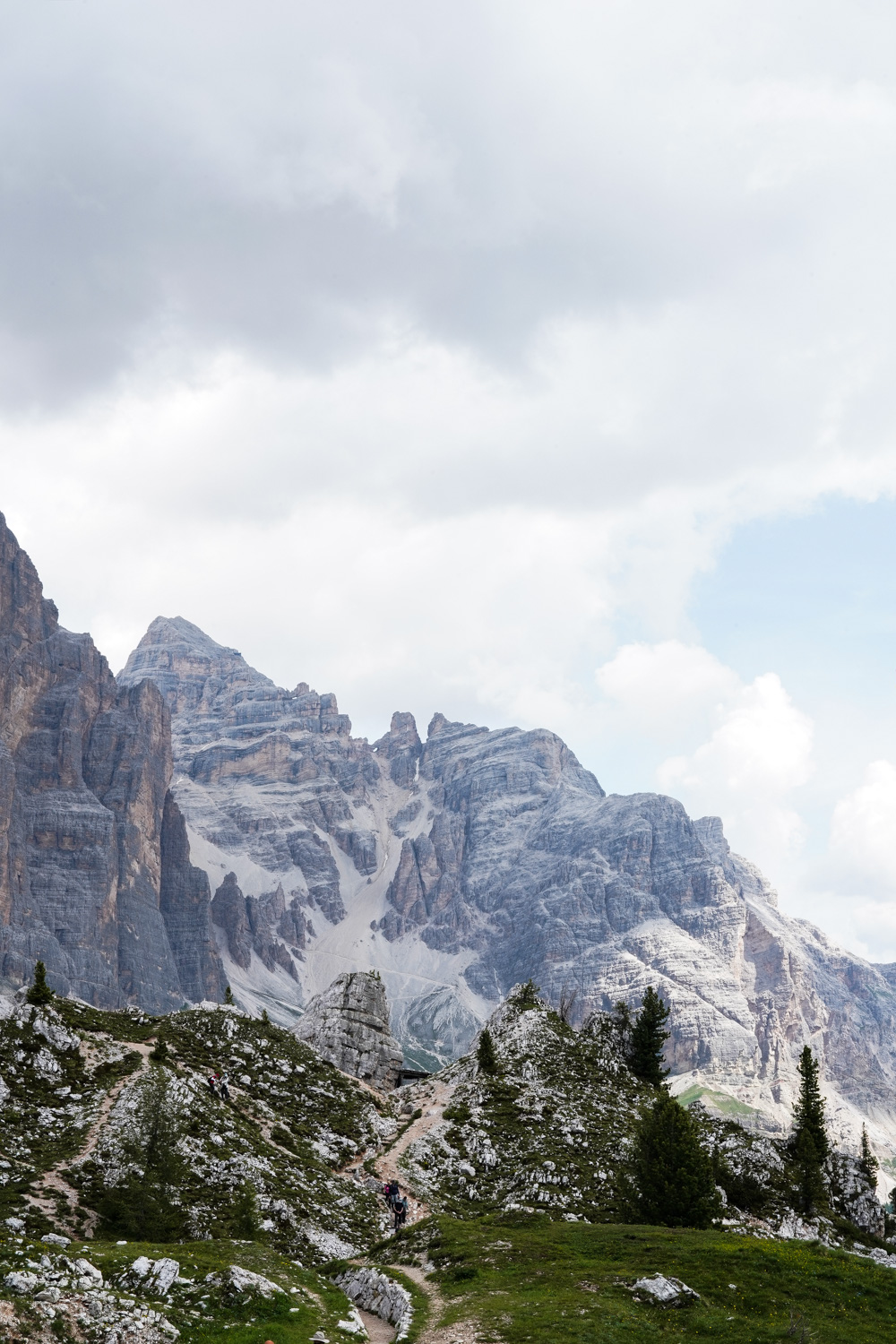
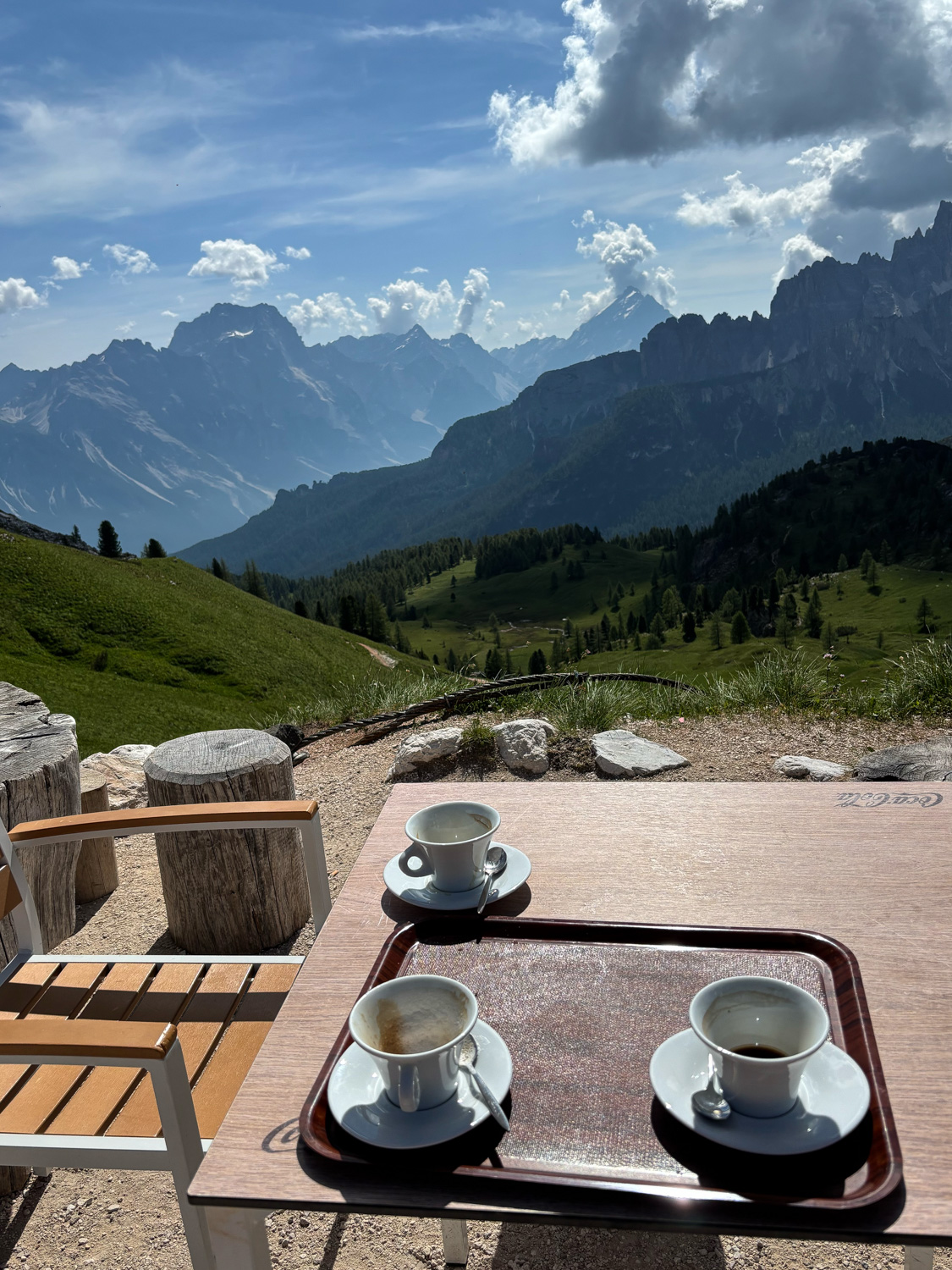
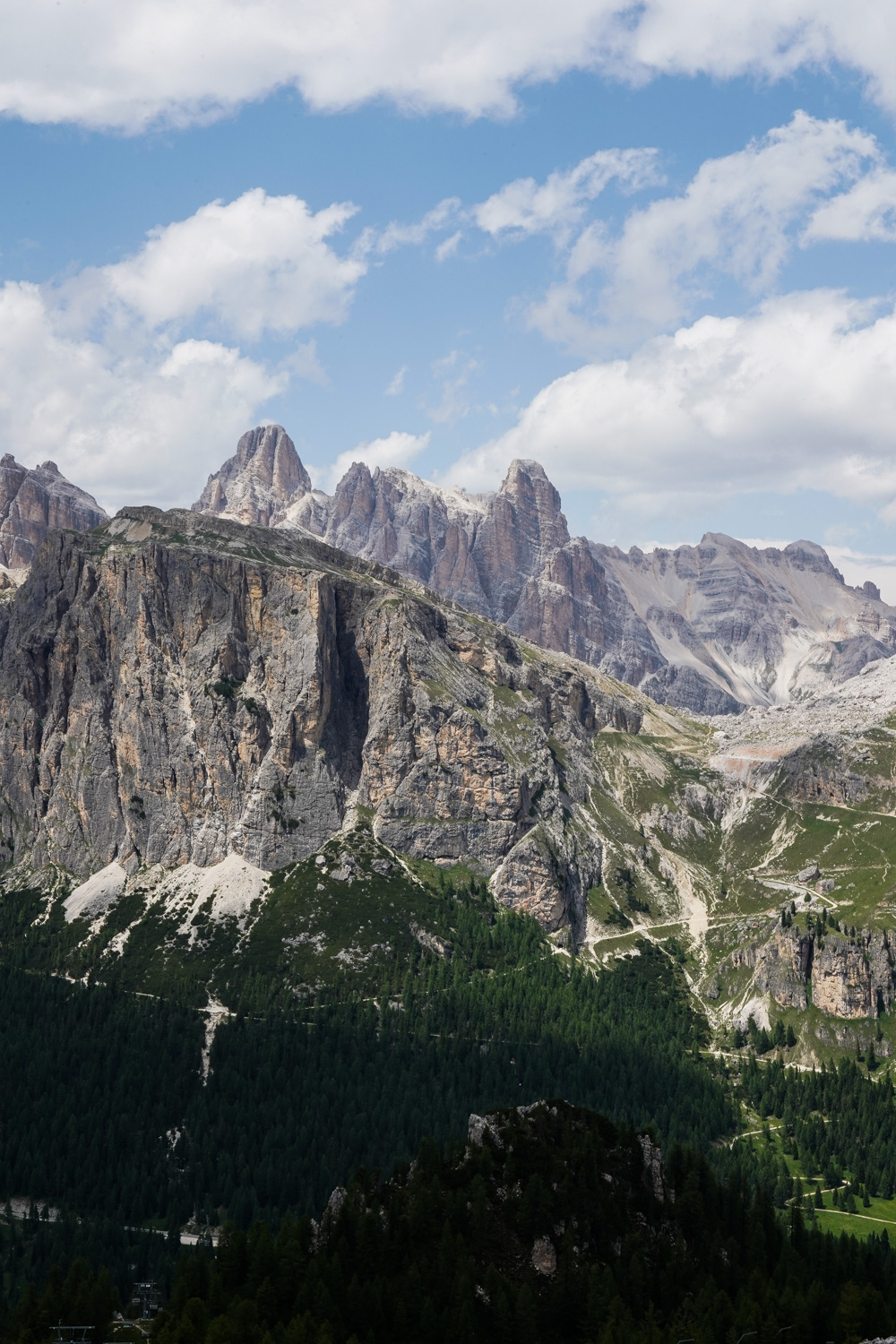
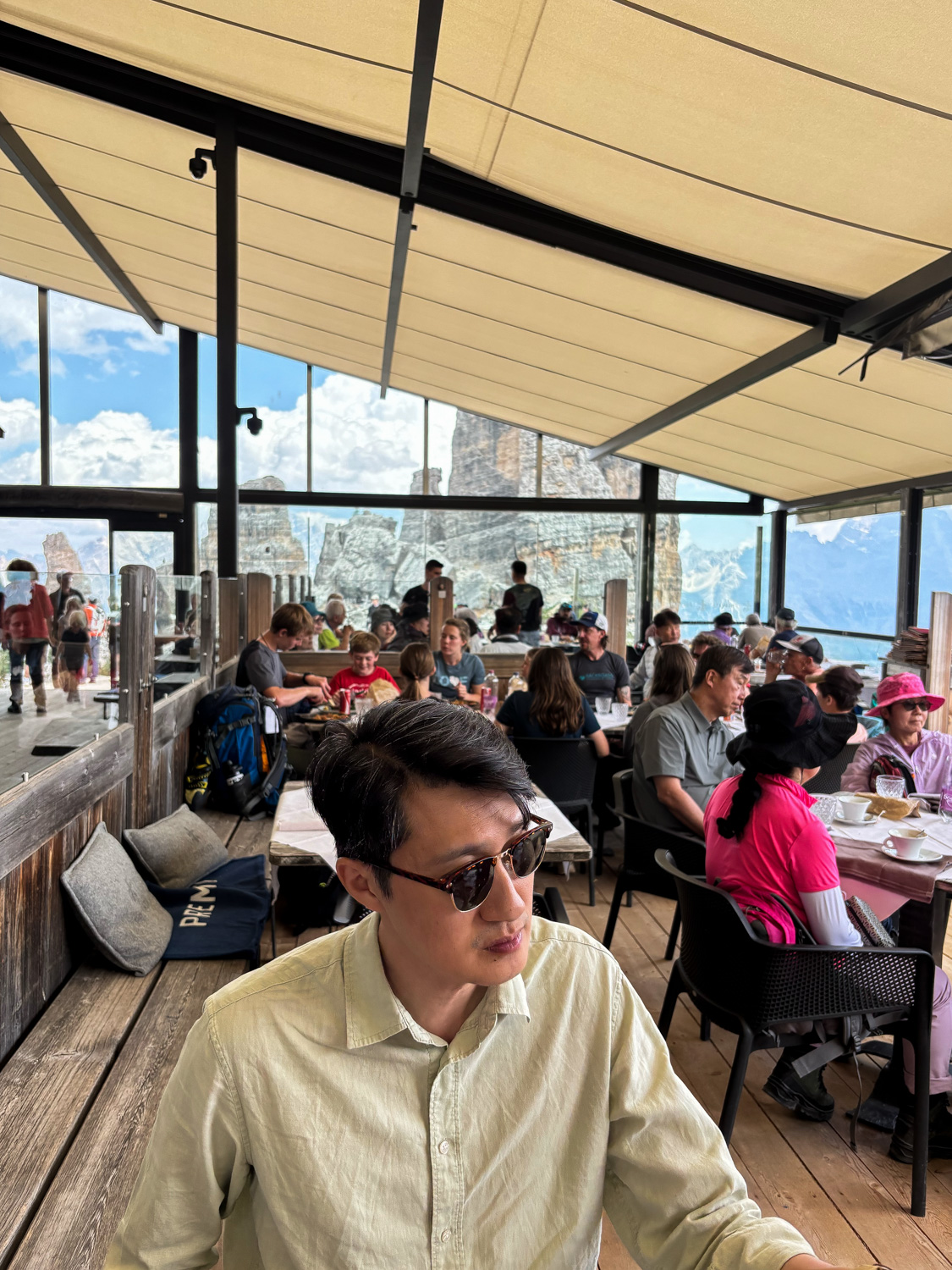
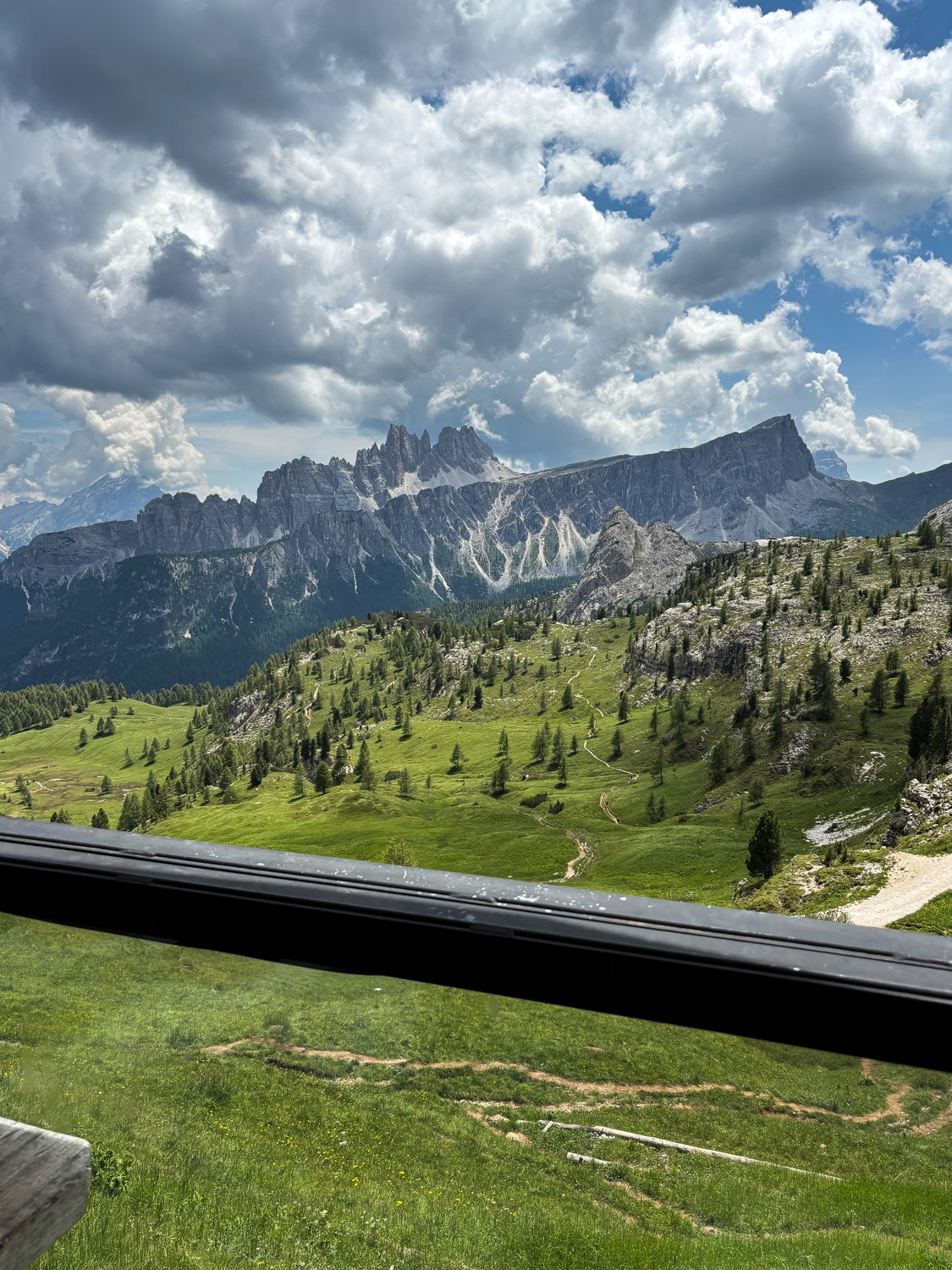
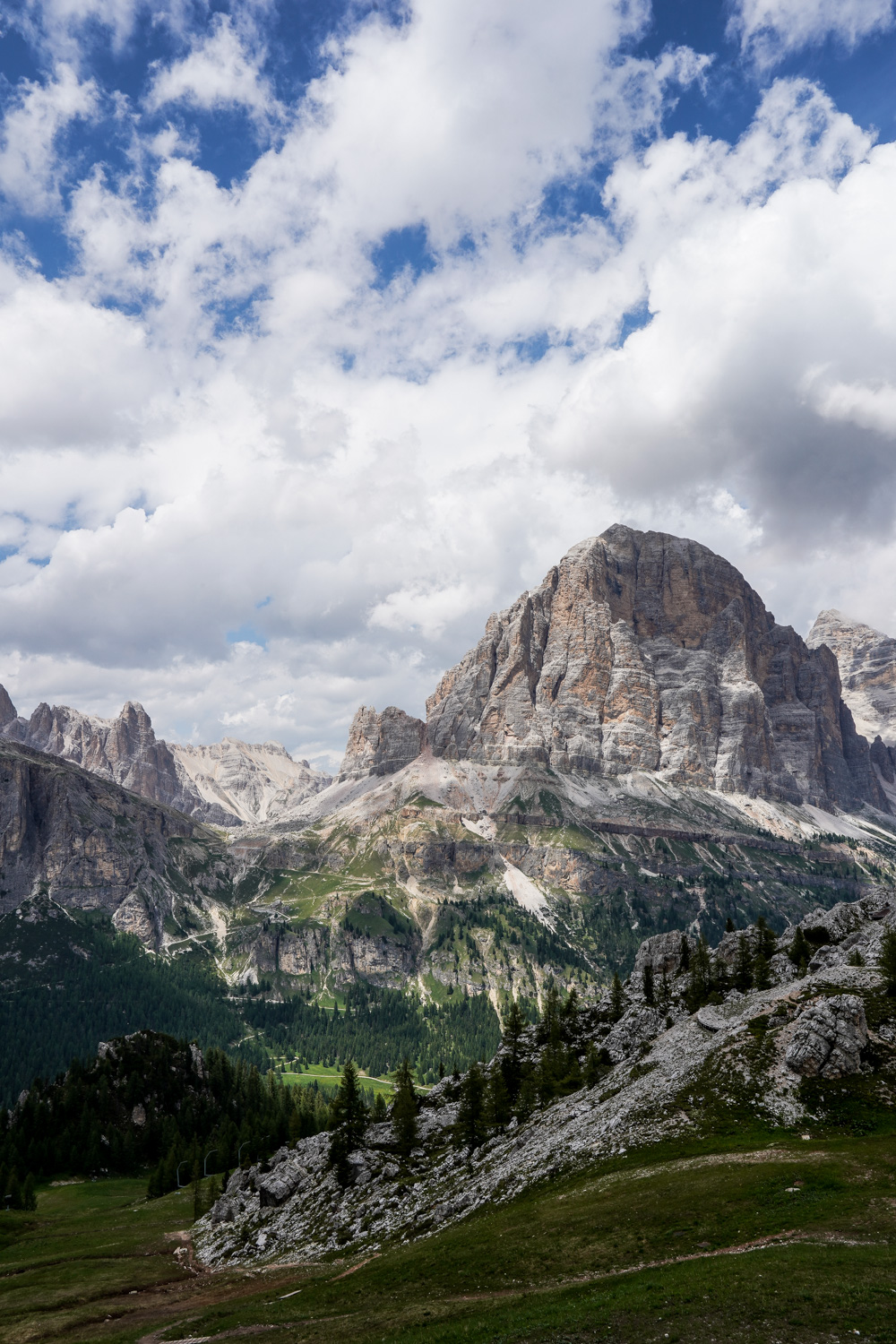
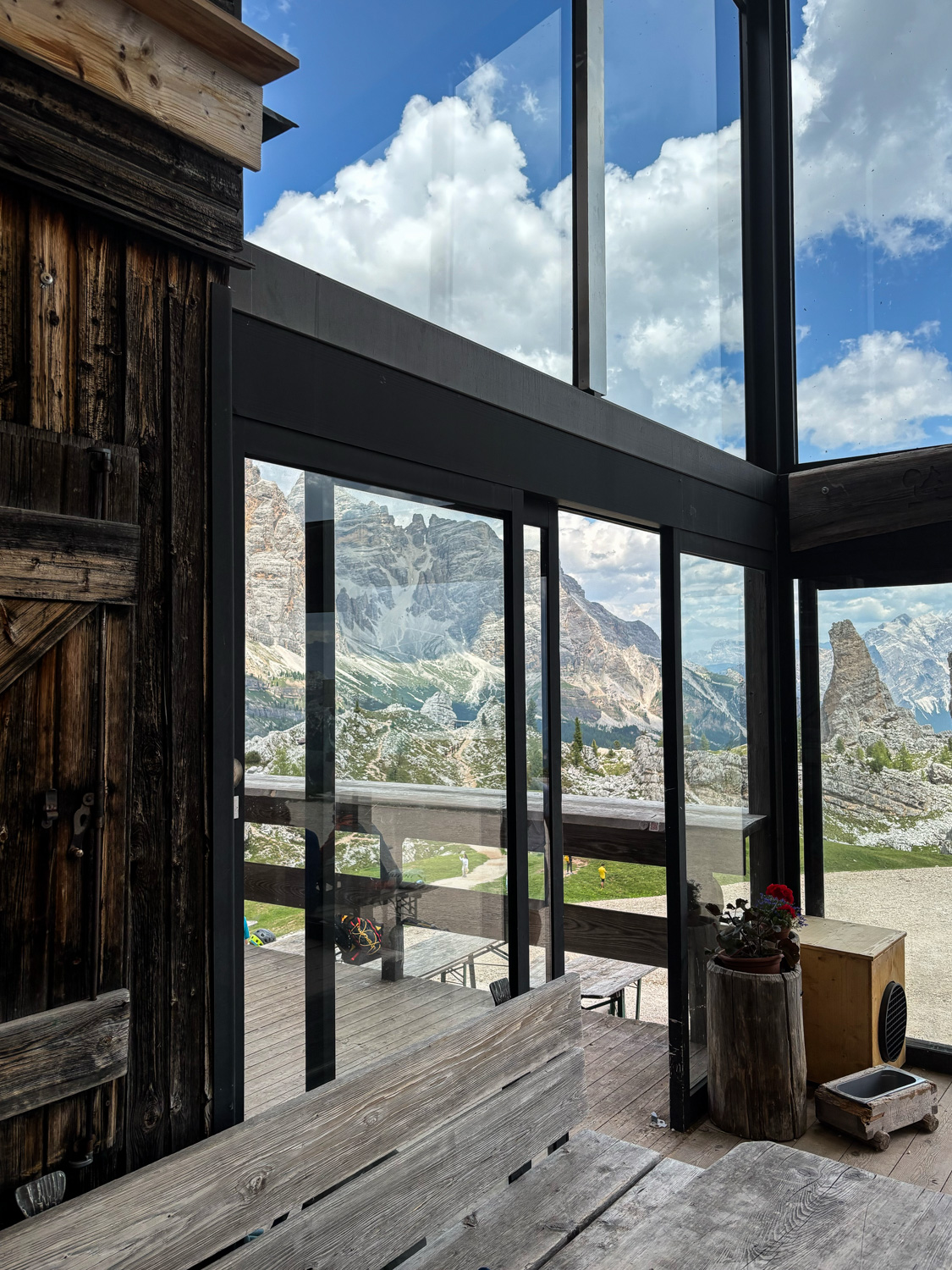
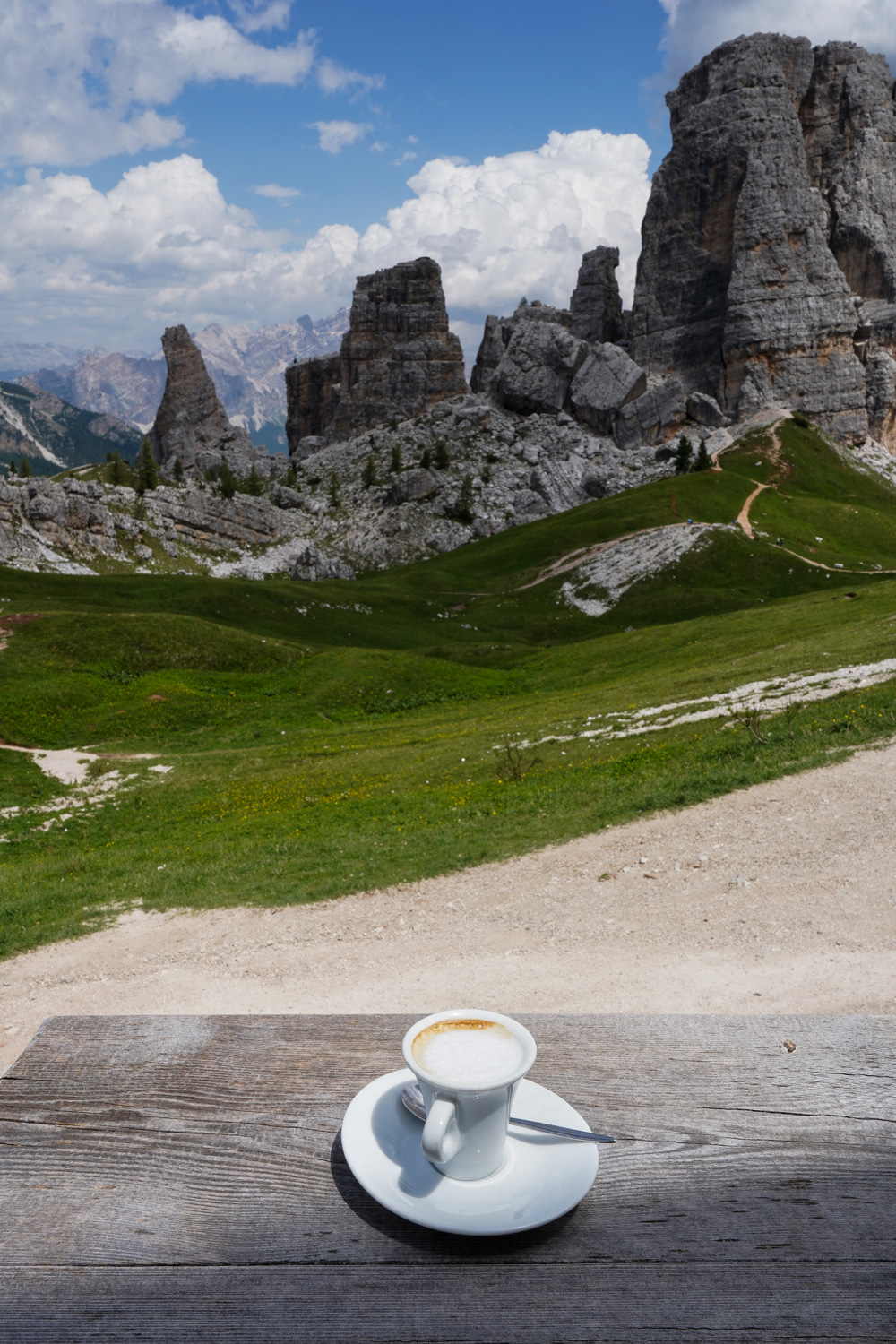
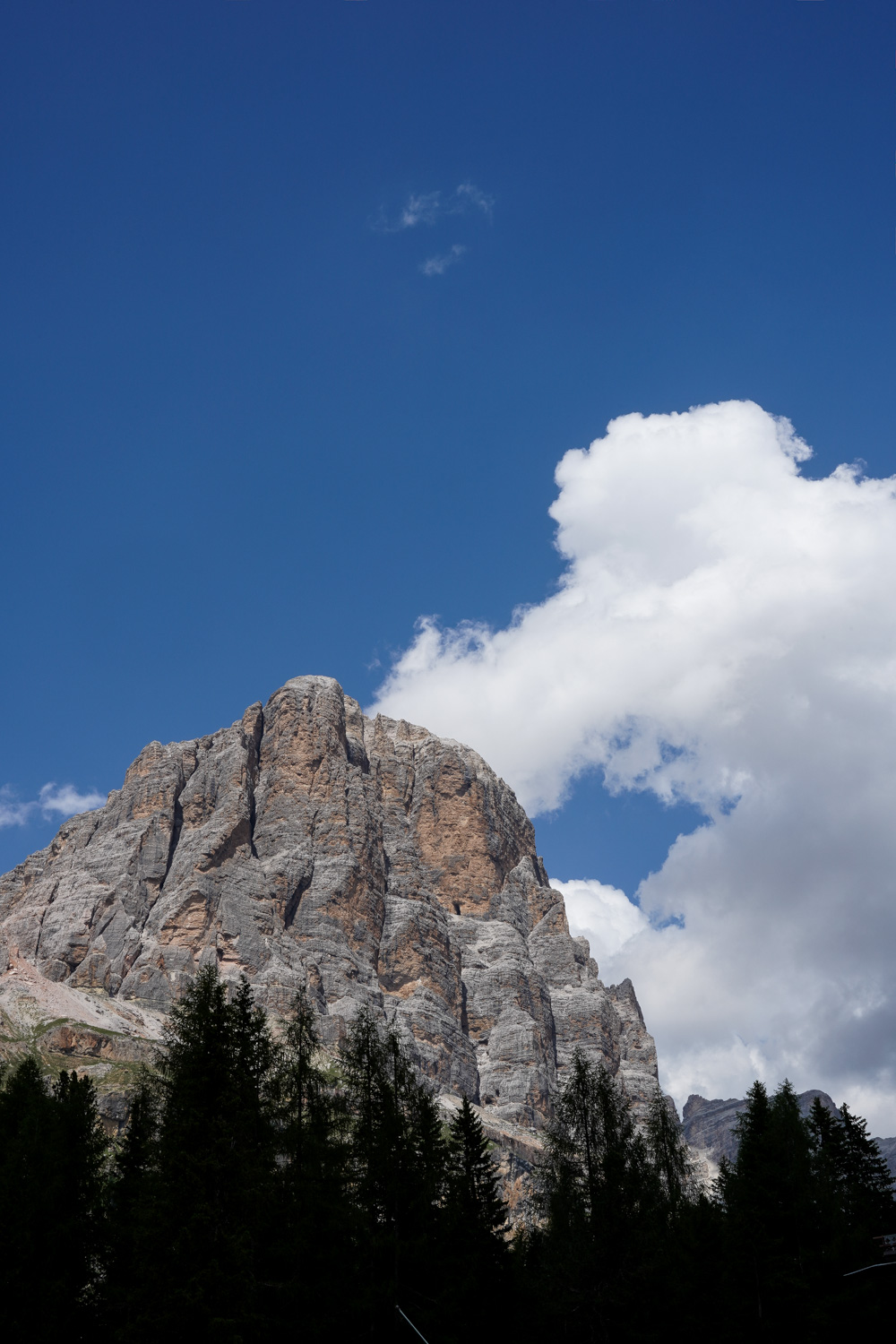
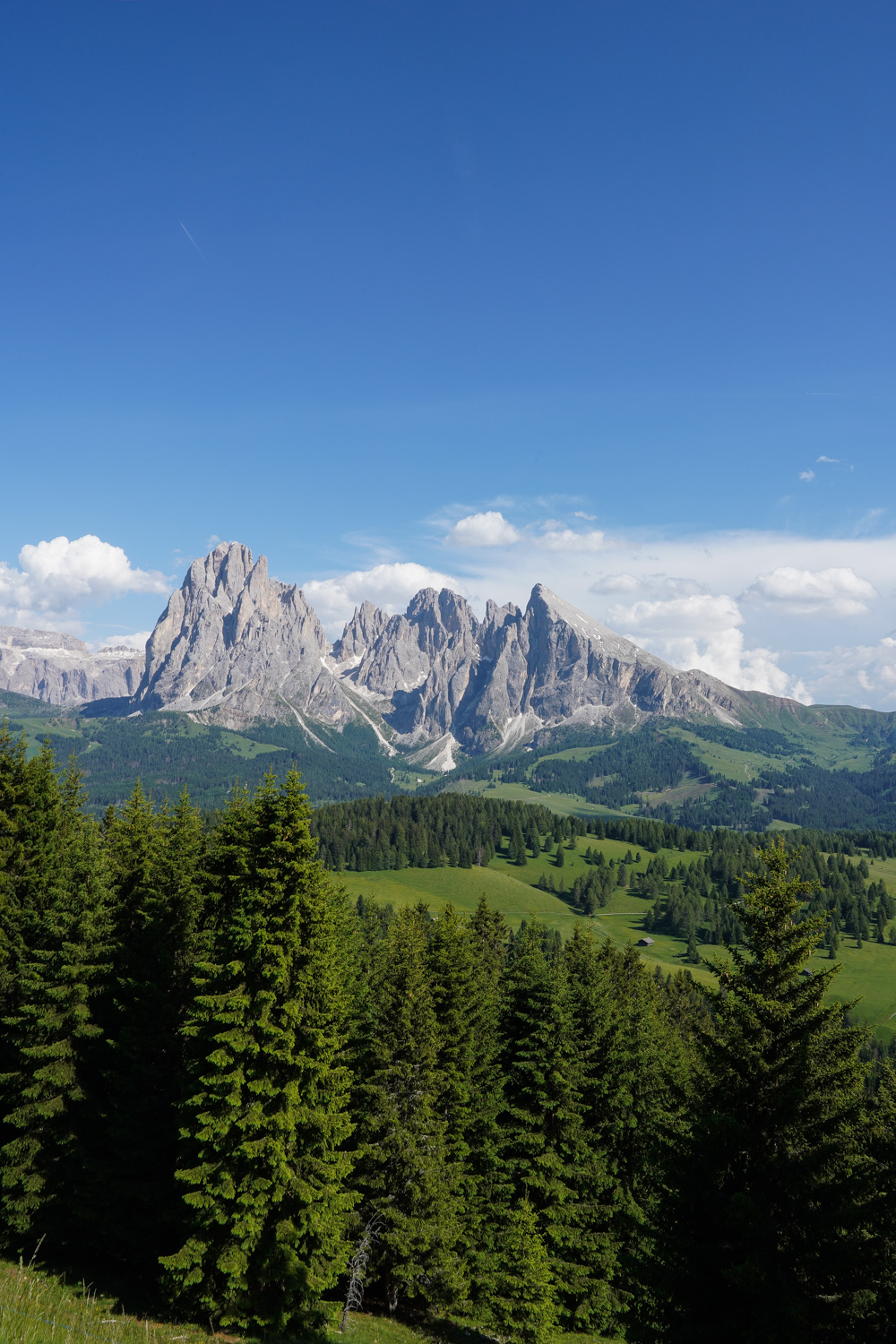
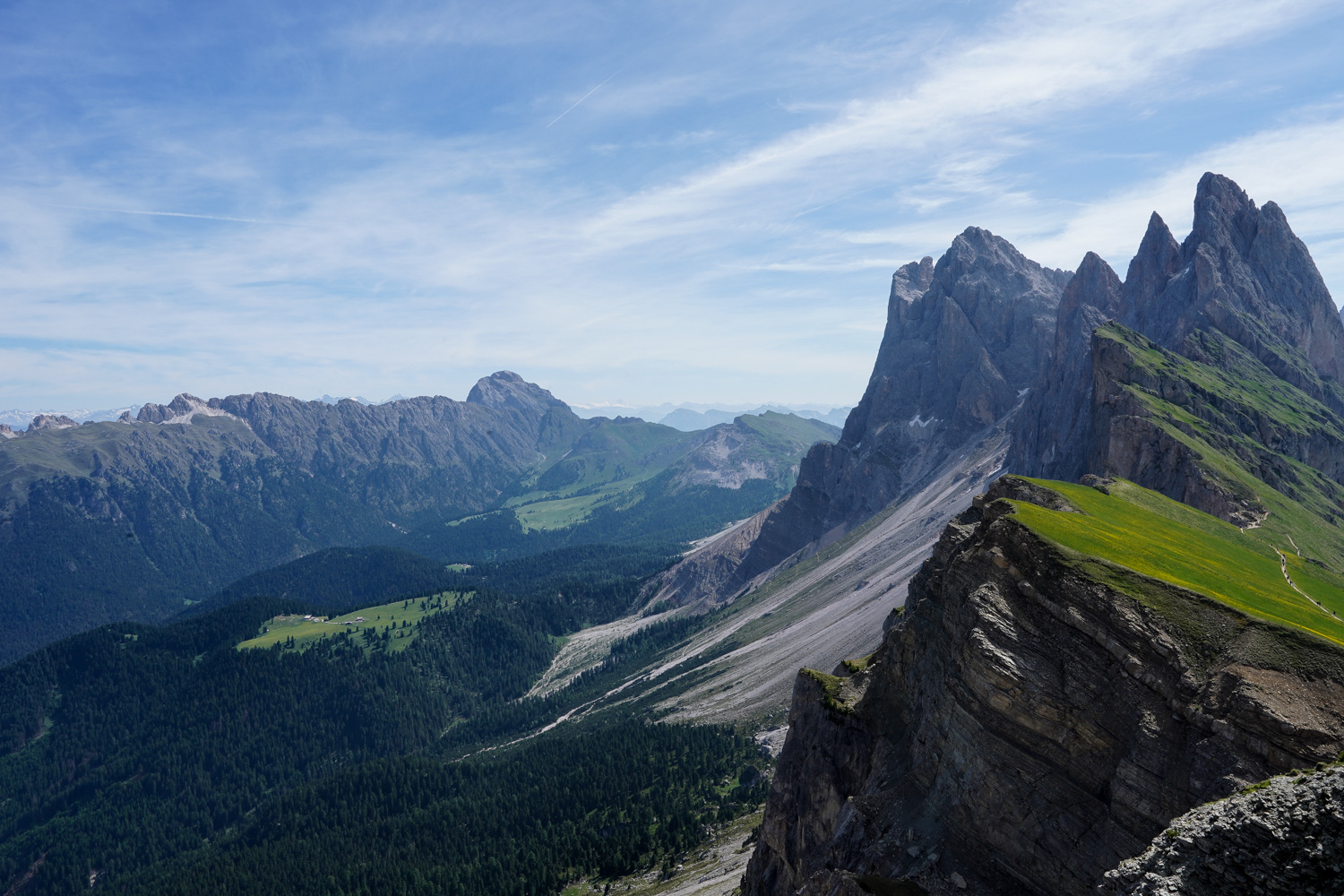
If Michelangelo had hidden one last masterpiece in the Alps, it would be Seceda. The peaks rise like great sand dunes turned to stone, shaped over centuries by the hands of time. If it is a clear day (which usually is in summer), you can see the far-off mountains gleam under Carrara-white snow caps. Even after a few rounds on the trek, every view would feel new. By mid-day, hikers would be stretched out like silver hairpins on the sunbeds at Baita Sofie Hütte for their hour of alpine sun followed by a lunch of speck and eggs and local Alto Adige wines. With the sun high up in the sky, it is easy to savour the slow stretch of time at a rifugio, the world below all forgotten. 

ALBERGO STUA CATORES

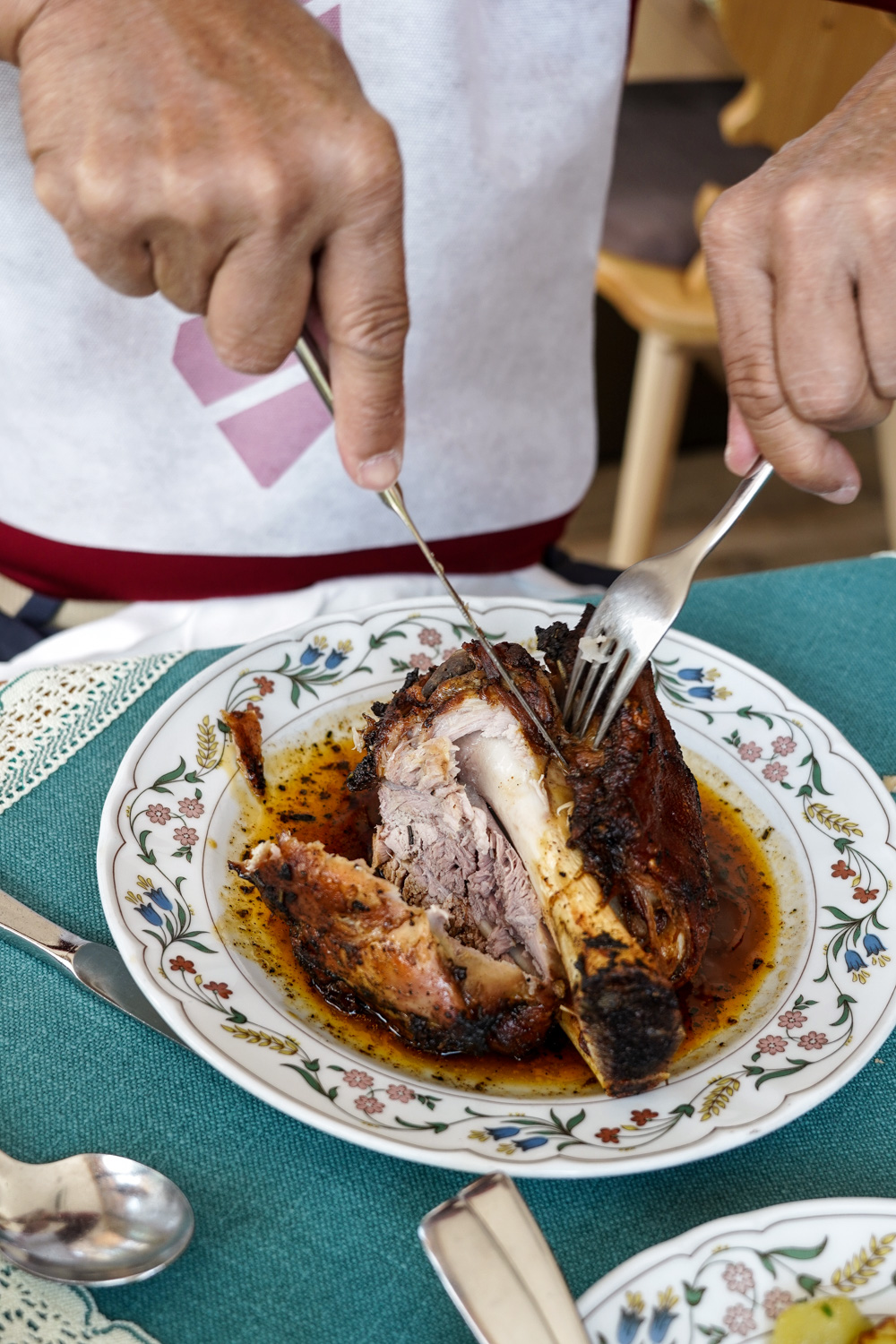
It can be hard trying to find a restaurant here in this part of Italy. There are a million tourists and hardly any locals in sight. This is also hardly the place for the great Italian classics like tagliatelle al ragu or spaghetti alle vongole. But Stua Catores is exactly the kind of place that speaks to me: family-run, local cuisine and in the middle of nowhere. Decisions were made as quickly as the moment we walked in. They are known for their dumplings and pork knuckle, Mara told us, the daughter of owners Sigrid and Markus. Everything was no doubt wonderful and we were kept busy guessing the ingredients in the pork knuckle. In the end, Sigrid revealed one little detail but from the look in her eyes, there was clearly much more to it. Some things are meant to stay secret and the pork knuckle would remain a dish we would all travel for. 

Food & Travel Guide to Lake Como, Italy – What to See, Eat & Do

Italy

Our first experience with the Italian lakes was a Lake Como painted in sepia tones by the blueless sky. We were driving more than an hour from Milan when the road opened out into mountains surrounding a cool lake shrouded in fog and autumn foliage. It was in the evening; the moonlight was turning into a sleepy haze. And as night fell, the towns lit up the lake like a string of diamonds. It was at this moment when Lake Como awoke as the bejewelled crown of Northern Italy

DSC_0623_edited

VILLAS

The magic of Lake Como lies in its villas – Villa del Balbianello and Villa Monastero among others – surrounding the lake like flecks of sparkling jewels. They are emblematic of Lake Como’s opulent residents whose gardens are nothing short of spectacular. Every view is a picture made even more perfect by the varnished mahogany boats that glide from villa to town.

In the aperitivo hour (before the late Italian dinnertime), we are at Pasticceria Siciliana Vittoria for Sicilian pastries. It is here where we hide from the rain and enjoy the warmth of a sugar-dusted sfogliatelle and a cappuccino, listening to the incomprehensible conversations trickle by us as regulars come and go

DSC_0742_edited

DSC_0687_edited

DSC_0664_edited

DSC_0618_edited

IMG_8577_edited

DSC_0782_edited

DSC_0799_edited

DSC_0808_edited

DSC_0805_edited

DSC_0807_edited

DSC_0812_edited

DSC_1053_edited

DSC_1056_edited

DA LUCIANO

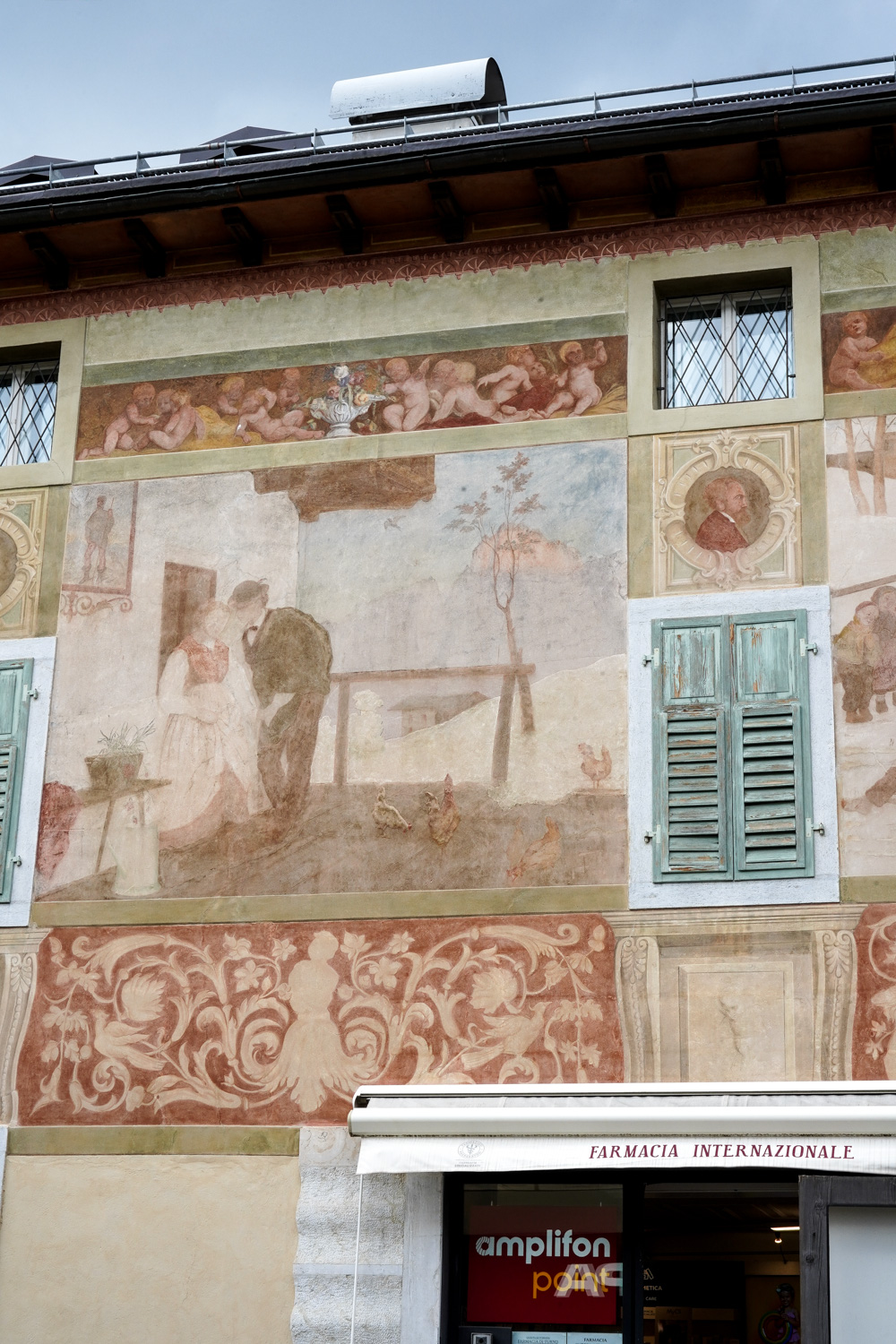
While I love Italian food, Northern Italy always feels like a distant cousin to Mediterranean Italy. Perhaps it’s the Swiss influence. A little cream here and there. But Da Luciano feels very much like an Italian place. A butcher shop turned bar and cafe run by a family. In the macelleria, Luciano is preparing the meats and cheeses. His sons, Andrea and Alessandro, are serving small plates of sliced roast veal, meatballs and charcuterie to the tables where there are glasses of spritz and a view of the lake. There is no fixed menu so Andrea tells you the dishes available for the day. The meats are cured or lightly seasoned with olive oil. No complicated flavours, just simple ones. We find ourselves returning again and again to this little macelleria-cafe, mostly for another plate of veal drizzled with olive oil. 
IMG_0030_edited

DSC_1061_edited

DSC_0725_edited

DSC_0722_edited

VILLA CARLOTTA

When the rain clouds have dispersed, the sun turns a light on in Lake Como. From the second floor of the Villa Carlotta, the alps are in full view, adding a touch of drama to the lake like the opera music at the Teatro alla Scala. Under the warmth of the autumn sun, we have lasagne and cannelloni at Menaggio. Having finished my cannelloni, I find it impossible to eat another bite so I tell Roy, “You have to take care of the bread.” As always, Roy responds with “My pleasure” and he scoops up the remaining sauce with the bread and eats it with nothing less than that. 

DSC_0866_edited

DSC_0861_edited

DSC_0879_edited

IMG_0020_edited

DSC_0868_edited

DSC_0880_edited

DSC_0903_edited

DSC_0973_edited

DSC_1001_edited

DSC_0929_edited

DSC_0993_edited

DSC_0994_edited

L’ORA DELLA PASTA

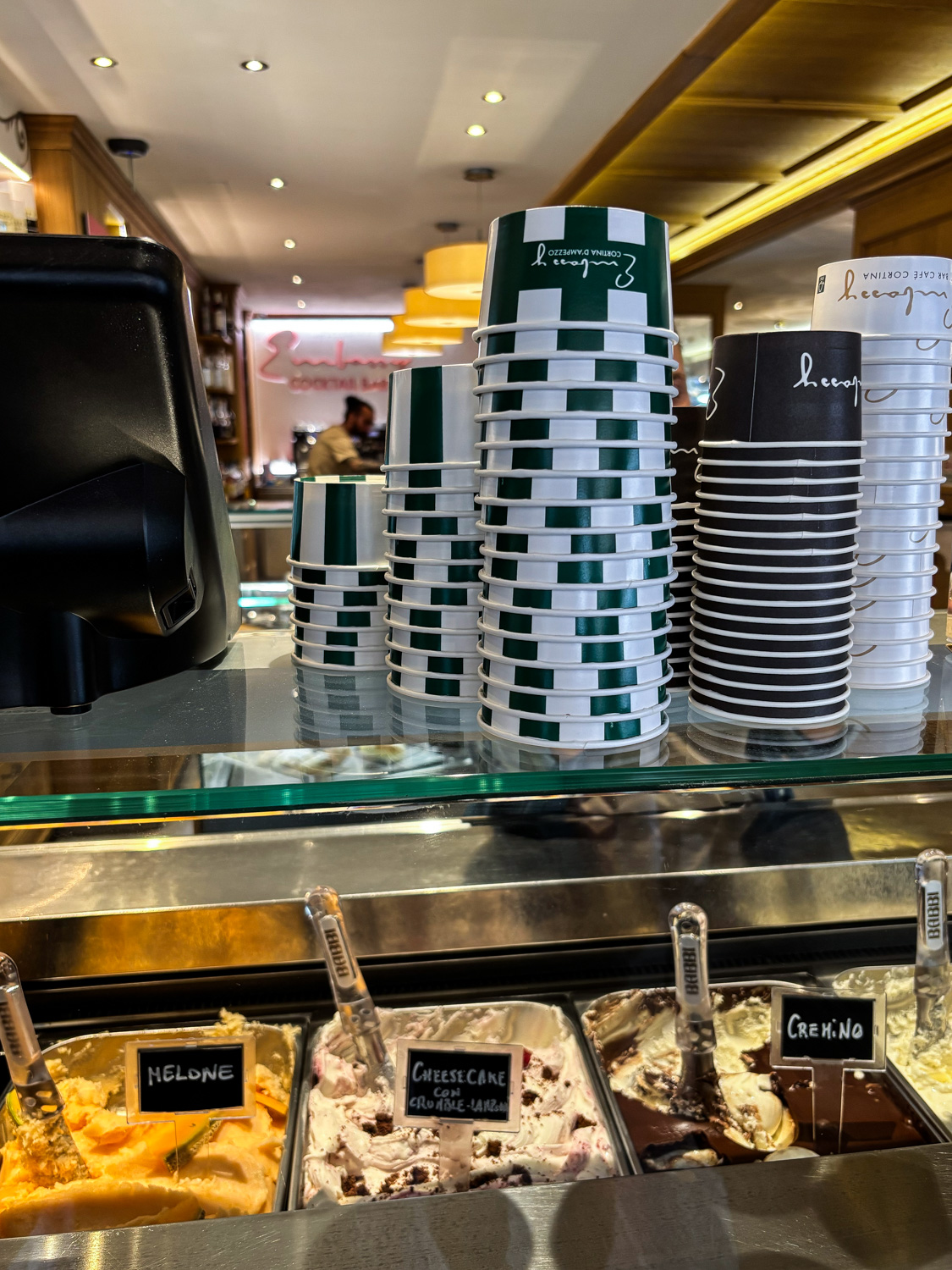
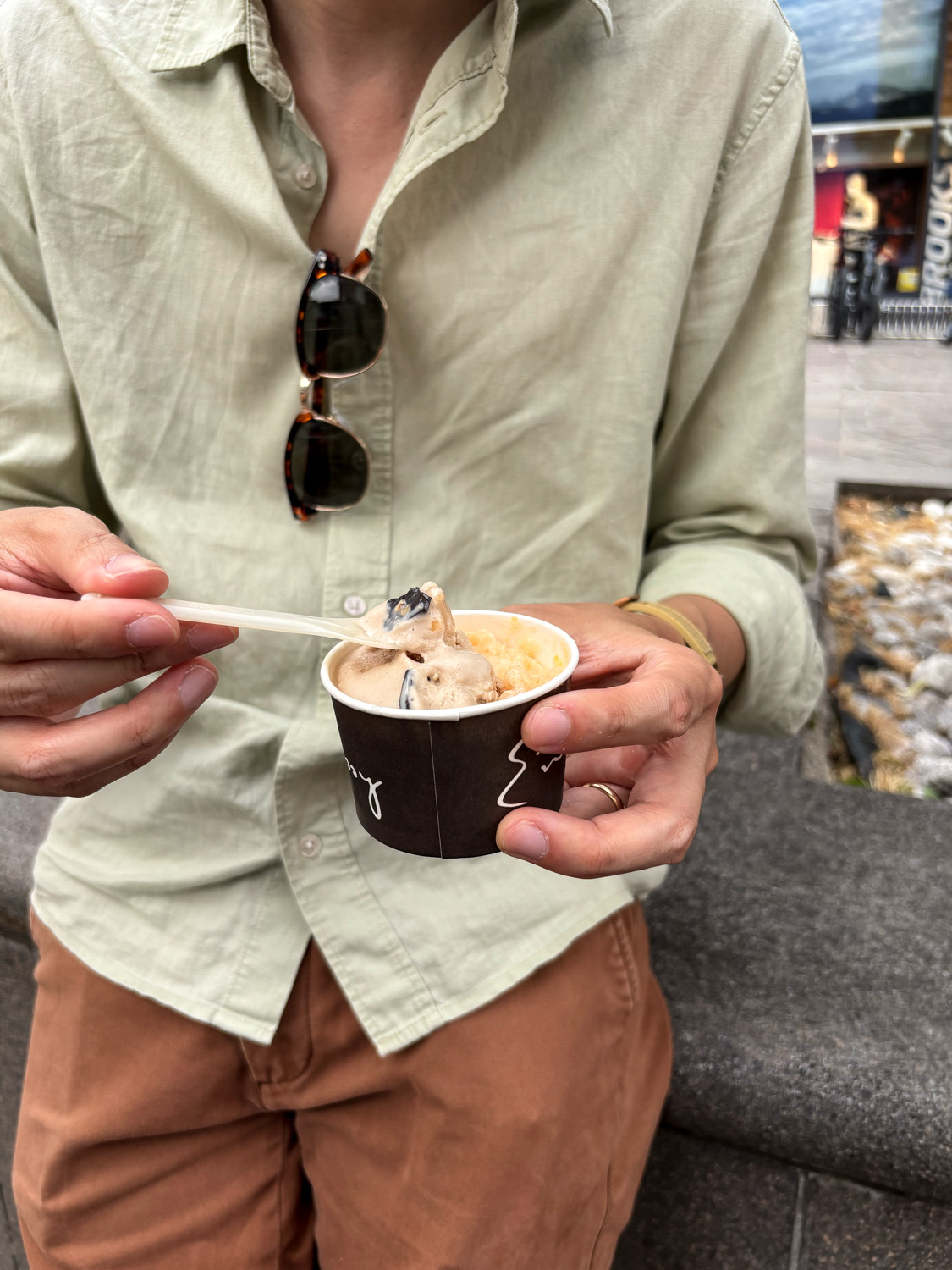
I call L’Ora della Pasta the Italian fast pasta place. There are trays of pasta in all shapes and colours on display at the counter. You choose a pasta and the server scoops a sauce (tomato or pesto) over it in a paper plate. “All homemade,” the server makes it a point to say. I always say that a good plate of pasta does not have to be expensive. At least not in Italy. 
DSC_1101_edited

DSC_1040_edited

DSC_1043_edited

VILLA D’ESTE

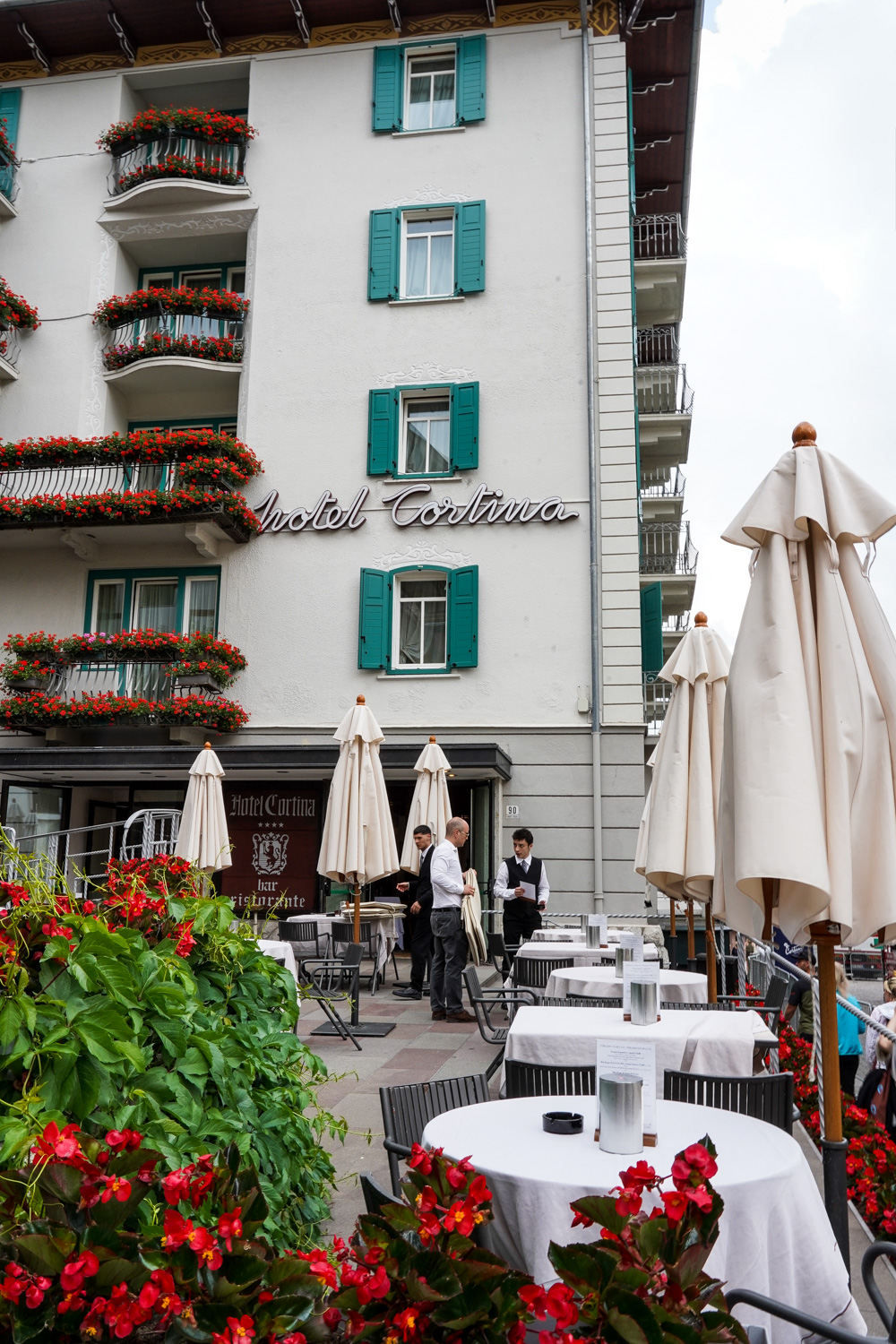
In Cernobbio, the beautiful Canova Bar resides in the Villa d’Este. Here, we defy the social etiquette of the bar by ordering a tea and blueberry juice instead of a cocktail. After all, being in Italy means breaking a few rules. And it was a really good blueberry juice, as the waiter assures me, “It’s the freshest you will ever taste.” But we didn’t come to the hotel for a juice; we are here because of the ambience. The grand view of the lake from the terrace. A walk around the breathtaking garden. 
DSC_1026_edited

DSC_1015_edited

DSC_1009_edited

DSC_1023_edited

DSC_1037_edited

DSC_1035_edited

IMG_8648_edited

DSC_1028_edited

DSC_1032_edited

PANINI

My favourite sandwich is Italian. A panini. Only three ingredients. A ham, a cheese, a vegetable. Nothing excessive. A mayonnaise or a ketchup is forbidden. As we can’t tell the difference from a coppa to a pancetta, Alberto at Passion takes us through the tasting notes of his hams and cheeses. As he slices the ham to the beat of Japanese anime music, we sit and watch him assemble a minimal number of ingredients into something delicious. A panini is about making the ingredients shine, nothing more. 

DSC_1088_edited

DSC_1091_edited

DSC_1084_edited

DSC_1096_edited

DSC_1085_edited

DSC_1064_edited

DSC_1077_edited

DSC_1067_edited

Food & Travel Guide to Umbria, Italy – What to See, Eat & Do

Italy

The sky is exceptionally clear for a November afternoon. It’s a few minutes past 3 pm and the sun is already slinking into waves of hills – the only green behind saffron-coloured vines. Electric jeeps crawl up a narrow road punctuated with potholes, stopping every now and then to sigh languidly. Finally, we come to a stop and step out. Roy and I are standing in front of the Lorenzo vineyard on the Castello Monte Vibiano estate.

Lucca is in a long-drawn-out introduction of Umbria, the place the Italians from Milan and Rome like to escape to, when suddenly he stops and says, “I want you to listen. Just listen.” The soft autumn wind caresses the golden leaves, birds engage in light humming. Then, nothing. Nothing. Perfect solitude. And Umbria is exactly that. A piece of secret Italy drenched in olive gold

Processed with VSCO with kk1 preset

CASTELLO MONTE VIBIANO

For decades, the Fasola Bologna family has been the custodians of their estate, their soil. It all began a long long time ago. Andrea Fasola Bologna planted thousands of trees to create a fence around their land back in the days to protect the vineyards and olive groves from manmade impact. Slowly, the trees grew and so their vineyards and olive trees prospered. Everything bears fruit. Nature for nature. It’s a simple philosophy. An ethos the family has stood by since.

The ride back to the cellars is leisurely, slow-moving through the vines and the air scented by grapes. As the sky reaches twilight, the wine tasting is served. Wine tasting in Umbria is not a journey of the Italian superstars, like the Brunello di Montalcino, the Barolo or the Amarone. Harvesting wines here is the simple joy of pouring the best of the Umbrian land in a glass. Superstar wines are of course still exceptional. But exceptional does not always have to be famous. We started with the Maria Camilla and the Vigna Luisa – whites scented with fruit. The olive oil follows. A small bottle, for the preservation of quality Lucca says, is poured over bread. The taste is smooth and green. Then comes a platter of salumi and cheese from the macelleria up the hill not far from the estate. We have now come to the reds and that has to be the San Giovanni, the castello’s beloved

Processed with VSCO with j4 preset

Processed with VSCO with j6 preset

Processed with VSCO with j5 preset

Processed with VSCO with a8 preset

Processed with VSCO with a6 preset

Processed with VSCO with a7 preset

TRUFFLE HUNTING

Like Tuscany, Umbrian soil is known for harbouring the best black diamonds. Near Borgo Castello Panicaglia, there is a tartufaia where truffles are hidden in the ground. Two dogs, Nora and Leia, are accompanying Johnny on the truffle hunt. Pigs were traditionally used but not anymore. “They eat the truffles,” Johnny tells us with raised eyebrows. Truffles are not really a kind of mushroom, and not like anything else. They are simply jewels hidden in the woodlands that have a curious, exquisite taste. As quick as their nose can carry them, Nora and Leia bound to each elusive spot and unearth the truffles. Each find is scooped up by Johnny who stores it securely in a jar.

When we reach the castello, Federico has already prepared scrambled eggs and schiacciata. That day we brought back black truffles. White truffles are also found in Umbria, but they’re more elusive. As Mirca cleans the truffles, we pour ourselves each a glass of Umbrian wine as we imagine the dogs having their own treat, possibly prosciutto di norcia. We then eat the truffles shaved over the eggs and bread. “It’s very traditional,” Mirca says. To me, it’s cucina tipica italiana. Simple and delicious.

Borgo Castello Panicaglia is a 17-room hotel restored from a 13th century castello by Albert and Inger, who wanted to create a family-friendly agriturismo. So the castello became a place where children can bake pizza or while the evenings away perched on lounge pillows at an outdoor cinema. In the garden, Federico grows fruits and vegetables to make food for the guests. The rest are of course sourced locally. Only the best of Umbria. Doubles start from €140. 

Processed with VSCO with j5 preset

Processed with VSCO with j6 preset

Processed with VSCO with j6 preset

Processed with VSCO with j6 preset

Processed with VSCO with a7 preset

Processed with VSCO with j6 preset

Processed with VSCO with a6 preset

Processed with VSCO with a6 preset

Processed with VSCO with j4 preset

PERUGIA

The loveliest of meals are often astonishingly accidental, a restaurant on the way to somewhere. We are driving to Perugia, the capital of Umbria. We had wanted to go to Civita di Bagnoregio first but seeing the number of steps, we decided to eat instead. We enter Antico Callaro and ask for the best dish to try. “The truffles or wild boar,” the waitress says without a single beat of hesitation. That is what we got and we find ourselves licking our lips at the last forkful.

Anyone basing themselves in Perugia should stay a few nights at Posta Donini, a painfully beautiful residence that was once the summer home of the Donini family. This is an unruffled 15th century hotel peacefully situated away from the lights and sounds of the city. The delicate flora hand drawings on the pale yellow walls lining the hallways are of flowers and plants found in the garden. Everything is soft, airy and full of beautiful things. One evening, a black cat jumps off a table and scurries to the door as I approach the concierge. The concierge seems unstirred by the cat’s visit, like it is any usual day at Posta Donini. Roy is unconvinced, he was in the room. Of course, I could not let the cat’s presence go unacknowledged. As we stand in front of the concierge in the morning, I lean forward and ask about the black cat, part of me afraid that it had been all a daydream. Then, he proclaims with a flourish of his hand, “Ah… the gatto… He always comes here in the evenings… With the white one.” This is why it comes as a surprise that the cat is sunbathing out by the window that very morning. So Roy has a ball of a time stroking the black feline. He had to concede. There really is a black cat at Posta Donini. We call him Lucio, the Posta Donini cat. Doubles start from €120.

At a family-run restaurant nearby, Albergo Ristorante Siro does the warmest Umbrian dinners. Ask for Fabrizio, he knows the menu like the back of his hand. He is more of a refined friend and gentleman than a waiter. Everyone goes for the meat here; bistecca, salumi… For us too, nonetheless. When Fabrizio presents the bistecca, we cannot help but express our awe at the immense size of the cut. Fabrizio simply chuckles and says proudly, “When I was your age, I could eat two of that on my own.” That is our cue. We did ultimately finish the bistecca… and it was divine. For casual meals, make a trip to Osteria Mangiafuoco where umbrian food is served by Francesco, the owner with a larger-than-life personality. Every dish comes with laughter and nothing is ever taken too seriously

Processed with VSCO with j2 preset

Processed with VSCO with j6 preset

Processed with VSCO with j2 preset

Processed with VSCO with a7 preset

Processed with VSCO with j5 preset

Processed with VSCO with a4 preset

Processed with VSCO with kk1 preset

Processed with VSCO with a10 preset

Processed with VSCO with j2 preset

Processed with VSCO with a7 preset

Processed with VSCO with kk1 preset

Processed with VSCO with j5 preset

Processed with VSCO with acg preset

HILLTOP TOWNS

Orvieto has many great things. Great escalators, to take you up to one of the highest Umbrian towns. Great views, in Piazza San Giovanni and at the edge of Via del Duomo. And a great church. There is nothing more brilliant, more striking, than the Duomo di Orvieto. A reminder that in Orvieto, Christian religiosity is at the centre of everything. Churches in Italy are a very special thing. The art, carved and painted on every surface, is a masterpiece of love. Then there is the food. Another masterpiece of love. In the Piazza del Popolo, the tables at Osteria da Mamma Angela are full with people angling for a plate of salumi, Mamma Angela’s very-Italian specialty.

Near Orvieto, the day is moving slowly in Todi. Gelaterias have stopped selling anything cold in the autumn chill, replacing it with warm torciglione and coffee. The doors of other shops have shuttered in anticipation of the winter break. The Piazza del Popolo remains empty save for the locals catching up on their day-to-day routine. Even in such colourless days, there is much to see in the unhurried pace of the town. School children totter up and down the stairs that lead to the Cattedrale della Santissima Annunziata, playing catching. An elderly lady takes a stroll to the market. Waiters share a laugh with their friends outside the trattoria before dinner starts. Umbria is undisturbed, ever restful. Now I know why the Italians love to escape to Umbria.

Processed with VSCO with j5 preset

Processed with VSCO with kk2 preset

Processed with VSCO with a7 preset

Processed with VSCO with j4 preset

Processed with VSCO with kk1 preset