
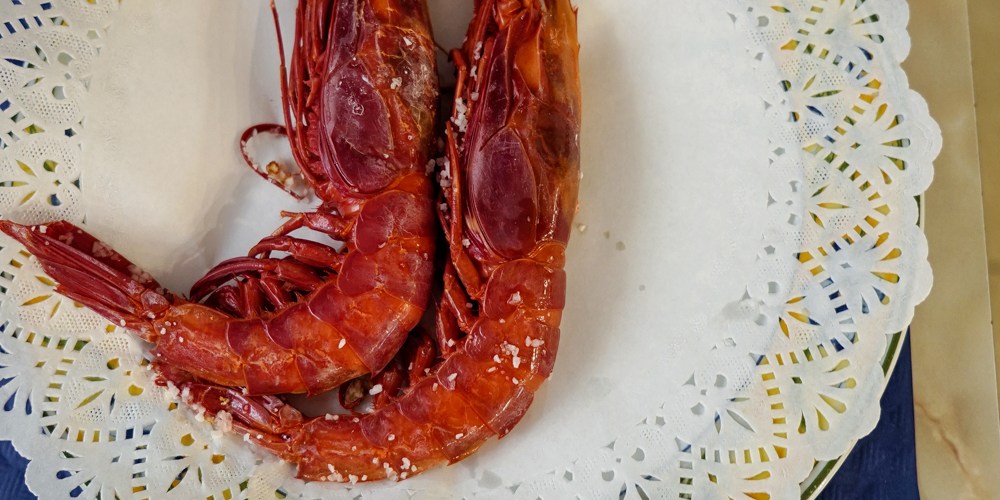
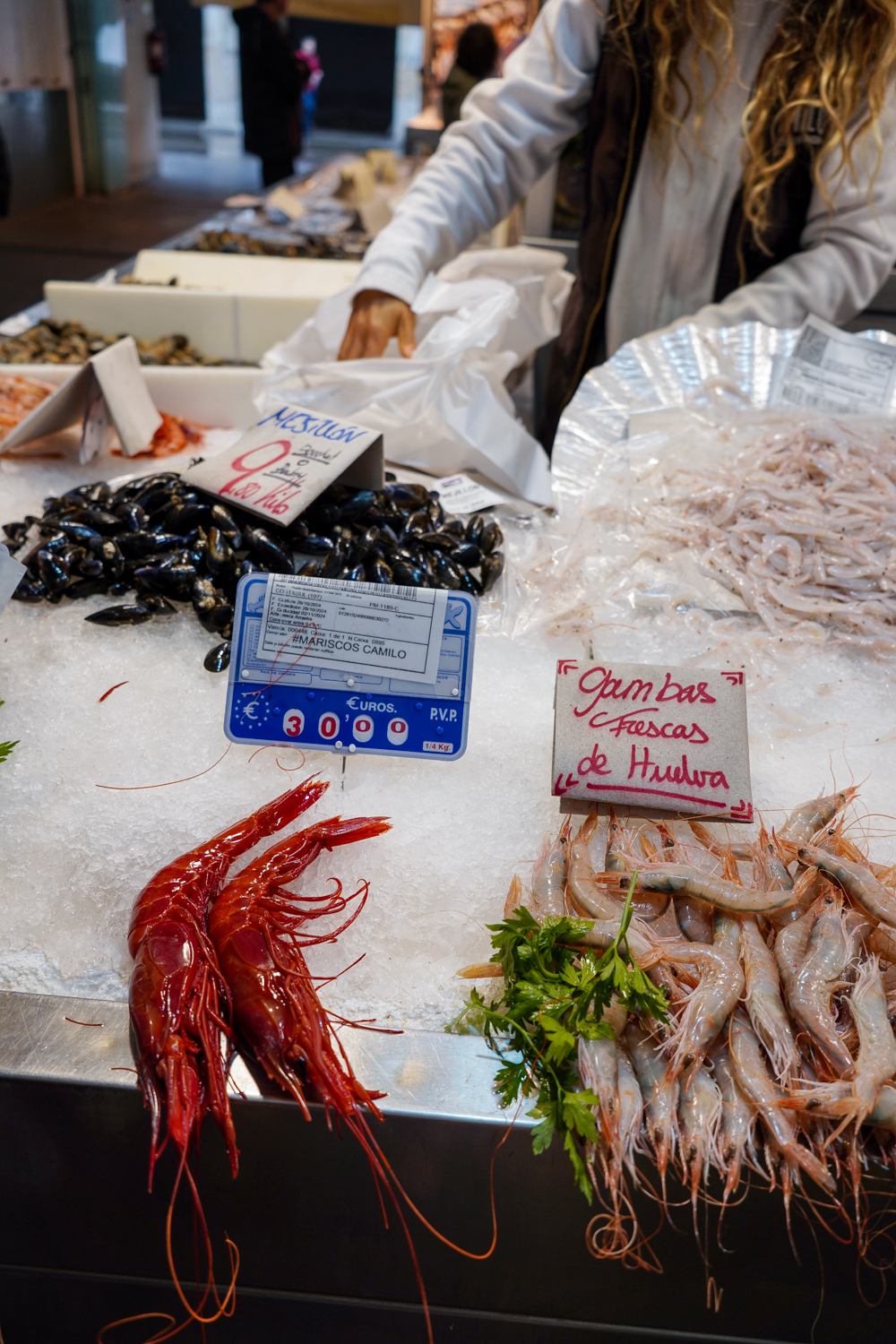
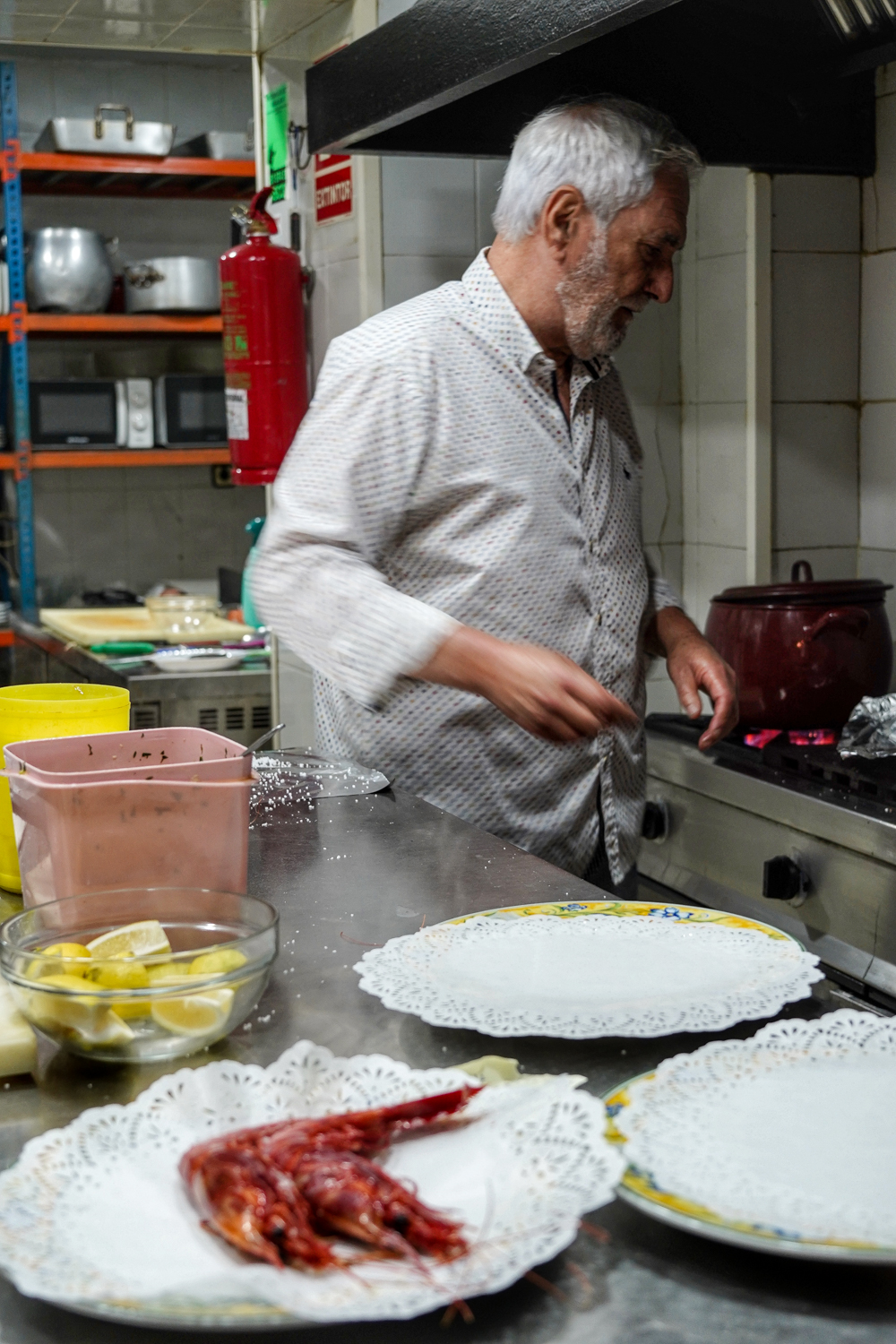
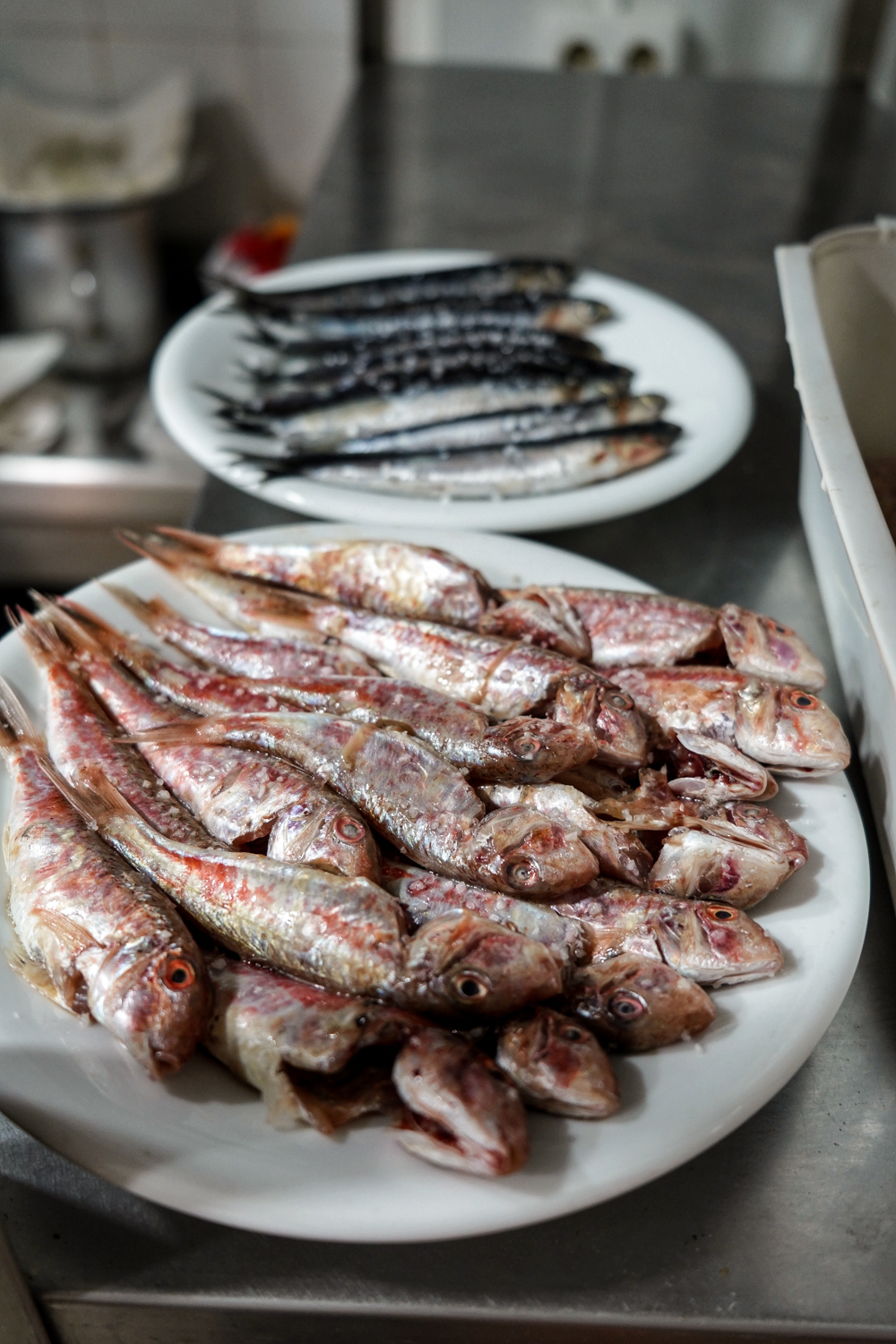
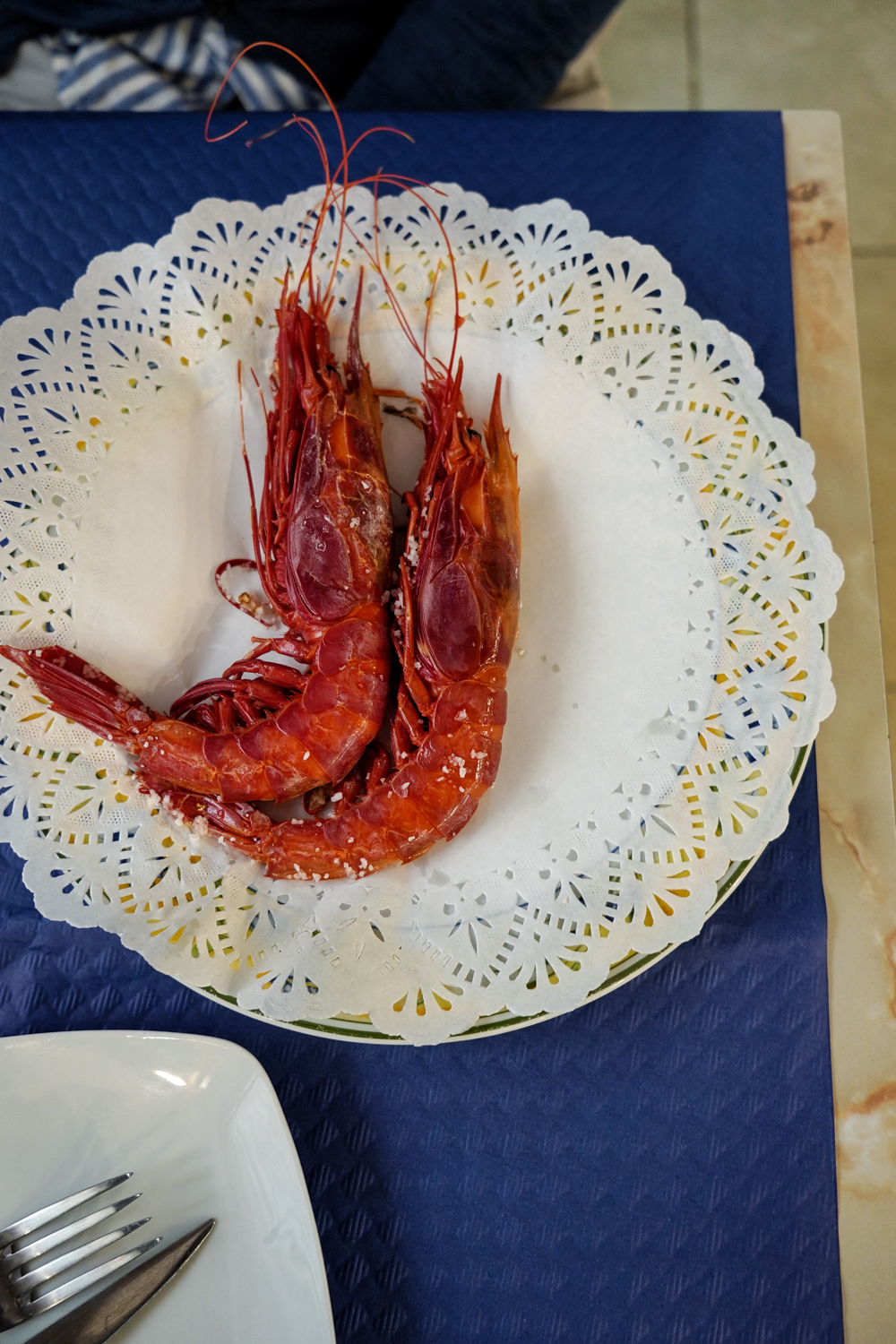
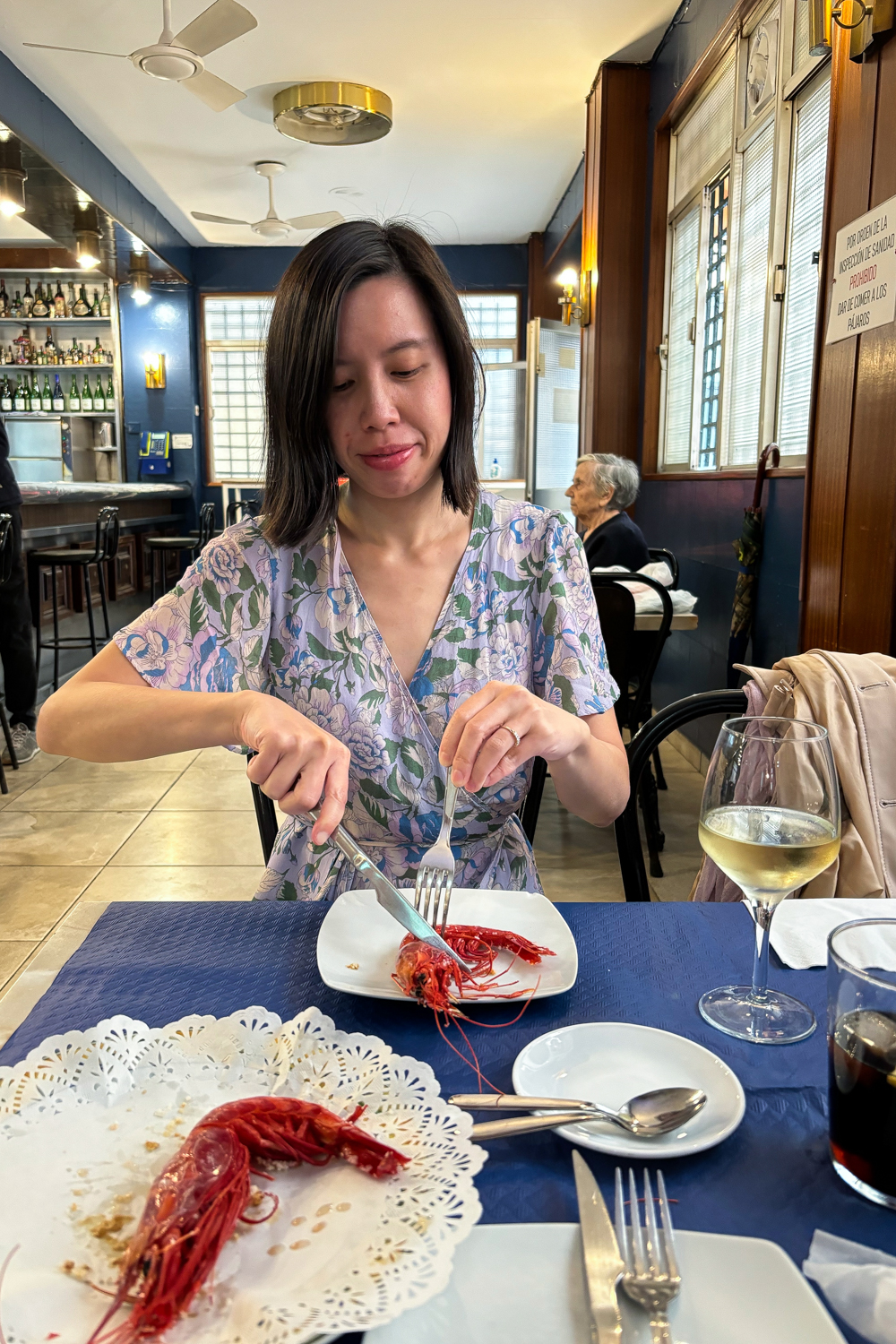
Our first day in Cadiz started with a trip to the Mercado Central de Abastos. We had arrived at 2 pm, a time when even the most leisurely of Andalusian fishmongers were winding down and cleaning their ice beds that were once overflowing with seafood. Our hearts were set on Spain’s most famous prawns and luck was on our side as Mariscos Camilo still had ruby red carabineros. There were exactly two, as if they were waiting just for us. The fishmonger promptly directed us to Bar el Carrusel where a silver-haired man was moving with nonchalant ease in the kitchen, gently grilling the prawns with nothing more than a pinch of salt and a drizzle of olive oil. It was there when I realised that I could really fall in love with Spanish cooking.


FREIDURIA LAS FLORES
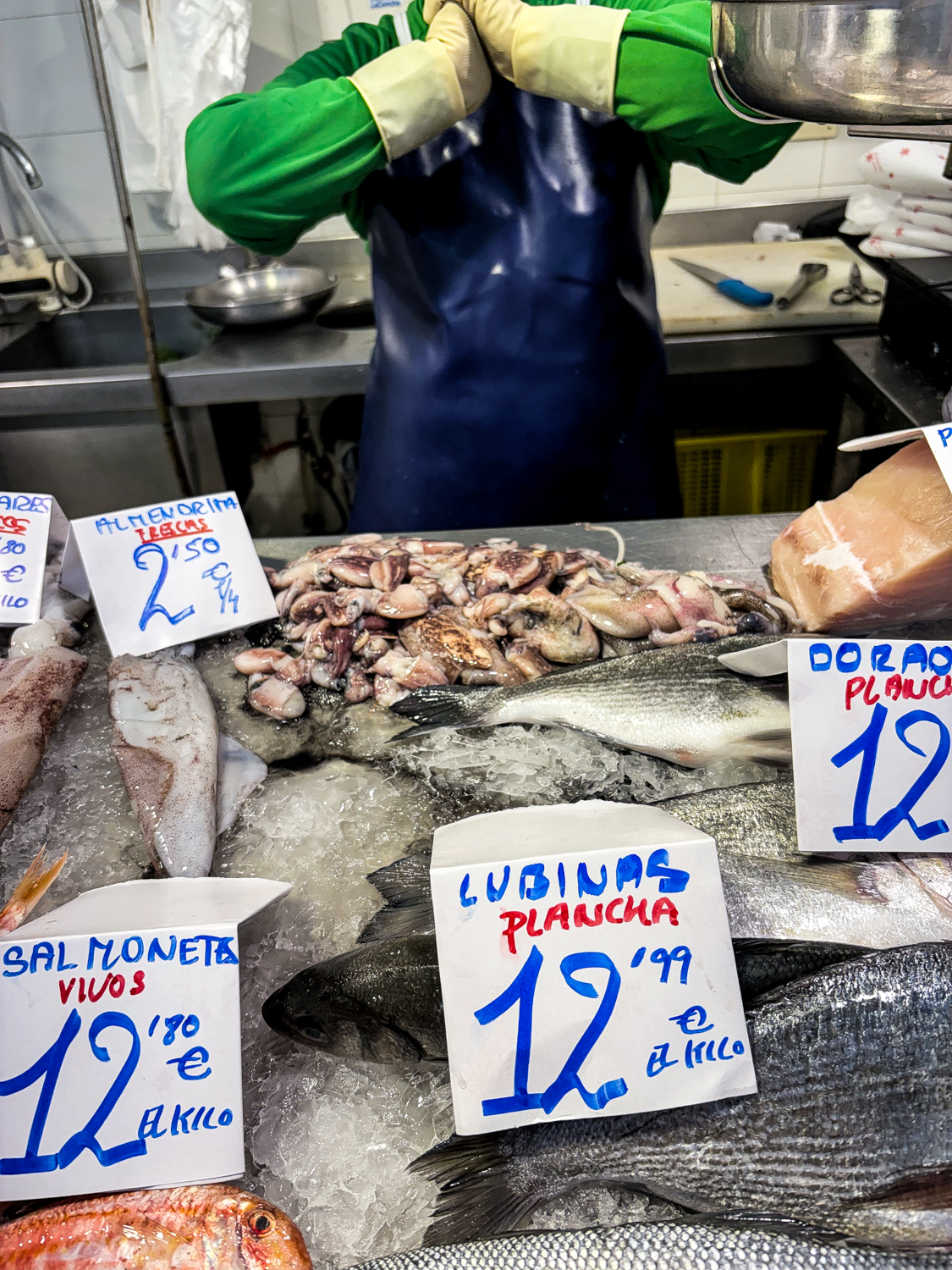
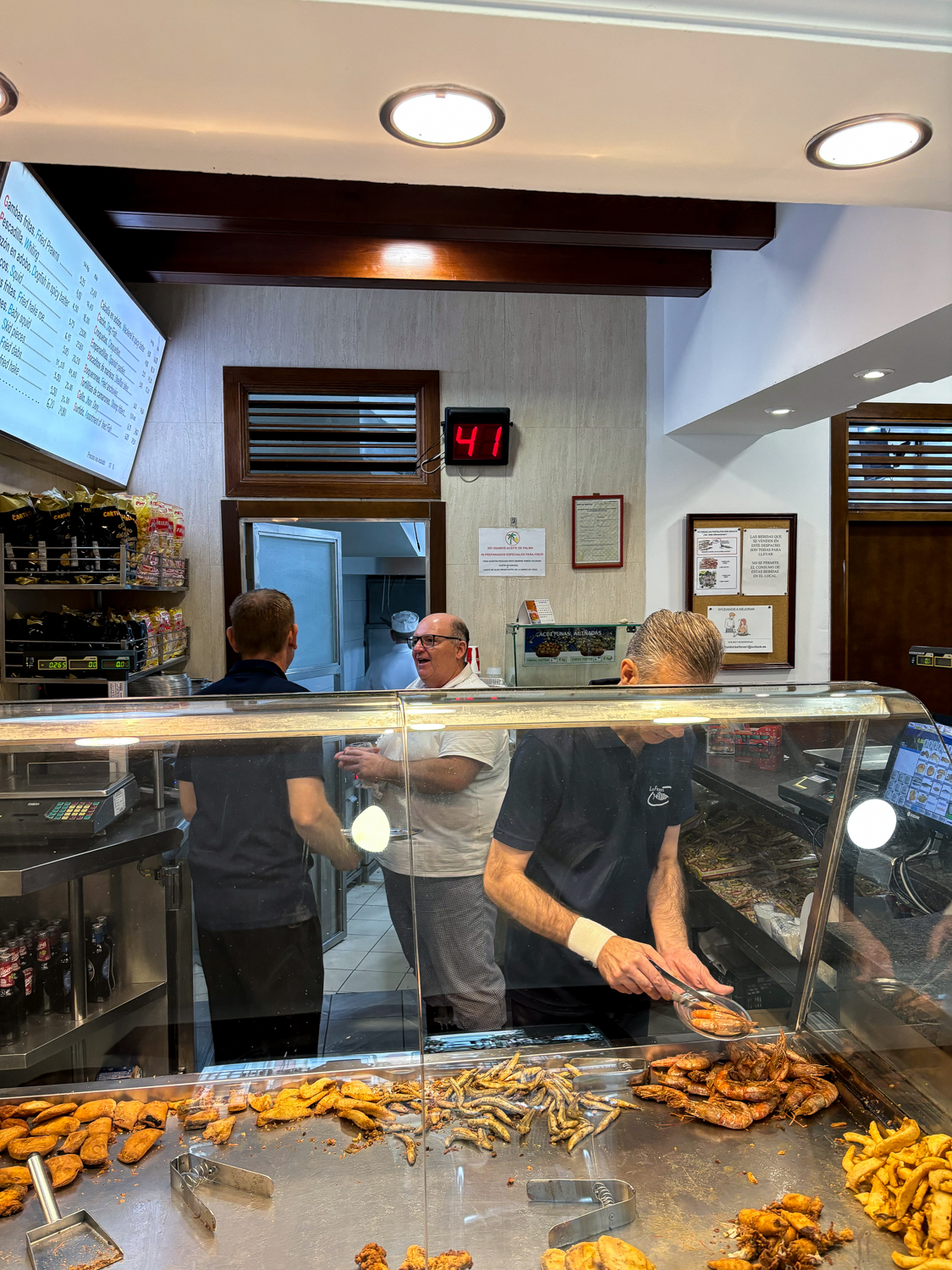
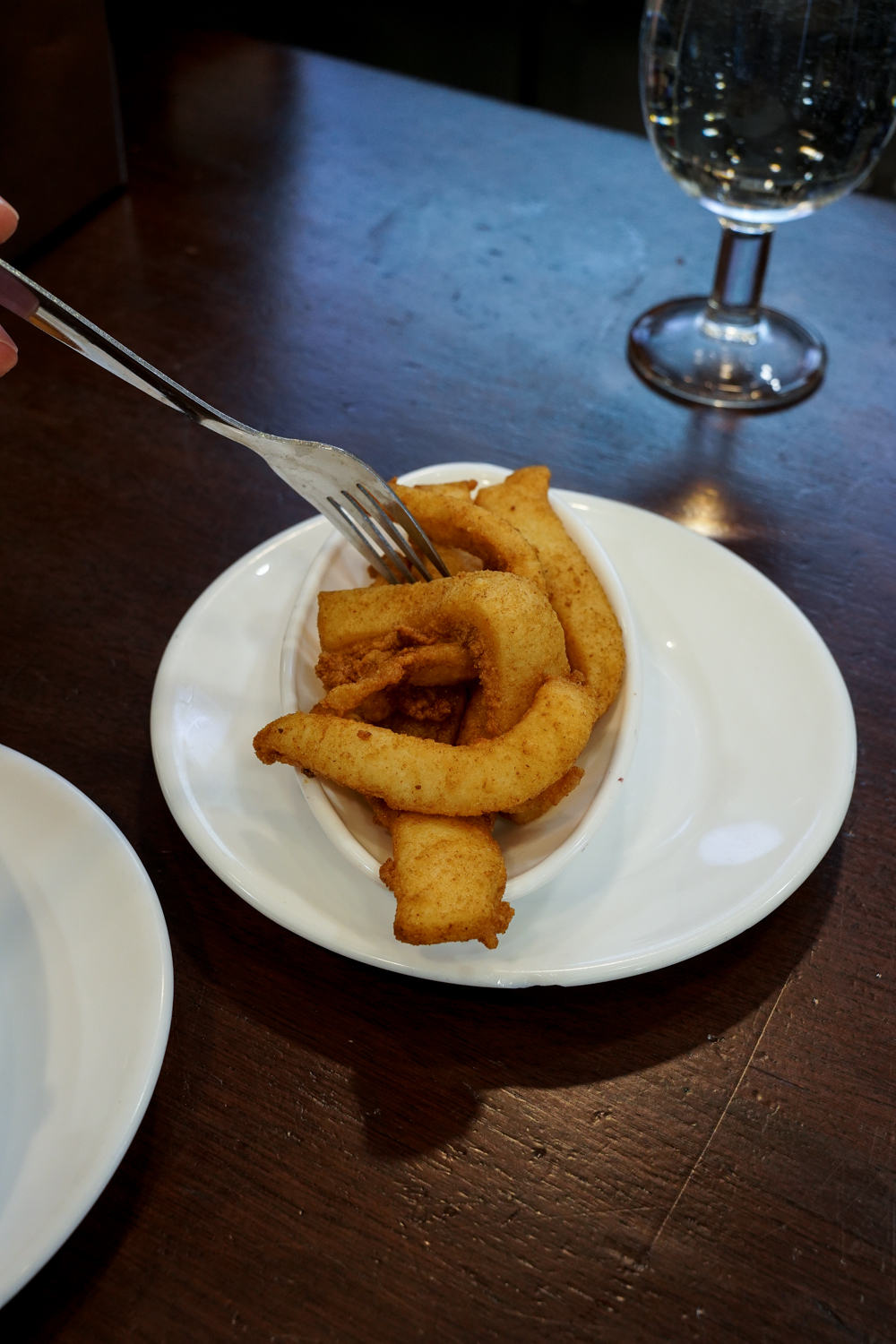
As the day unfolded, our hunger persisted and we couldn’t resist the irresistible aroma of olive oil sizzling away at Freiduria Las Flores, an institution for the thousands living in Cadiz. The fritura is legendary, from the deliciously fried squid tentacles and calamari to the crisp golden pescado frito.



CADIZ
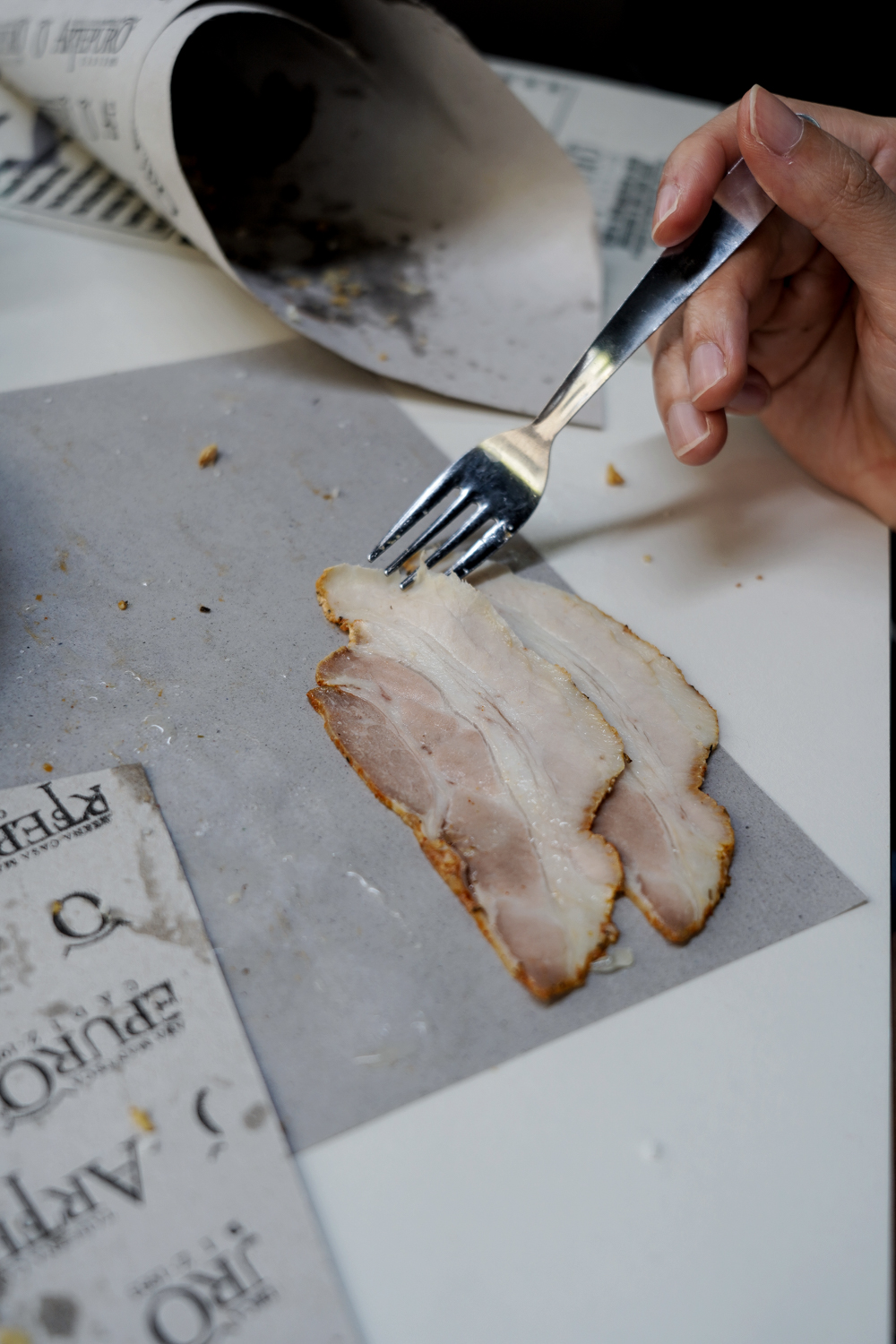
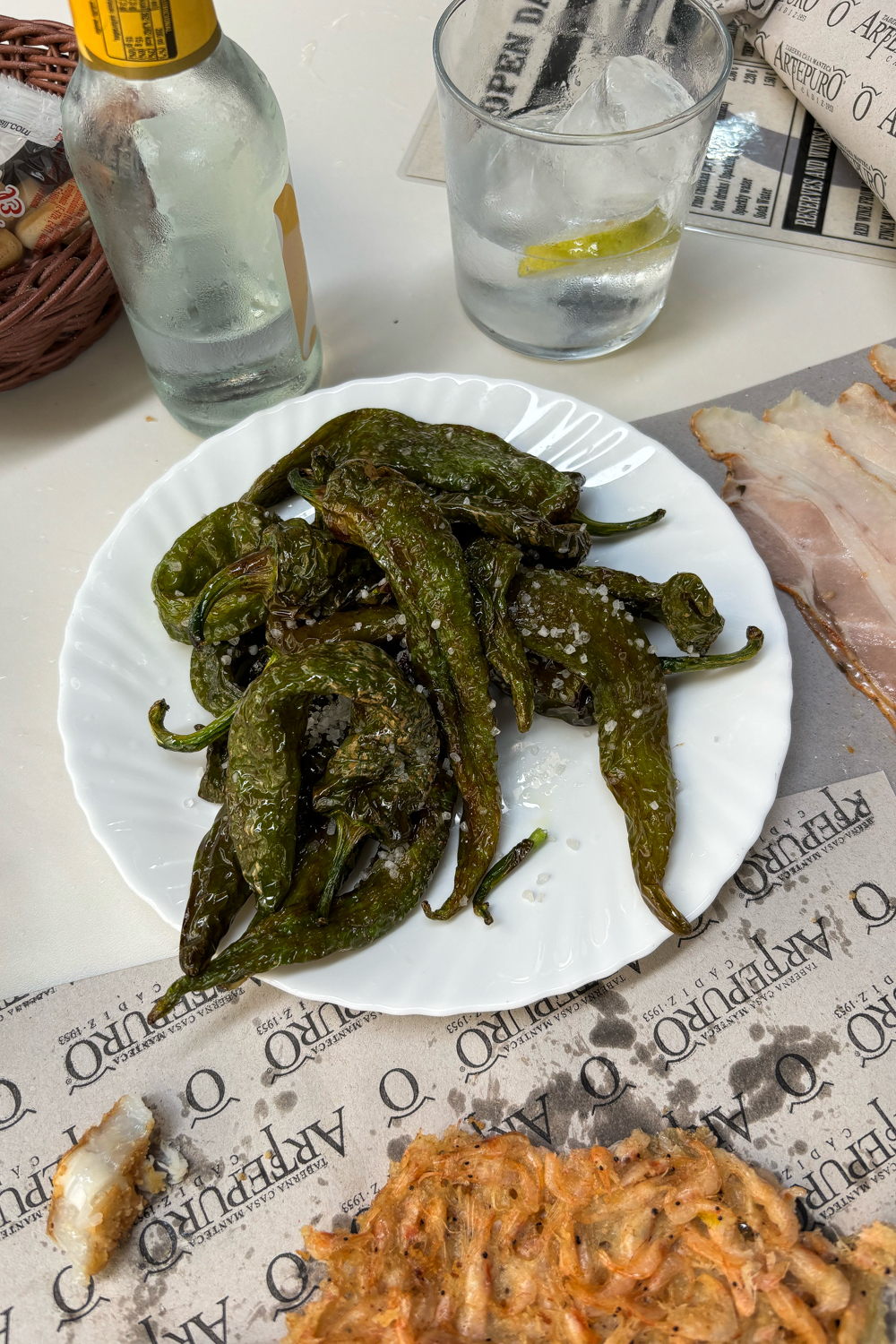
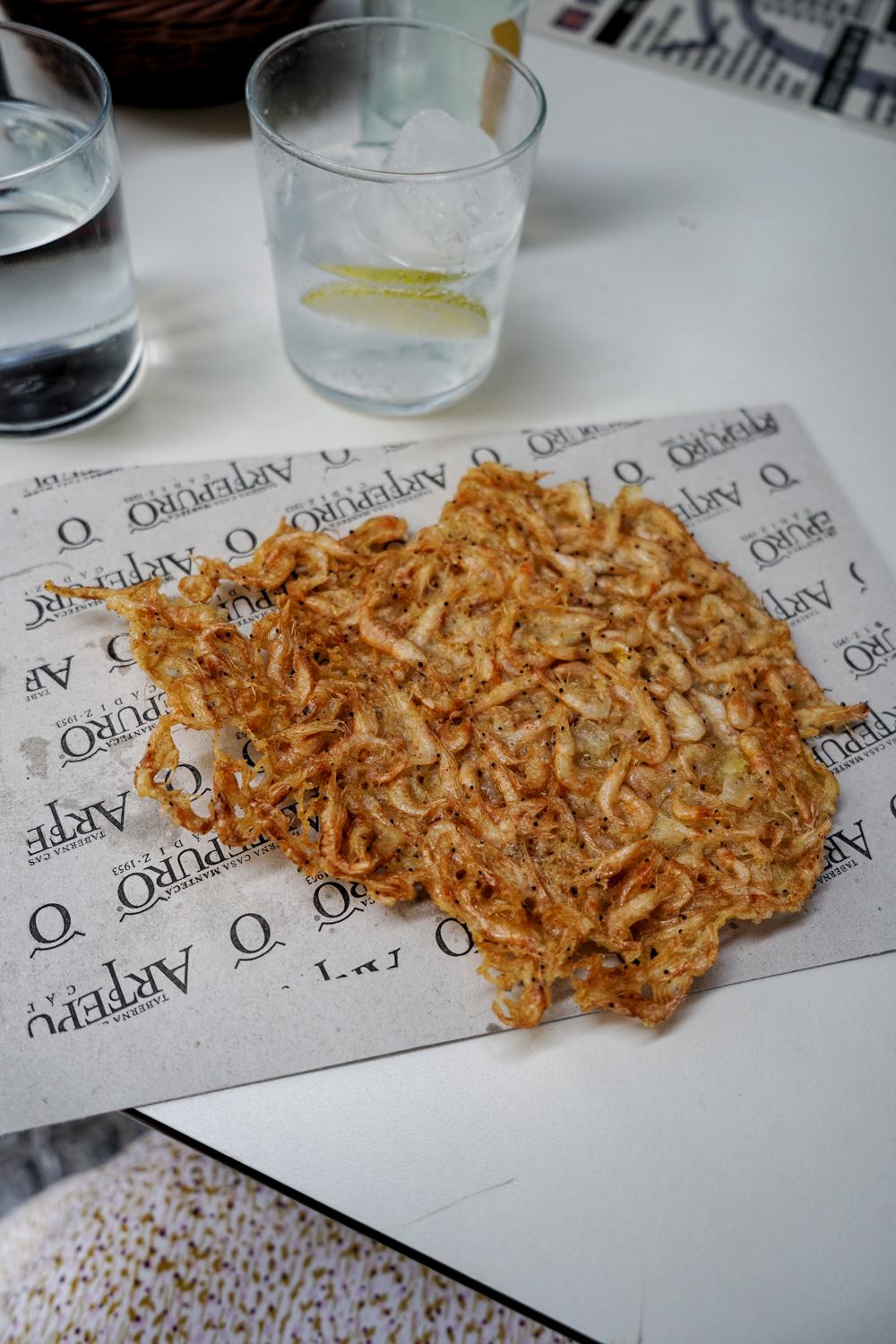
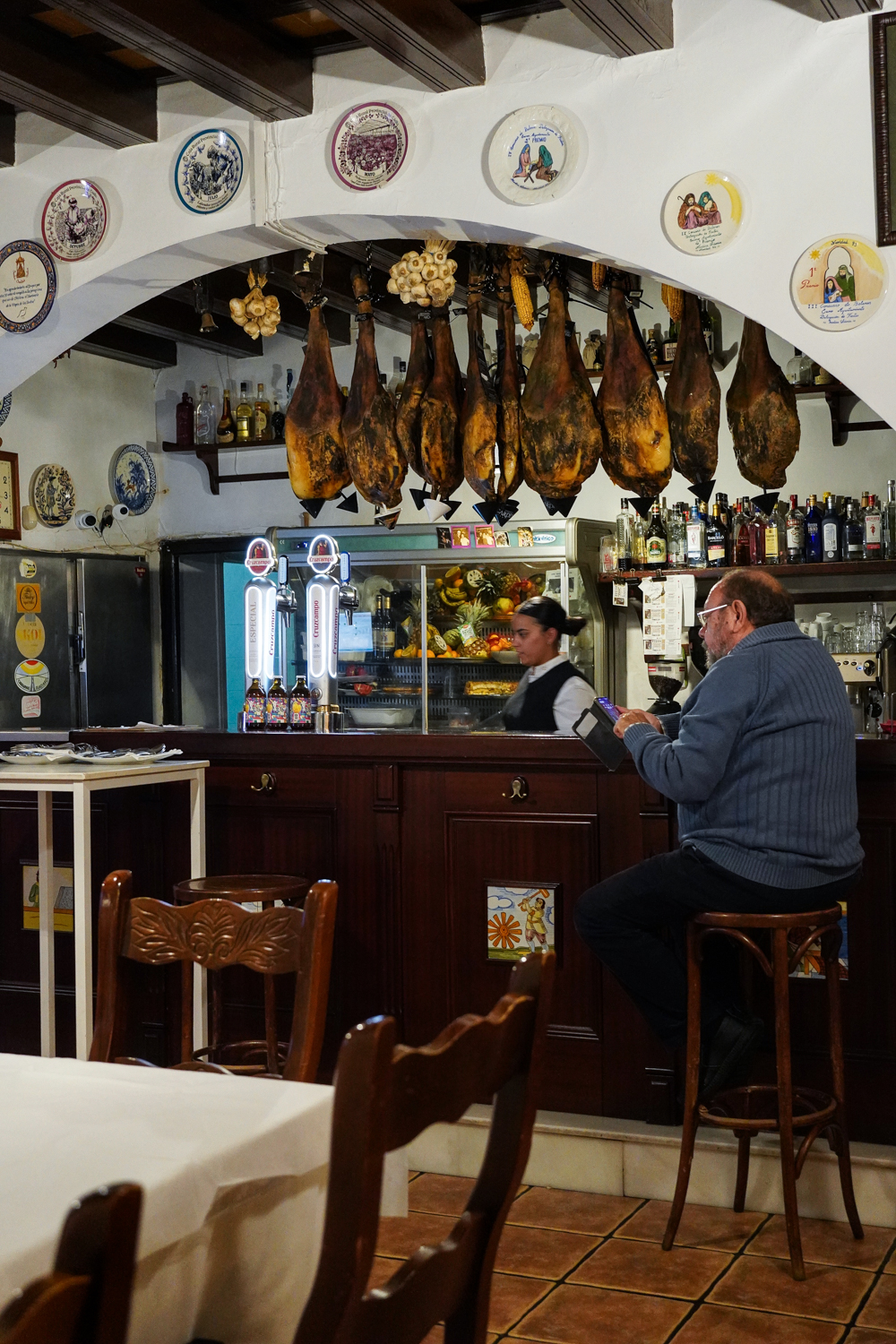
After visiting the Gadir archaeological site, we went to Taberna Casa Manteca at the tapas hour. As foreigners, we could never tell the difference between tapas and a sit-down meal, or maybe we chose not to simply because tapas felt like a feast to us. The timing was, well, unfortunate—or perhaps perfect in its own chaotic way. Getting our names on the list was somewhat tricky as it seemed there was an unspoken rule that did not involve a queue. Somehow, we managed to inch our way in thanks to a Spaniard who was clearly well-versed in the ways of the bar. Once we were in, we were swooning over the tortillitas de camarones – golden wafers of little shrimps battered and deep fried – and the glossy millimetre-thin slices of belly pork. There never seemed to be an end to the tapas hour even after the last order bell had rung. It was as if time itself had surrendered to the rhythm of this Spanish ritual.



EL DUQUE
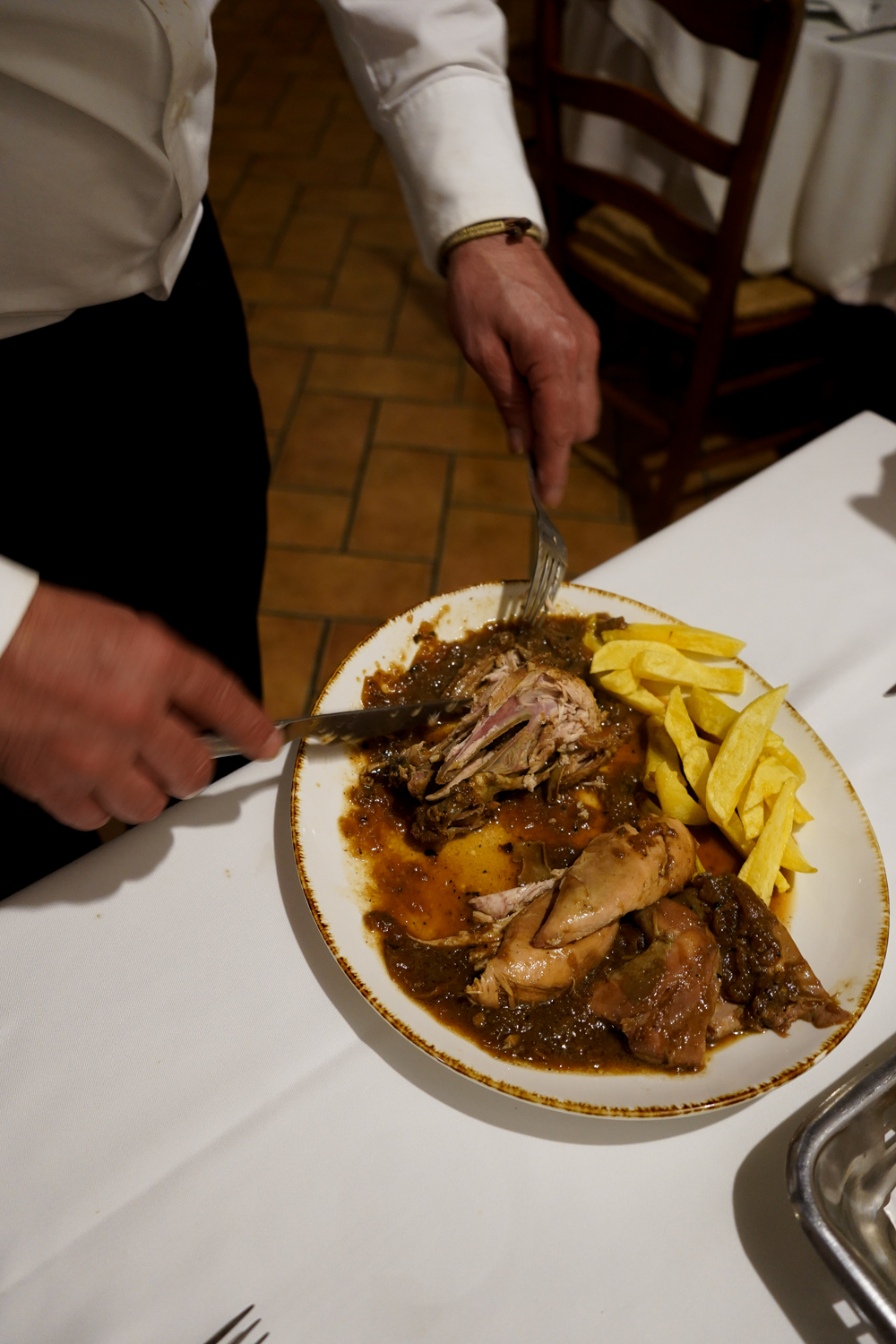
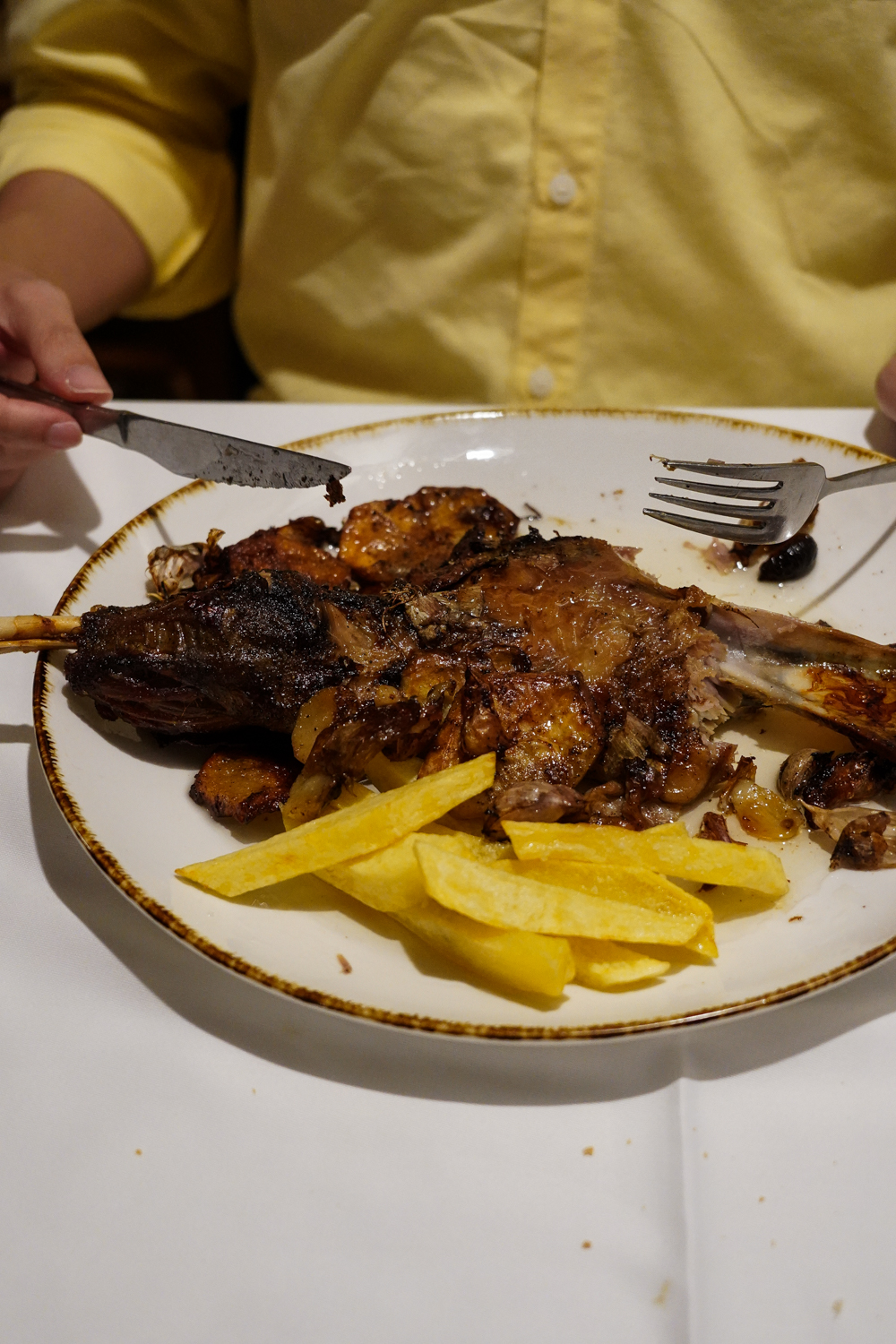
The most memorable part of our evening at El Duque was Jose. He didn’t speak a word of English and we only knew the mandatory “hola” and “por favor”—enough to get by on a holiday. But after a few animated gestures and plenty of smiles, he brought over plates of eggs scrambled with wild asparagus, partridge stewed with mushrooms and a roasted shoulder of goat so tender it fell away with a glance. Even with a dining room full of chatter and laughter, Jose had a way of making you feel like you were the only ones there. That’s what makes El Duque so special. They don’t just feed you, they let you in.




ALBARIZA DE LA TORRE
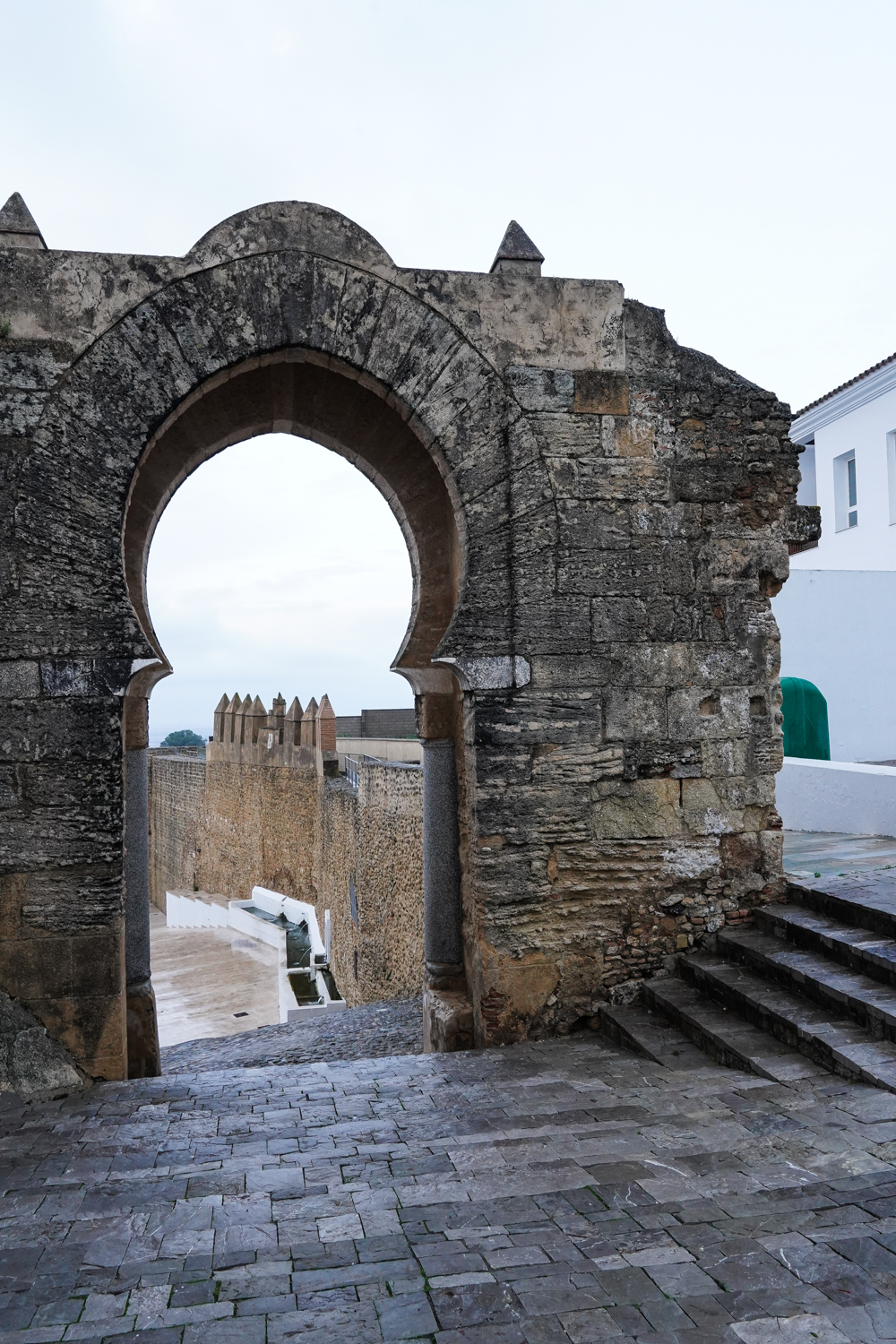
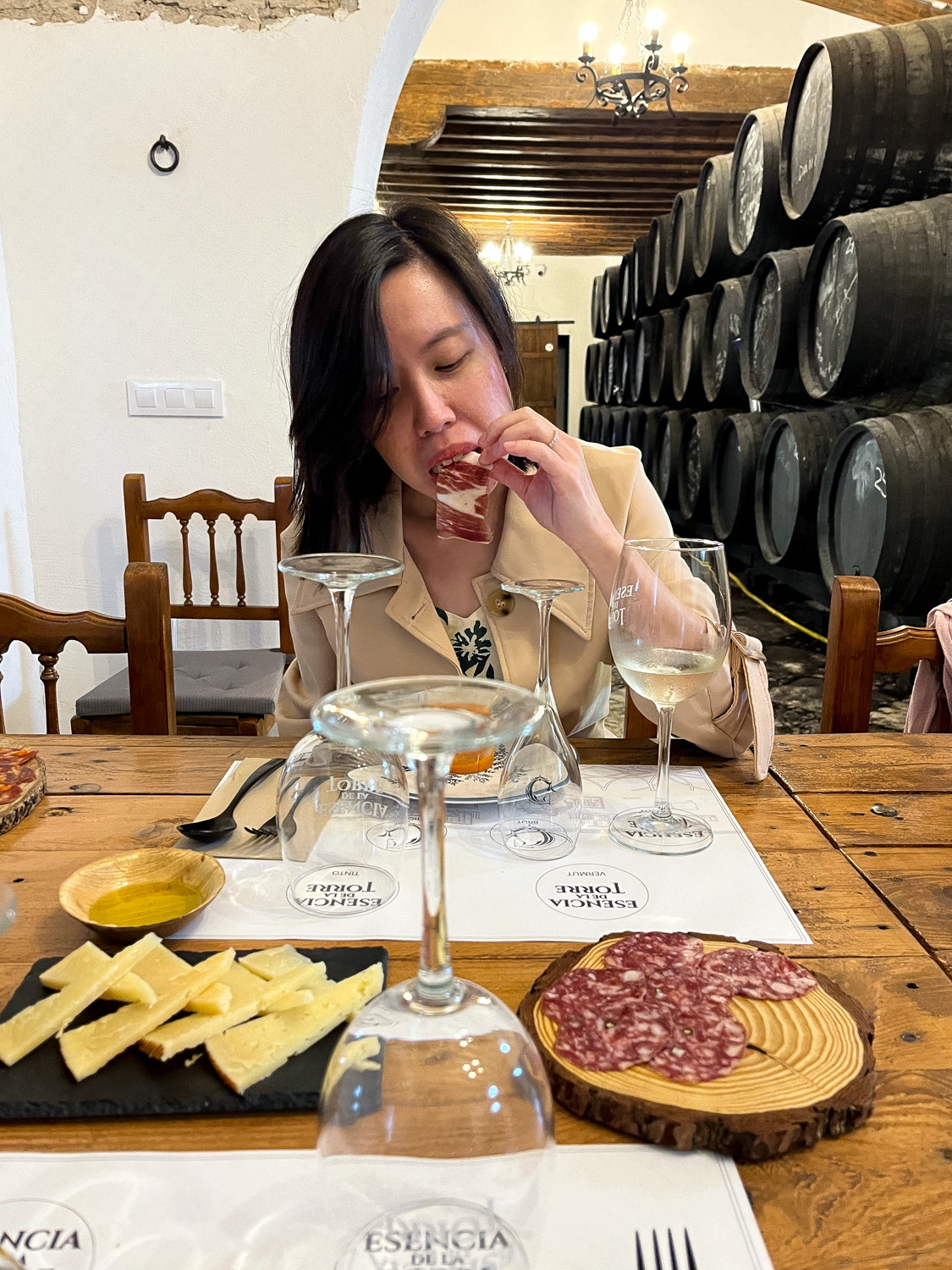
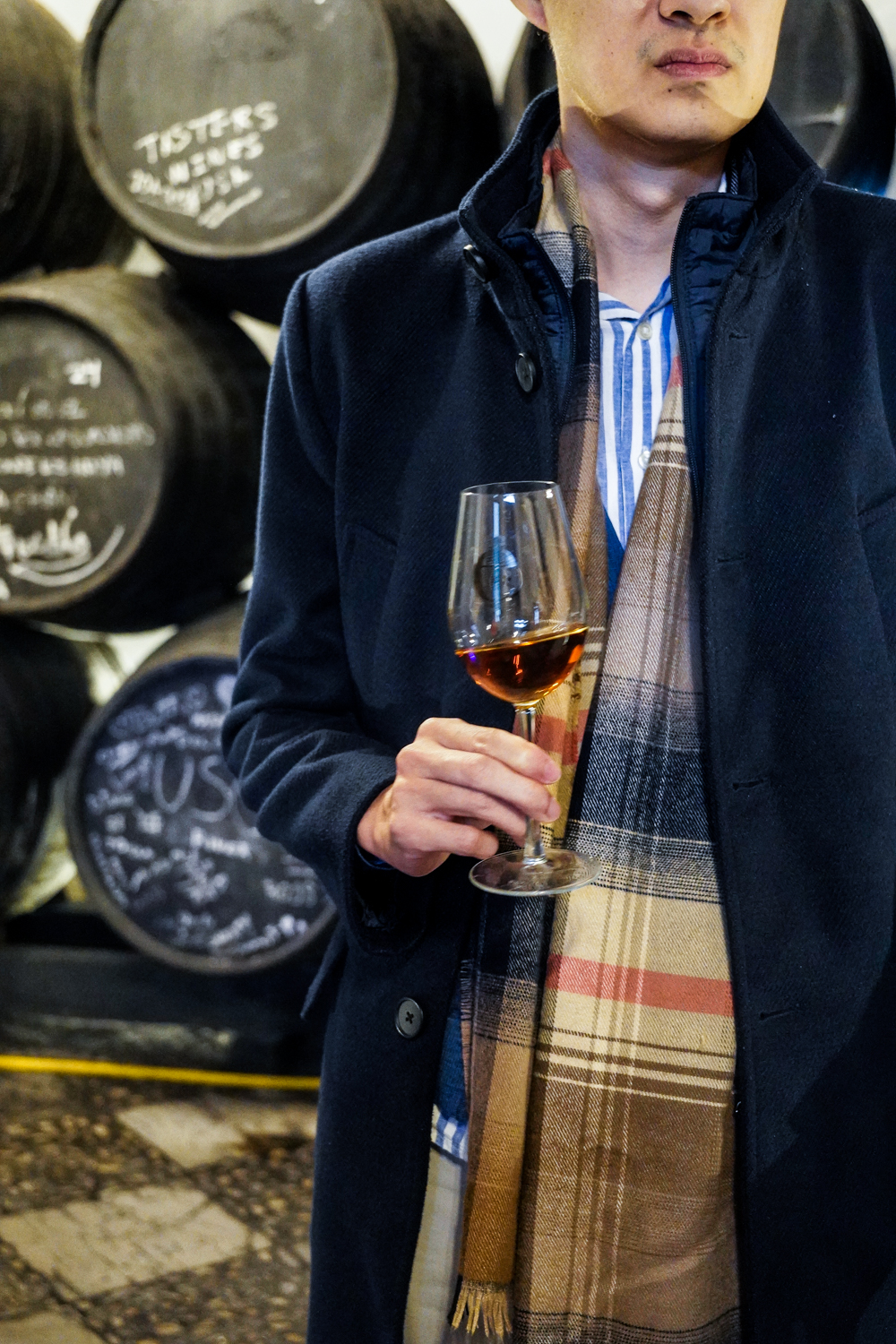
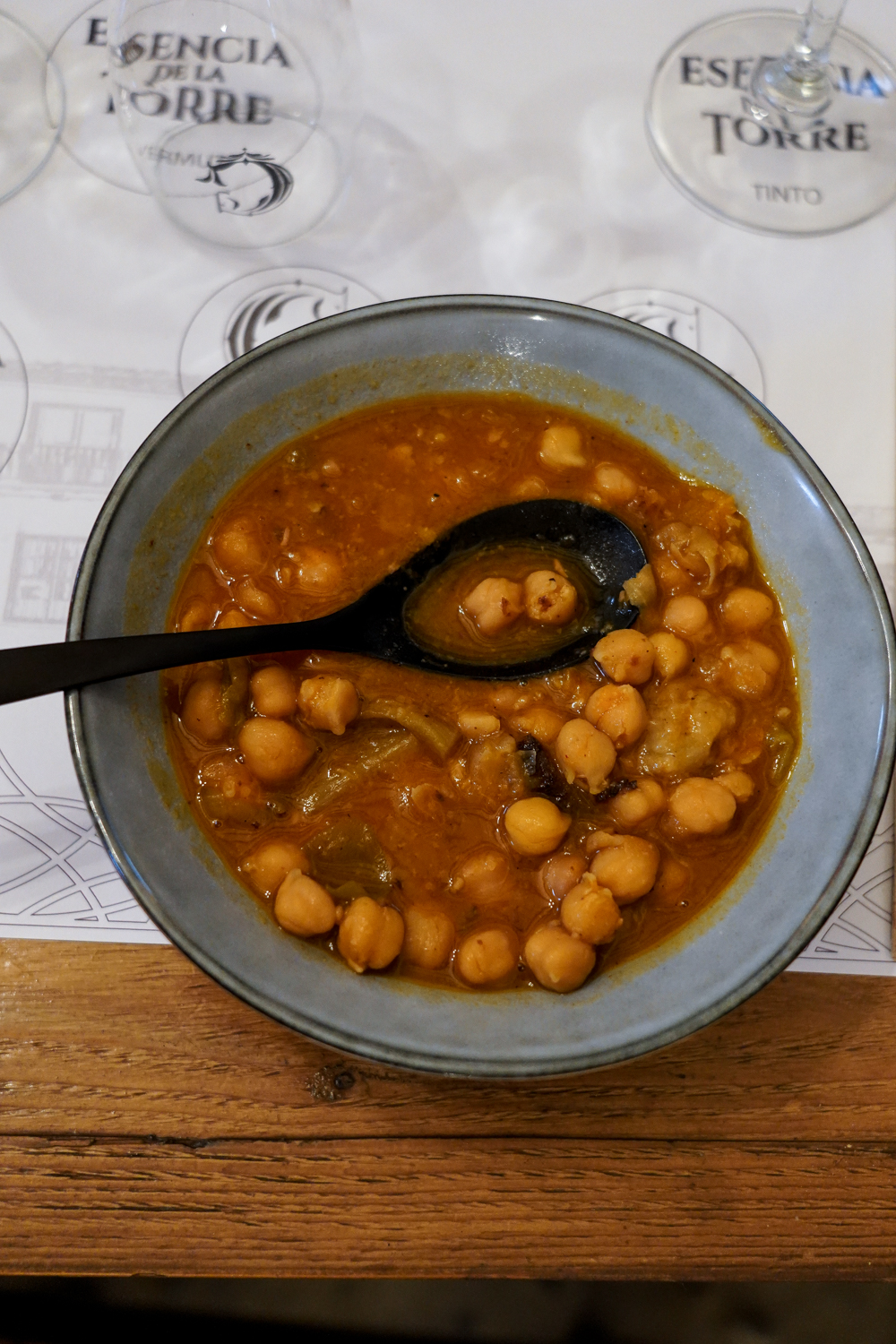
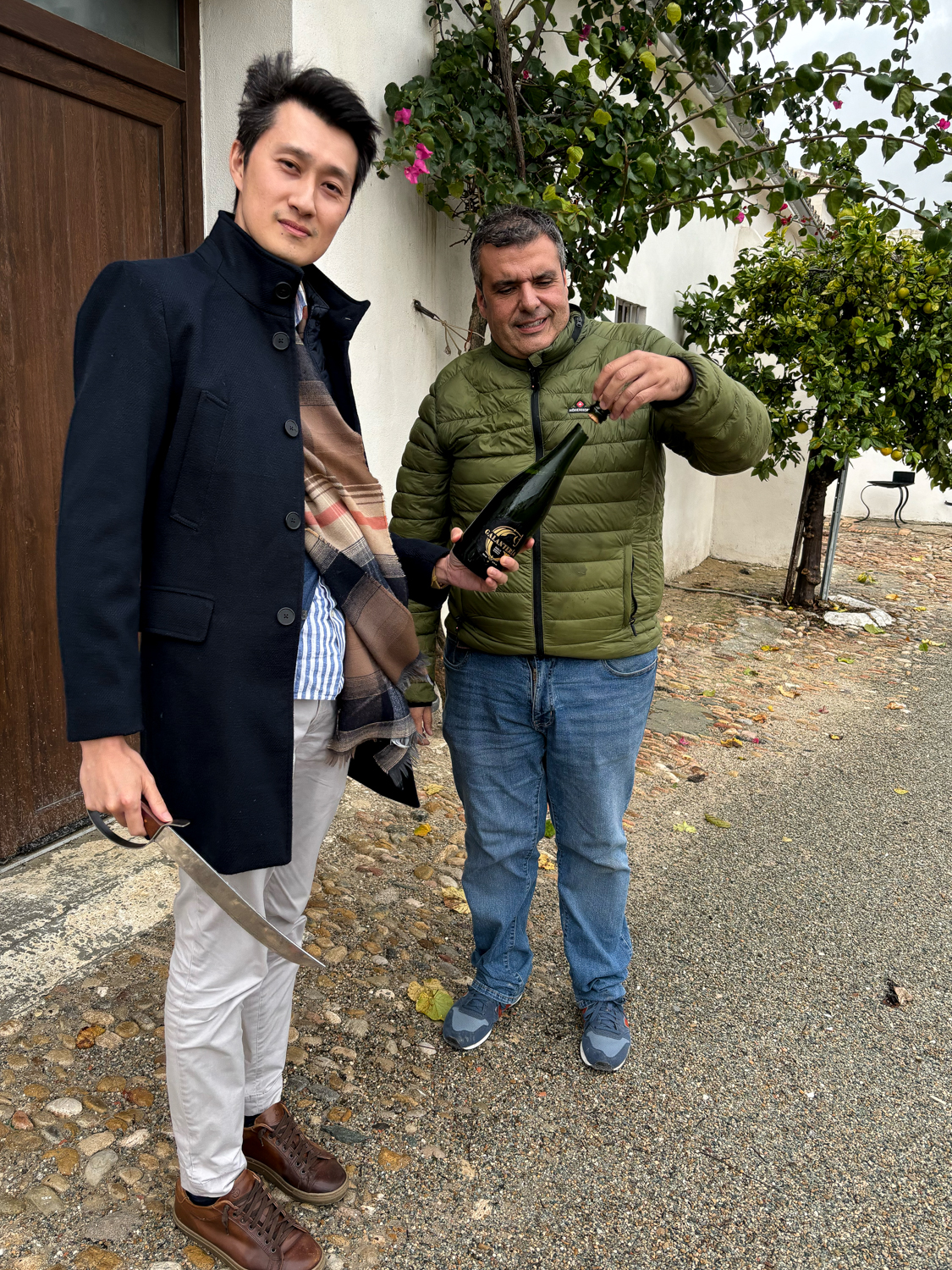
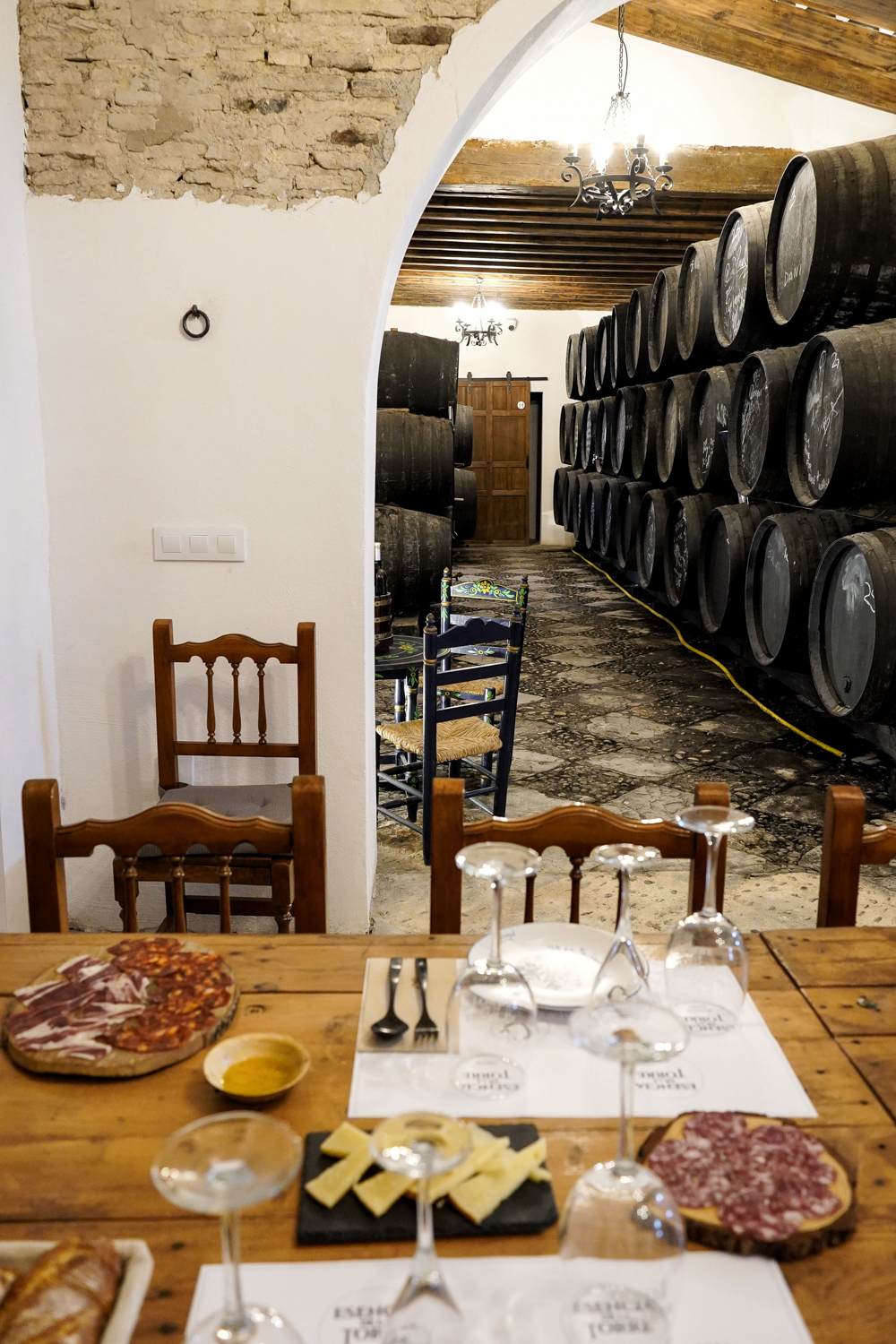
The weather had its own plans when we went to the sherry vineyards of Albariza de la Torre. The rain came and went, sometimes in long steady streams, other times leaving behind a flat grey sky. Manuel was adamant that the weather in Cadiz should be all sunshine, as it should have been in October. “You have seen our good weather, haven’t you?” He asked, expecting commiseration. We were just happy to be there eating and talking about sherry and sparkling wines. As is often the case with most Spaniards, the talk drifted to football. Manuel told us about the tortilla de patatas he would make specially for every Real Madrid match. There was his son who could have been the next Sergio Ramos. Naturally, he insisted that Spain should win the next World Cup. Unsurprisingly, Roy was all ears. The hours stretched on effortlessly as jamon, salmorejo and football carried us through the wet afternoon.
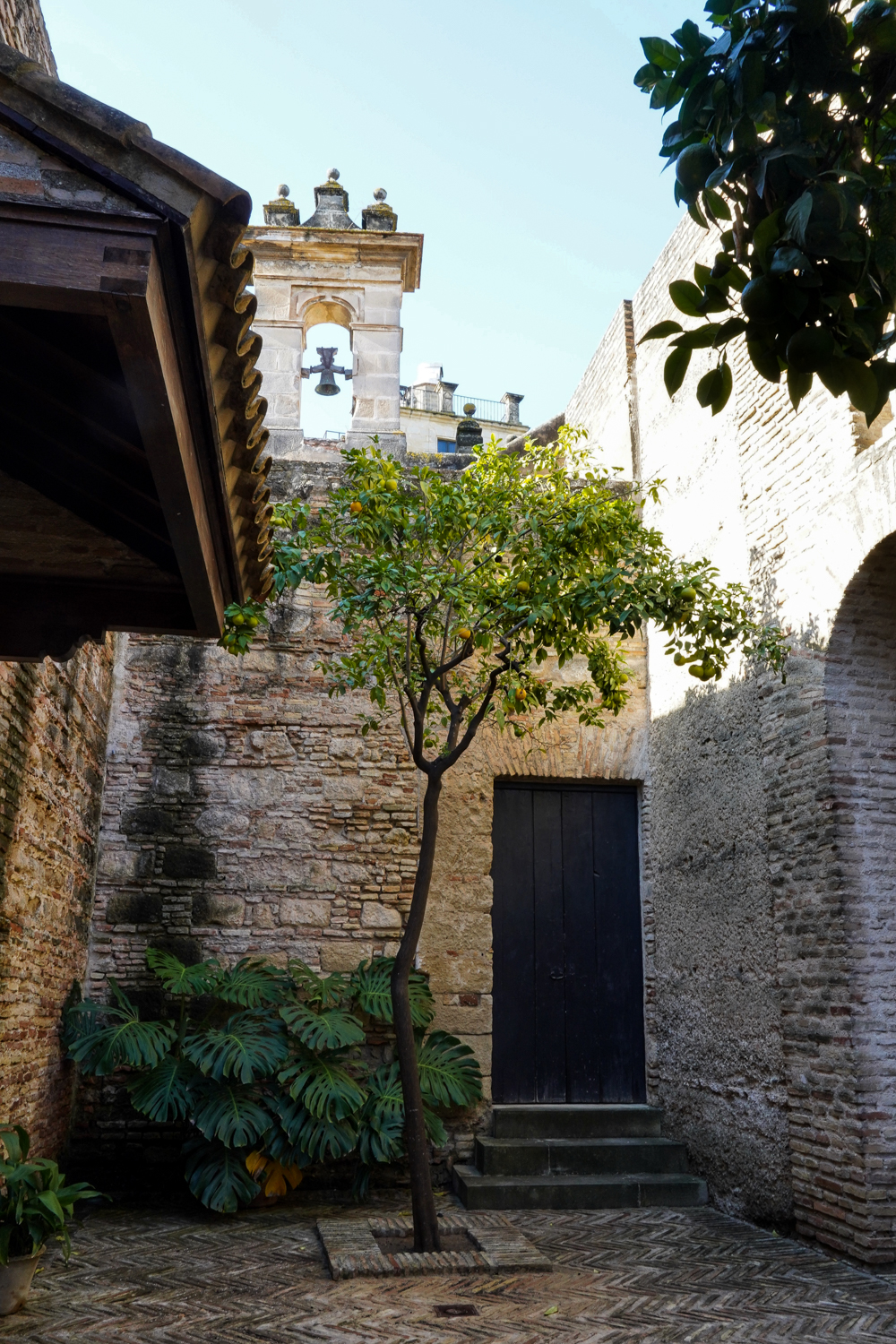
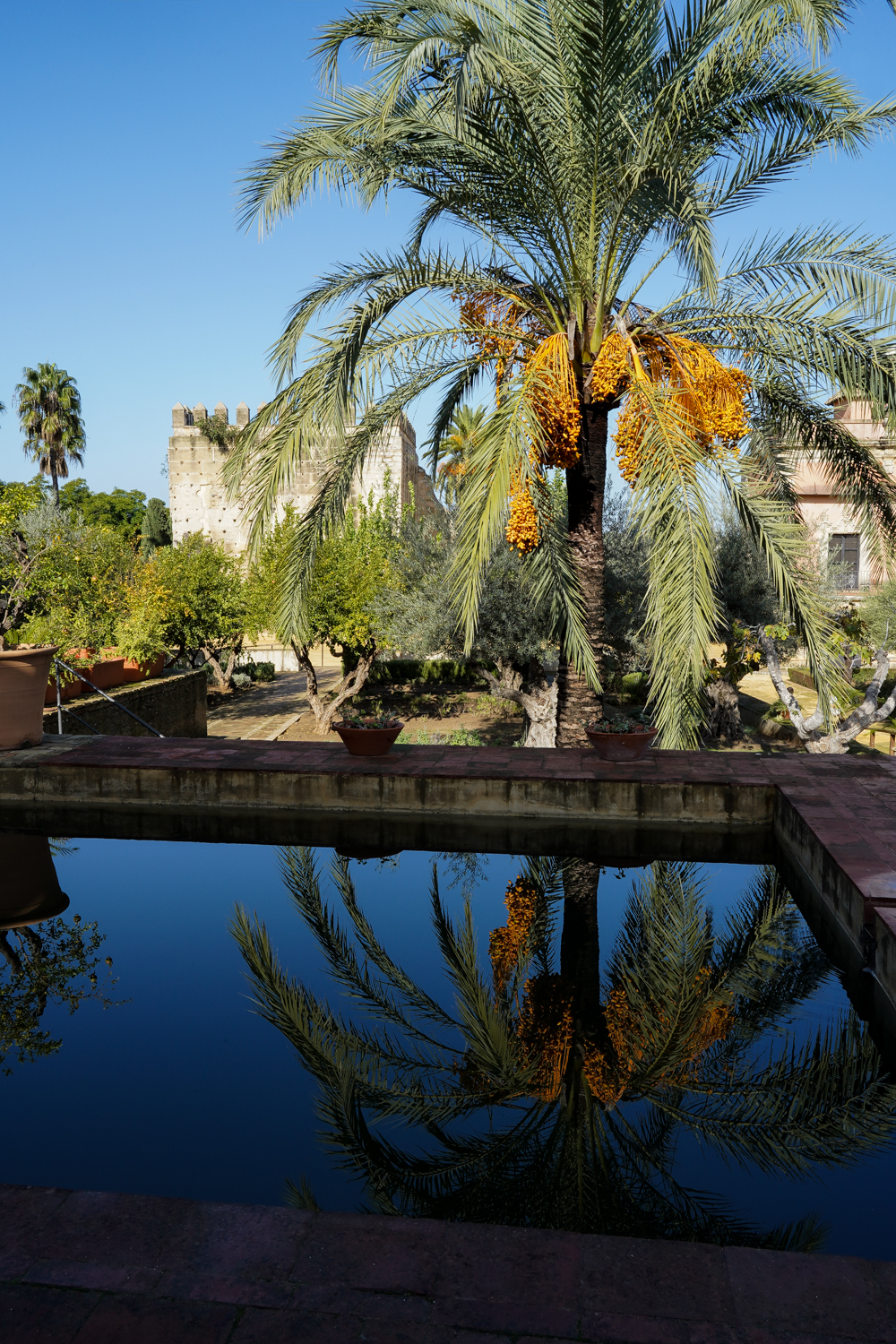
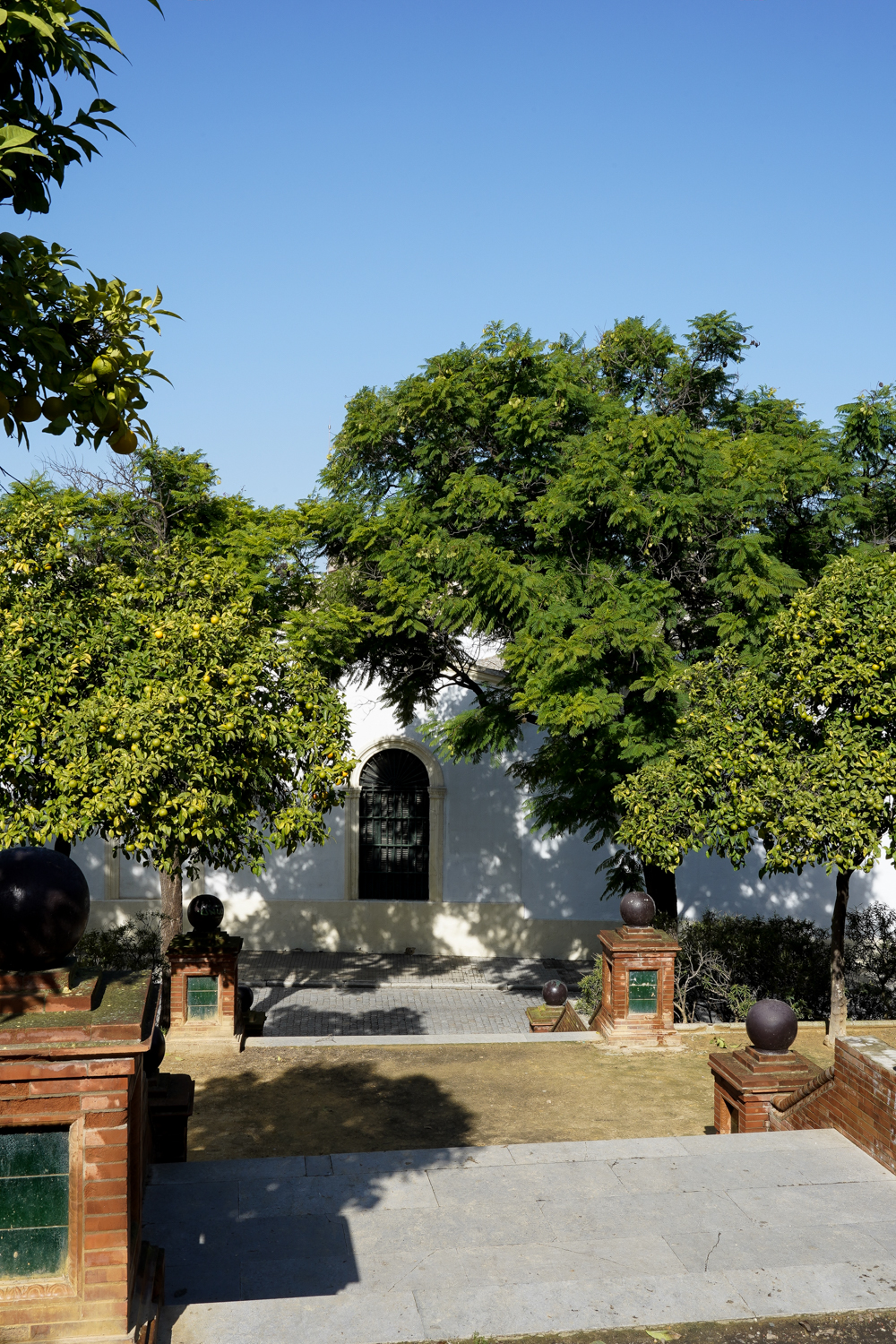
The whim of the weather smiled on us a few days later when we went to Jerez de la Frontera. The sun was in full force wherever we went, from the Alcázar to the town square. It was as if the weather remembered that it was supposed to be sunny Cadiz after all.










 Eat Look Travel Book