

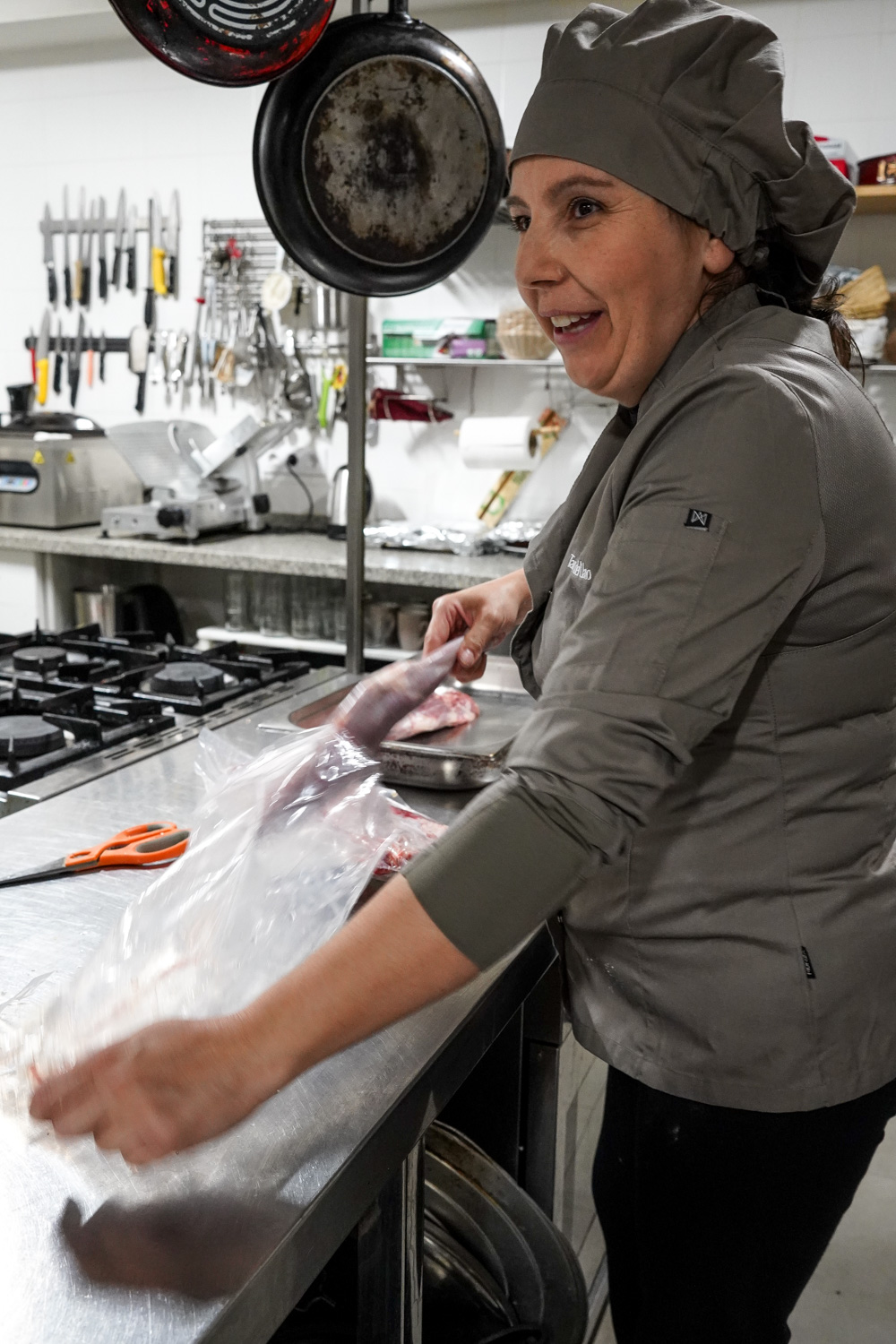
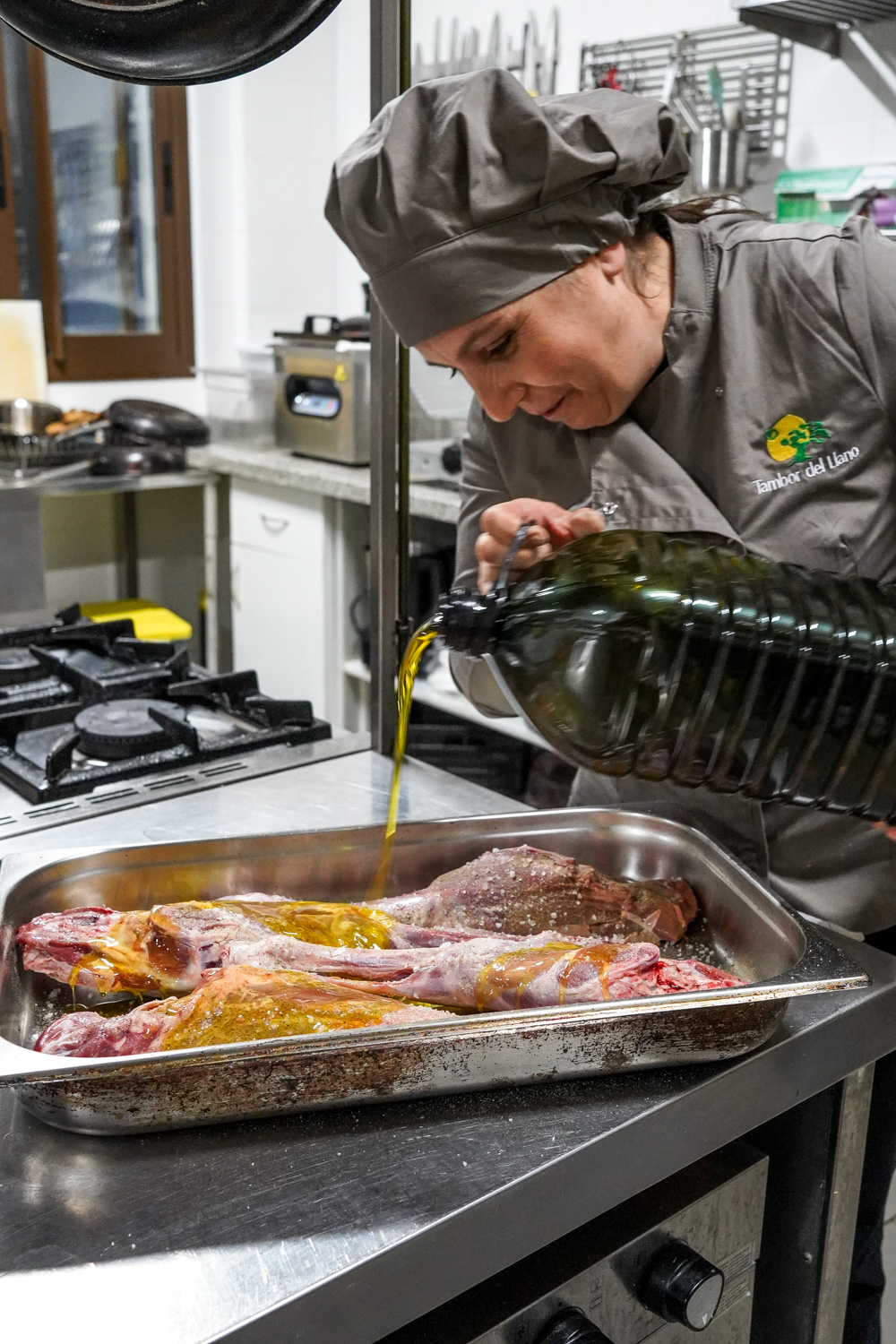
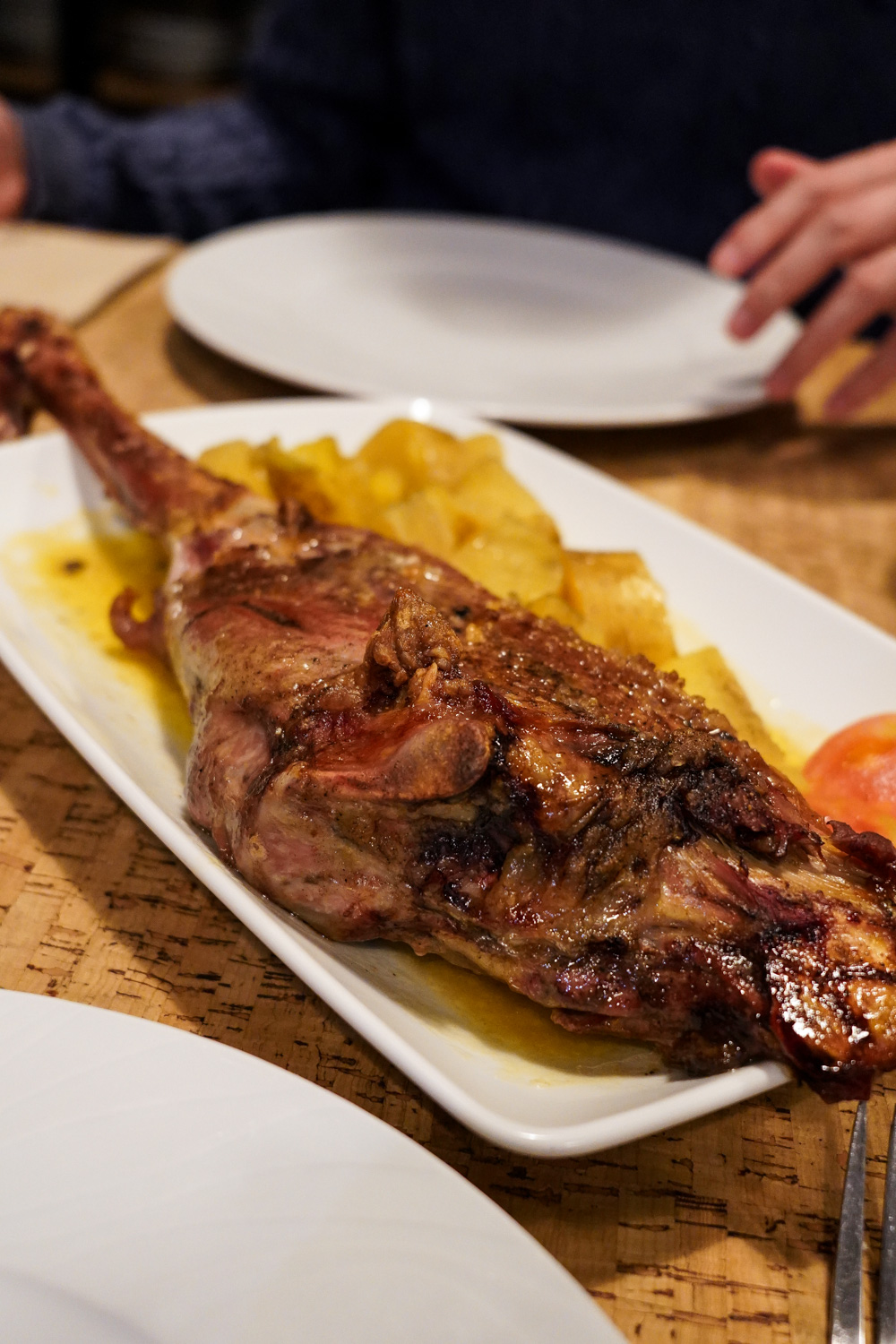
Not everyone is fond of lamb but when they do, they would fall for it, deeply. There is no in-between. When we were heading to Tambor del Llano, we had decided early on that we would have the lamb. It was a specialty there and we would understand later on why. For us, Ana was the heart of the finca. On the day we arrived, she showed us the secret to the lamb. Salt and generous pours of Spanish olive oil were key. The rest was the lamb itself and nothing more. It was a flavour that would gently tug on my tastebuds. I still remember that in the days following on, a group of men had a second round of the lamb before they left. That was how good it was.



TAMBOR DEL LLANO
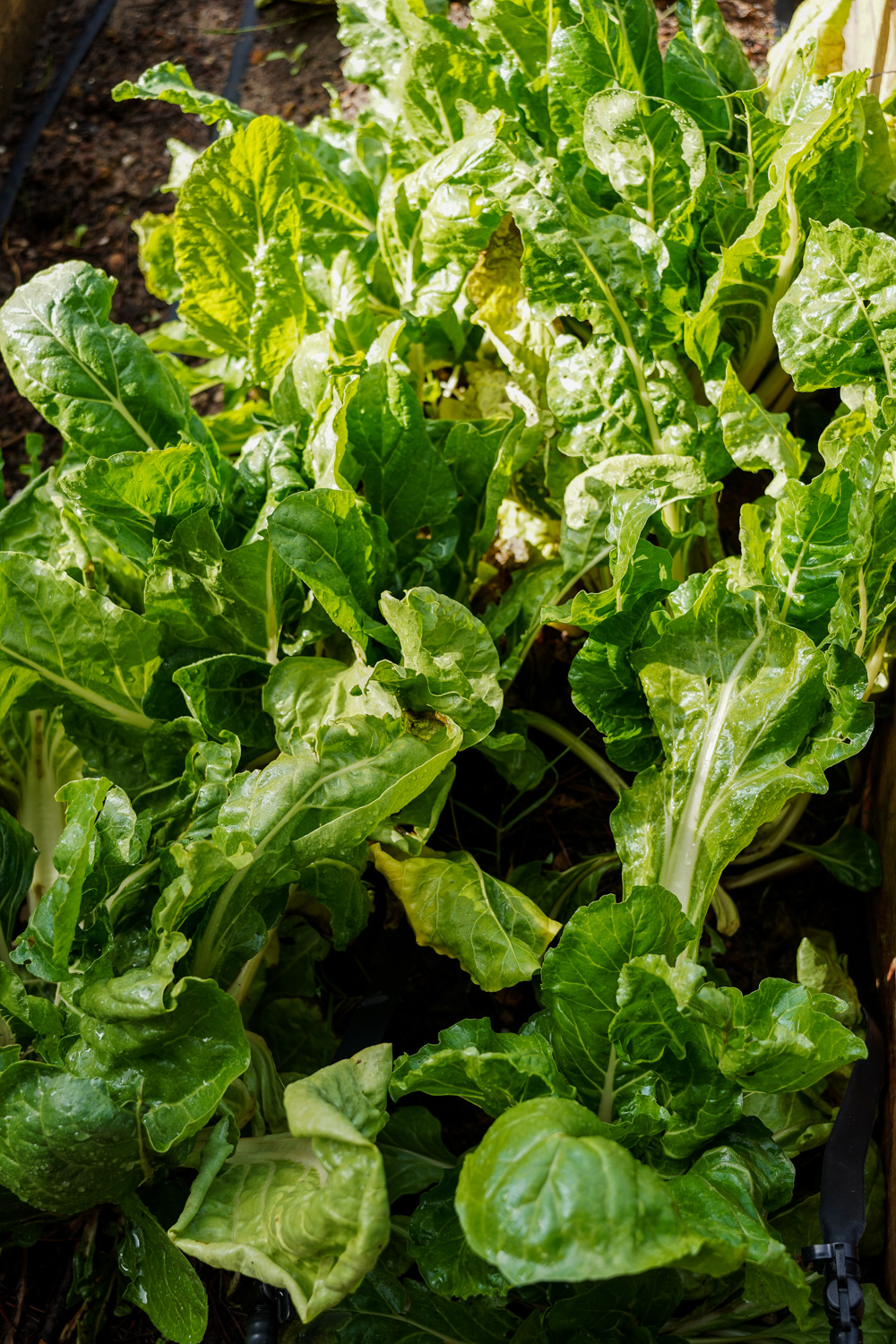
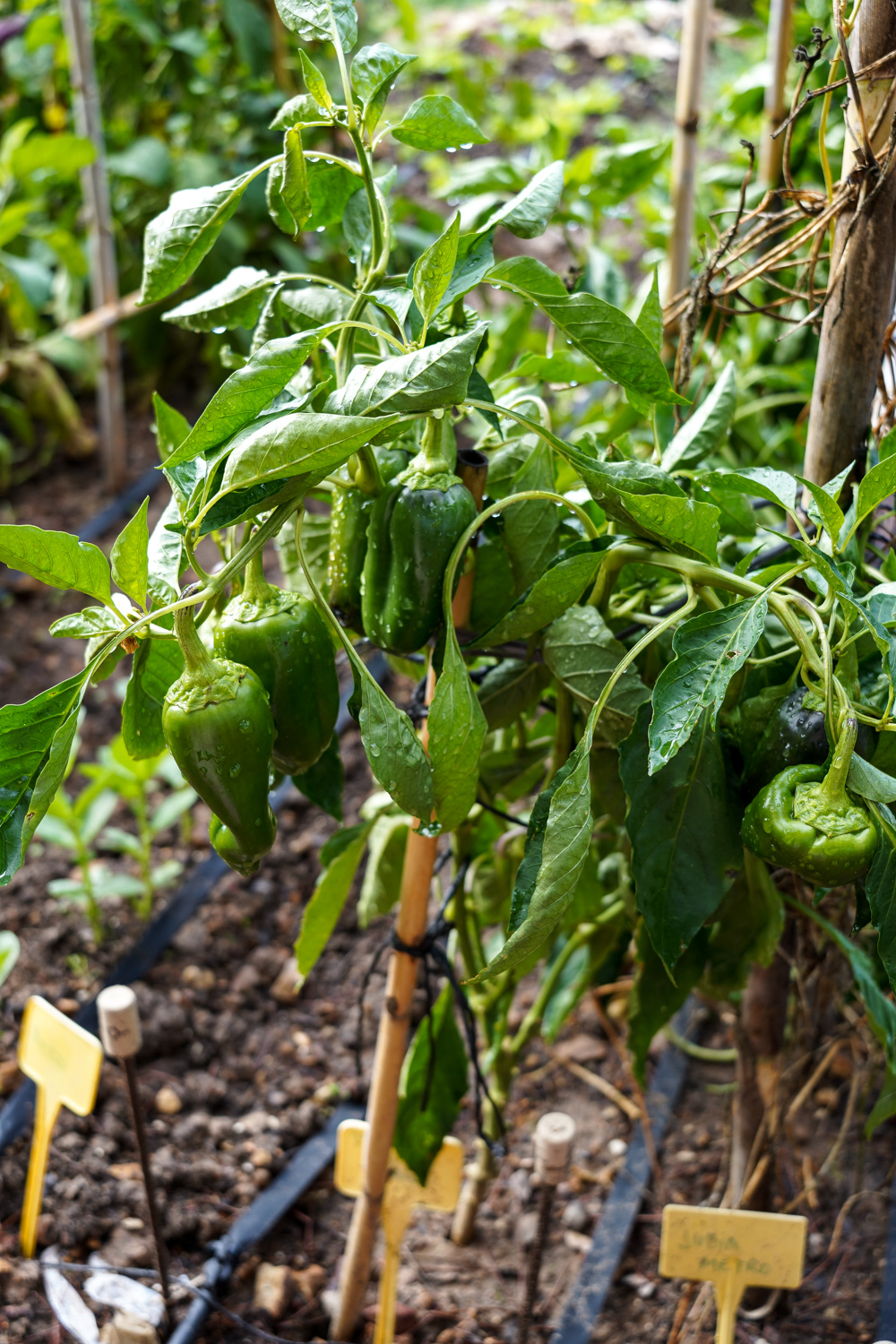
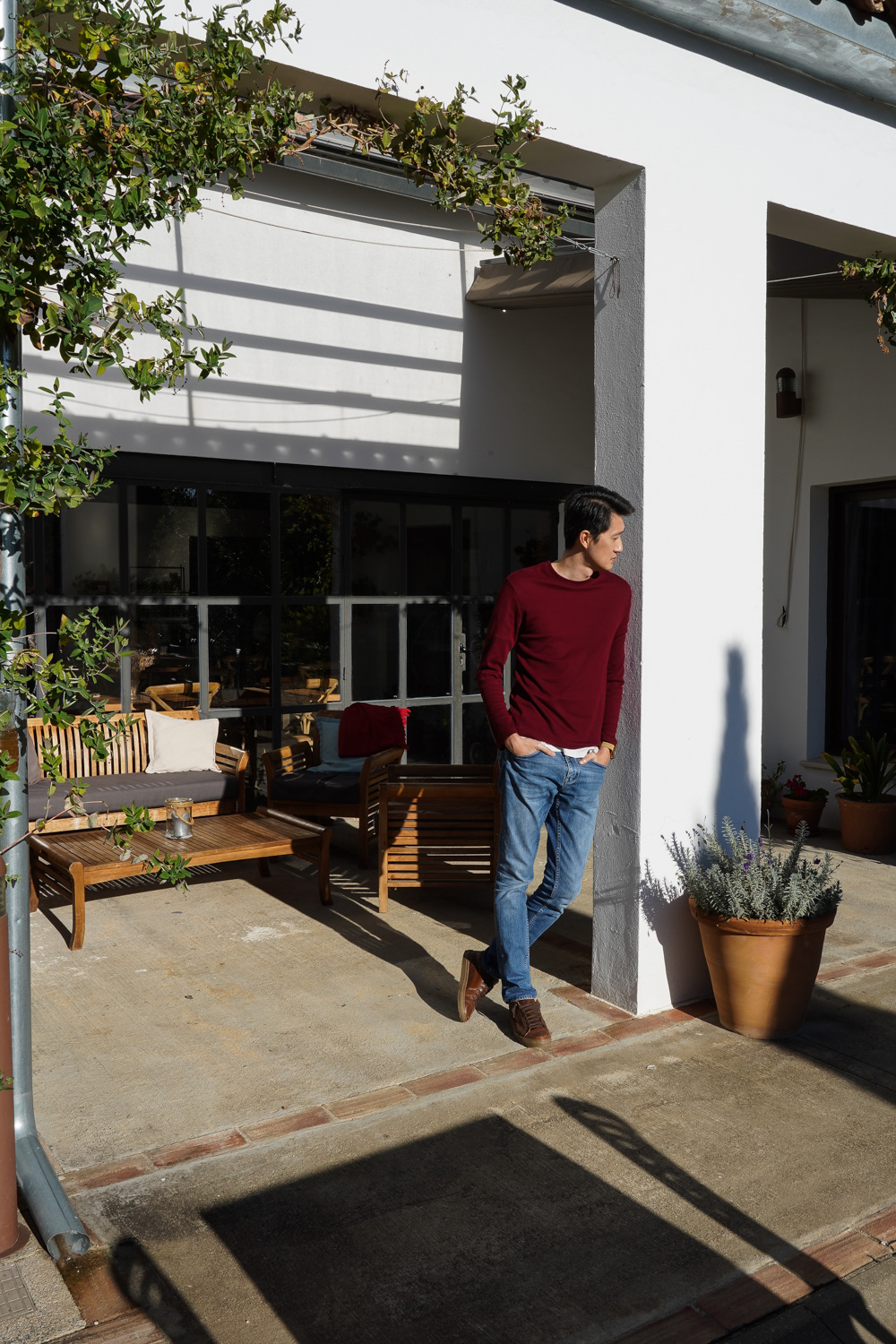
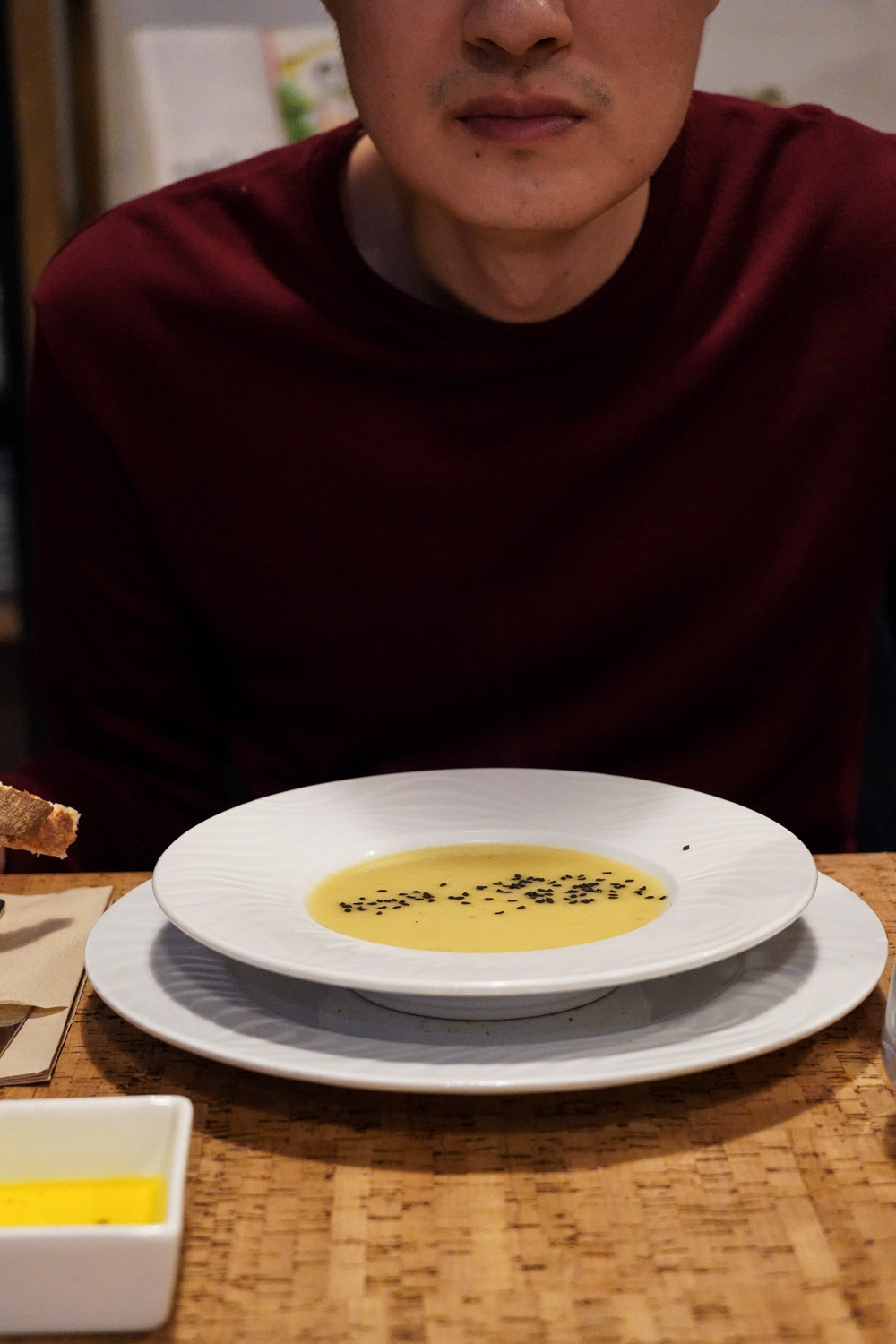
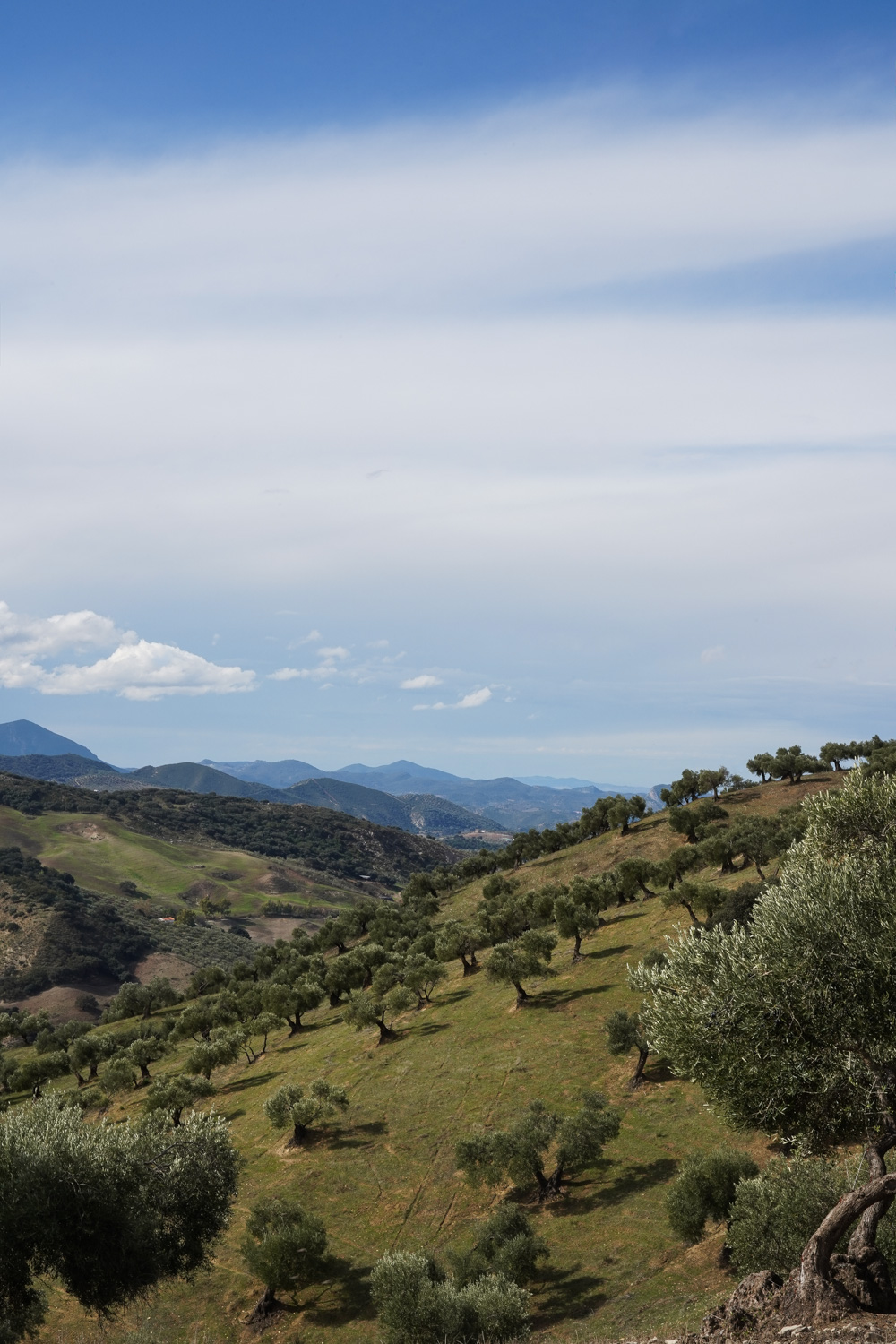
Our favourite place in all of Ronda is Tambor del Llano. Or rather, it’s Roy’s favourite place. Maybe because it was wild, perched right inside the national park. But mostly, it was comfortable. Mornings would start with hams and fresh cheeses while Cati kept our glasses filled with sun-kissed orange juice. There would be cakes baked with autumn fruit which would be saved for an afternoon nibble—something that was much appreciated after long drives through the park. But what Roy enjoyed the most were the gentle hikes to the vegetable garden or just the wandering, to soak it all in. From afar, we would see tiny white dots moving in the plains which we knew were the grazing sheep. Dinner was always a surprise. Corvina fish a la plancha. Baked apples served warm with yogurt. Pork cheeks braised very slowly in red wine. We would always order one of each, and finding that both were equally delicious, would find it impossible to choose which to dig our forks in.







RONDA
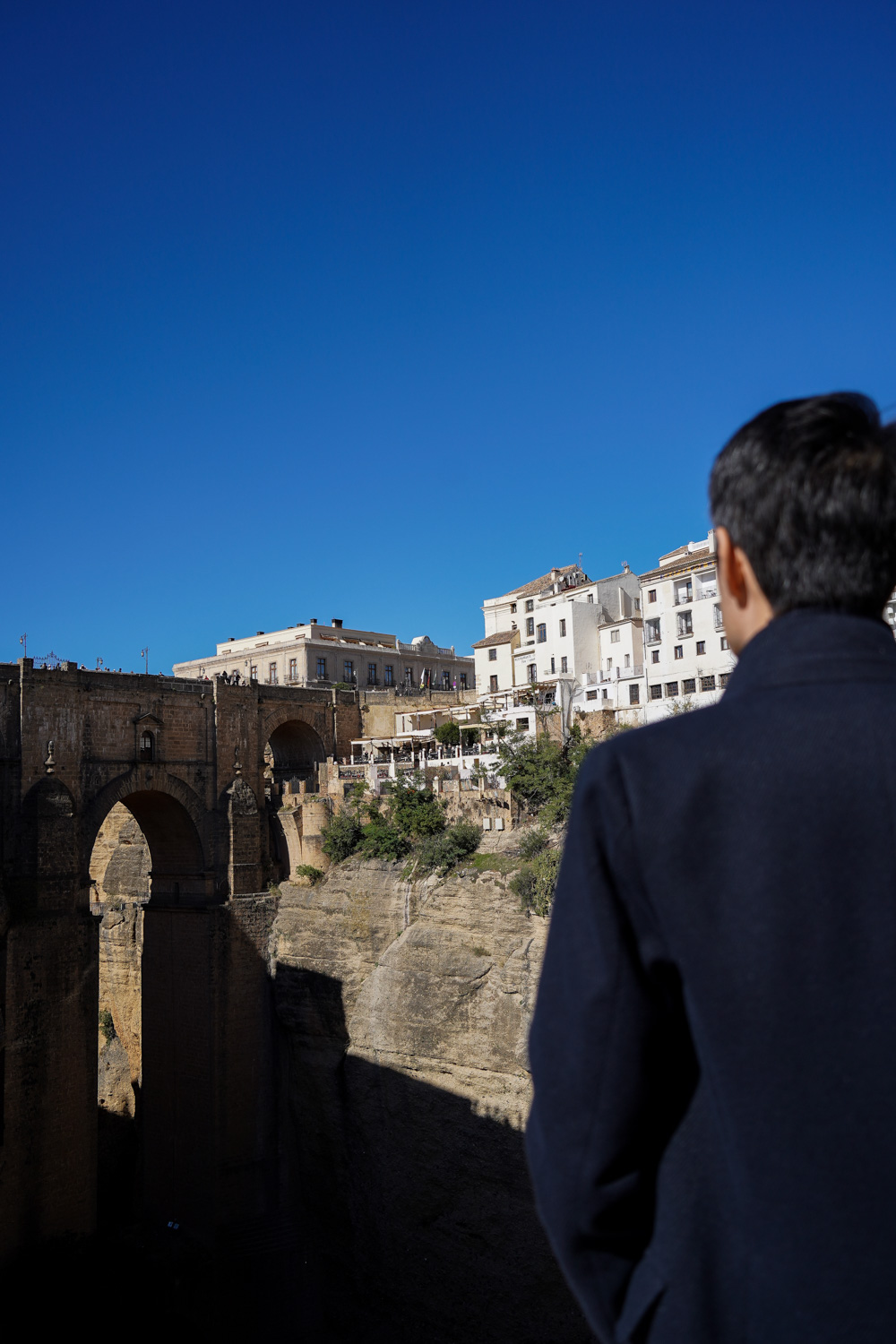
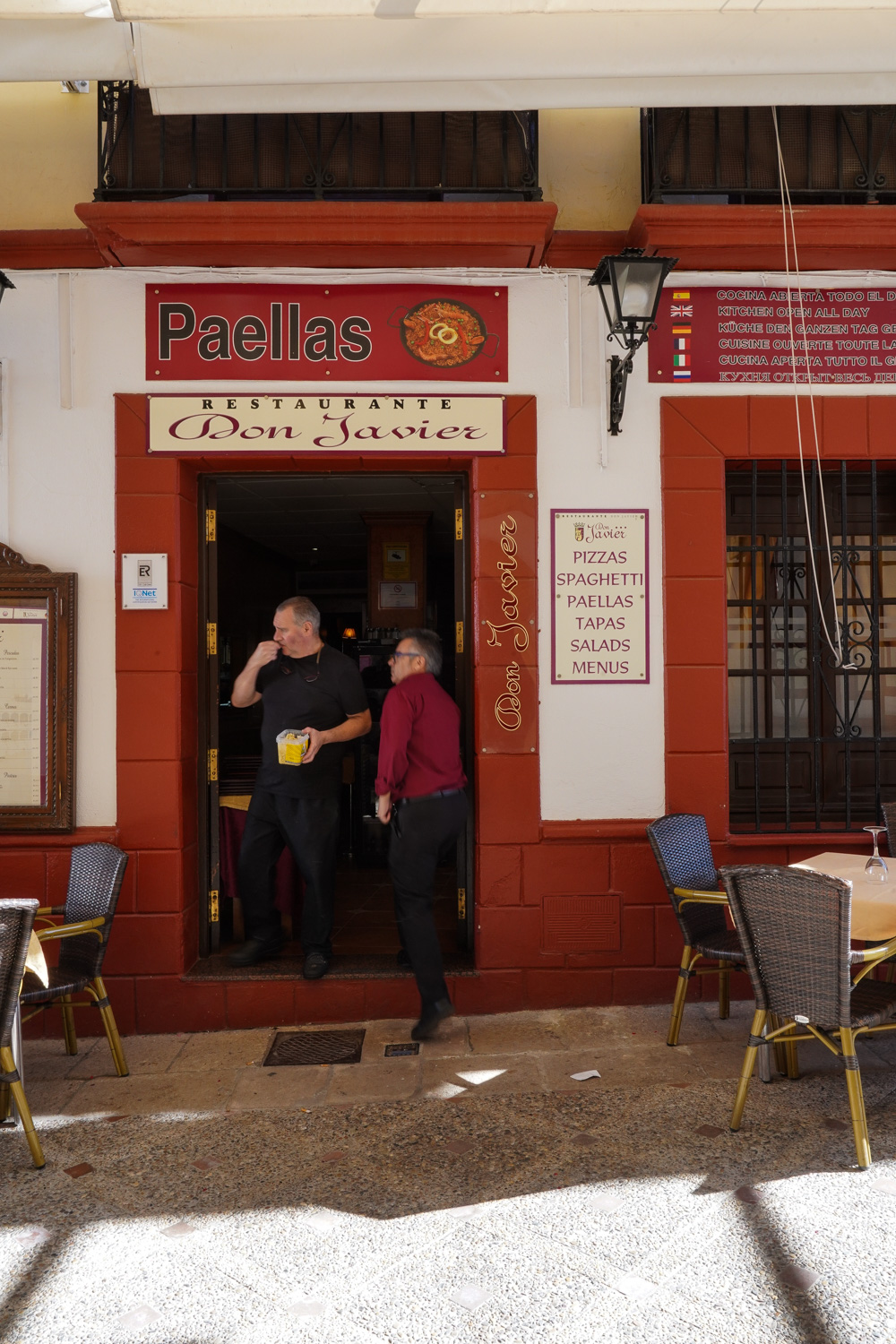
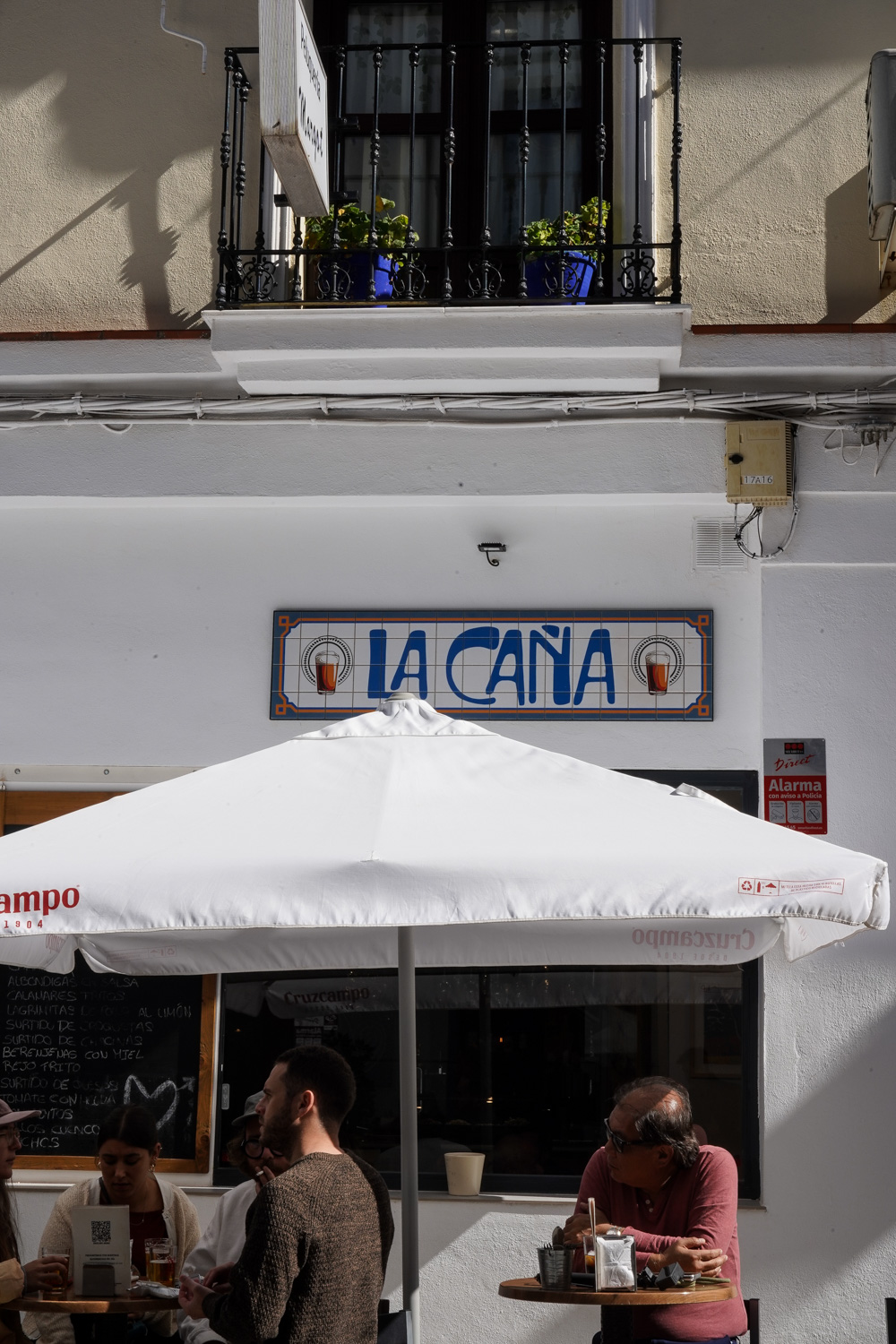
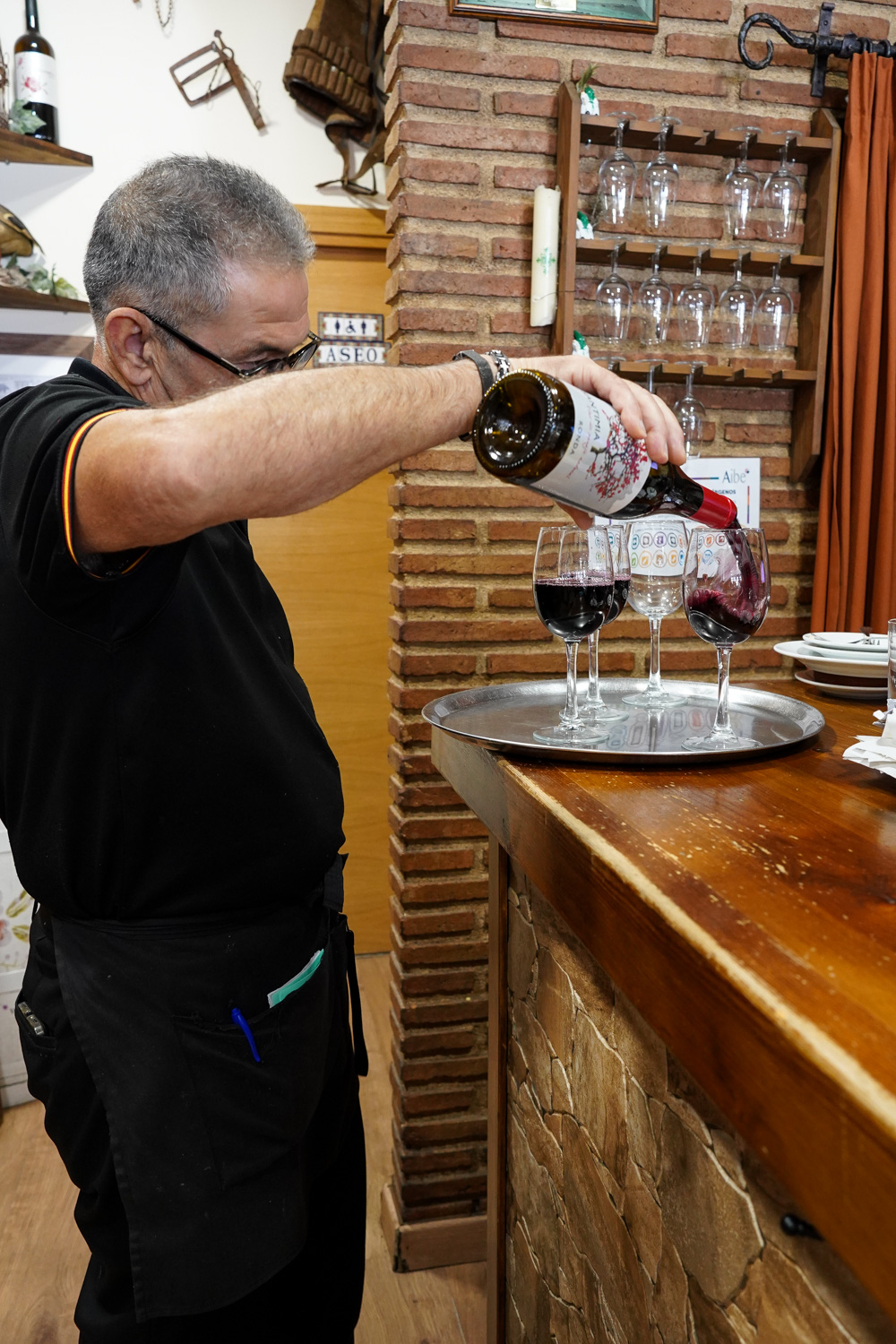
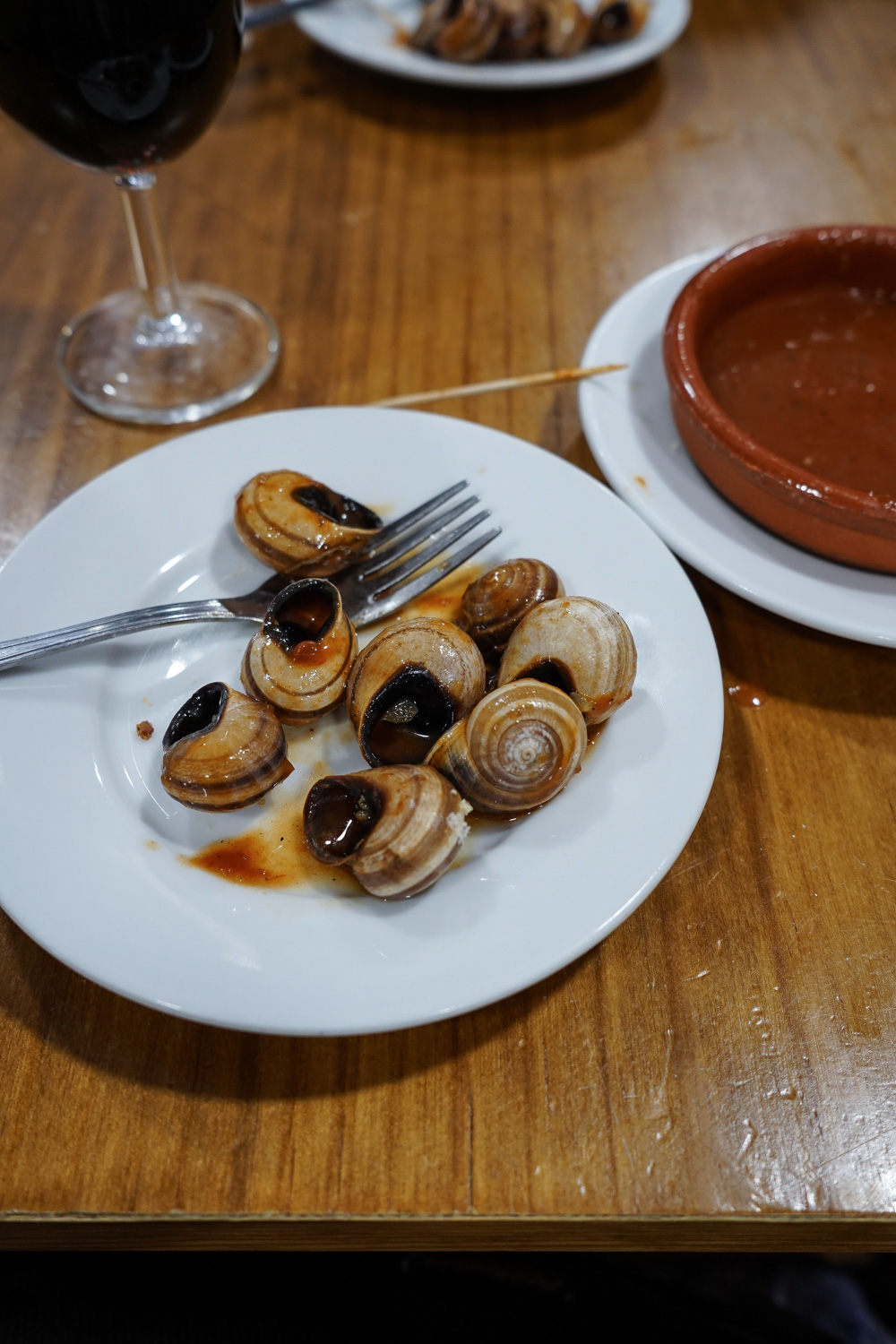
It can be hard to pry the city away from the region, especially when it has a bridge as grand as the Puente Nuevo overlooking the even grander El Tajo gorge. By the time we reached the city of Ronda, the tour buses had already let loose their crowds who filled the bars as soon as they opened. We passed the forever-queue at La Cana in favour of their more discreet neighbour Bodeguita El Coto. Unlike the gilded glamour of Granada’s bars, Ronda has maintained the casual dressed-down charm of theirs. The kind where waiters moved from table to table with effortless rigour. They never forgot a single order, nor the best drink on the wine list. On each wood-varnished surface was a earthenware of caracoles that had been boiled in tomato with slices of bread to dip the sauce with. Then, little plates of chicharrón, meatballs, potato cream and a bright tomato salad. The waiters were still moving to an endless tapas tune, never missing a beat in Ronda’s mid-afternoon.








ZAHARA DE LA SIERRA
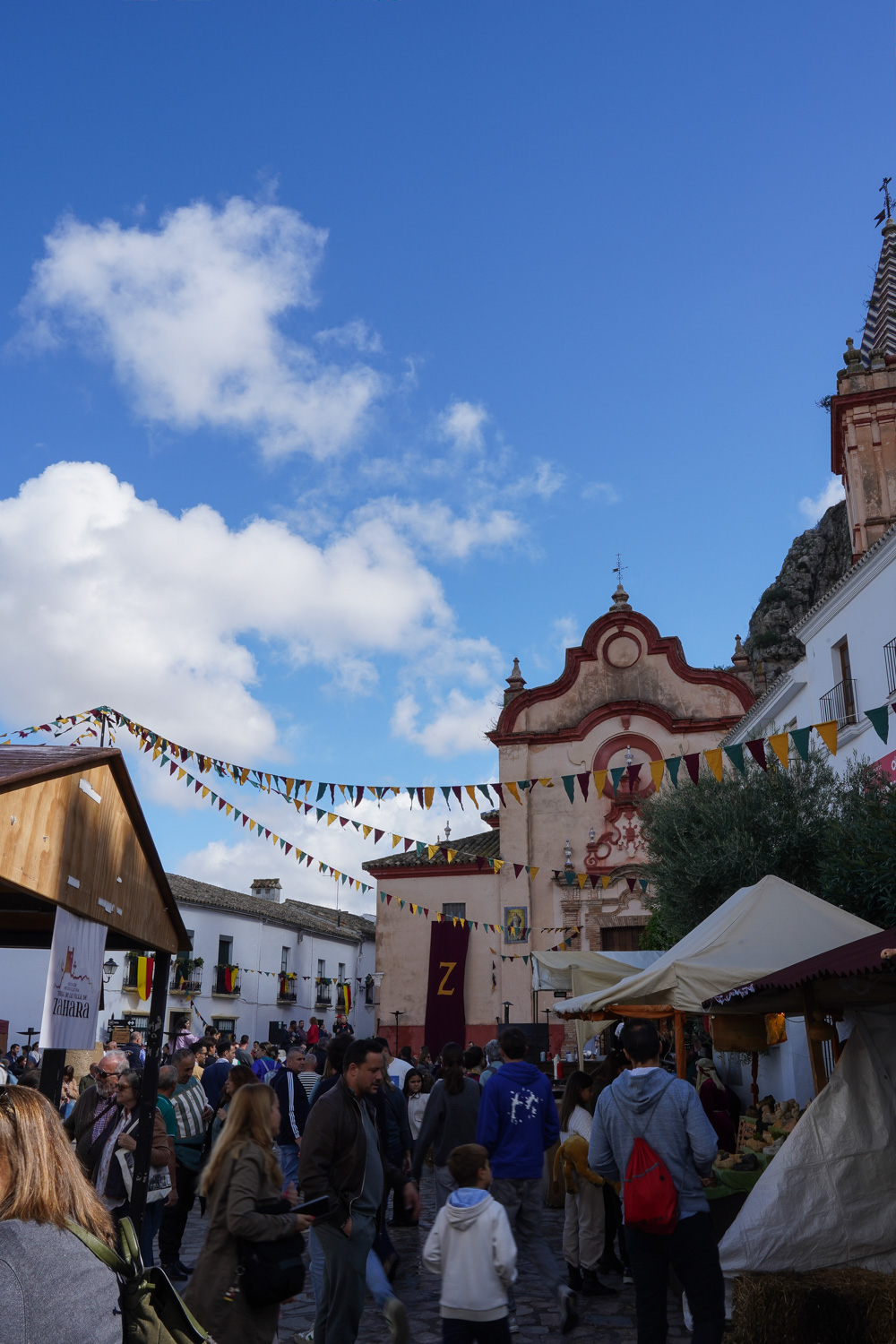
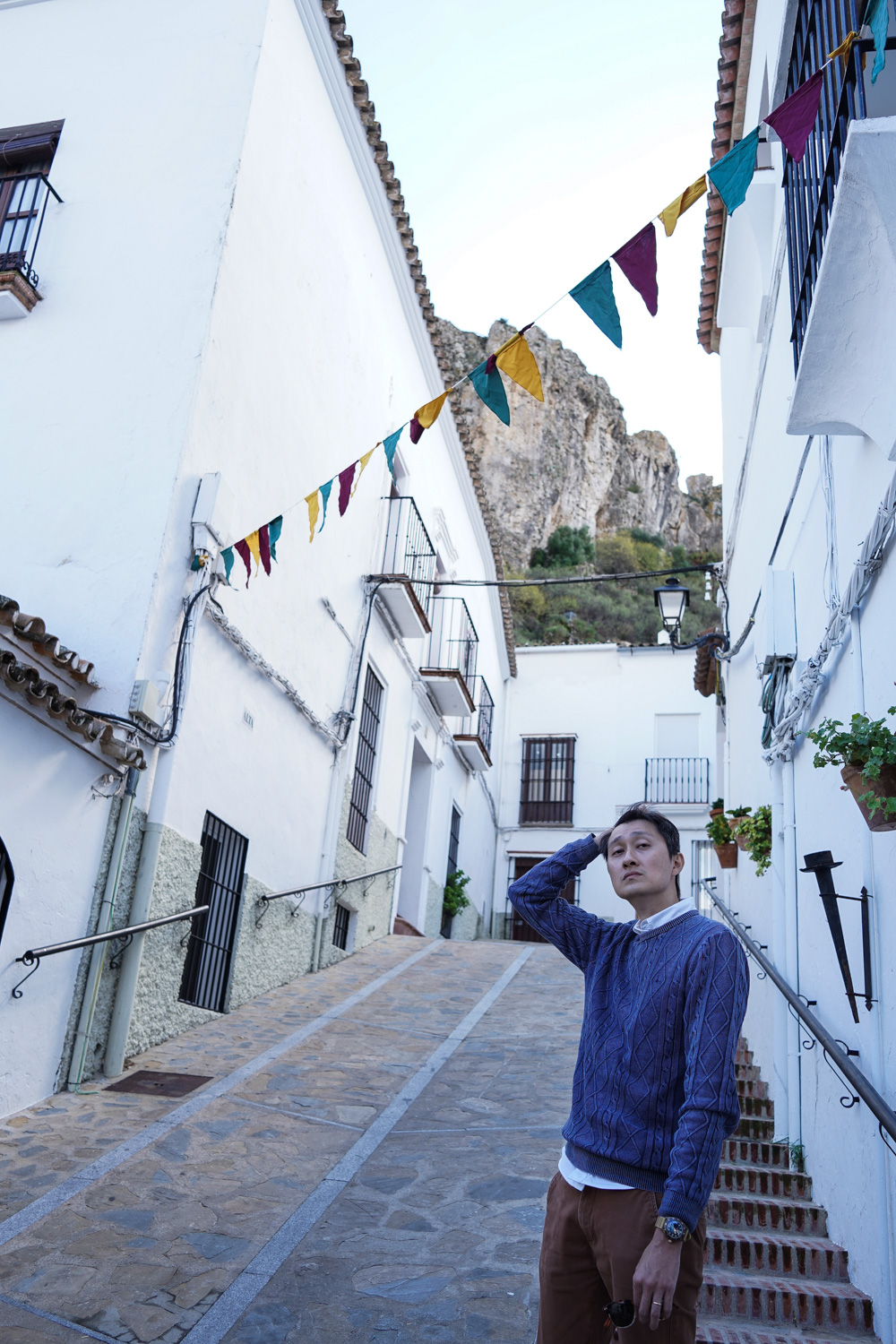
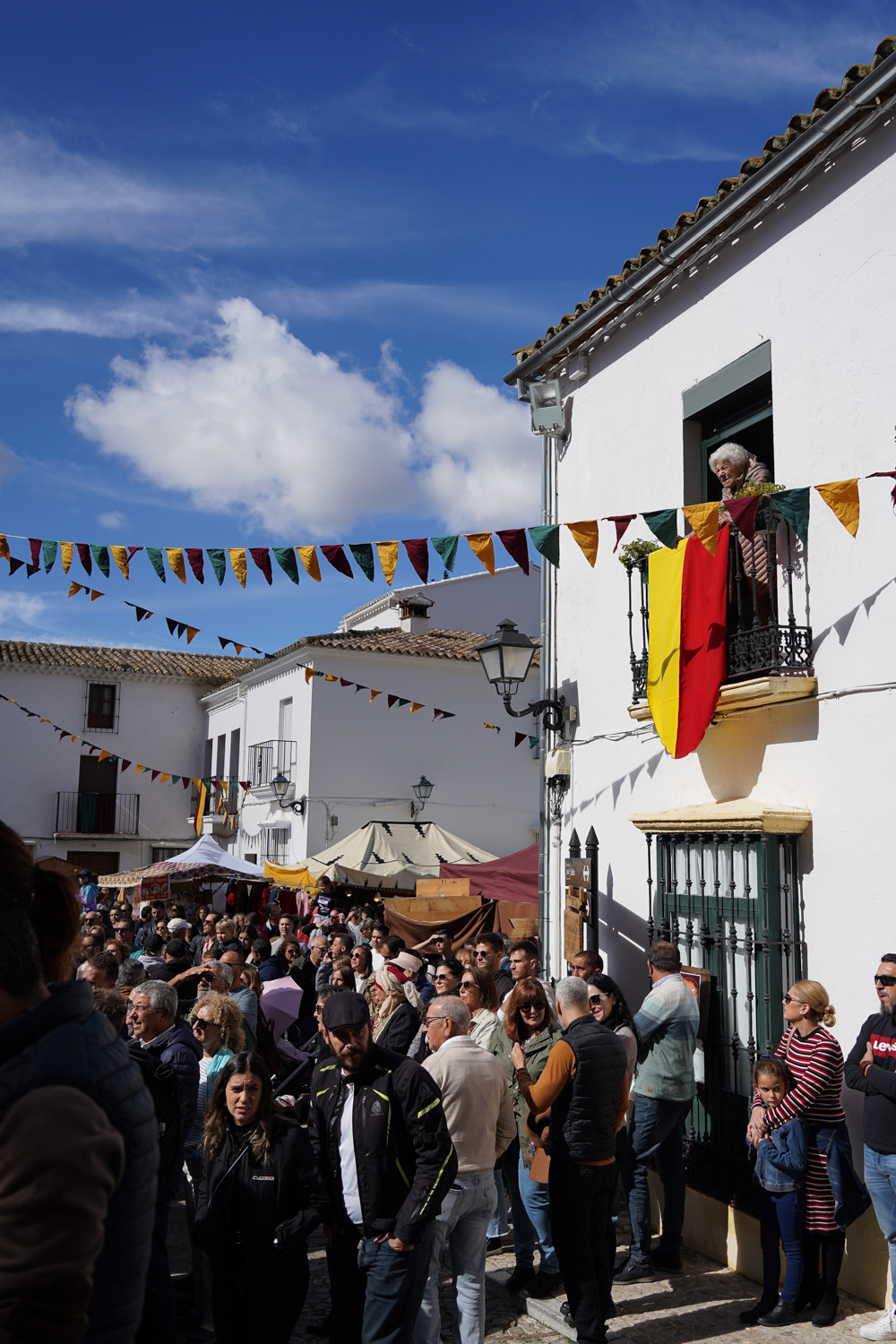
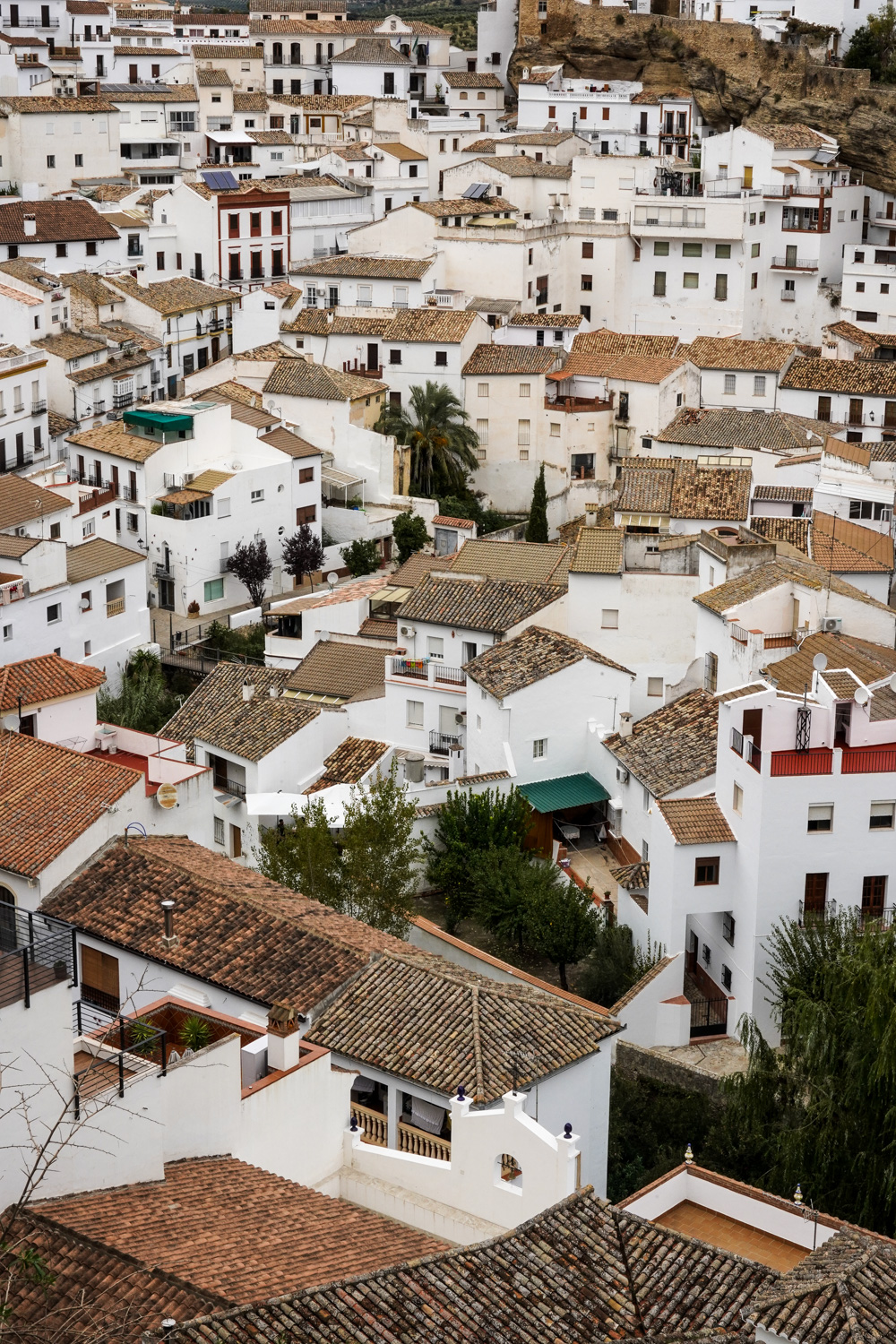
Over the days, we had come to realise that Alvaro, part owner of Tambor del Llano, was almost always right. This was especially so when he casually slipped in a few recommendations. Just a few towns to visit. There was Ronda or the Setenil de las Bodegas. But first, the timing was just right to go to the Zahara de la Sierra. For a few days, this once sleepy town would come alive in red, green and yellow in honour of the San Simón y San Judas festival. Alvaro had promised us that it would be “very funny” and he was right. The locals, dressed as Jews, Christians and Moors, performed their battles in a theatrical fashion. It was all very pretend play. Some were captured in ropes. Many swords were drawn. There was music and there were skits. We ended up right at the top of the town where captives, hiding their laughter and feigning injury, were exchanged. But our attention was drawn away by the taverns where a whole leg of lamb was roasting on a spit until it had become a blushing shade of rose. It was exactly as Alvaro had promised: endless entertainment and a feast to be remembered for the ages.




RABBIT ARROZ
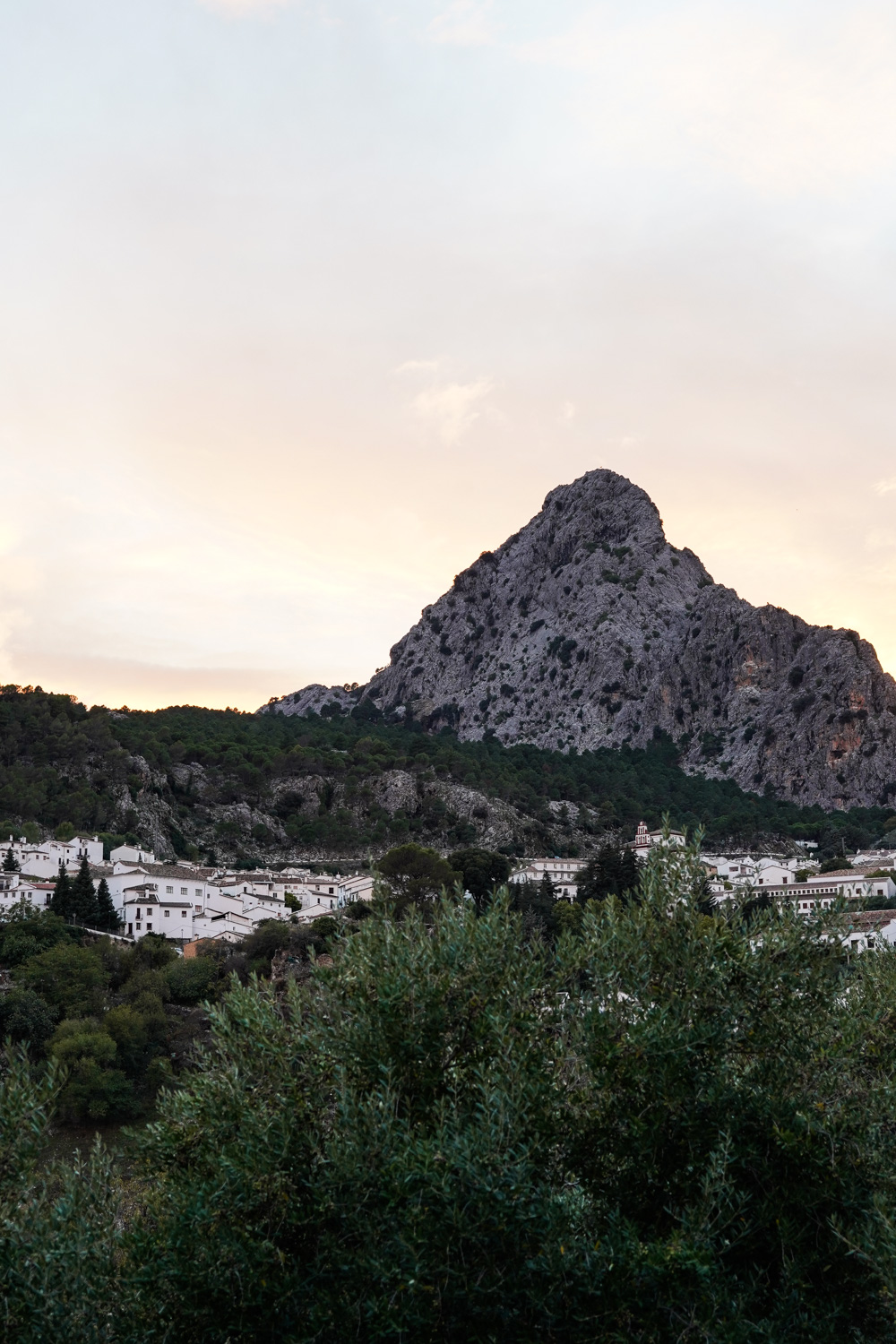
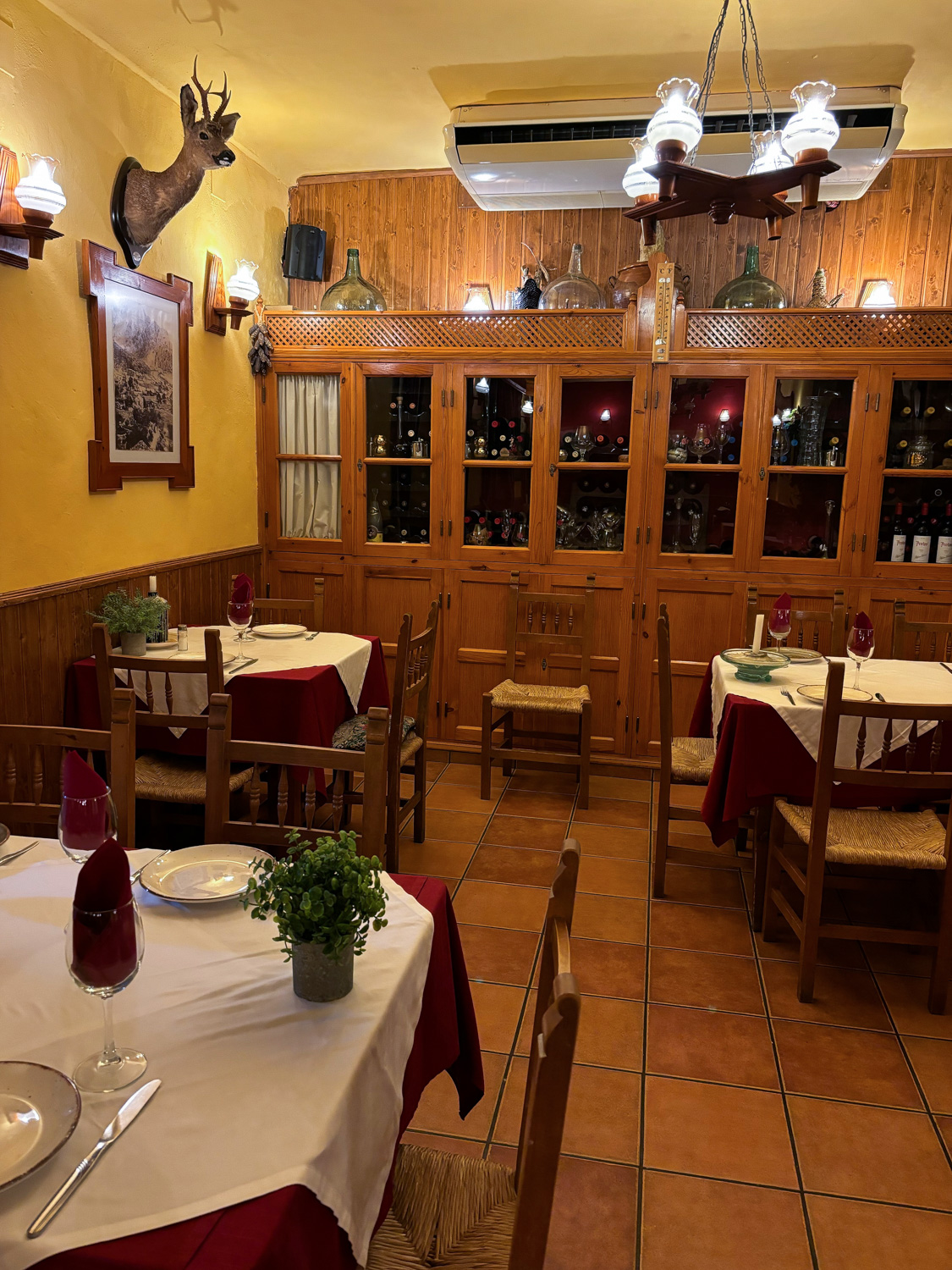
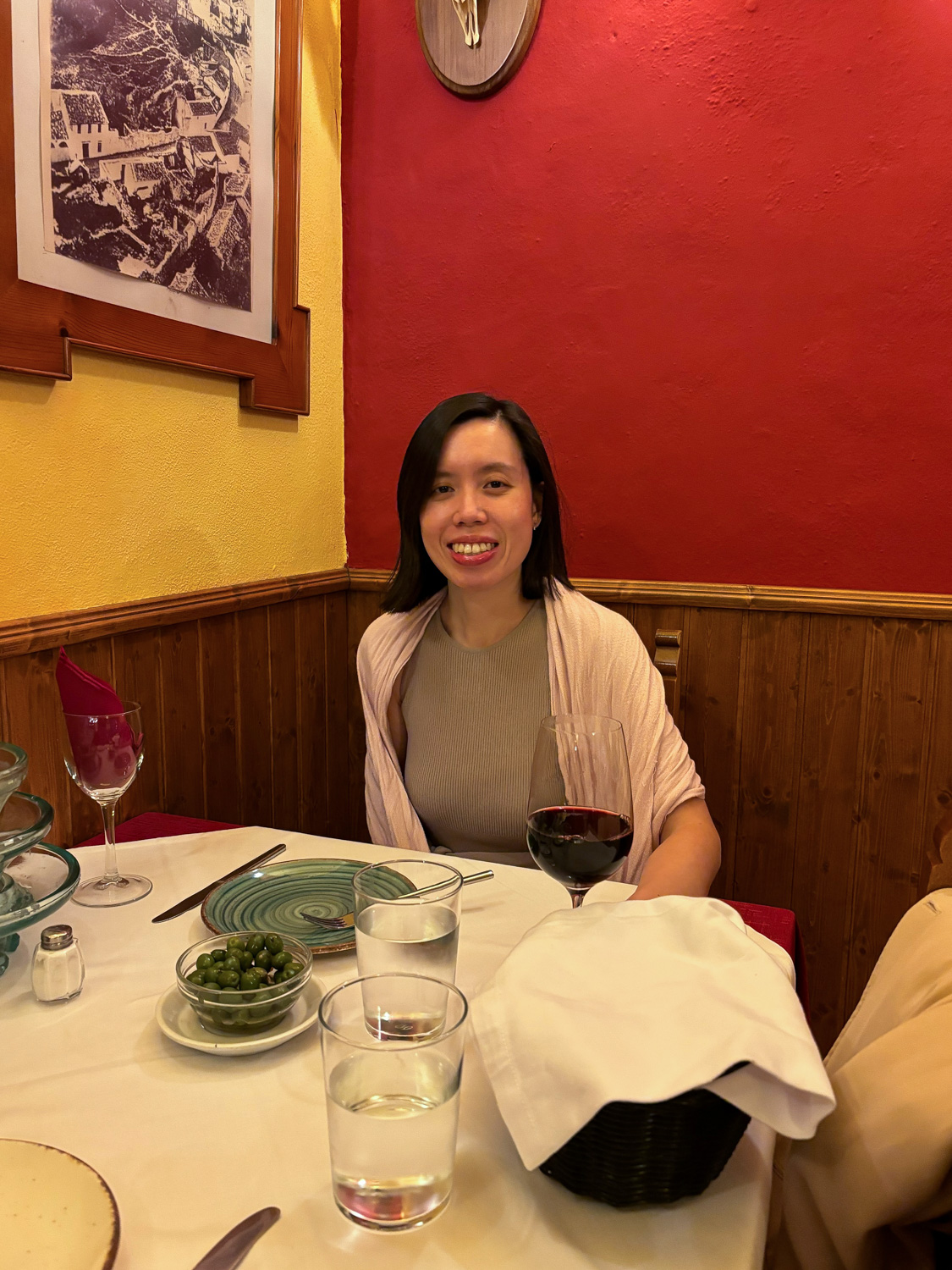
I have to tell you about the rabbit arroz in Grazalema, because it might be the best I’ve ever had. When we reached, the town was still. Too still. No voices in the streets. No football games in the square. It was as if the town was having a siesta and had forgotten to tell us. We slipped into two small shops just before the shutters came down for jars of wild game pate to take home. Then, the mystery was solved: everyone was at El Torreon. The bar downstairs was alive. We edged past the locals and their unhurried conversation to the restaurant, which was completely empty save for the waiter and a well-suited man guarding the jamon. The choice was easy. Rabbit arroz for two and wine. “Definitely the red.” The waiter did not hesitate. There was no discussion and we were thoroughly glad as we were famished. The rabbit was braised in peas, tomatoes and a sauce so soft and rich it was velvety. Long after the plates were cleared, I still remember this as the best rabbit dish I have ever had.



LA UMBRÍA IBÉRICO ECOLÓGICO
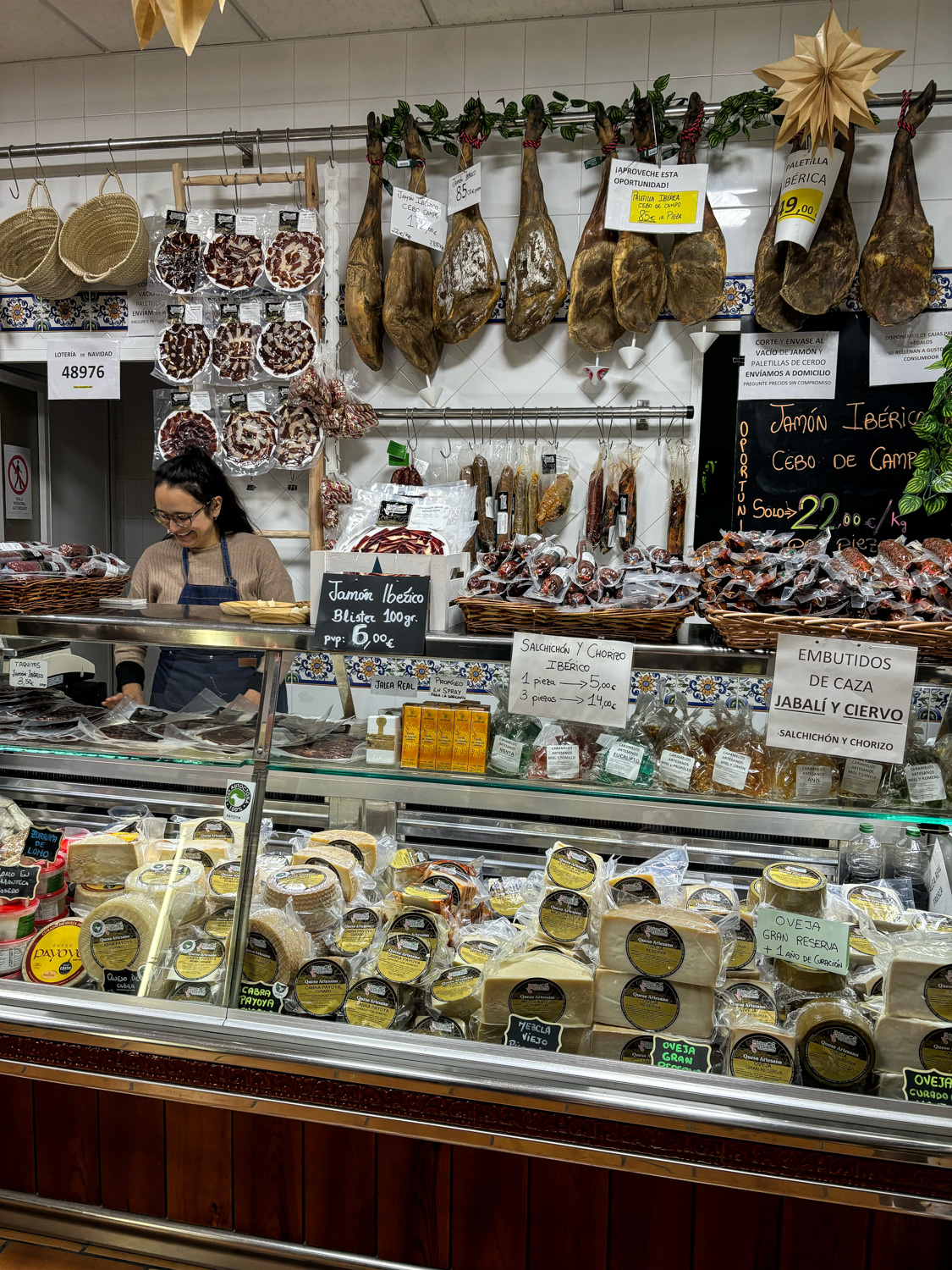
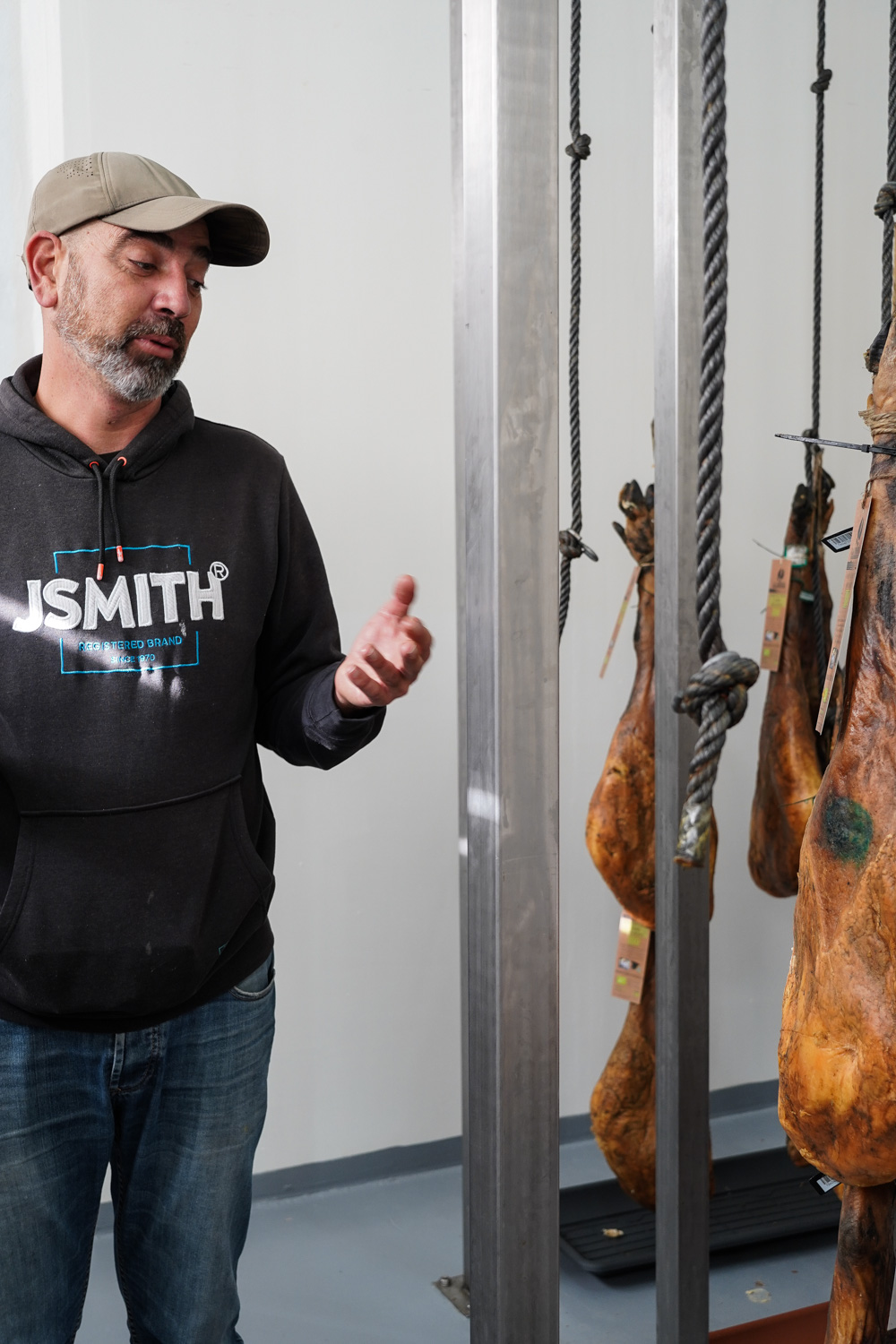
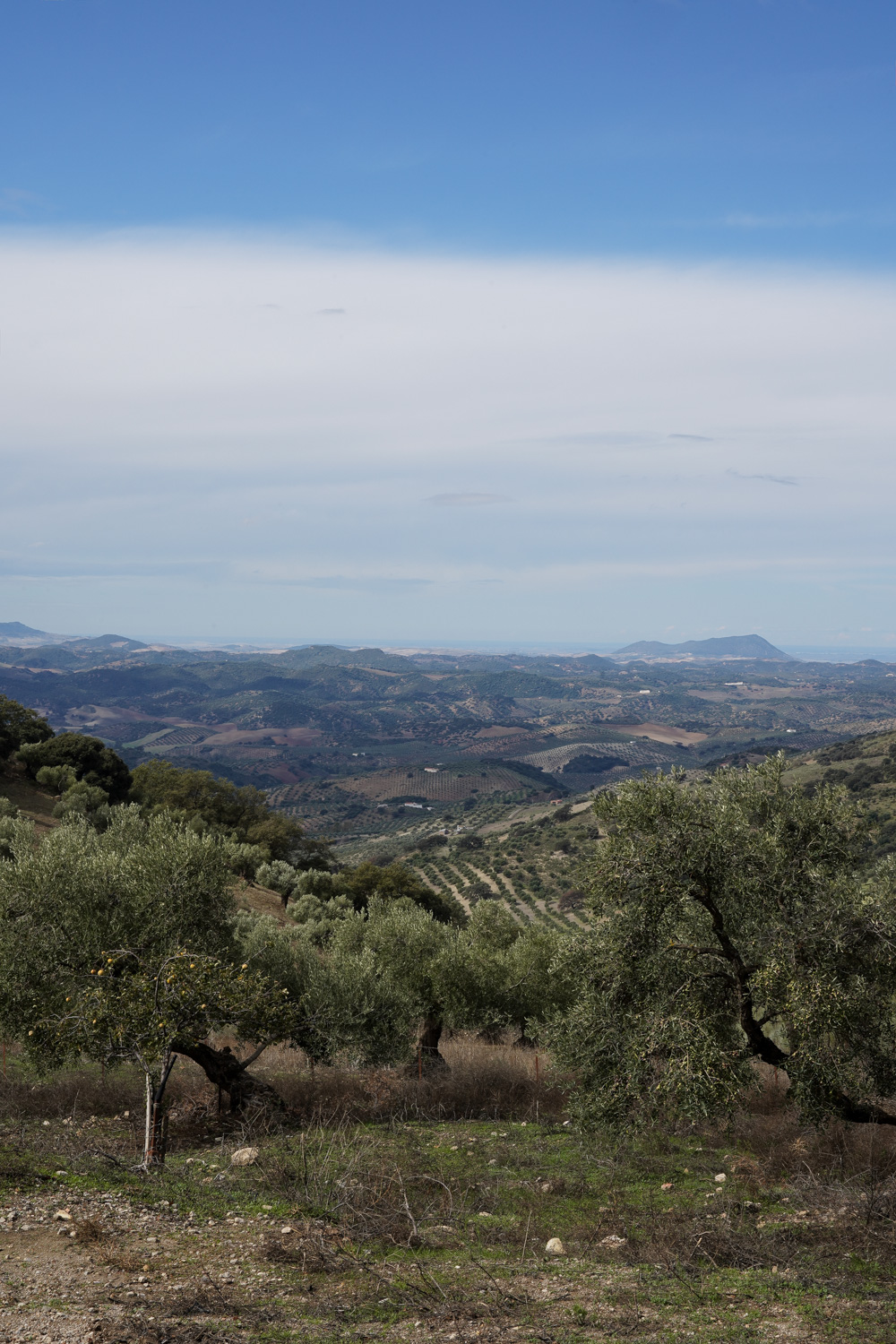
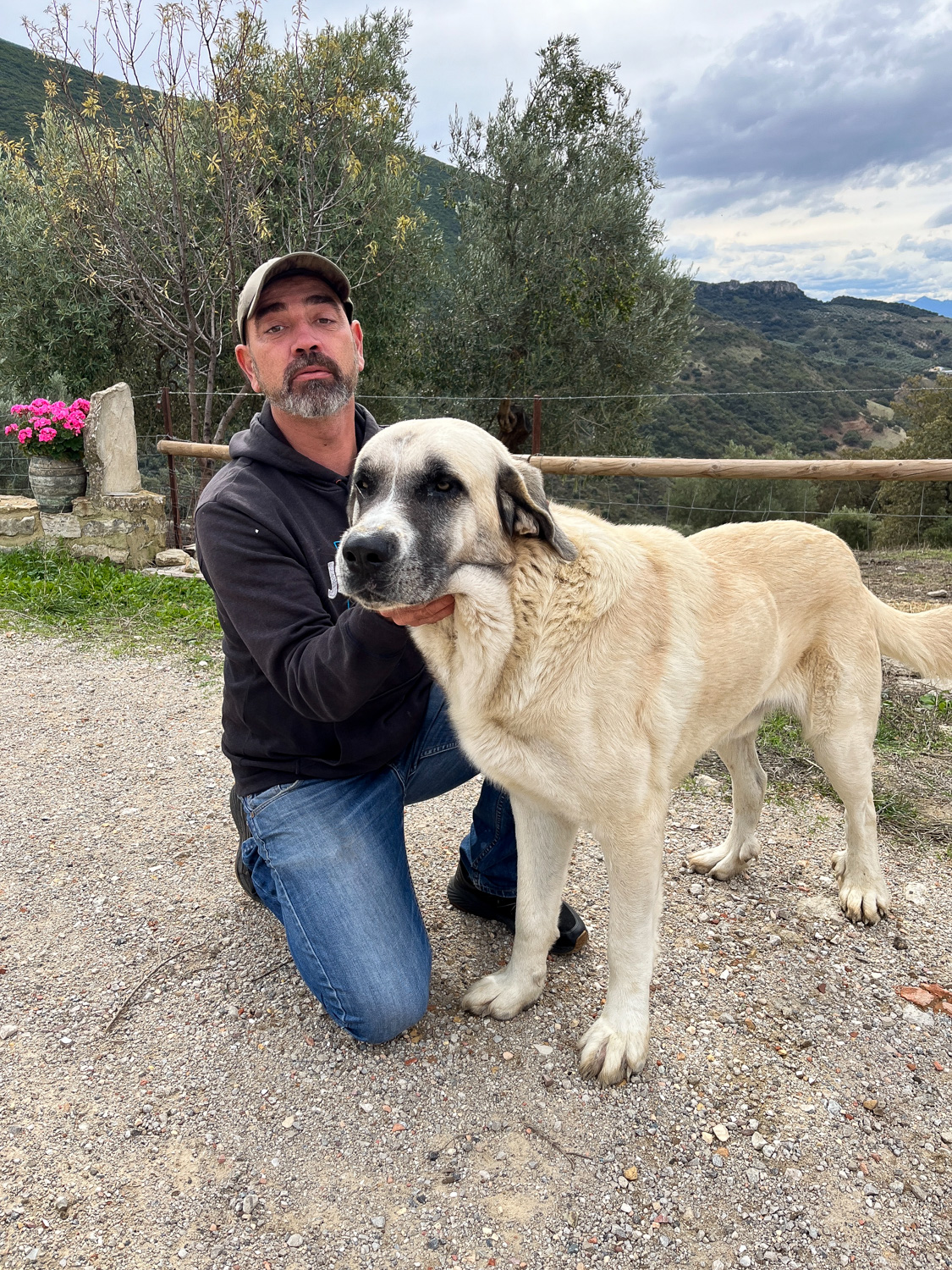
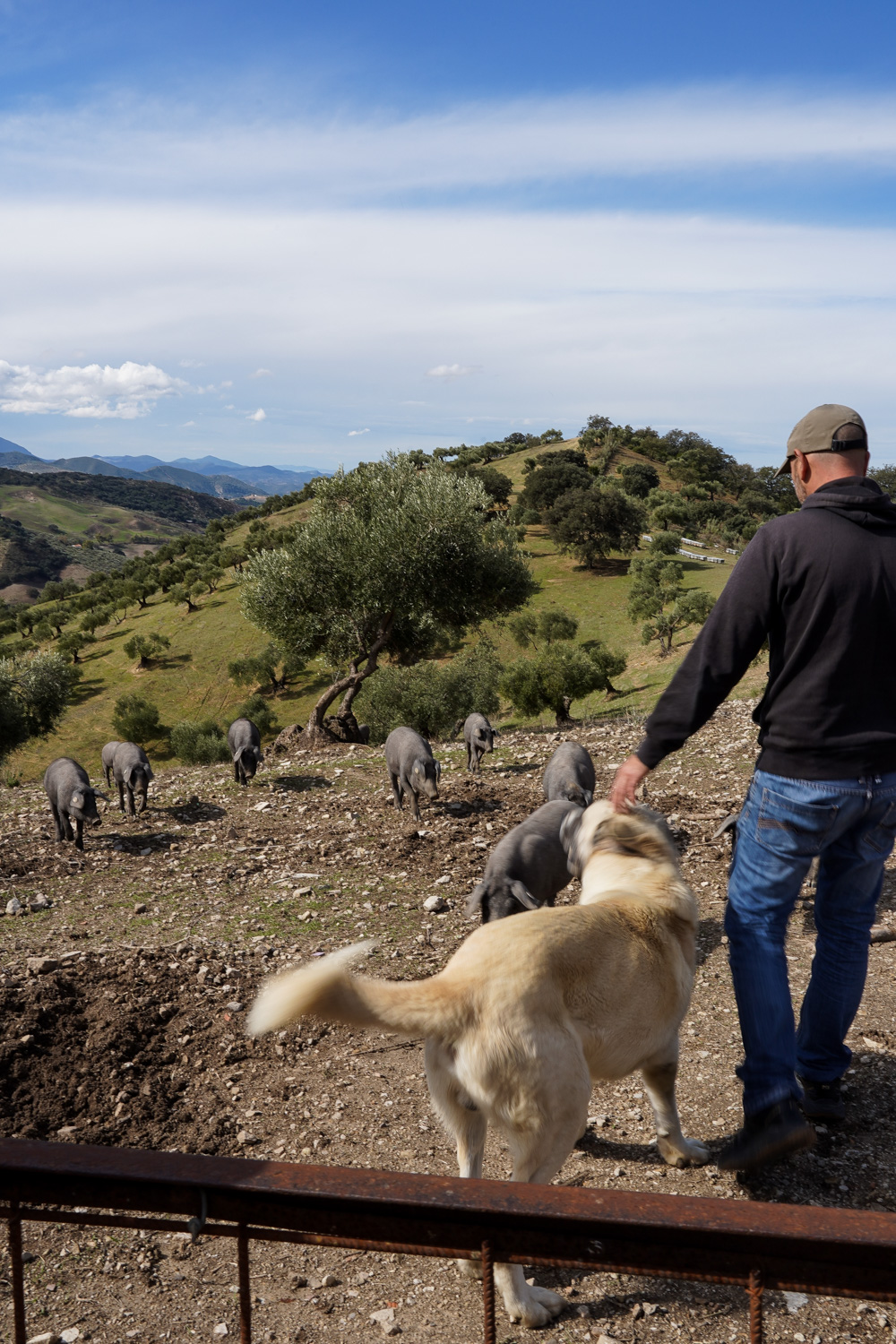
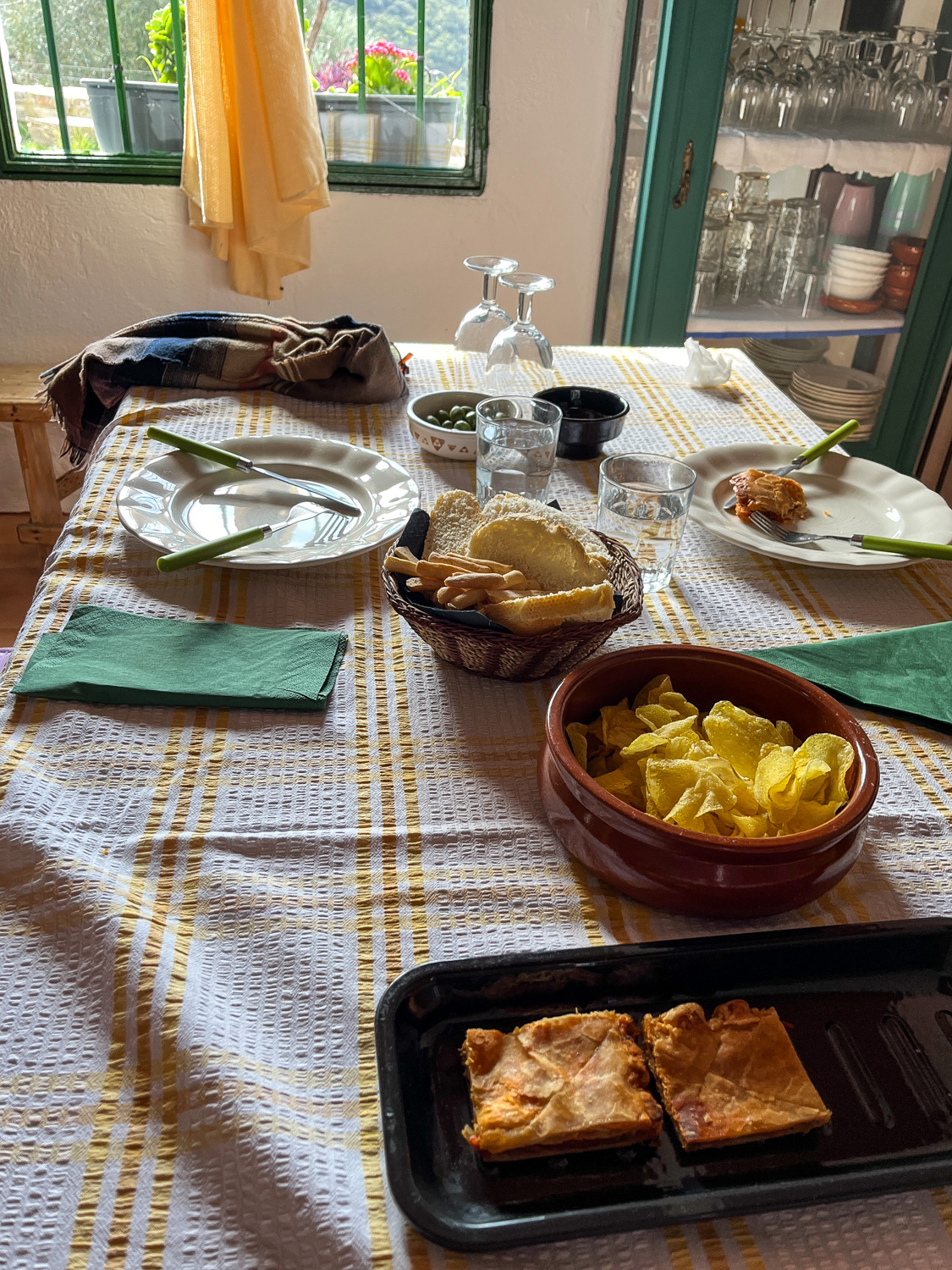
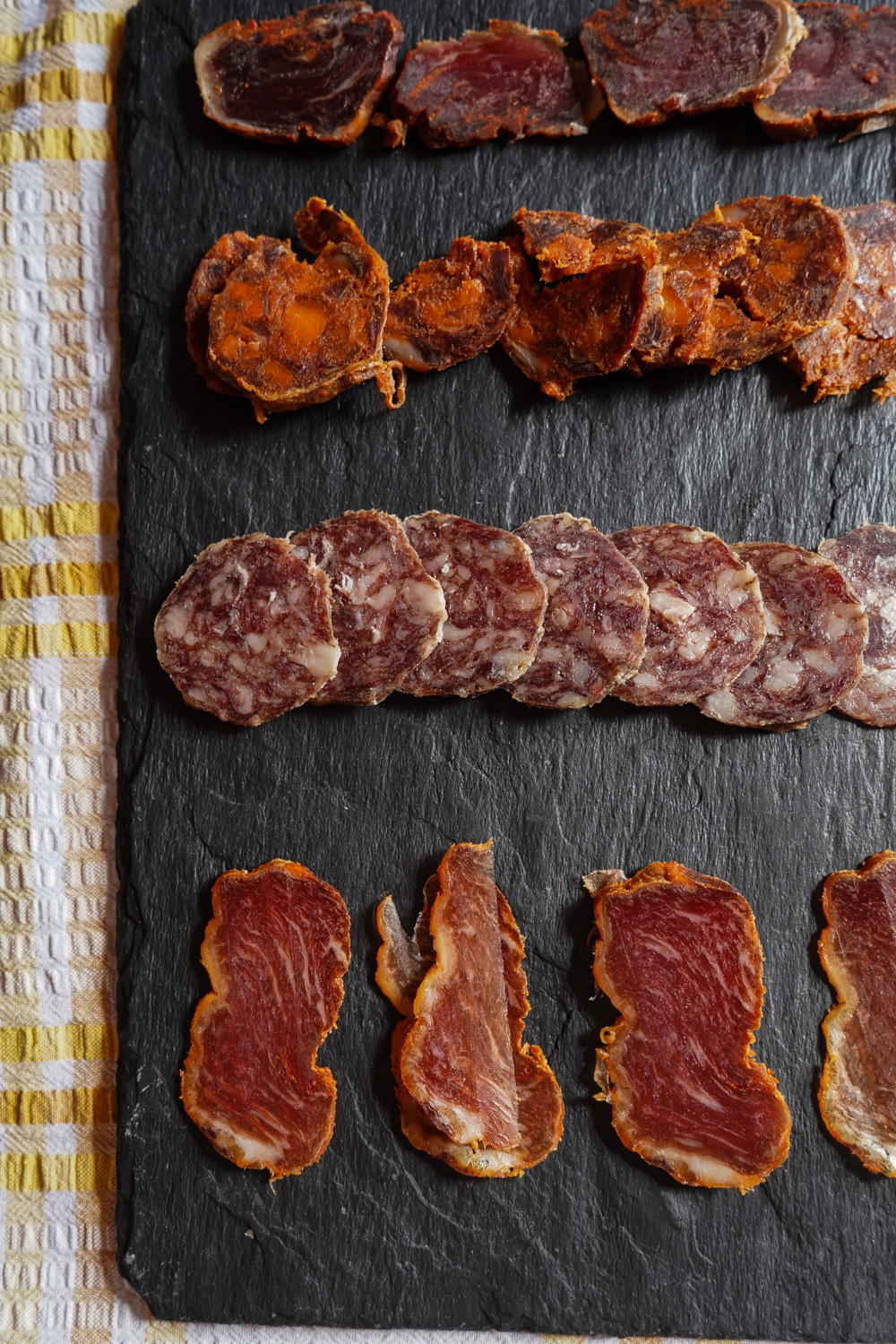
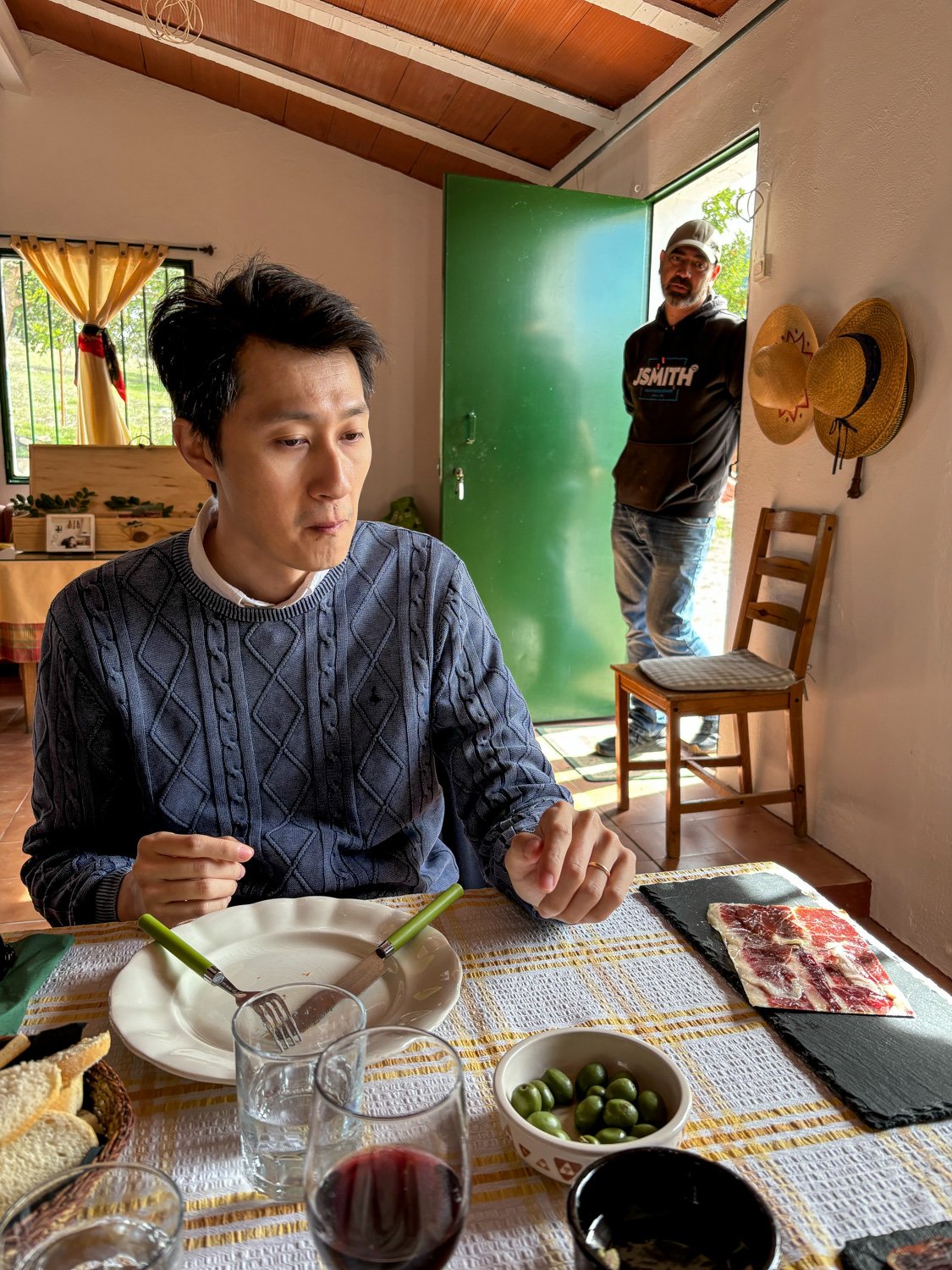
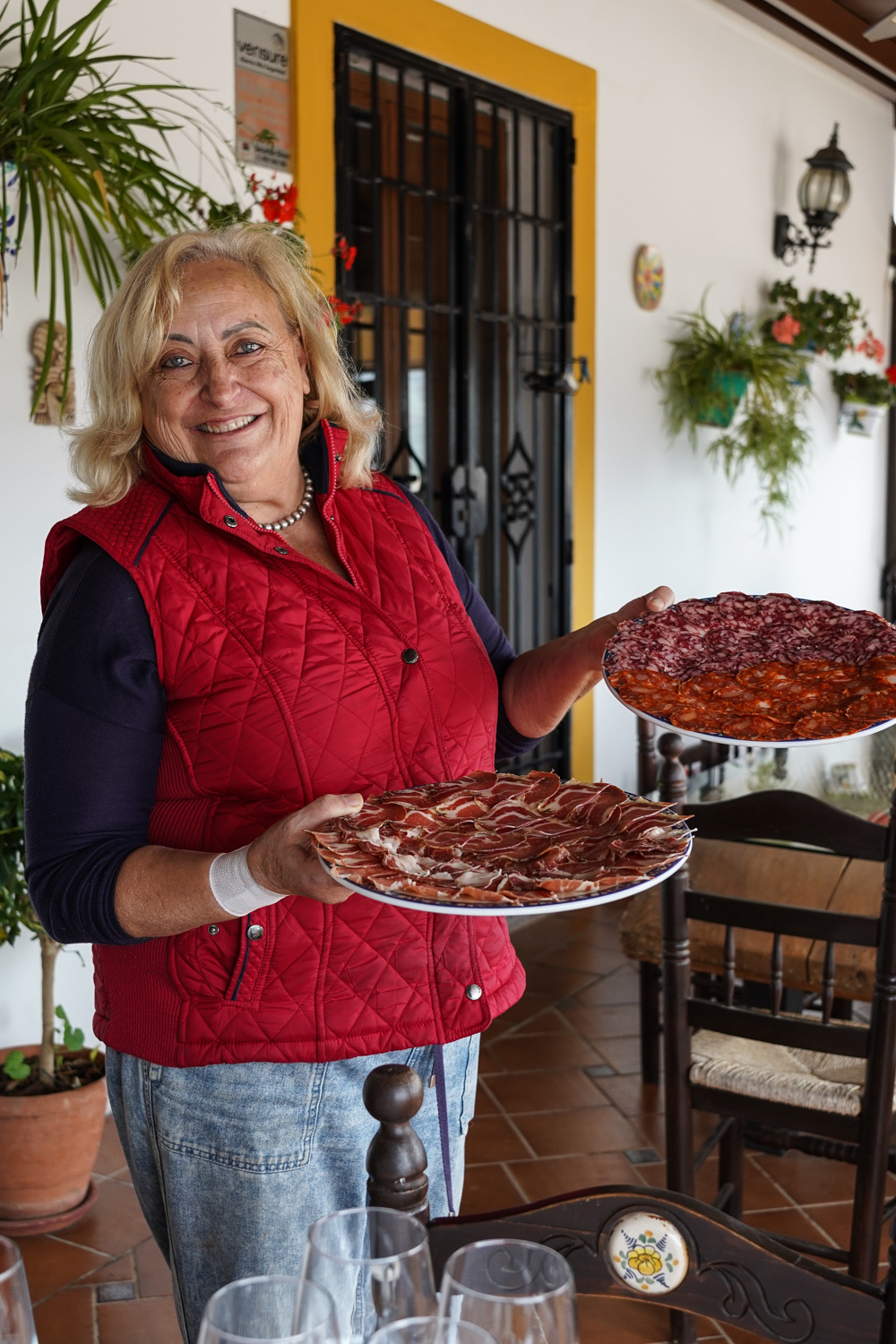
Sylvain is a man of many words, most of which are reserved for his favourite part of Spain. He spoke of Andalusia, of the region and most importantly, of Pruna where La Umbría Ibérico Ecológico lives and breathes. He admitted that it was a place that was not the most prosperous, but he was still fiercely proud of. The South, he said, is the food-producing region of Spain. It is essential. The heart of Spain where food begins. We followed him to the dehesa where the pigs wandered freely through the scent of earth and acorn leaves. Afterwards, he laid out chips homemade from Pruna, pickled green olives, phyllo pastries stuffed with meat and a pot of chickpeas, pumpkin and sausage stewed by the mother of Sylvain’s business partner, Antonio. There were cured hams, after which came a tray of jamon that melts like honey. It was not showy, but rich in every sense. “We want to keep it real,” Sylvain told us. And real it was.






BODEGA GARCIA HIDALGO
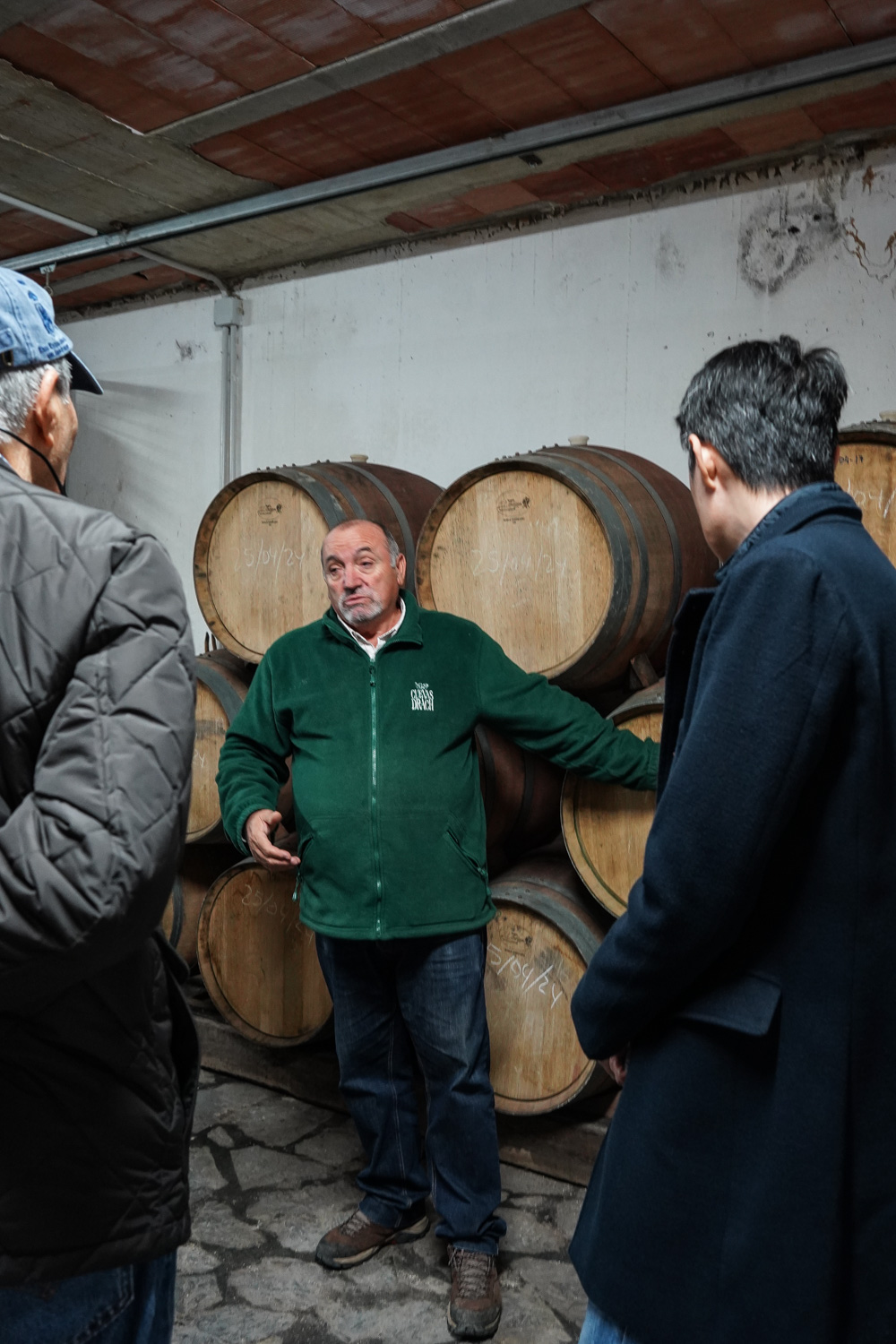
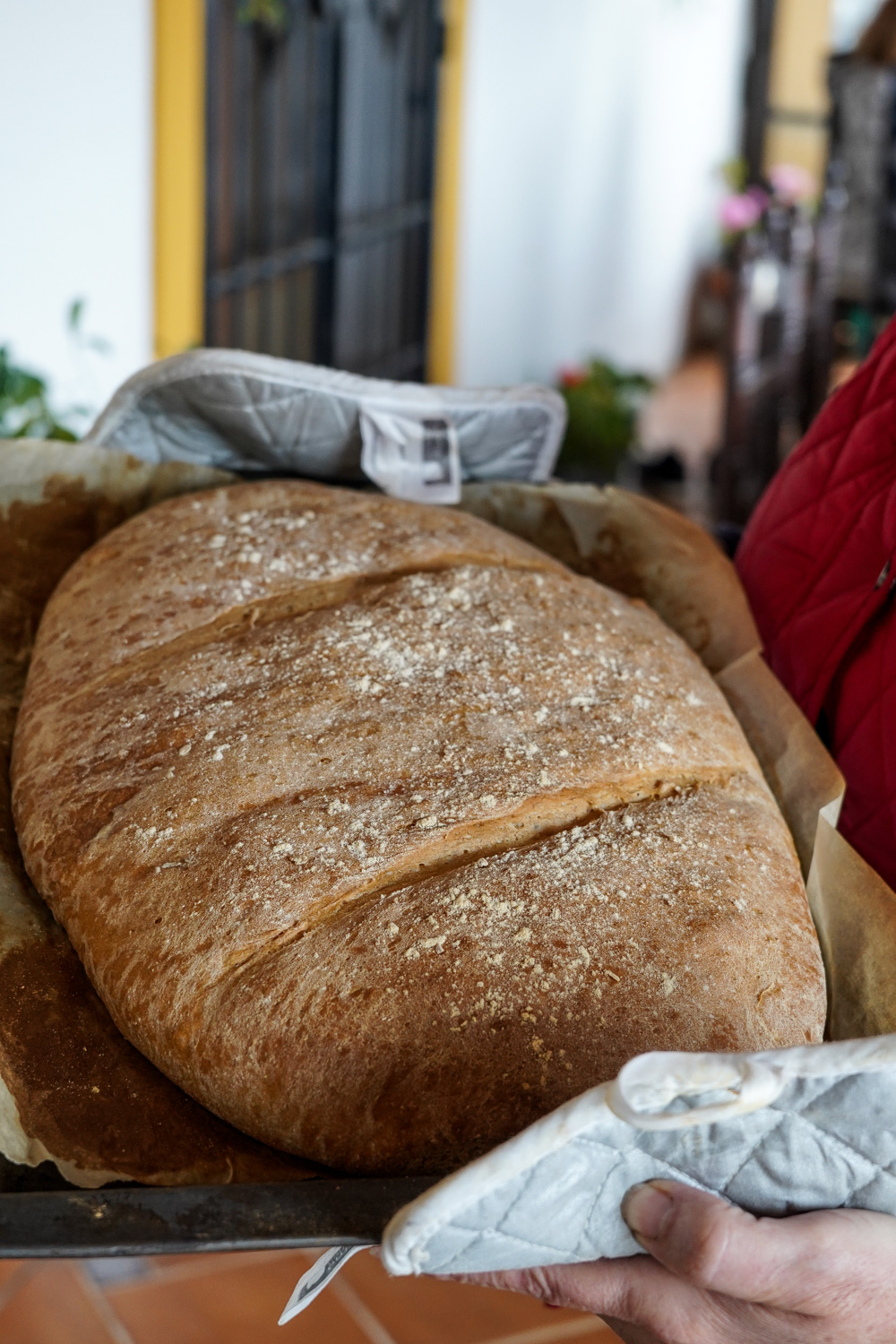
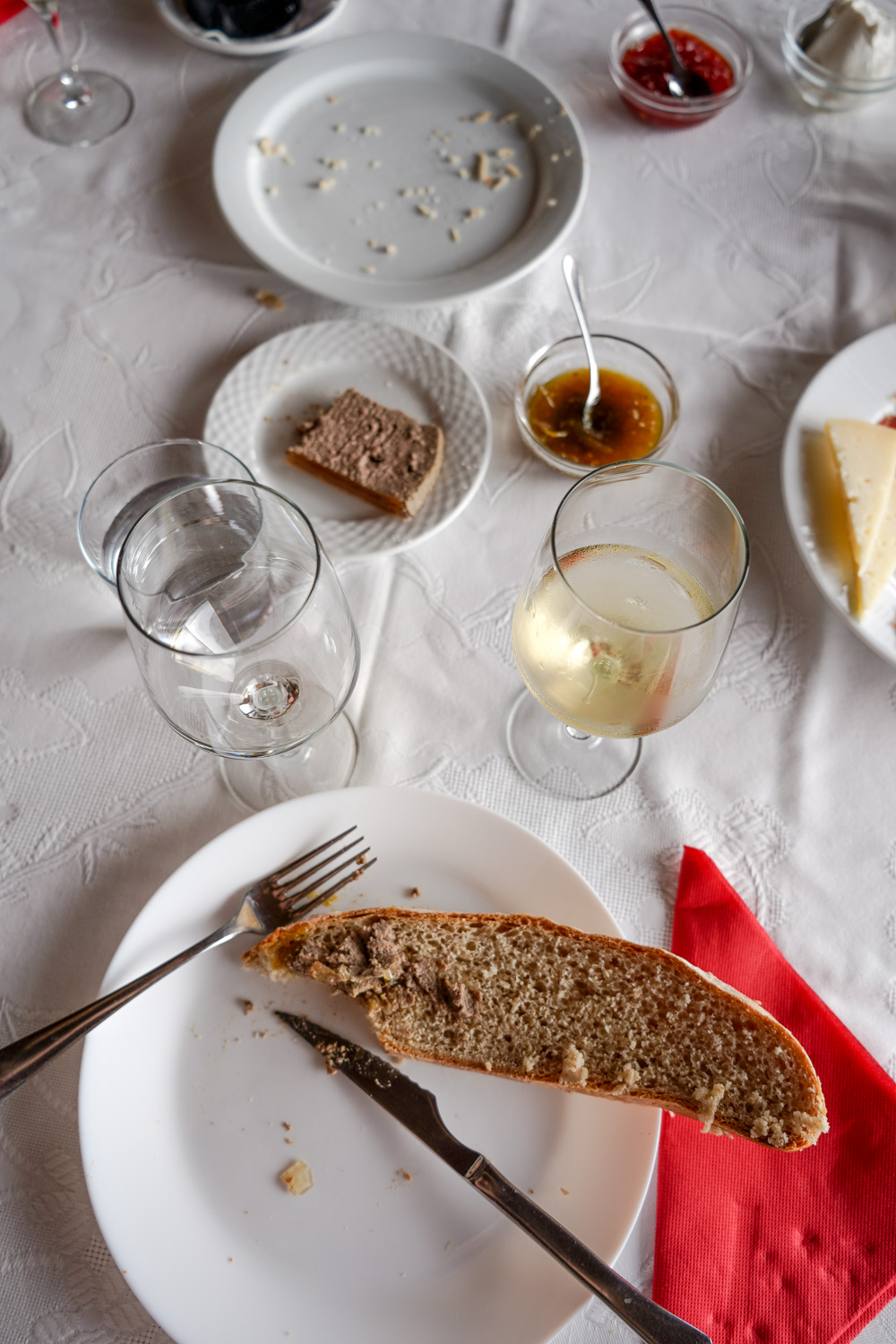
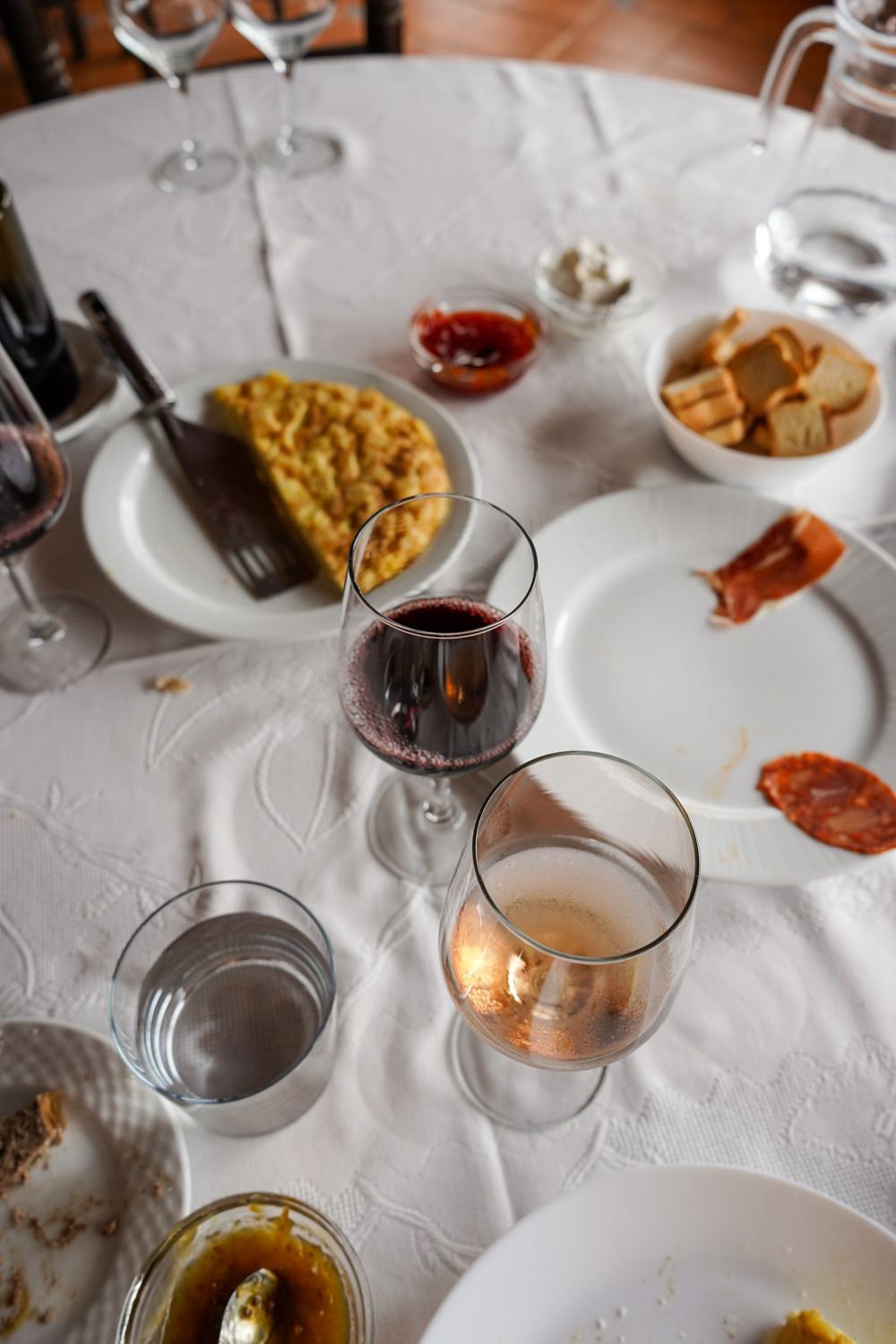
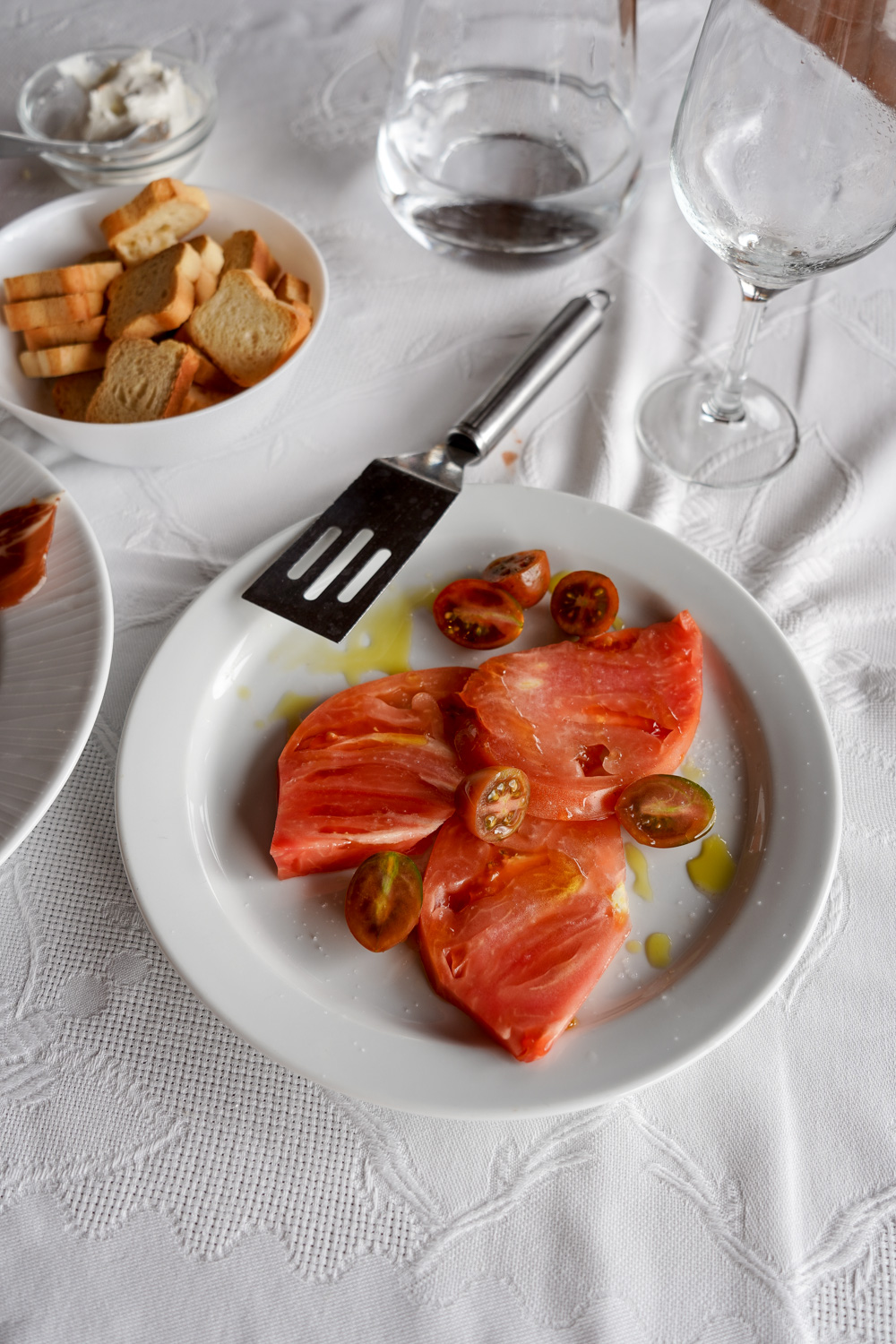
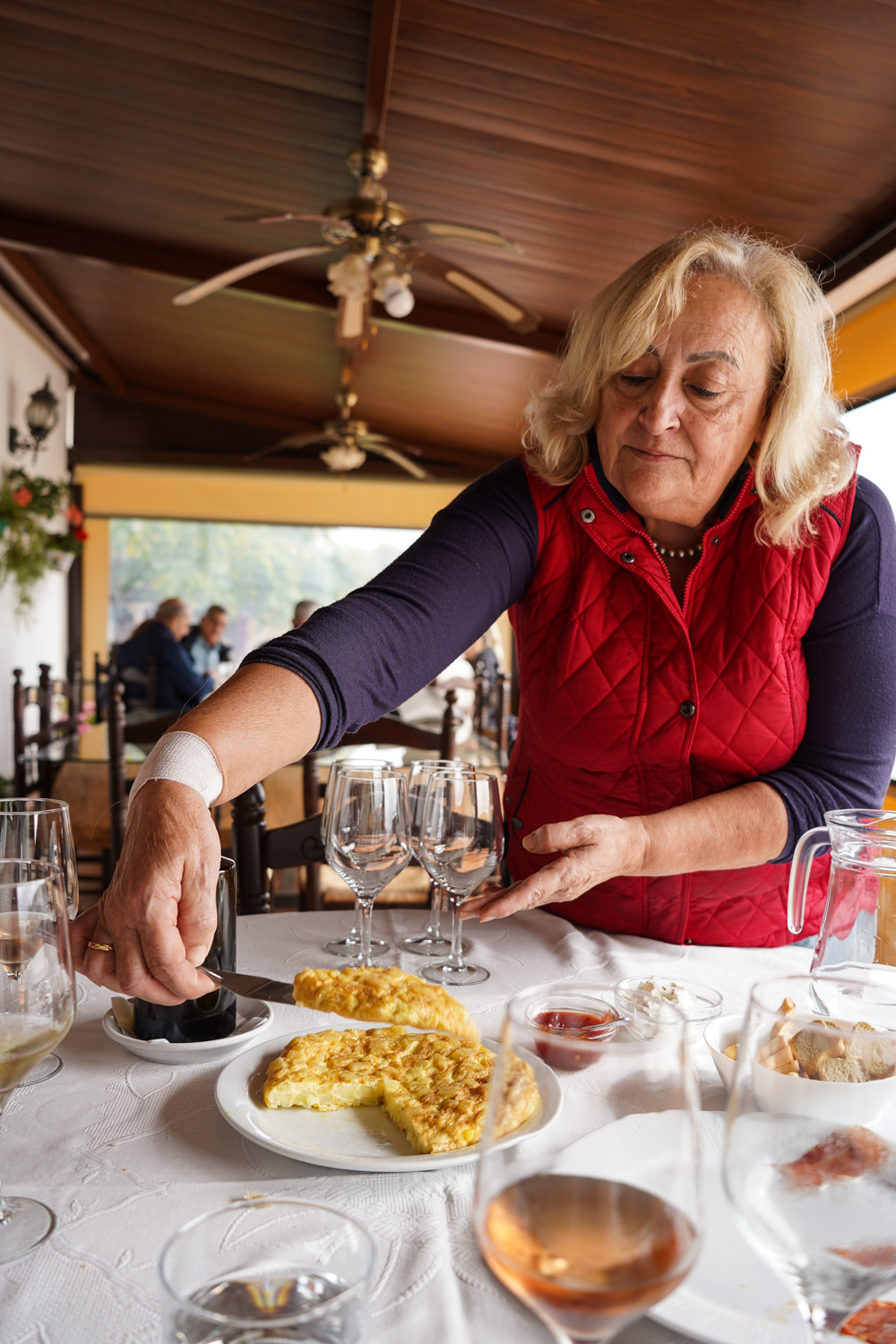
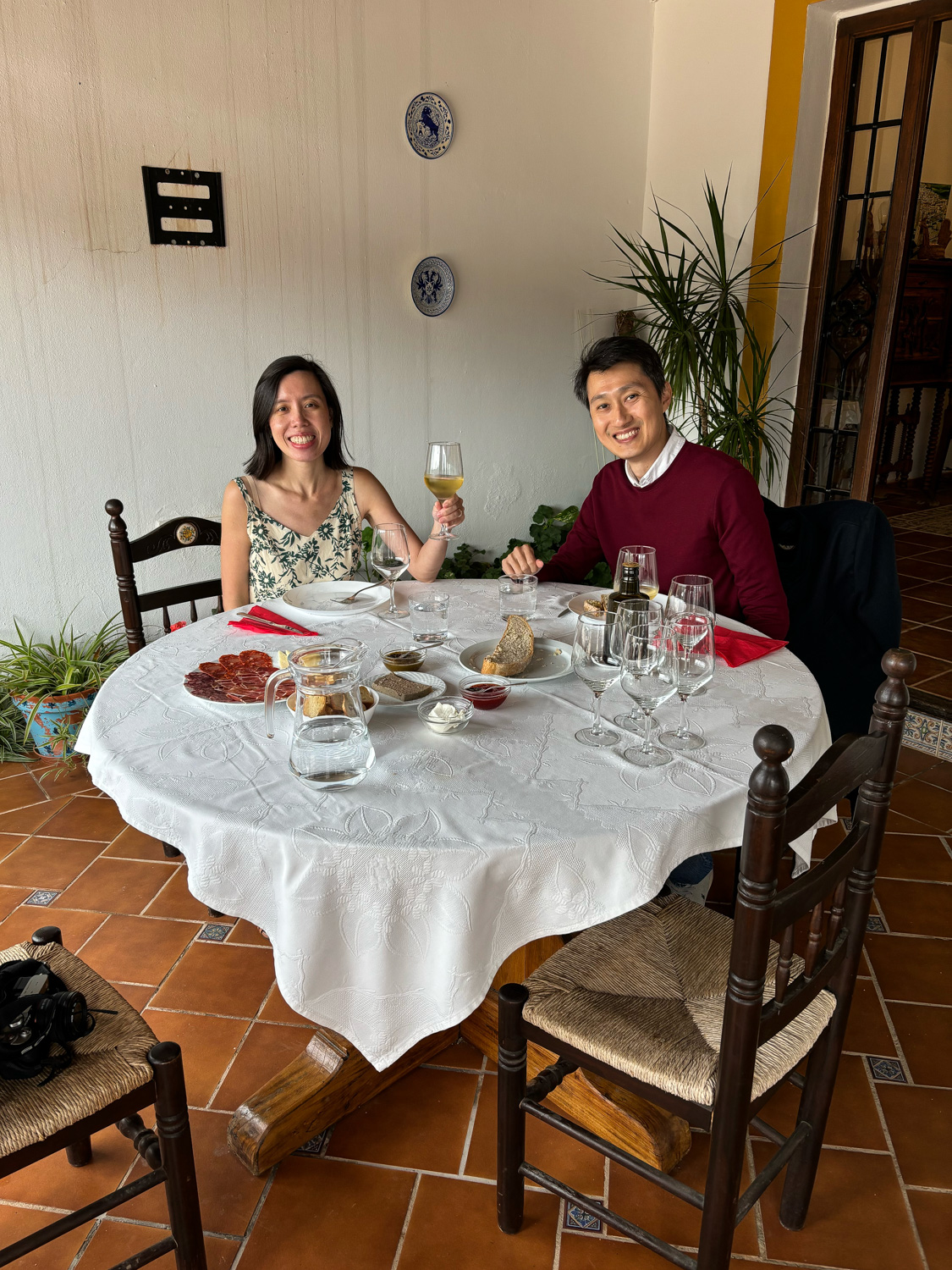
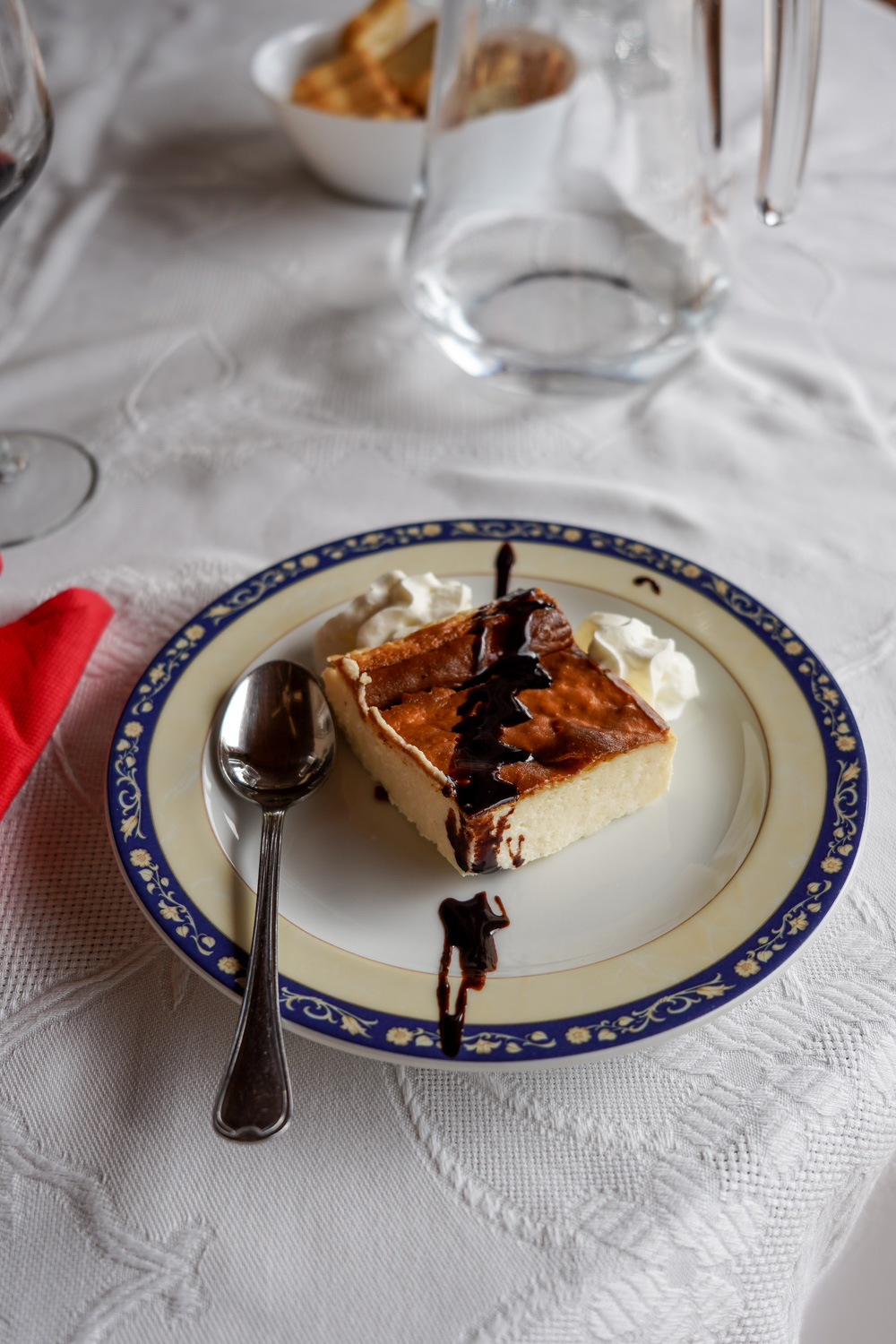
Our best meal had to be at Bodega Garcia Hidalgo. There was much wining and dining, courtesy of Miguel and Maribel. It started with a tour of the cellars. For a few moments when the rain let up, we stole out of the cellar to see the vineyards in full autumn bloom, hoping that the weather would not find out. Then Maribel brought us to the dining room all set with little bowls of cream, pate and red pepper and green tomato jams. From her oven came the most sensible thing next: a loaf of bread. Then one by one, she began the parade: a frittata, tomato salad (sliced from the largest she had ever grown in her garden), ham and cheese, paella, cheesecake discreetly topped with dark chocolate sauce. Miguel never stopped pouring our glasses. We left feeling somewhat tipsy from the long, generous lunch.






 Eat Look Travel Book