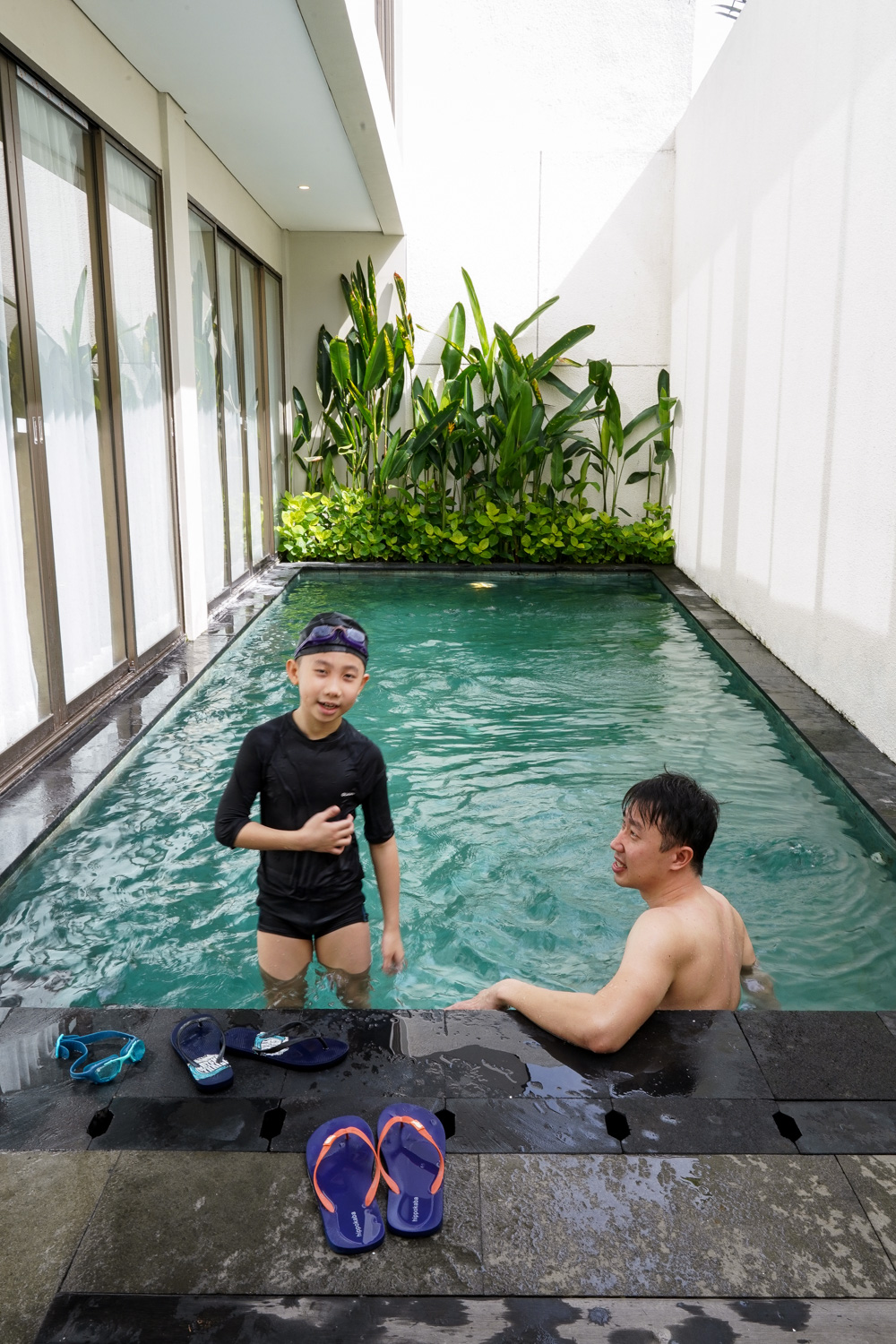
Last year had been all about family. We began with a picture in our minds: lazy pool days, drinks on the side, incredibly delicious breakfasts and vegan, many days at the beach, wine nights after 7 pm (I brought along a Brunello). We fulfilled everything except for the beach which was traded away to the rainy days.
PURA GEGER BEACH
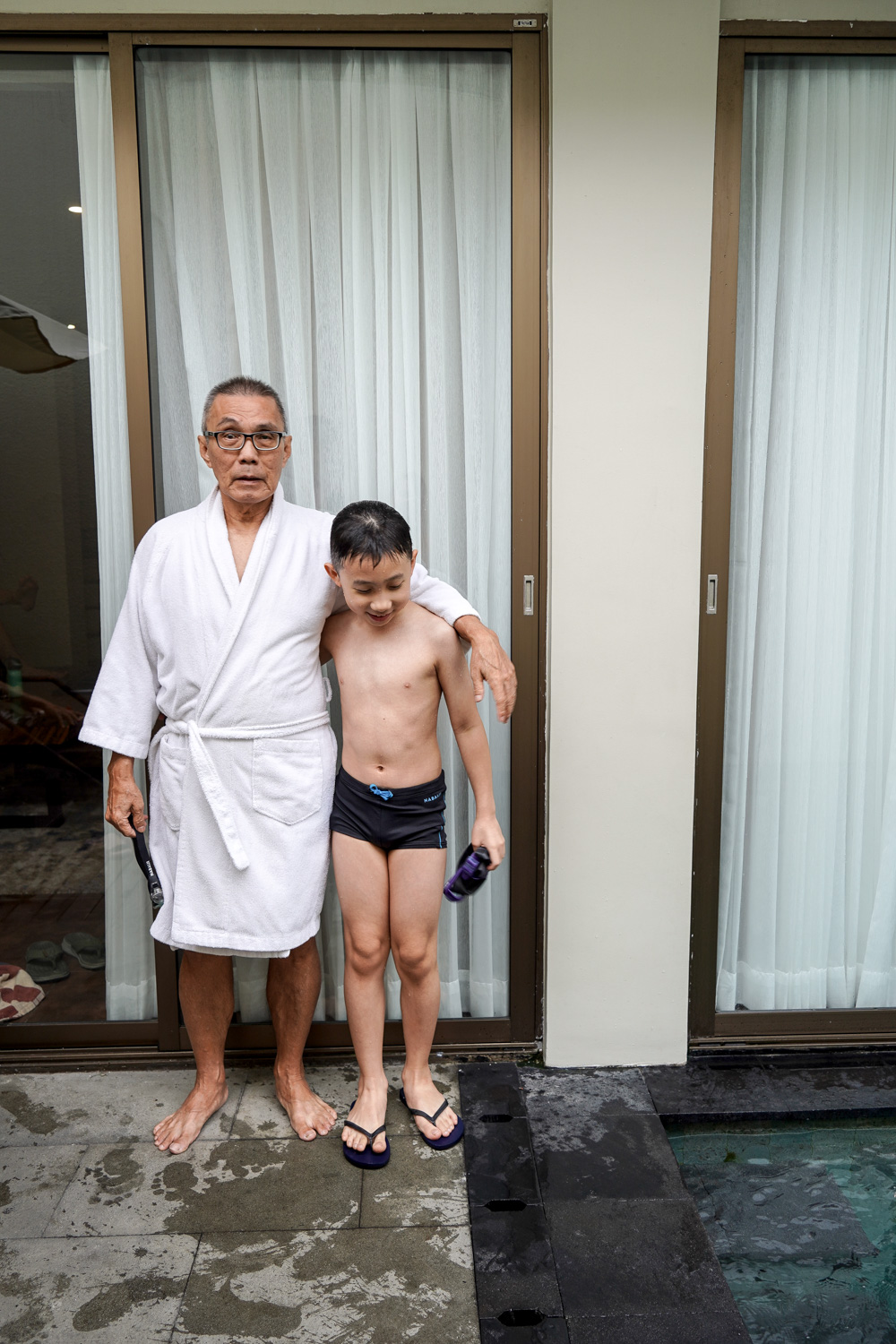
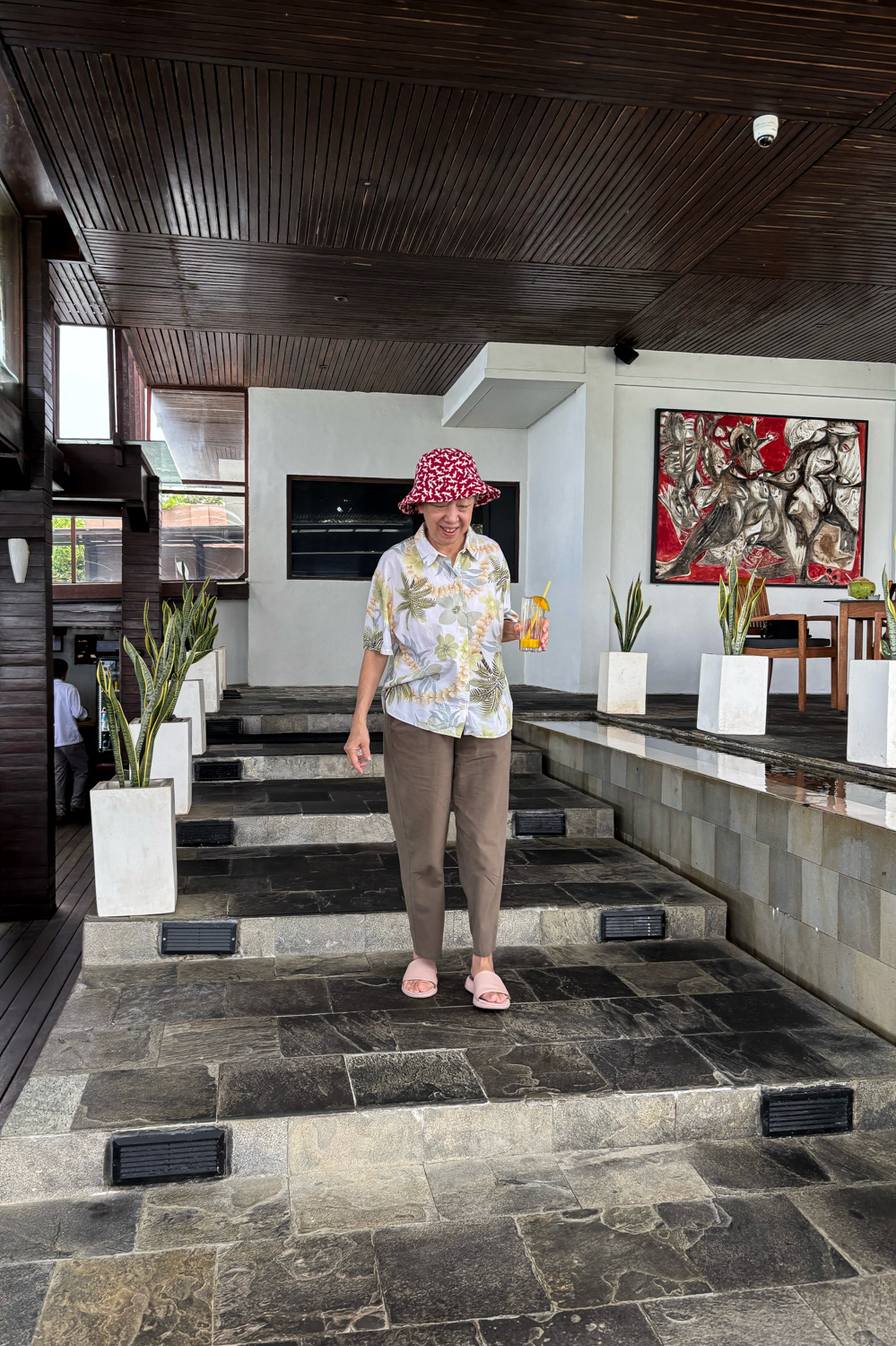
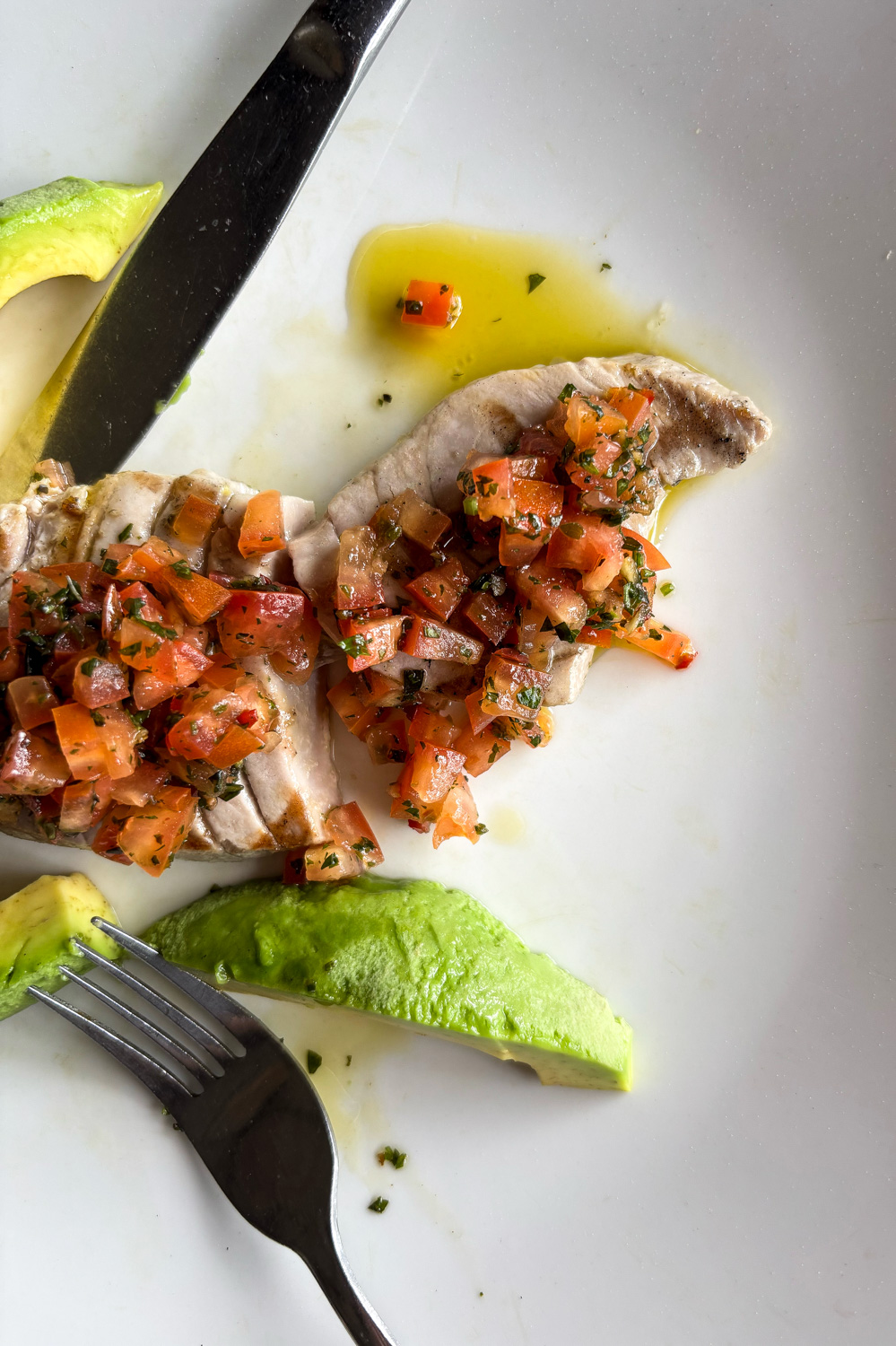
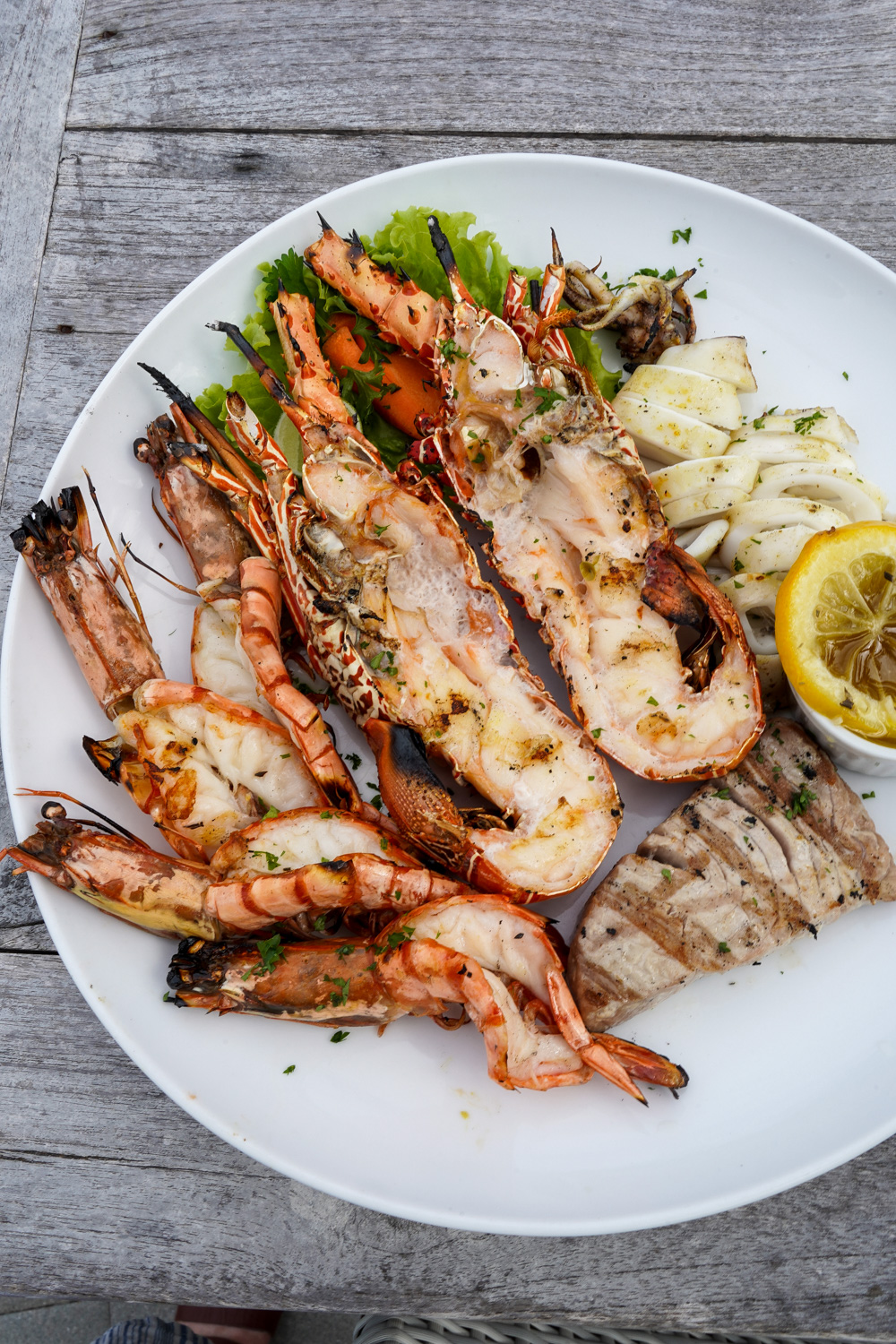
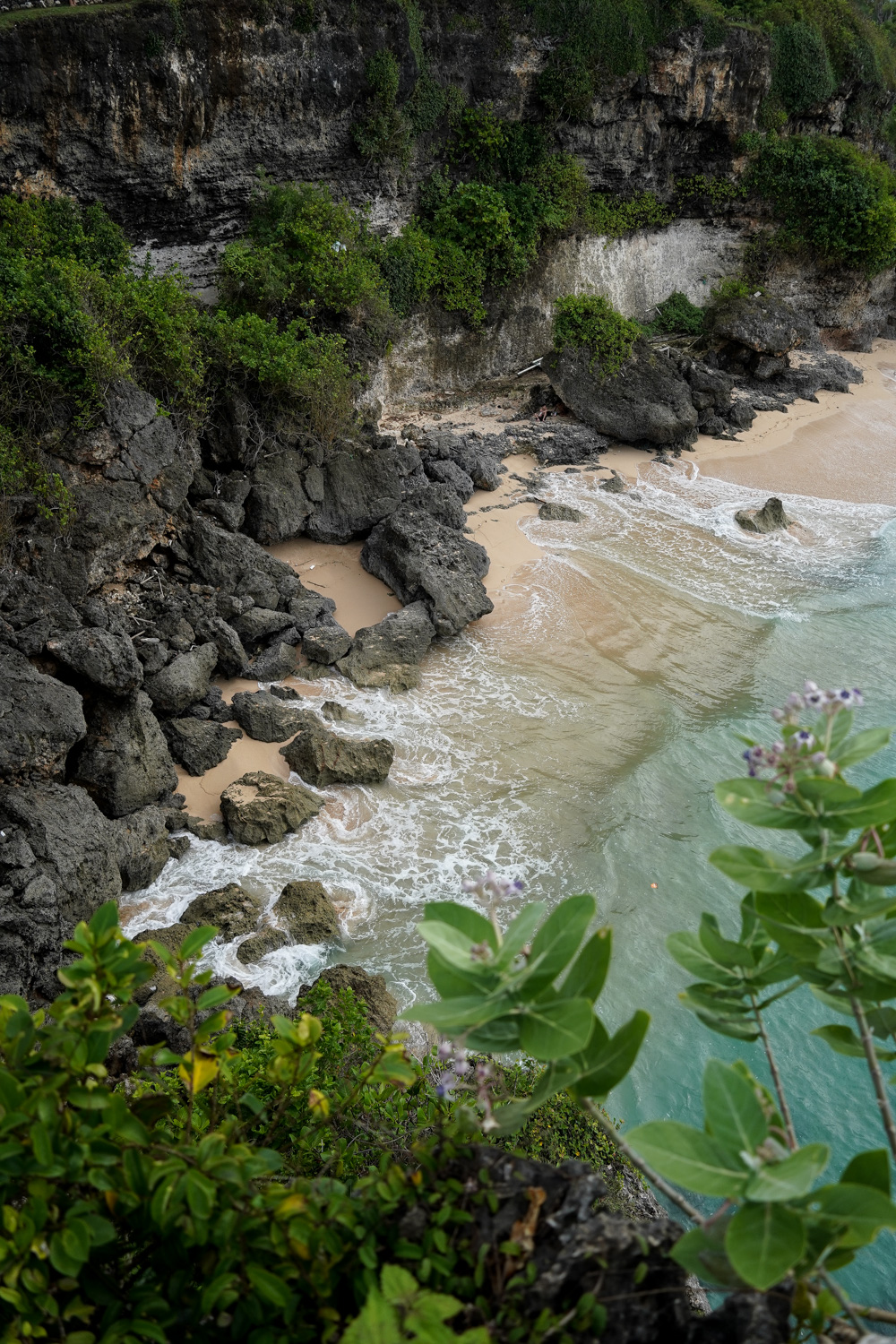
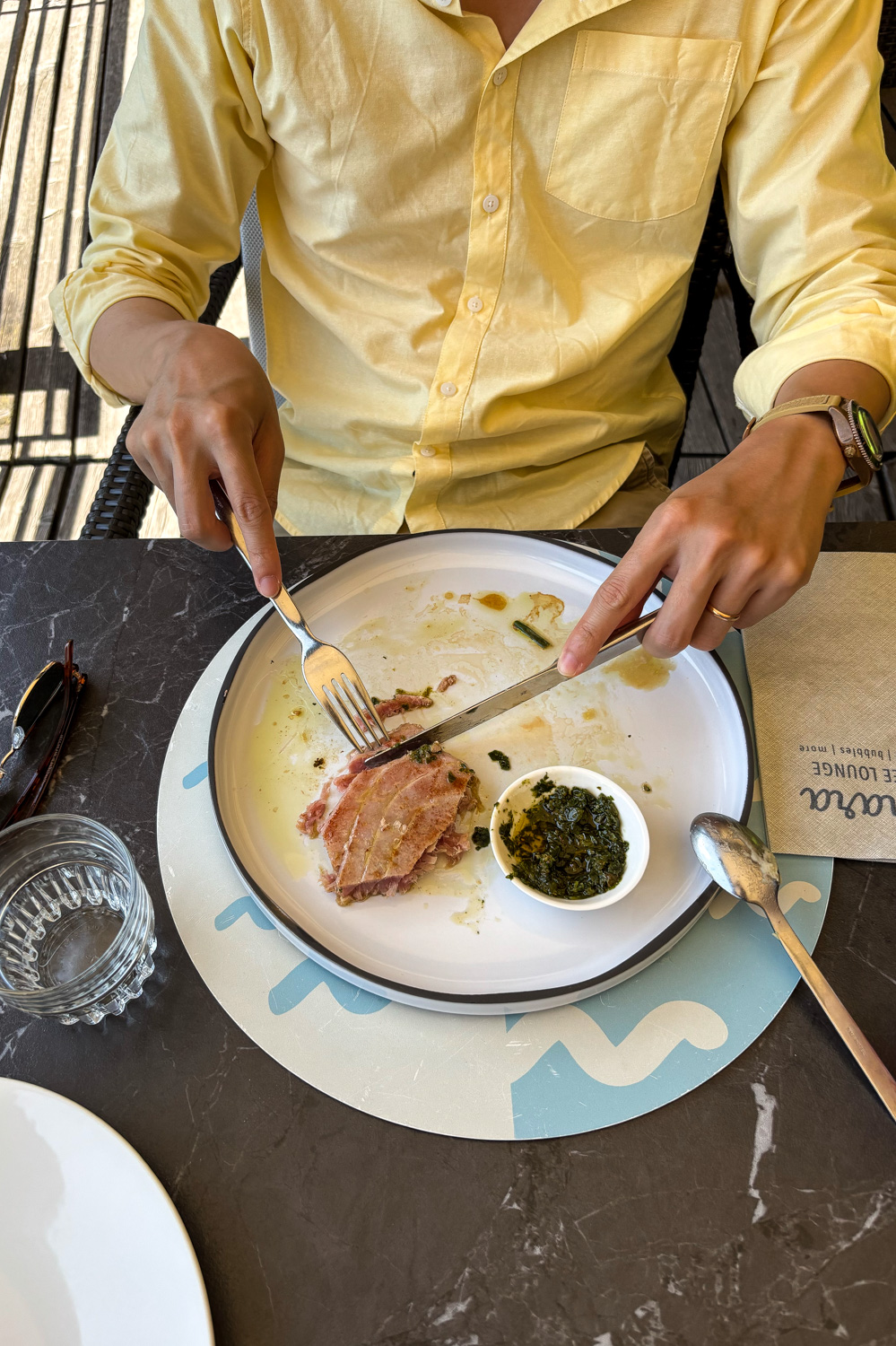
Navigating Bali can be tricky with its narrow roads and traffic jams. 30 minutes easily turn into an hour, especially when you are in a car and the scooters glide past, completely unruffled. That was how it felt like when we were making our way to Pura Geger Beach, a small cove tucked away from the Nusa Dua strip flanked by glitzy hotels. With my mother, lunch is never something to be delayed. So we settled into a slow one at Nusa Dua Beach Grill, the kind with grilled seafood and tuna that was beautifully pink in the middle.
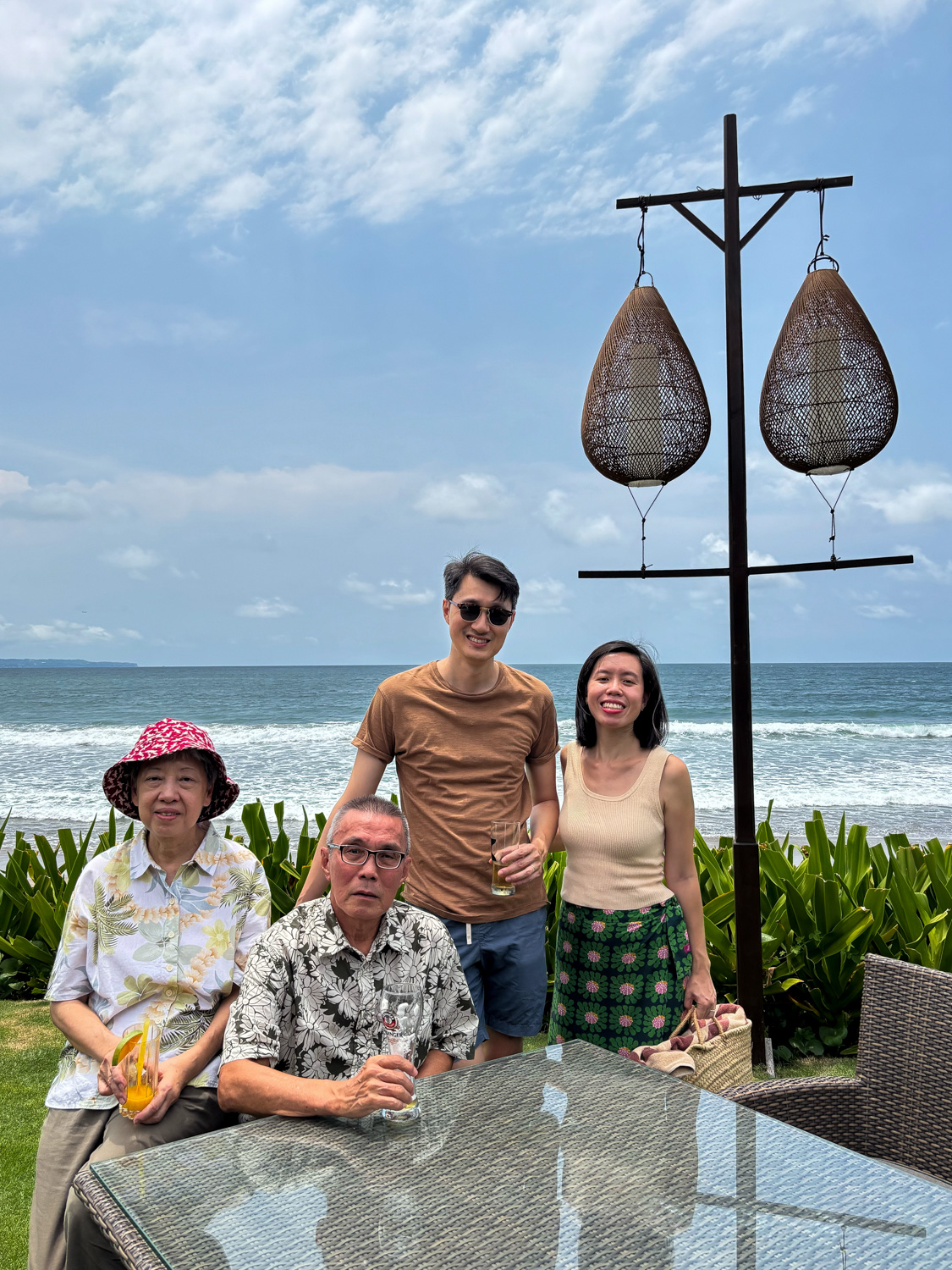
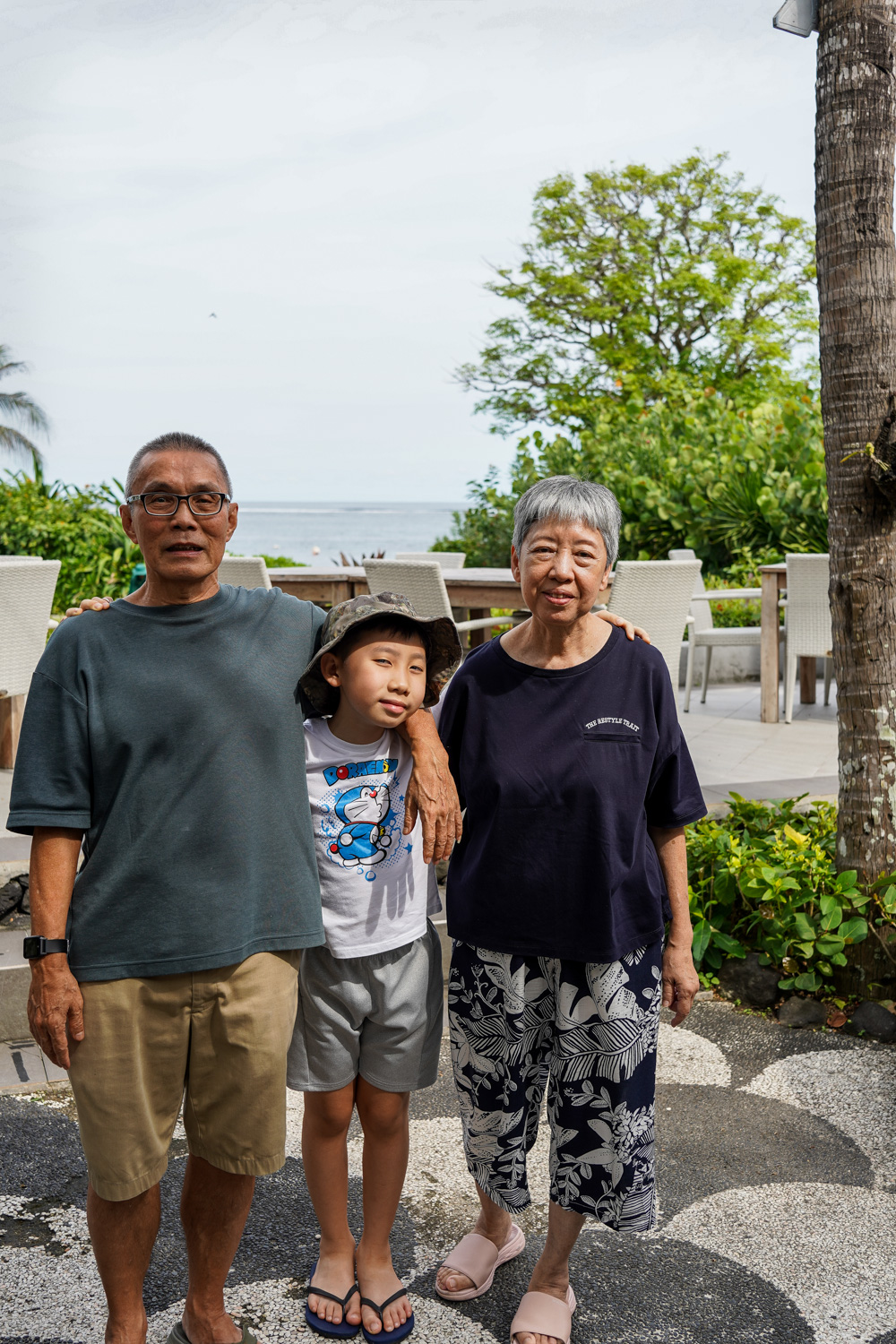
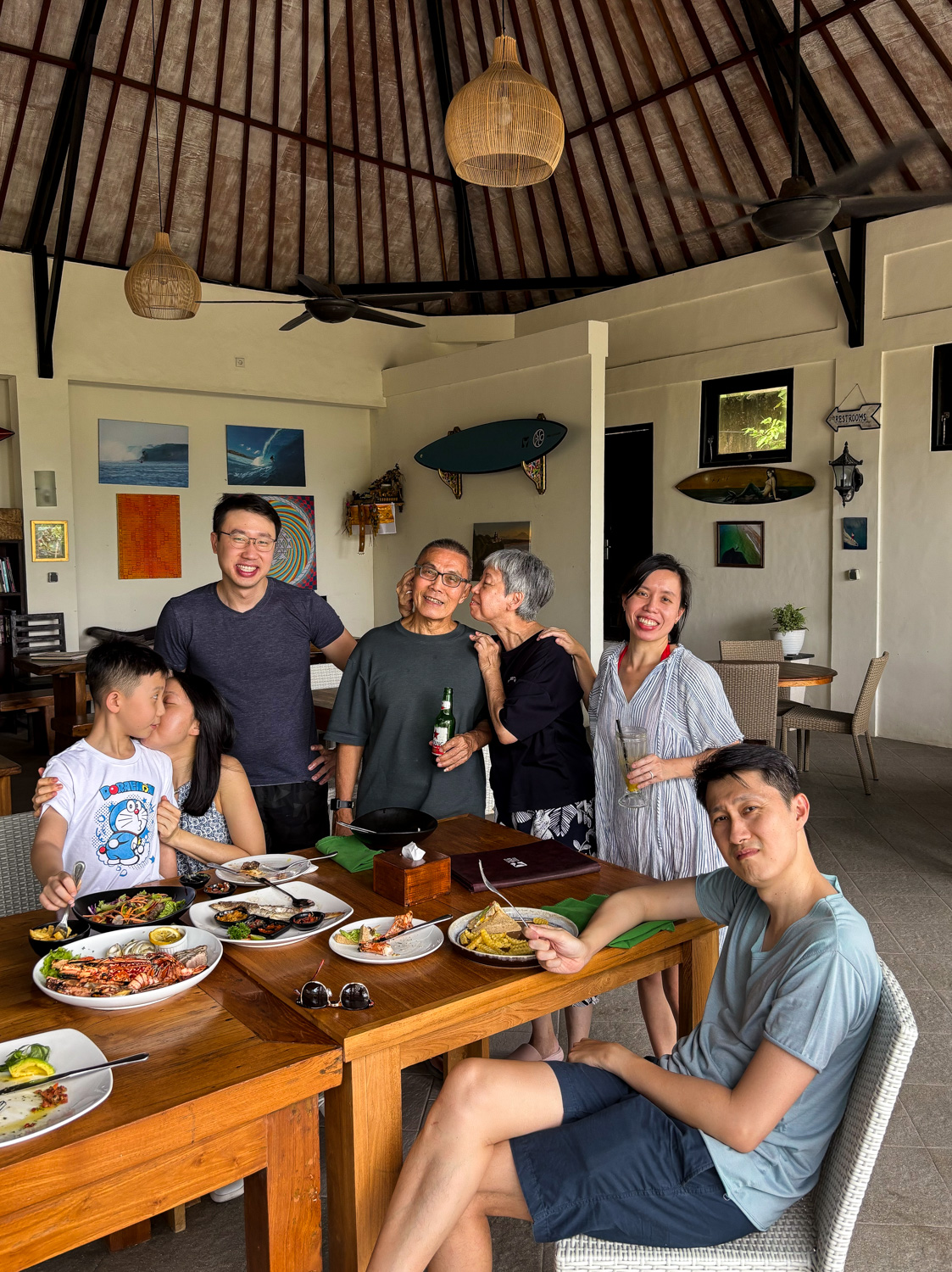
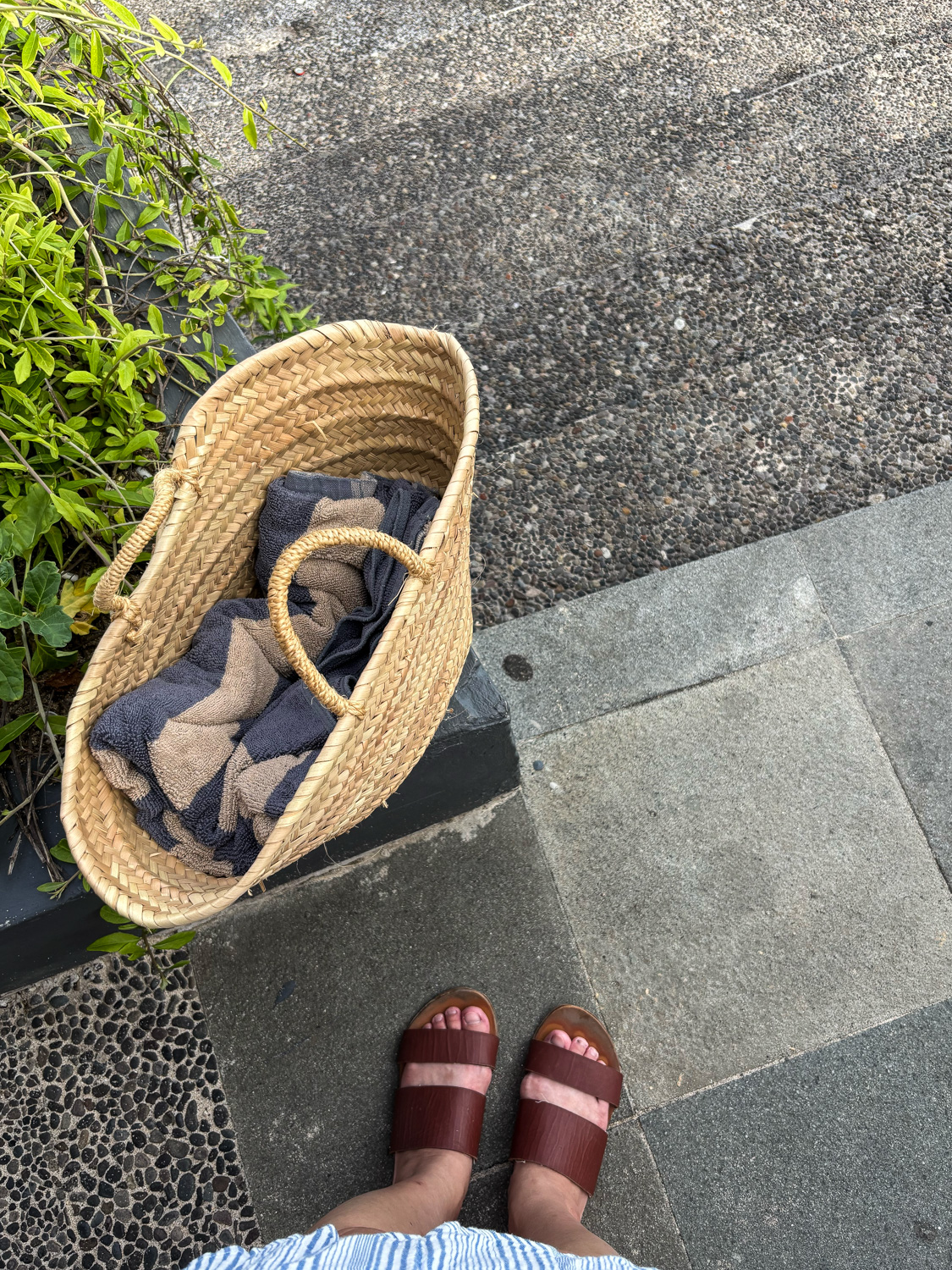
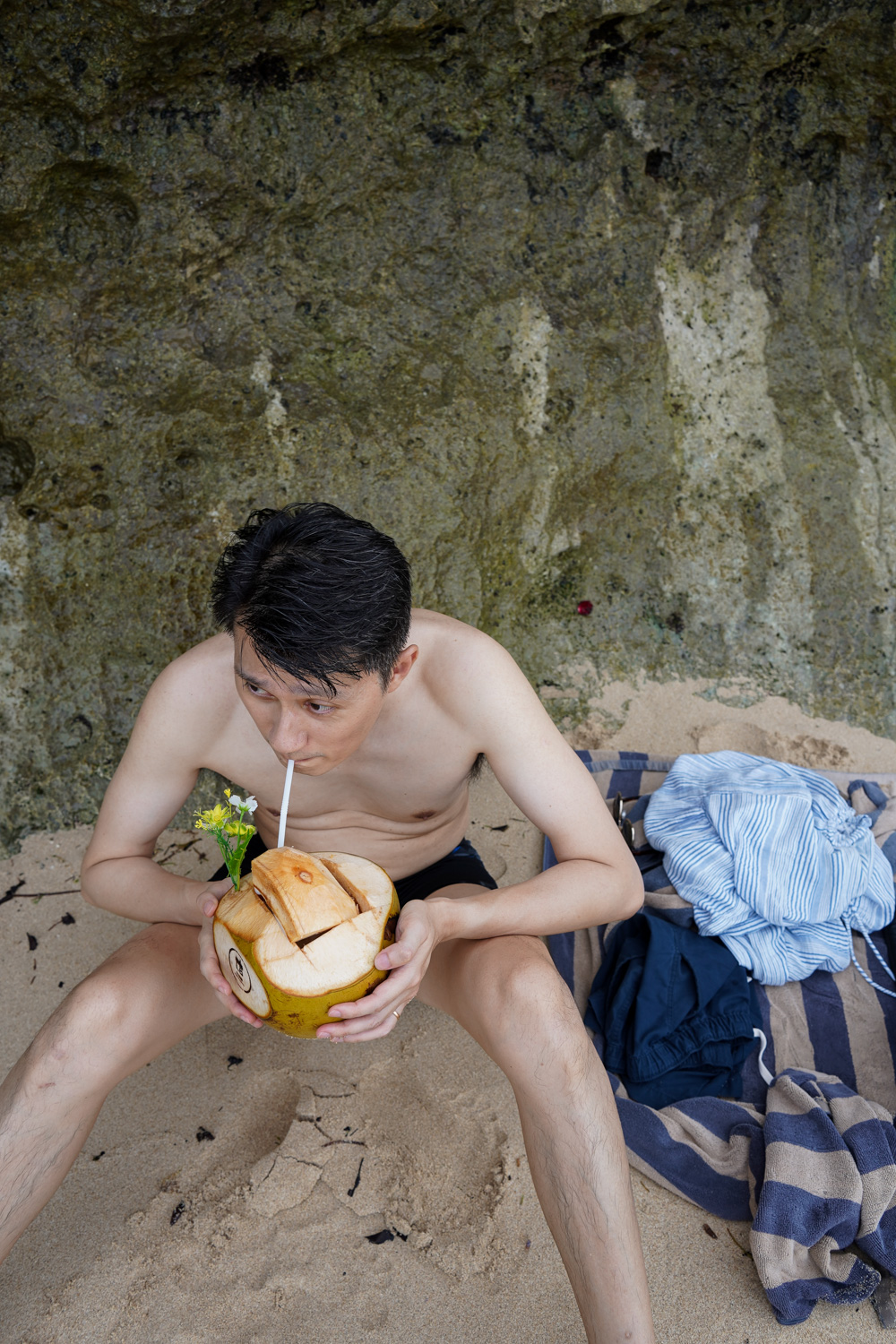
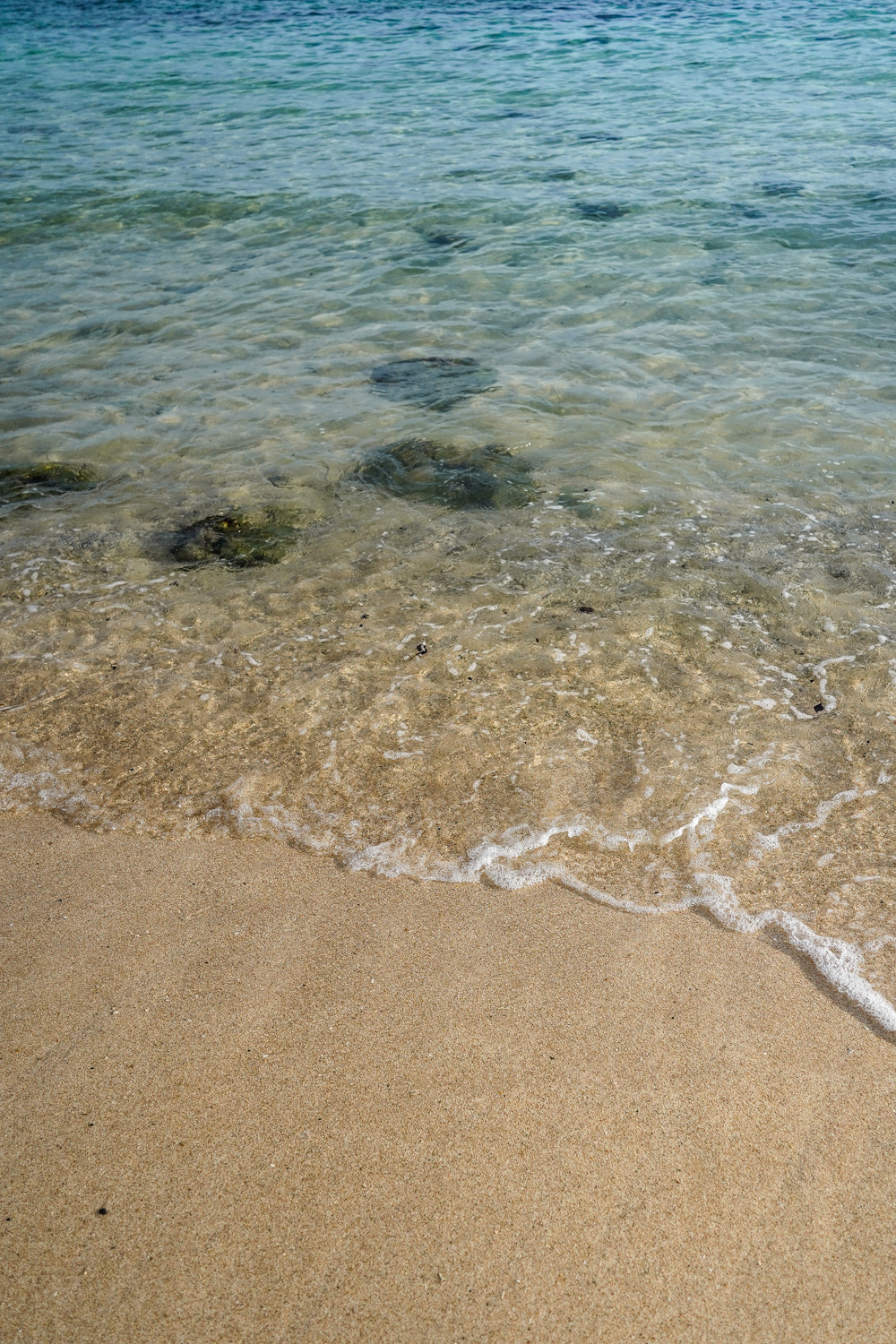
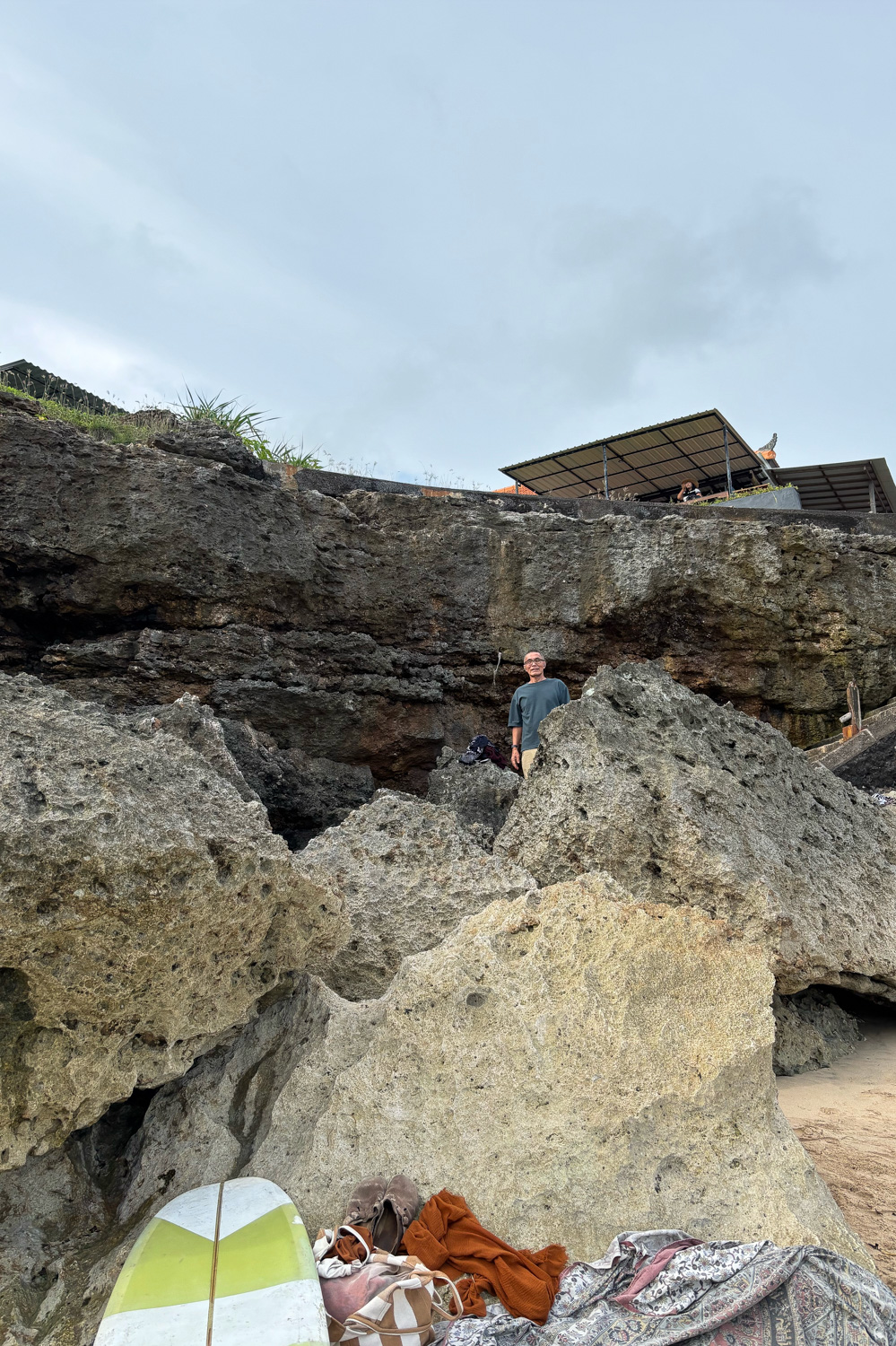
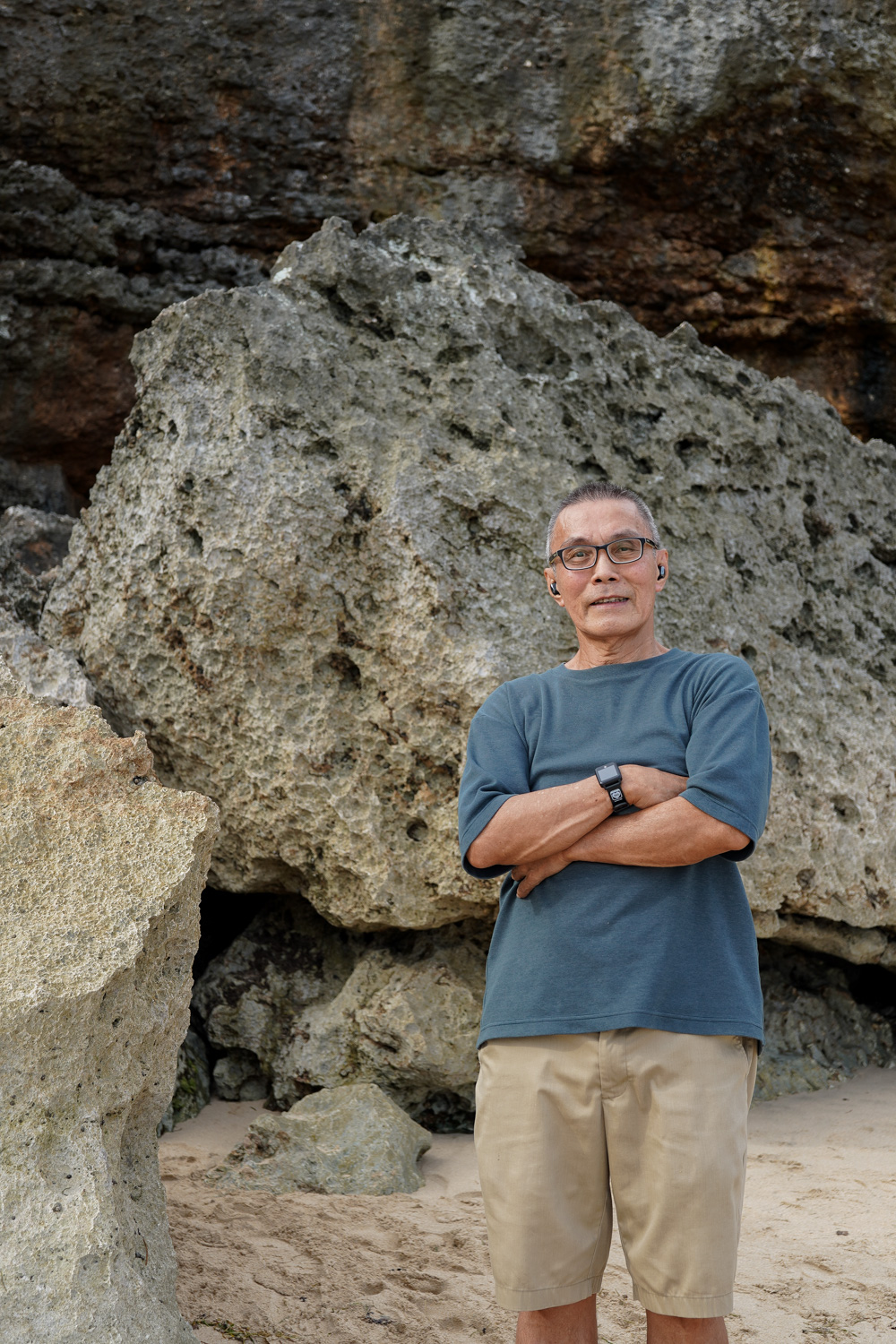
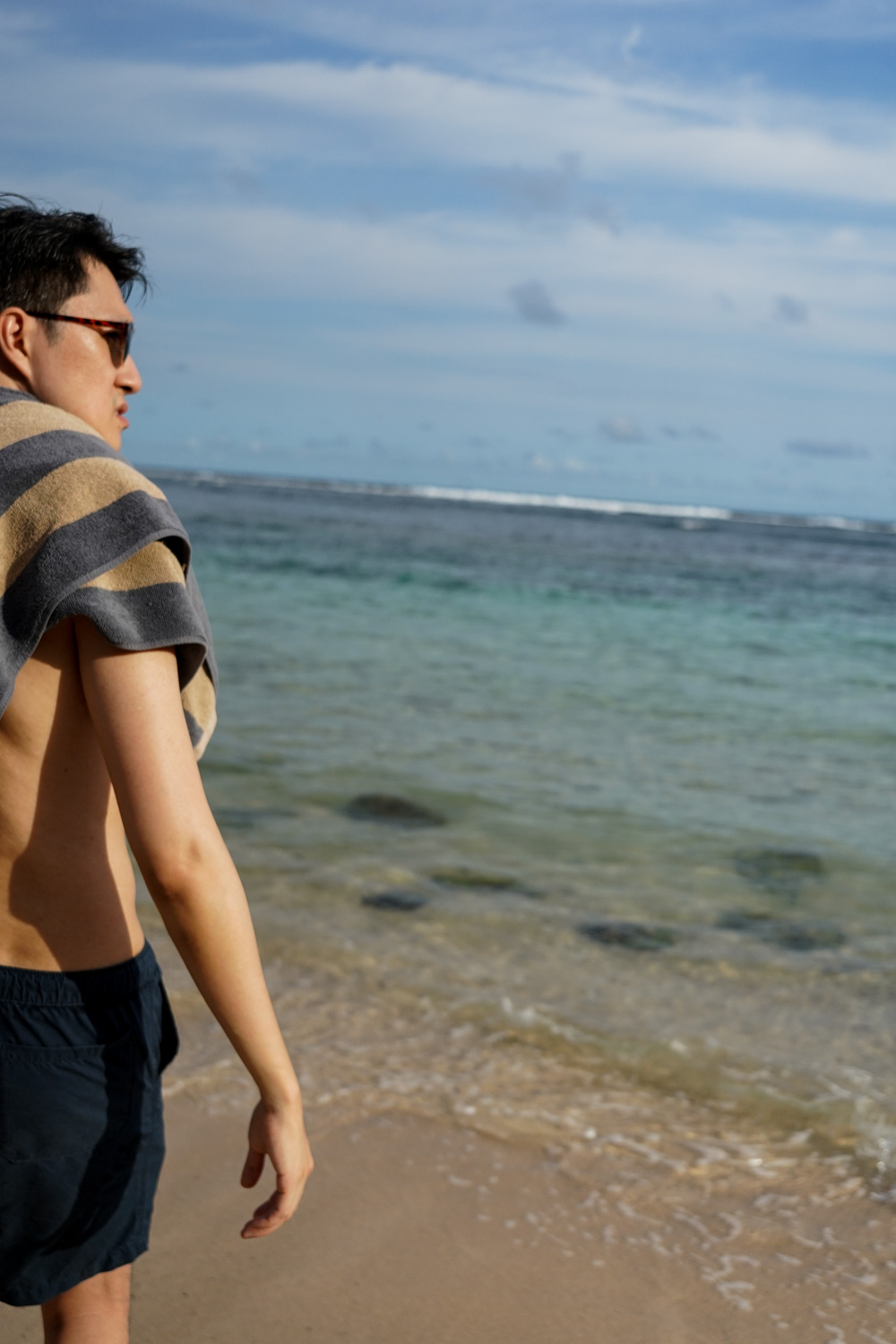
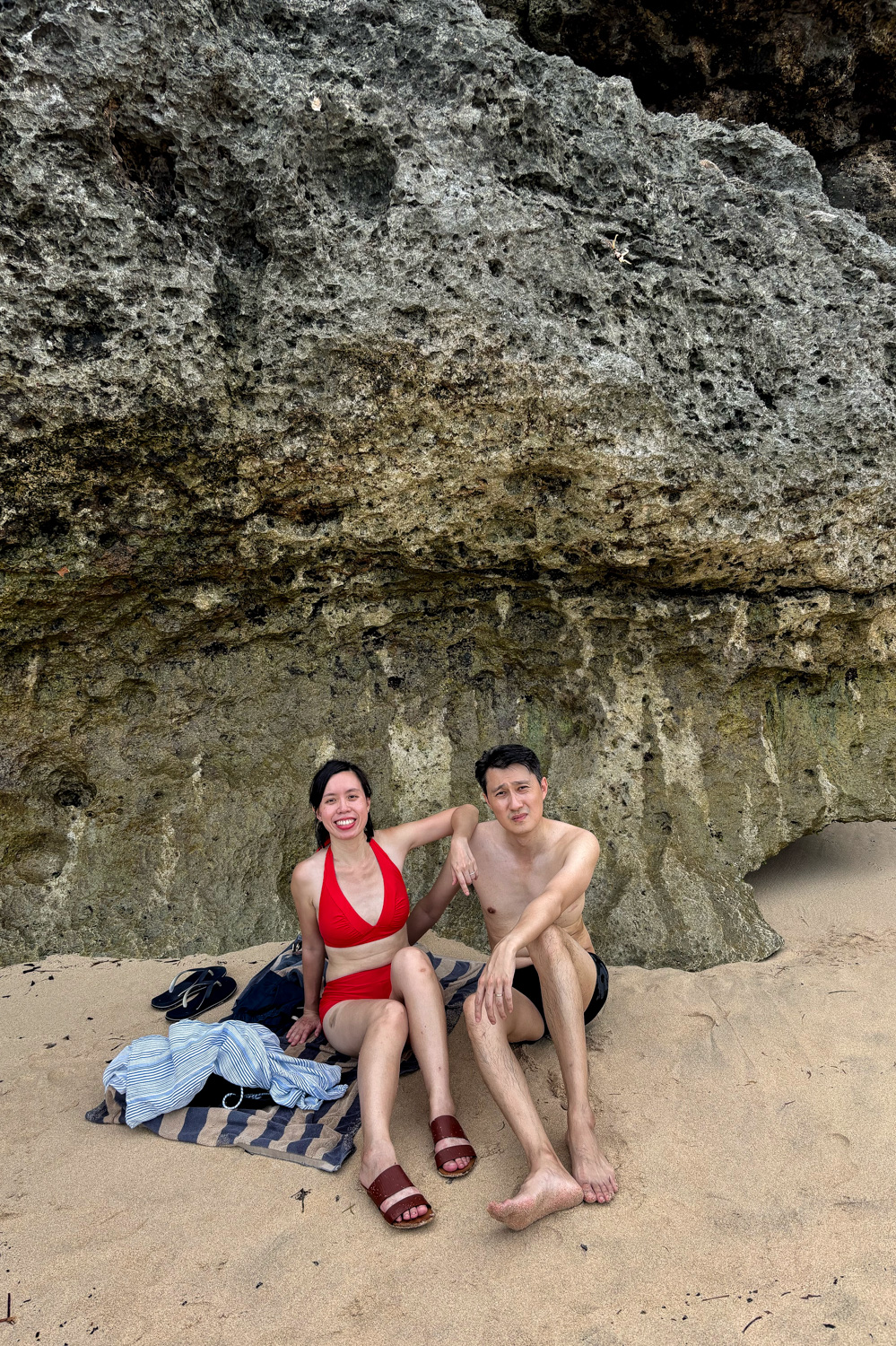
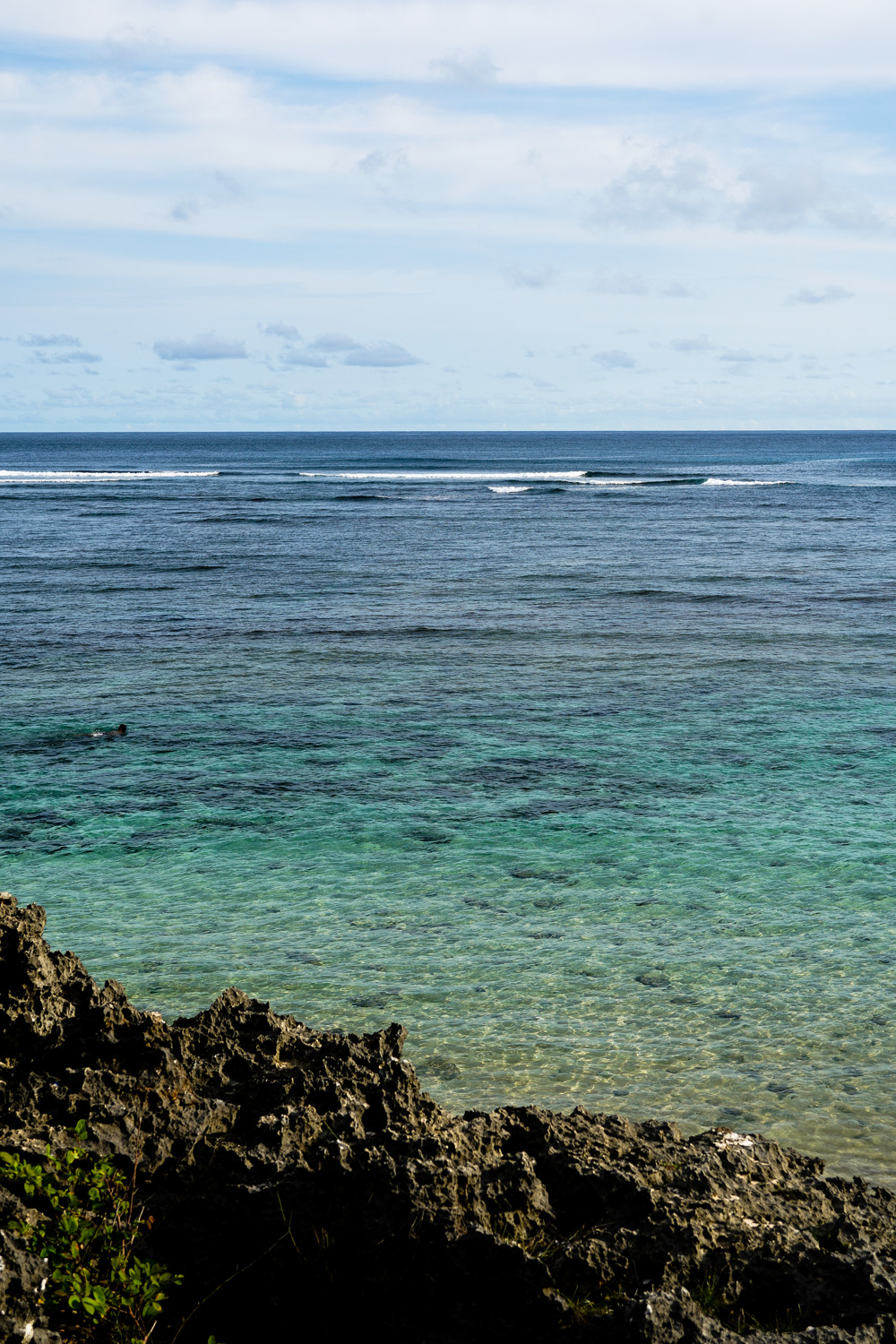
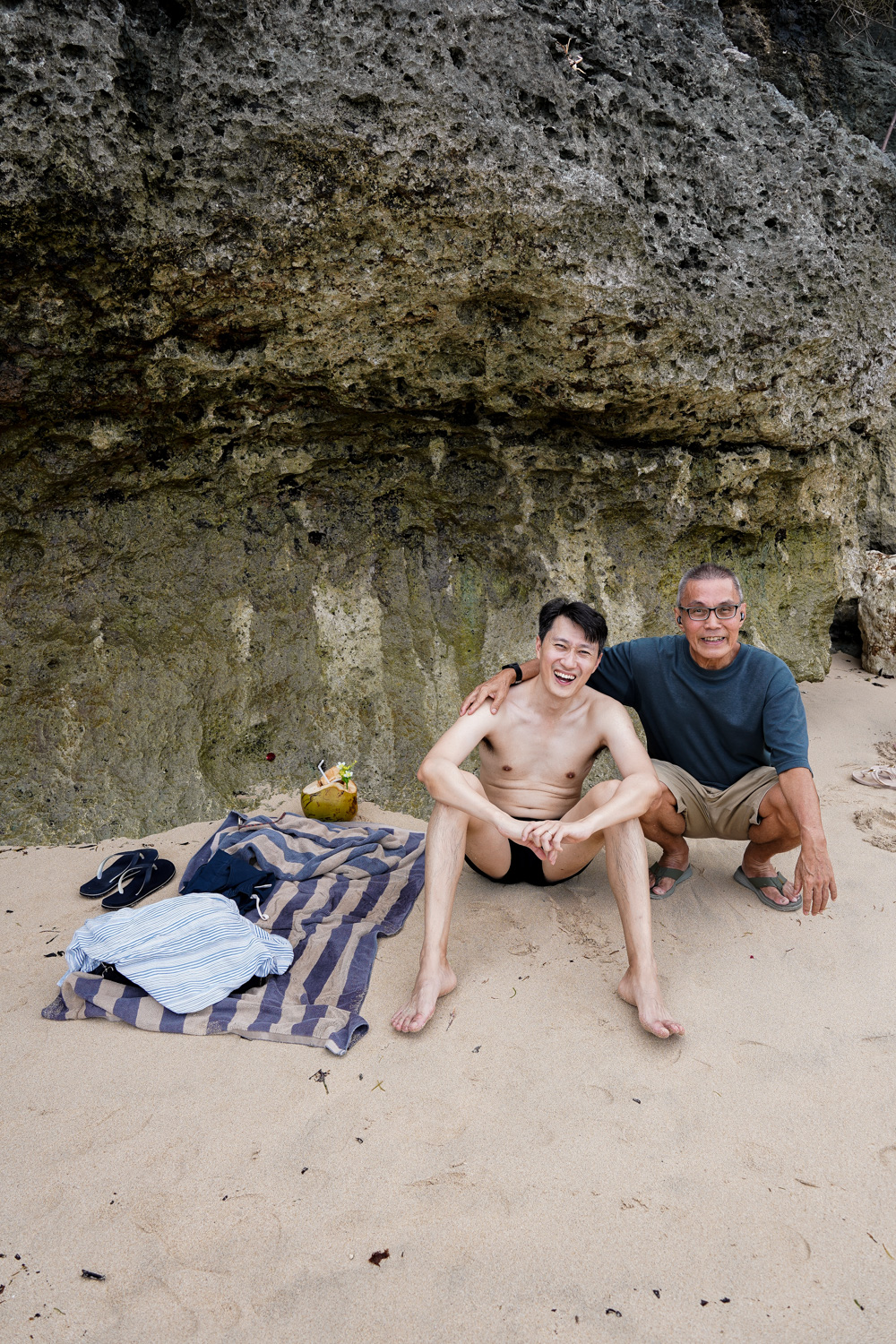
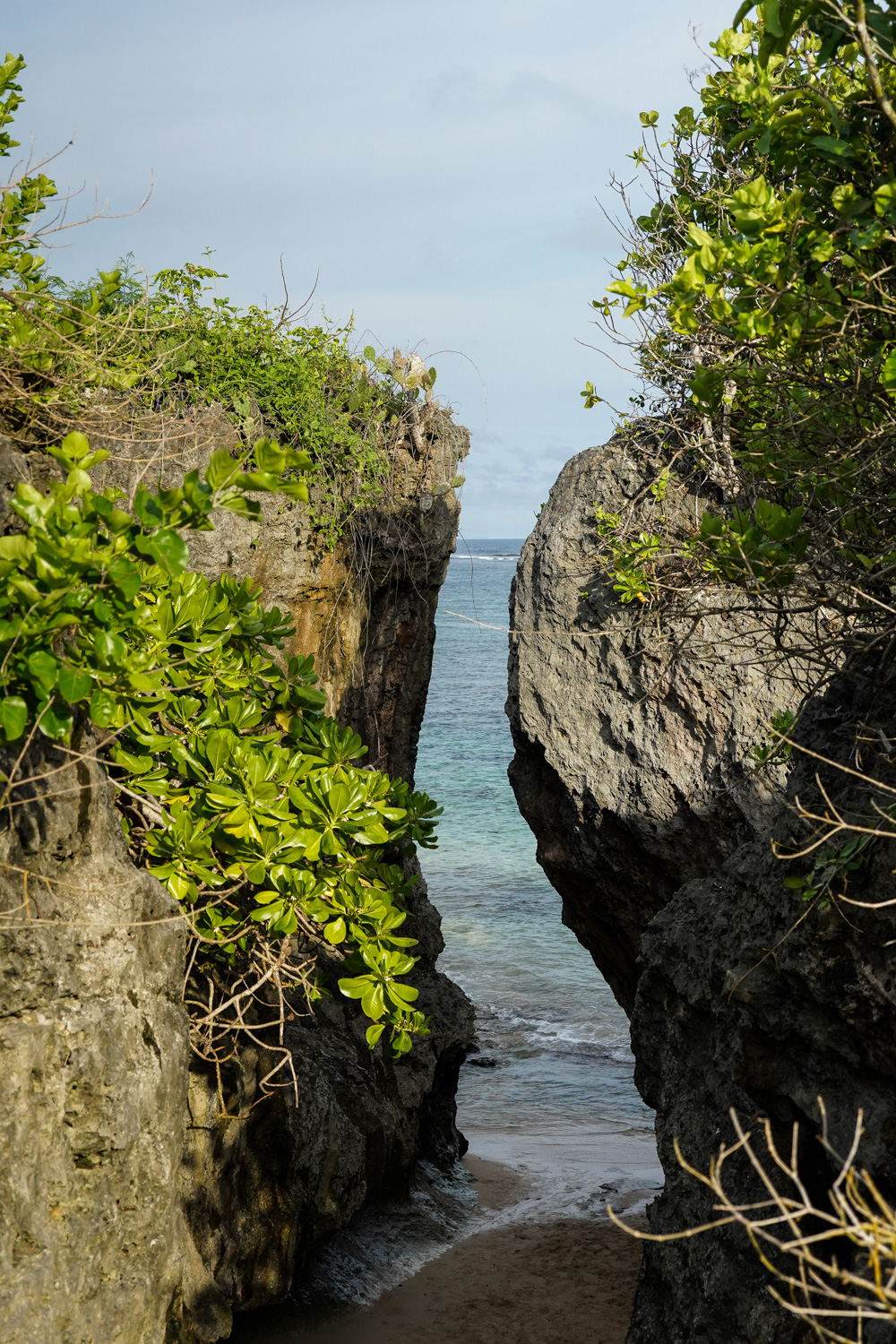
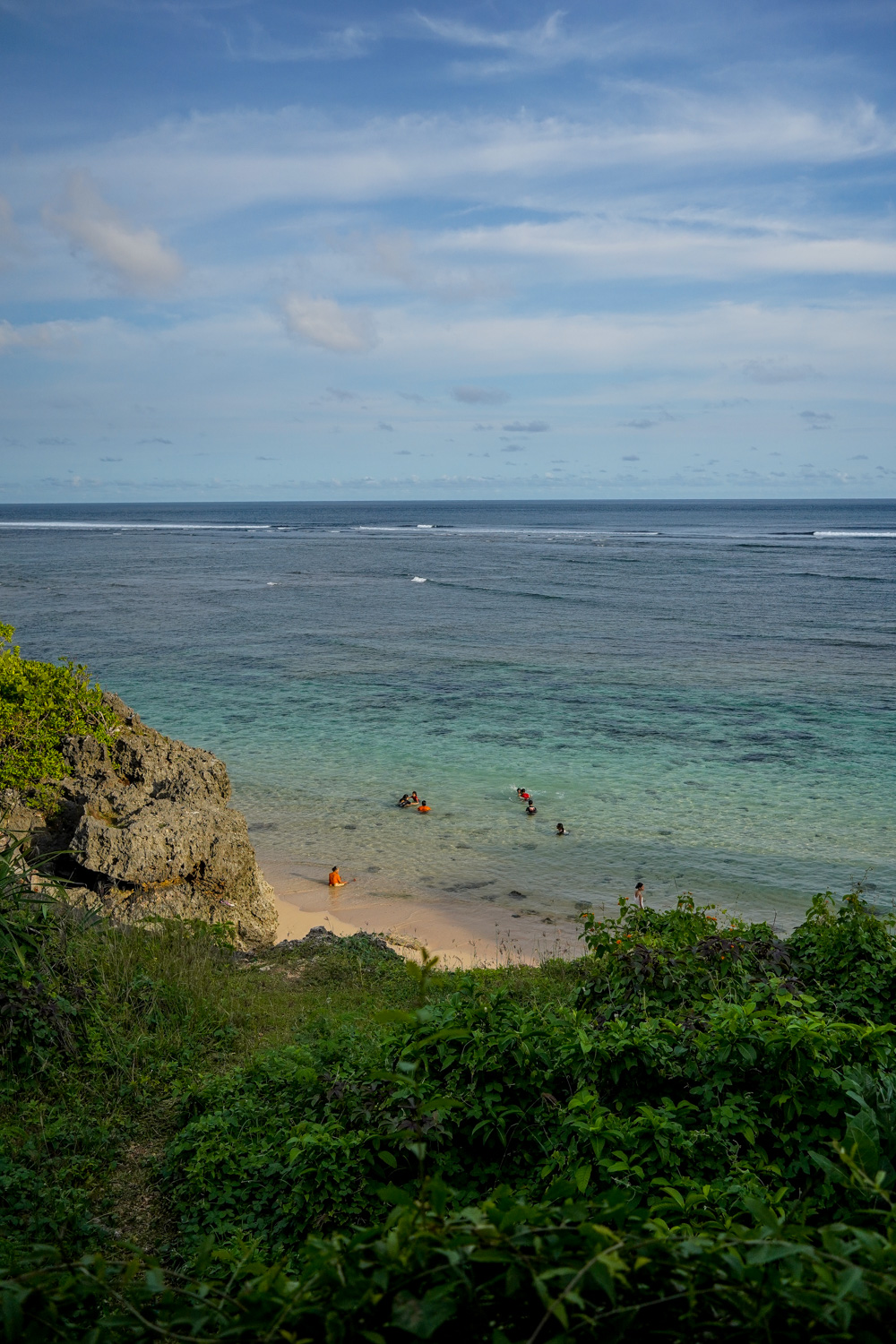
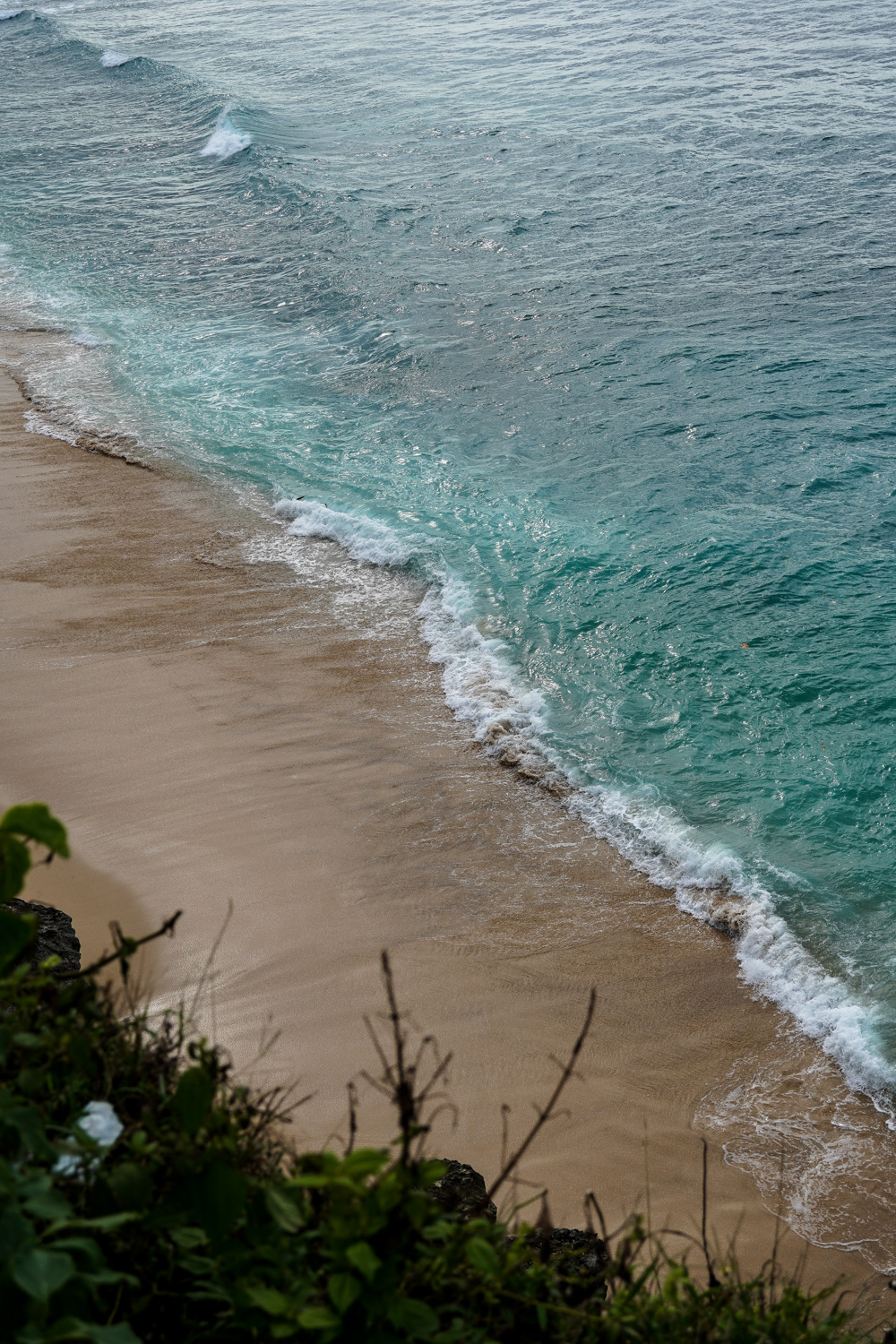
It seems like everyone knows about Nusa Dua but not much about Pura Geger Beach. I might have made the mistake of exaggerating the beauty of Nusa Dua to Wilmer, my sister’s husband. Because when he and my nephew did go there, they were not very impressed. By the time the rest of us reached, I realised that it was truly not the beauty I had envisioned with the low tide and searing hot weather in the late afternoon. But it was a different story at Pura Geger Beach. Wilmer felt that the clear water and white sand were much prettier. My mother and sister, never ones for sun and beach, complimented the view from an austere cafe above. And of course, this was where everyone settled down at for drinks and the sunset while Roy and I slipped down to the shore. It was just us until my father surprisingly came down, listening to his music. I was sure my mother told him to come and be our photographer. Or maybe he just wanted to see the view up close himself. He, like his daughter, loves a good view.
RM ARYANI
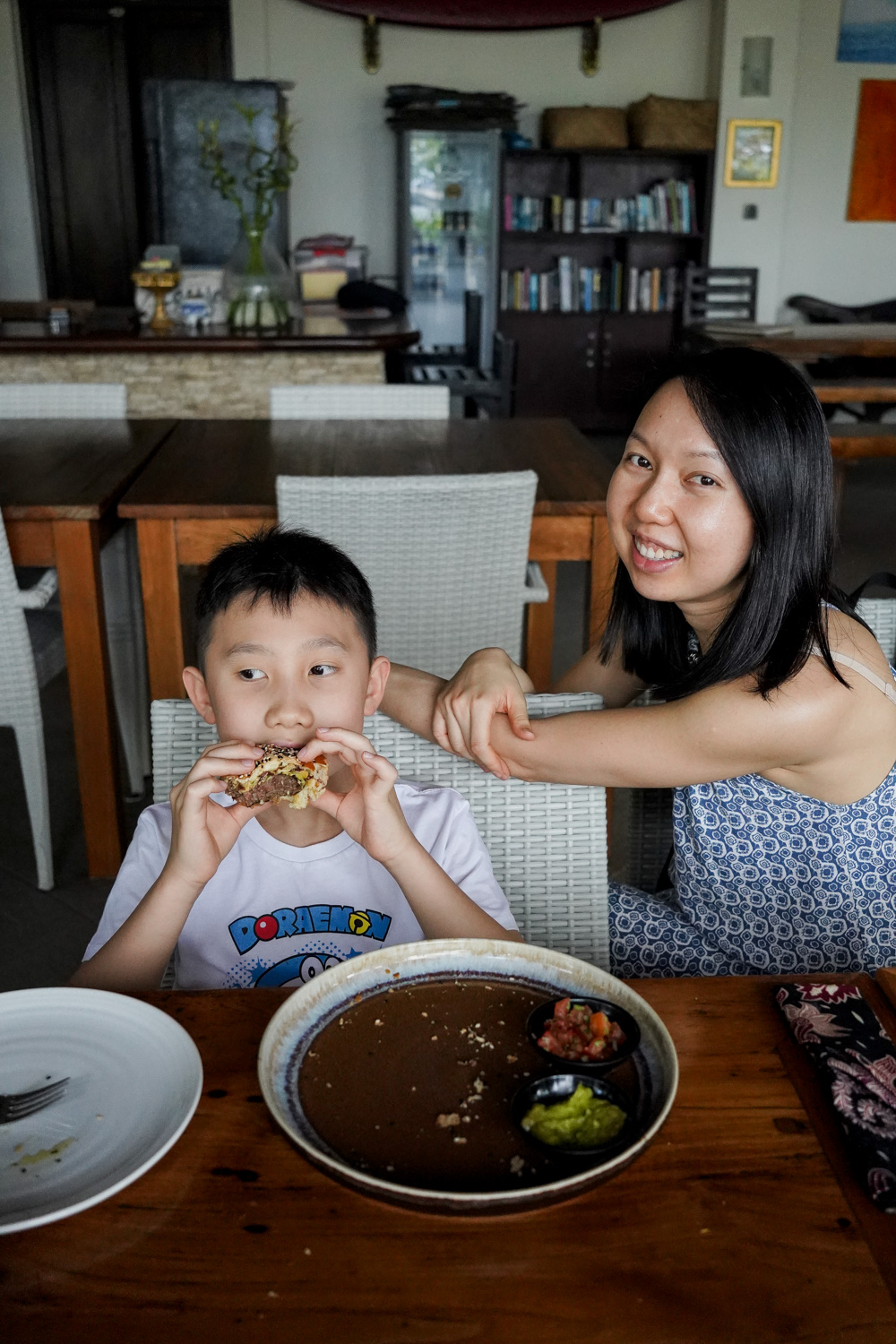
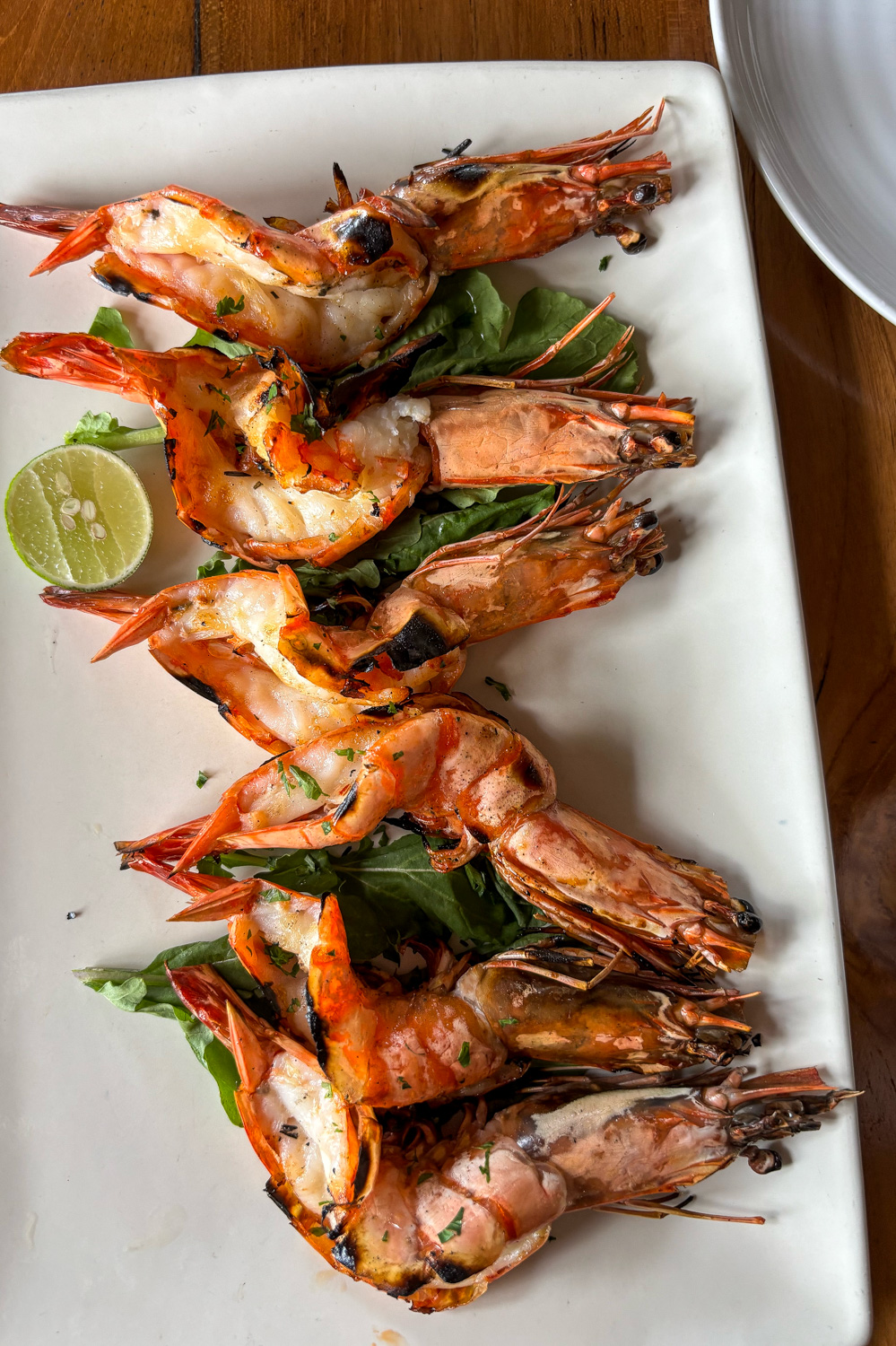
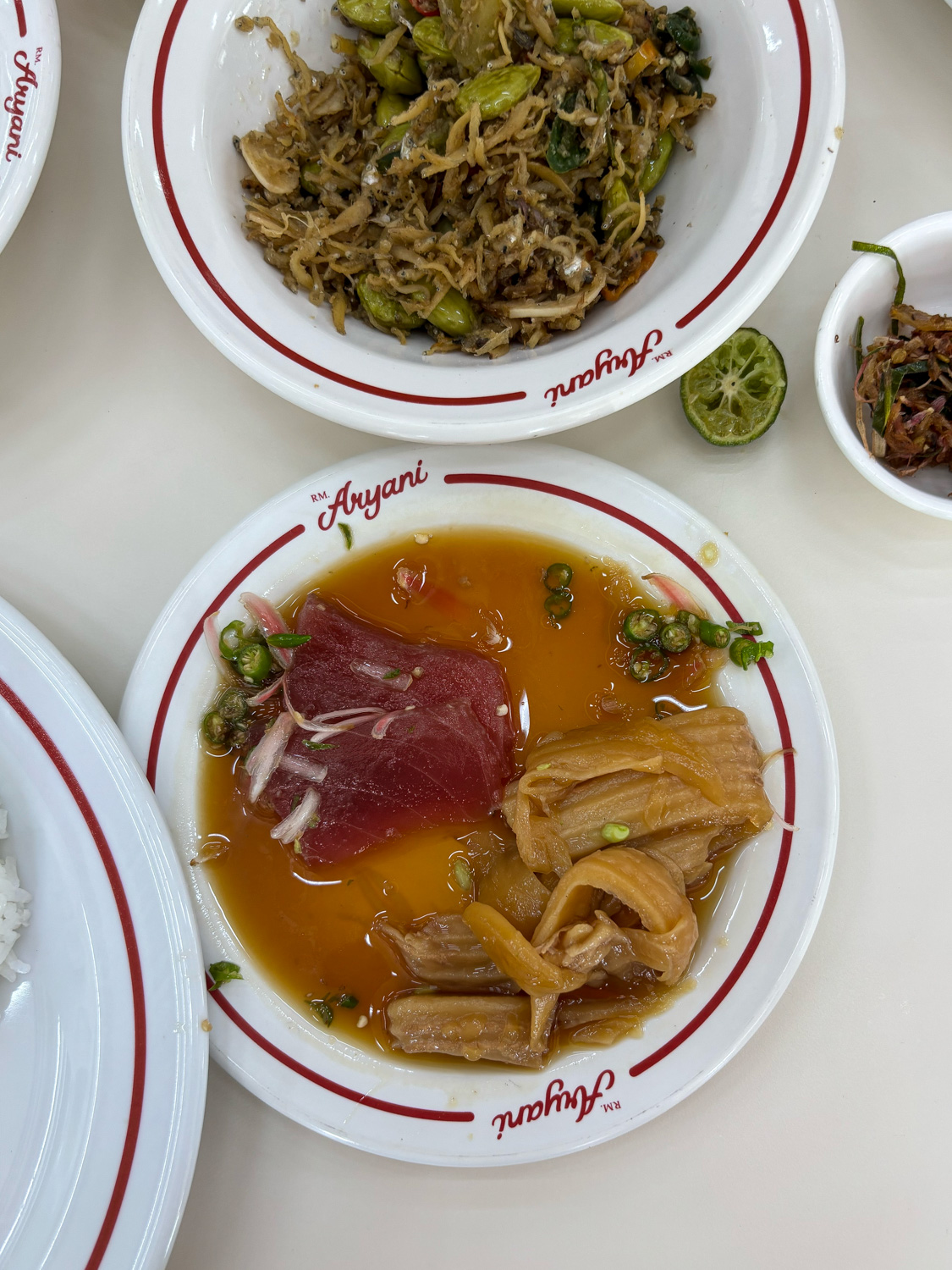
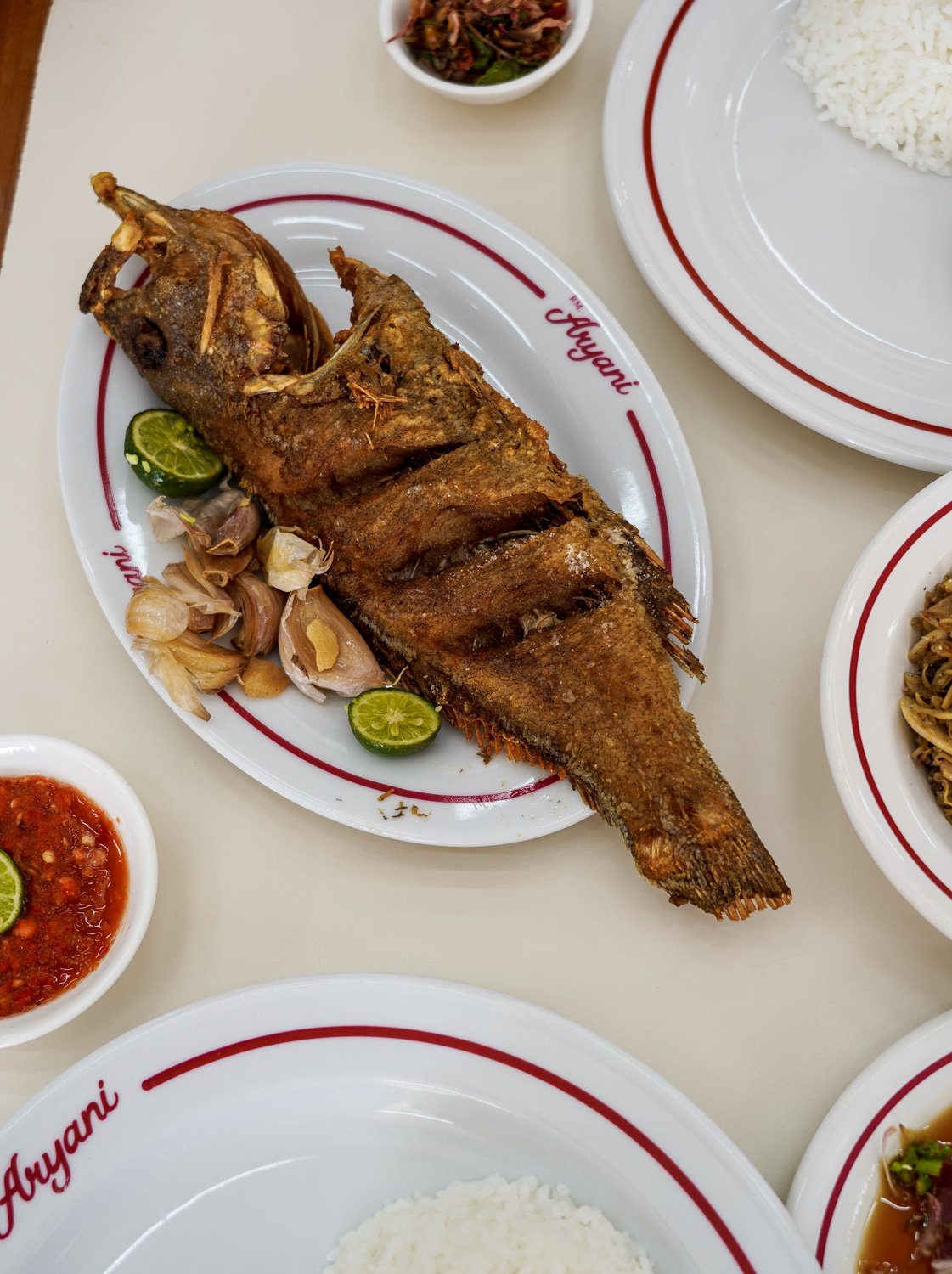
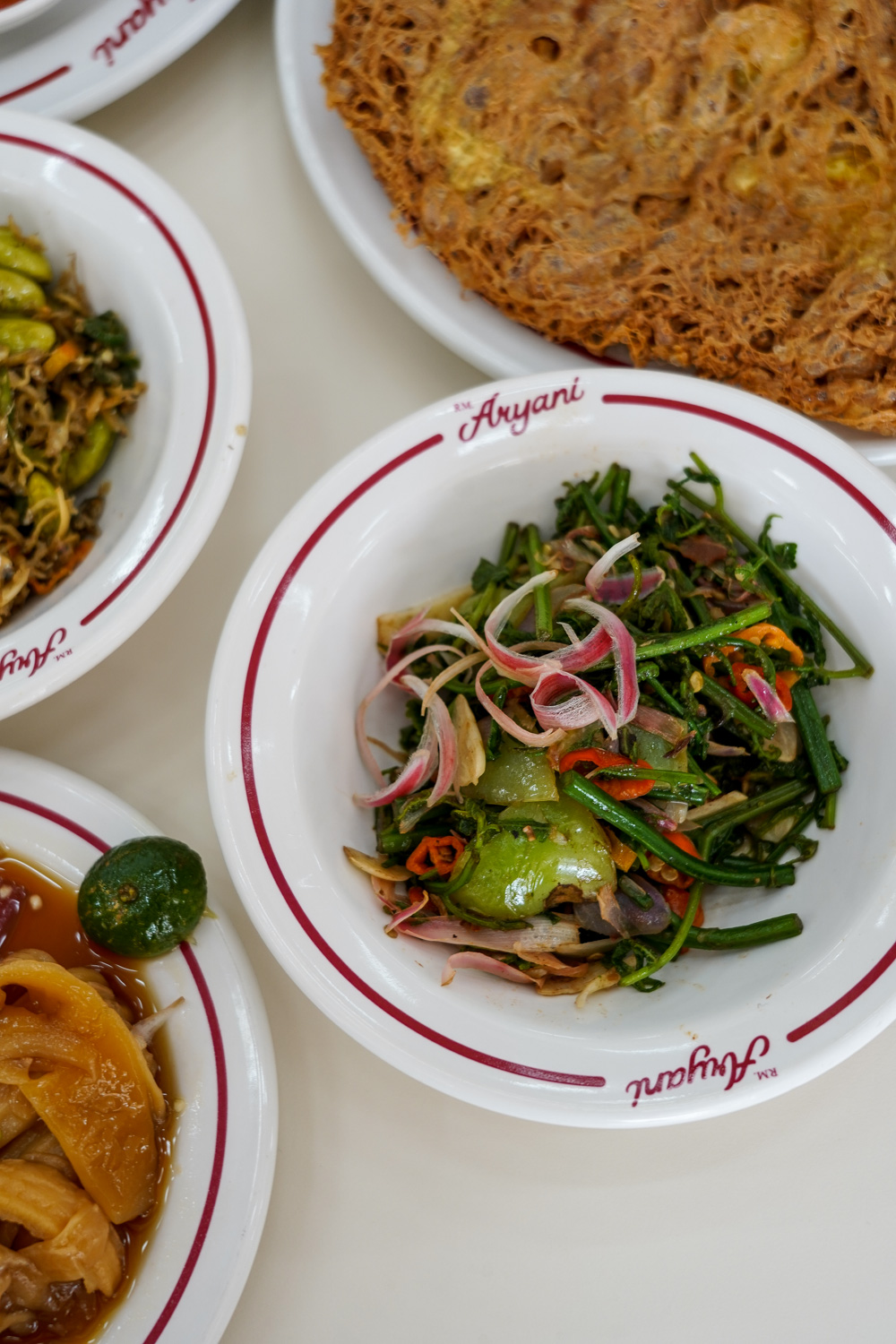
Wherever we go, we would make it a point to visit a very local place. This was a favourite of Roy’s Balinese colleague. A warung serving ikan goreng with handmade sambal. There is perhaps no fish as Indonesian as one deep fried to its crispiest. She had sent us a list of dishes that she promised would be unforgettable: tuna dressed with rujak and coconut, stir fried fern leaves, deep fried threadfin. The threadfin was sadly sold out when we reached, so we settled for the pomfret. It was a small compromise in a meal that was anything but forgettable.
OXTAIL NASI GORENG
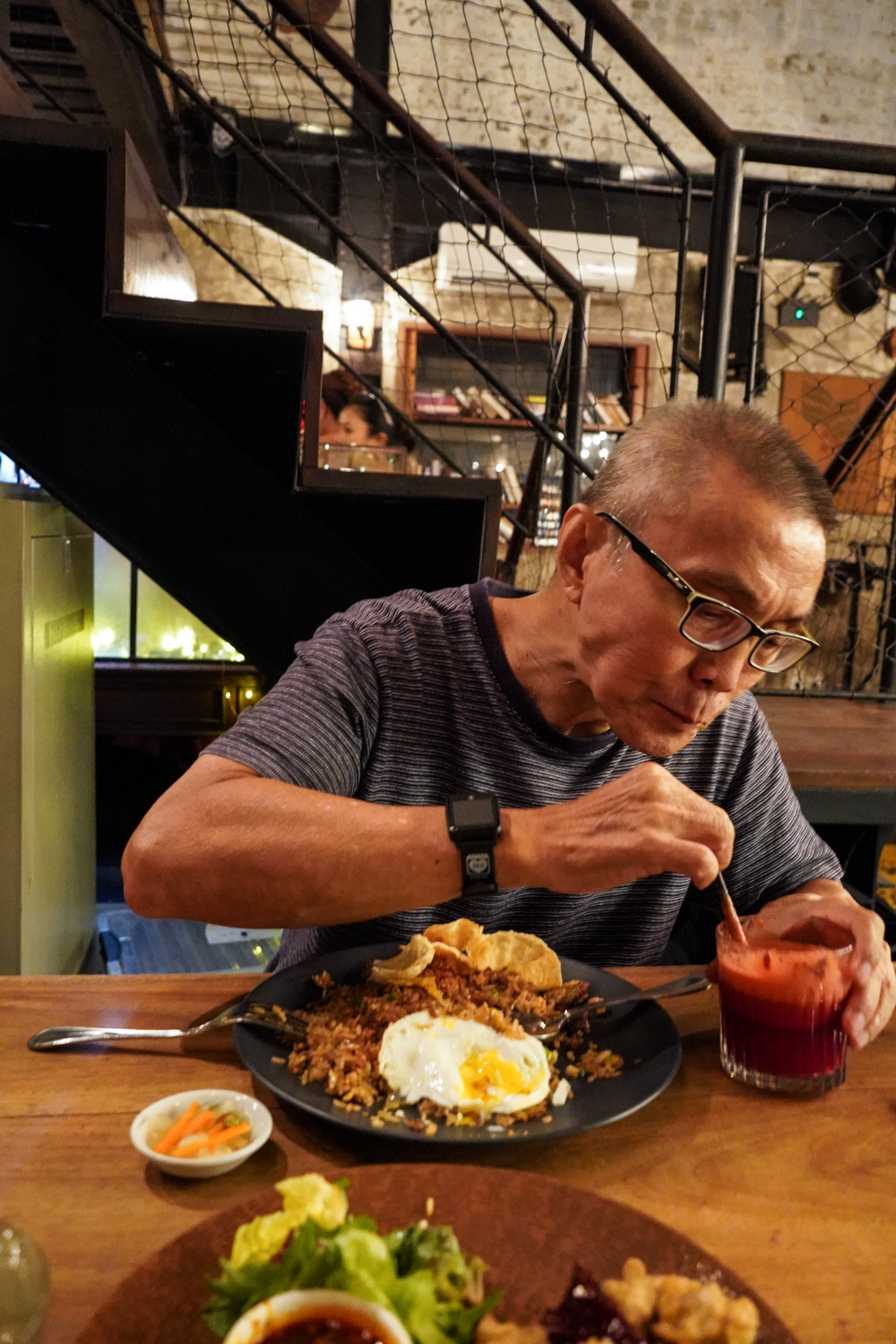
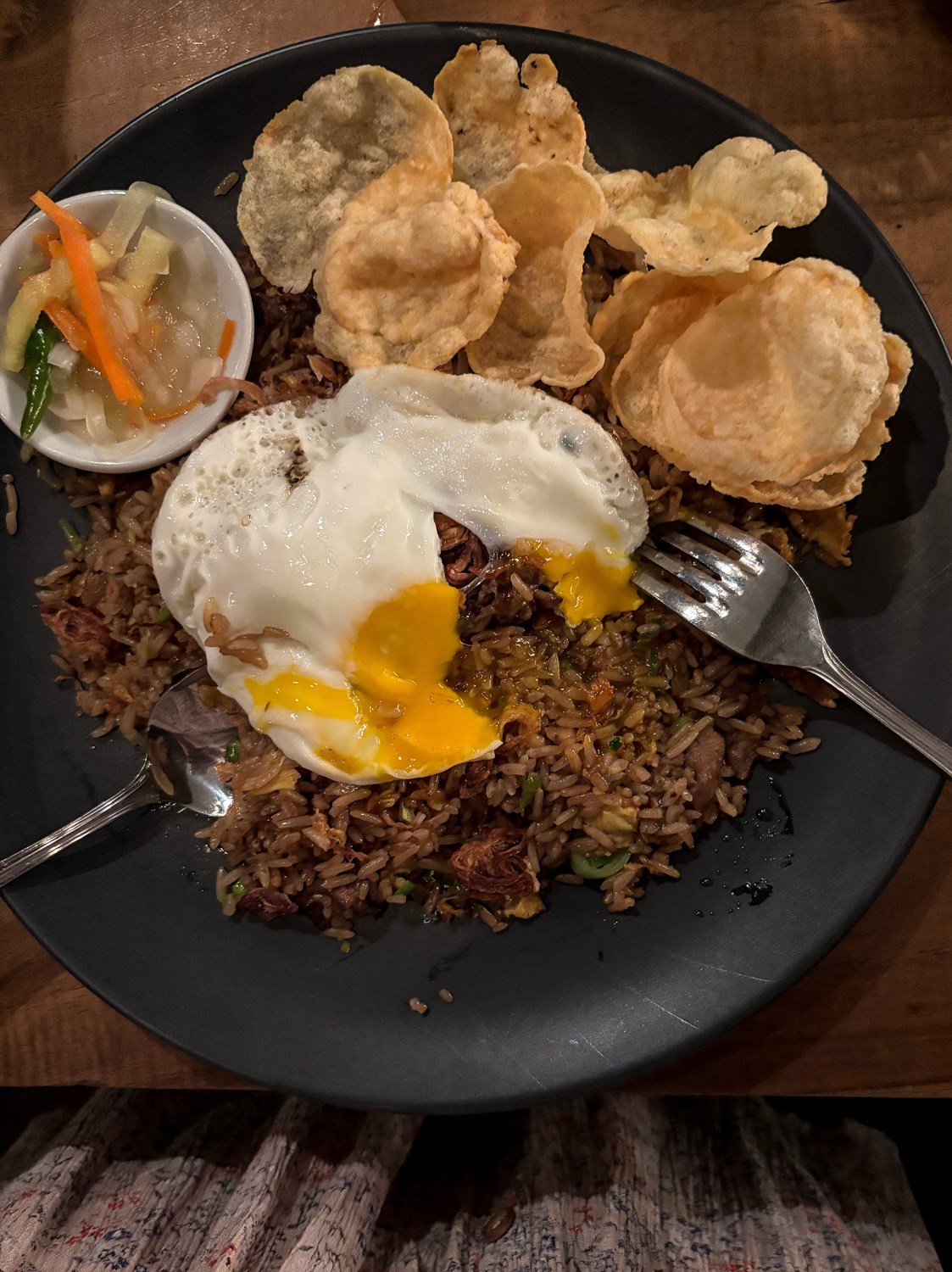
If there was a dish that could define Indonesia, it would be nasi goreng (though some might insist on the mee goreng instead). It appears everywhere: at the breakfast table, lunch, dinner and even supper. Always, always with a runny egg. This is a personal favourite of Roy’s. Something he would never say no to. You can imagine his joy when we found an oxtail nasi goreng in Pison, a few years back in Ubud. Incidentally, the oxtail is something my father would also never say no to. Now, to sit with my father and Roy—the two favourite men in my life—at Pison in Seminyak with their oxtail fried rice felt incredibly special.
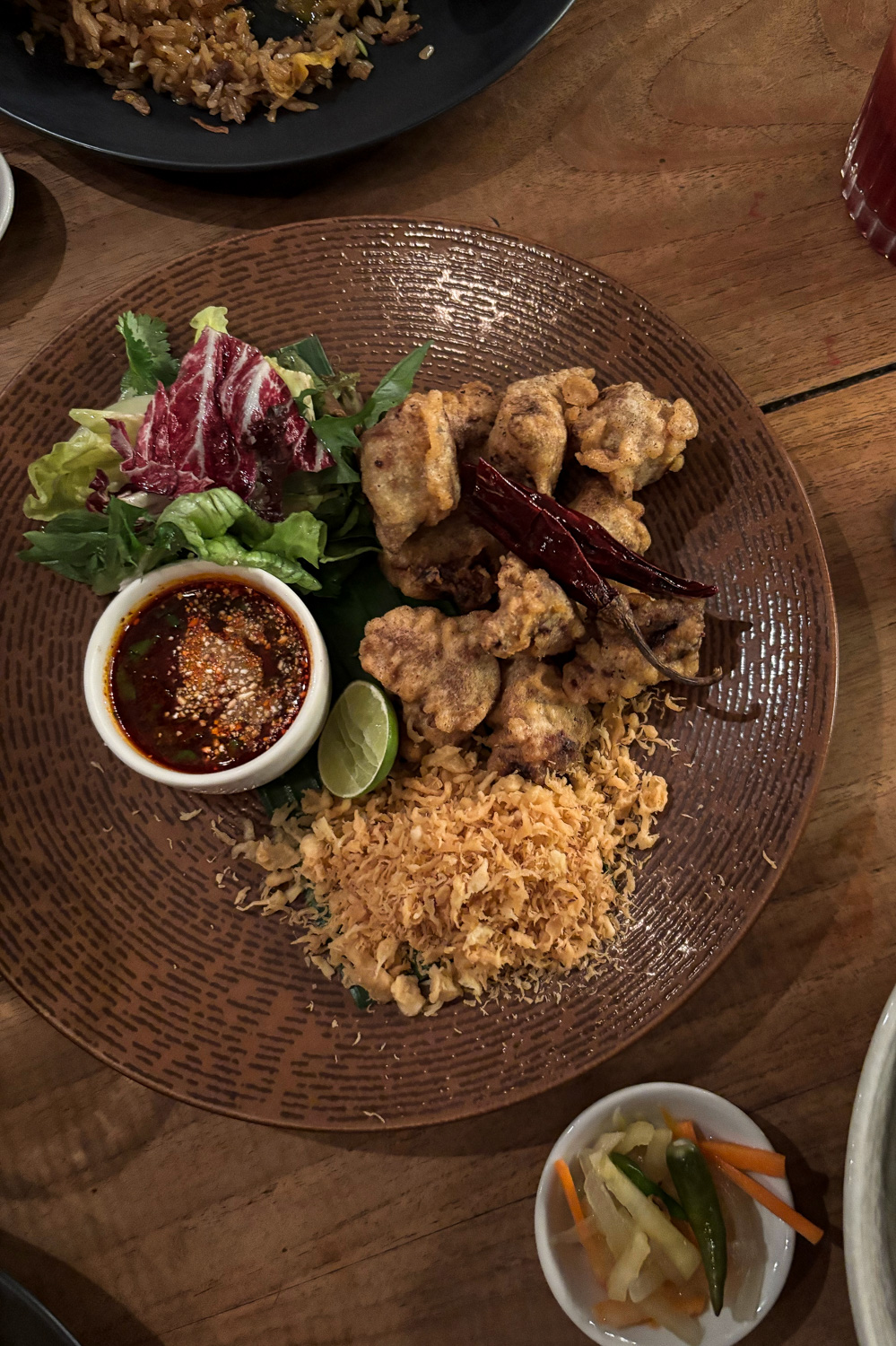
ULEKAN
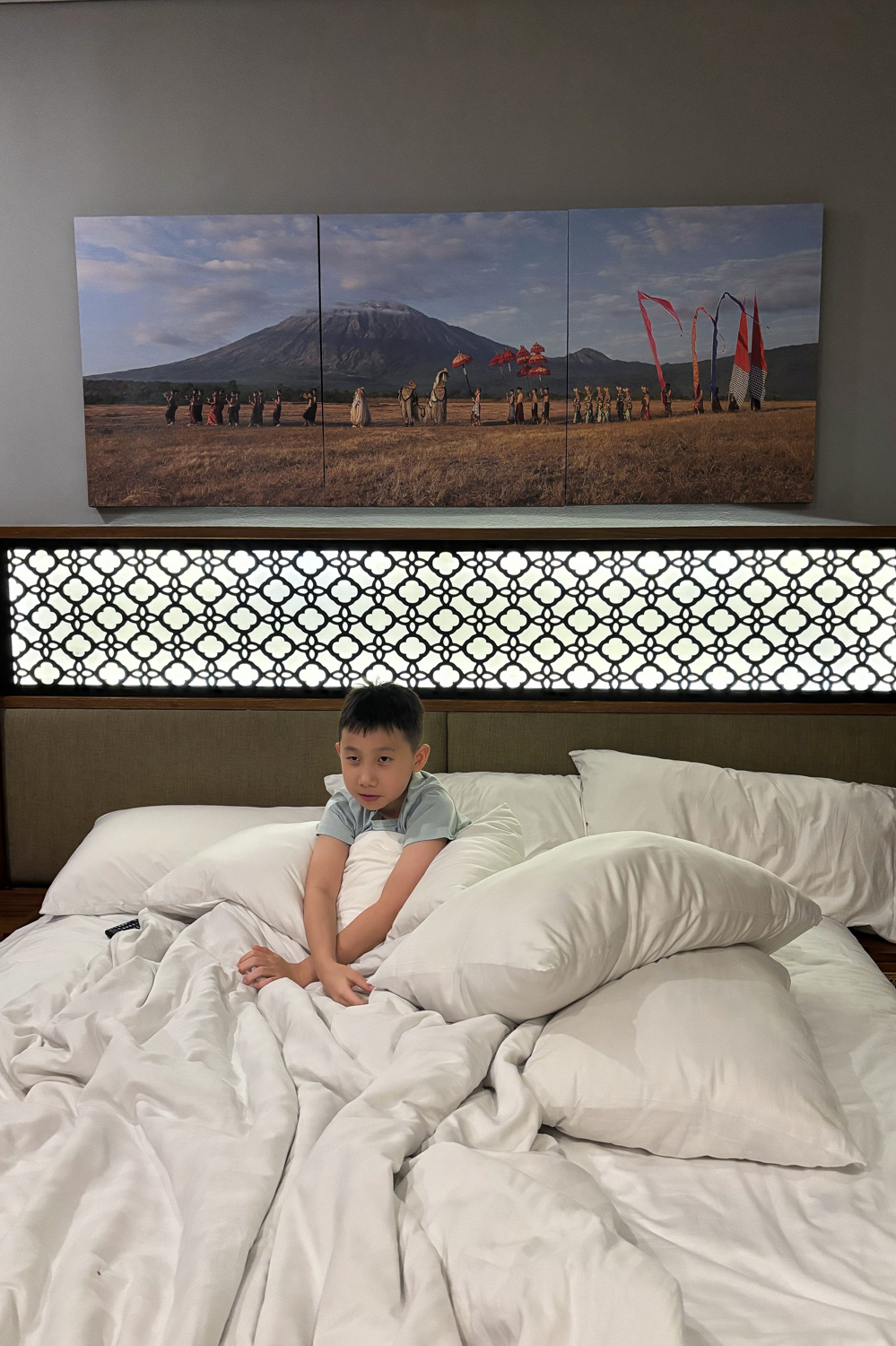
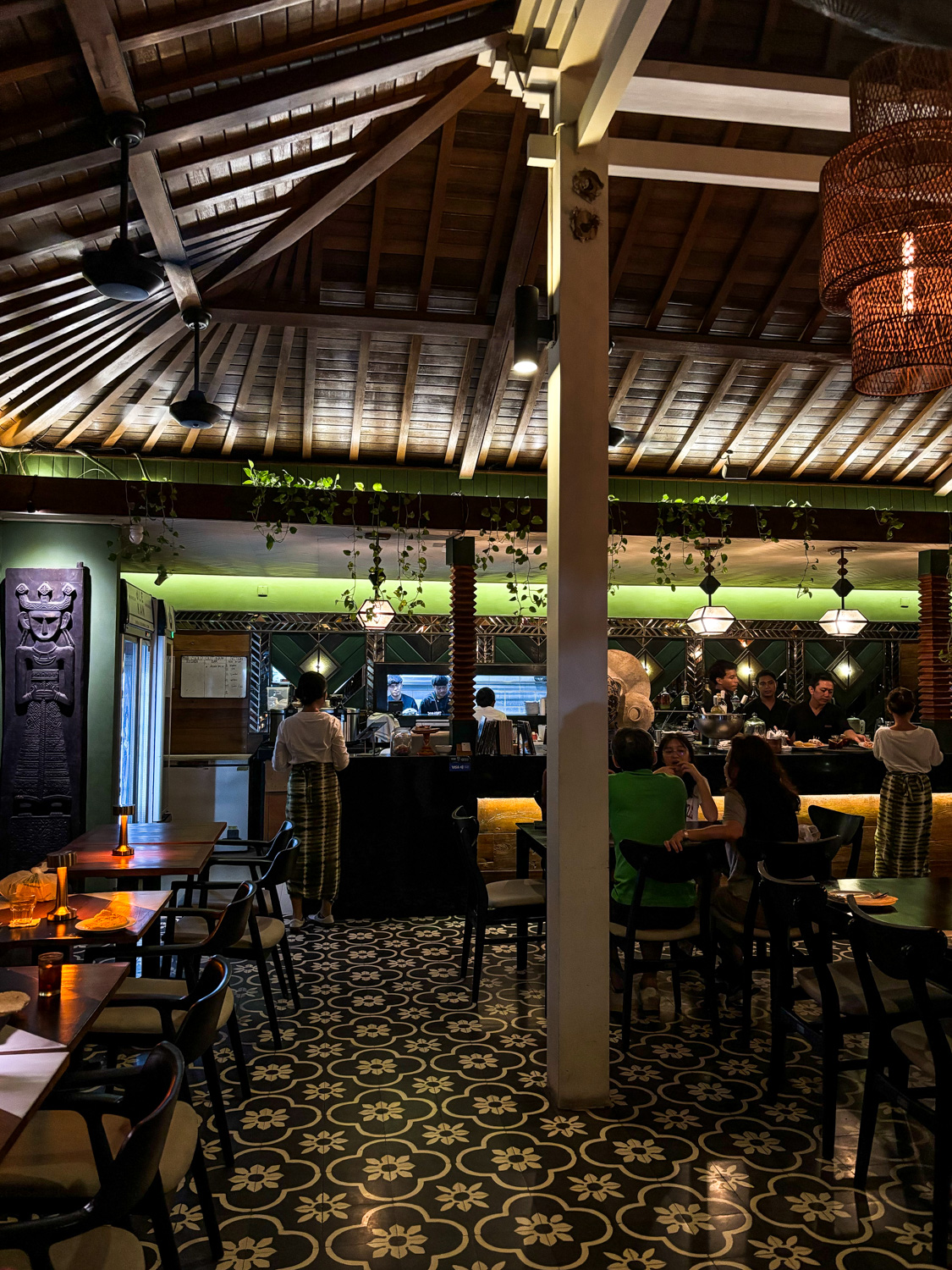
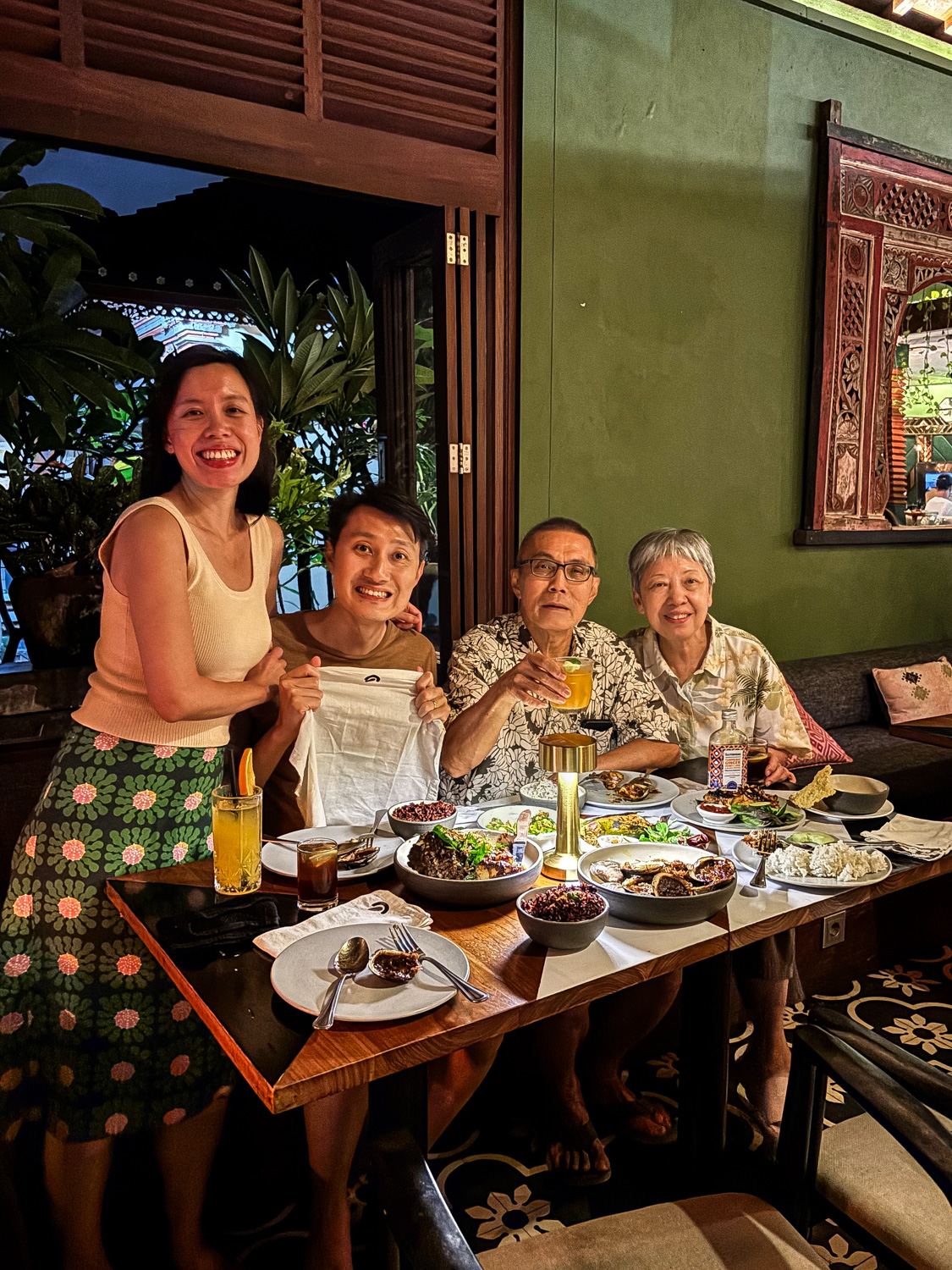
Early on, we had planned to stay in Canggu. It seemed almost inevitable that Ulekan caught my eye. Traditional Indonesian that is just a touch more upscale. Then, one thing led to another and we quickly changed to Seminyak when my sister preferred somewhere not too far from the airport. Even at Seminyak, we still made the journey north to Ulekan in a cab ride that stretched longingly past 30 minutes. That day, nothing could draw my nephew out of the white sheets of the hotel room. Not sunshine, not gelato, not even dinner. He stayed behind, preferring the television.
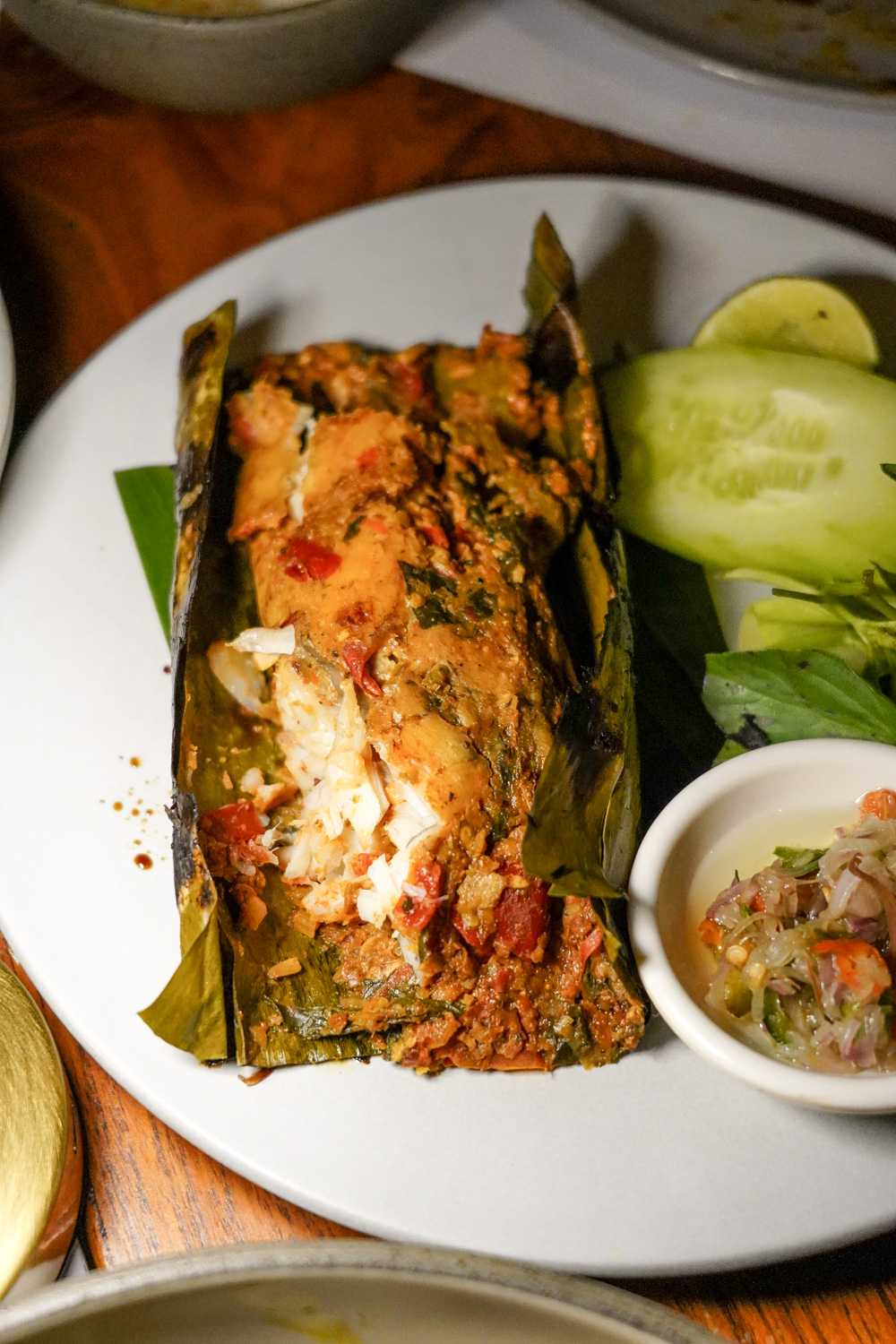
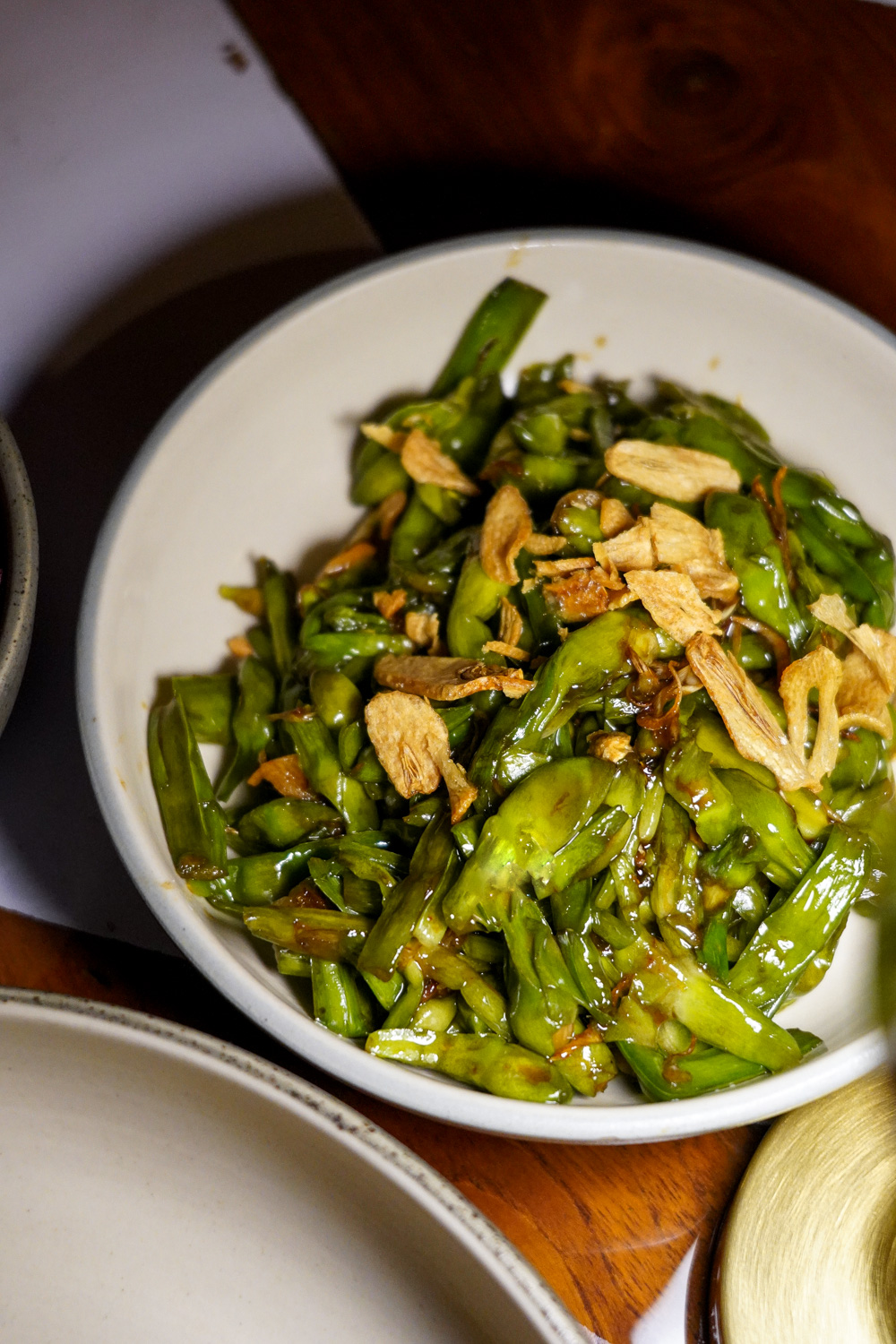
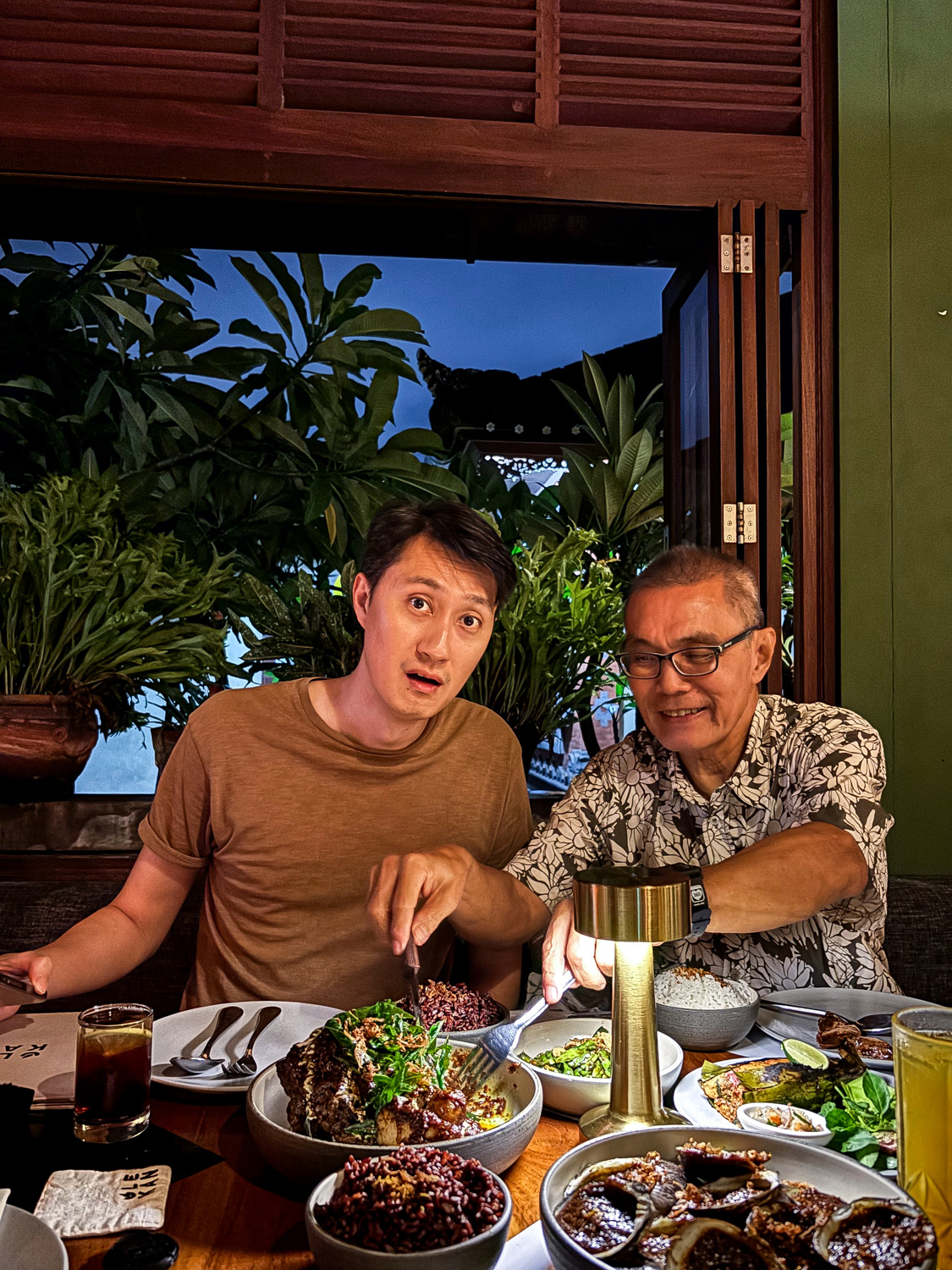
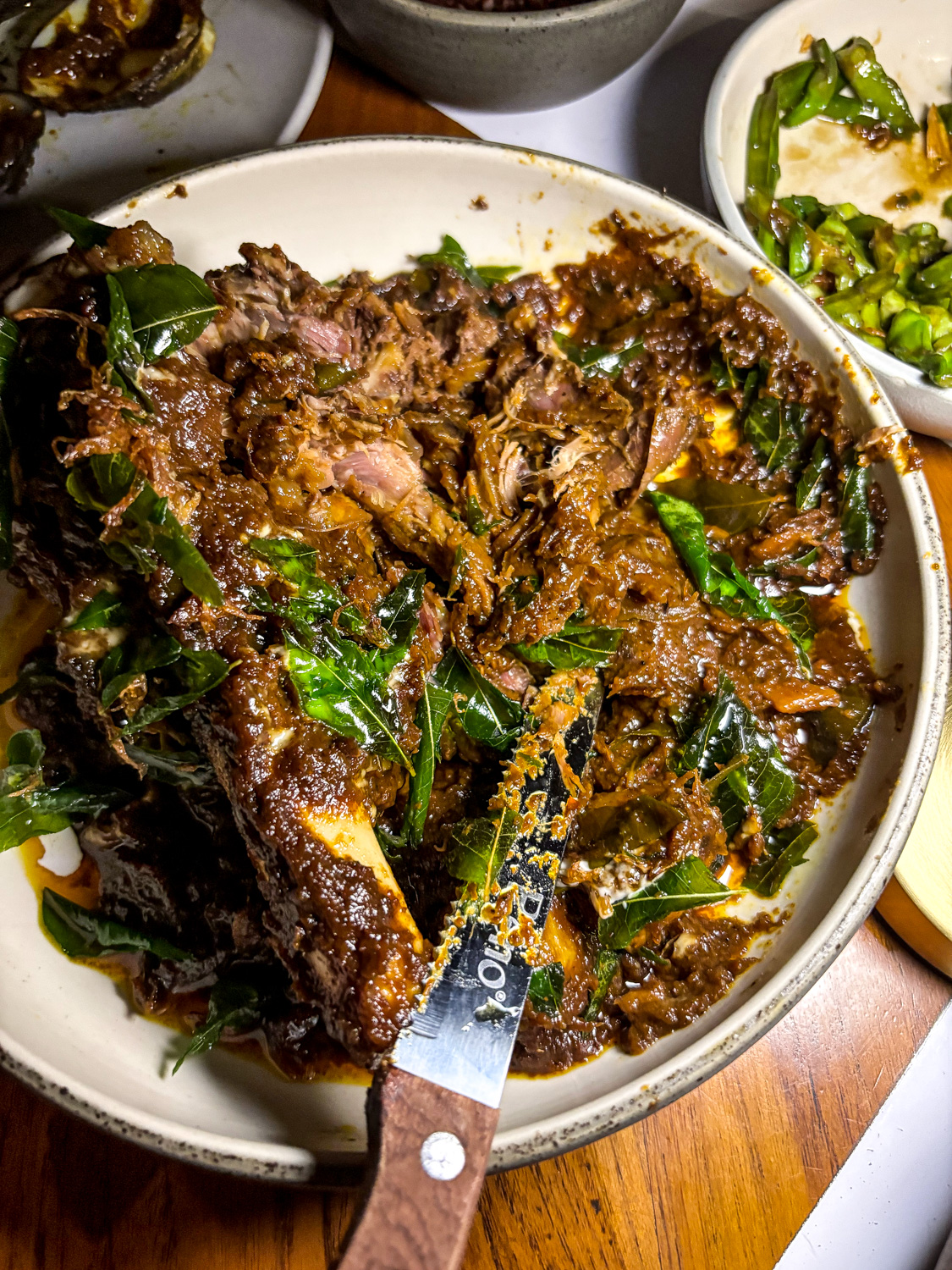
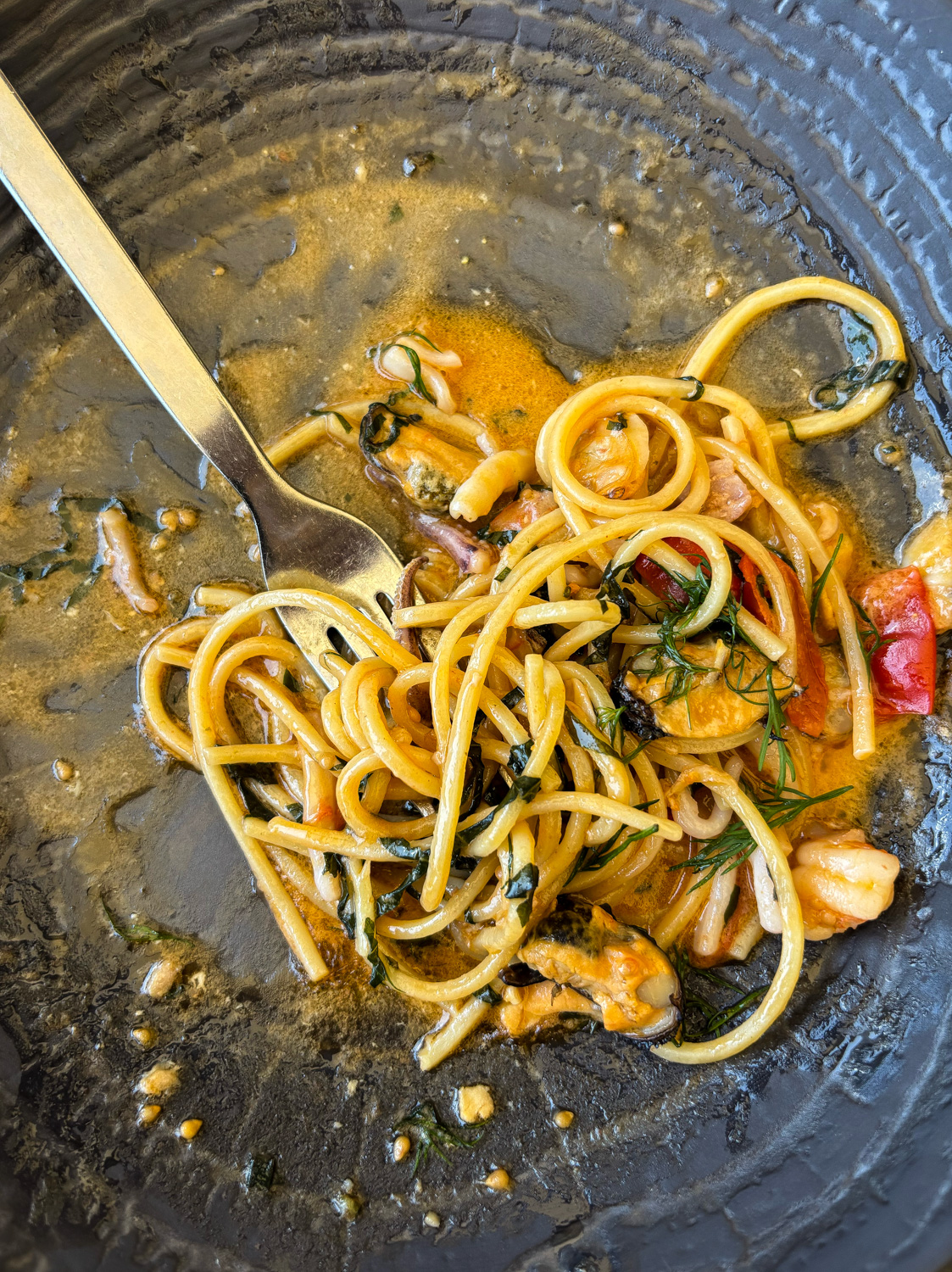
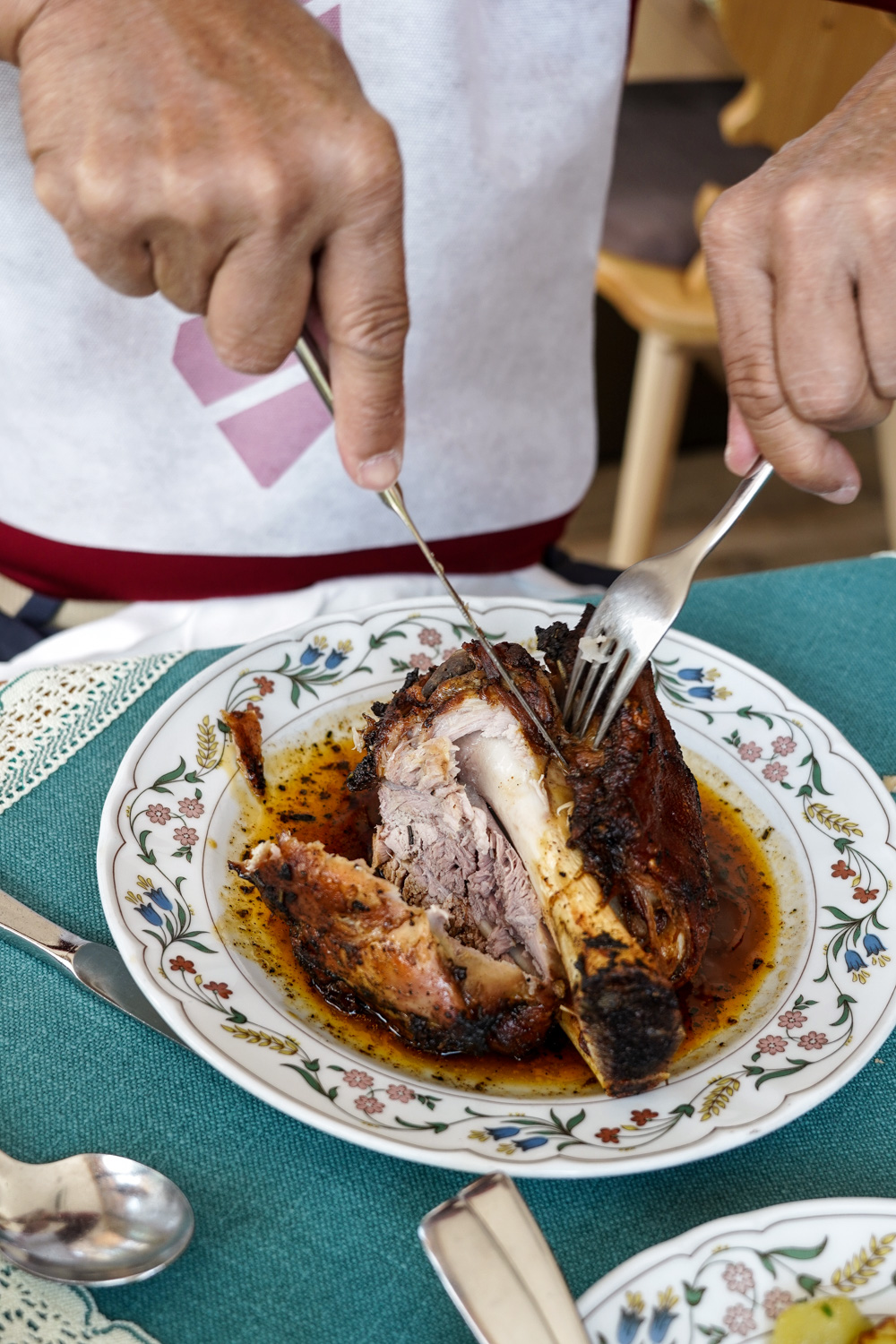
My mother, ever the prim and proper grandmother, fretted over whether he had eaten yet. All of that vanished when we reached Ulekan. The long ride was finally behind us. The room was welcoming and the food suited her perfectly. Coconut and orange juice, all natural and “just right” by her standards. Clams roasted over coconut coals. Velvet leaves stir fried with shrimp paste, salam leaf and lemongrass. Roy was enamoured by the barramundi wrapped in banana leaf and grilled with herbs. But perhaps the most satisfied of us all was my father. There was no doubt that the glorious lamb shank in Sumatran curry would find its way to our table, one way or another. When it did, he set to it at once. The night felt almost perfect, save for the long ride back to the hotel.
BALANGAN BEACH
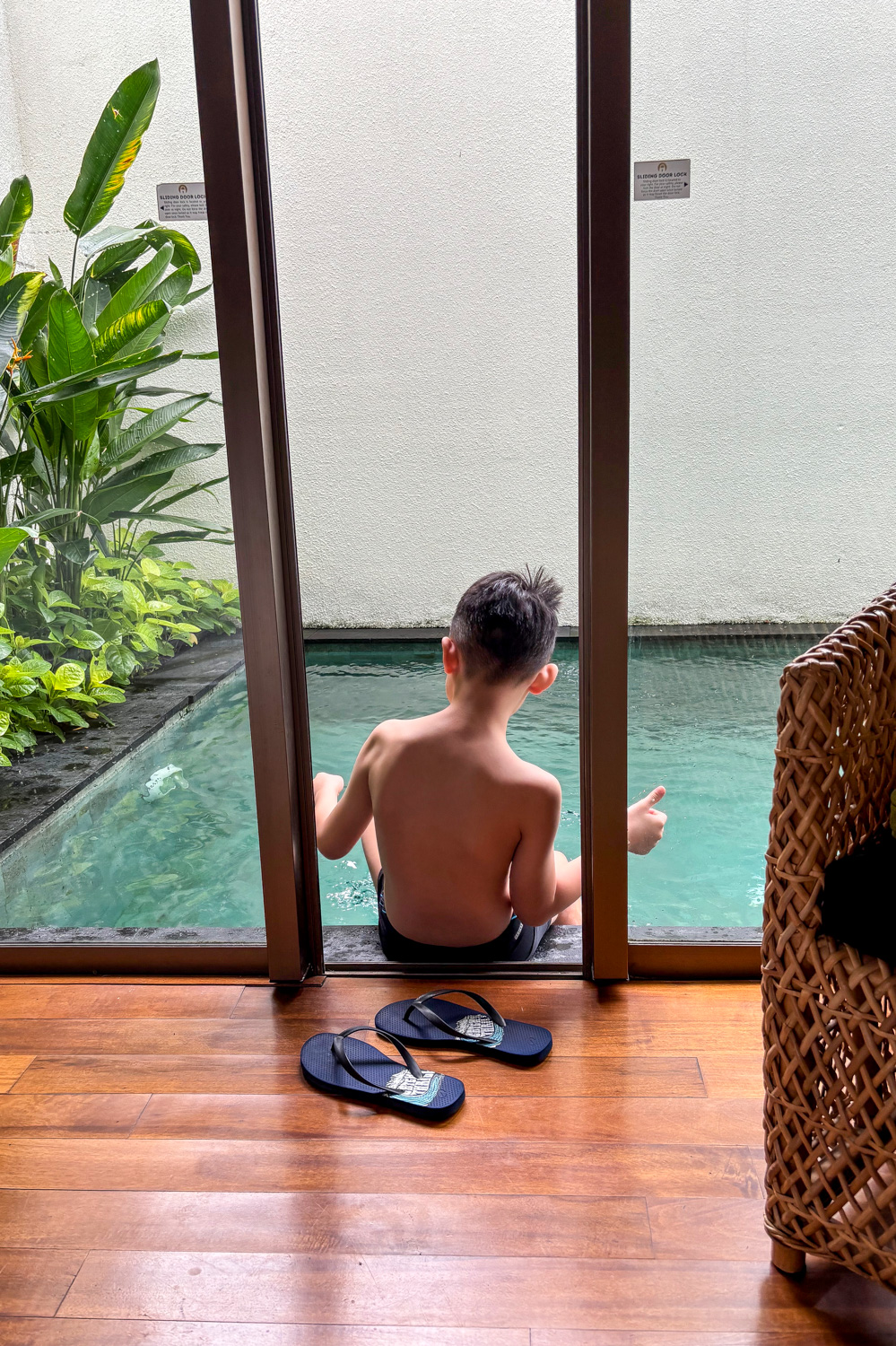
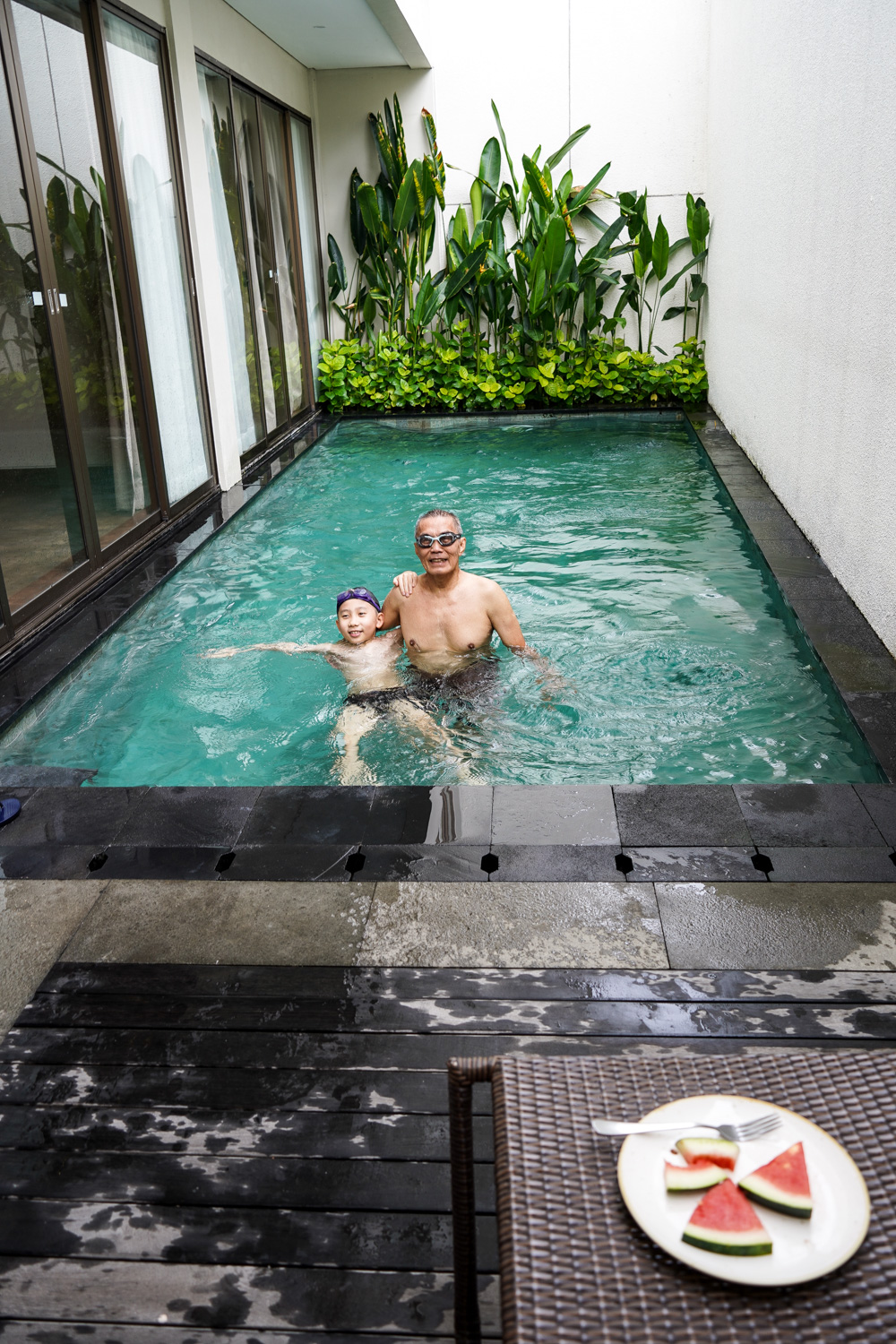
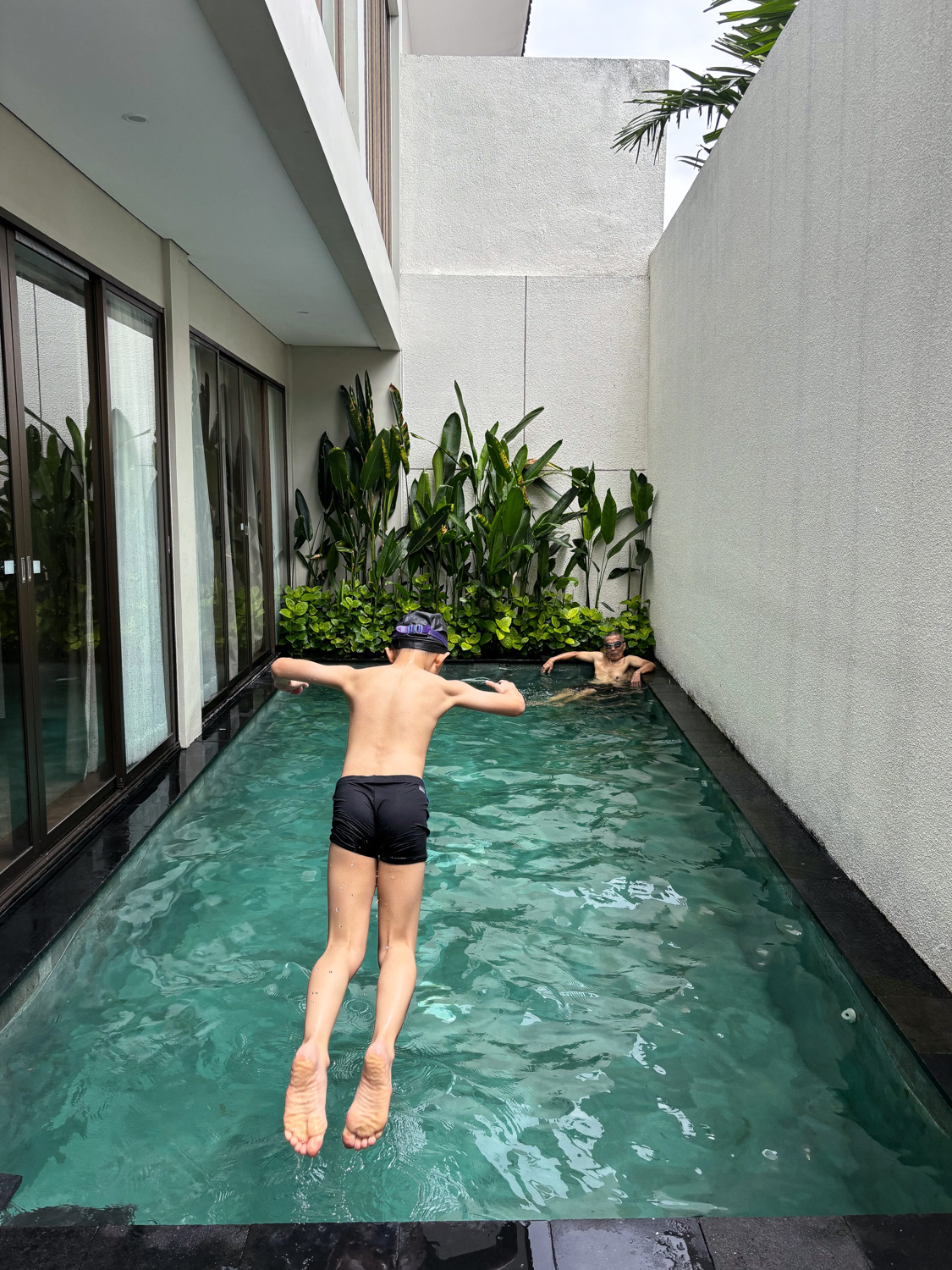
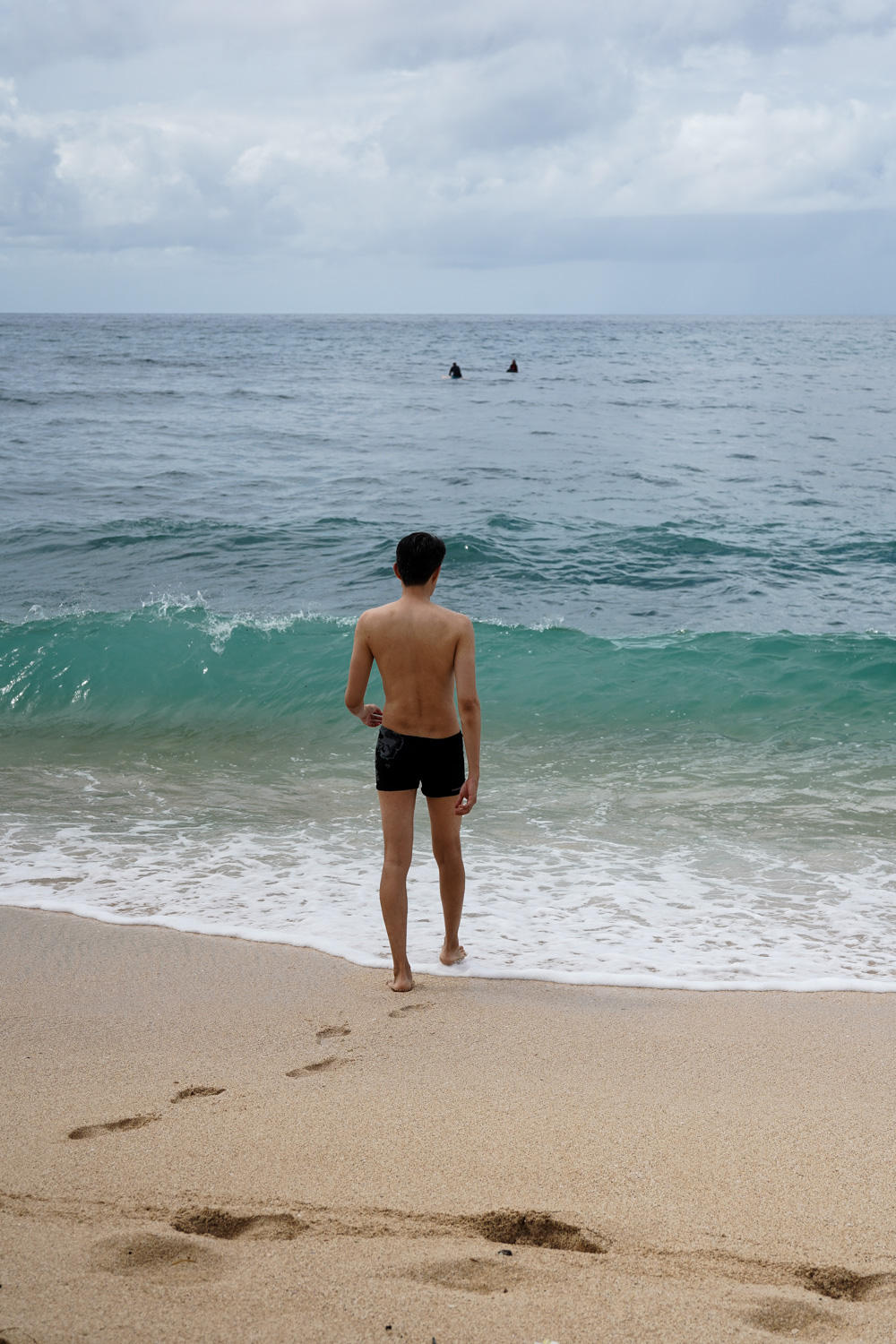
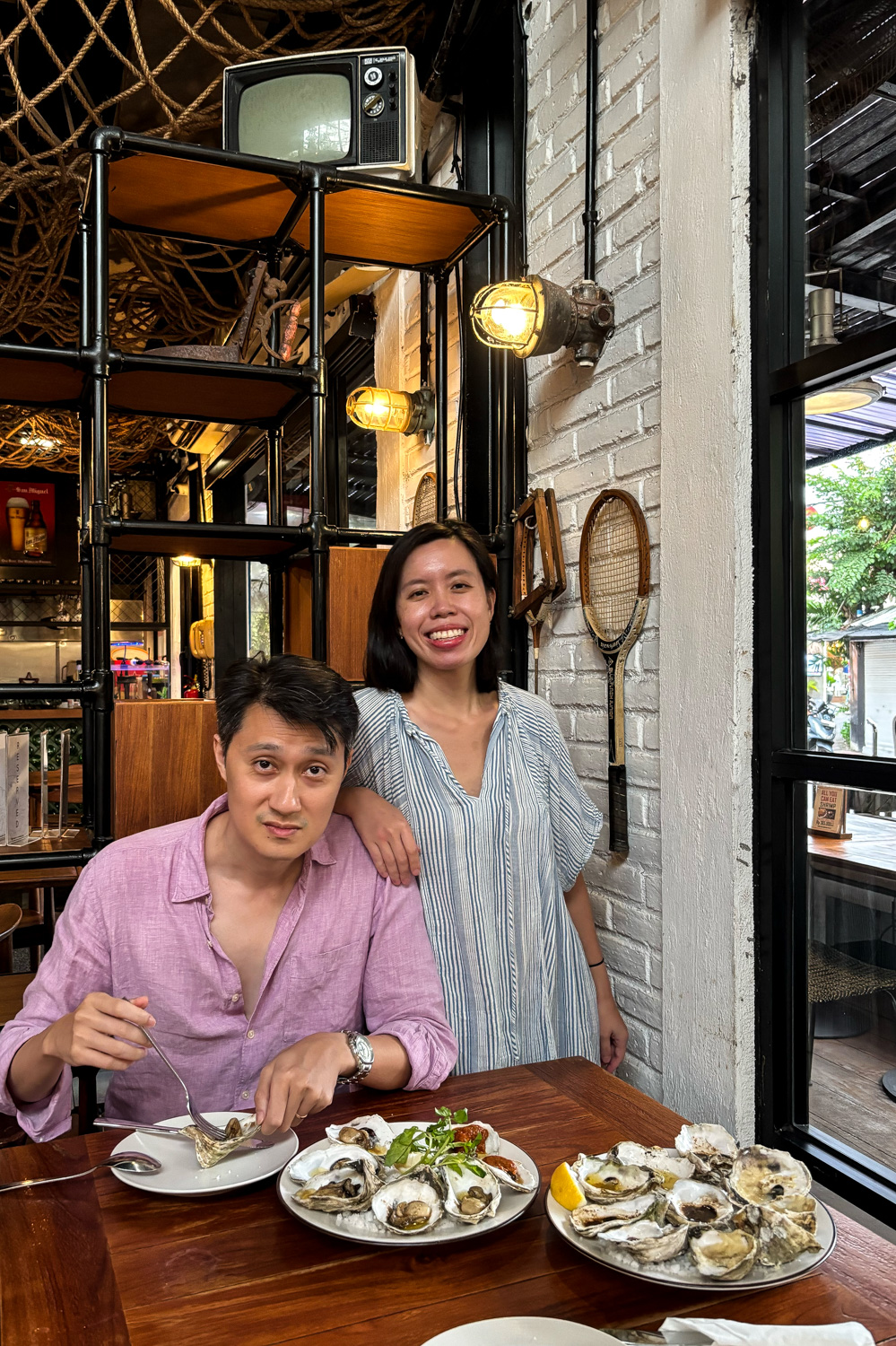
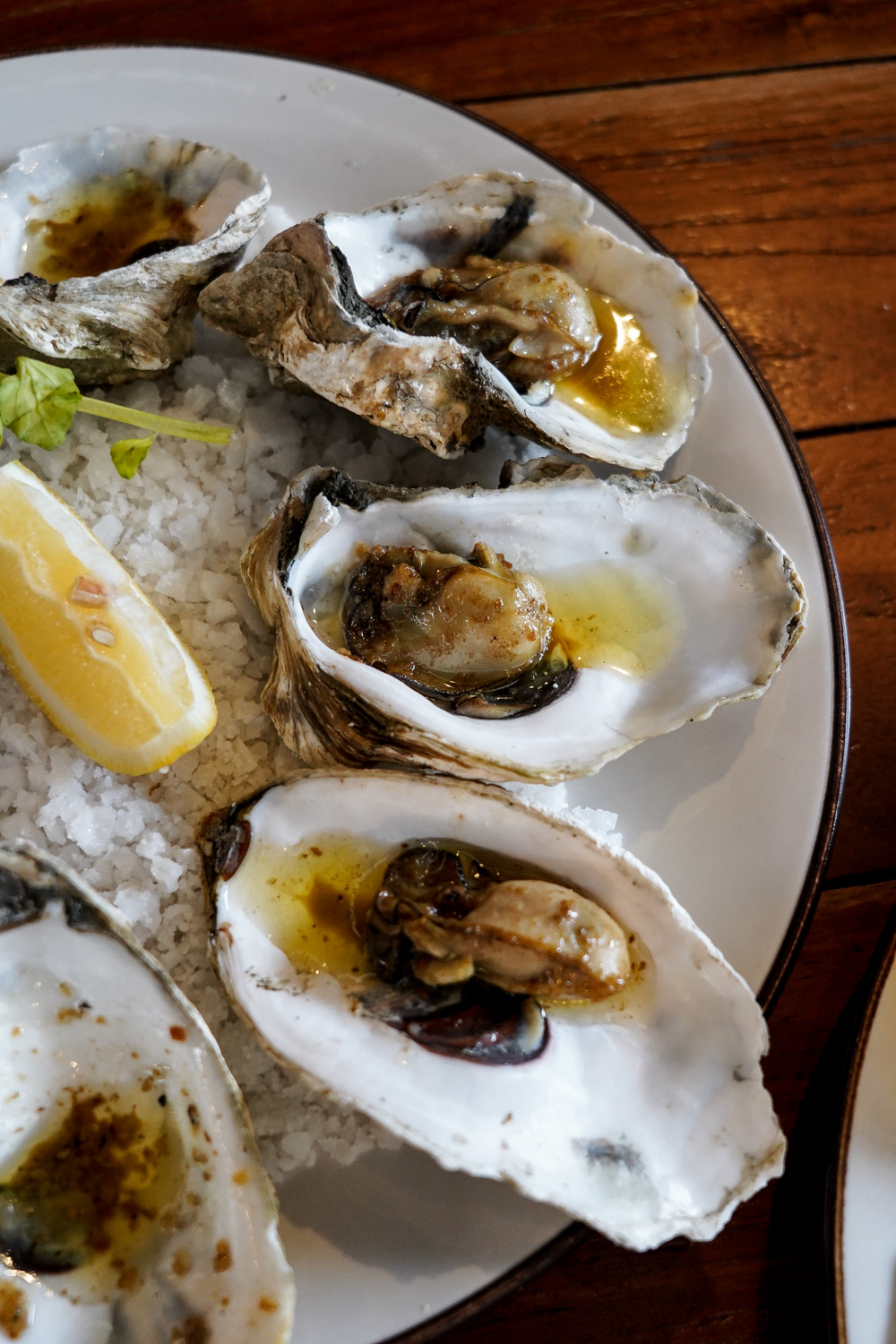
While my nephew splashed about in the pool with my father, Roy and I slipped away to Balangan Beach for the day. The grey clouds seemed to have followed us to the south and the waves were unexpectedly strong. This was good news for the surfers who wasted no time in swimming out to sea. We could only sit on the sunbeds and watch the waves crashing on the shore. It did bring with it a cuttlefish bone, which Roy proudly showed me. When we got back, we decided to treat ourselves to some grilled local oysters at Shrimpis before calling it a day.
DESA POTATO HEAD
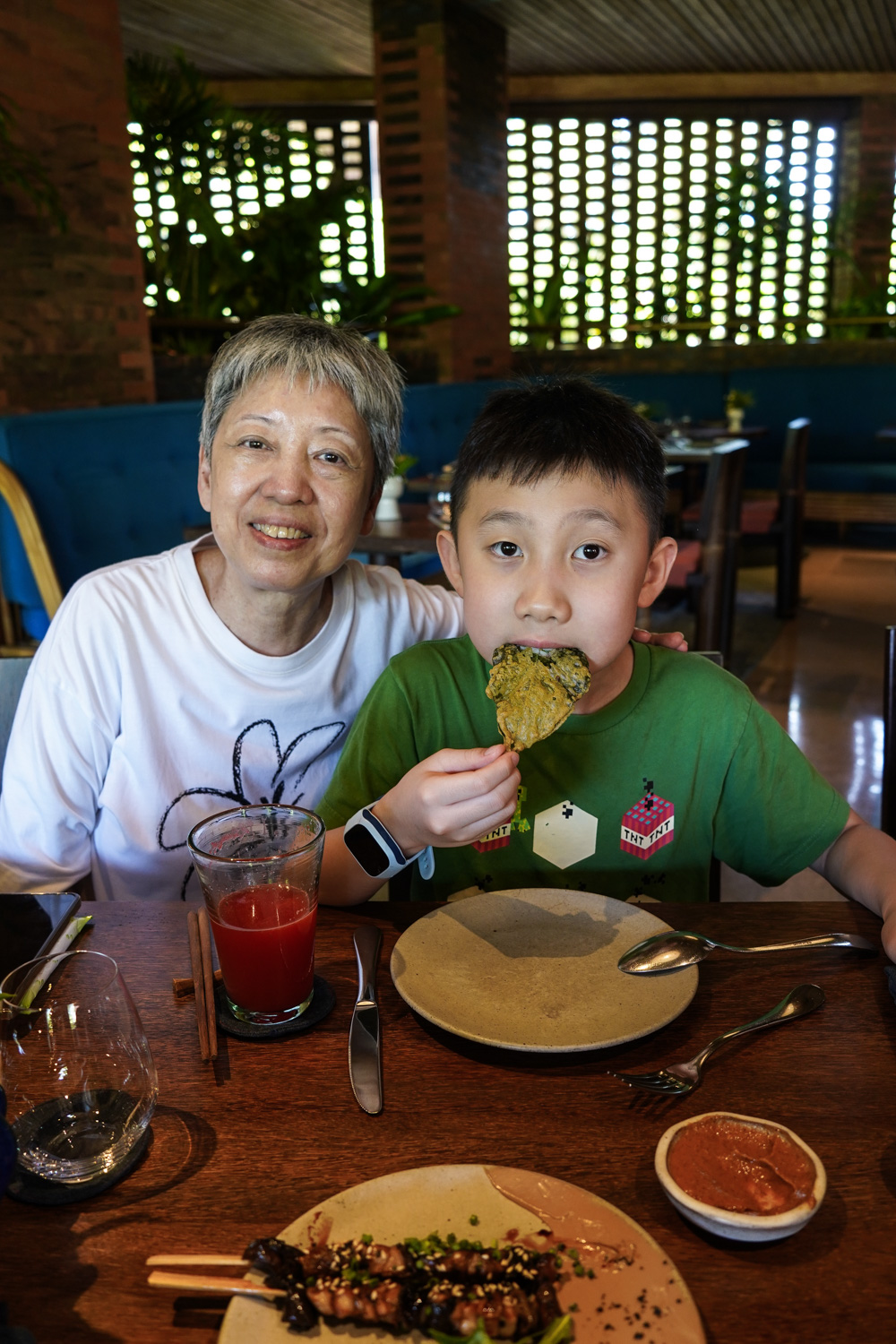
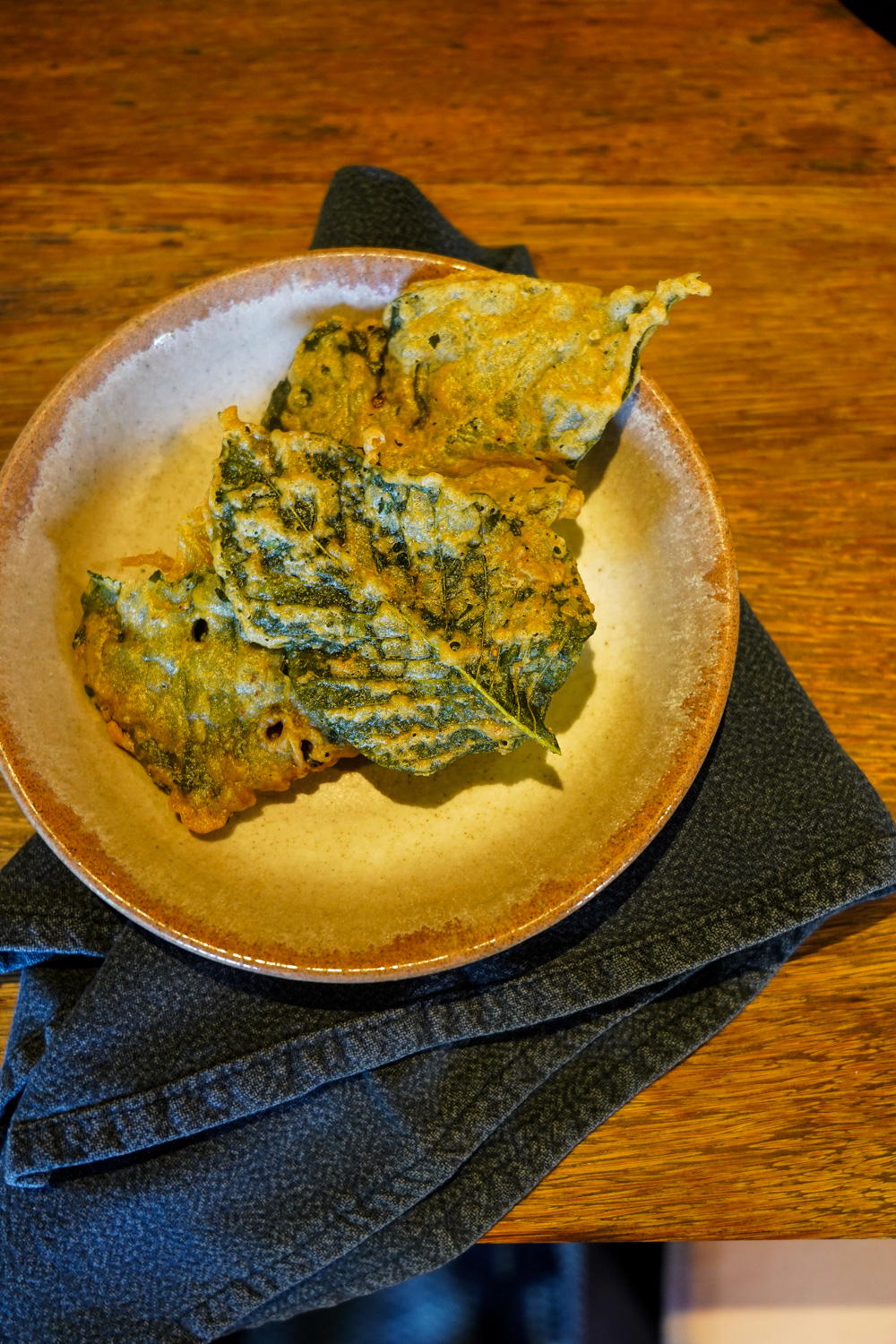
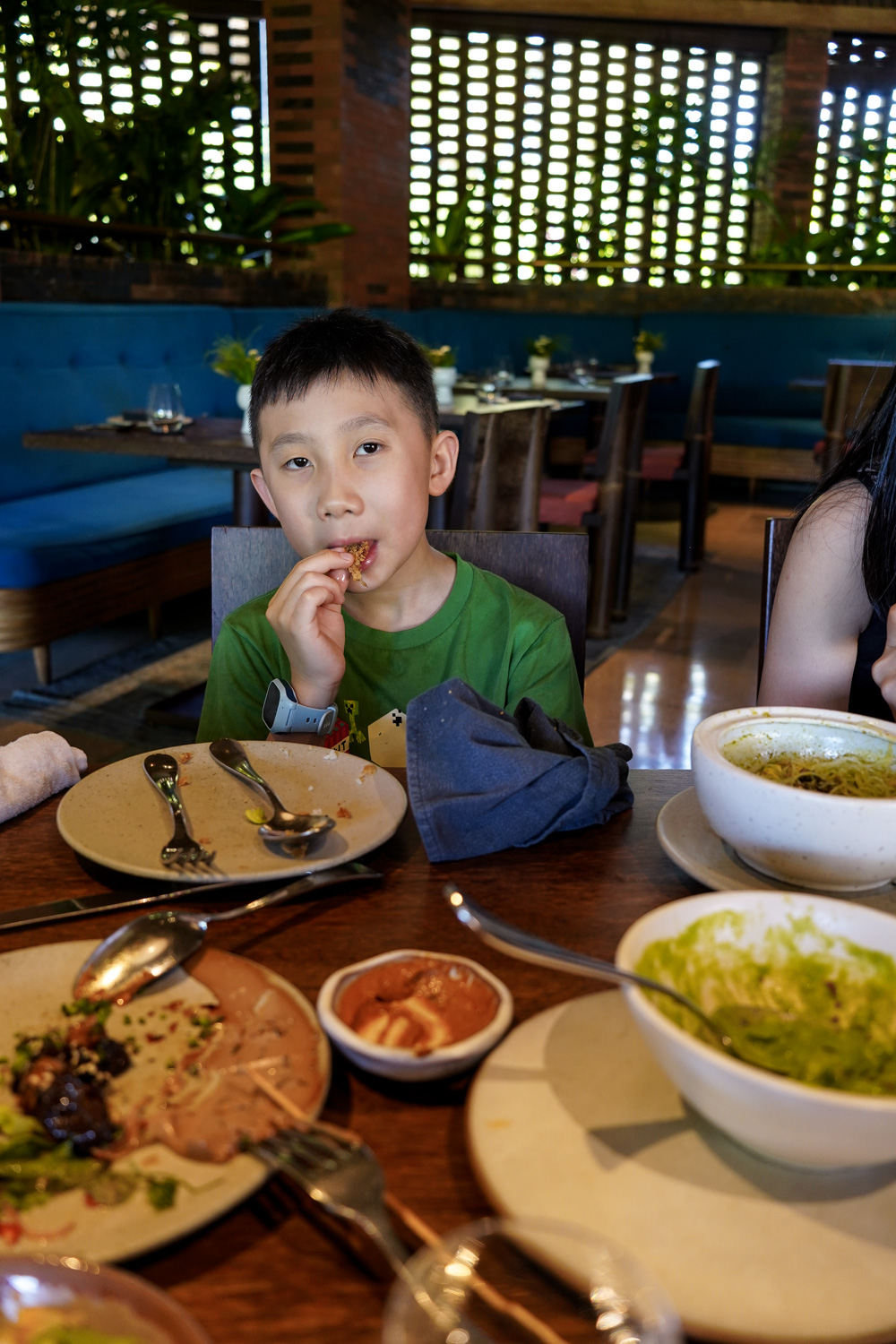
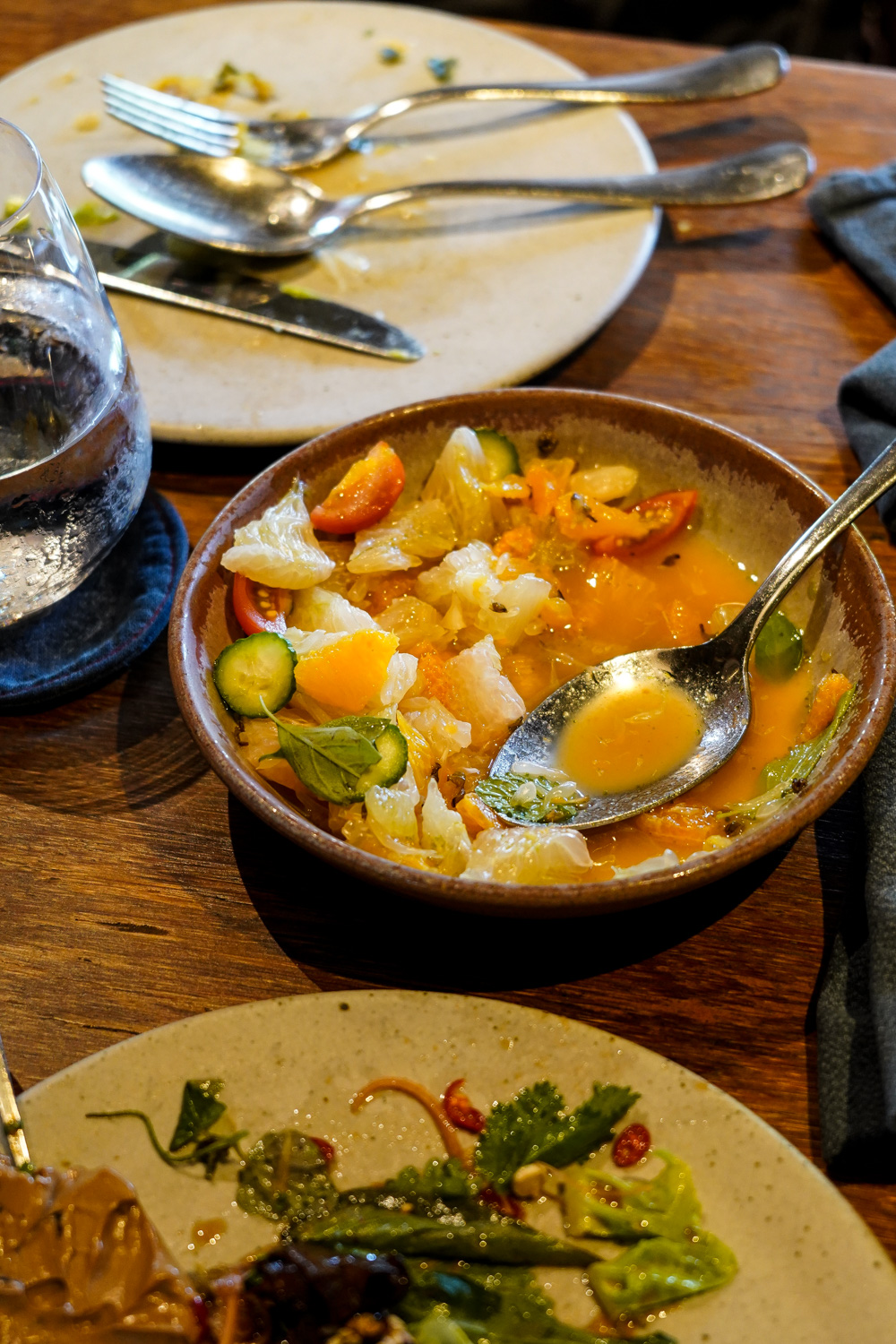
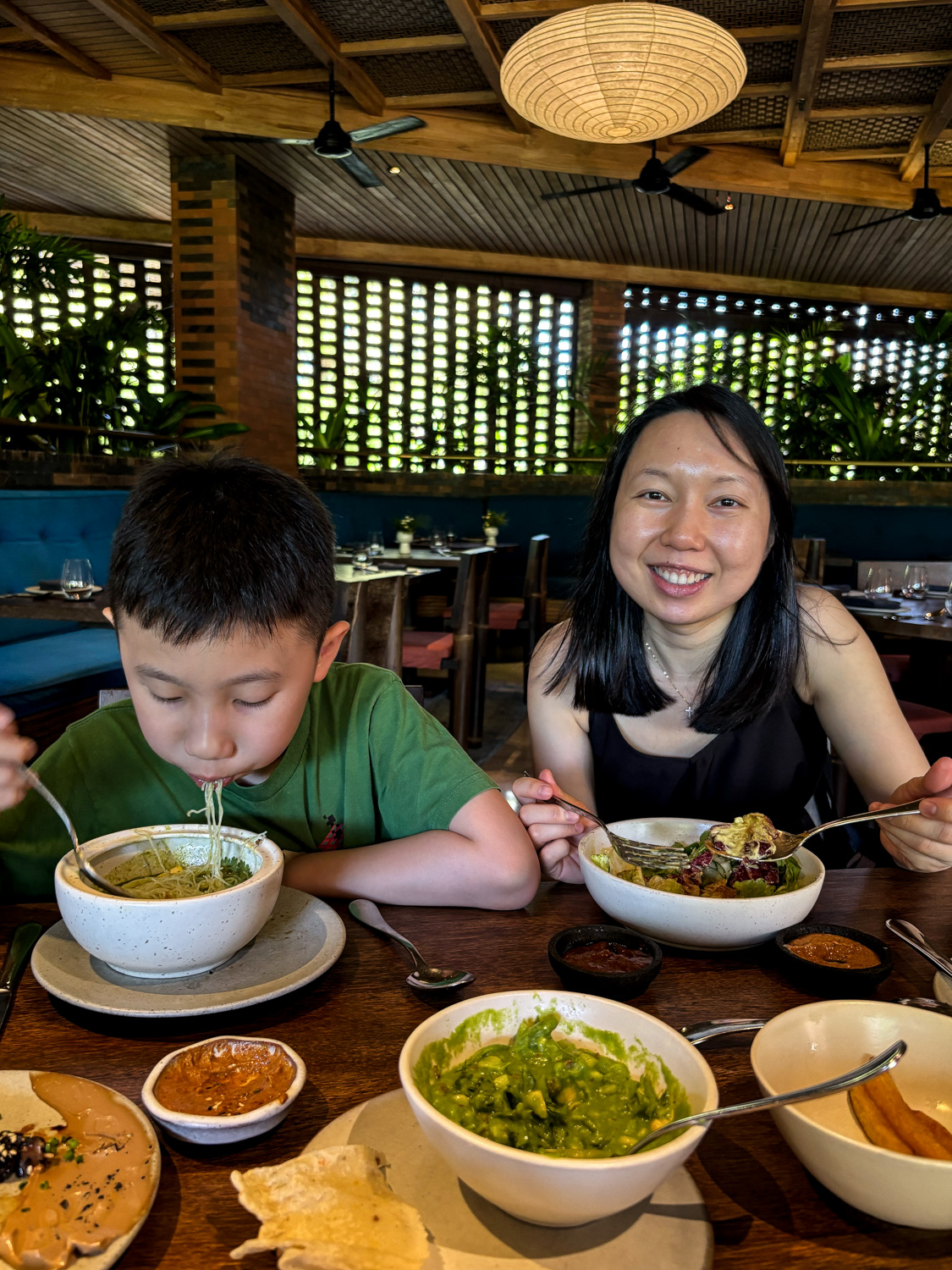
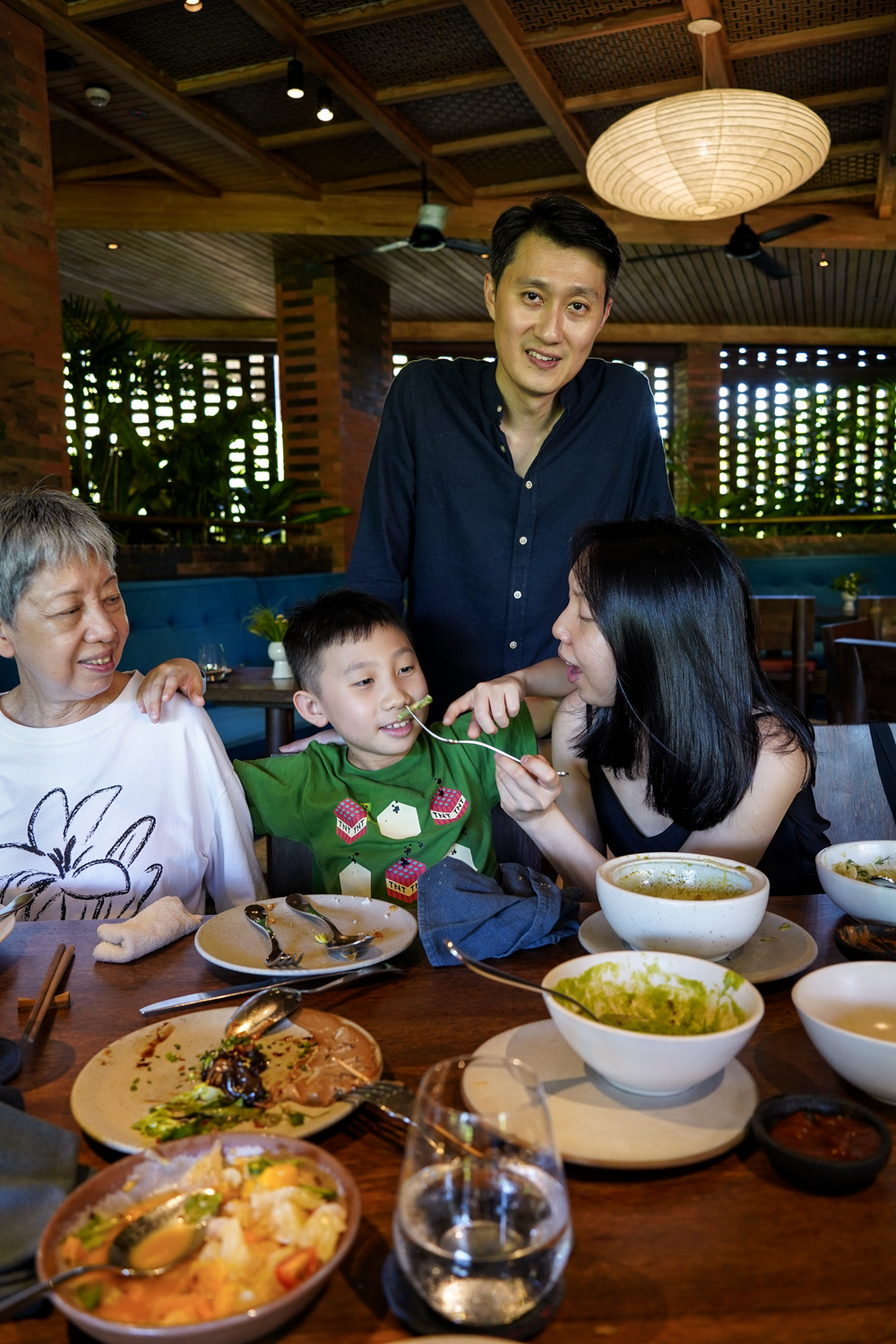
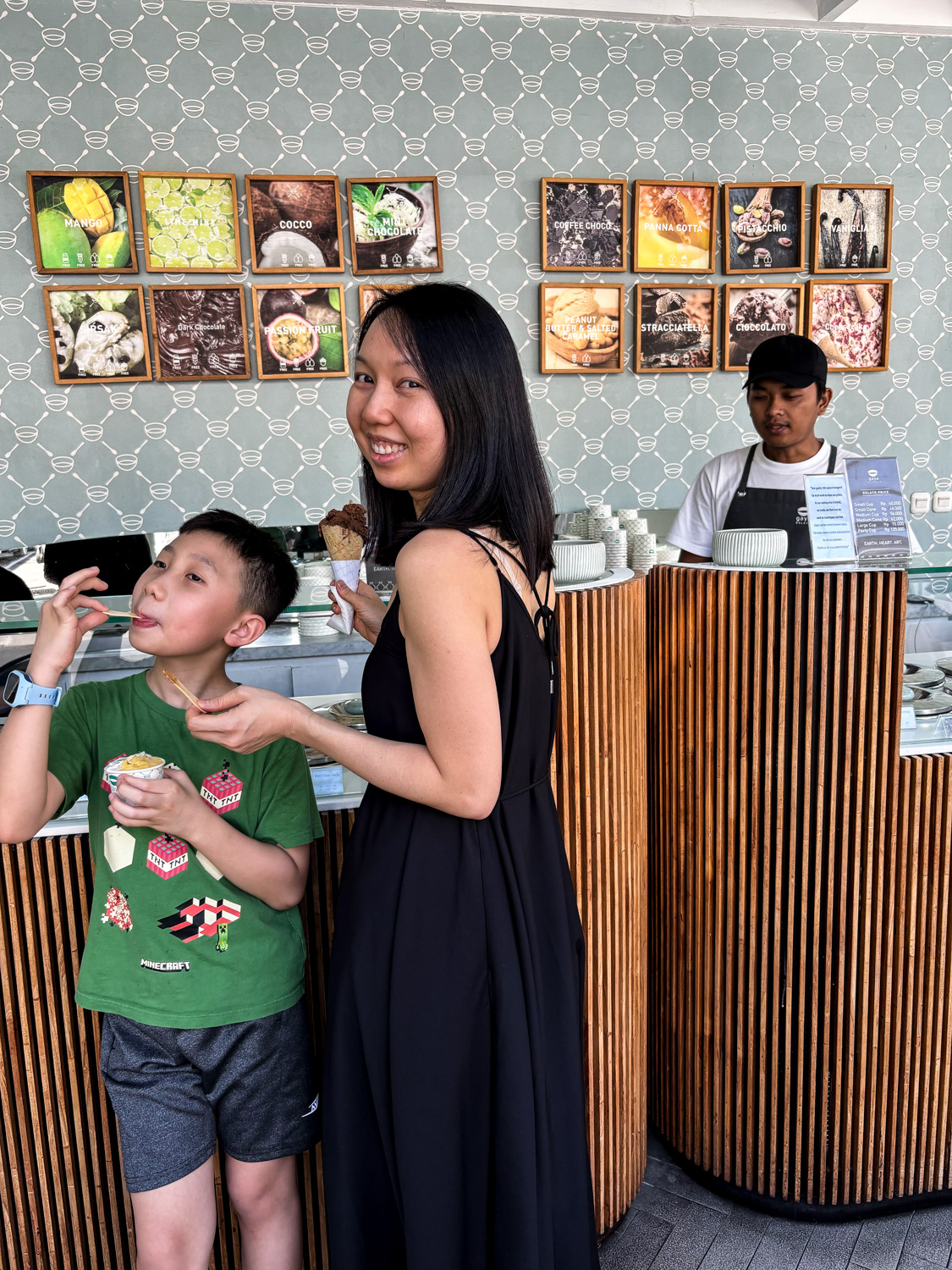
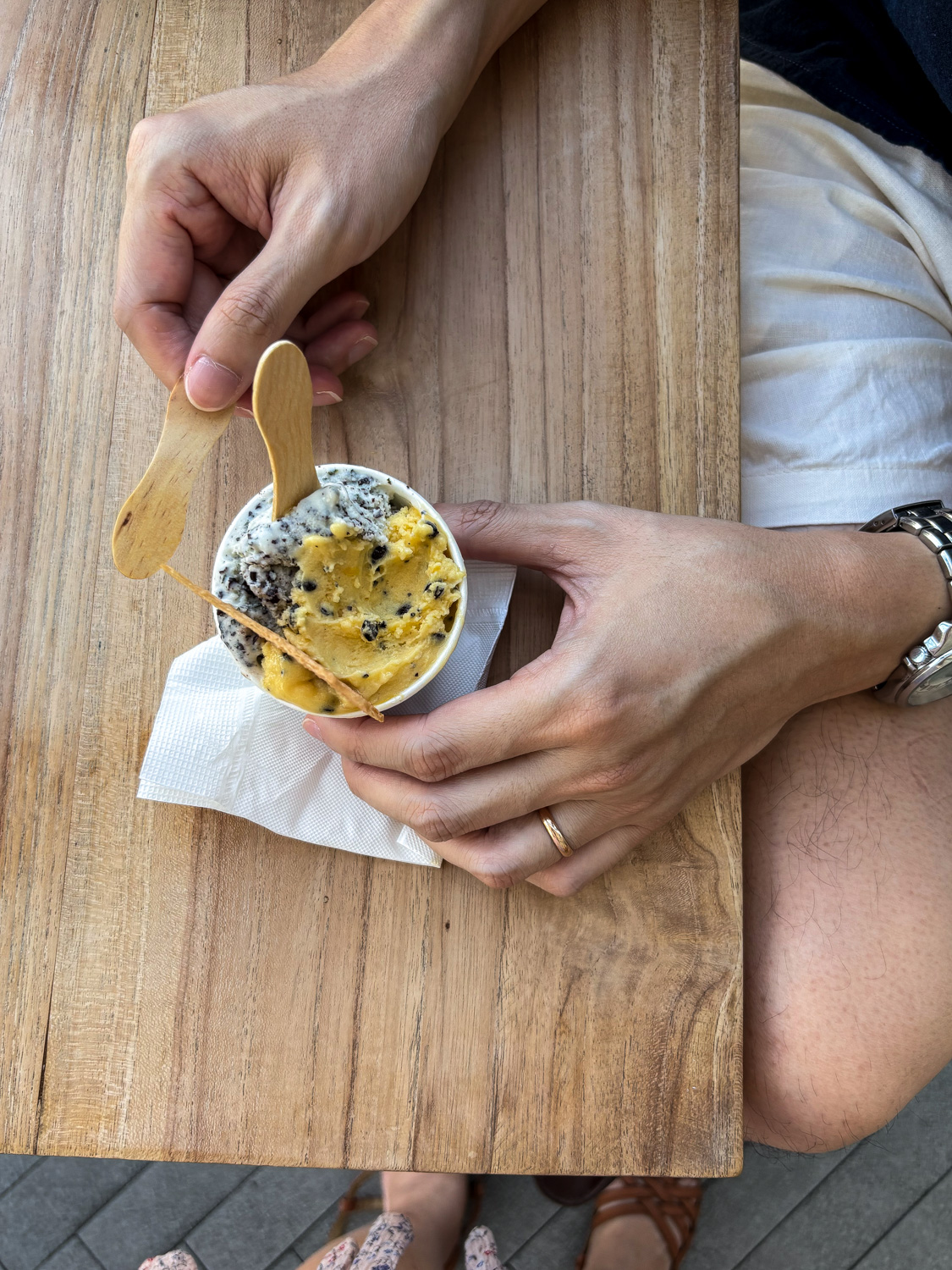
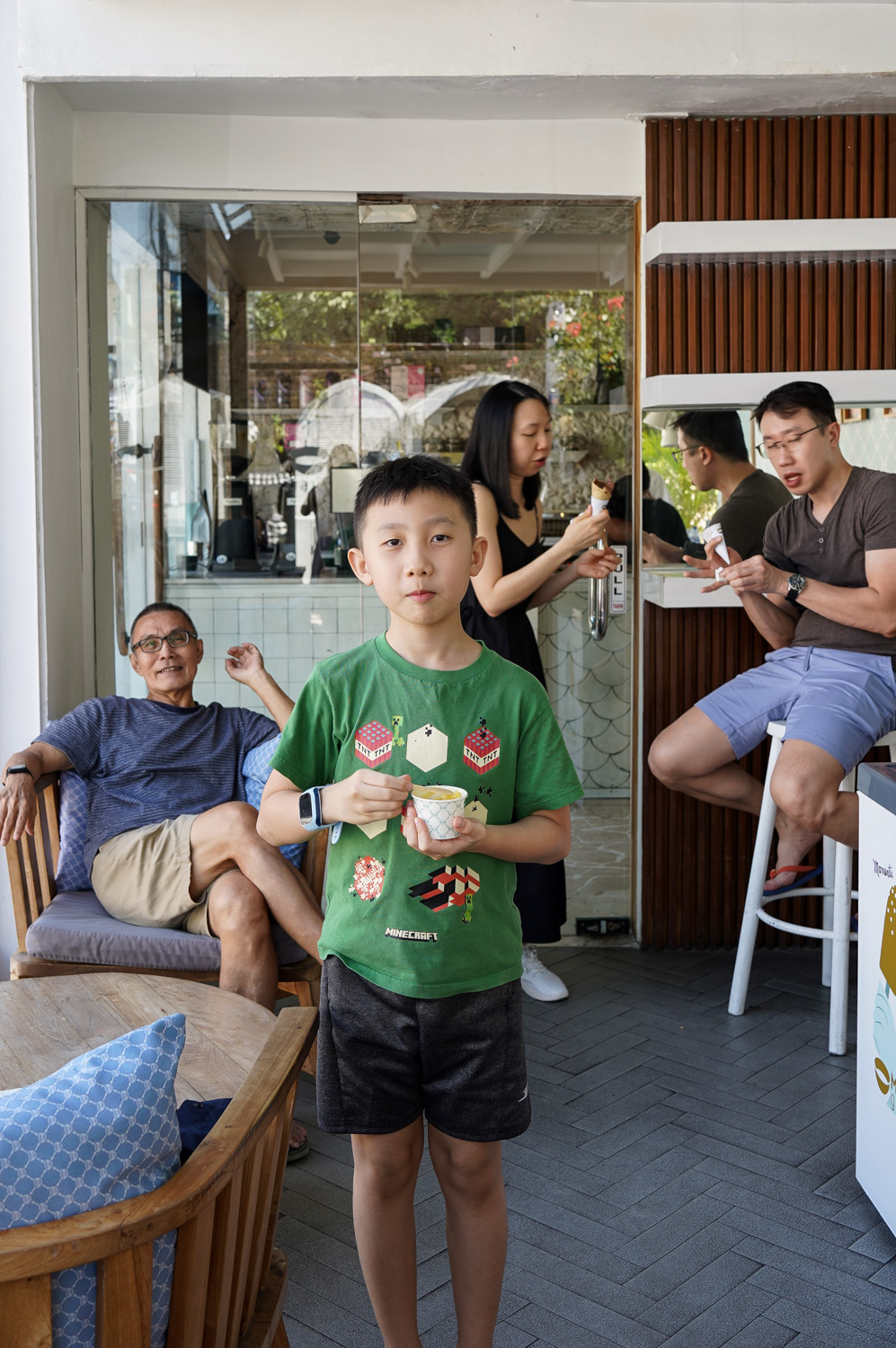
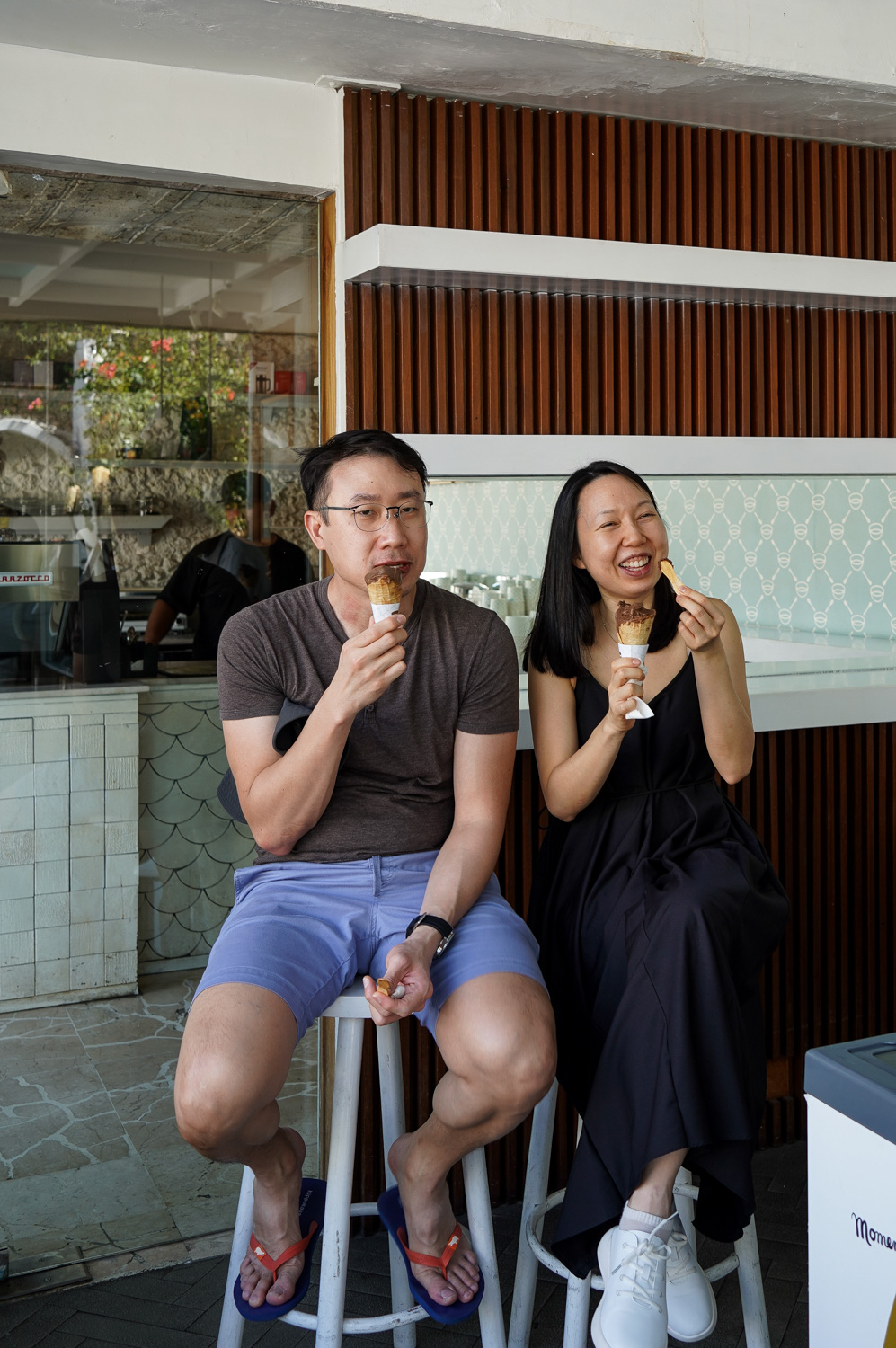
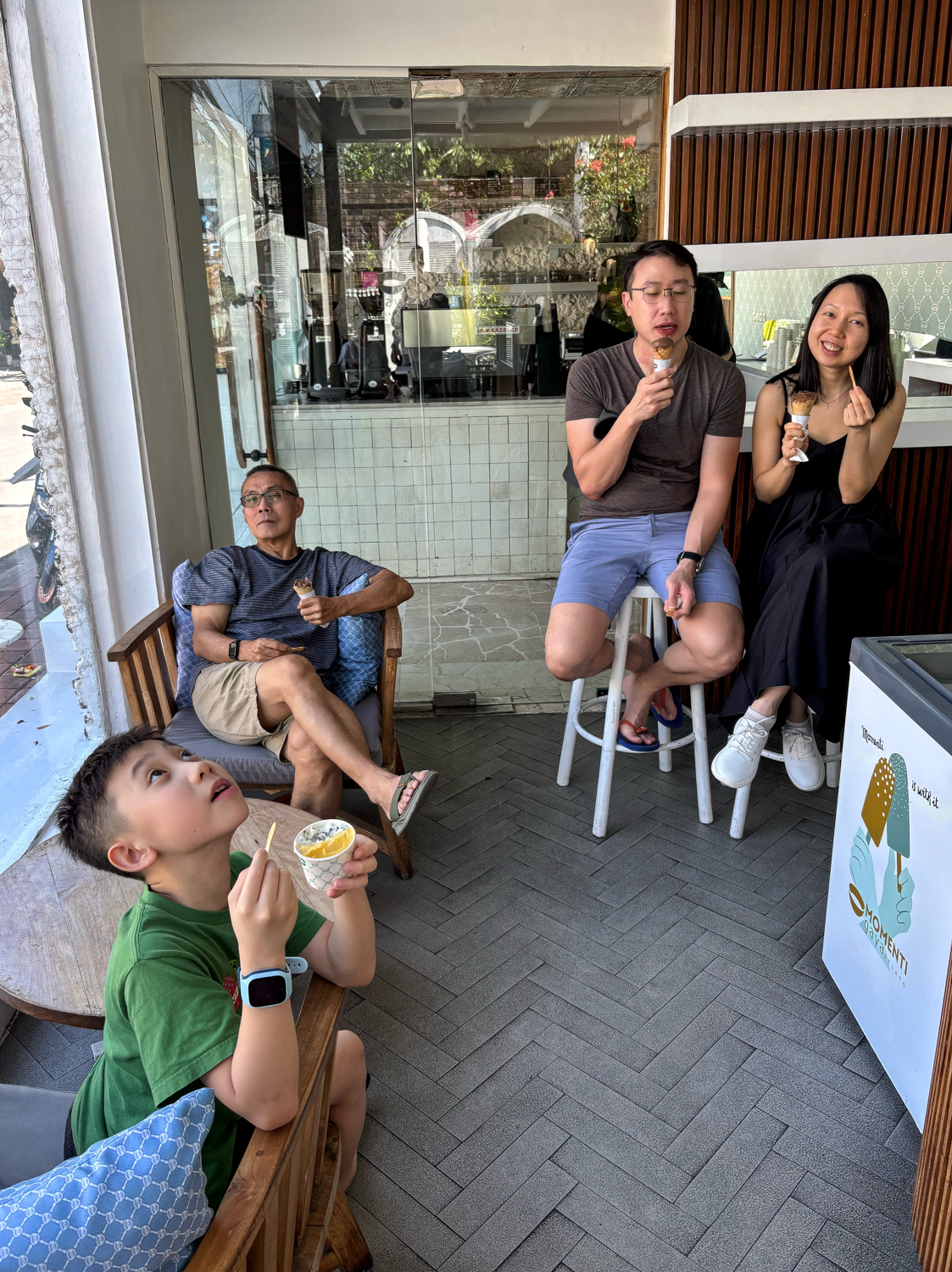
Food always draws me back to a place, as it does with my sister. She loves vegetarian food. So I promised her an entire plant-based meal at Tanaman. But most of all, it was our shared love of natural ingredients, inherited from our mother, that drew us to Tanaman and the other restaurants at Desa Potato Head. The Balinese take so much pride in their harvests and produce. Everything and anything from the land, down to the roots. Only Balinese ingredients: Banana ketchup. Broccoli guacamole. Tempeh sandwich with sambal ketchup. A gorgeous salad of Balinese orange varieties. Amaranth leaves fried crisp into a snack, which was snapped up in moments under my nephew’s lingering gaze. For Wilmer, the real magic was the ambience that had a way of enveloping us warmly. Even as we went to Gaya Gelato, I was firmly set on returning someday.


































 Eat Look Travel Book