Food & Travel Guide to Nimes, France – What to See, Eat & Do

France

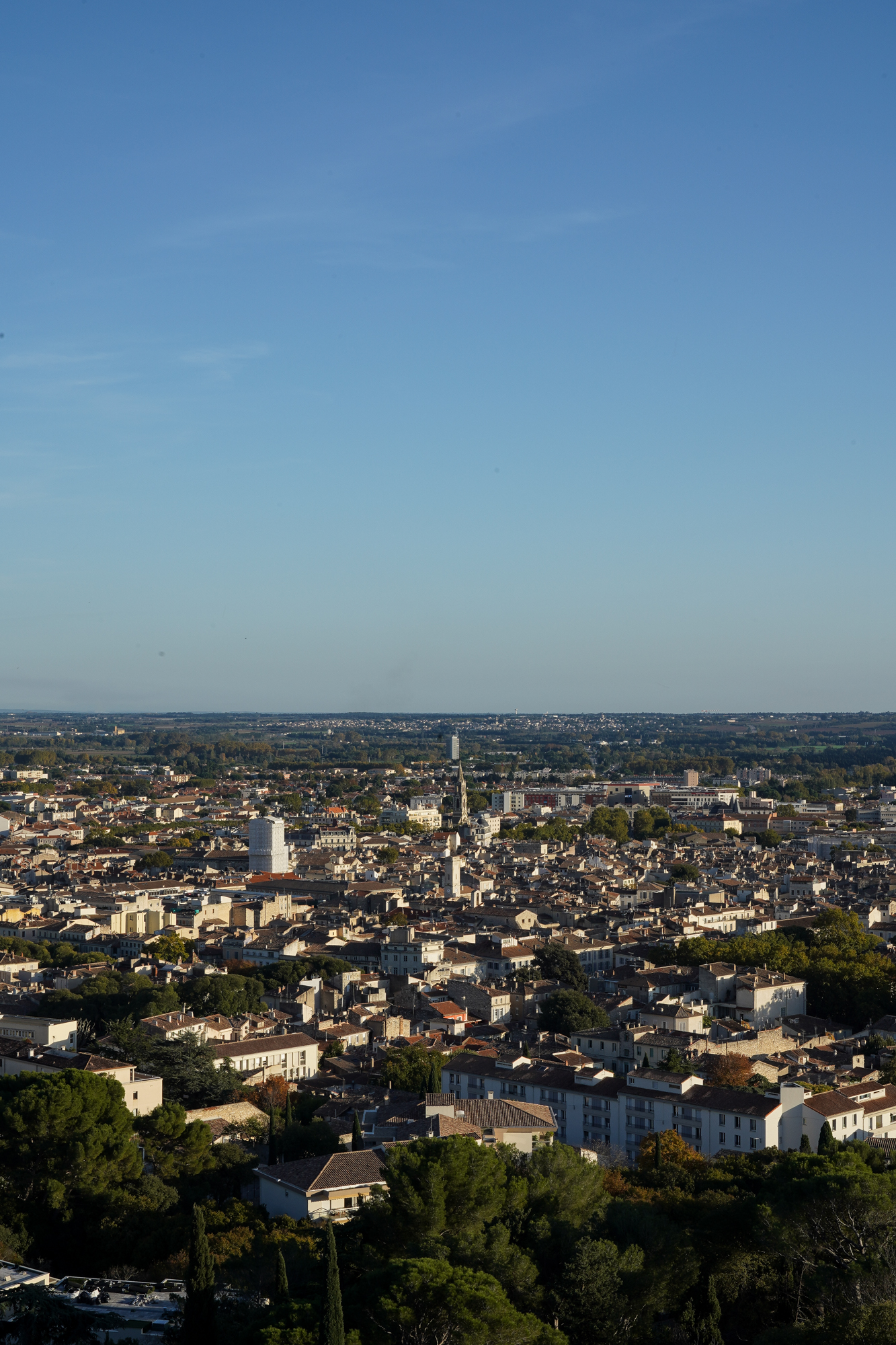
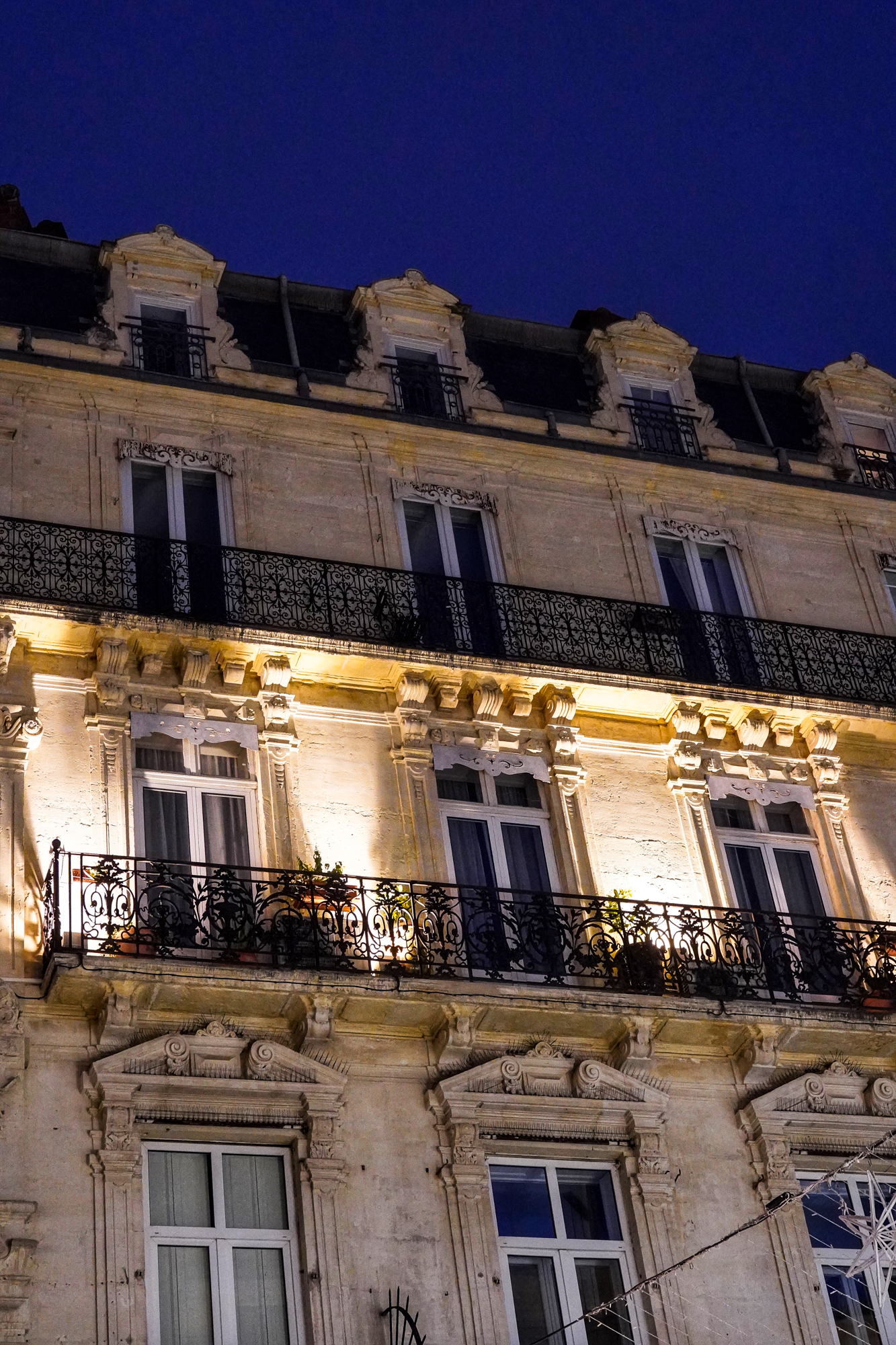
I call Nimes the most Roman of all French cities. At every Boulevard and every Rue, there is an artefact of Roman history. Being a traveller of history, Roy had a plan: to see all of the Roman landmarks in Nimes. It was ambitious and we only had one day. I was trailing Roy as he went from landmark to landmark. From the Amphitheatre of Nîmes to the Tour Magne, passing by the Jardins de la Fontaine along the way. We had to climb up the cobblestoned stairs for a view of the city. Us in our flats and a perfectly coiffed woman in her stilettos. All the way I was following Roy, half arguing with him on whether we could make it to the Museum Romanité in time. I was certain that we would not. While I hate to admit it, Roy was right. We did ultimately reach the museum just as the doors closed at 6 pm and right before dinner, we saw the Maison Carrée along with its sparkling lights

DSC01172_edited

DSC01167_edited

DSC01171_edited

DSC01189_edited

DSC01180_edited

DSC01181_edited

DSC01199_edited

DSC01178_edited

DSC01176_edited

DSC01184_edited

DSC01195_edited

DSC01196_edited

DSC01204_edited

LE CHABANAIS 

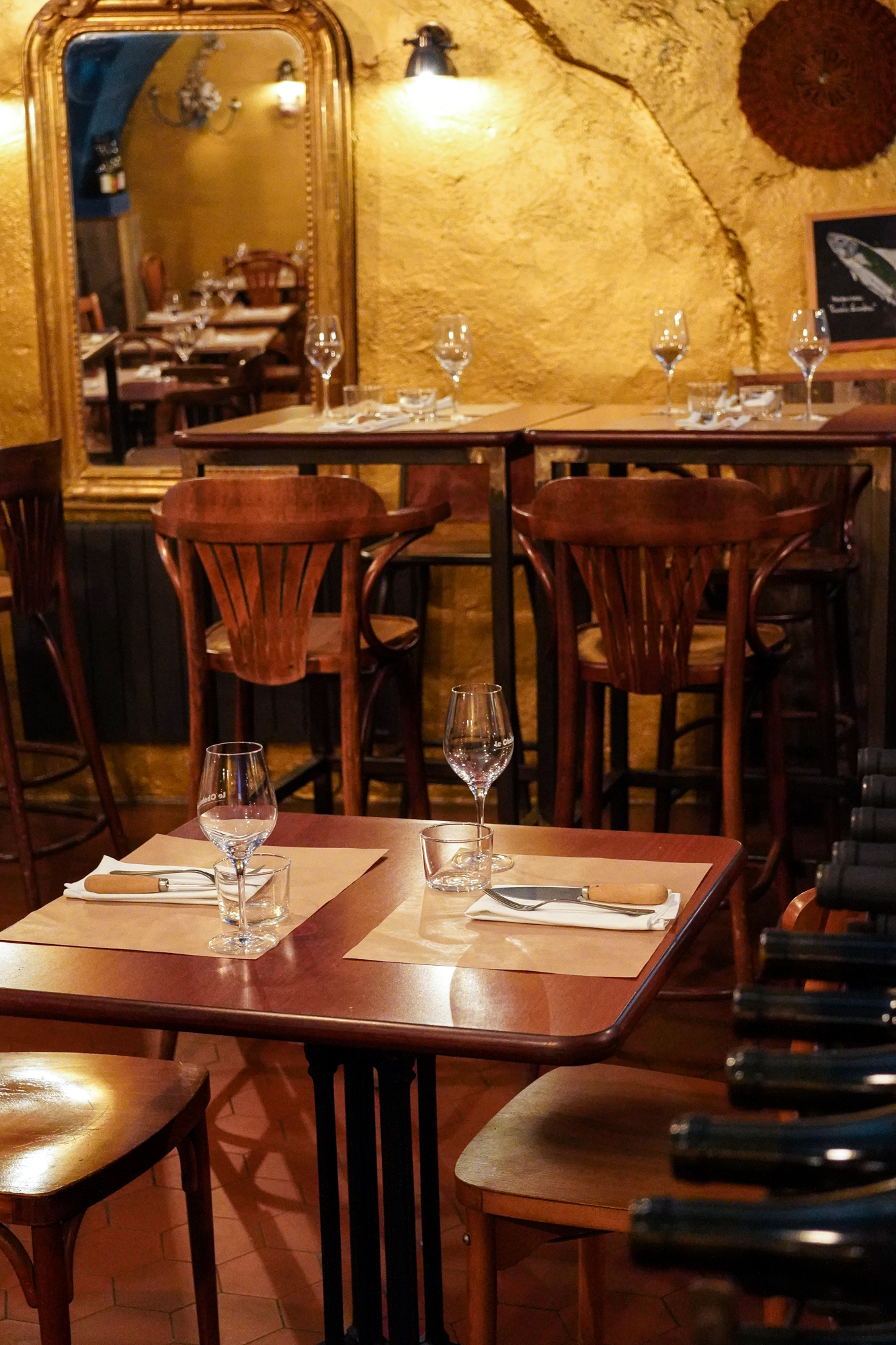
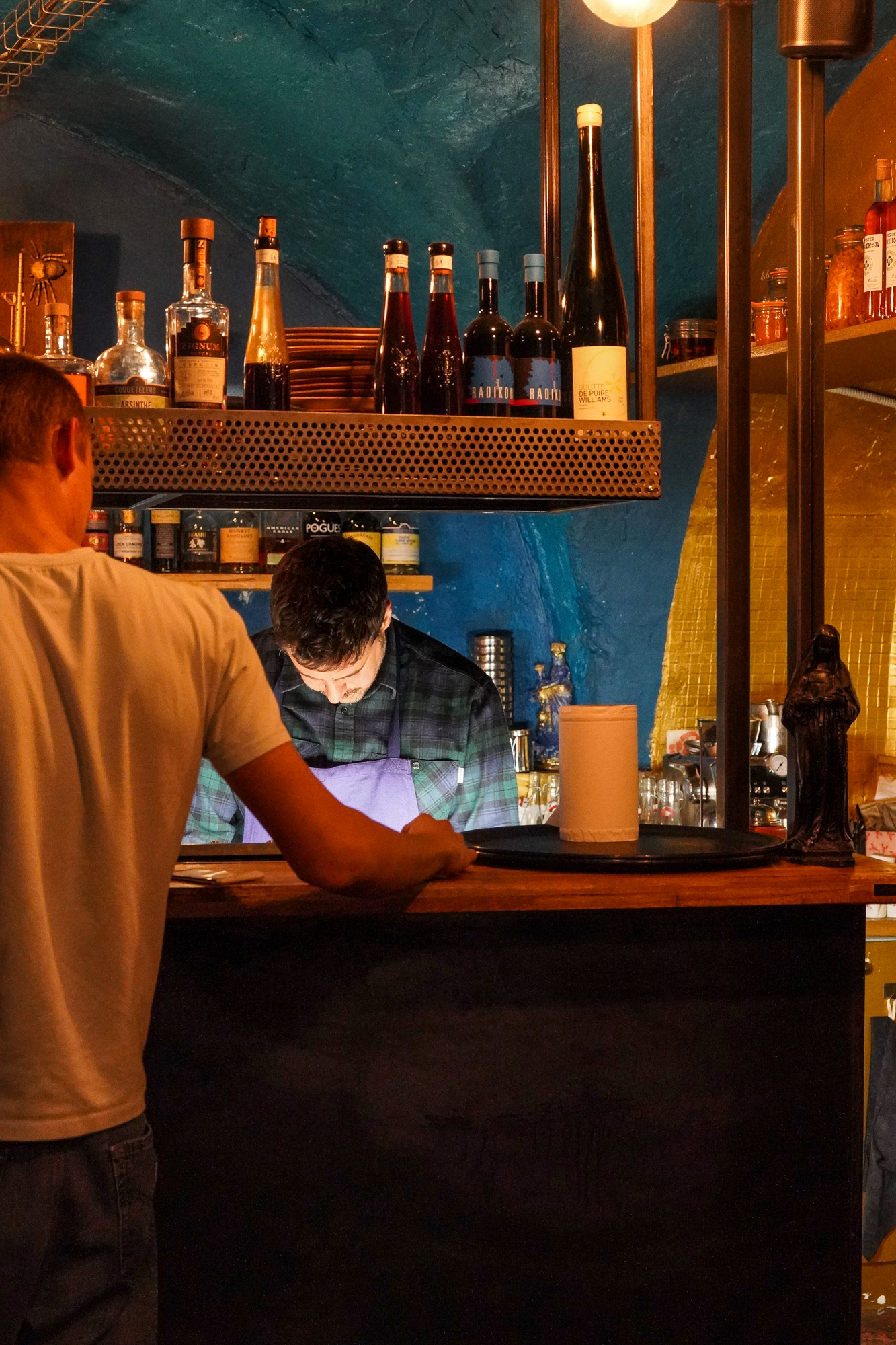
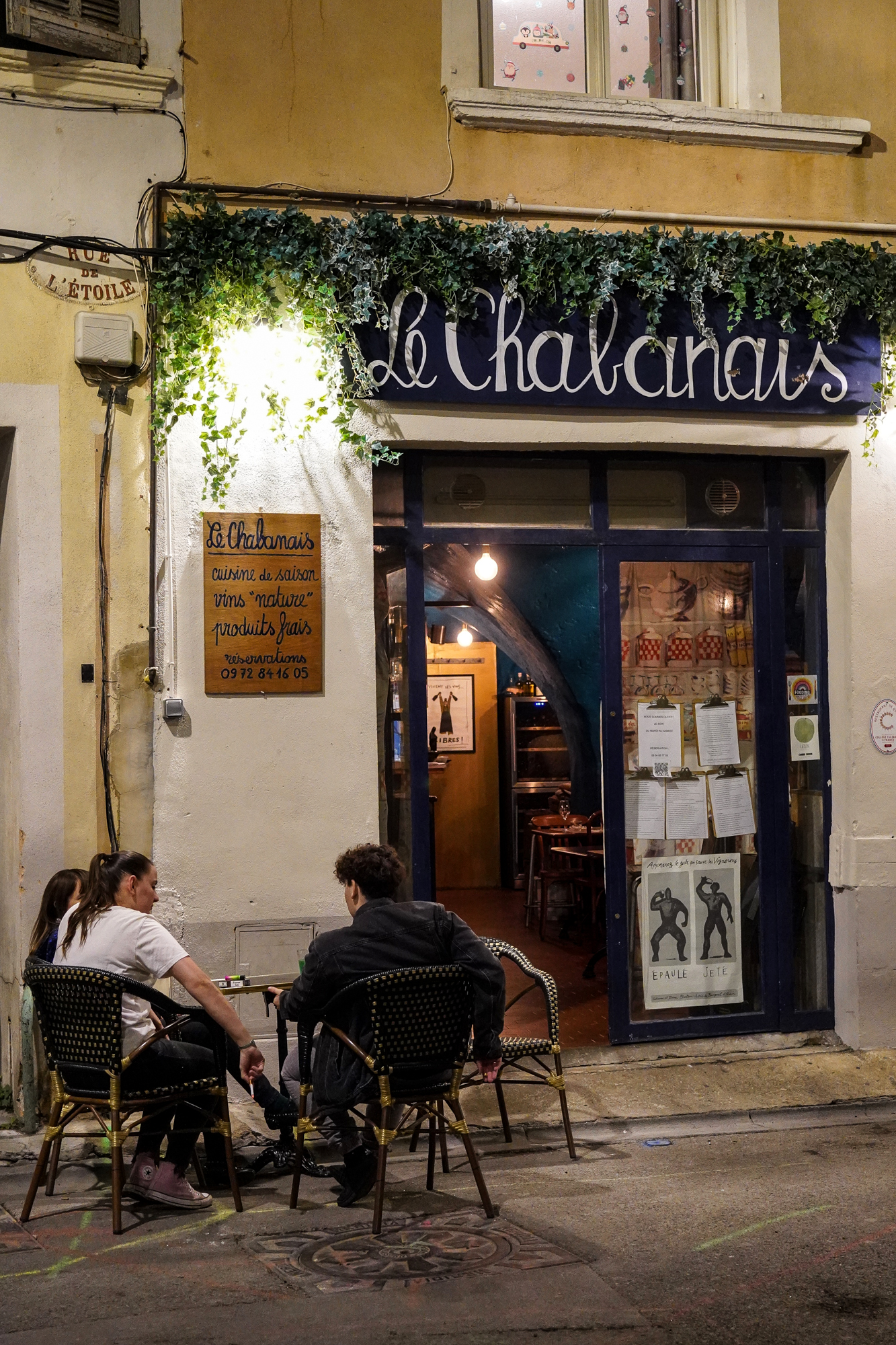
When we were at Le Chabanais, there were plenty of cabbages and mushrooms. It was fall, a time for something wet and earthy. Everything on the menu was either a tapa or a drink, the former being obligatory. There we were, enjoying our tapas – brioche with candied wild boar, feta cream and honey-harissa; oysters and jambon serrano wrapped in cabbage; veal tataki with orloff sauce and chive cream; pita souffle with yogurt and chives – when we decide to have another look at the menu. As always, we ordered more than our appetites could afford. We were barely through with what was on the table when a hunk of breaded pork loin flavoured with chanterelles, currants and pickled pomegranates came our way. It took only a moment of greed for tapas to become a feast.

Days later, we were still talking about the oysters and jambon serrano wrapped in cabbage. A combination that tasted out of this world. 
DSC01205_edited

DSC01207_edited

DSC01211_edited

DSC01223_edited

DSC01208_edited

IMG_1884_edited

DSC01214_edited

DSC01226_edited

DSC01225_edited

Food & Travel Guide to Montpellier, France – What to See, Eat & Do

France

This is less of a food and travel guide and more of our time spent in Montpellier. A short 24 hours of bistro food, gothic buildings and oysters

DSC00921_edited

IMG_5999_edited

BROC CAFE

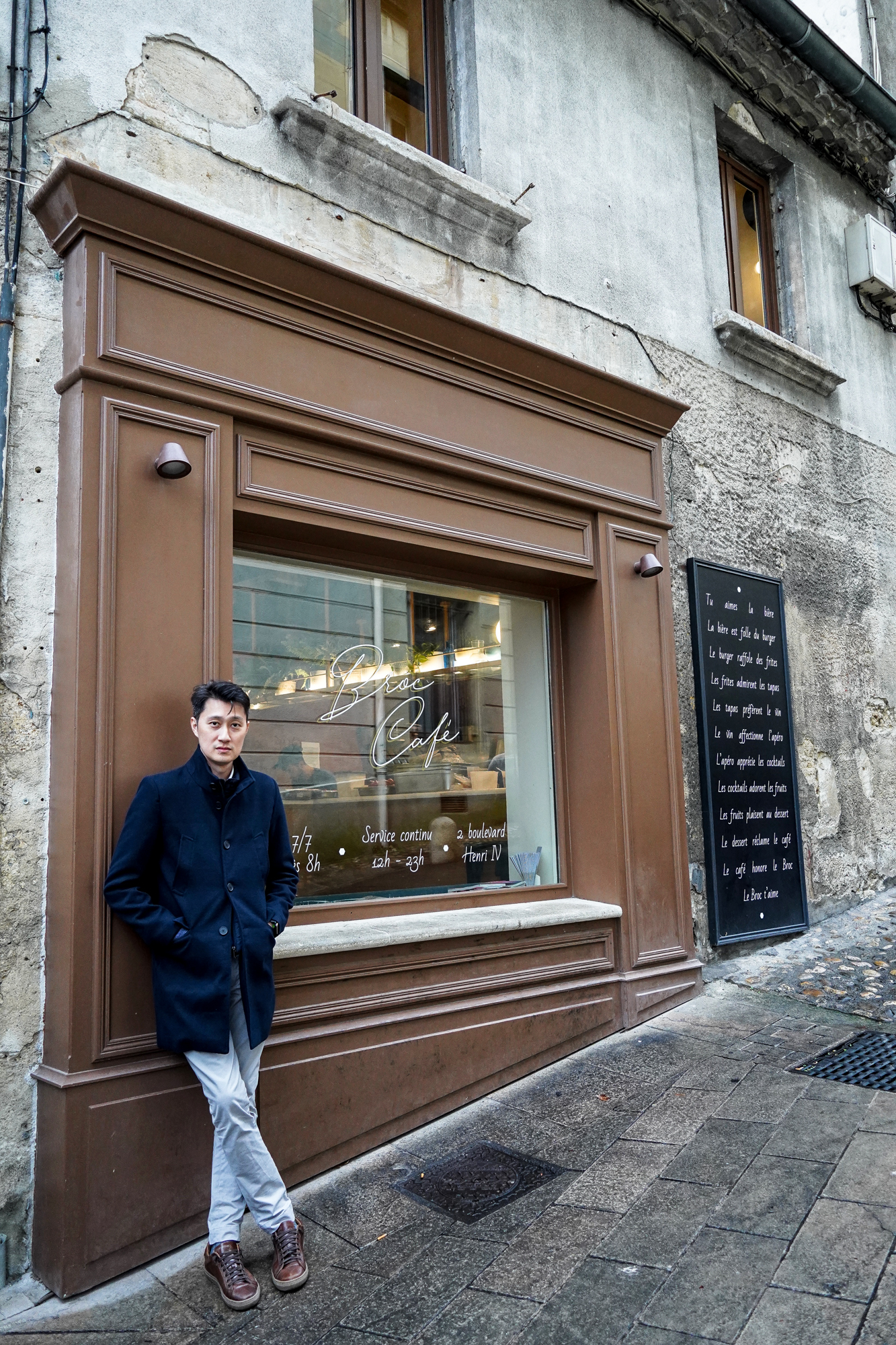
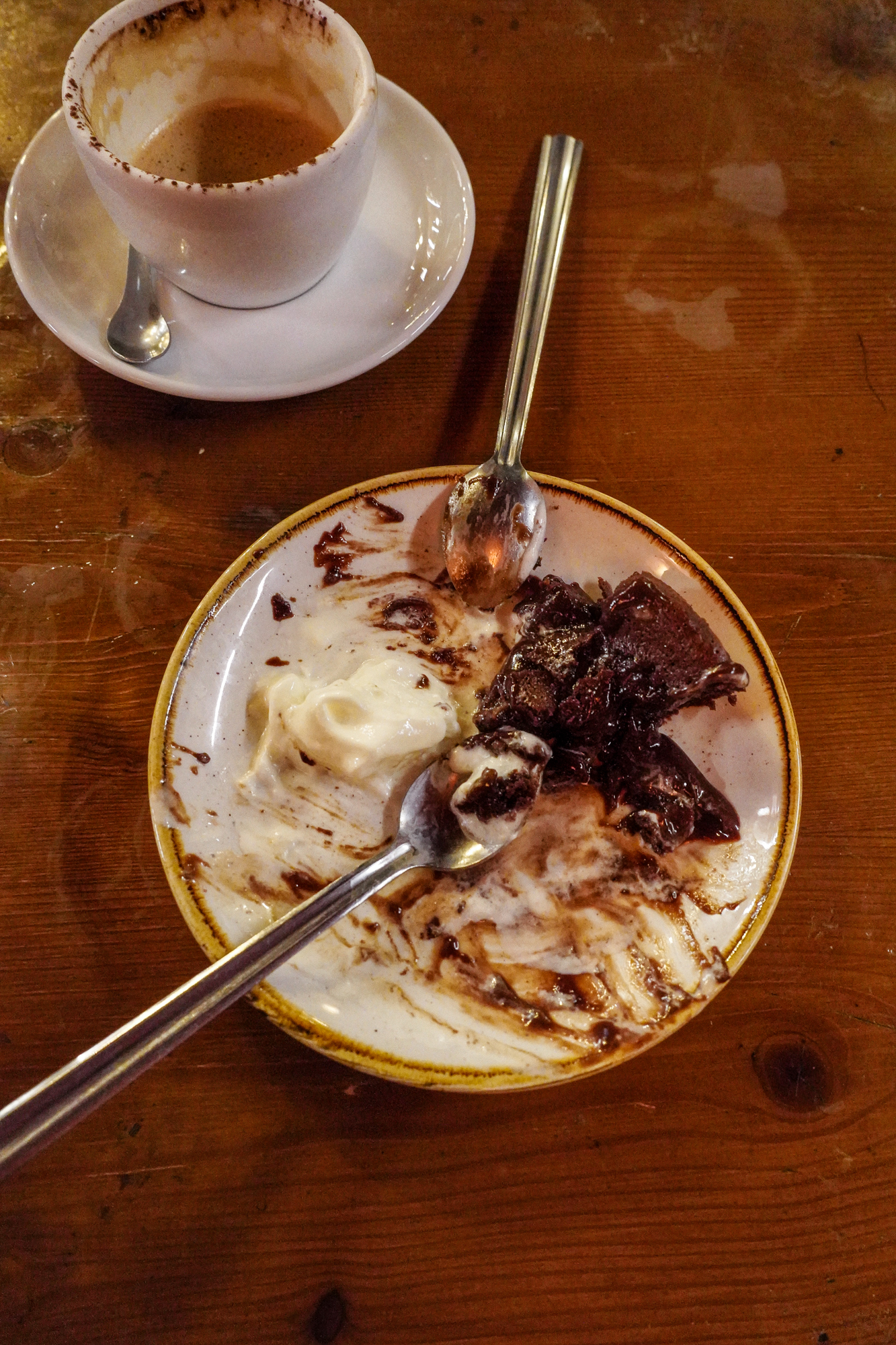
When we reached Montpellier, we were hungry. It was only 4 or 5 pm. Somewhere between lunch and dinner. I needed something sweet and Roy had to have his coffee. A cafe perhaps? It was the only agreeable place at that time. So we shuffled into Broc Cafe where students from the nearby university were enjoying frites, roasted camembert and wine. After a cappuccino and a chocolate cake with a side of cream, we decided to take a look around the city. As we were leaving, a teenager with tousled hair and gold-rimmed glasses was slicing bread for dinner. Next to him, the cooks were prepping the beef on the grill for their burgers oozing with Saint-Marcellin cheese. I knew there and then that we were coming back for dinner.

DSC00902_edited

DSC00908_edited

DSC00910_edited

DSC00911_edited

DSC00912_edited

DSC00925_edited

COQUI THAU 

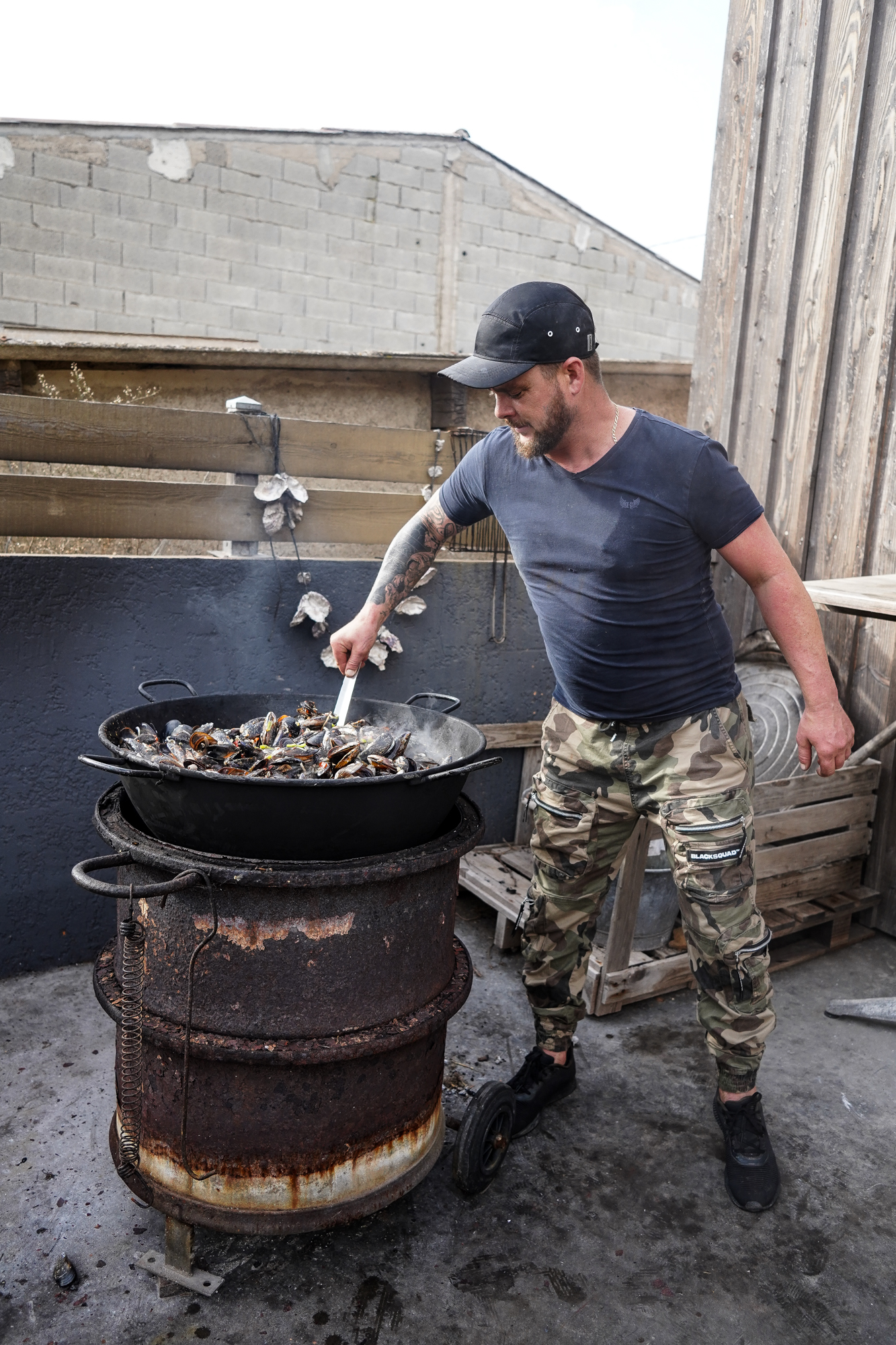
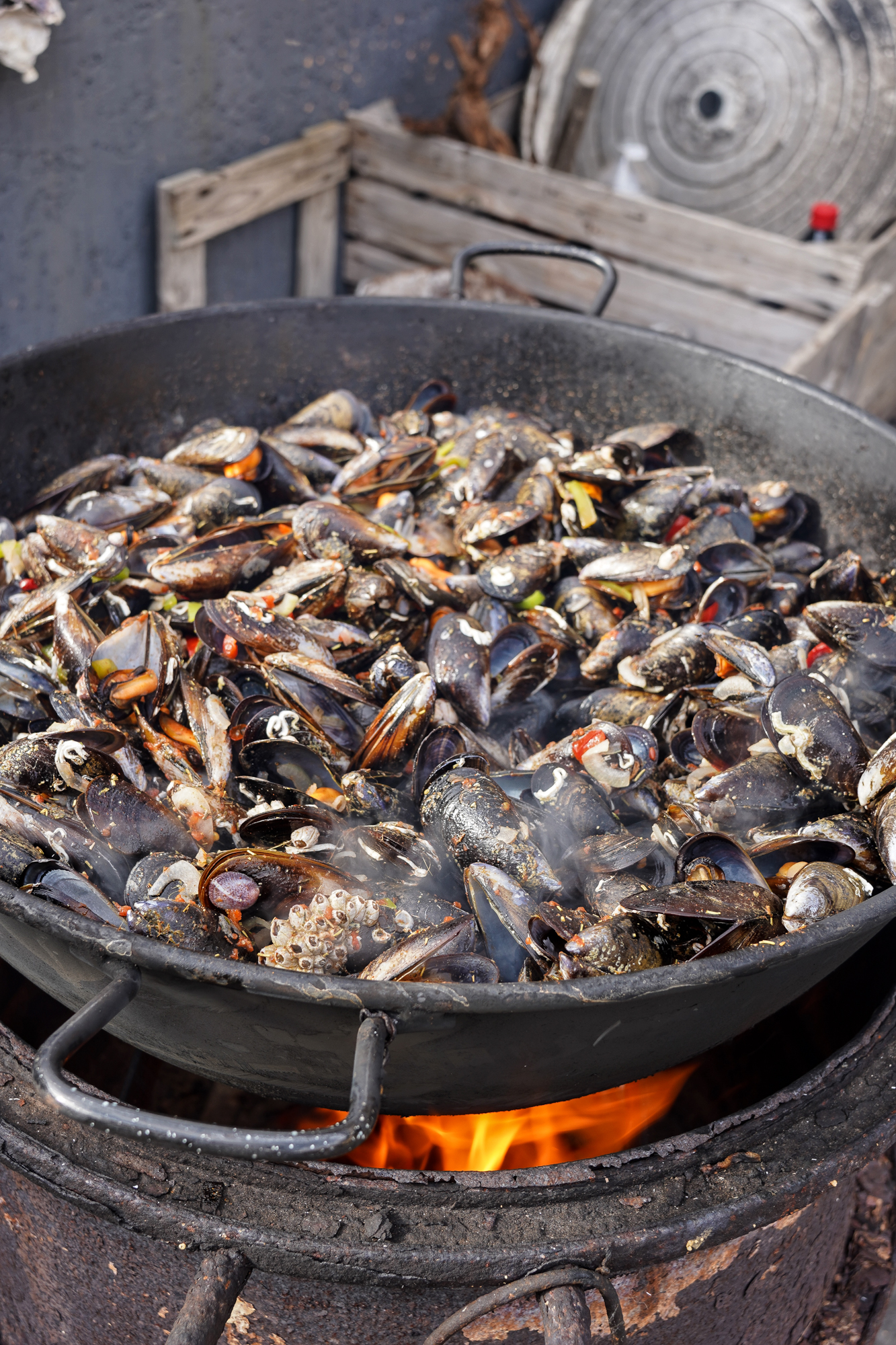
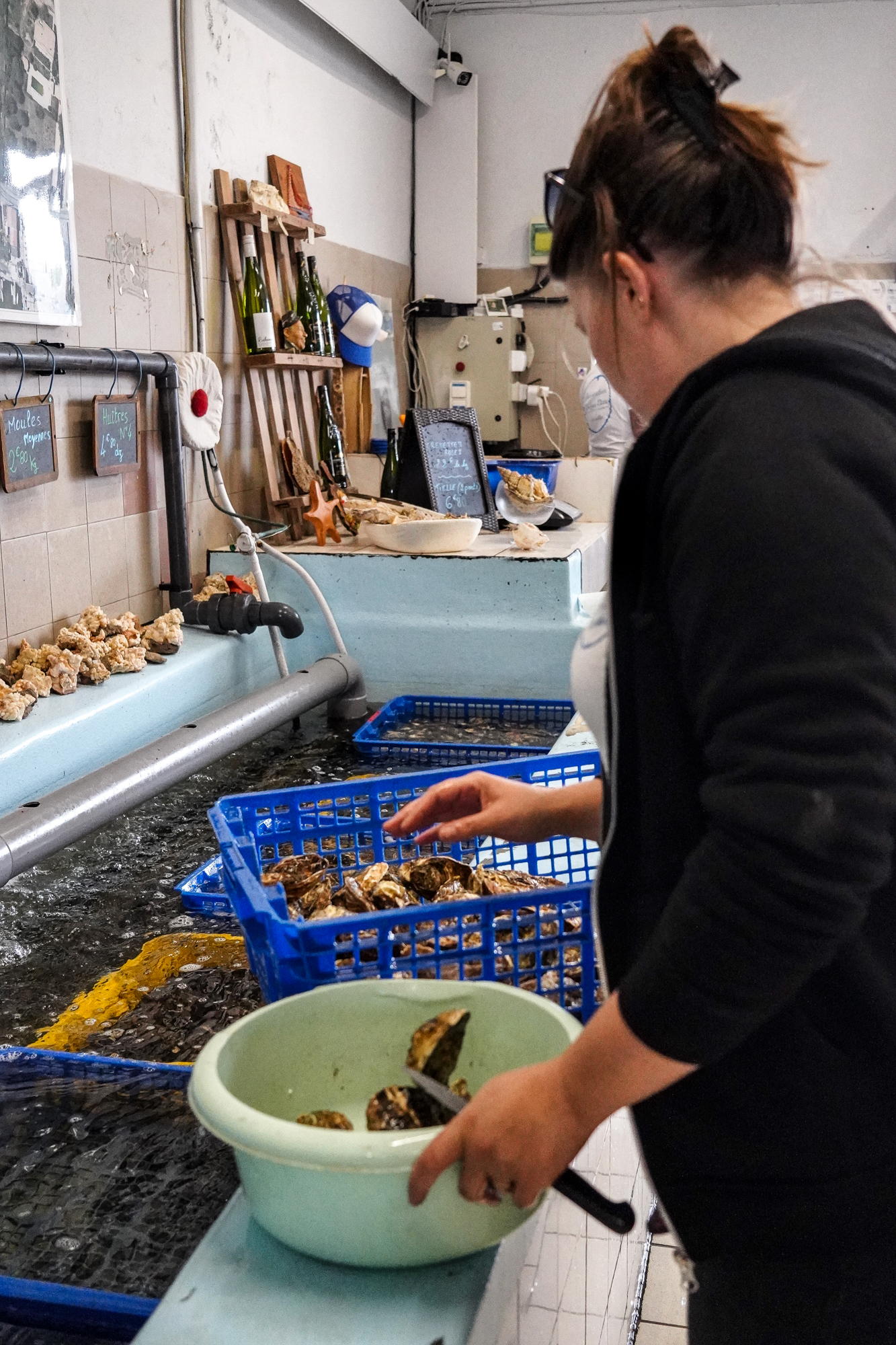
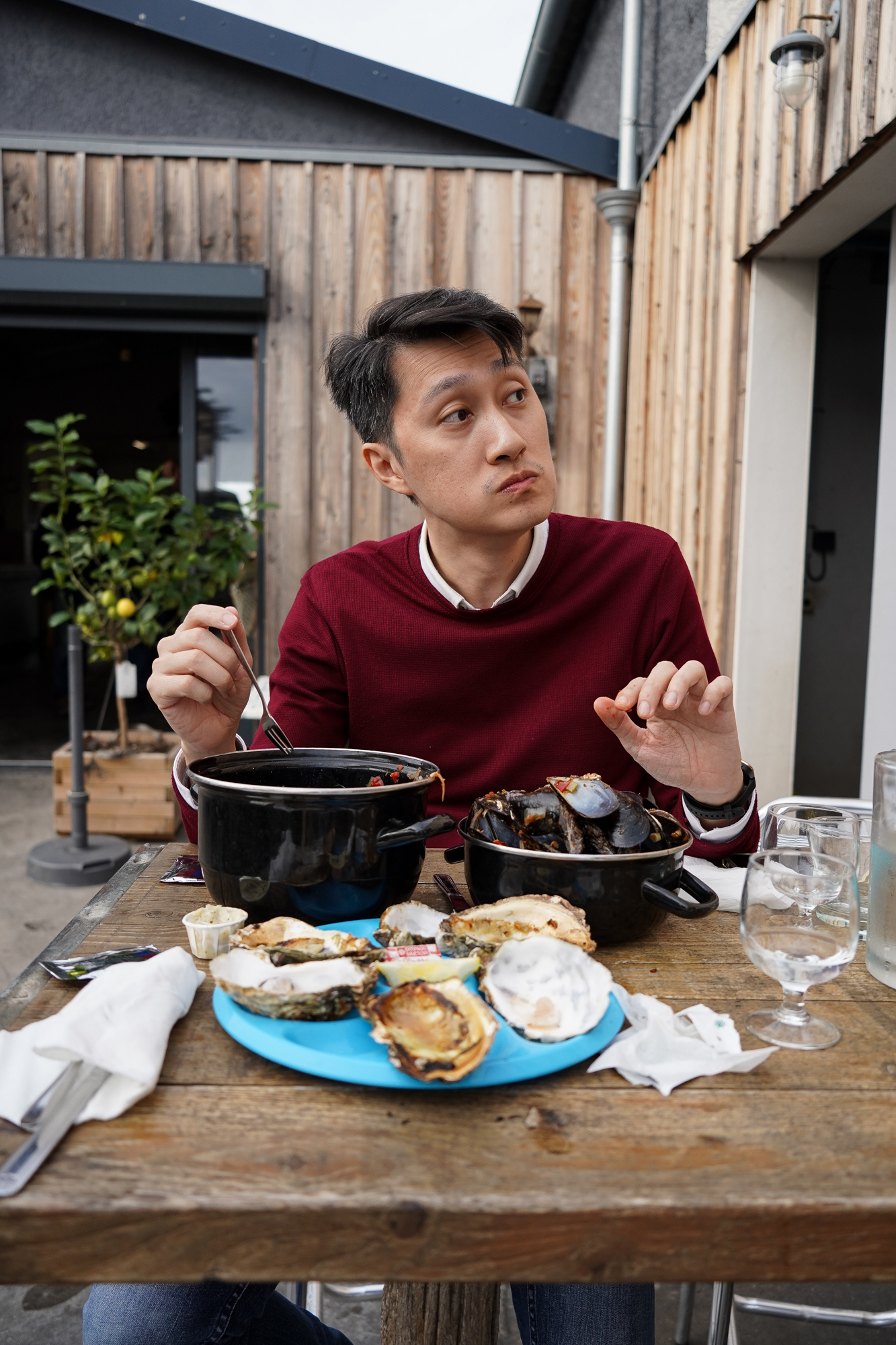
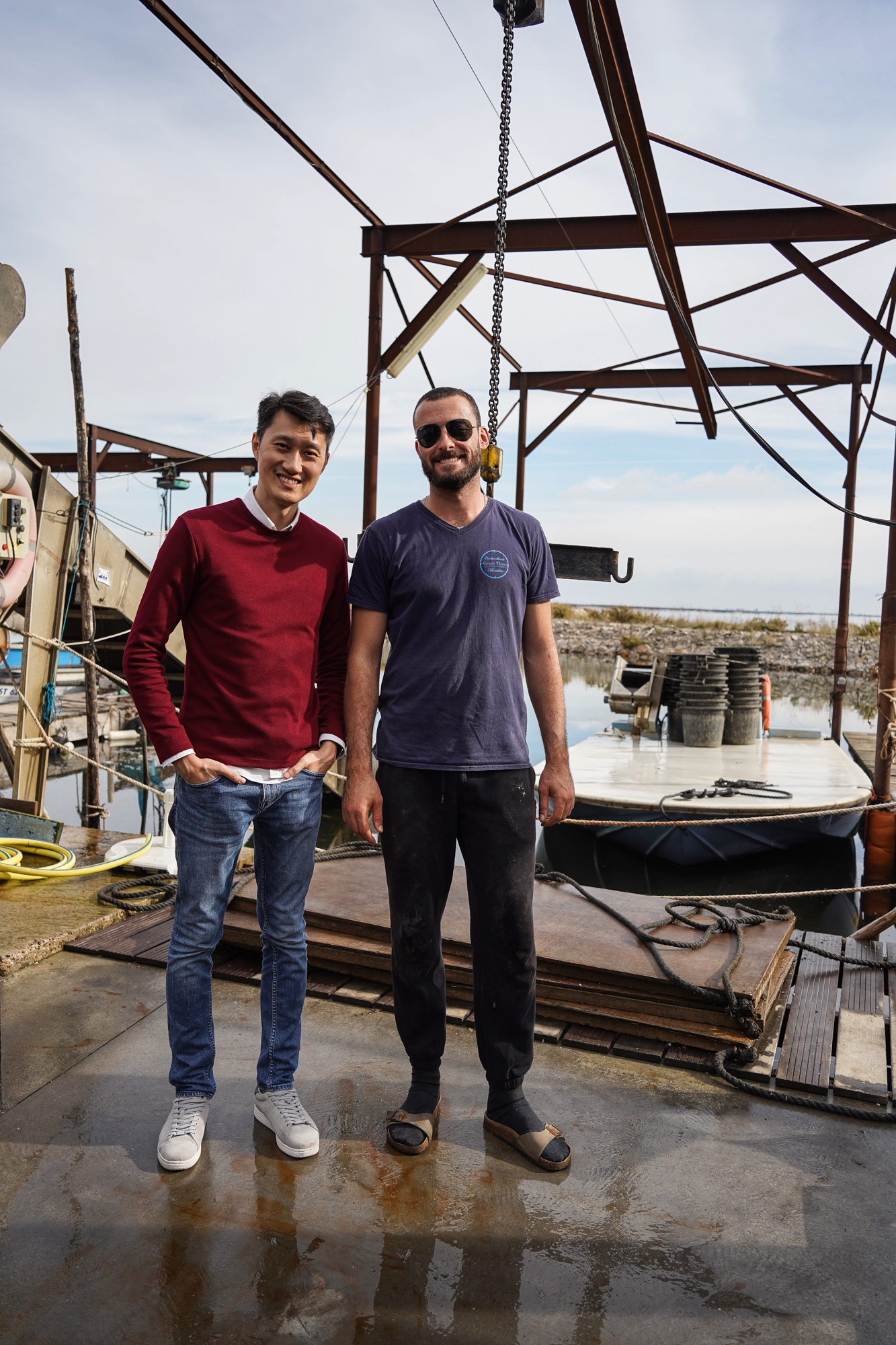
The real reason we went to Montpellier was because of oysters. Oysters from the Bassin de Thau. Coqui Thau was opened by Christian, the first generation owner of the oyster farm. On the day we visited the farm, his son Eric was out on the boat looking after the oysters at sea. A mid-morning pan of Bouzigues mussels was simmering a la brasucade. With the tang of the ocean mingling with the crisp cool air, Eric shucked the oysters so effortlessly as if he was paring an apple. My memory of raw oysters are those spritzed with fresh lemon. I had thought that that was the only way to eat a raw oyster. But that could not compare to the oysters “Nino style”, a recipe from their friend in Alicante which I had not been able to put a finger on. A drizzle of olive oil paired with something luxuriously pink made the oysters taste like heaven. 

DSC00930_edited

DSC00931_edited

DSC00935_edited

DSC00978_edited

DSC00981_edited

DSC00939_edited

DSC00948_edited

DSC00959_edited

DSC00973_edited

Food & Travel Guide to Ubud, Bali – What to See, Eat & Do

Indonesia

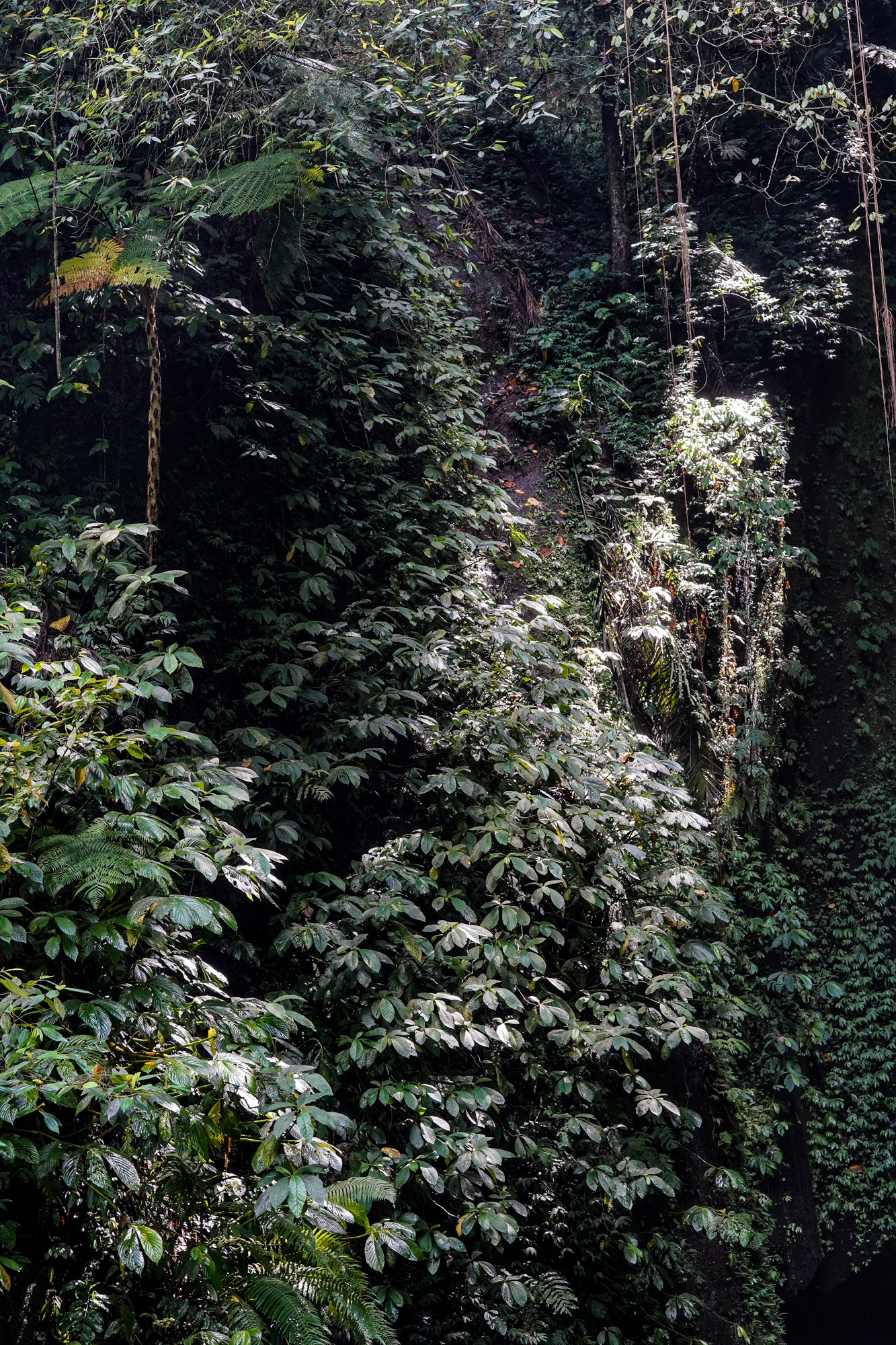
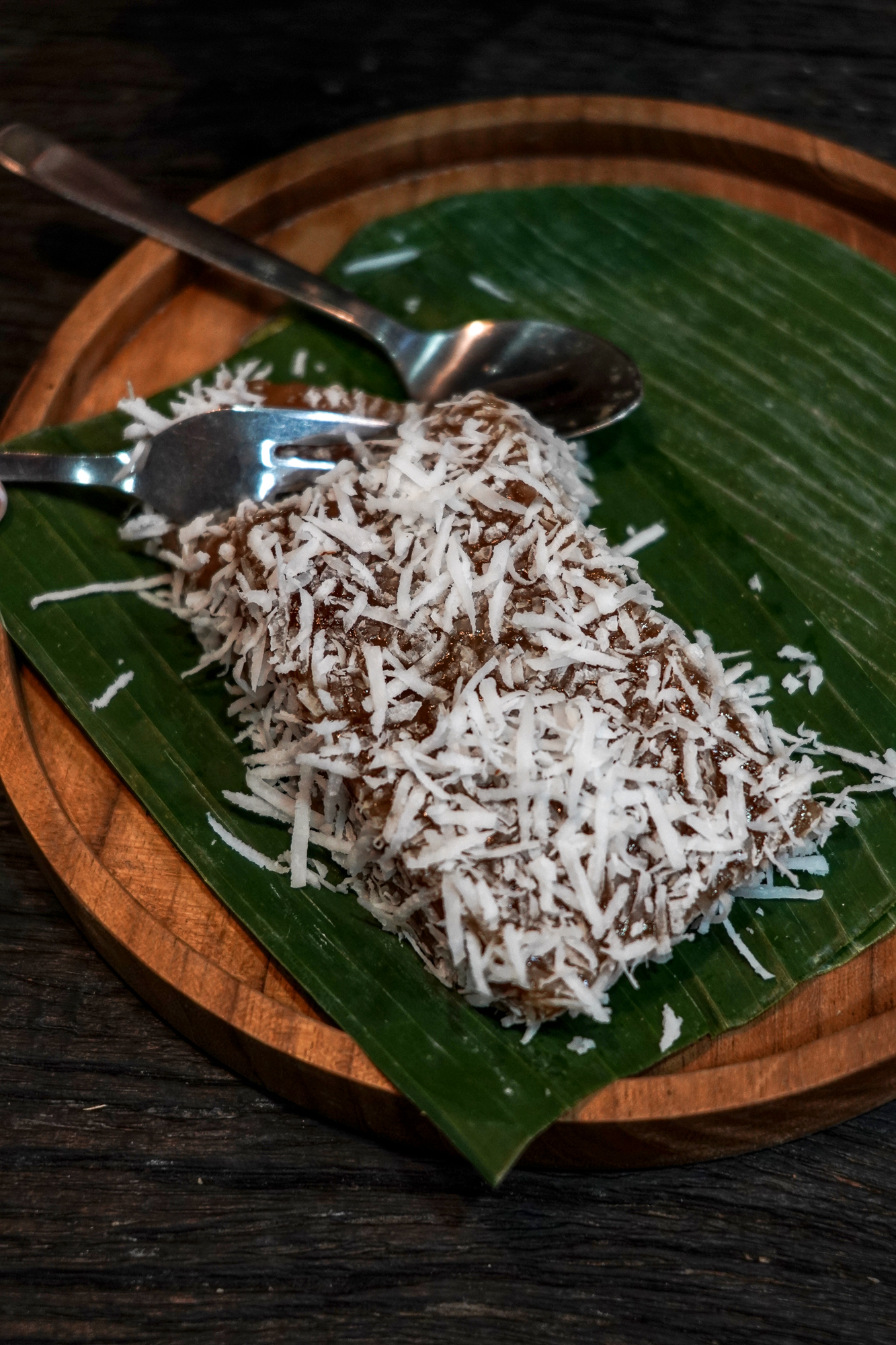
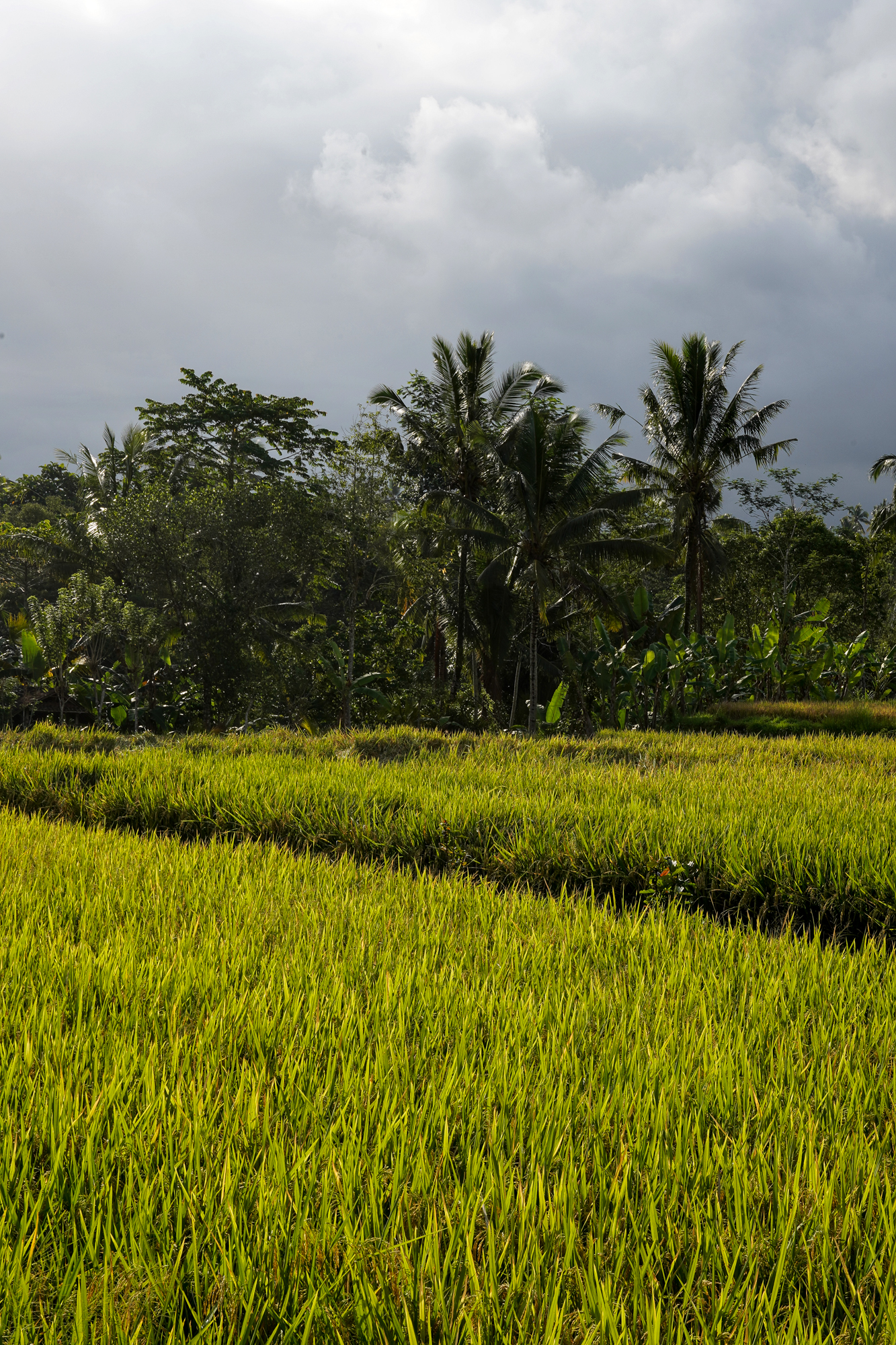
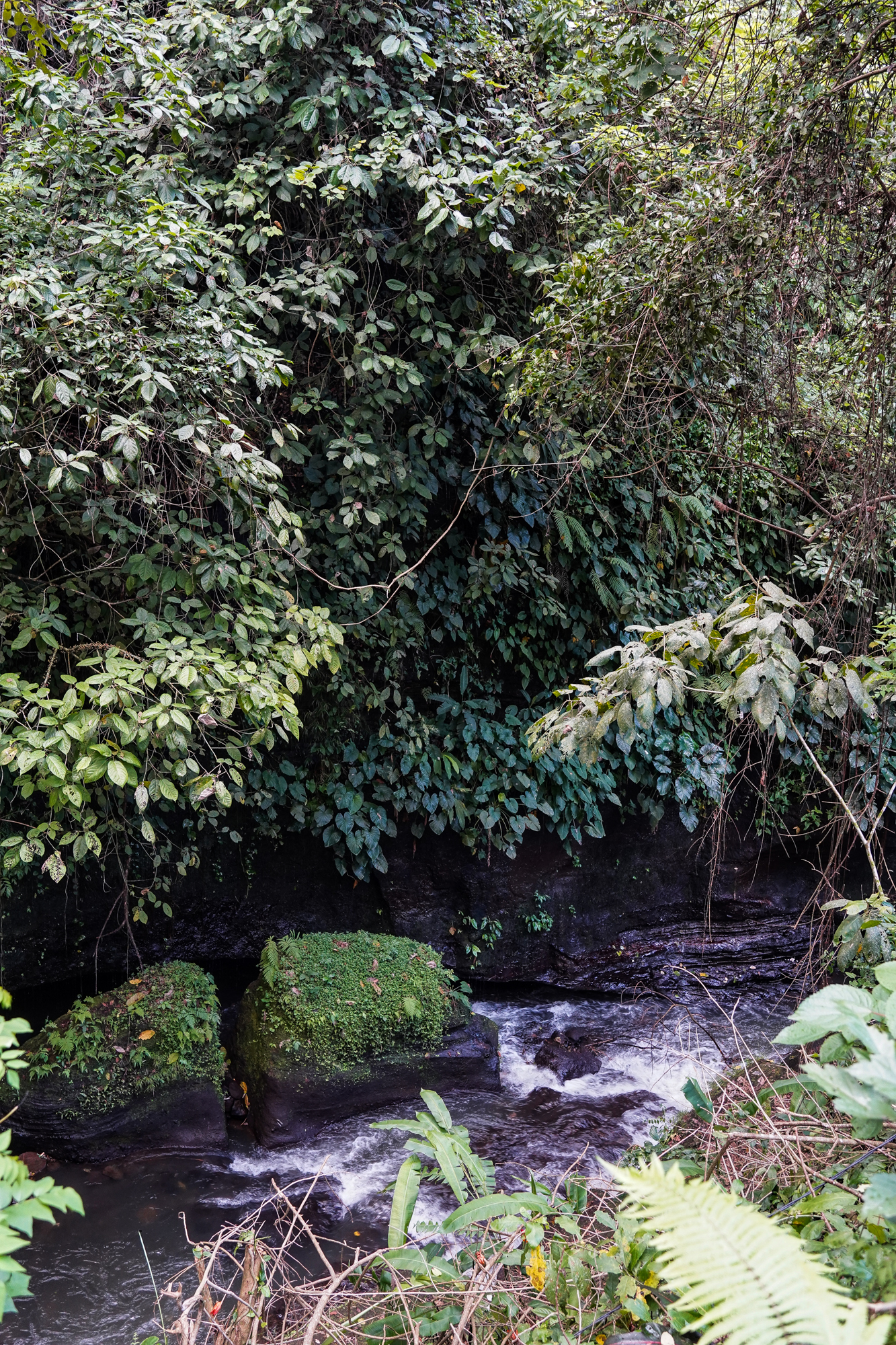
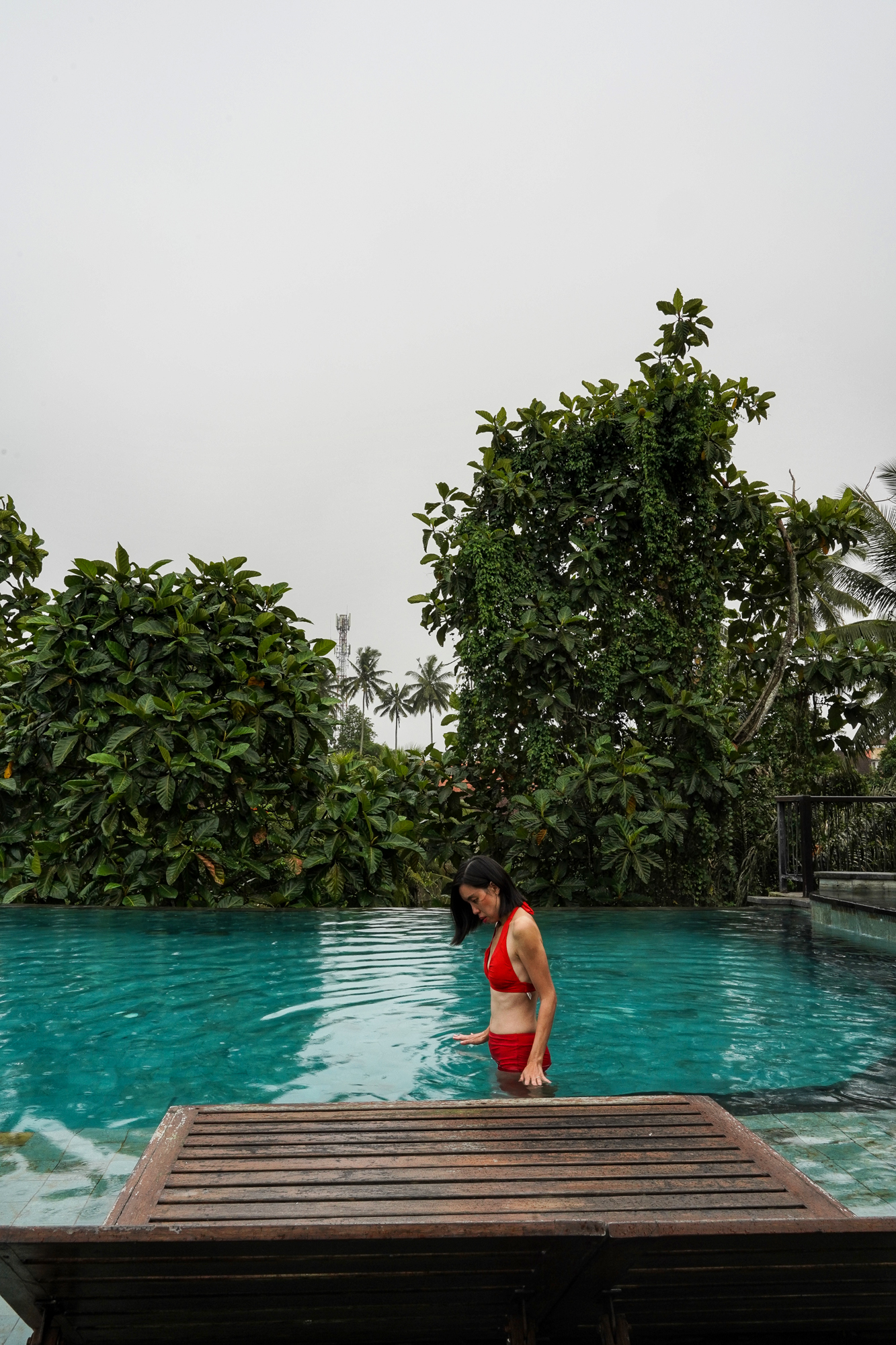
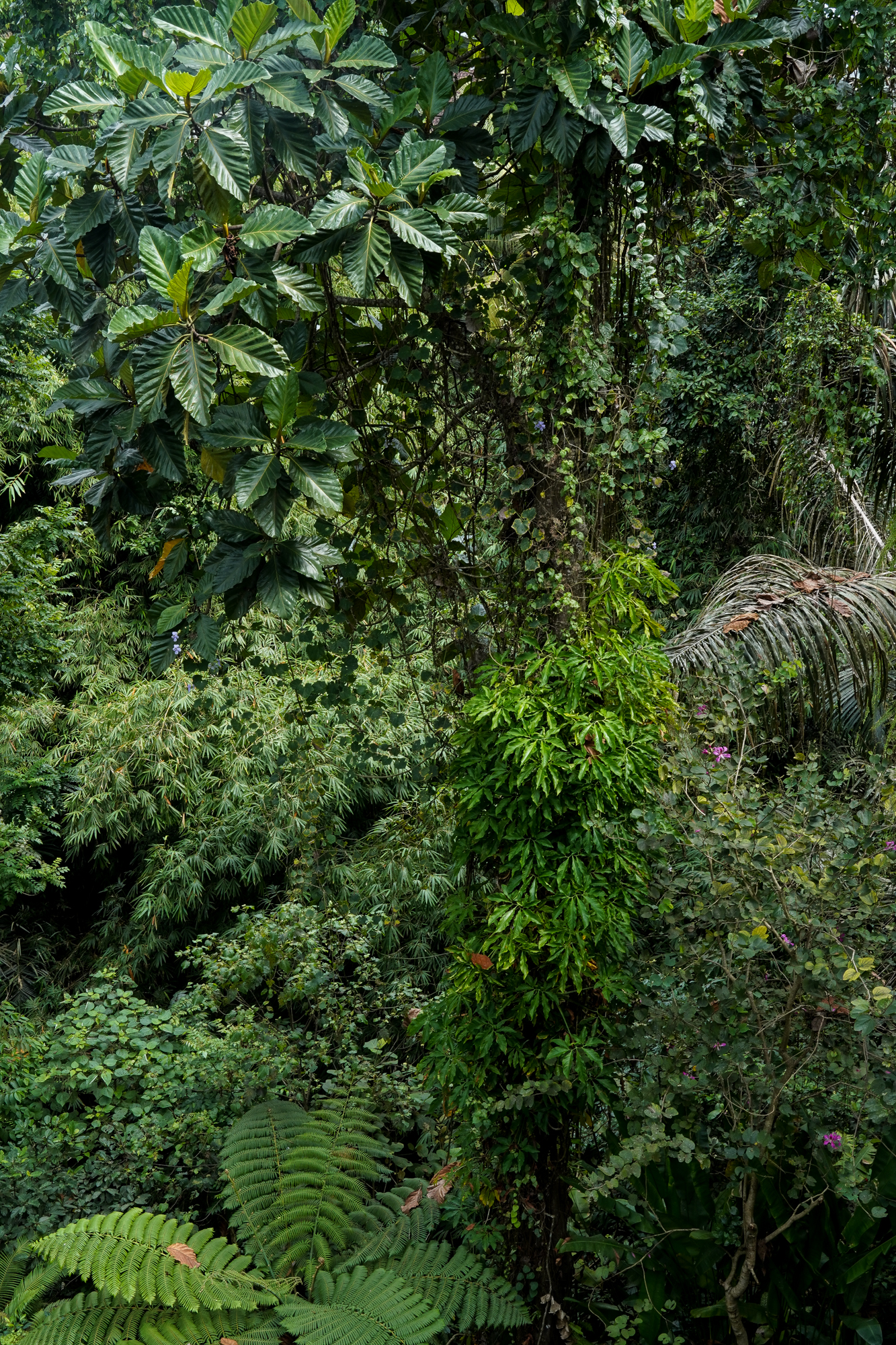
If Ubud were a colour, it would be green. A rich, emerald green. Green is everywhere in Ubud. The wild dense jungle. The foliage veiling Leke Leke waterfall. Even the leaf wrapping the coconut rice cakes at Tukies. On any day, a mist rises from the layers of leaves that shroud Ubud in textures of green like a whispered secret

DSC02996_edited

DSC02940_edited

DSC02958_edited

DSC02906_edited

UBUD

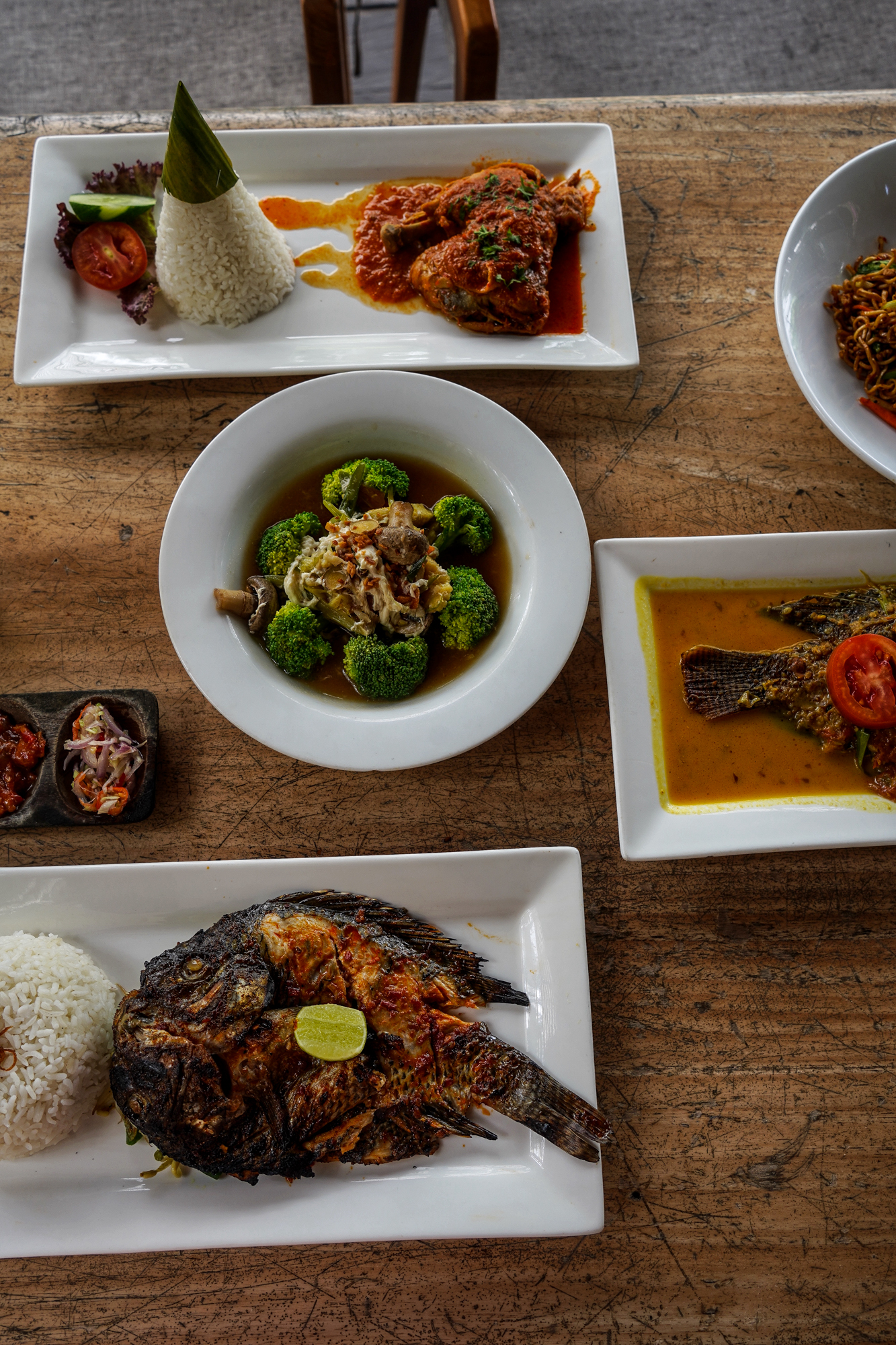
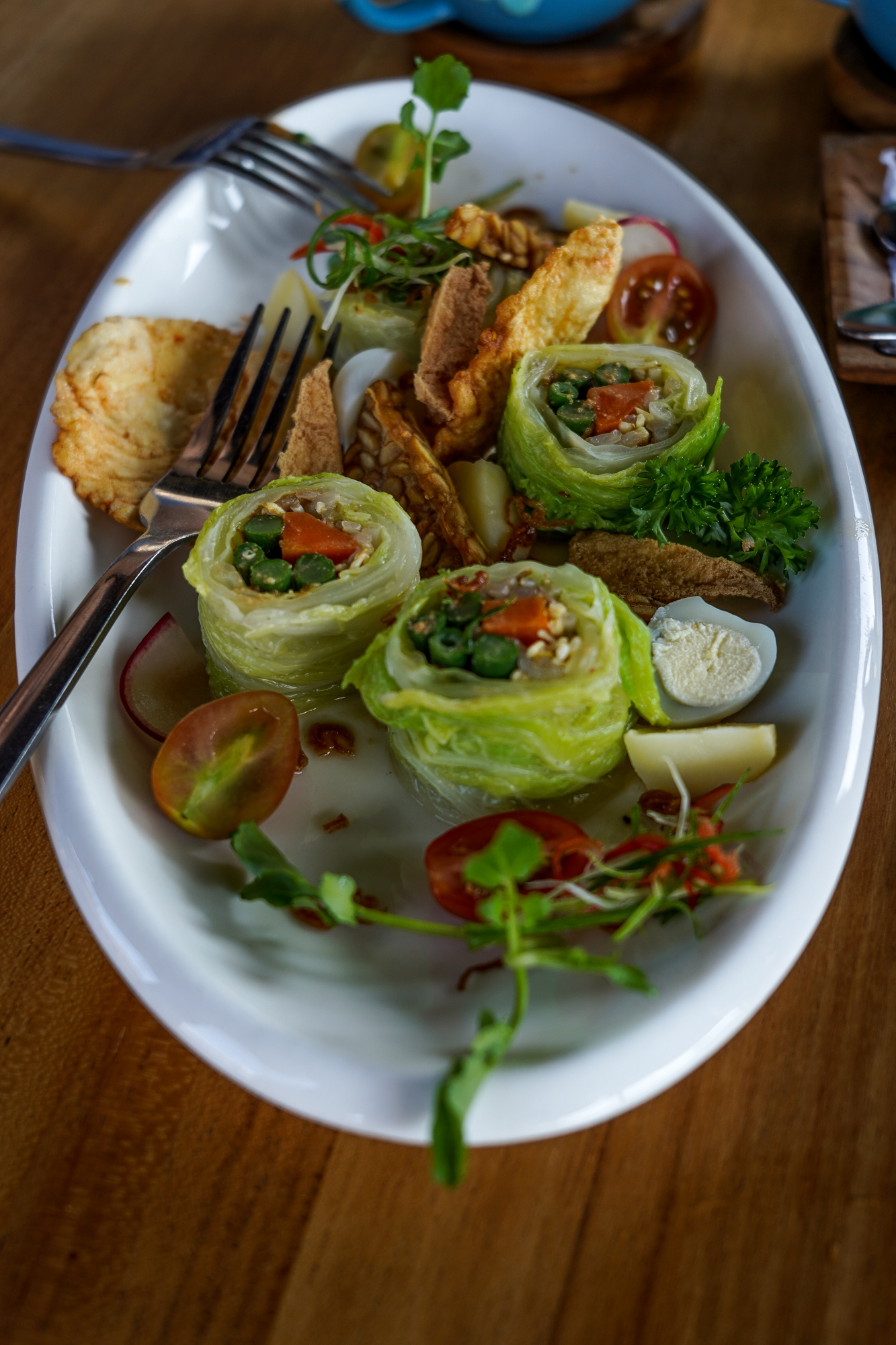
For years, I have been fascinated with Ubud. It is the cultural heart of Bali. A place that sings its praises rather than imitate something foreign. This is especially so for the food which I can’t stop waxing poetic about. Hearing this in the car, our driver Ngurah boasts affectionately, “We Balinese are very proud of our land.” And the land is abundant with ingredients that are transformed into an assortment of dishes – coffee and slow cooked pork sandwich at Montana Del Cafe, duck betutu at Murni’s Warung, turmeric rice grilled in banana leaf at Seniman Coffee, oxtail fried rice at Pison, gado gado rolls at D’tukad Coffee Club

DSC02989_edited

DSC03096_edited

DSC03123_edited

DSC03139_edited

DSC03160_edited

DSC03168_edited

DSC03181_edited

DSC03186_edited

DSC03183_edited

DSC03202_edited

IMG_2557_edited

DSC03212_edited

DSC03217_edited

DSC03487_edited

DSC03218_edited

DSC03241_edited

DSC03260_edited

DSC03283_edited

DSC03535_edited

CACAO PLANTATION

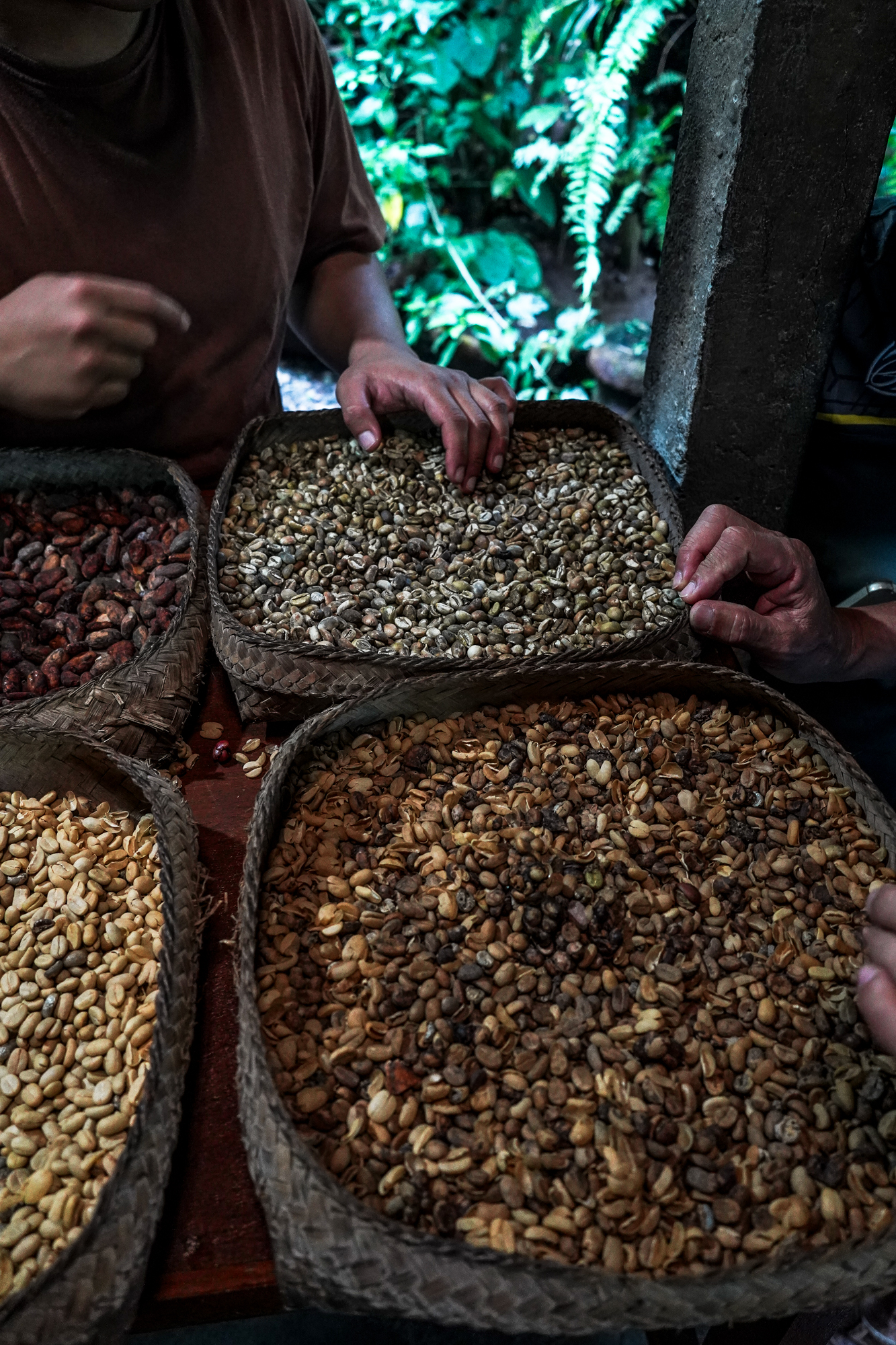
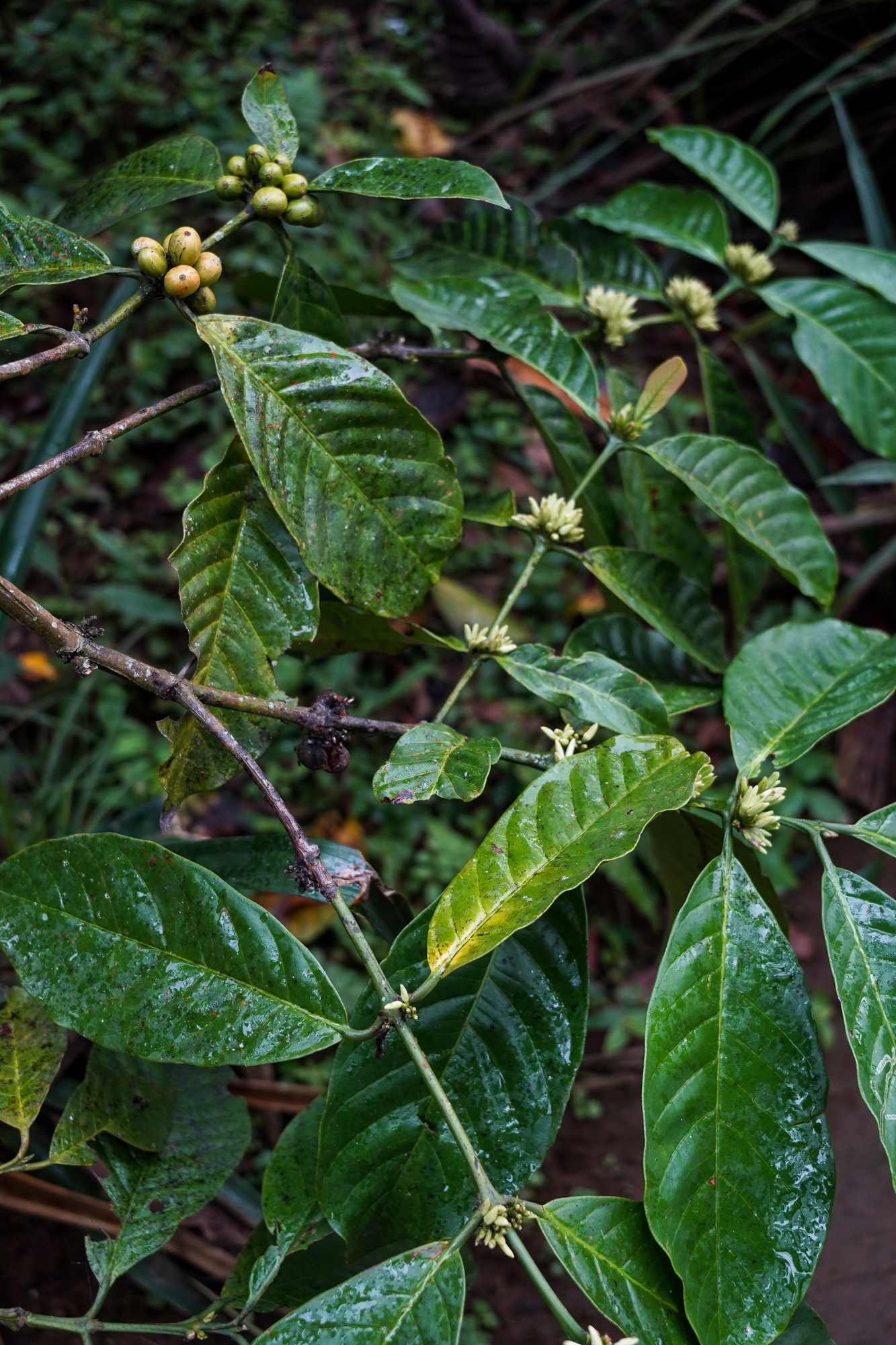
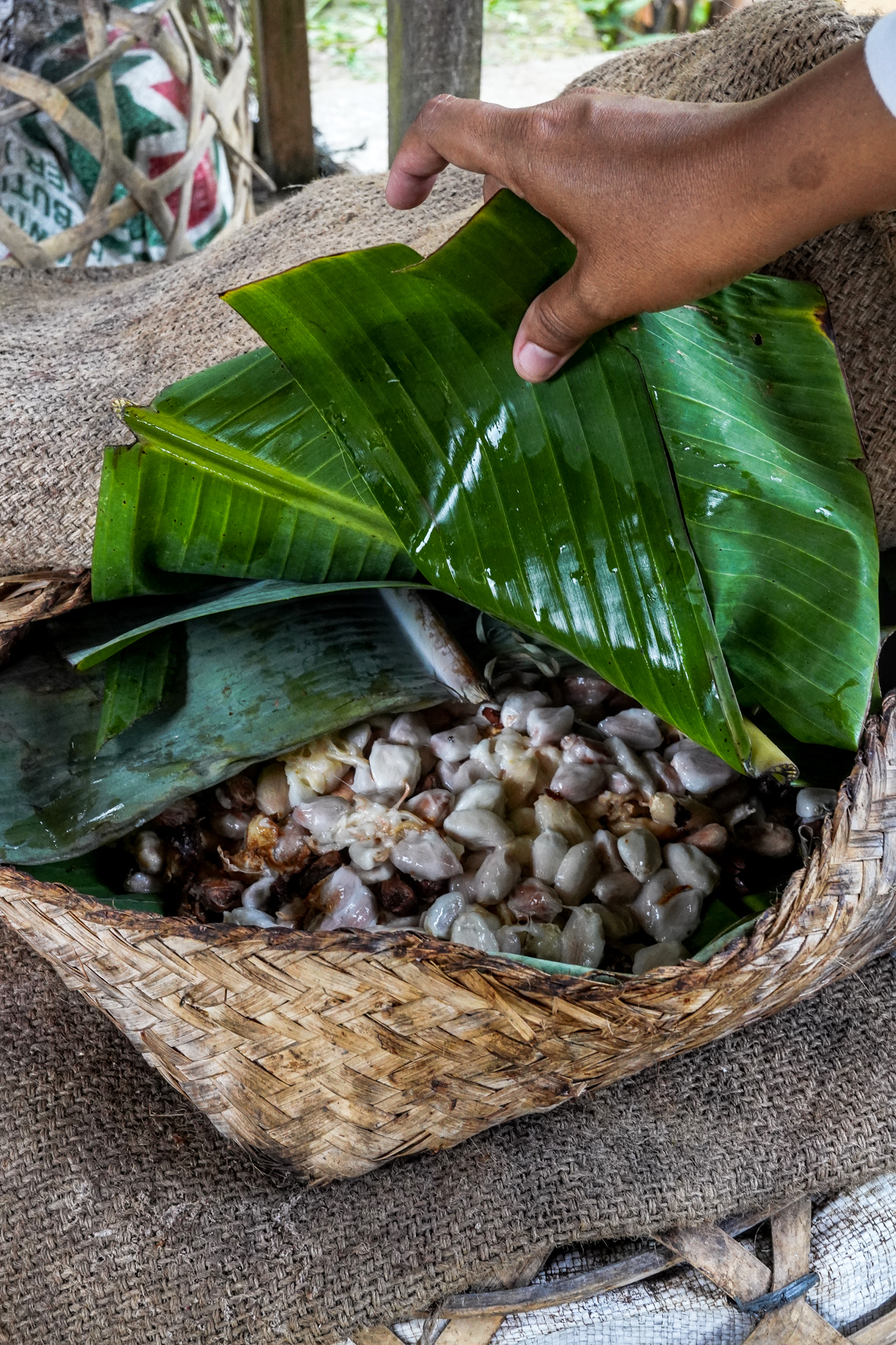
Chocolate has always been for me a simple indulgence. A chocolate bar or nutella spread on a slice of bread. Chocolates have their humble beginnings in a plant. My first taste of a cacao seed at Cau Chocolates caught me off guard. It is a sharp contrast from the breakfast of homemade mixed fruit jams I had earlier at Sankara Suites. The taste is a blunt bitterness. It hits you hard like a swig of scotch served neat. The coaxing of the farmers is what brings out the chocolatey flavour of cacao that we are so attracted to. Later, the rich velvety taste of a chocolate ice cream, a taste that is nothing like the bitterness of its original rawness, gives me a newfound respect for farmers. 

IMG_3314_edited

DSC03520_edited

IMG_3385_edited

DSC03018_edited

DSC02979_edited

DSC02984_edited

DSC02982_edited

DSC03003_edited

DSC03010_edited

DSC03027_edited

DSC03033_edited

DSC03047_edited

DSC03046_edited

DSC02987_edited

DSC03061_edited

DSC03461_edited

BABI GULING

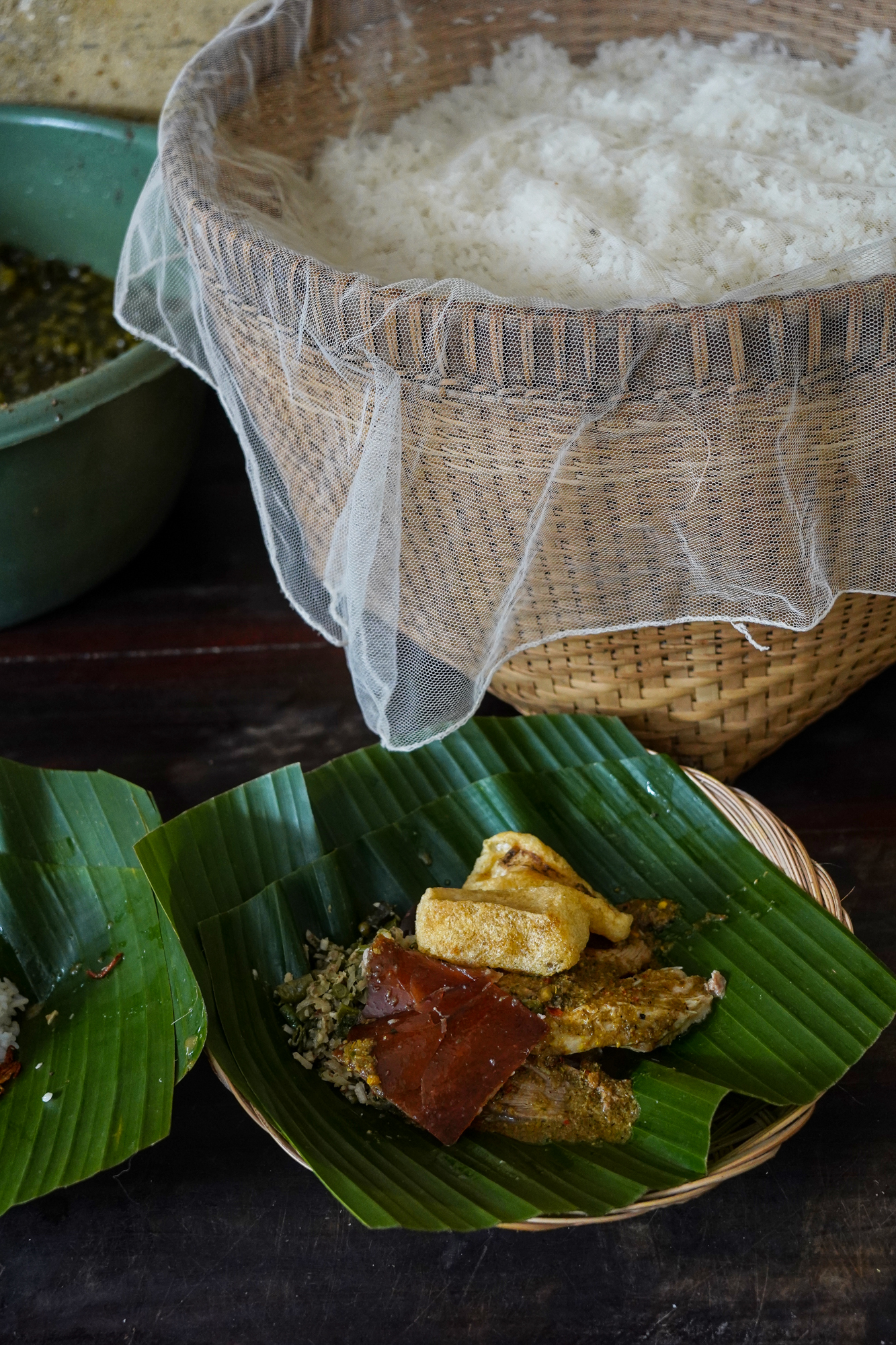
Babi guling is an ordinary meal. Modest. No shiny silverware or linen tablecloths. But it is the pride and joy of the Balinese. At the entrance of Babi Guling Gung Cung, a whole pig is roasted to a deep auburn glow. A few ladies are the cooks. With every banana leaf atop a rattan plate, one of them crowns the rice and chopped meat with a crisp cut of pork skin. It is the mark of an authentic babi guling. 

DSC03454_edited

IMG_3493_edited

DSC03445_edited

DSC03459_edited

RICE TERRACES 

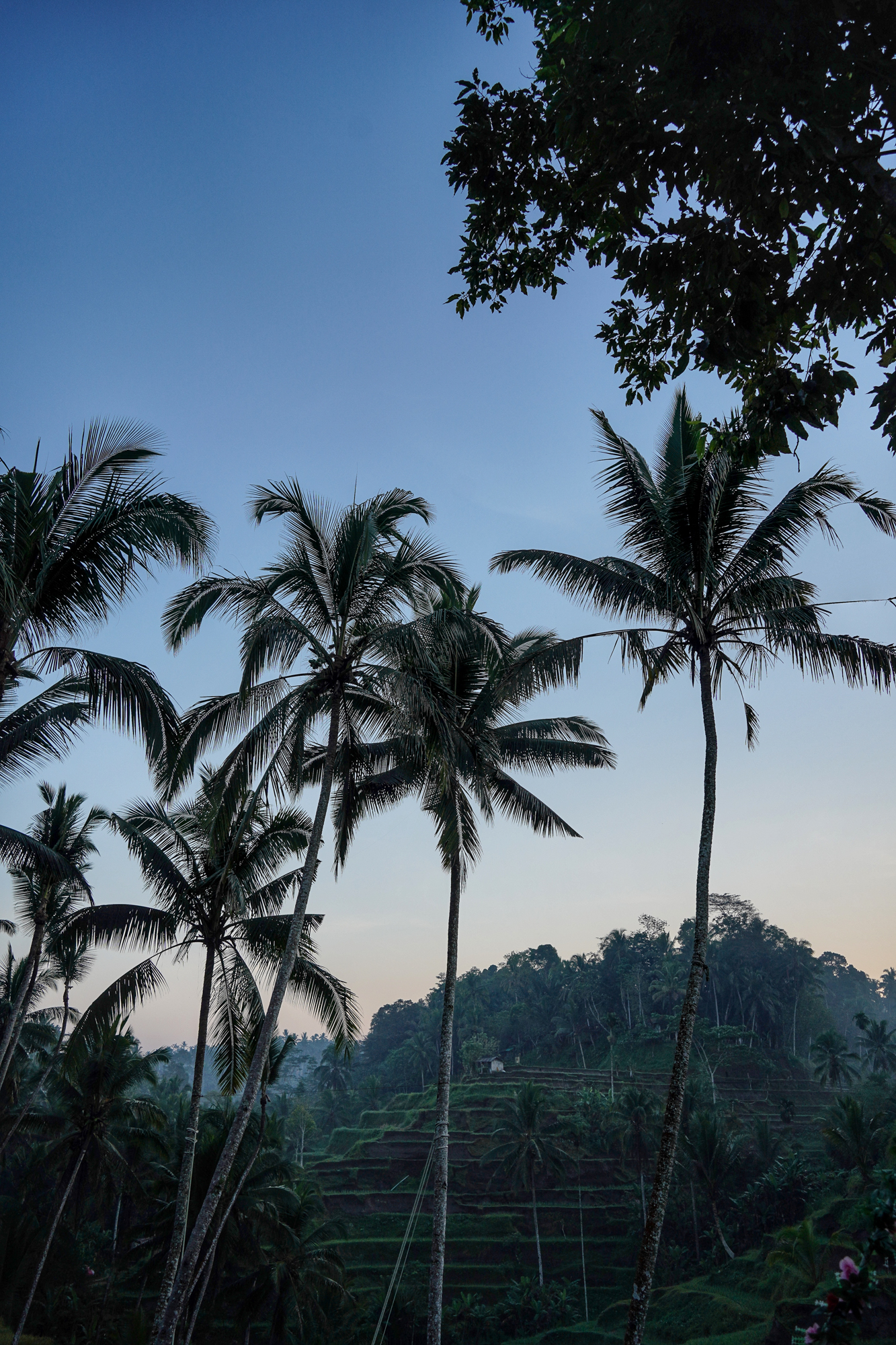
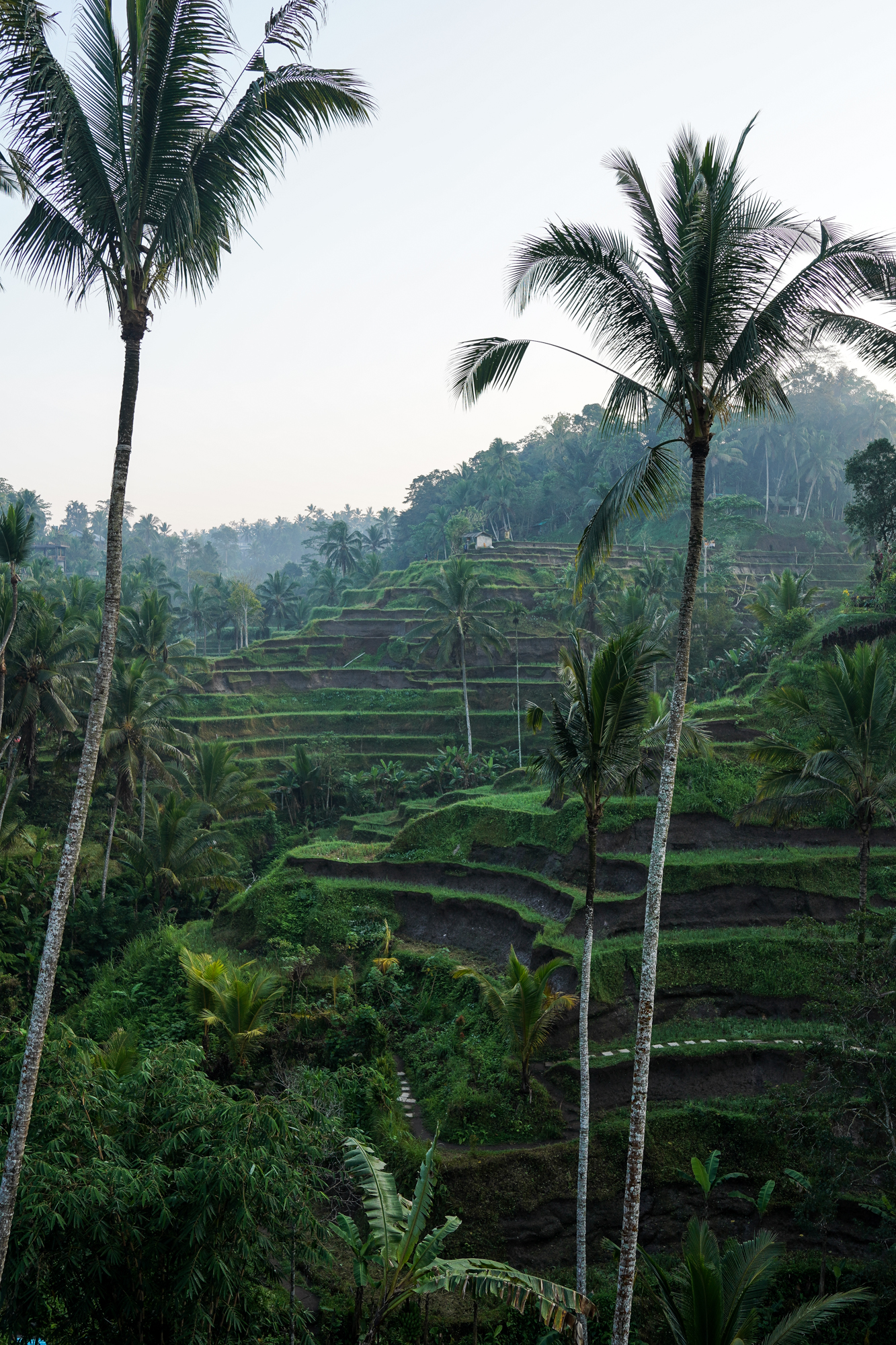
It is still dawn when we reach Tegalalang rice terrace. The day before, Roy’s father had insisted on going at sunrise. “It’s the only way to see the rice terrace,” he said as a matter-of-factly. Or words to that effect. In the first light of day, we watch our driver weave through the rice fields that are growing greener with each passing second. He has lived in Ubud all his life and still, Tegalalang is an astounding sight. At this hour before the crowds flood the fields, Tegalalang is calm, peaceful. As the sunrise transforms the rice fields into a full-coloured film with the hum of waking birds as the background music, I am finally convinced: the sunrise is the only way to see the rice fields.

DSC03330_edited

DSC03326_edited

DSC03340_edited

DSC03376_edited

DSC03384_edited

DSC03379_edited

DSC03404_edited

DSC03377_edited

DSC03418_edited

DSC03432_edited

DSC03408_edited

DSC03517_edited

DSC03439_edited

NUSANTARA BY LOCAVORE 

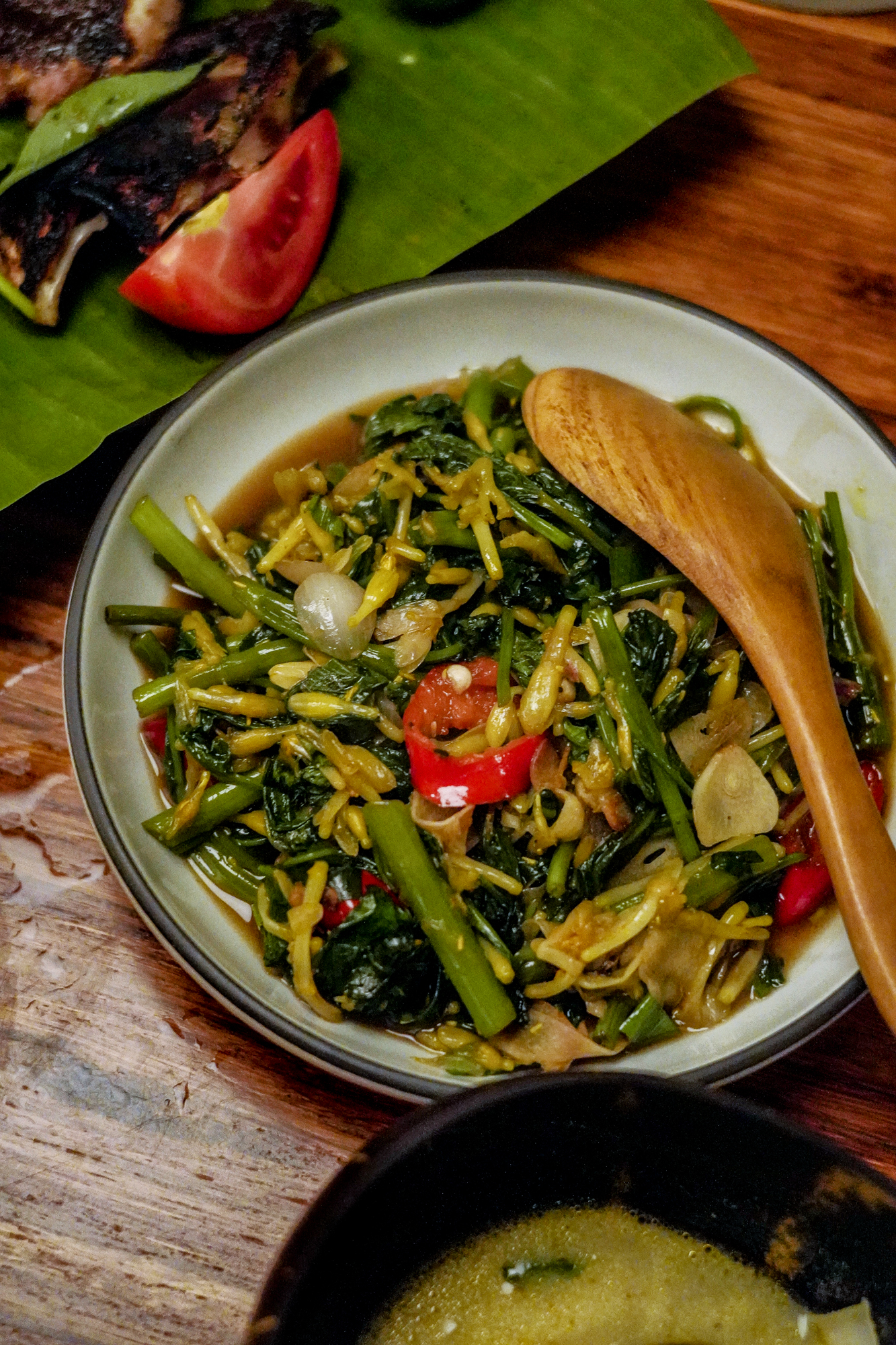
Eating at Nusantara is like traversing the many islands of Indonesia. Outside the restaurant, a cook is fanning the fire into obedience as he roasts moringa leaves, base genep and ginger in coconut husks. It’s somewhat like a performance, but it’s much more practical than that (no, grilling indoors would have been absurd). It’s a prelude to the meal. And the meal is exquisite. Sawah duck cooked with star anise, nutmeg, kluwak and burnt coconut. Banana blossoms stir fried with chillies and leeks. A trevally grilled with candlenuts, soy sauce, coriander seeds and lemongrass. Nothing is familiar; everything is foreign. Our dinner is but a sampler of Indonesian cuisine. The rest? Well that remains a secret to be uncovered some other day. 

DSC03297_edited

DSC03302_edited

DSC03318_edited

DSC03320_edited

DSC03299_edited