Food & Travel Guide to the French Riviera, France – What to See, Eat & Do

France

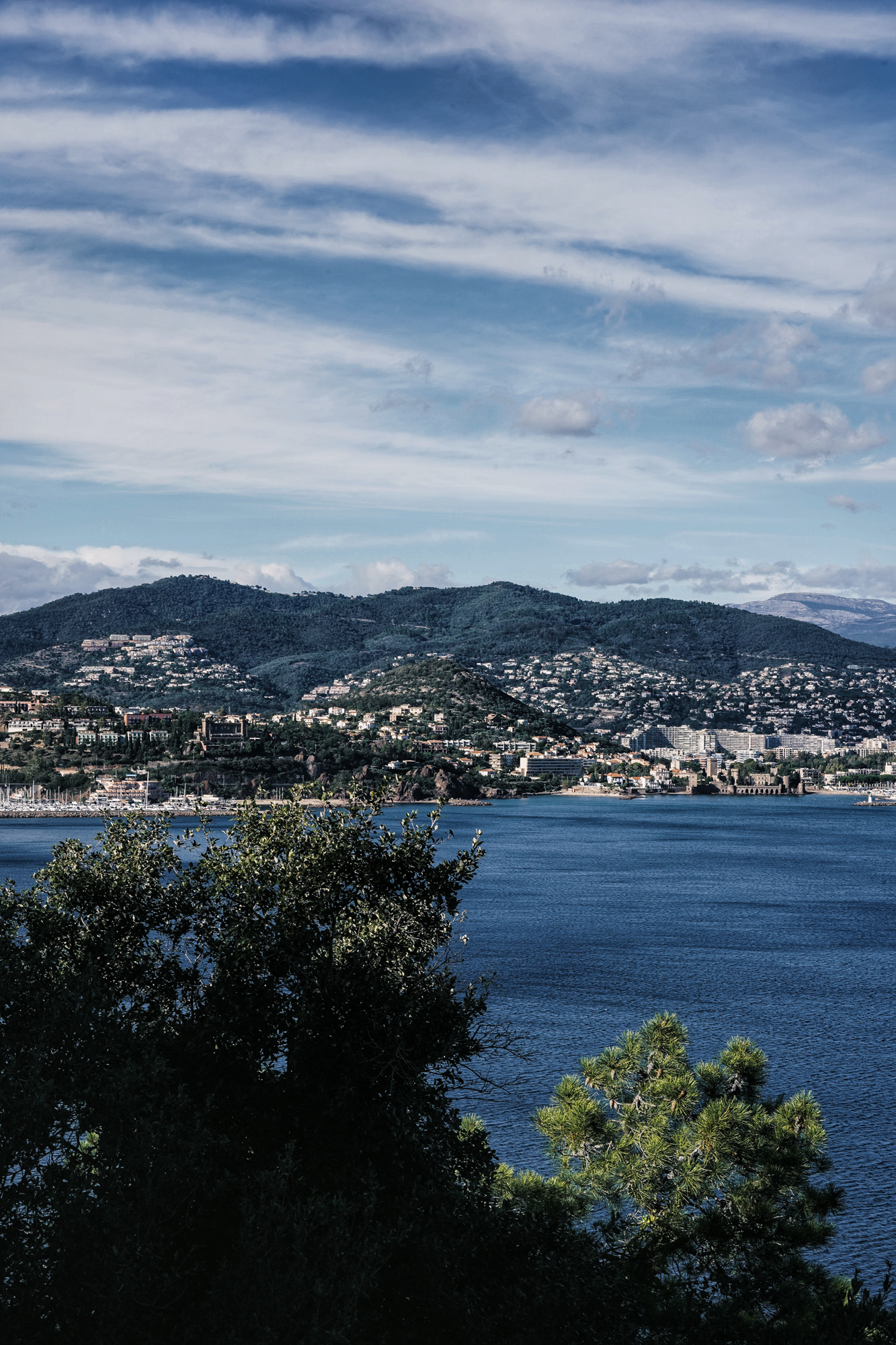
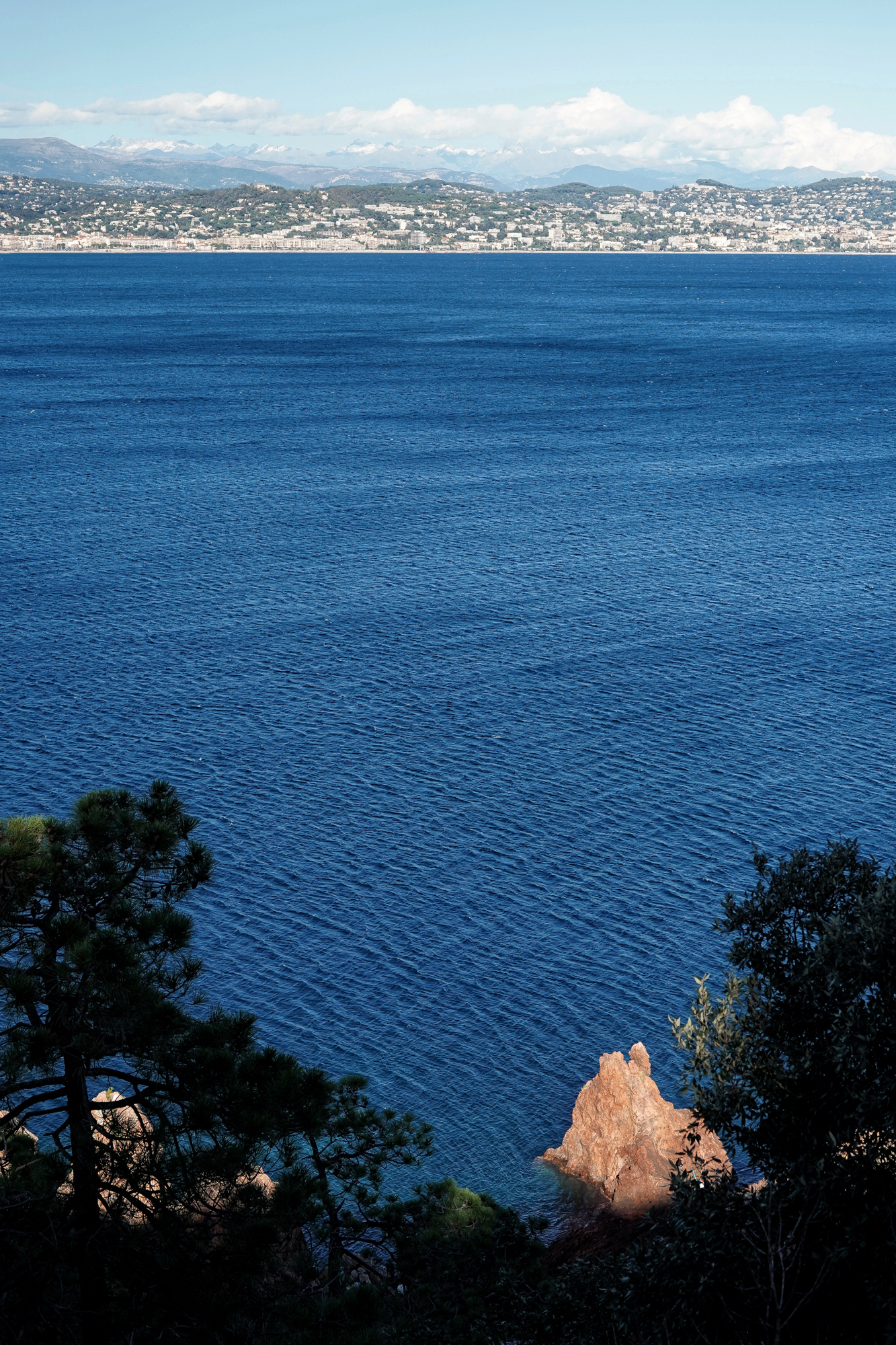
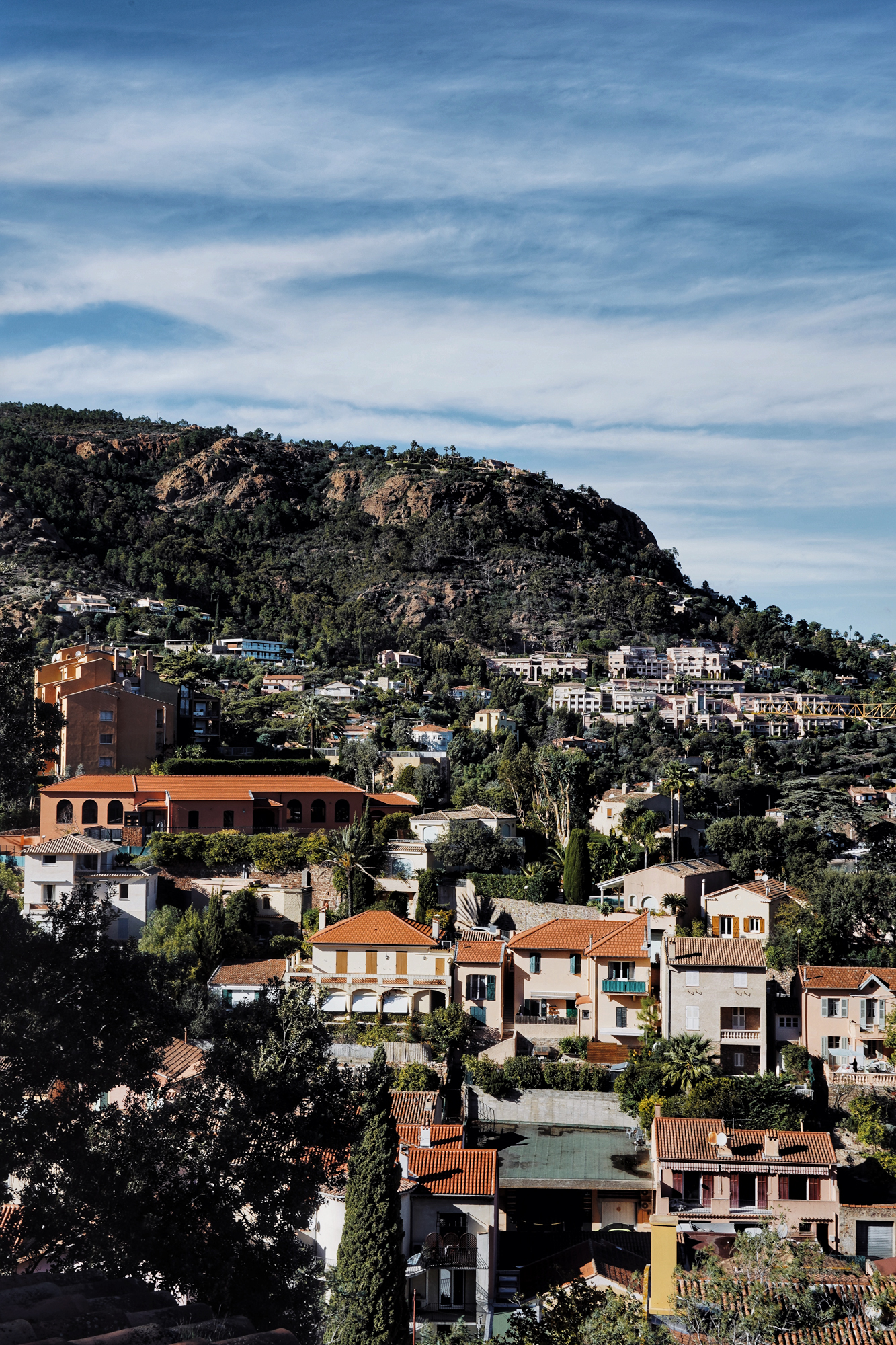
The beauty of the French Riviera came to us at the end of a rain. We are eating in, a bowl of roast chicken in front of us, as the rain pours in curtains of greys and whites. Soon, the rain slows… then it stops. So we abandon our roast chicken and head out. As we drive out, the greys and whites melt into a bright blue. It’s all sunshine, miles and miles of it

Processed with VSCO with a7 preset

BEACHES

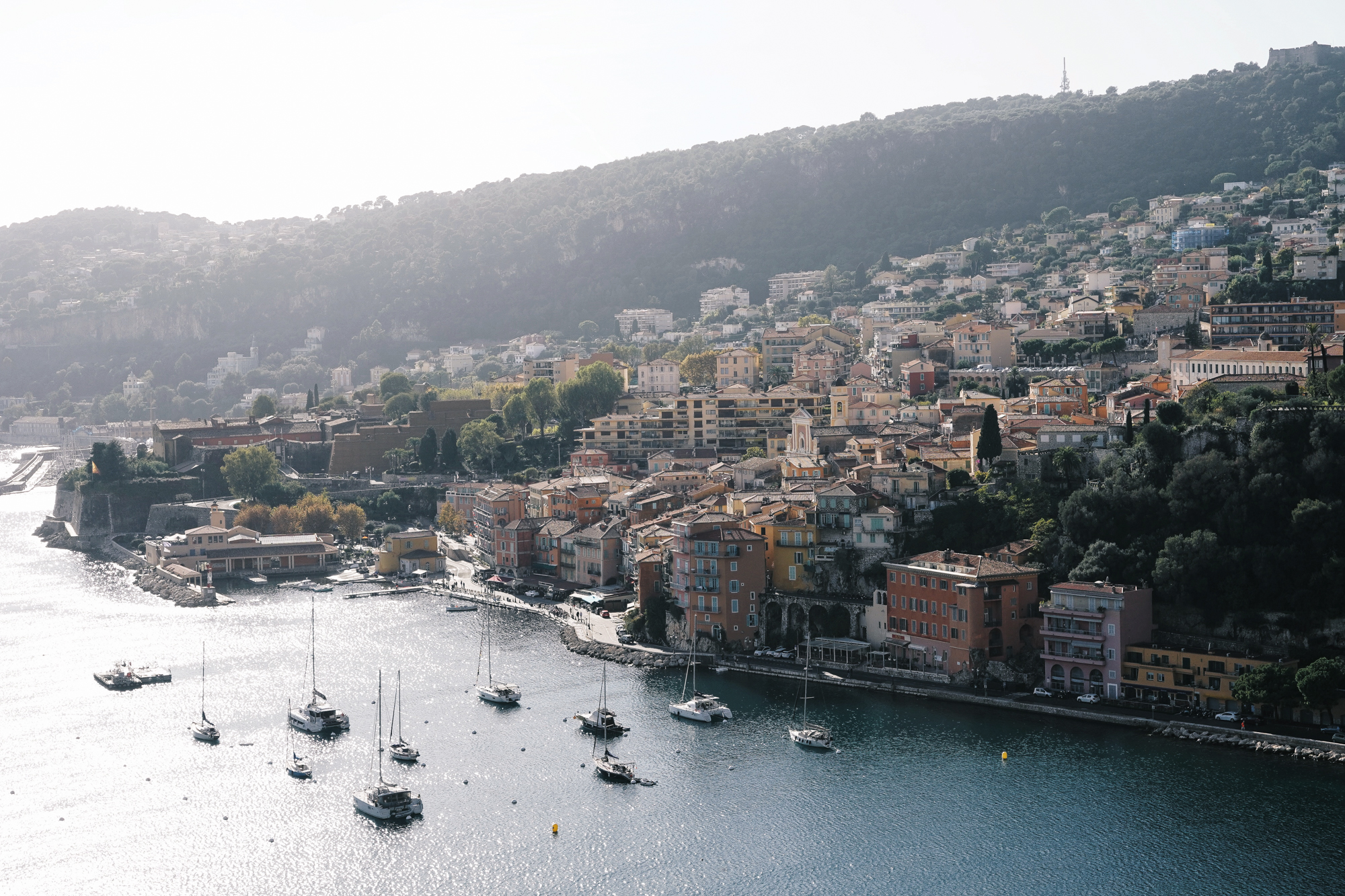
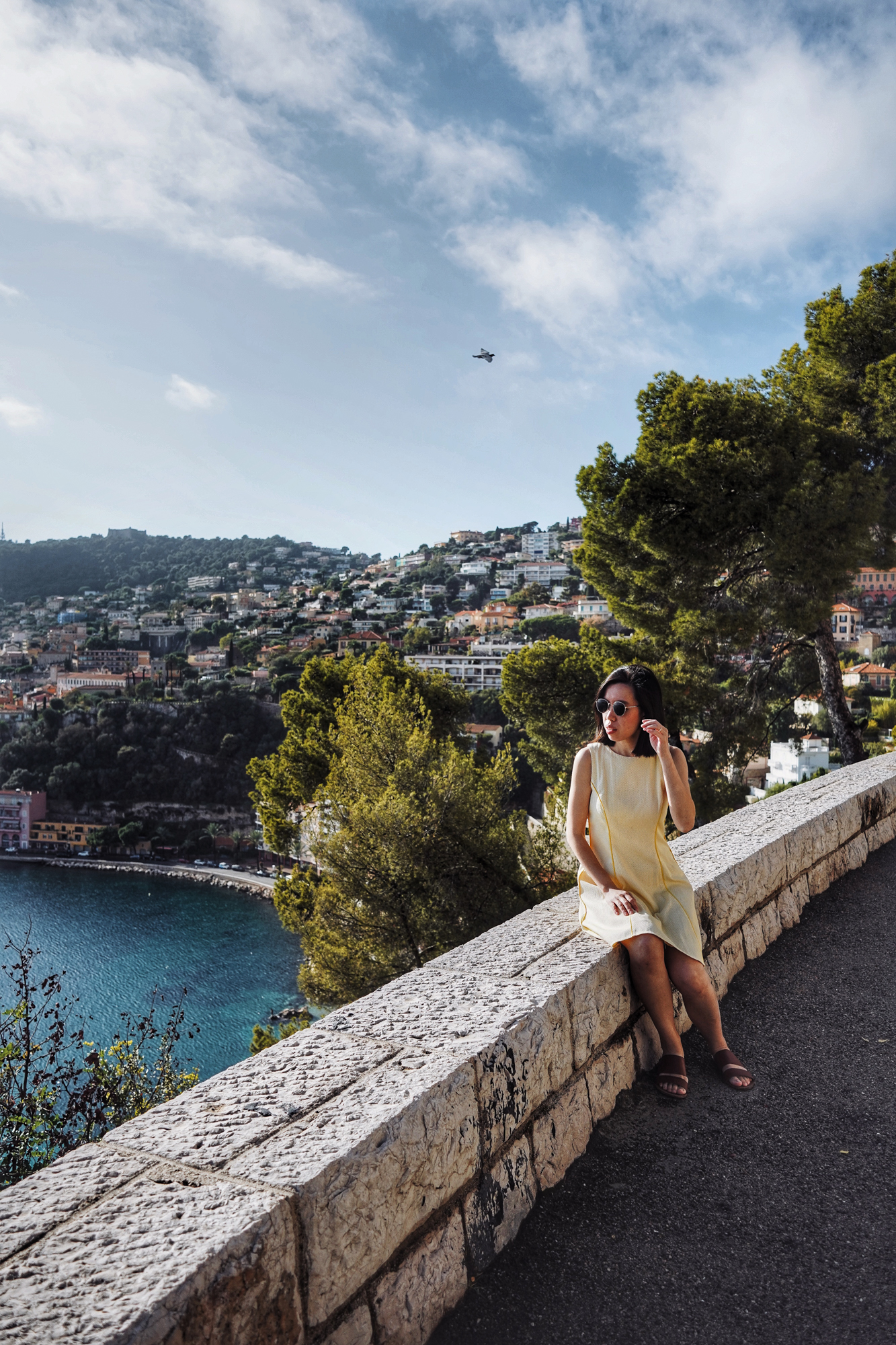
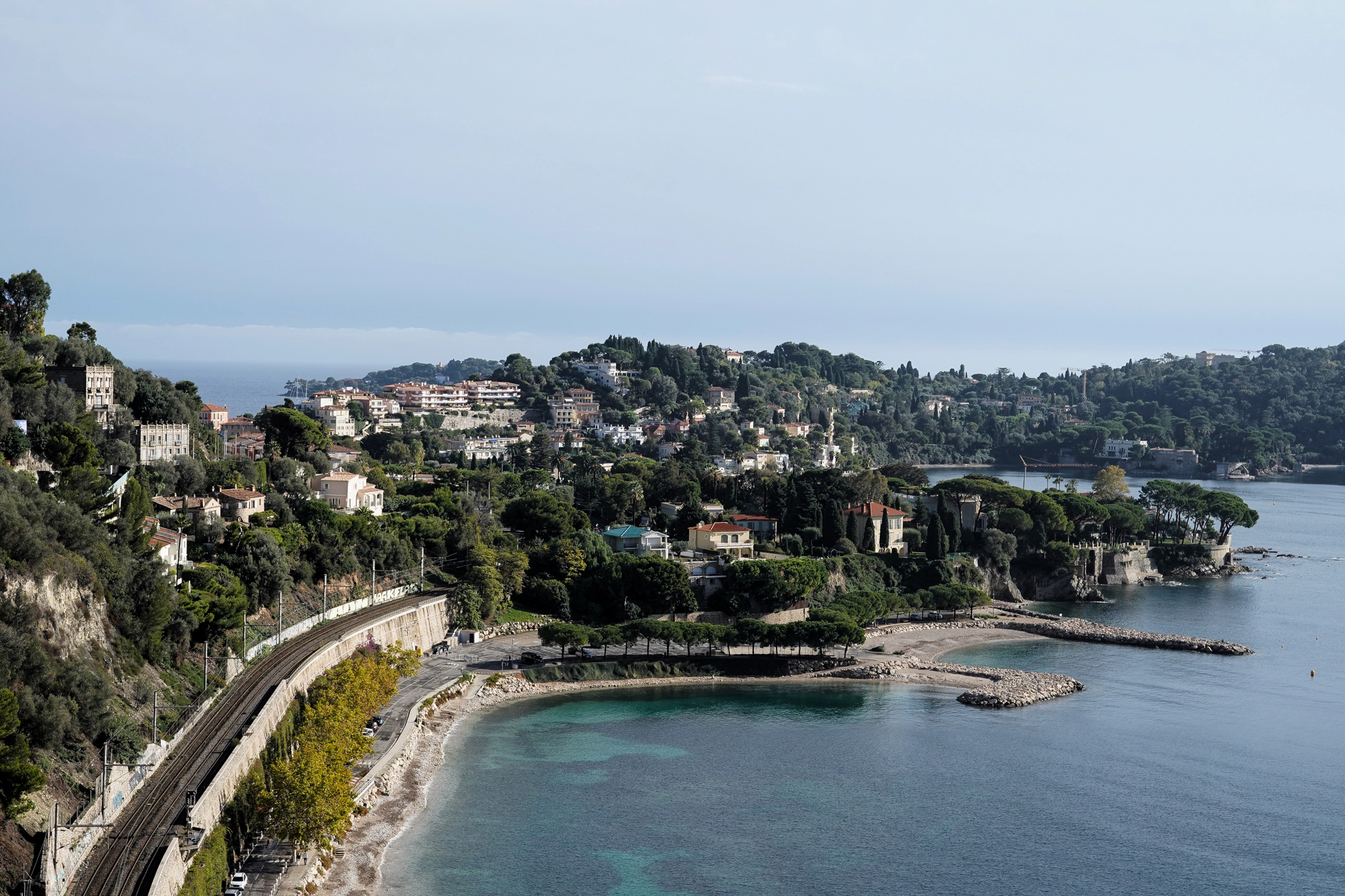
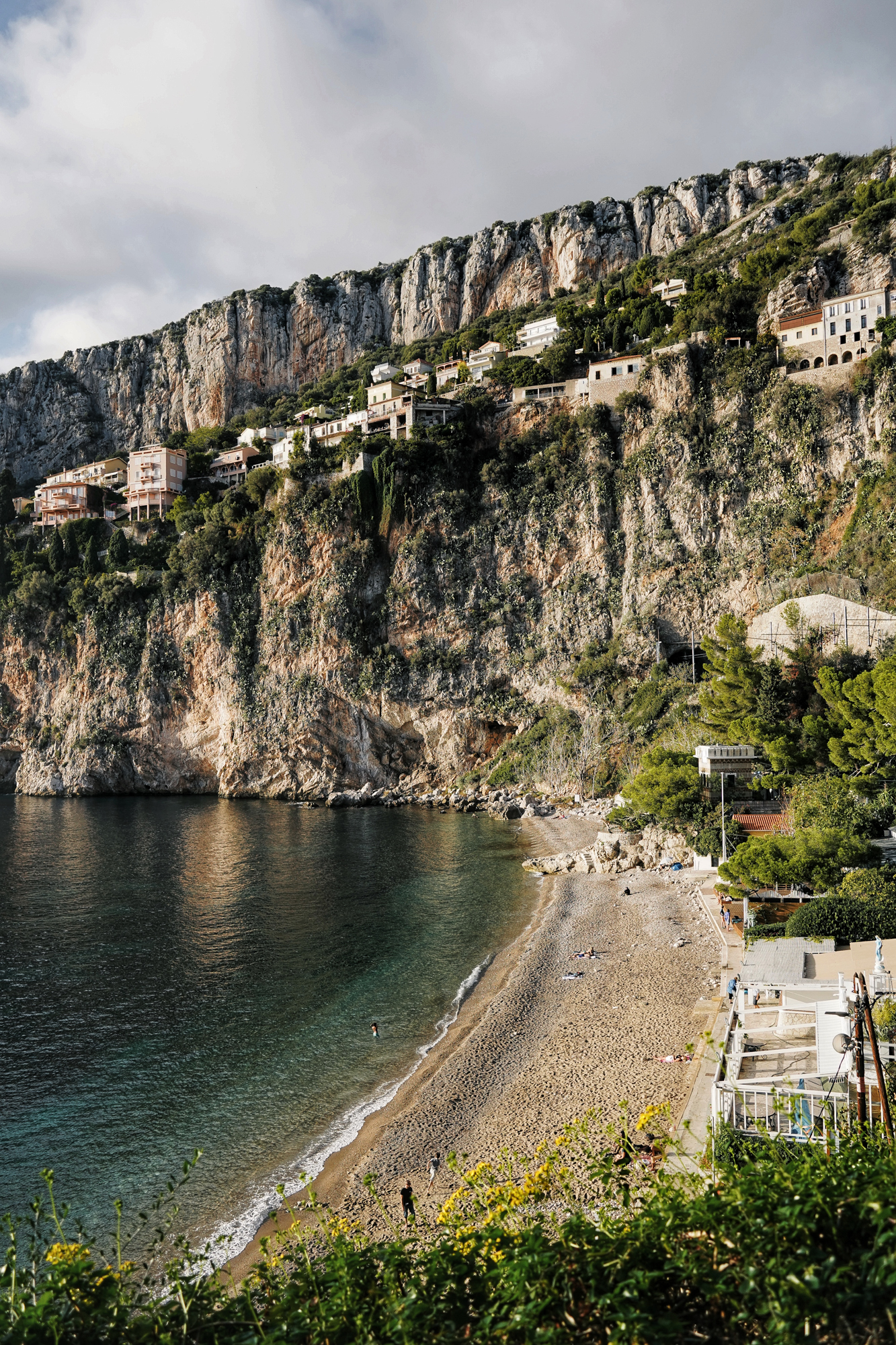
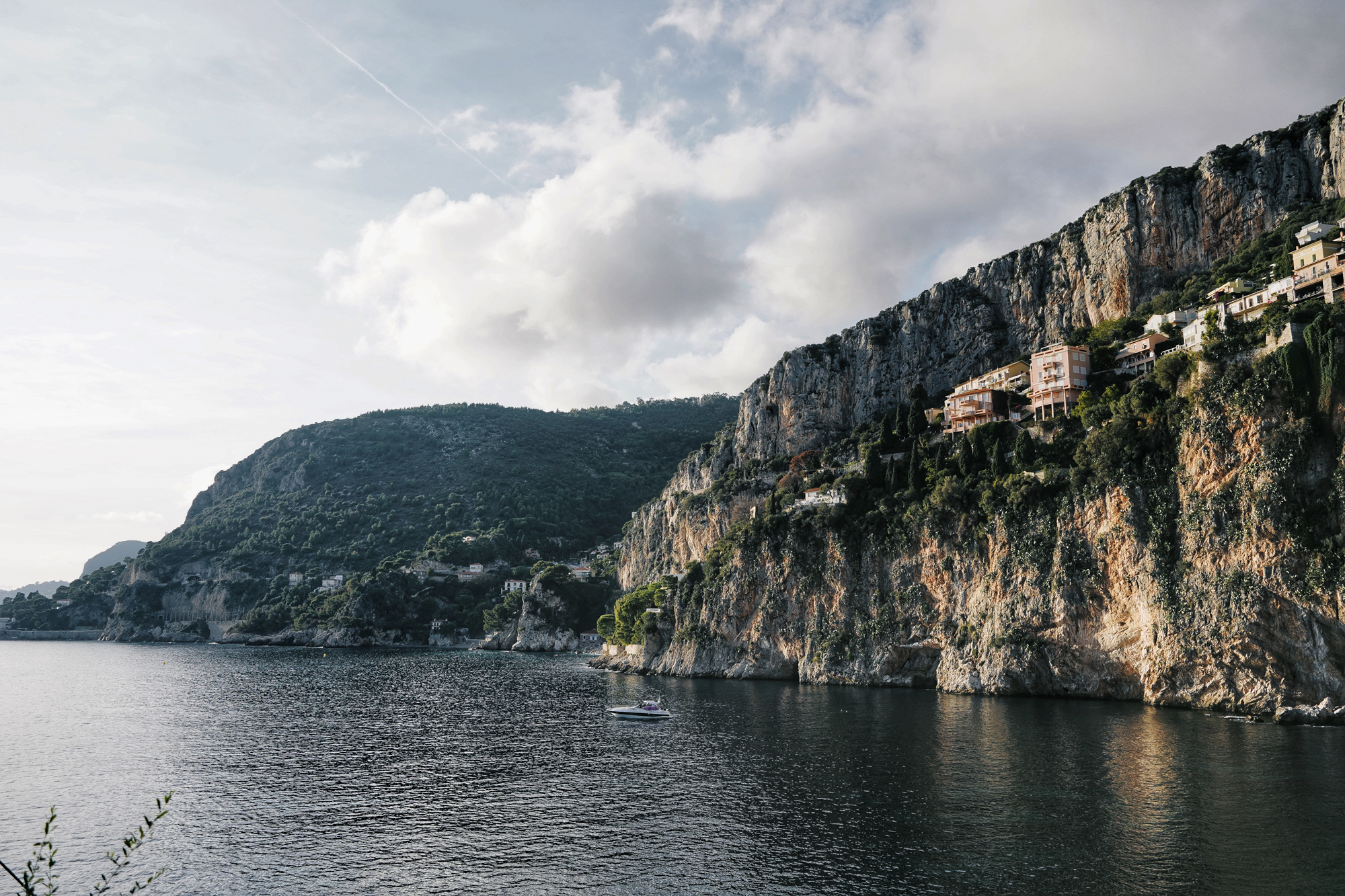
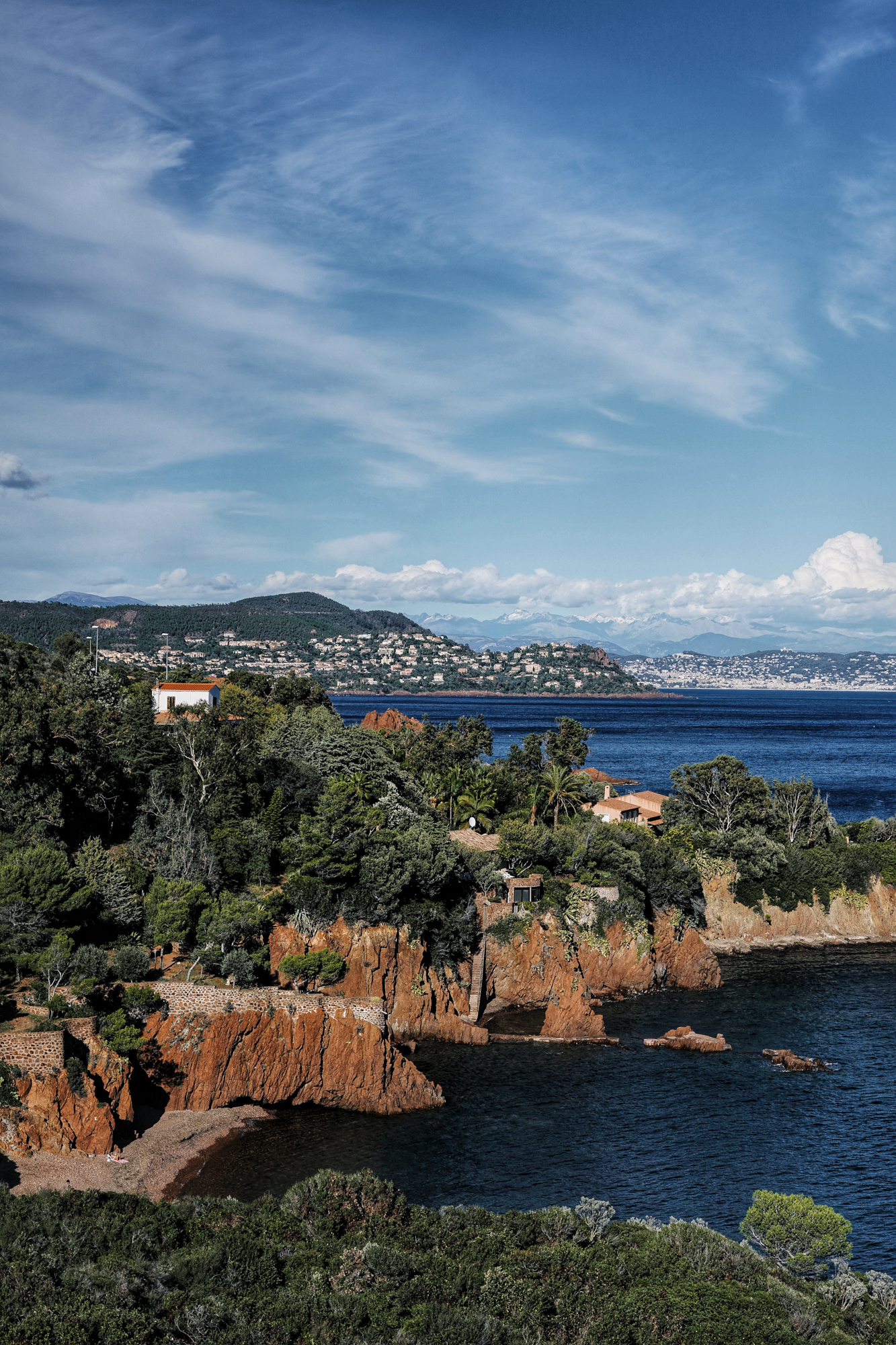
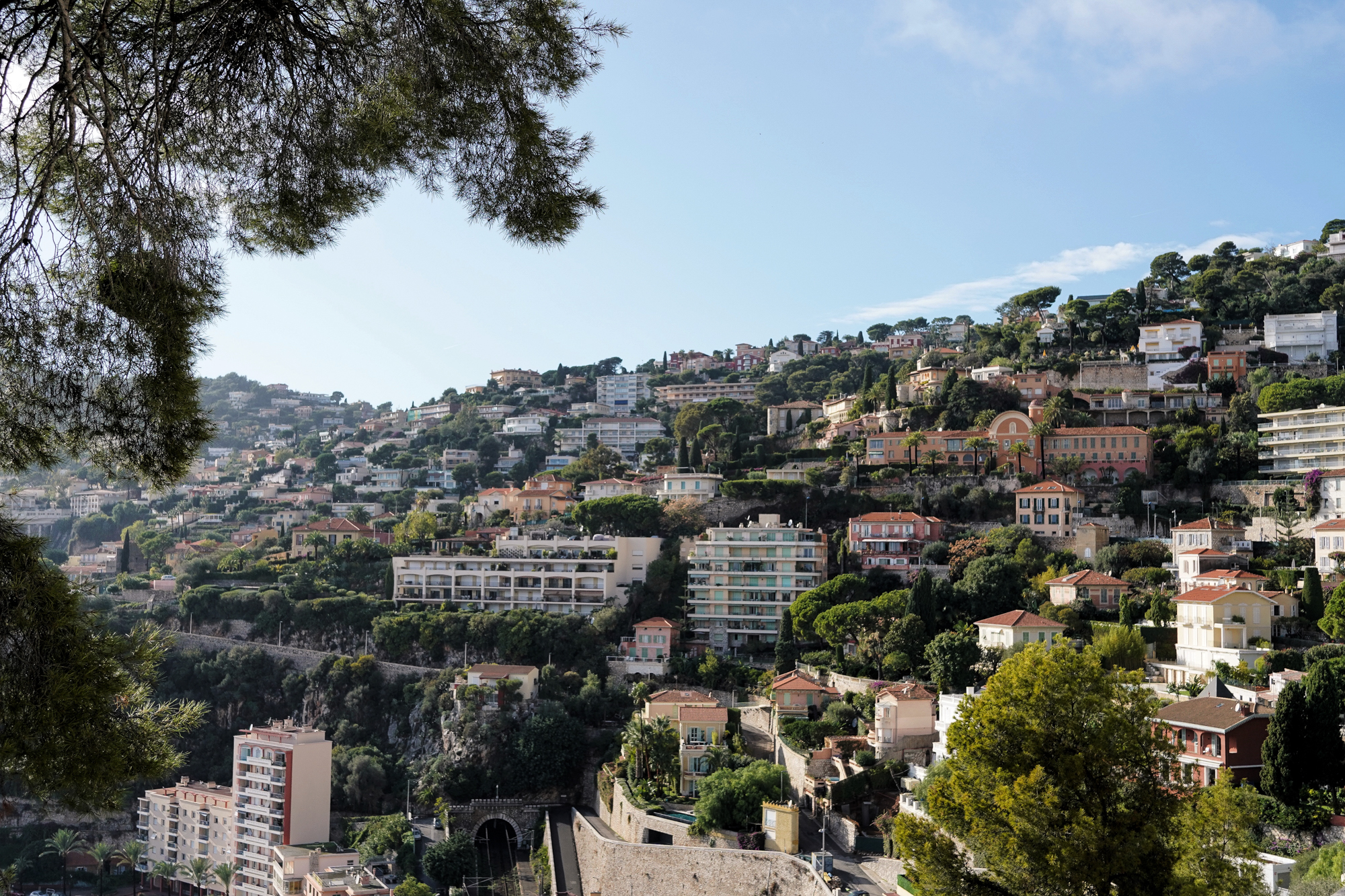
We are on the road to Saint-Jean-Cap-Ferrat when we stopped just before entering Villefranche-sur-Mer. Many have already stopped to gaze at the scene. This is how I’ve always imagined the French riviera: a Harley revs past peach-tinted houses that cascade across the sea. This day, the water is strikingly clear at Paloma Beach and Mala Beach. I can’t help but dip my toes in the cold, clear water. I remember thinking, “Something is different here, different from the Amalfi Coast.” In the Amalfi Coast, everything is vertical. Here, everything is flat, spread out across stretches of land. It’s less dramatic, but serene.

Processed with VSCO with a7 preset

Processed with VSCO with a7 preset

Processed with VSCO with a9 preset

Processed with VSCO with a7 preset

Processed with VSCO with kk1 preset

Processed with VSCO with a9 preset

Processed with VSCO with a7 preset

Processed with VSCO with a9 preset

Processed with VSCO with a7 preset

Processed with VSCO with a7 preset

Processed with VSCO with a7 preset

Processed with VSCO with a7 preset

Processed with VSCO with kk2 preset

Processed with VSCO with a7 preset

Processed with VSCO with a9 preset

Processed with VSCO with a7 preset

NICE

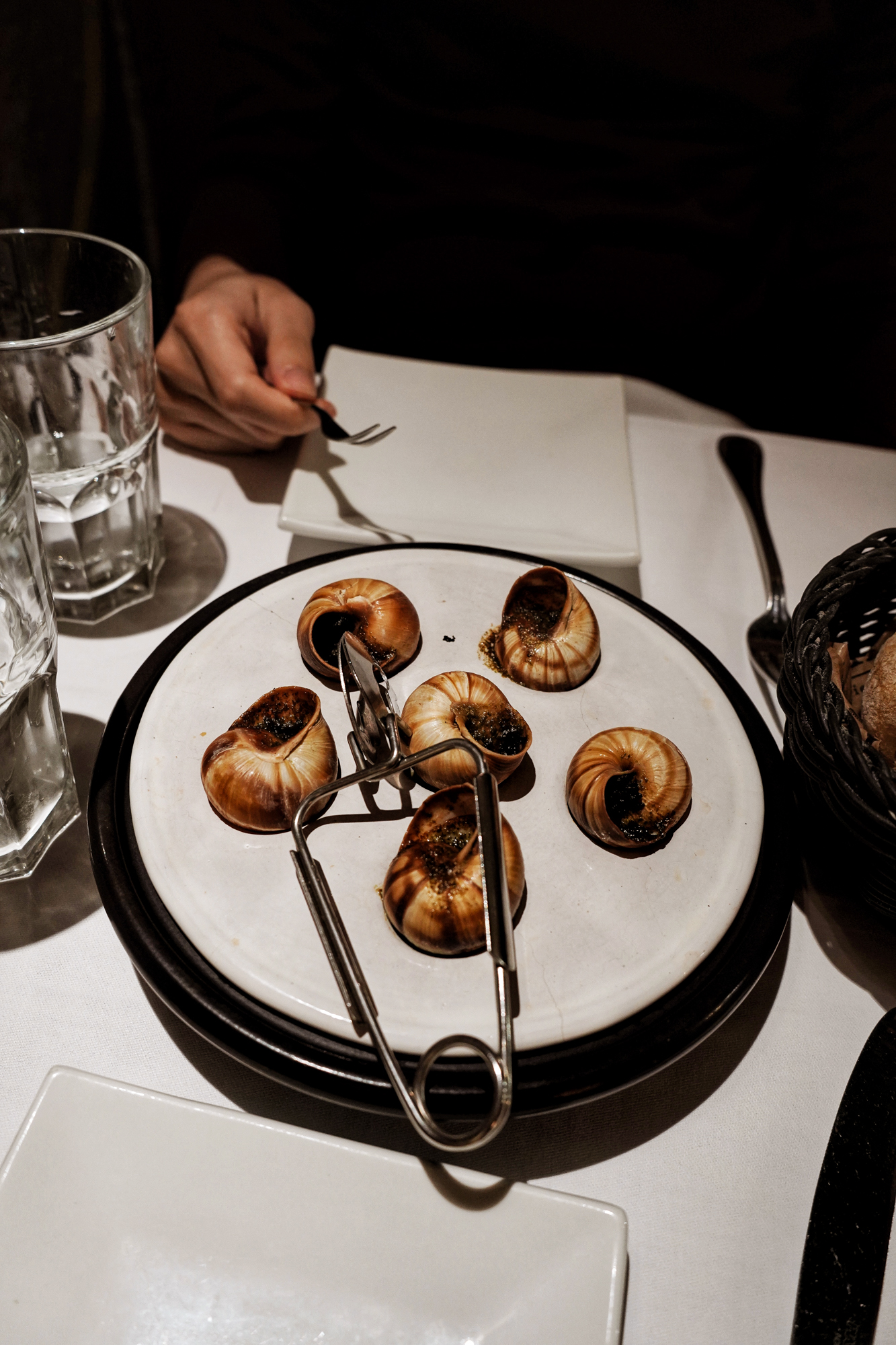
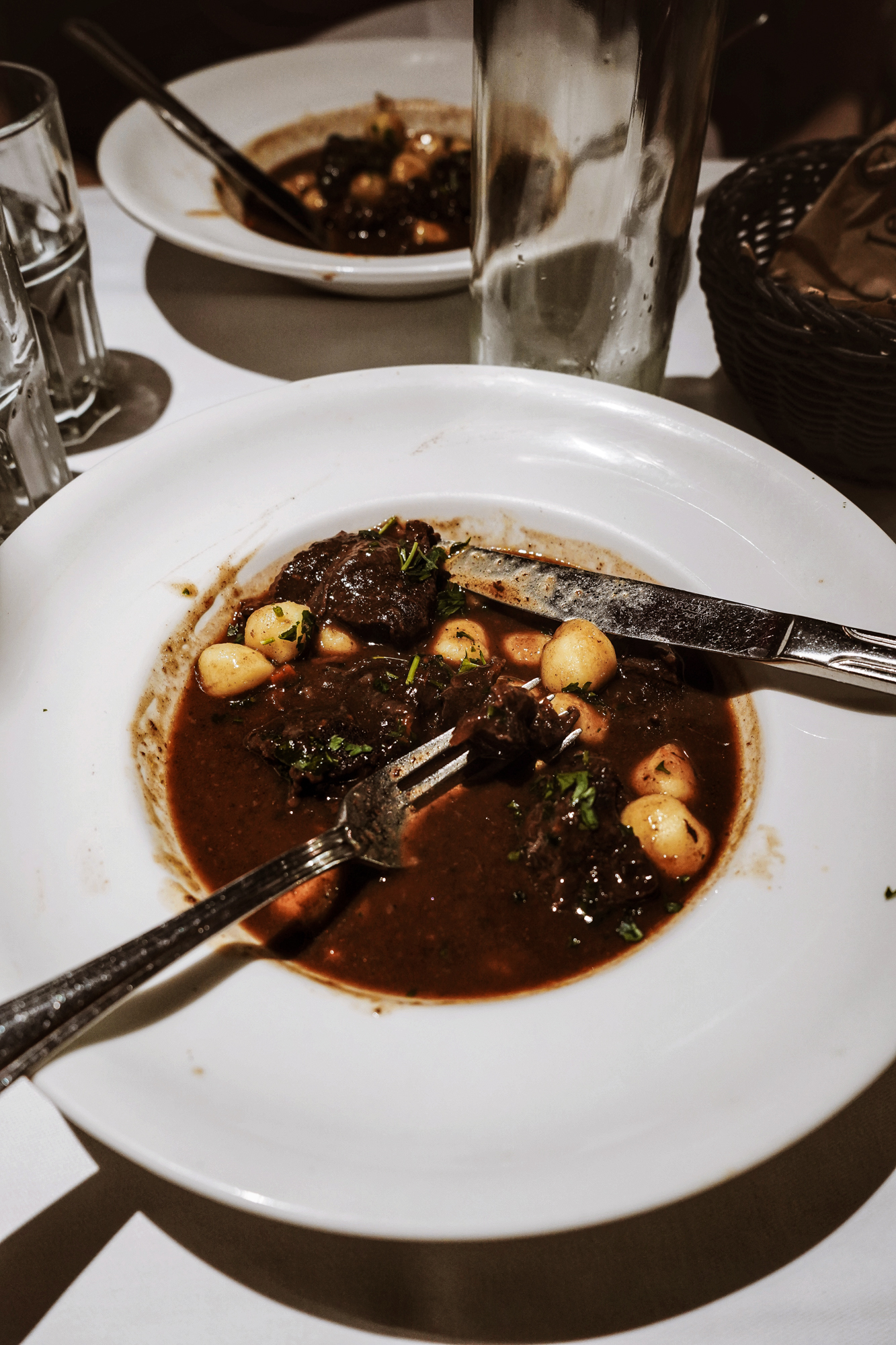
Walking in the Old Town of Nice after 6 pm is drifting through alleys of assorted aromas. Dried apples, pears and melons are arranged in metal containers next to jars of spices, flavoured salts and peppers. Socca is scraped from a large pan and placed on paper plates. Pissaladière is cut and wedged between square-cut napkins for casual takeaways. For us, dinner is escargots and daube at Marcel Bistro Chic. The Niçoise are proud of their daube, a beef stew with gnocchi. Like every French bistro, the dinner ends with something sweet – the profiteroles au chocolat. Something indulgent to finish an already indulgent meal. We are in France after all.

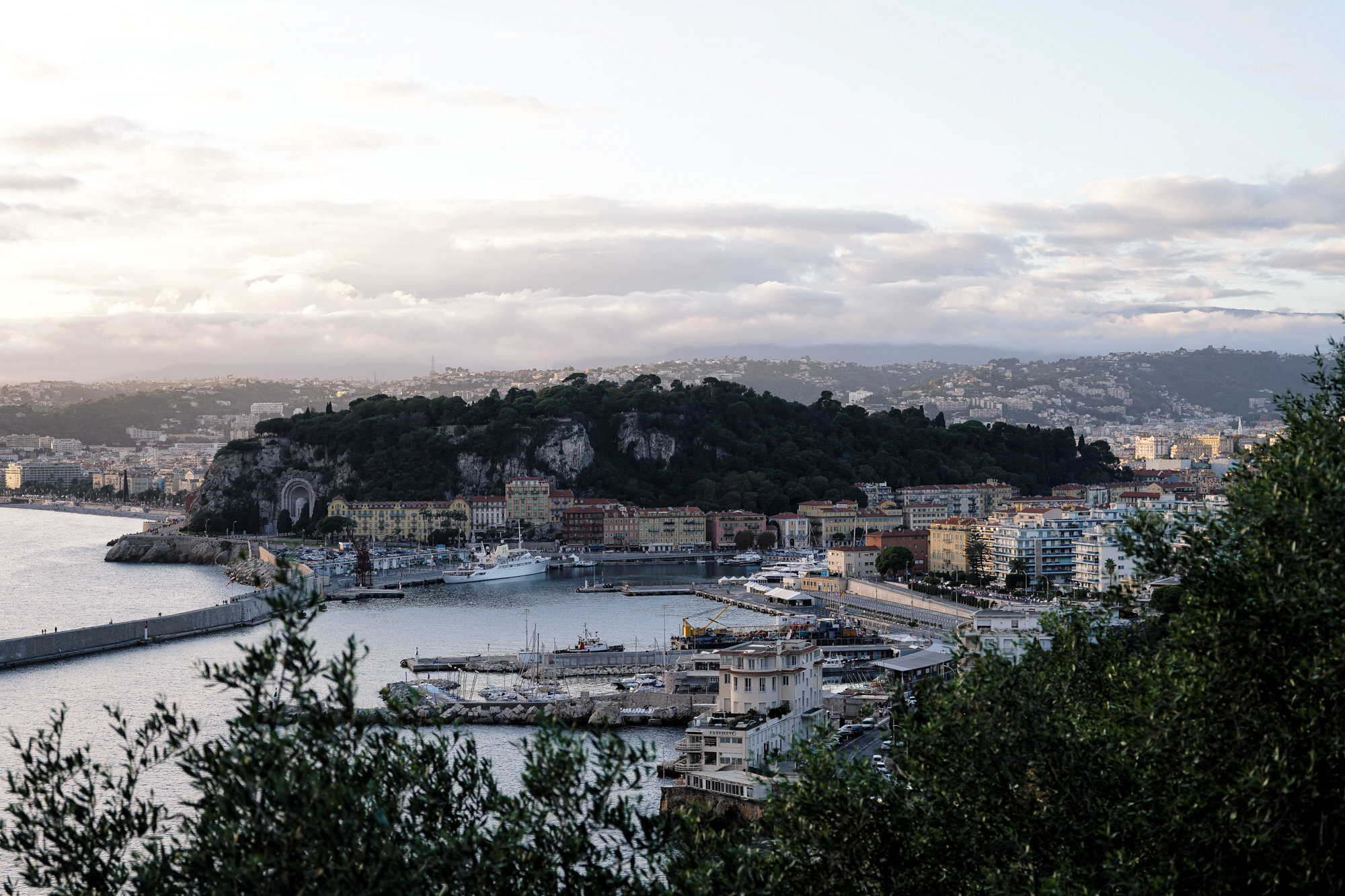
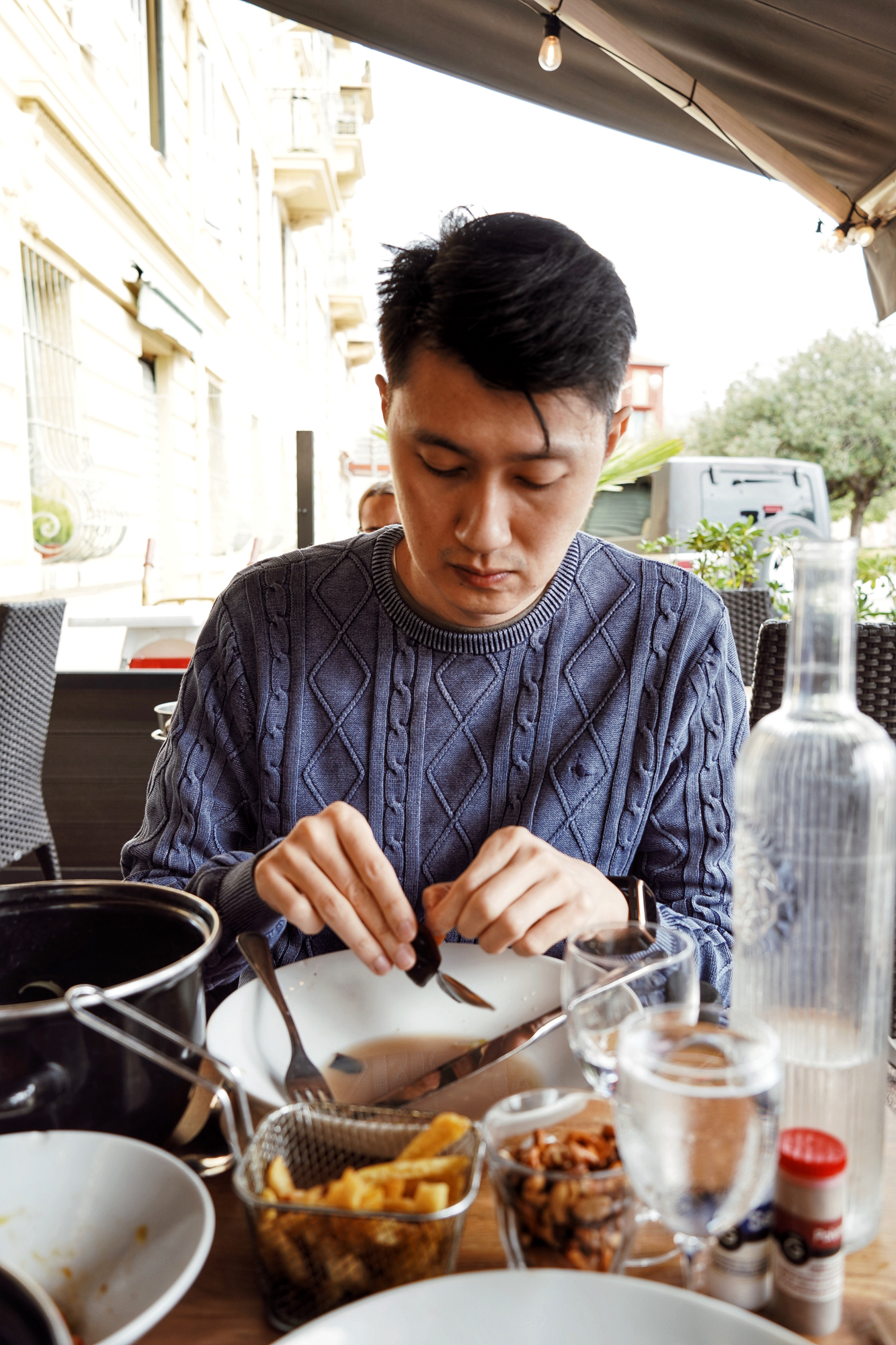
Nice in the morning gives off a different light. Palm trees line the promenade where people are sprawled under the sun. It’s mid-day when we reach Le Rocher. Some people are already having moules mariniere, a French dish that really came by way of Belgium. There is something therapeutic about a slow lunch of deshelling mussels to get a morsel and dipping the fries in their juices seasoned with white wine and parsley. The best French summer food at any time of the year. 

Processed with VSCO with a7 preset

Processed with VSCO with j1 preset

Processed with VSCO with j2 preset

Processed with VSCO with a9 preset

Processed with VSCO with a9 preset

Processed with VSCO with a9 preset

Processed with VSCO with a9 preset

Processed with VSCO with j5 preset

Processed with VSCO with j5 preset

Processed with VSCO with j5 preset

ANTIBES

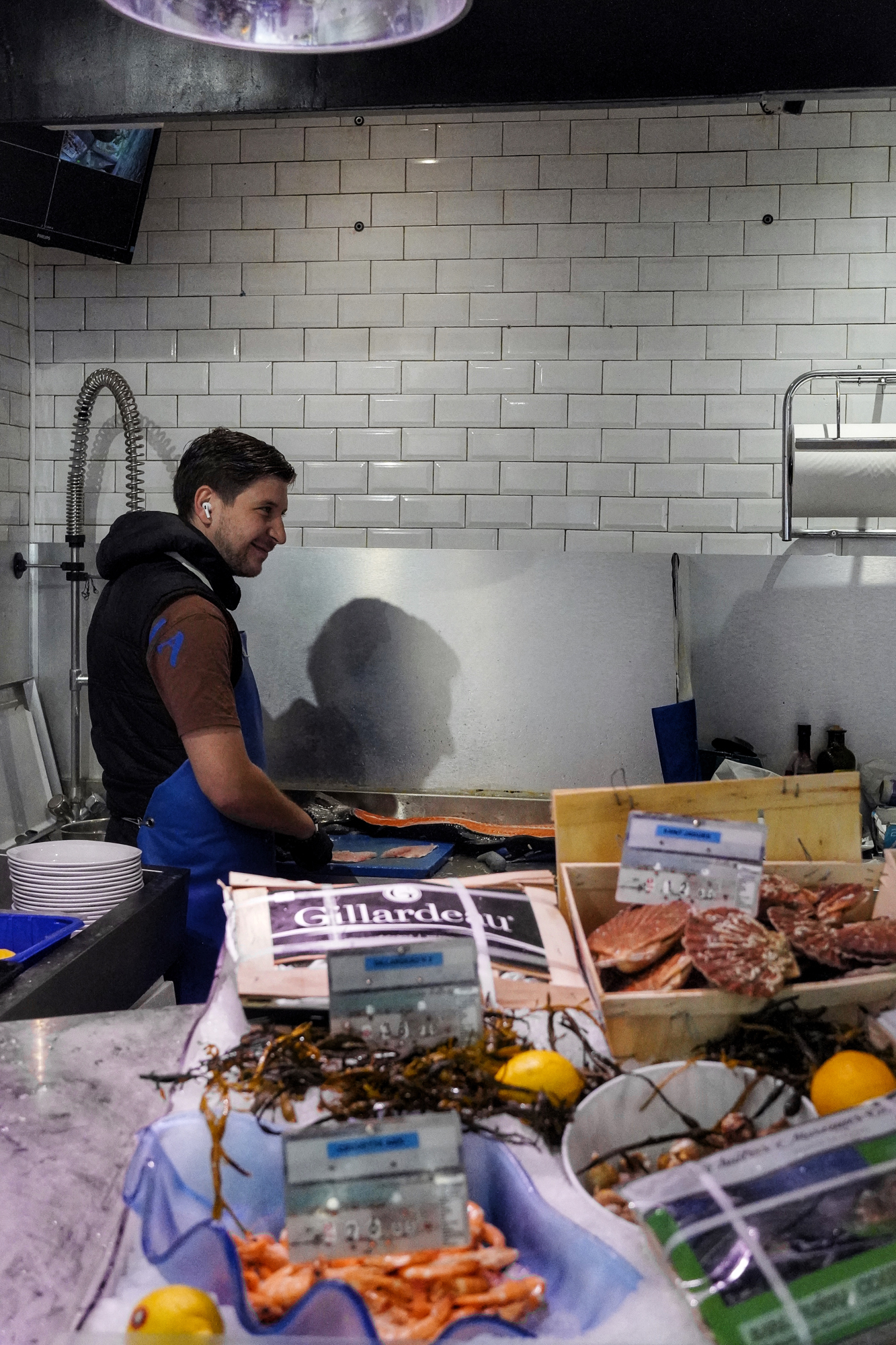
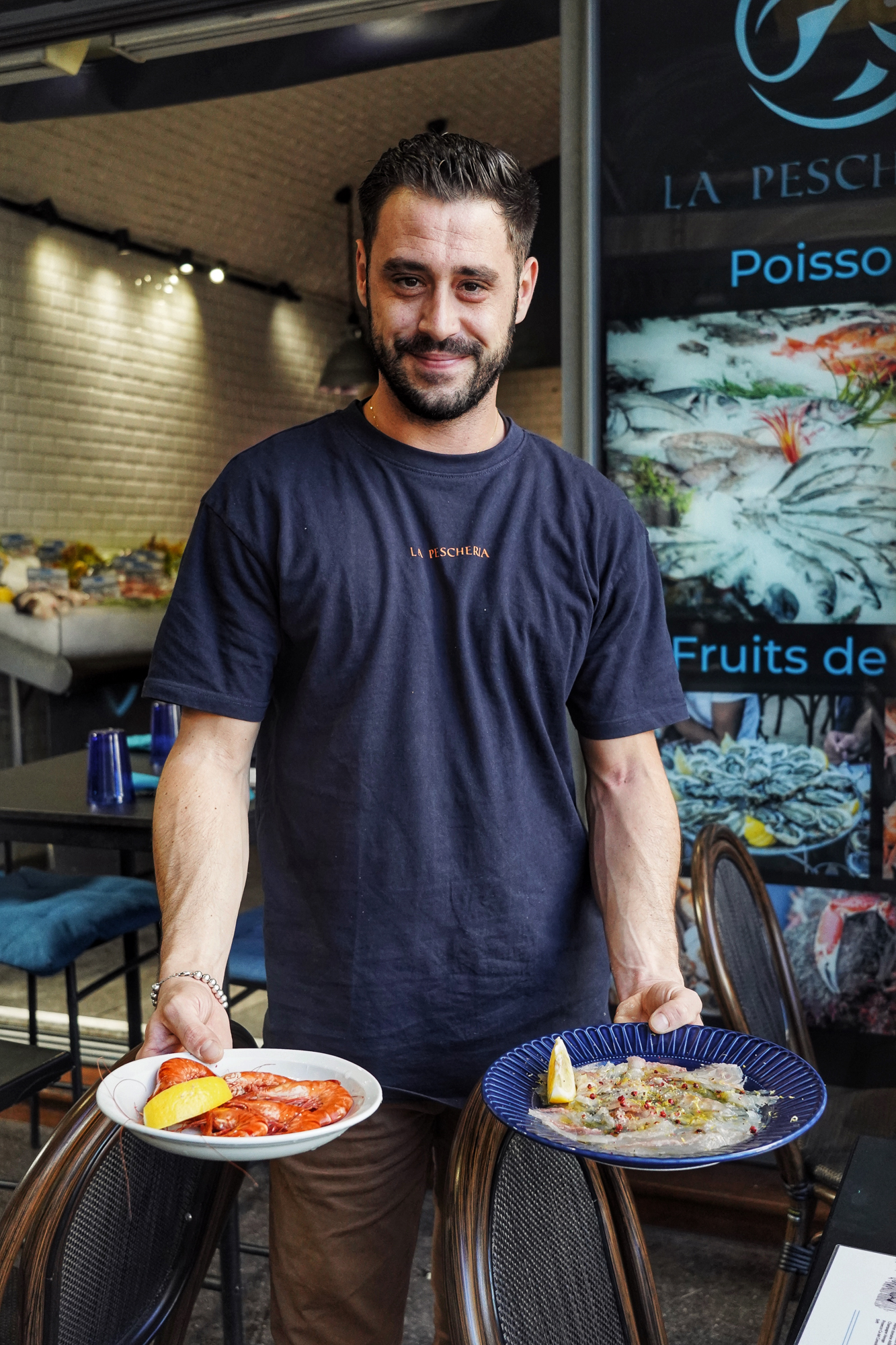
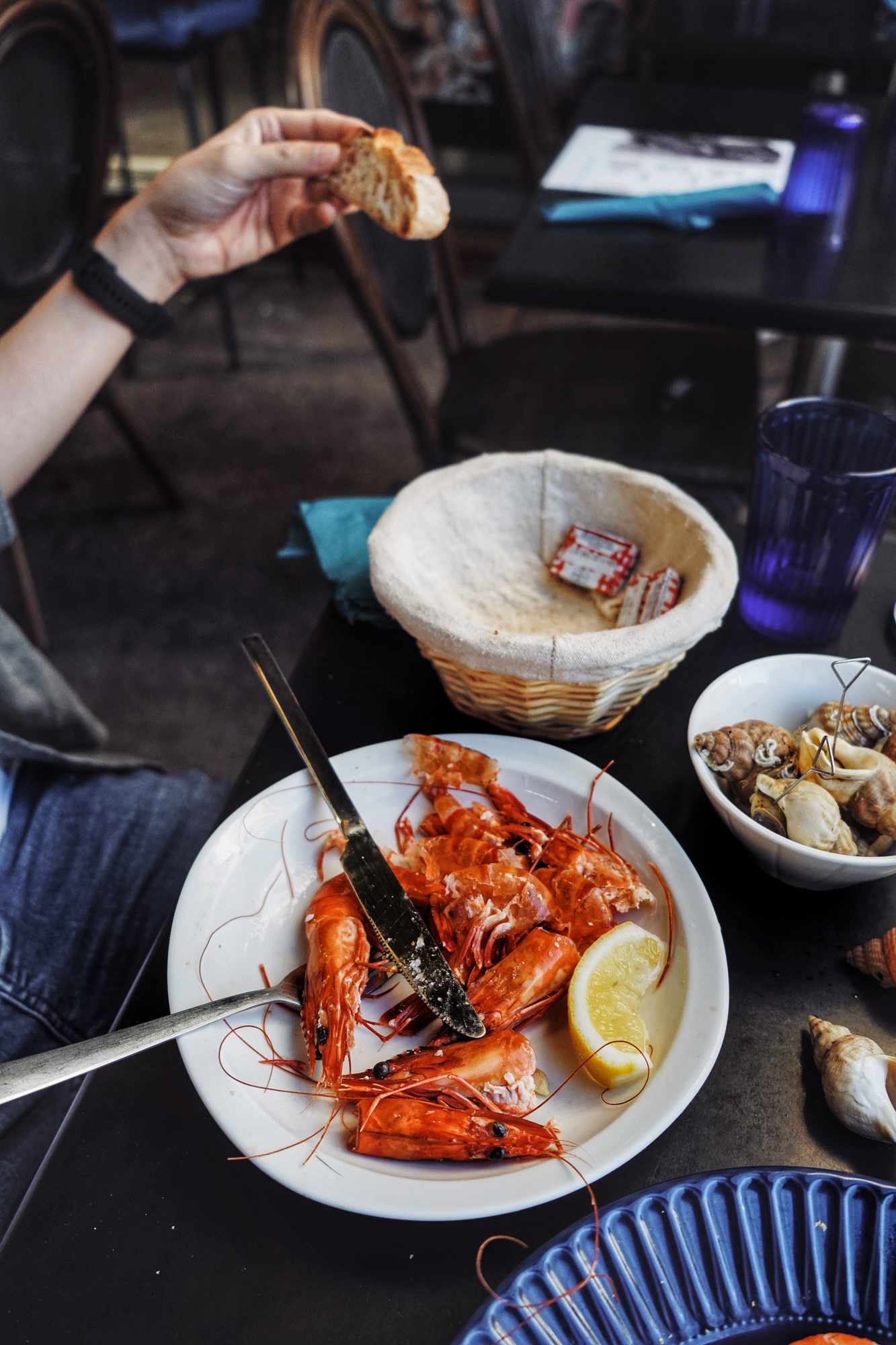
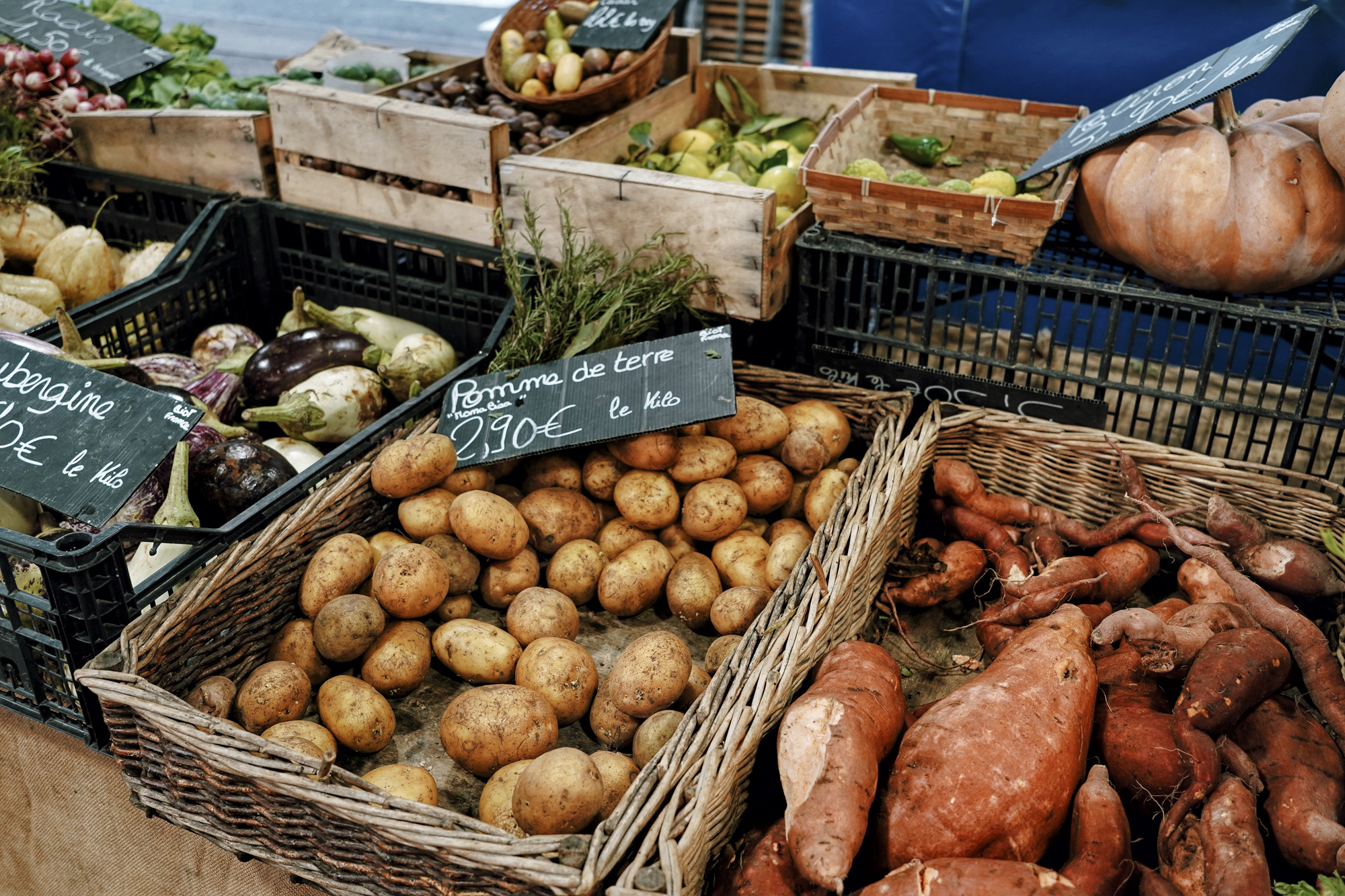
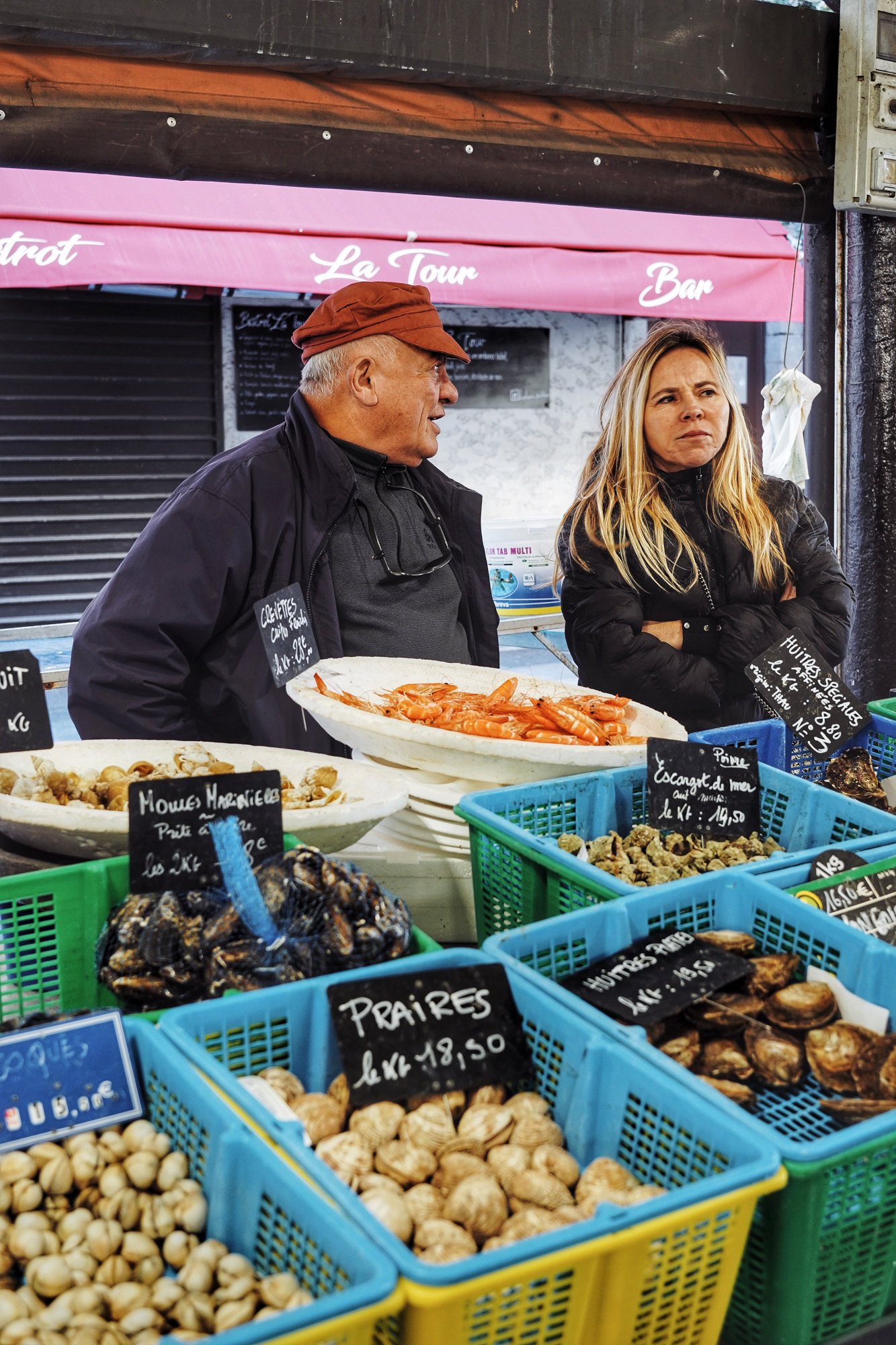
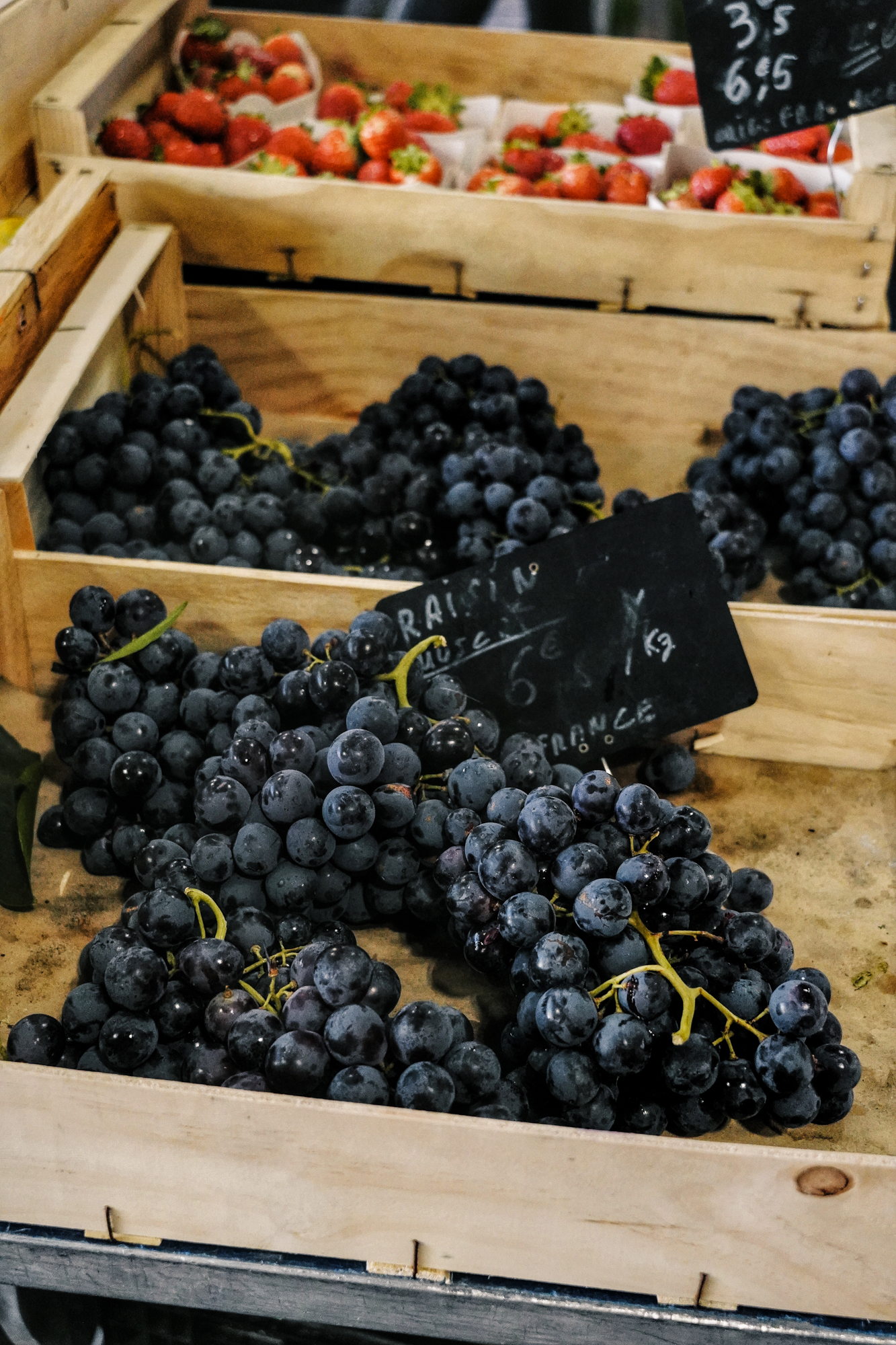
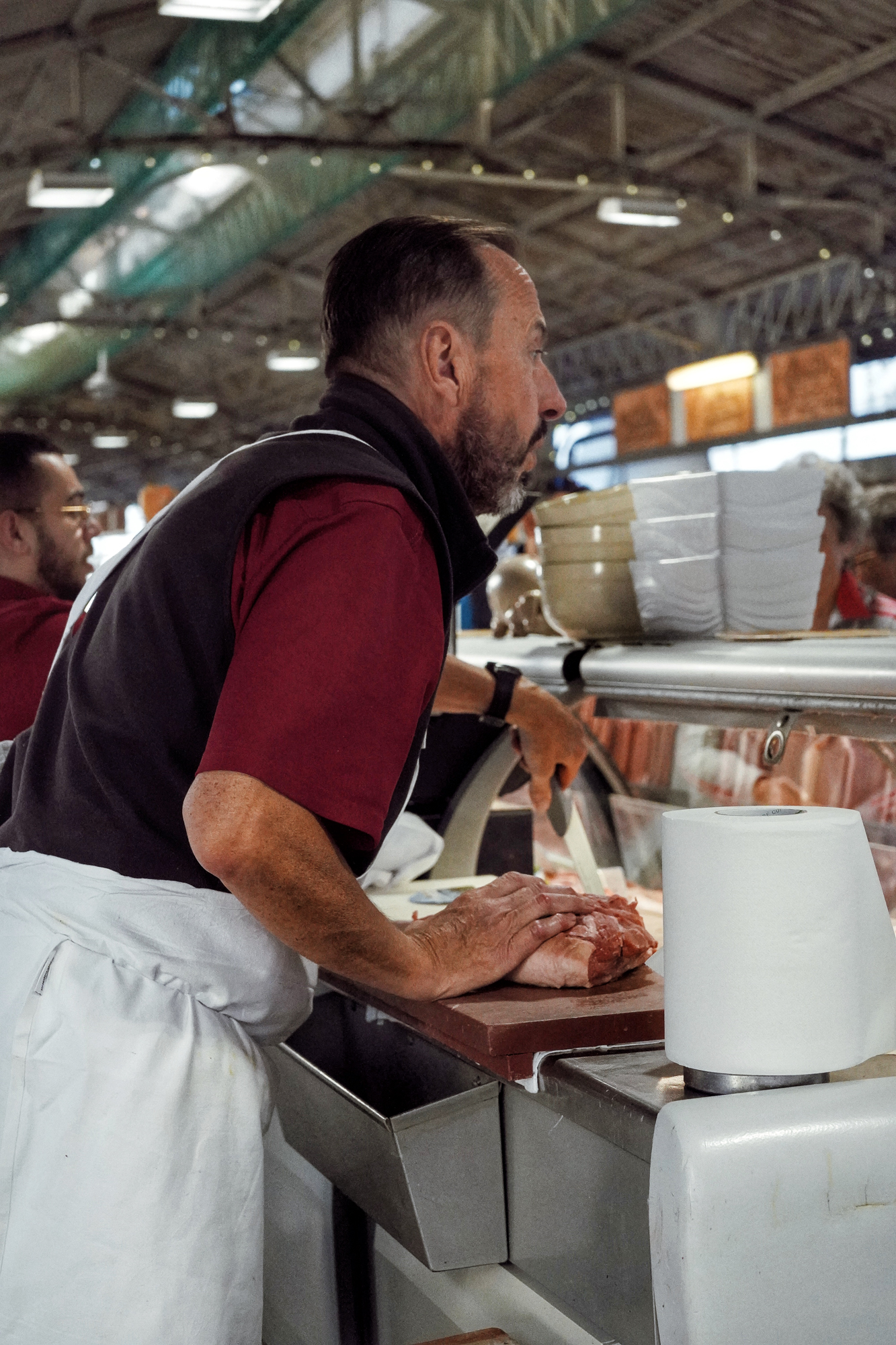
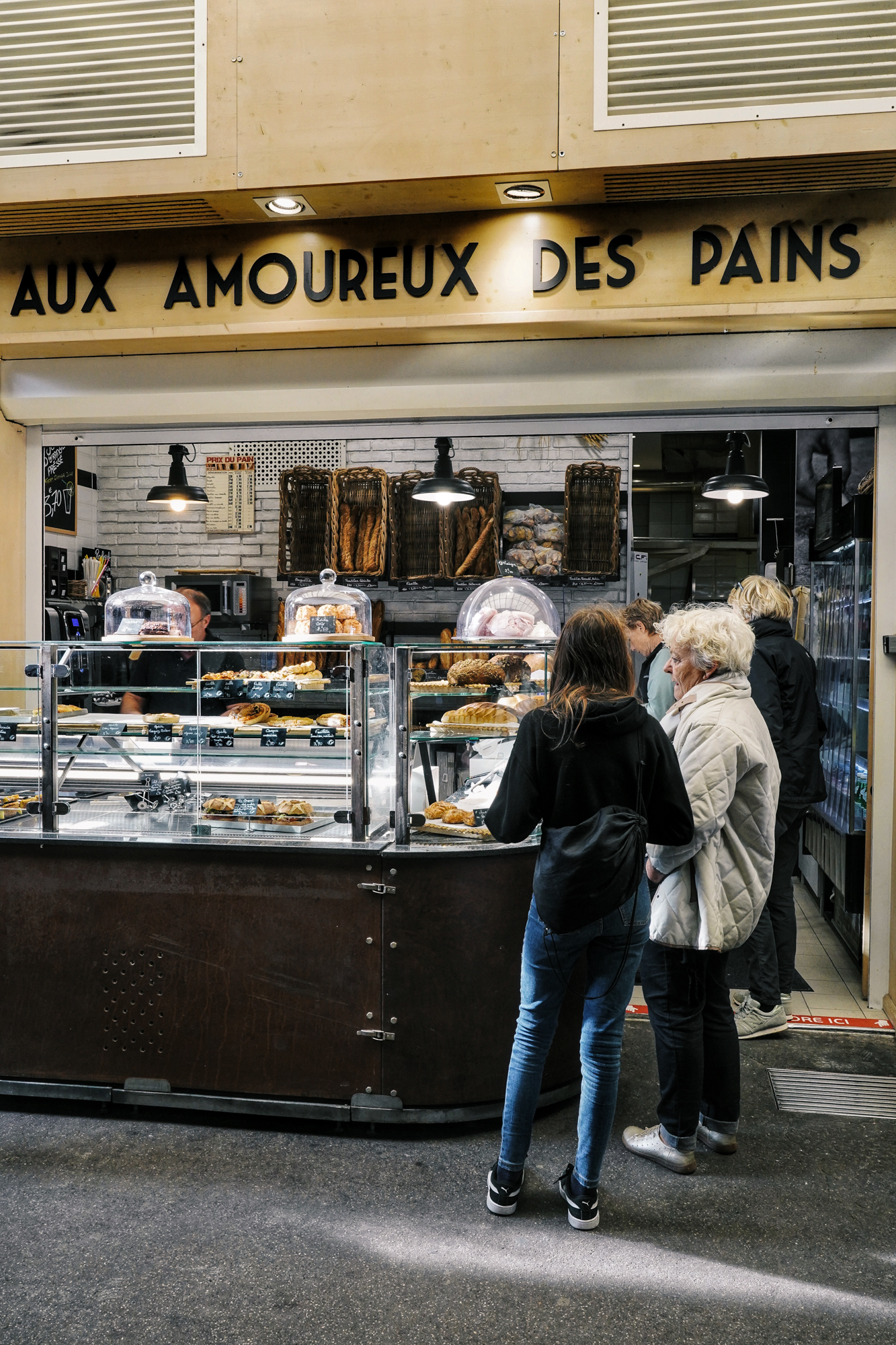
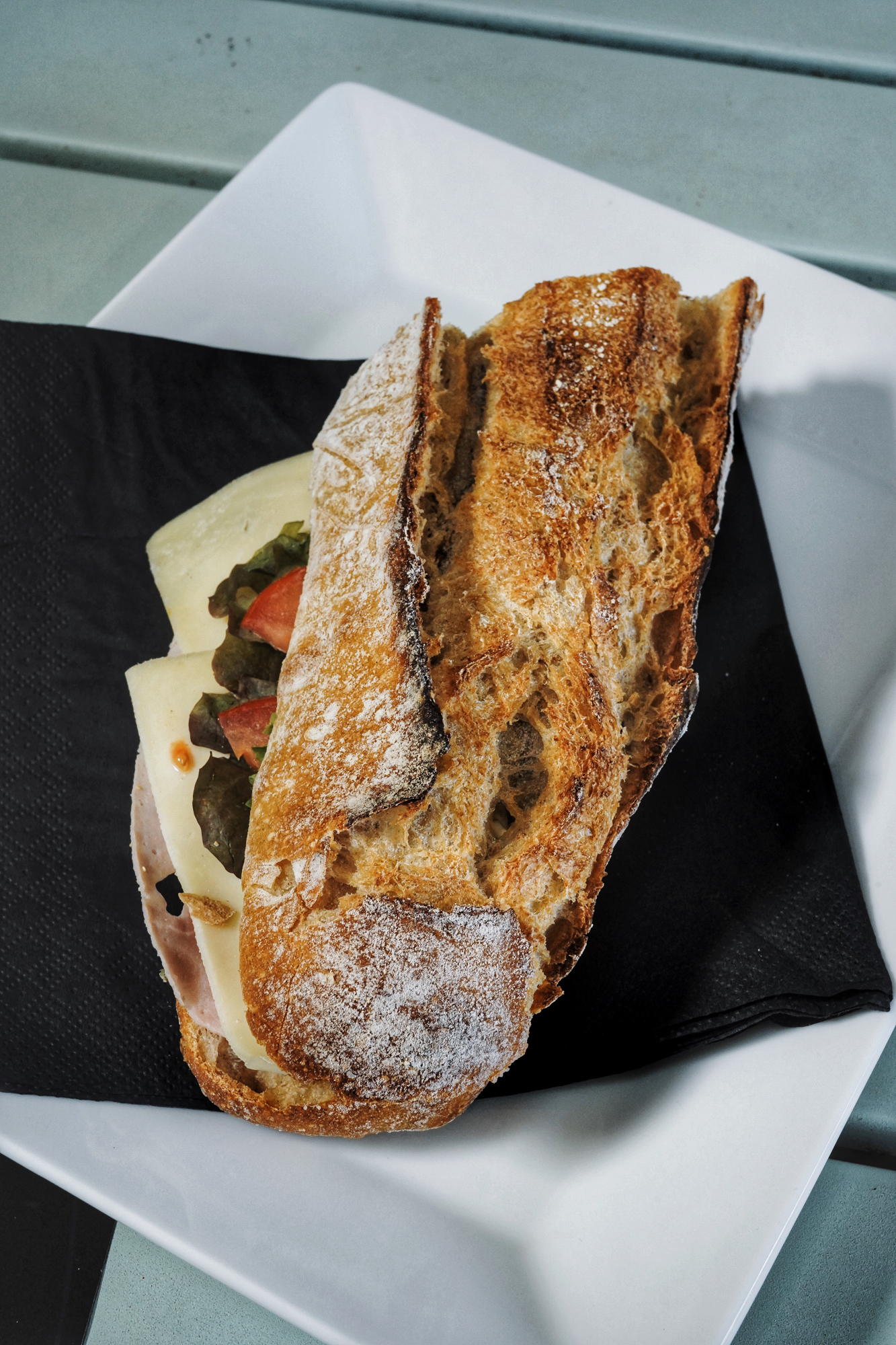
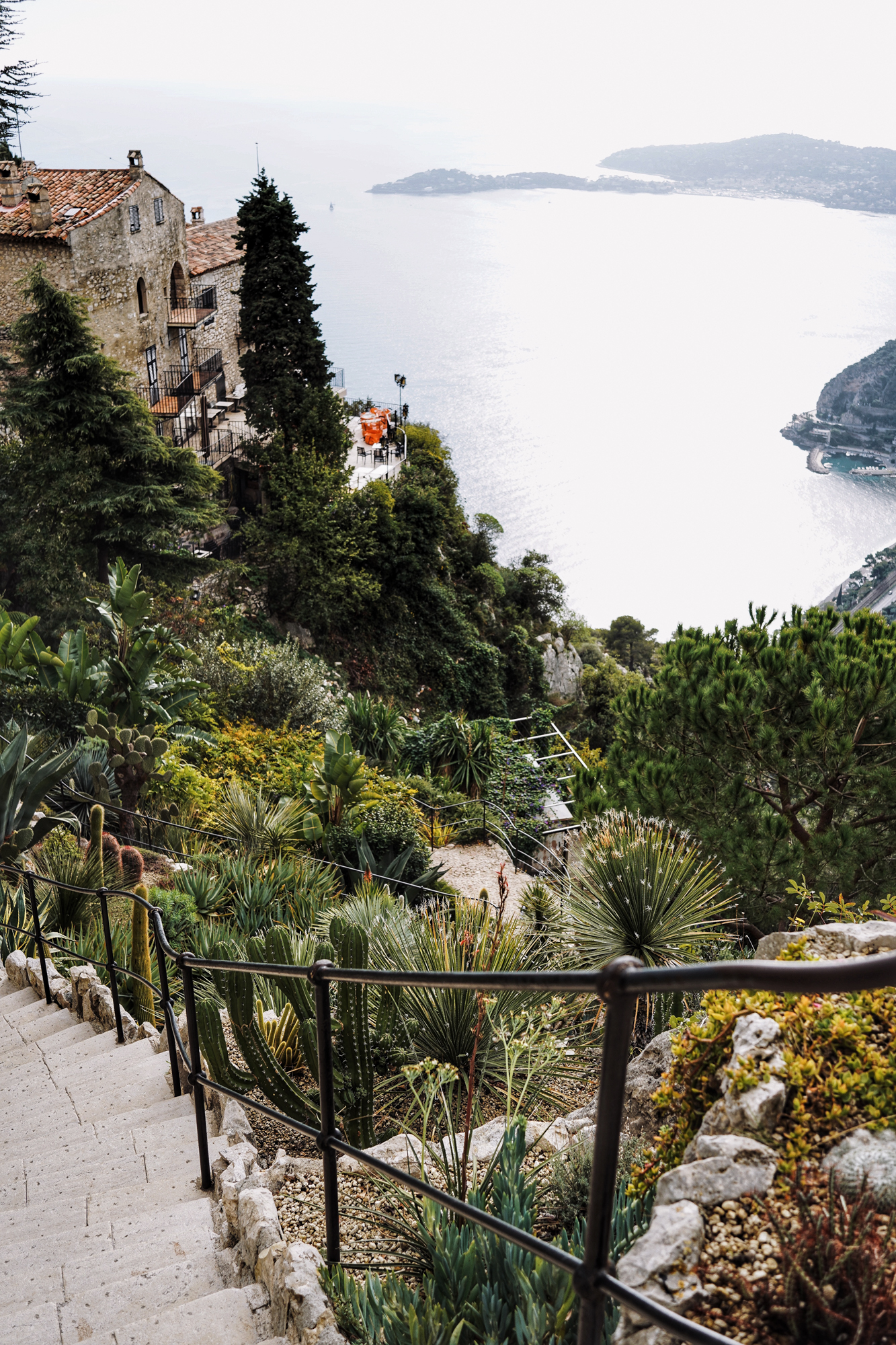
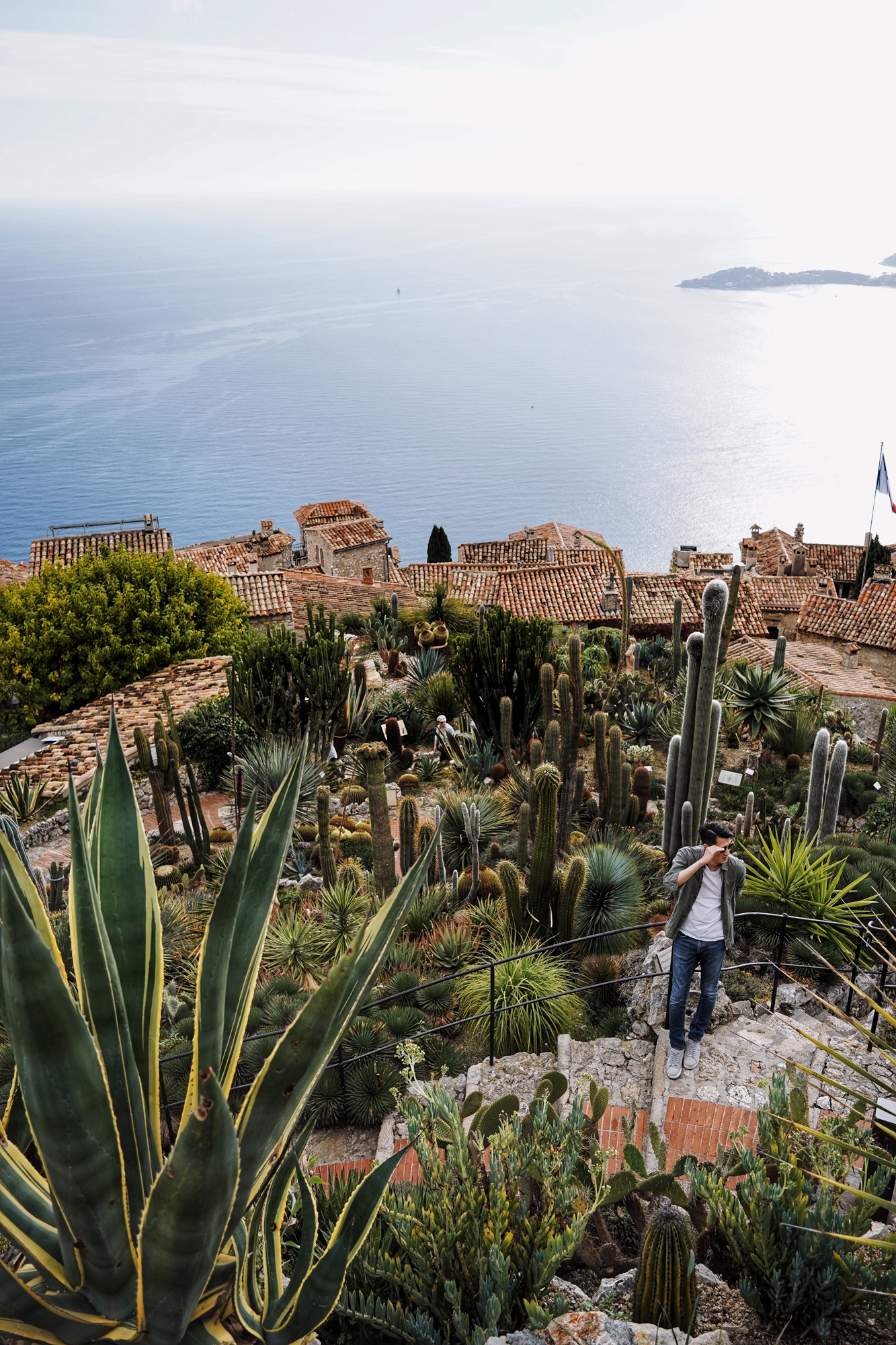
I love markets, only to see the colours of the land’s produce, or sea since we are at the riviera. The market at Antibes is brimming with carts of oysters, mussels, savoy cabbage, chanterelle mushrooms and grapes. “Look at that, and that, and that,” is all I ever hear at a market stroll with Roy next to my ear. The cafes at this stretch are open for breakfast or brunch. The jambon-beurre at Aux Amoureux Des Pains is always sold out by 9 am. There is Le Pescheria, everything is freshly sliced or shucked by the poissonnier. As we sit there with small plates of sea bream carpaccio, ayaba prawns and urchin tartinables, older French women are smoking a cigarette while sipping champagne in front of a plate of a dozen oysters. An aperitif, but French. After our light seafood brunch, we are off to Èze for Le Jardin Exotique where the view from the tip of a hill is just mesmerising

Processed with VSCO with kk1 preset

Processed with VSCO with a9 preset

Processed with VSCO with a9 preset

Processed with VSCO with a9 preset

Processed with VSCO with a9 preset

Processed with VSCO with j2 preset

Processed with VSCO with a9 preset

Processed with VSCO with a7 preset

Processed with VSCO with j5 preset

Processed with VSCO with j5 preset

Processed with VSCO with a7 preset

Processed with VSCO with a9 preset

Processed with VSCO with a8 preset

Processed with VSCO with a9 preset

Processed with VSCO with a9 preset

Processed with VSCO with a9 preset

Processed with VSCO with a9 preset

Processed with VSCO with a7 preset

CHATEAU SAINT ROUX

My eyes are dozing off as Roy drives to our hotel, passing by the Massif de l’Esterel where the mountains and rocks are burnt a reddish orange hue. I shake off my sleepiness, most likely from the jambon-beurre I had for breakfast earlier at the only place in Antibes that still had the French baguette at 9 am, the Copenhagen Coffee Lab. Whenever we step out of the car for views, all we see are blues and ochres.

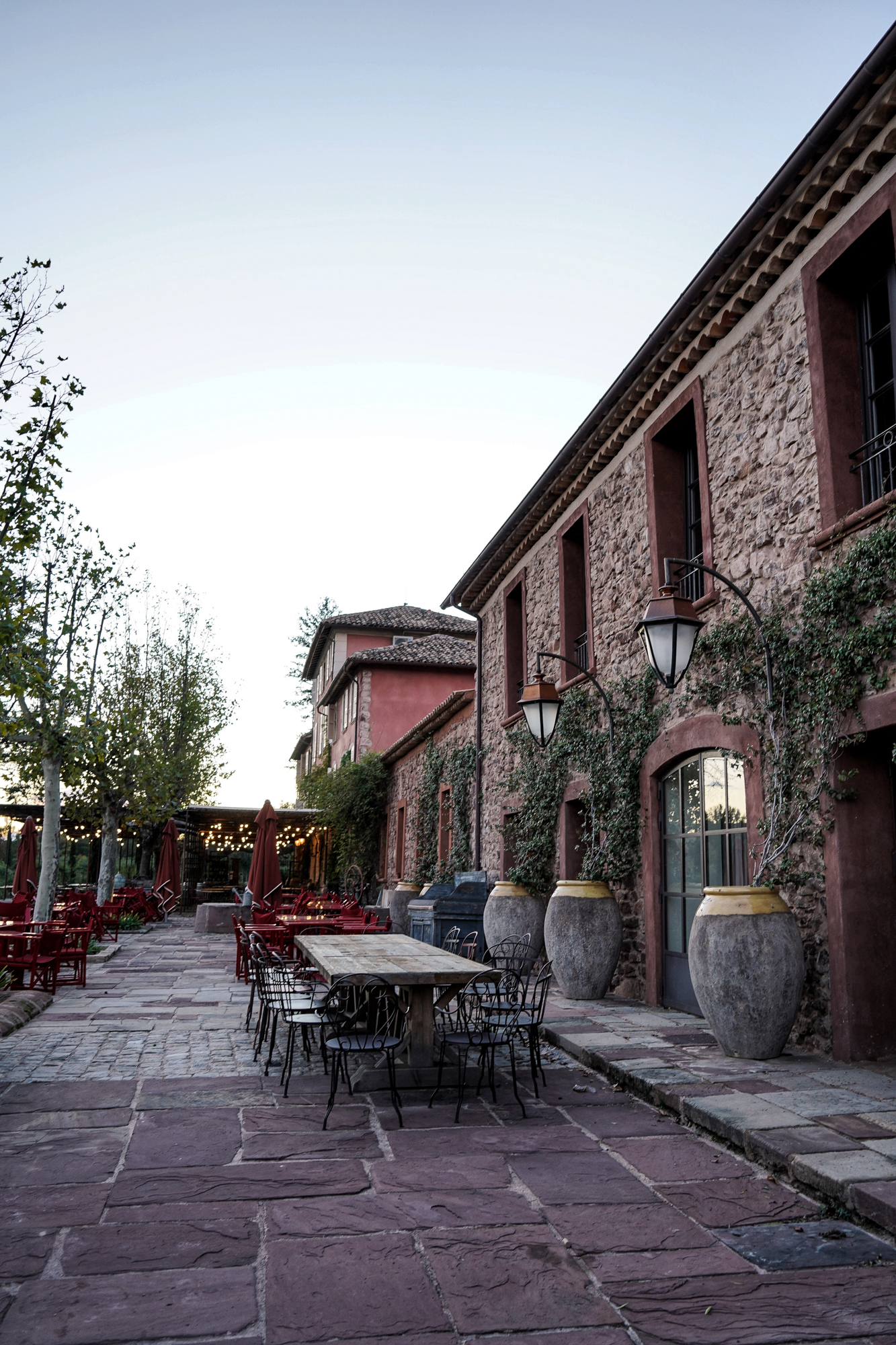
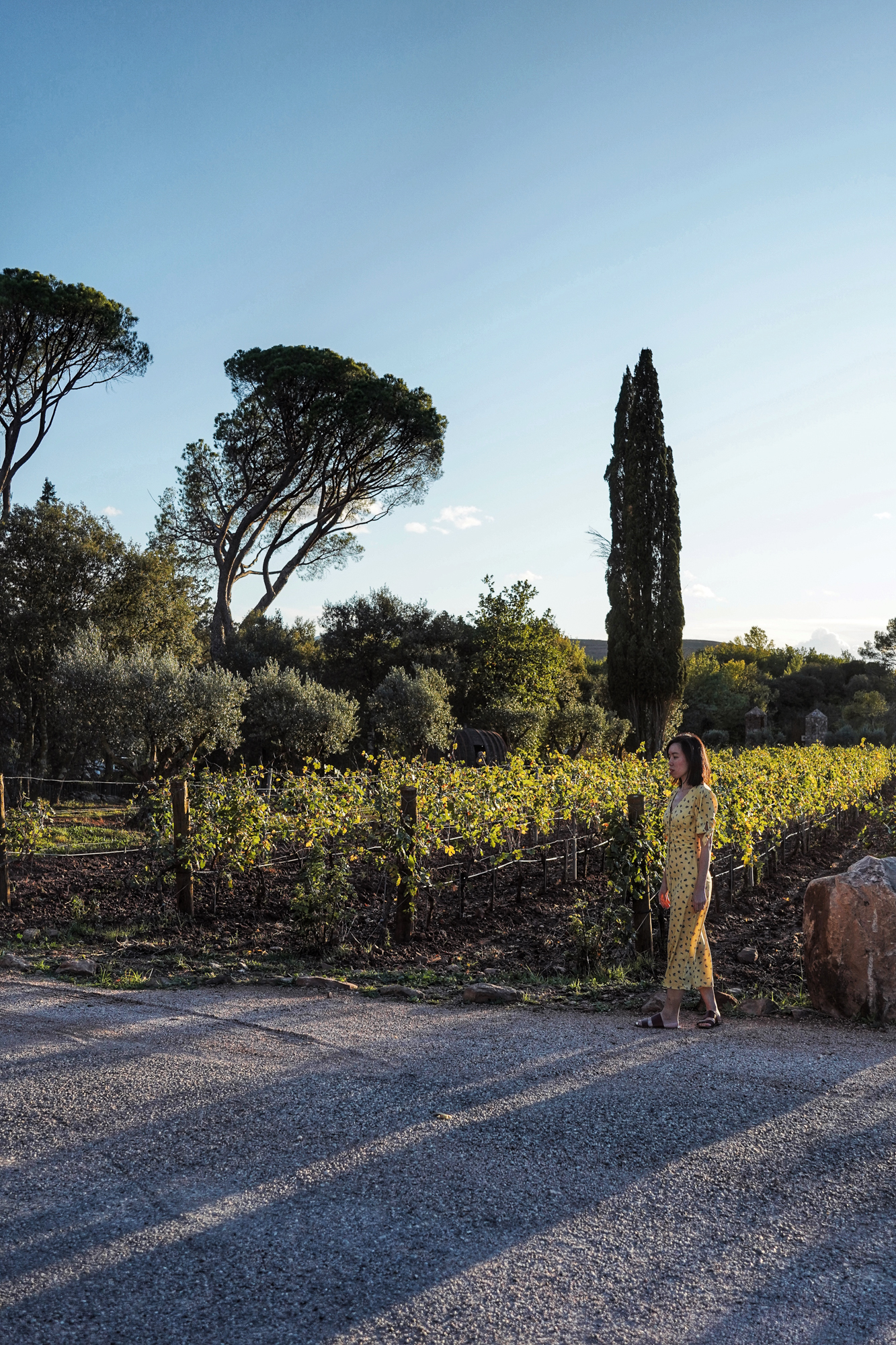
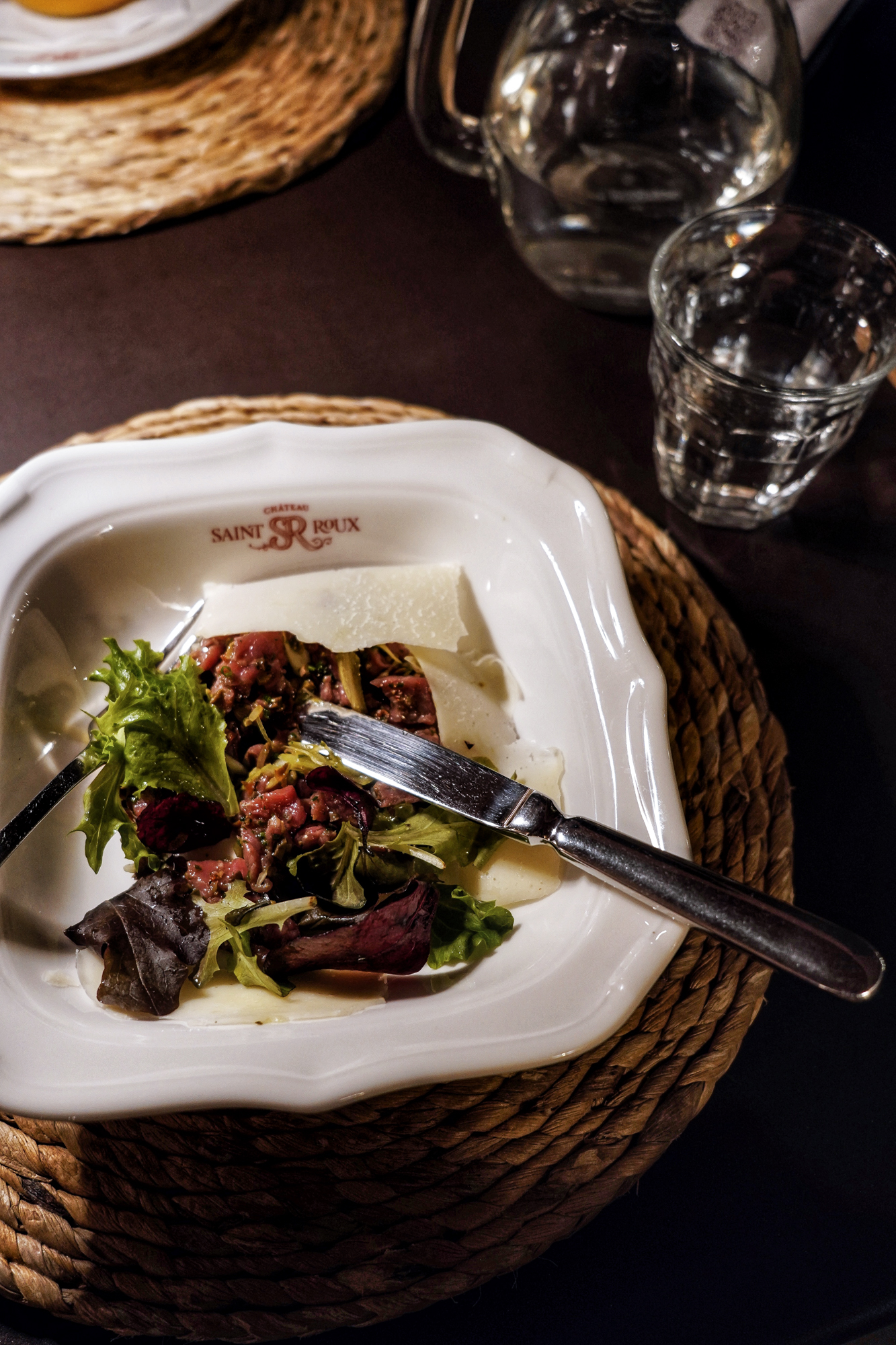
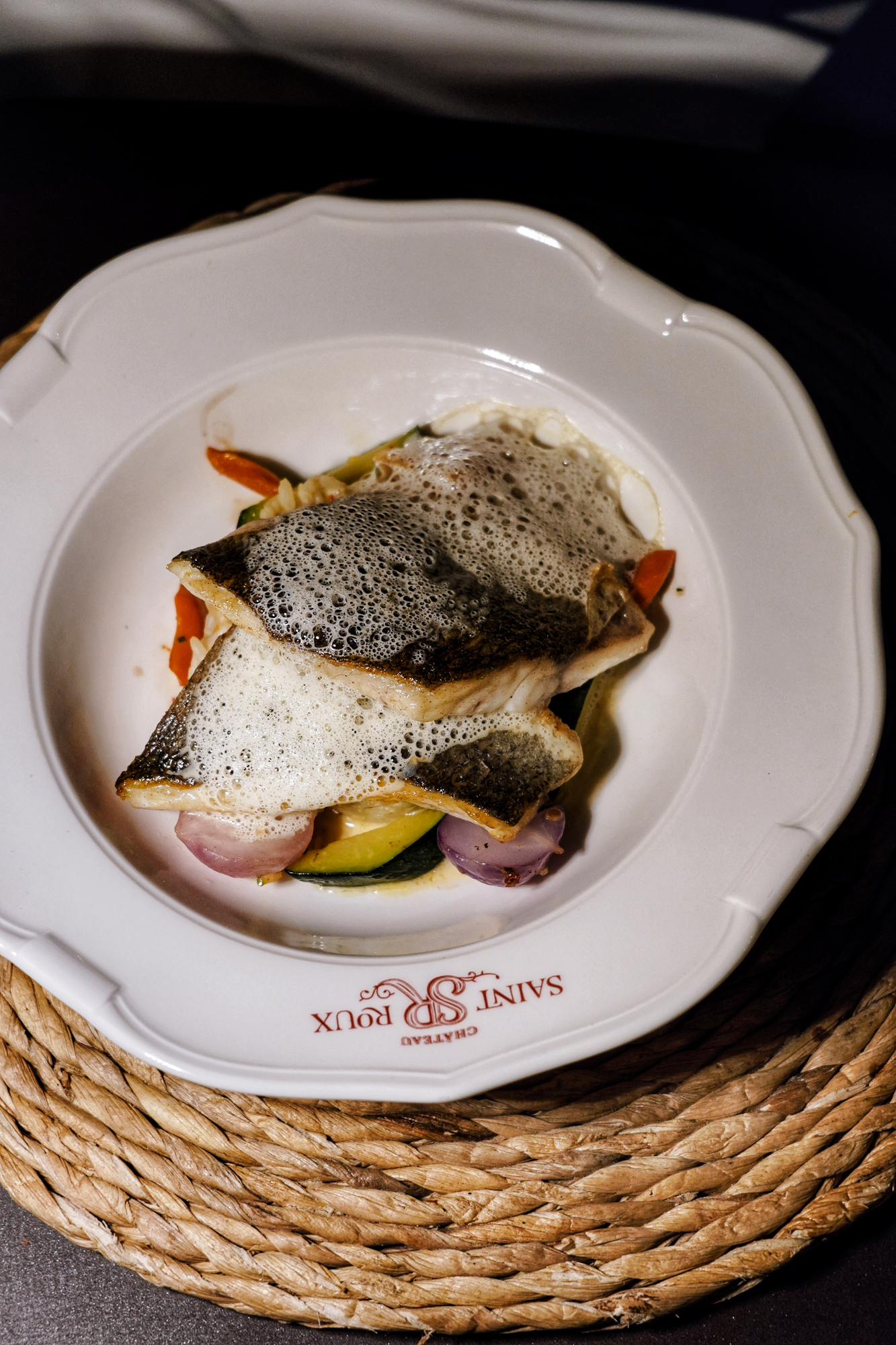
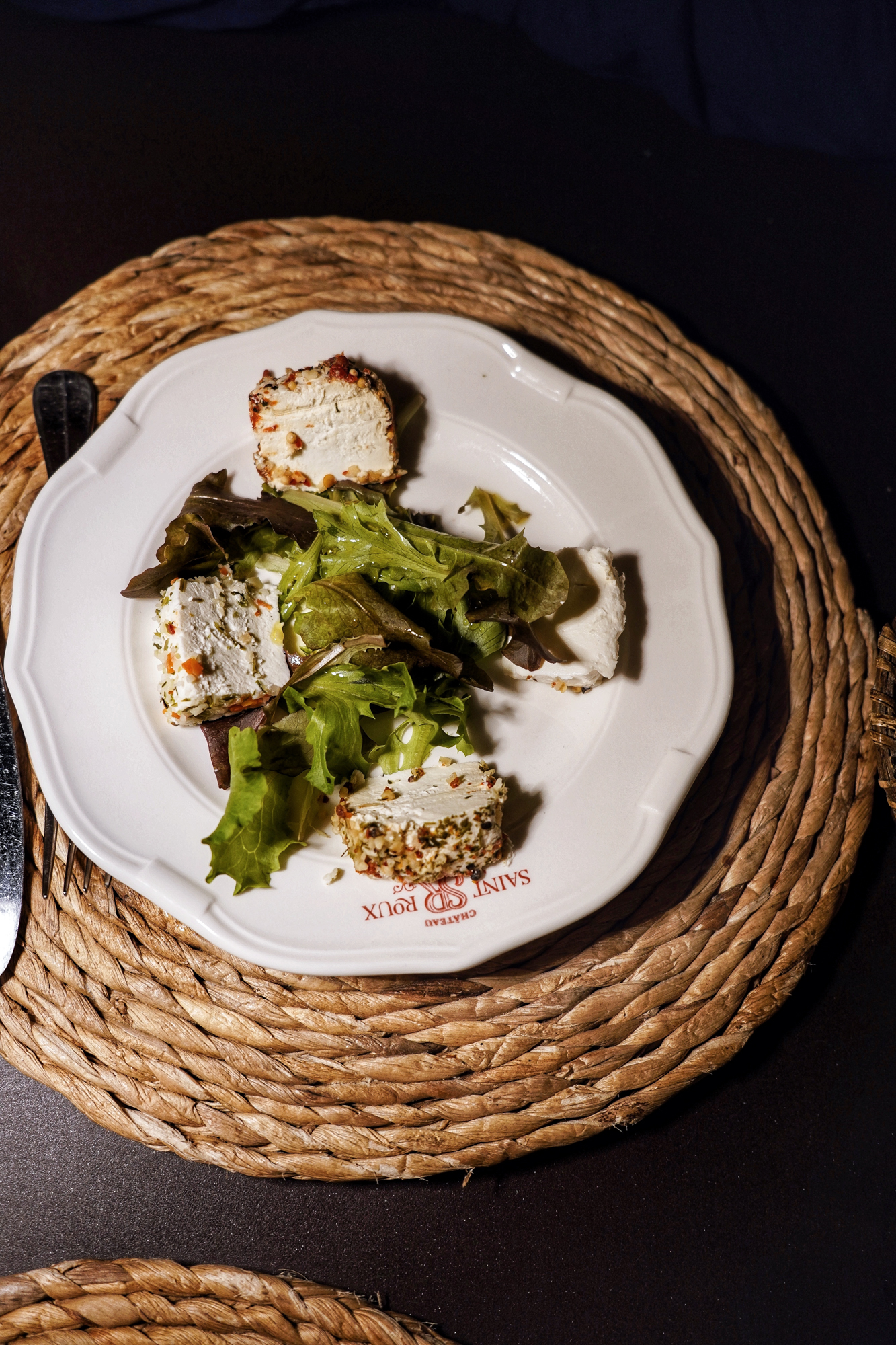
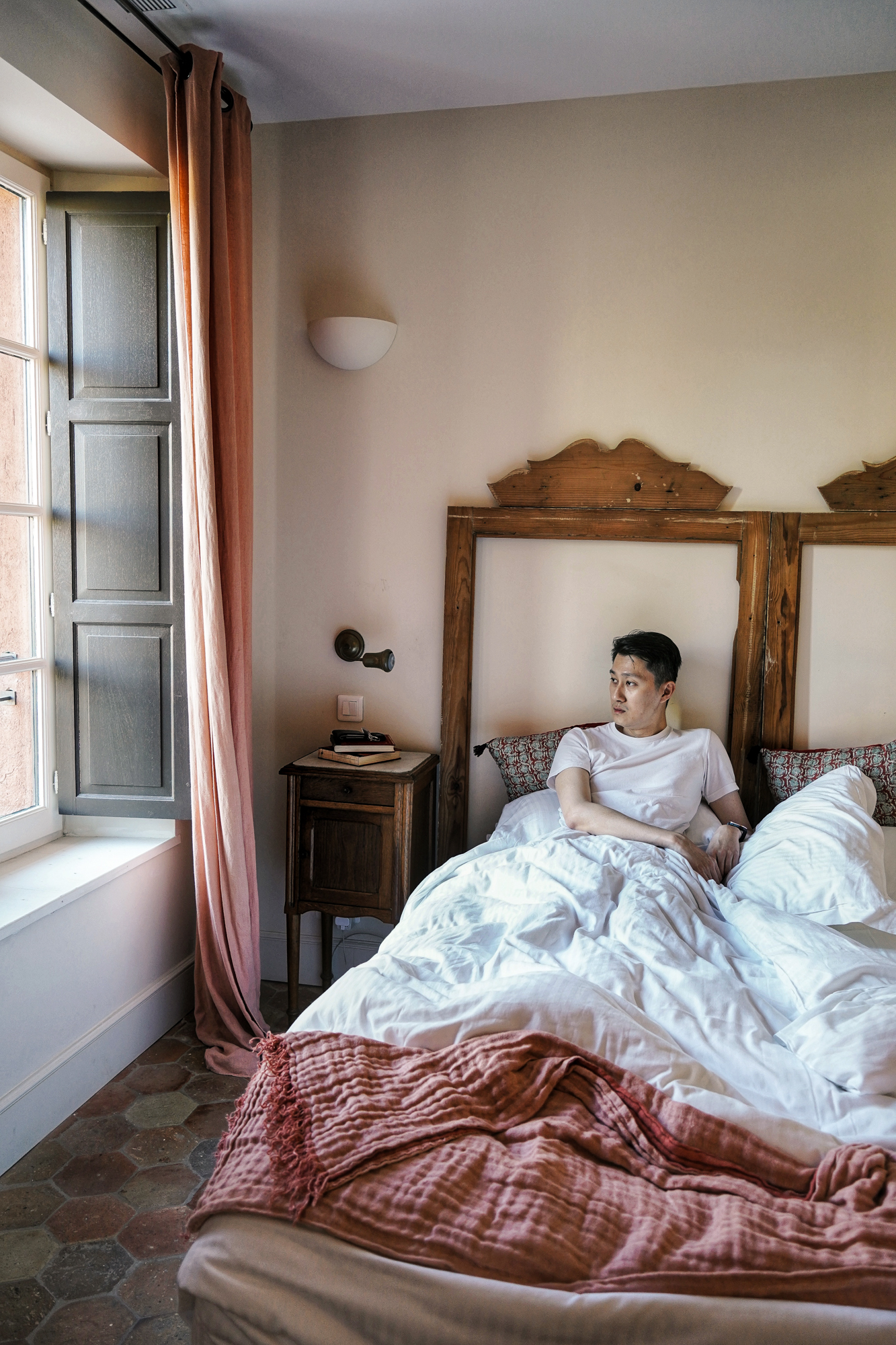
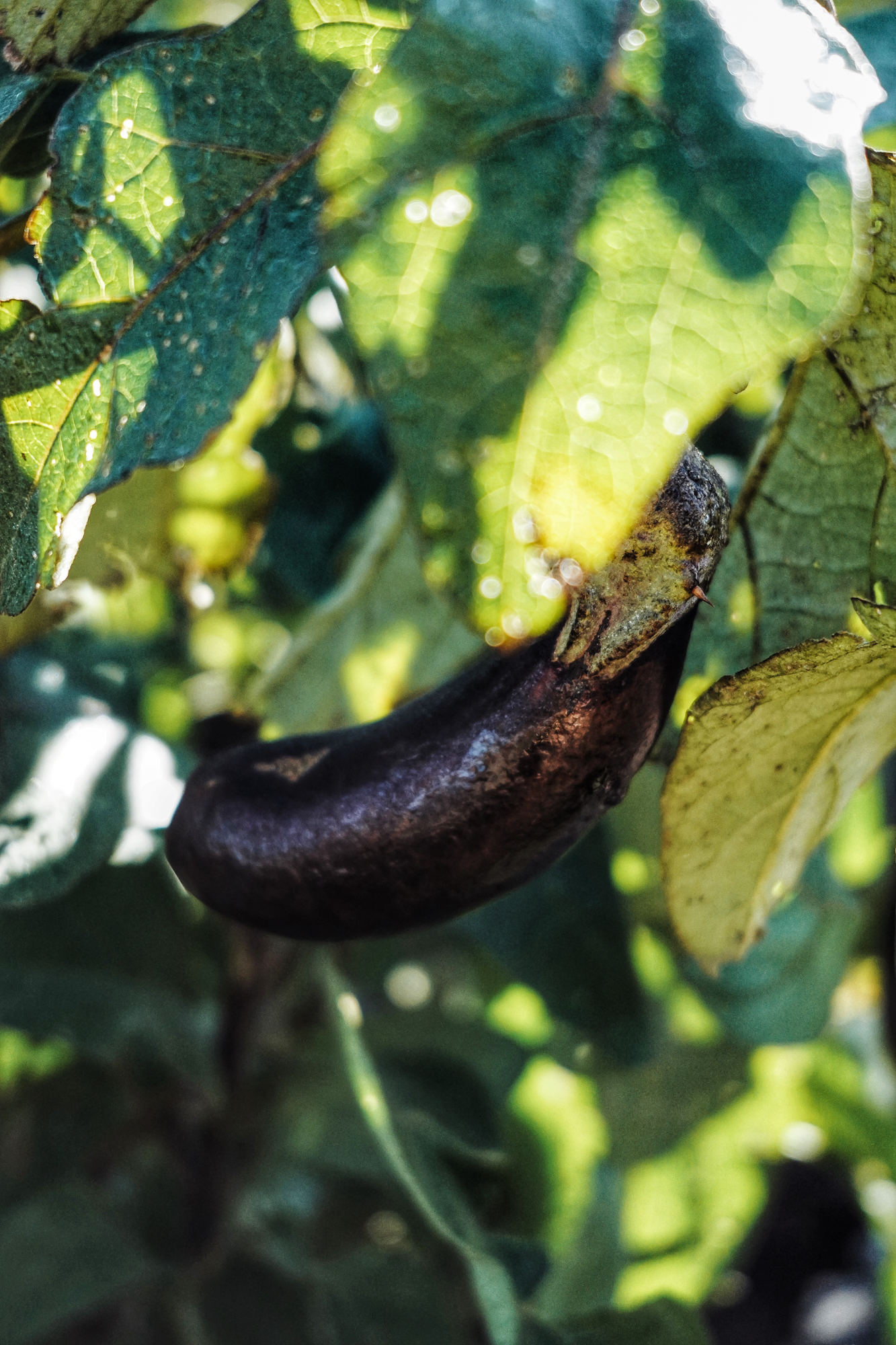
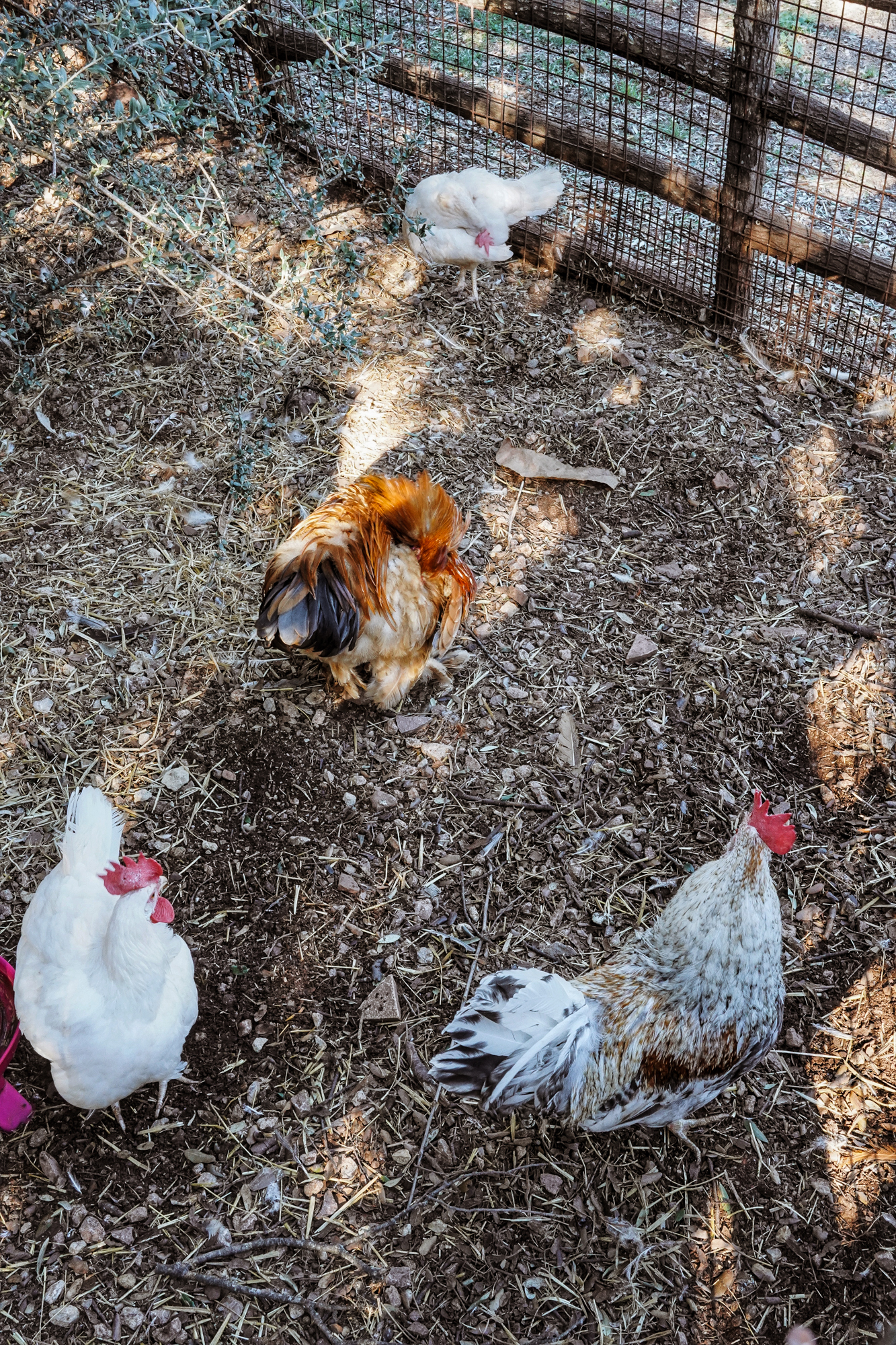
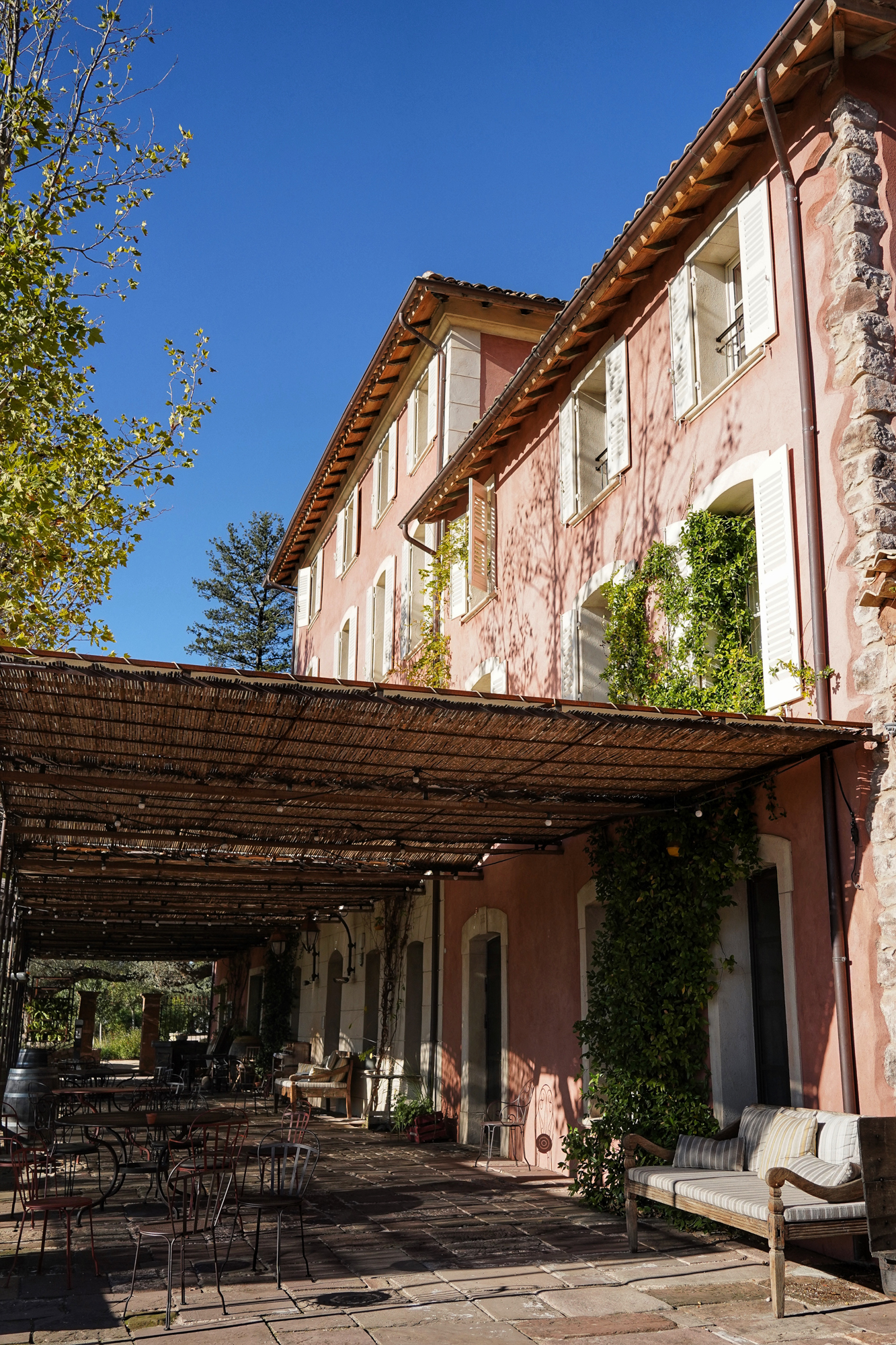
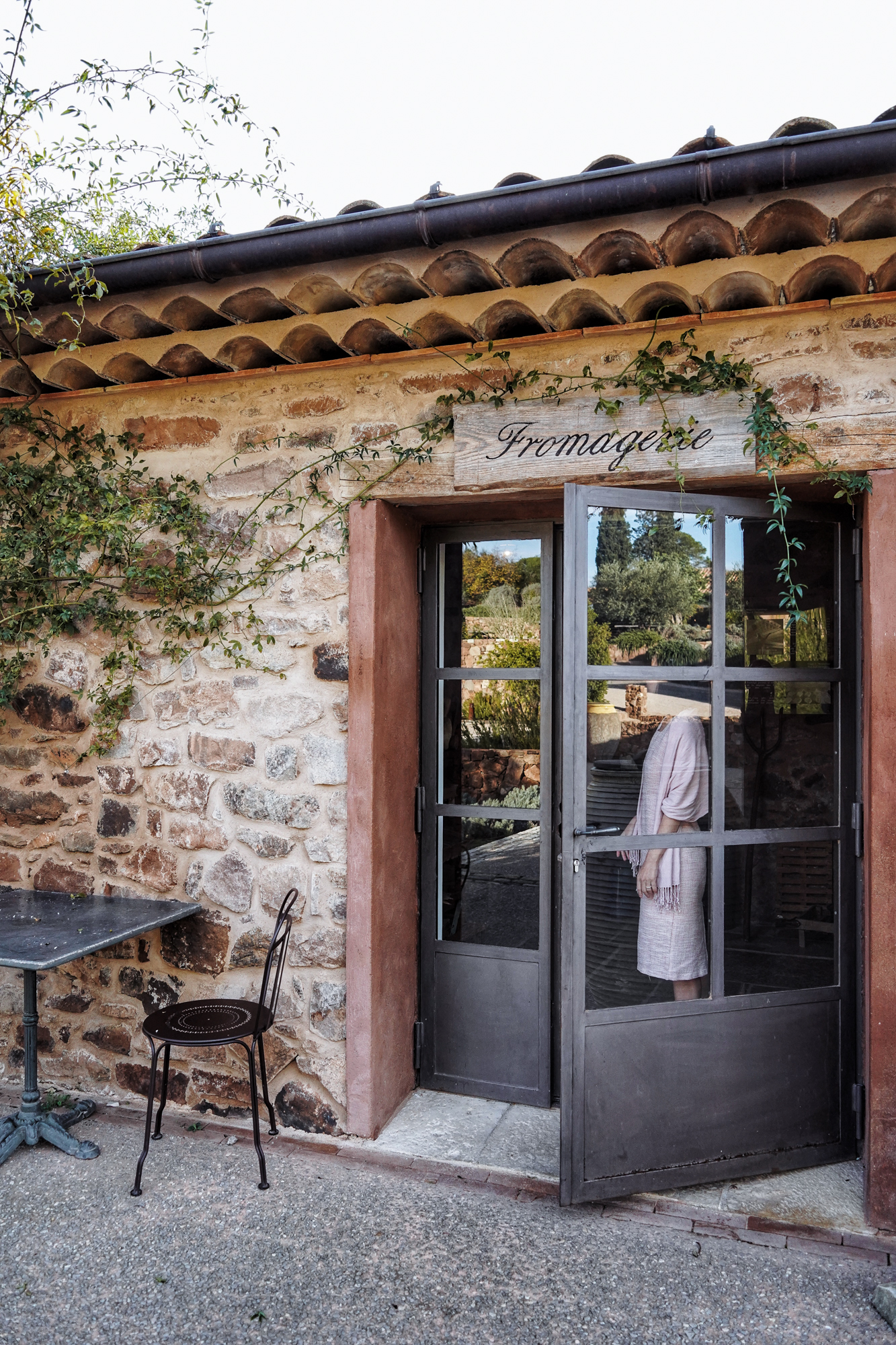
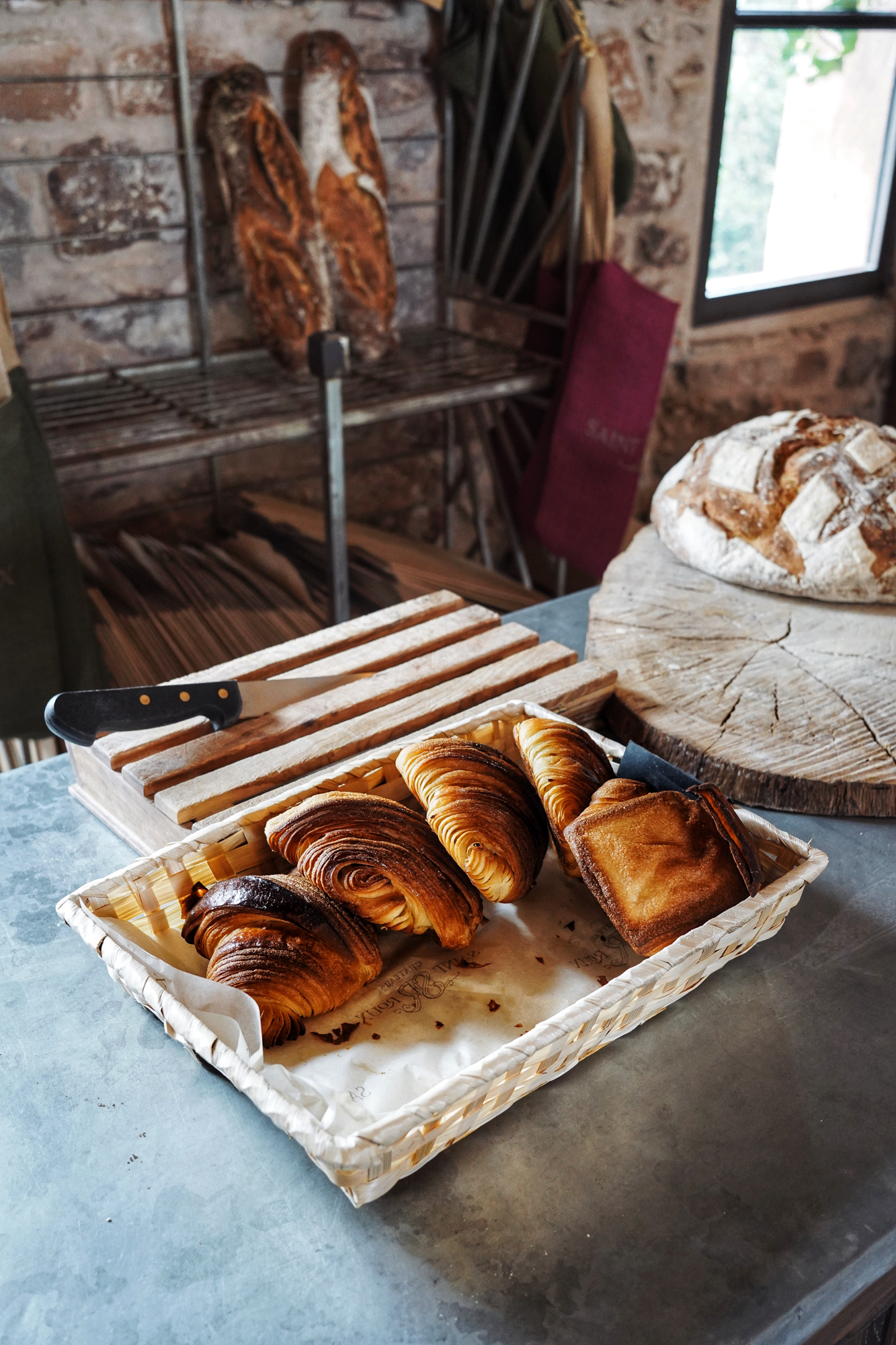
When we finally reach the hotel, the day has already settled into an early sunset at 5 pm. We are eating in, at the Château Saint-Roux. Roy, always charmed by the idea of an organic vegetable garden at the hotel, goes for the seabass with roasted vegetables. The steak tartare with greens and cheese is for me the perfect dish to start, something to open up my appetite for the beef with dauphinoise potatoes and dessert of cheeses from the farm. Bright and early the next day, we can’t help wandering the grounds to see the chickens roosting, the boulangerie and fromagerie. The gardener is proudly showing off his vegetables, their colours painted a thousand times brighter by the sun. Now I wish I had the seabass with roasted vegetables

Processed with VSCO with a7 preset

Processed with VSCO with kk1 preset

Processed with VSCO with a7 preset

Processed with VSCO with a9 preset

Processed with VSCO with a7 preset

Processed with VSCO with a7 preset

Processed with VSCO with a9 preset

Processed with VSCO with a6 preset

Processed with VSCO with a6 preset

Processed with VSCO with j2 preset

Processed with VSCO with j2 preset

Processed with VSCO with j2 preset

Processed with VSCO with a7 preset

Processed with VSCO with a6 preset

Processed with VSCO with a9 preset

Processed with VSCO with a8 preset

Processed with VSCO with a8 preset

Processed with VSCO with a7 preset

Processed with VSCO with a9 preset

Processed with VSCO with a9 preset

Processed with VSCO with a7 preset

Processed with VSCO with a9 preset

Processed with VSCO with a9 preset

Processed with VSCO with a9 preset

Processed with VSCO with a7 preset

Processed with VSCO with a9 preset

SAINT-TROPEZ

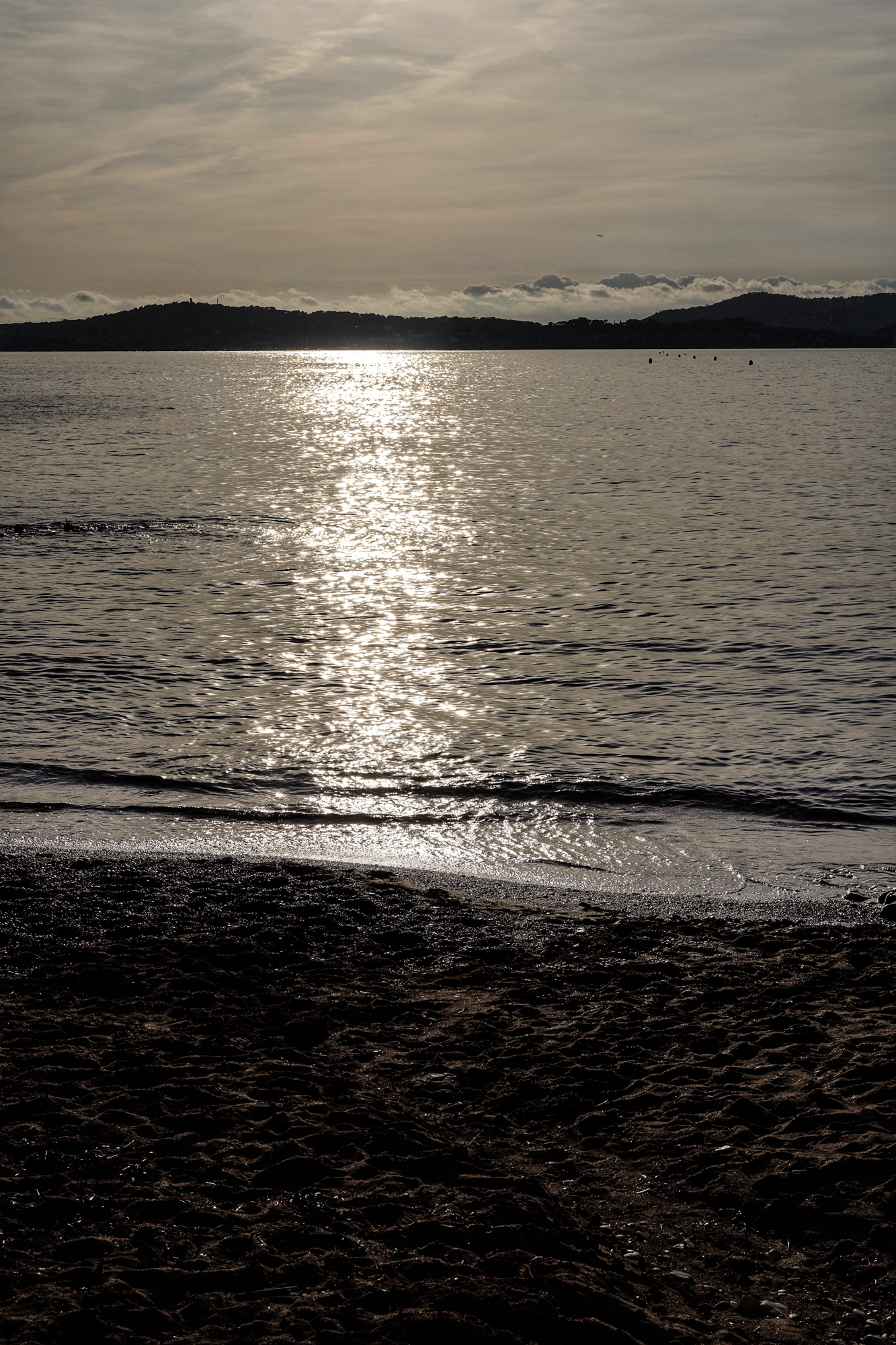
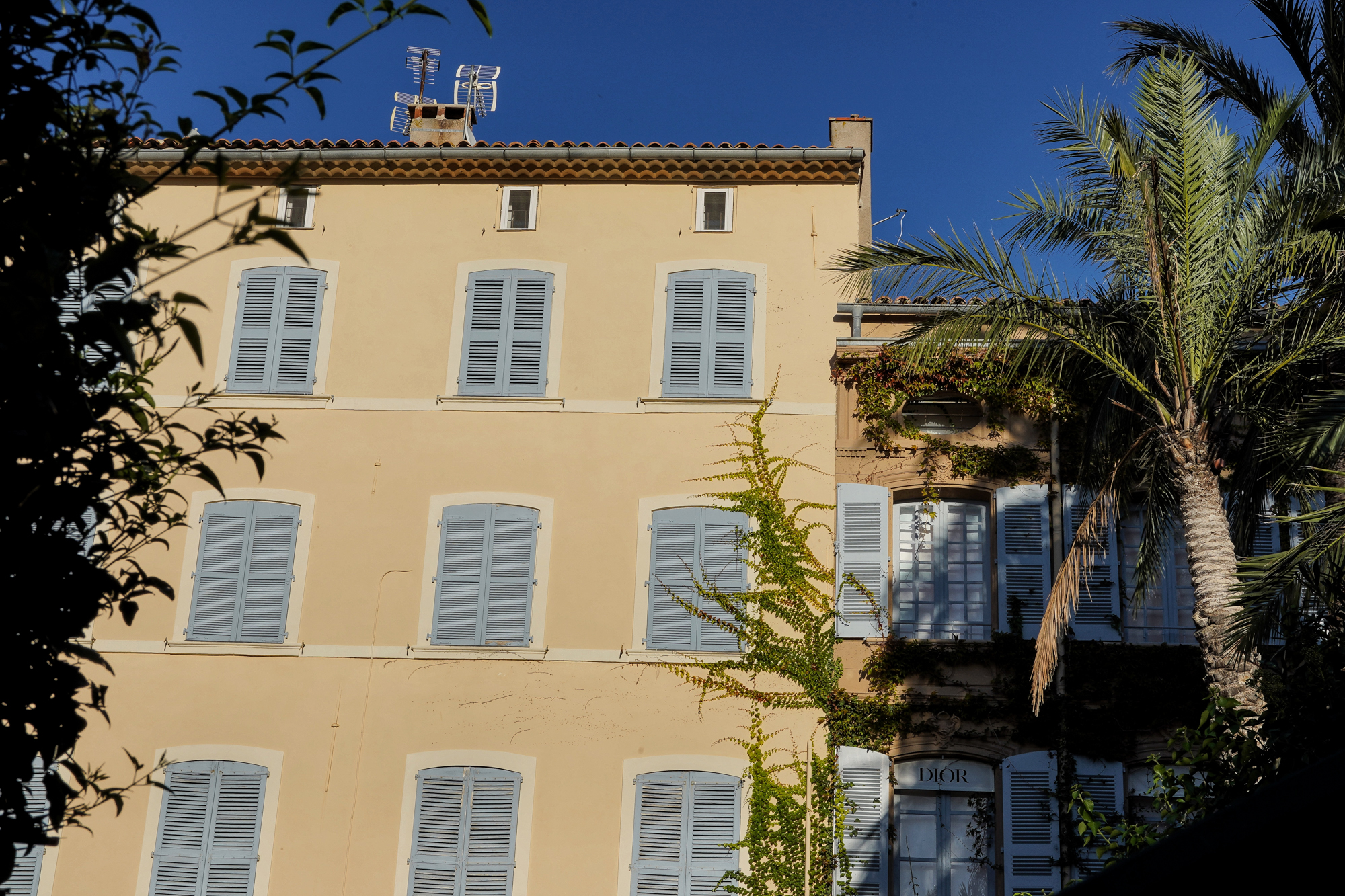
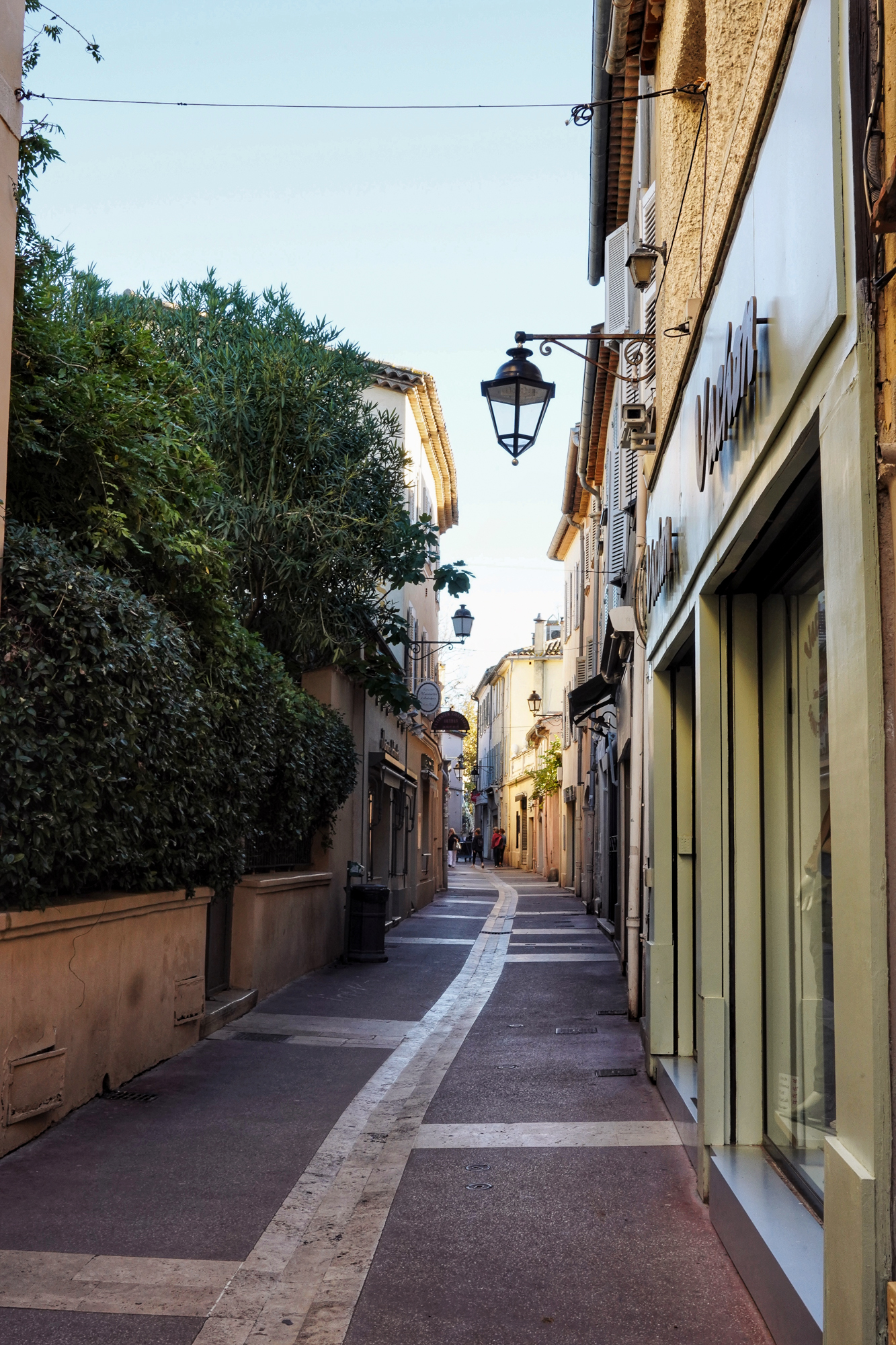
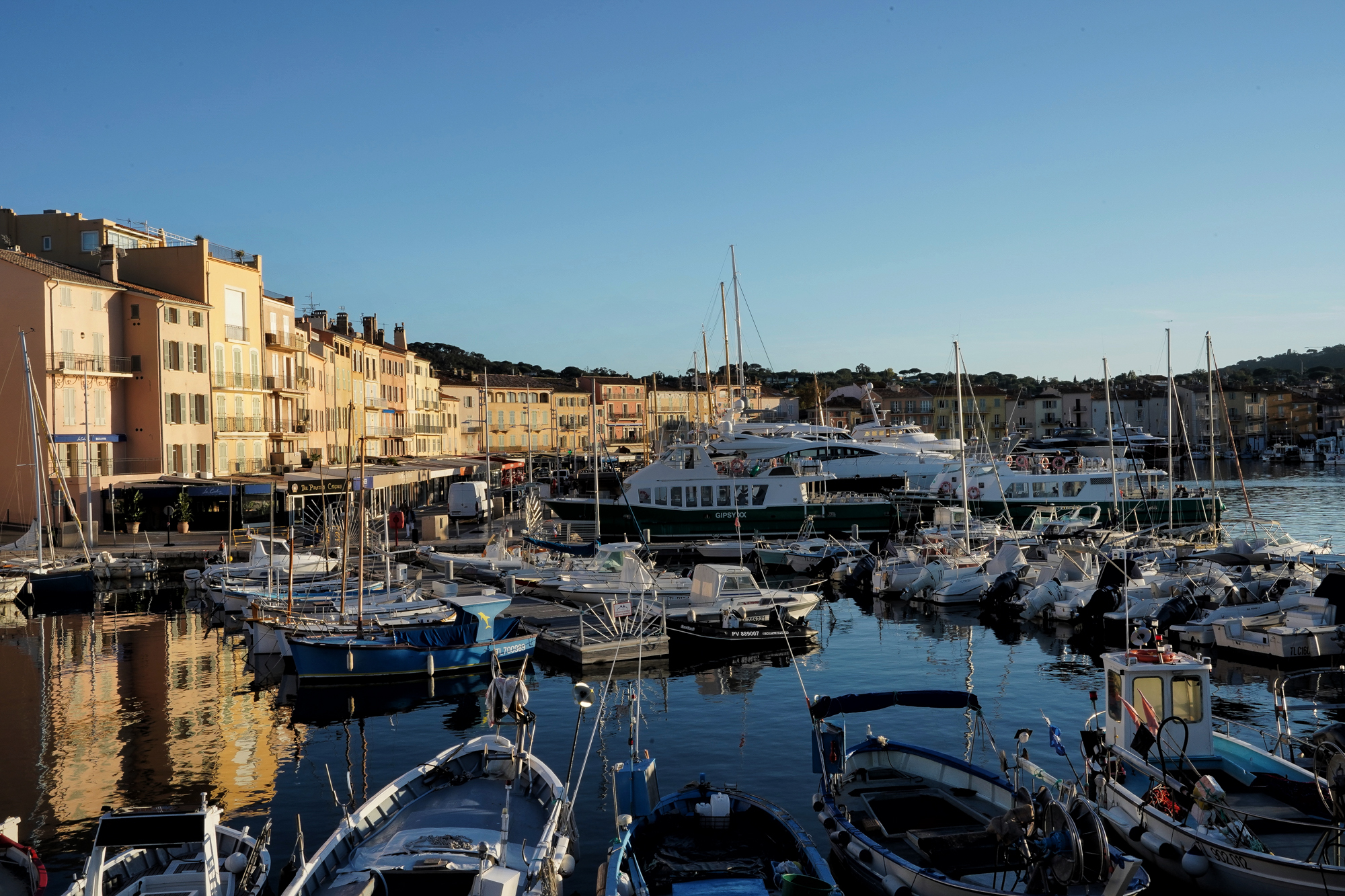
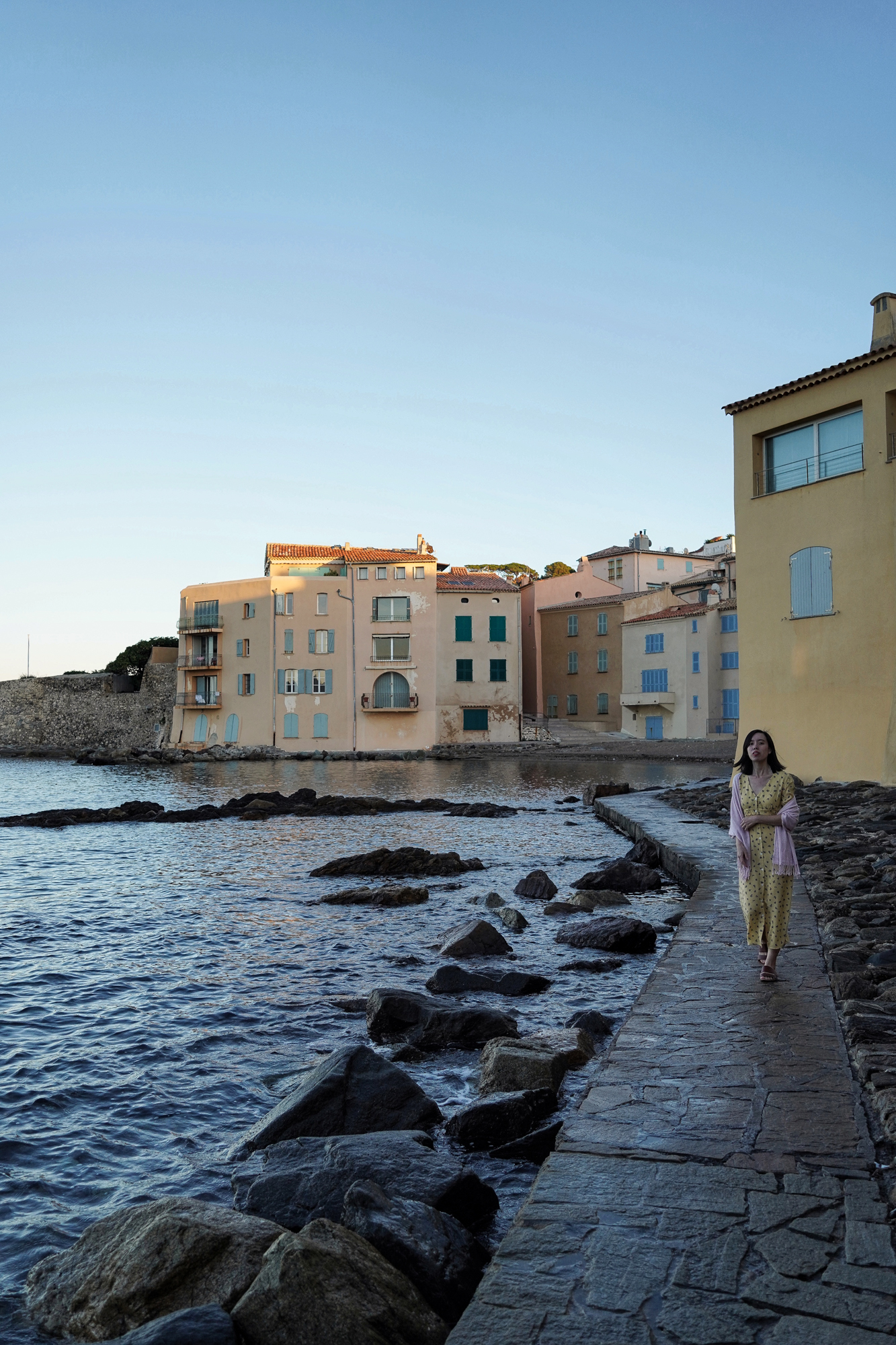
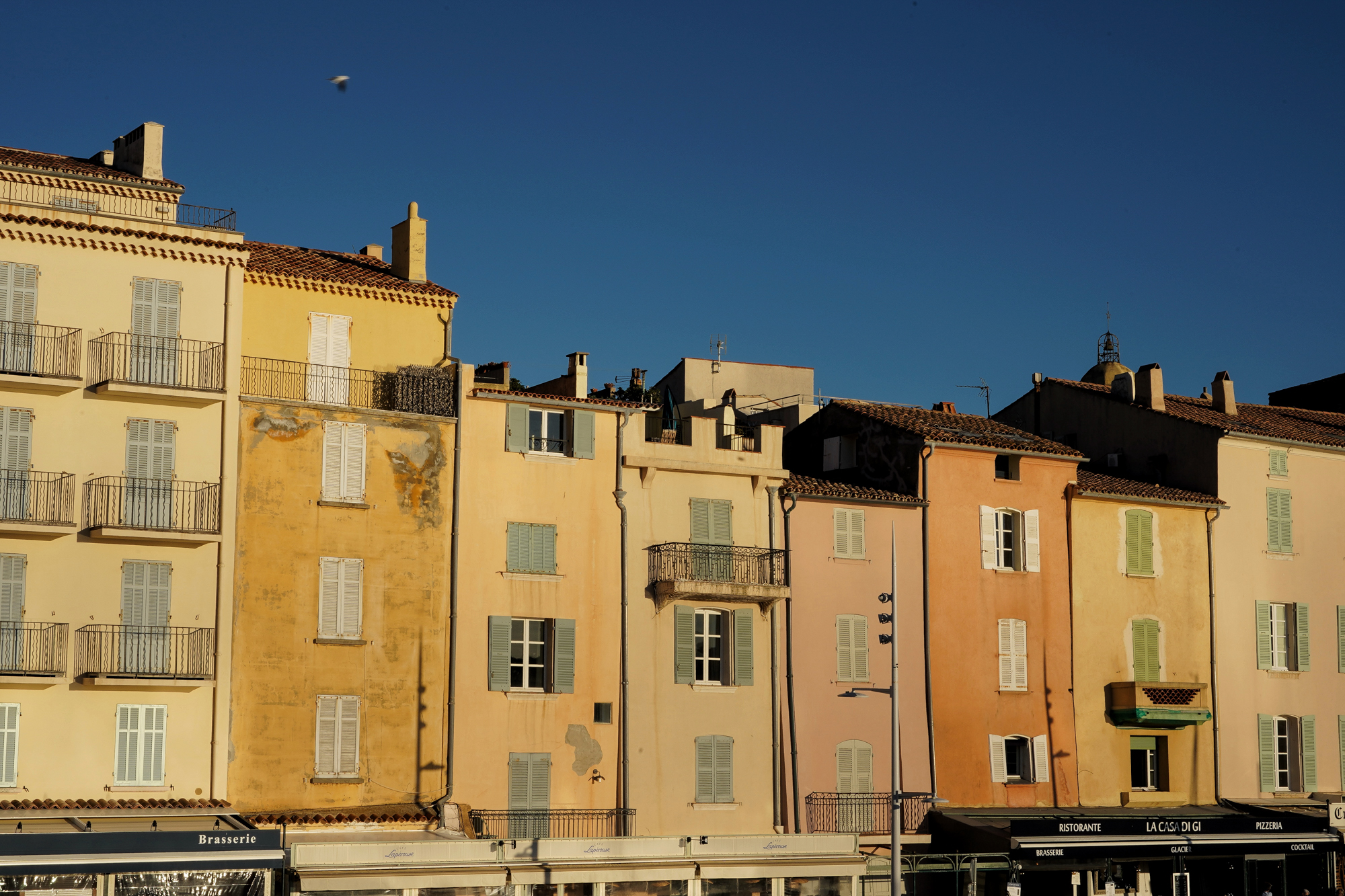
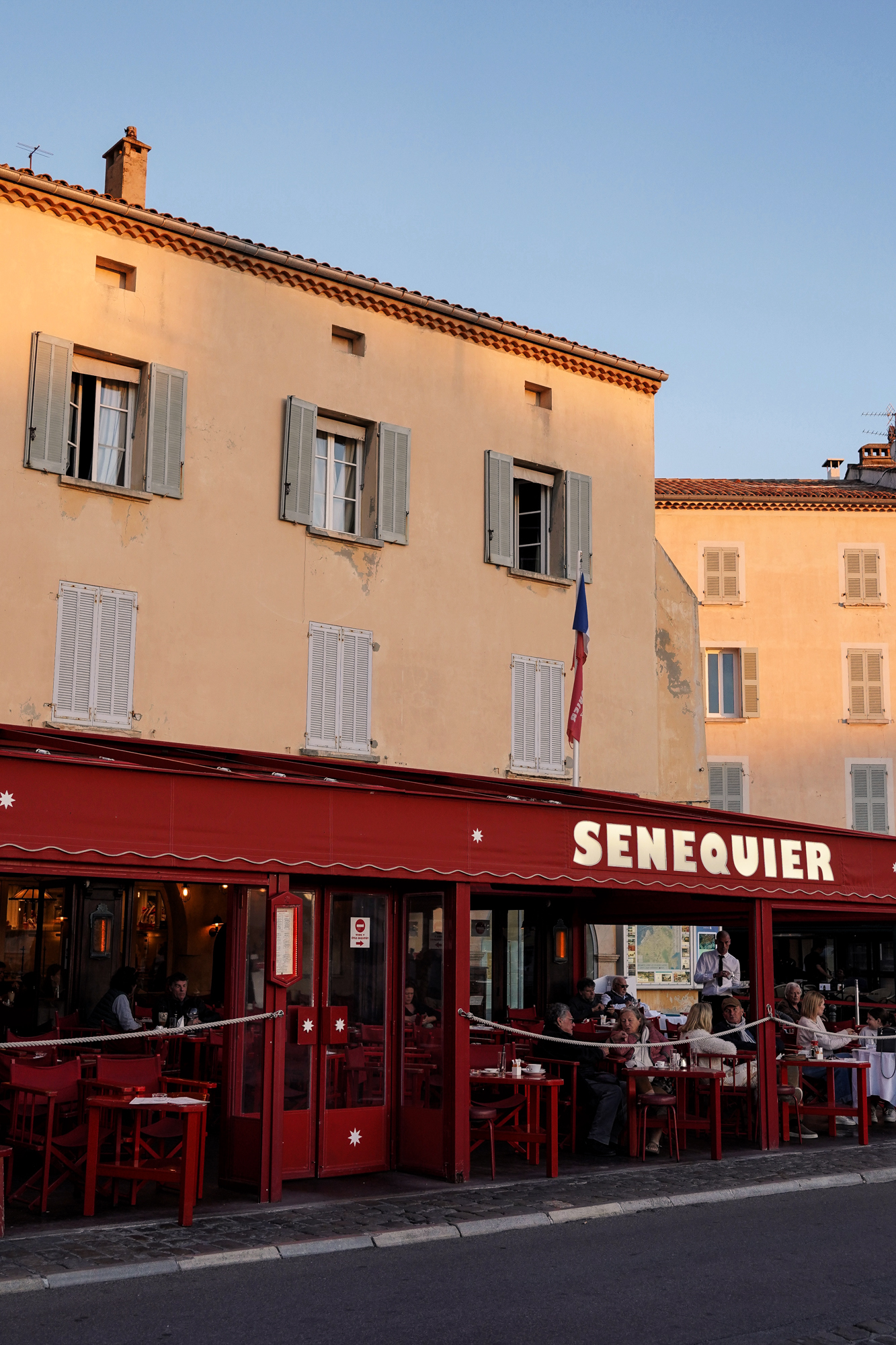
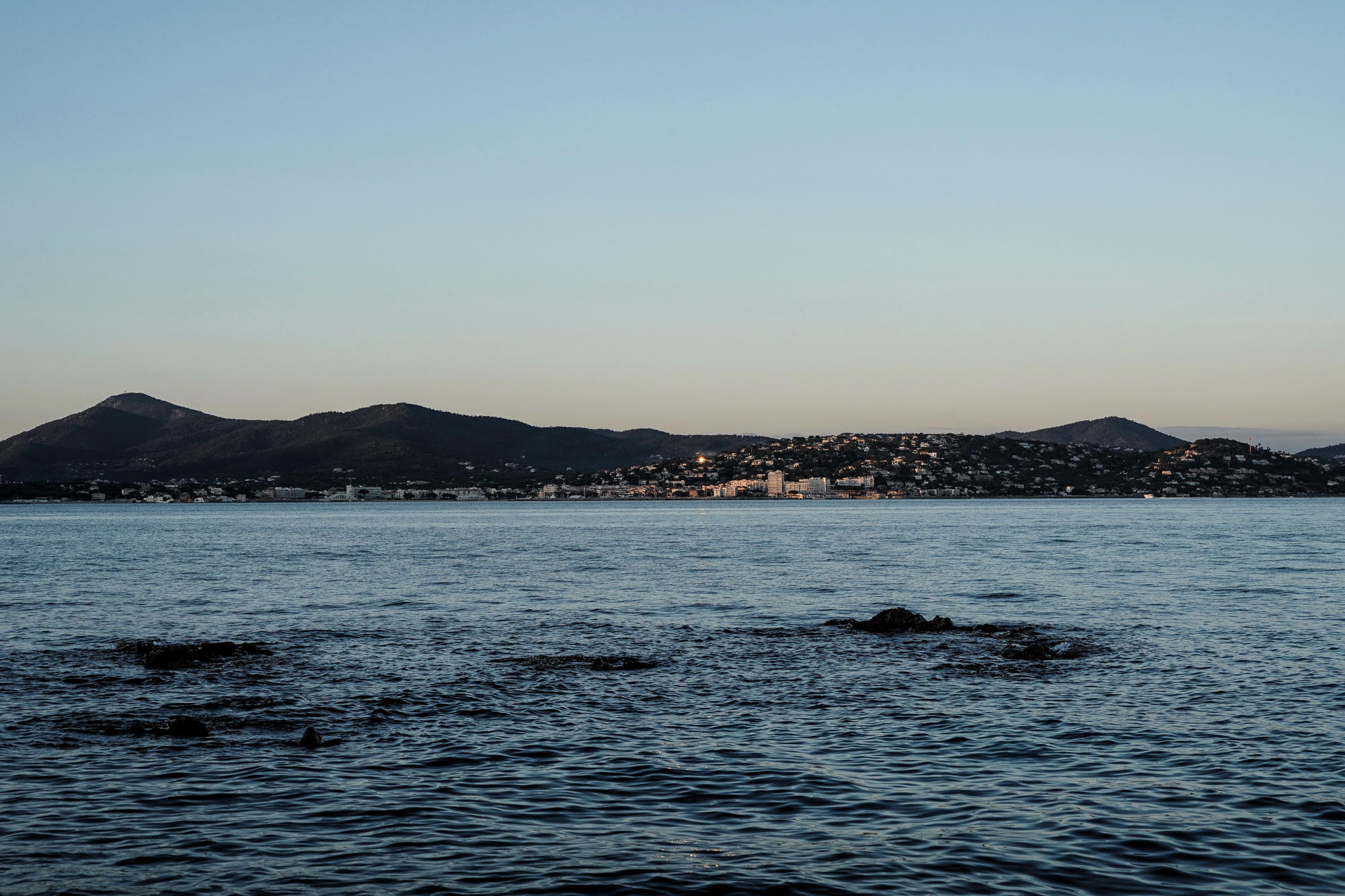
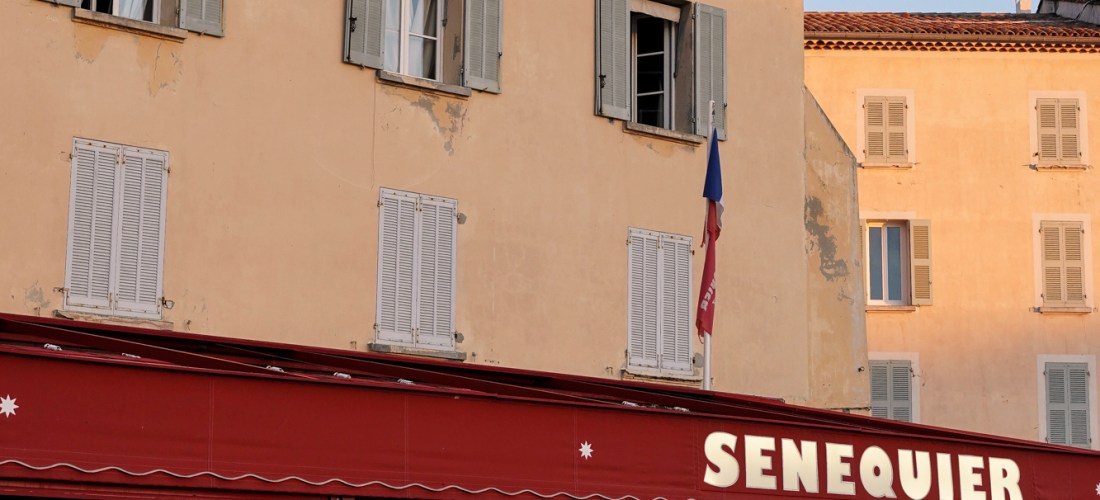
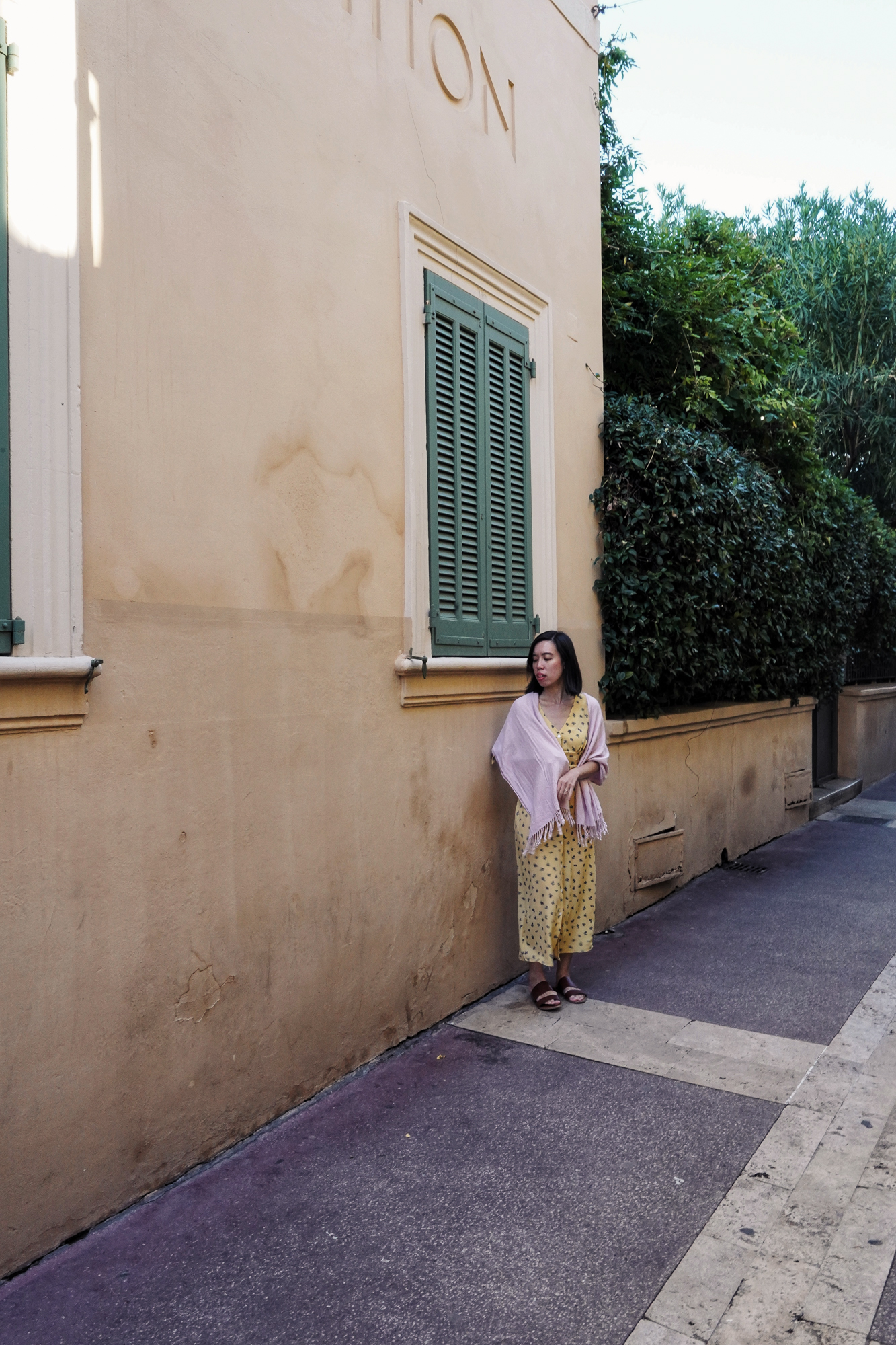
Saint-Tropez has always been something mystical to me. A place where the well-heeled go for their summer tan. But now I know why. The cream-coloured parasols loungers at the beach at Cheval Blanc. The little cafes sitting on top of boutiques. The cherry red tables and chairs at Sénéquier. The brioche filled with pastry cream and buttercream at La Tarte Tropézienne. The pastel avenues that lead out to the sea. The vista where yachts are resting at the bay. Everything is beautiful. Made even more beautiful by a coat of shine reflecting in the water. 
Processed with VSCO with a9 preset

Processed with VSCO with a8 preset

Processed with VSCO with a9 preset

Processed with VSCO with a9 preset

Processed with VSCO with a7 preset

Processed with VSCO with a7 preset

Processed with VSCO with a9 preset

Processed with VSCO with a7 preset

Processed with VSCO with a9 preset

Processed with VSCO with a7 preset

Processed with VSCO with a7 preset

Processed with VSCO with a7 preset

LA ROUTE DU MIAM

Every bistro has a story. For La Route du Miam, theirs go all the way to Bergerac outside of Bordeaux where Monsieur Jean Michel learnt a duck recipe from his mother who had learnt it from her mother, and so on and on. I love duck, any duck. When I heard of a restaurant serving only duck in Nice where seafood reigns supreme, I had to go. It only opens 4 days a week and at 8 in the evening. “Isn’t it a little late?” Roy had asked. It’s late for us who eat at 6 or 7, but I knew it must be really special.

The monsieur’s wife Marie talks of her husband’s duck recipe with a glimmer of a child who had discovered a secret. They are certain no one else does the exact same duck as theirs. A family recipe that is not duck confit, or even duck a l’orange. The monsieur’s is two types of duck. “You have to try both,” Marie insists. And so, with a glass of Bordeaux wine that had the aftertaste of dark cherries, we had duck de Jean Michel. The table near ours is coming back the next day for seconds. We have no such luxury, we are going to Provence the very next day. But still, we will always have this memory of the Riviera

Processed with VSCO with j2 preset

Processed with VSCO with kk1 preset

Processed with VSCO with a7 preset

Processed with VSCO with kk1 preset

Processed with VSCO with j2 preset

Processed with VSCO with j2 preset

Processed with VSCO with j6 preset

Food & Travel Guide to Lyon, France – What to See, Eat & Do

France

I once heard a memorable saying in Lyon. At work you do what you have to, in bed you do what you can, and on the table you do what you must. Since then, I know that food and dining is everything in Lyon.

Paris and Lyon have always been the two great French cities. Forever rivals vying for the title of the food capital of France. To me, Paris will have the most beautiful, decadent restaurants. Chandeliers in the dining hall, caviar on potatoes, champagne flowing into crystal… But Lyon will always be the most delectable city, the one with everything that characterises French cooking

Processed with VSCO with a7 preset

LE BOUCHON

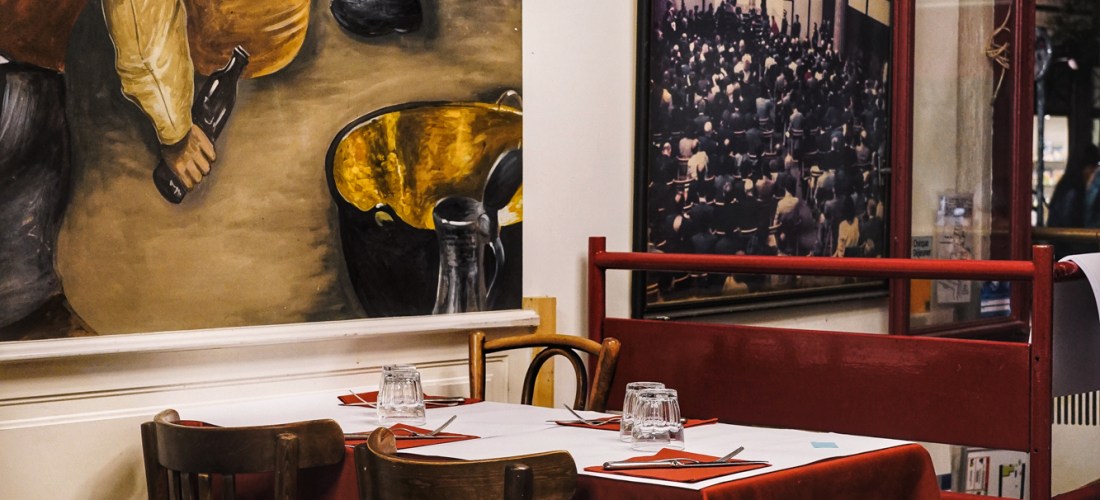
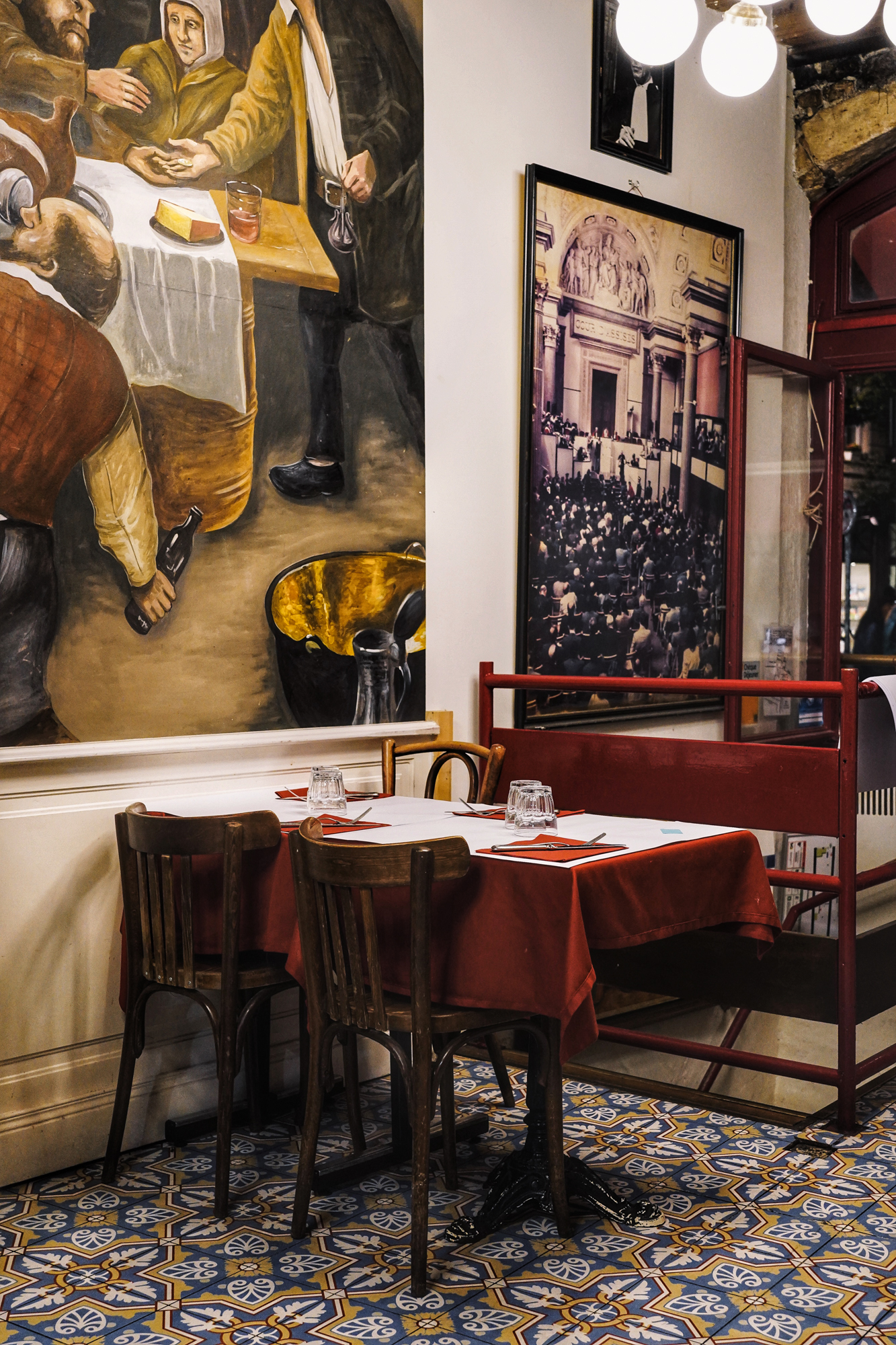
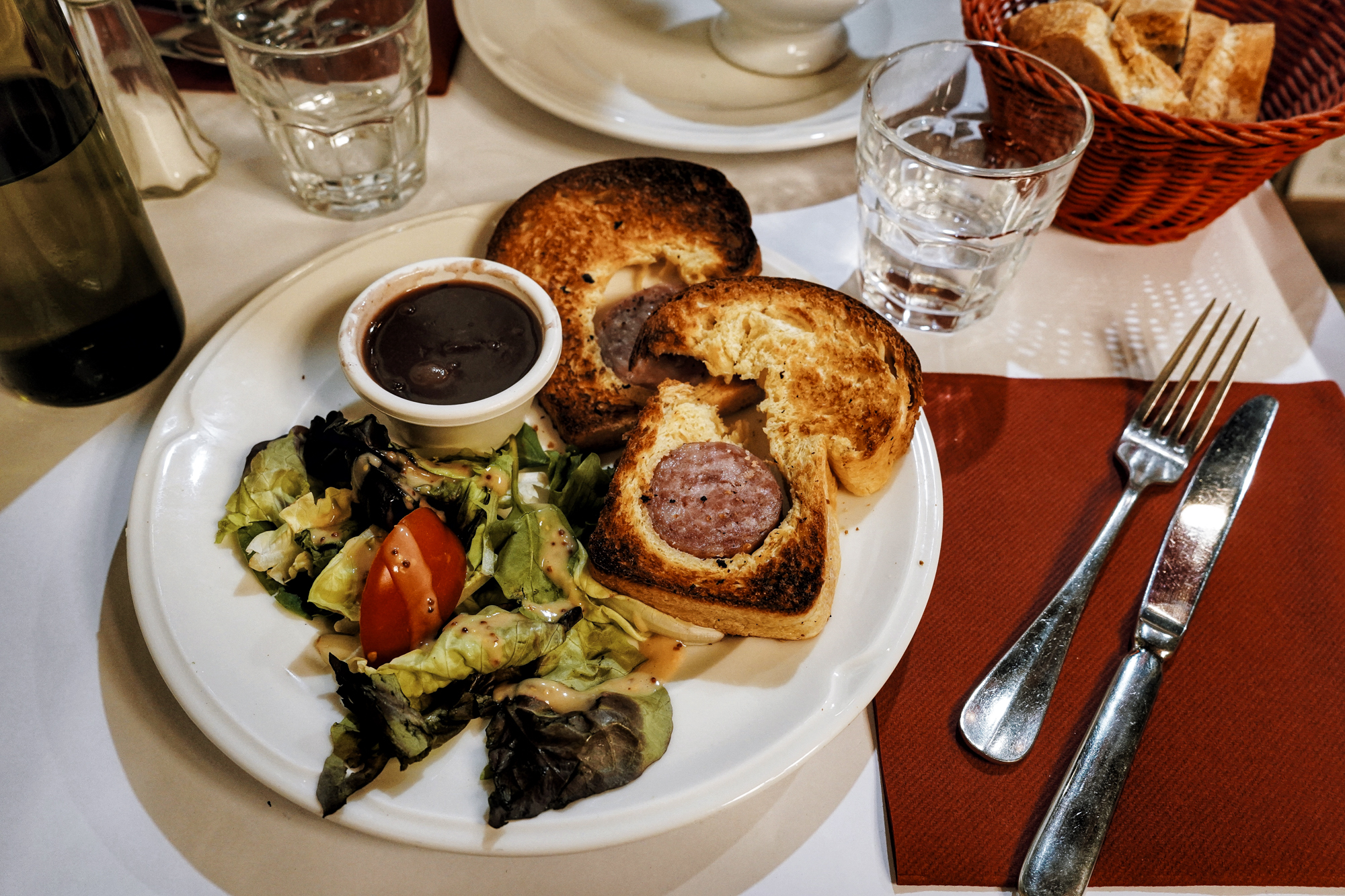
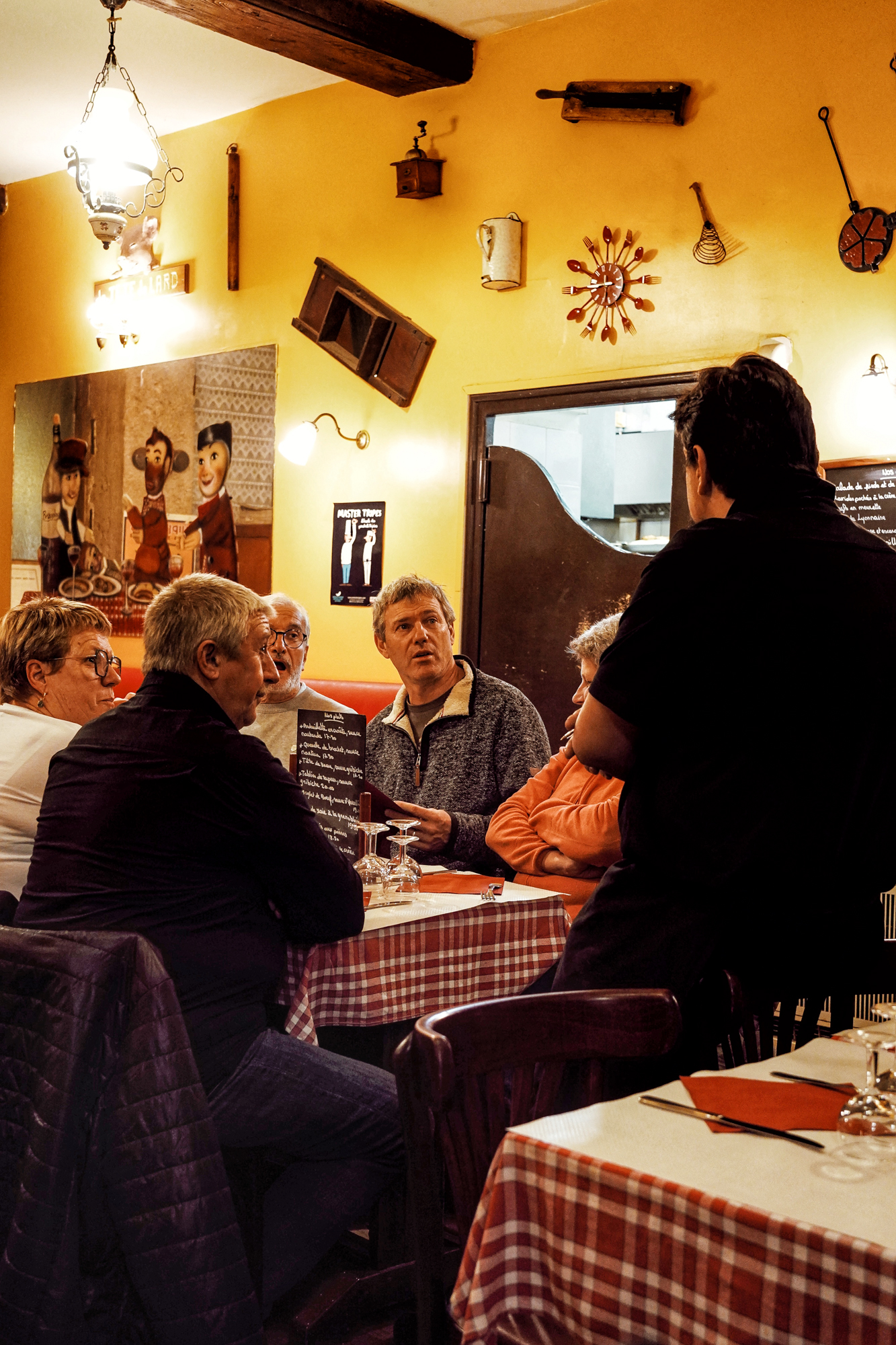
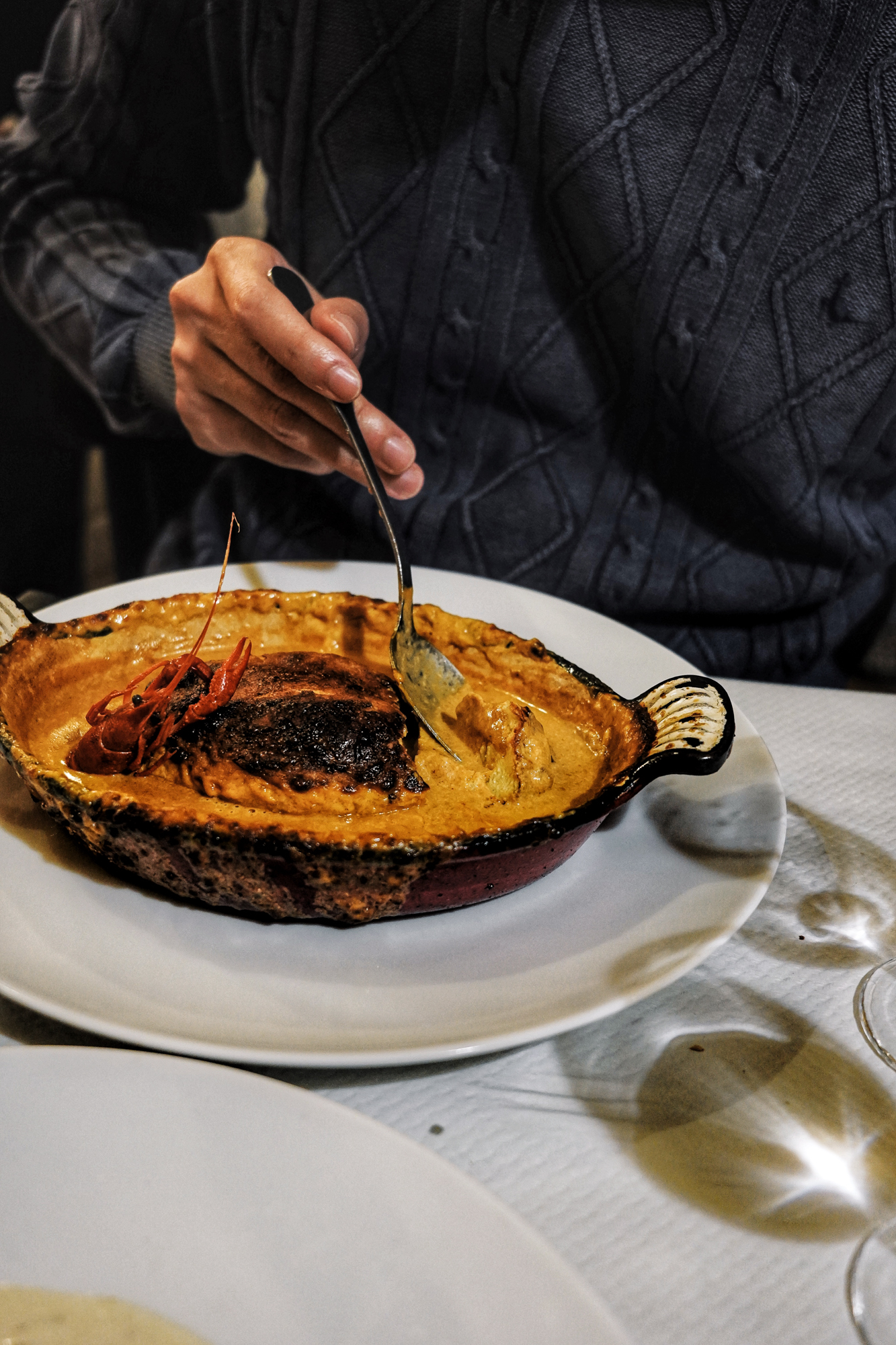
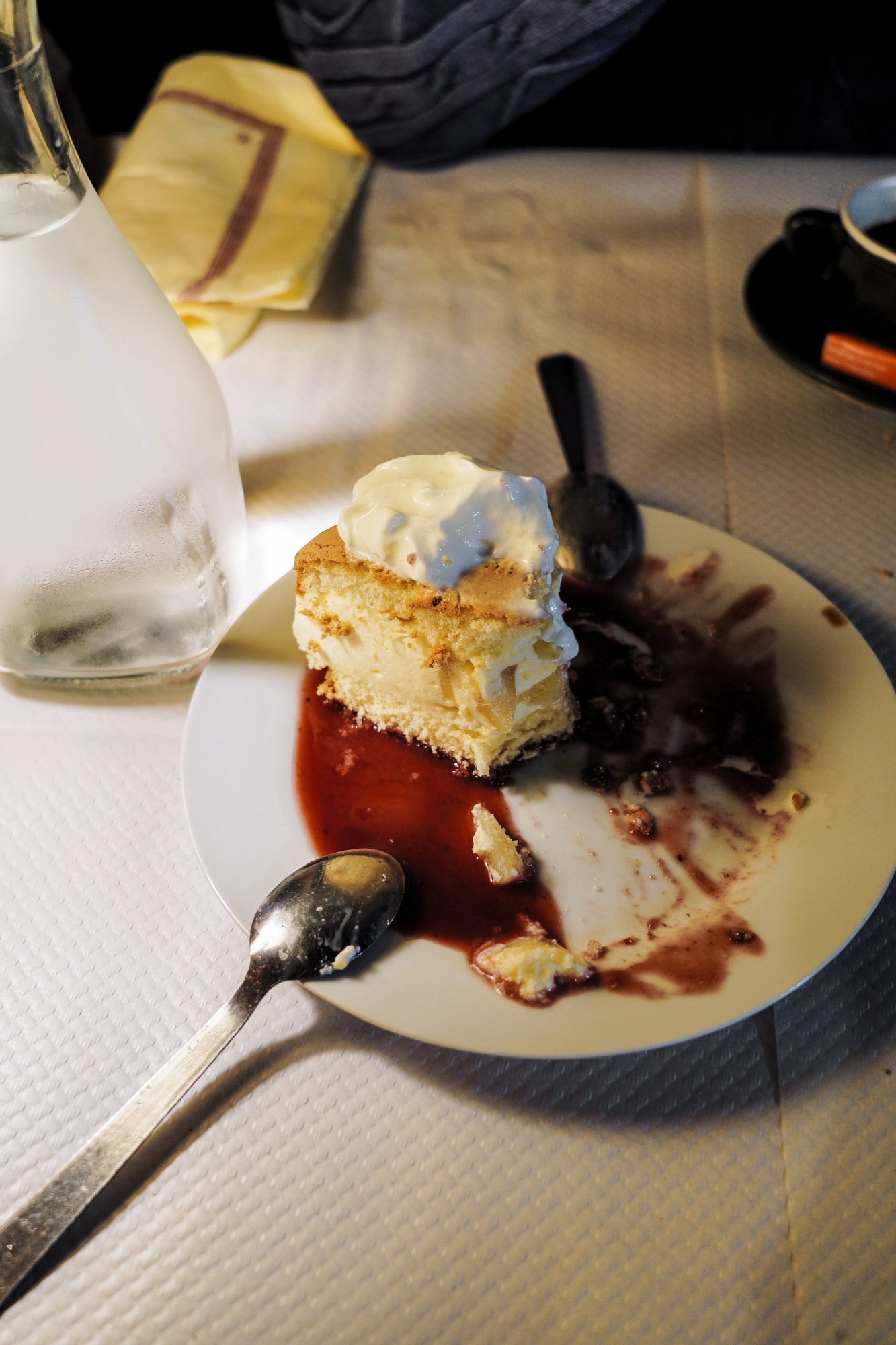
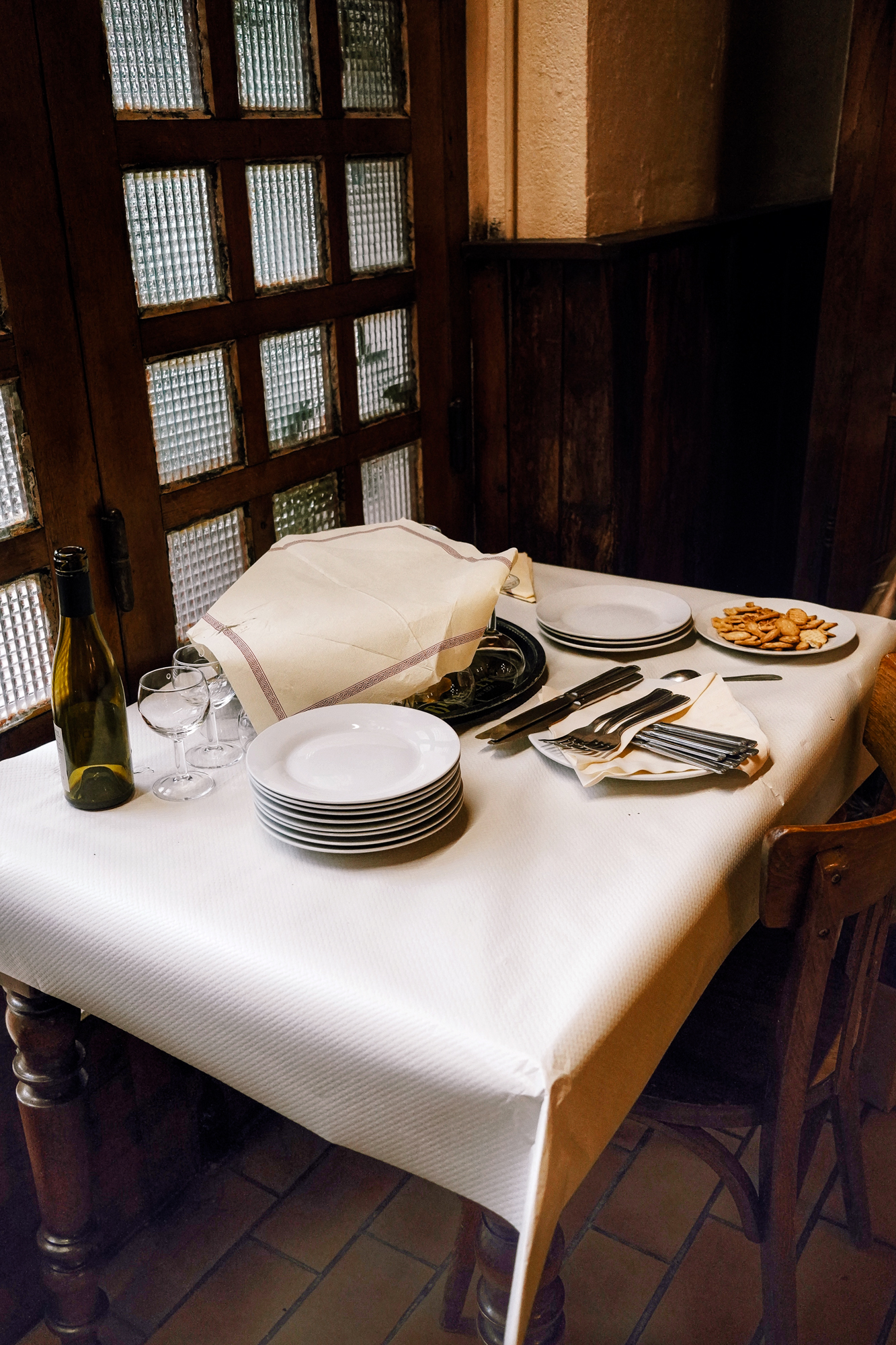
The most delicious meals in Lyon always, always begins and ends in a bouchon. This dining institution is heavily guarded by the community as it preserves the most quintessential Lyonnaise dishes. In Le Vieux, there is a very large painting that stretches from end to end. As I sit opposite Roy while the waitress huffs in and out of the kitchen carrying armfuls of plates overflowing with frites, I stare wide-eyed at the painting of gourmands eating at a dining table. There’s meat, sausages, cheese and jugs of wine. It’s a picture of revelry in eating. I can think of no better painting for this bouchon where we spent the hours enjoying saucisson lyonnais, pork tenderloin and tarte aux pralines with chantilly cream.

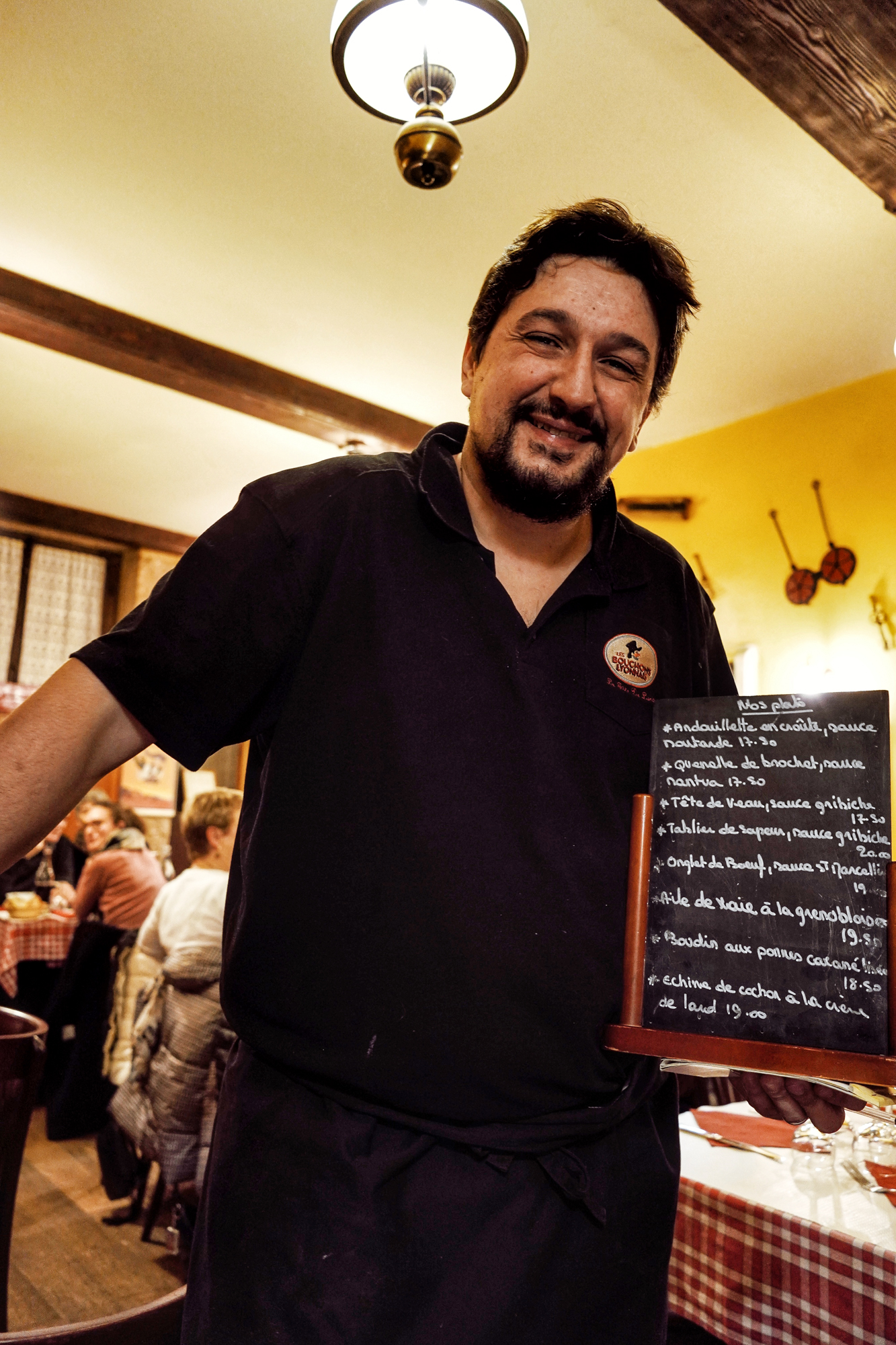
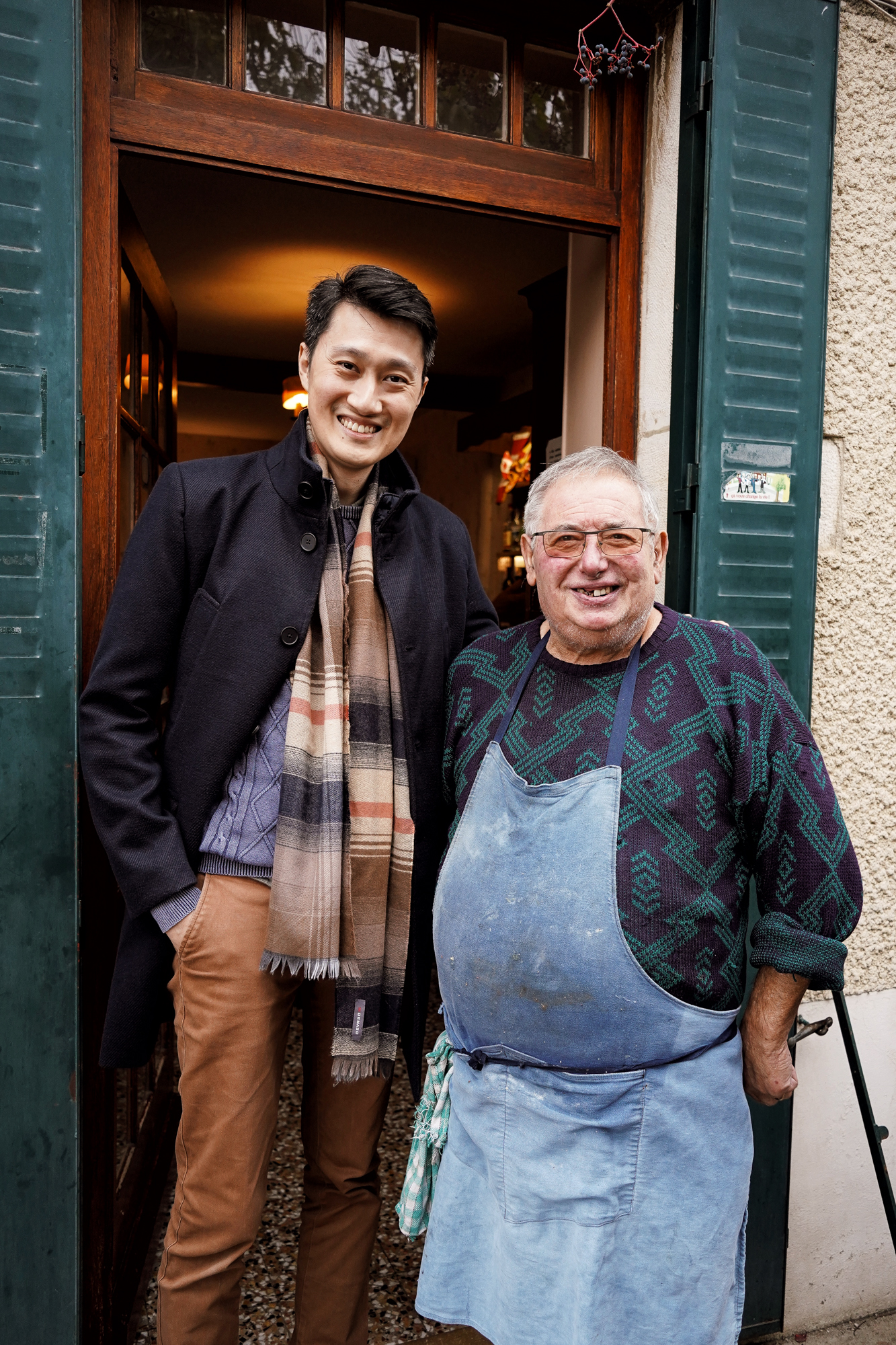
The bouchon can be a very addictive experience, and so we are off to another the next night. That Lyonnaise saying about eating in Lyon came from Yoann, the owner of La Tete de Lard. Like every other bouchons on Saturday, dinner at La Tete de Lard is fully booked. It seems like Saturday is bouchon day for the Lyonnaise. There is no menu. Yoann likes to do his rounds in the restaurant sharing with people what’s on the menu that day, and a laugh or two. “For the mains, we have tete de veau, the pork head. Andouille, wrapped pork tripe. Quenelle, something like a pike fish souffle. Then there is the steak… But you didn’t come to Lyon to have a steak!” Yoann declares. No, we did not.

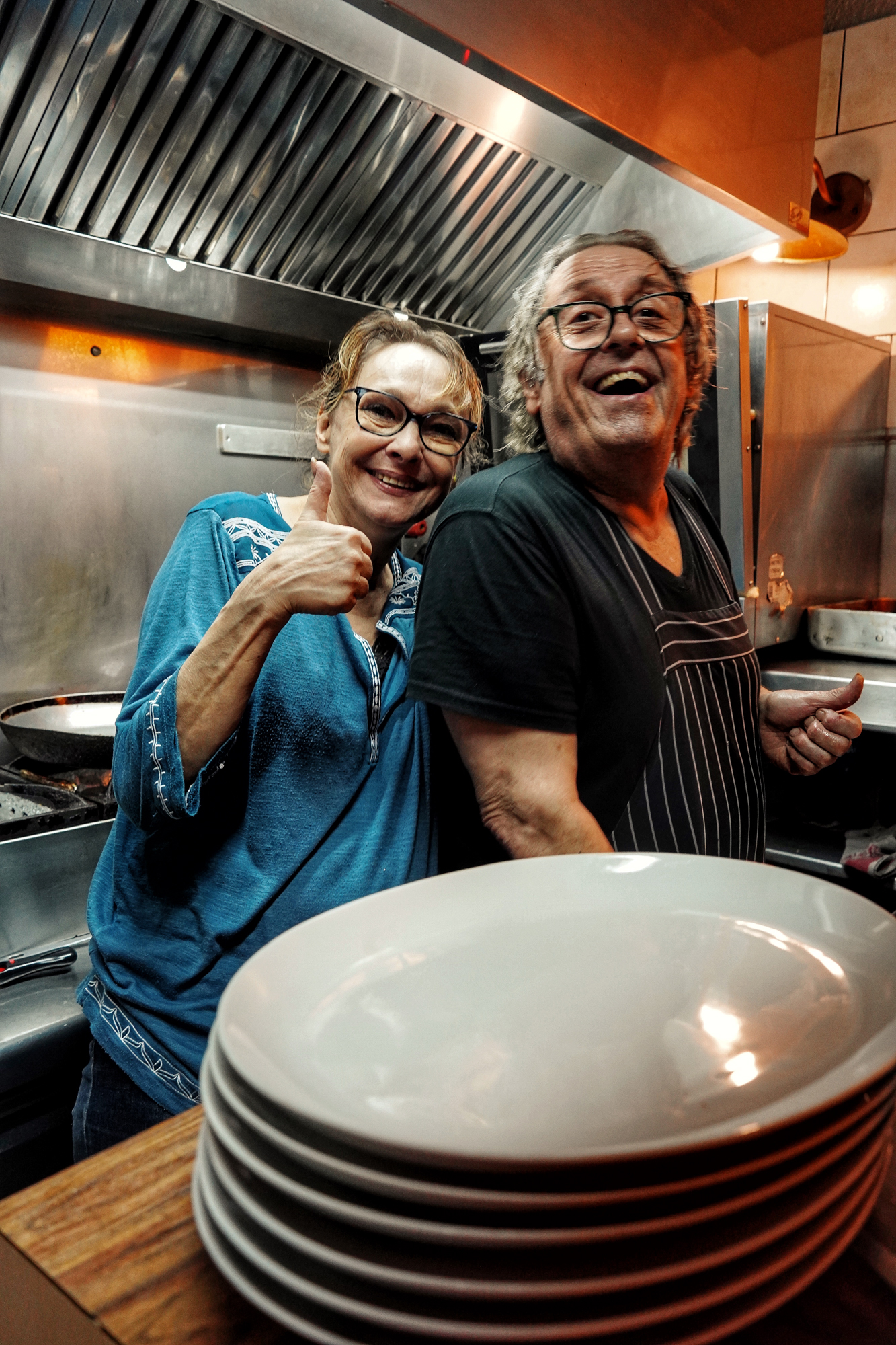
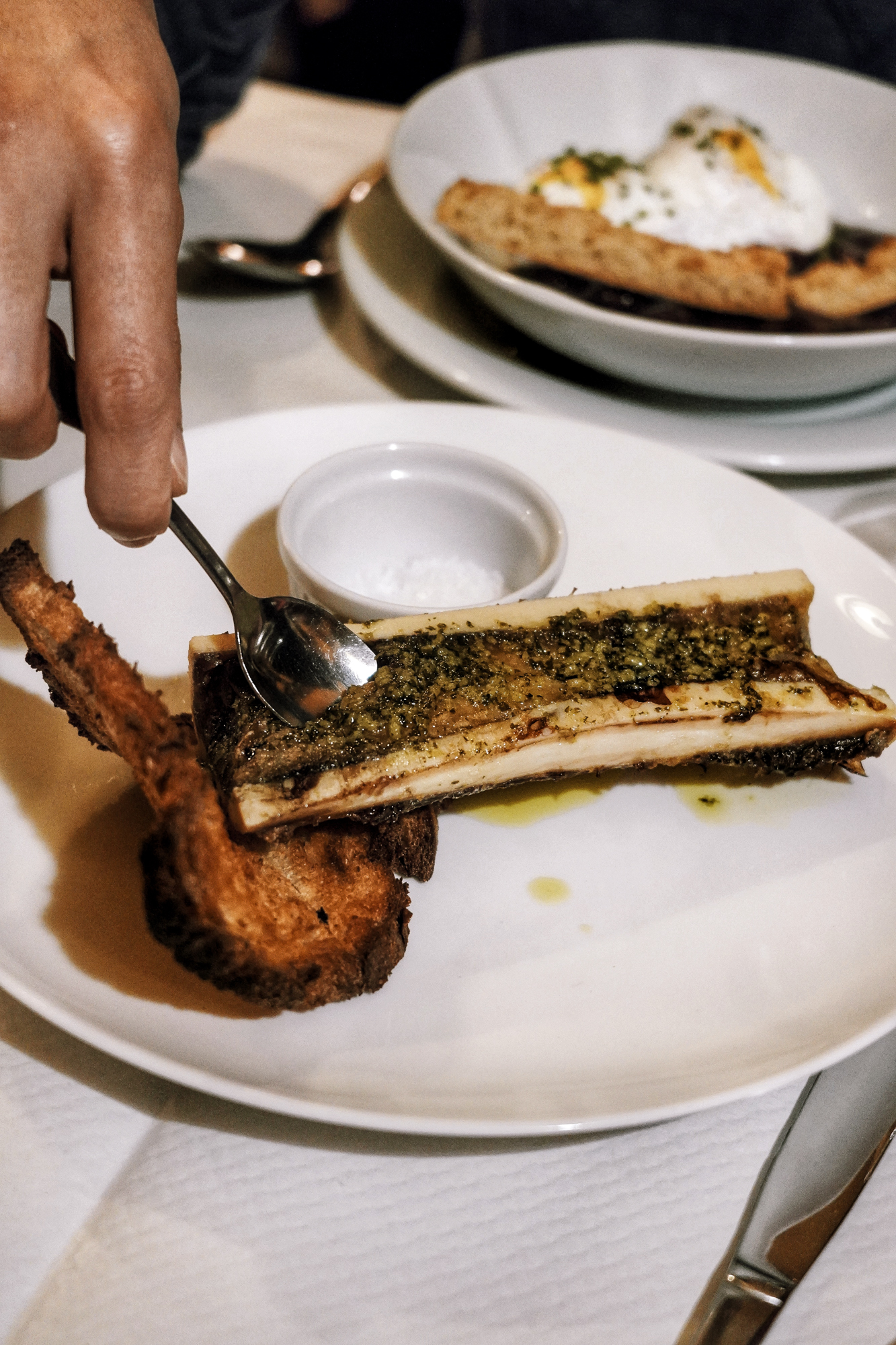
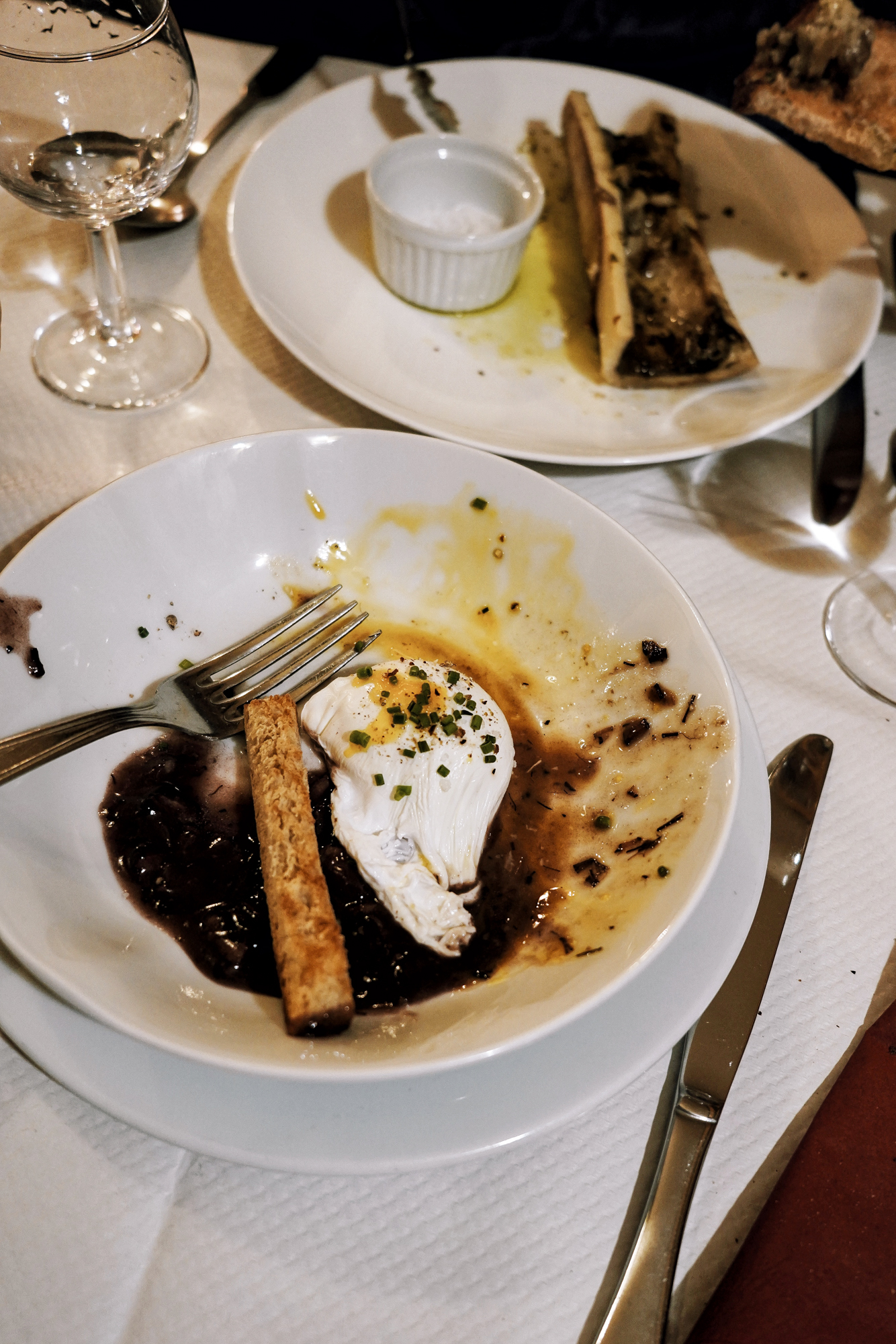
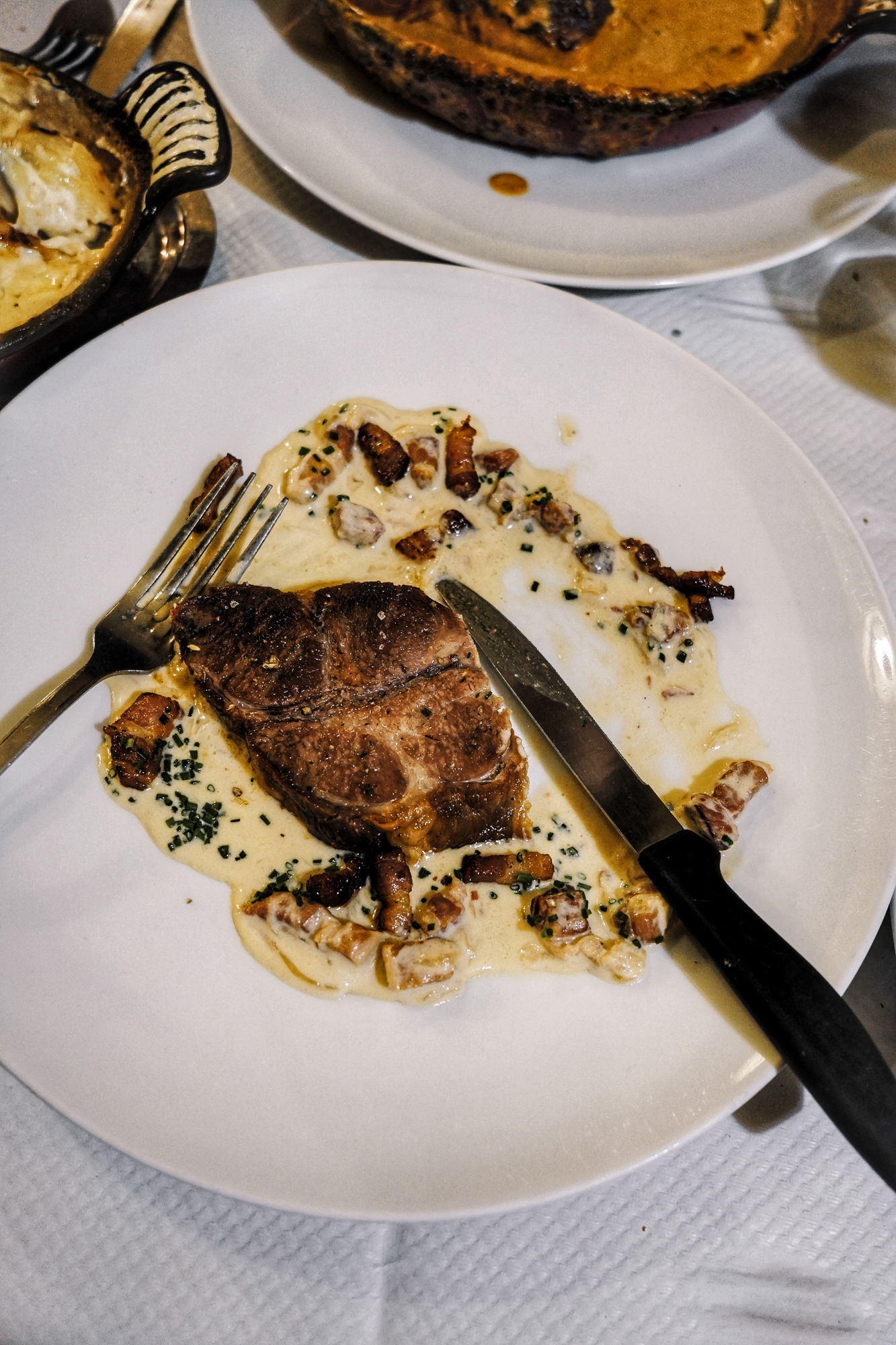
We feel so pampered by the meal that followed – a steady procession of roasted bone marrow dusted with fleur de sel, eggs poached in red wine sauce, quenelle, pork neck and mushrooms in cream sauce, pears poached in red wine, baba au rhum. It’s true what they say. In Lyon, you eat and you eat. We ate until we are beyond satisfied, without a care for any sort of decorum. Yoann comes over and eyes the remaining gratin dauphinois left on the table. He cocks an eyebrows and shakes his head, saying “Hmmmm why is this still here? Come! Let me help you!” With that, he splits the french potatoes on our plates. We are defeated. Everything on our table was emptied by the end of the night. Even as we left the bouchon that night, more people are streaming in. The laughter and chatter never end at a bouchon.

Processed with VSCO with a8 preset

Processed with VSCO with j2 preset

Processed with VSCO with j5 preset

Processed with VSCO with j5 preset

Processed with VSCO with j2 preset

Processed with VSCO with j2 preset

Processed with VSCO with a8 preset

Processed with VSCO with a8 preset

Processed with VSCO with j5 preset

Processed with VSCO with j5 preset

LYON

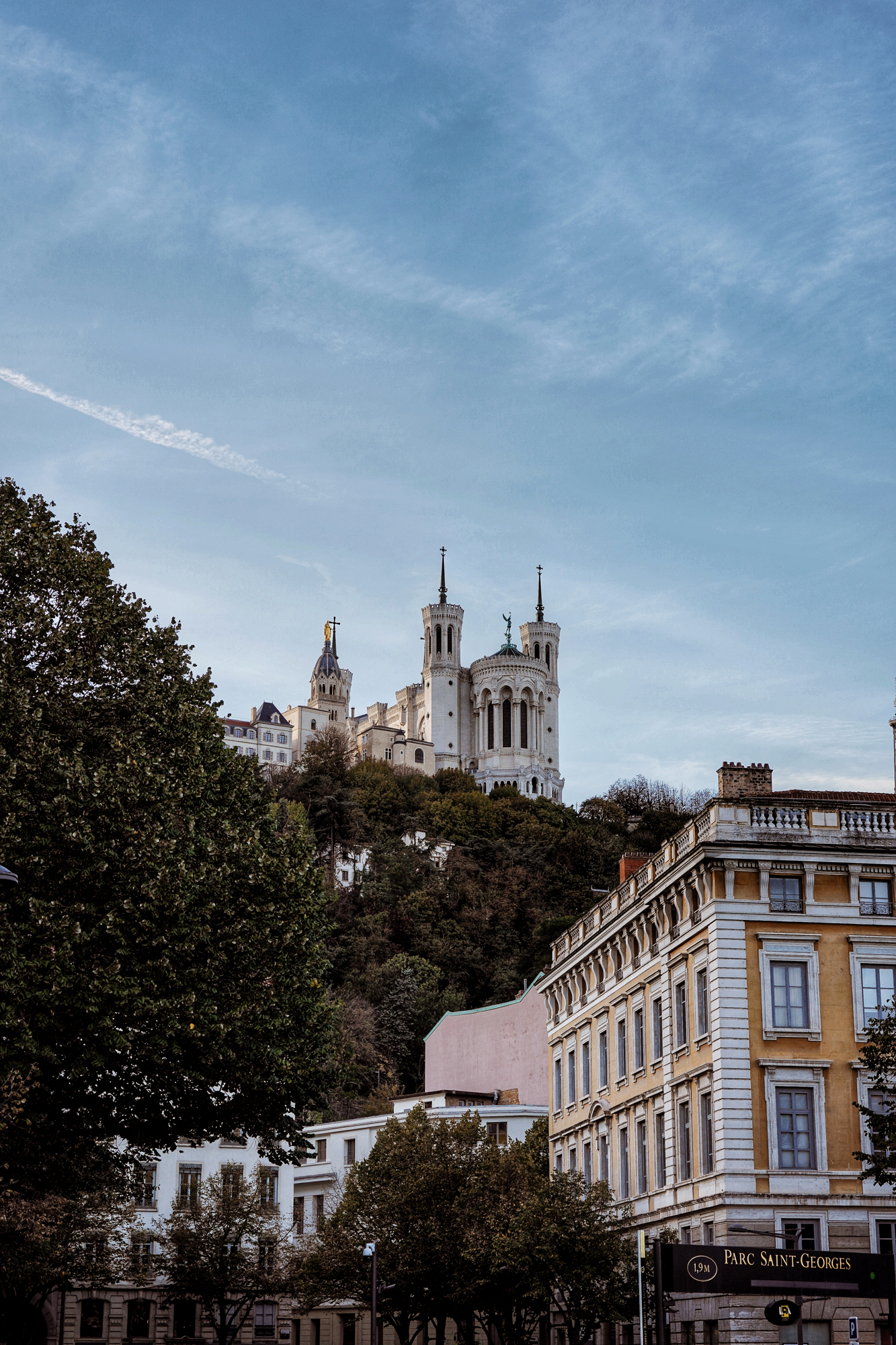
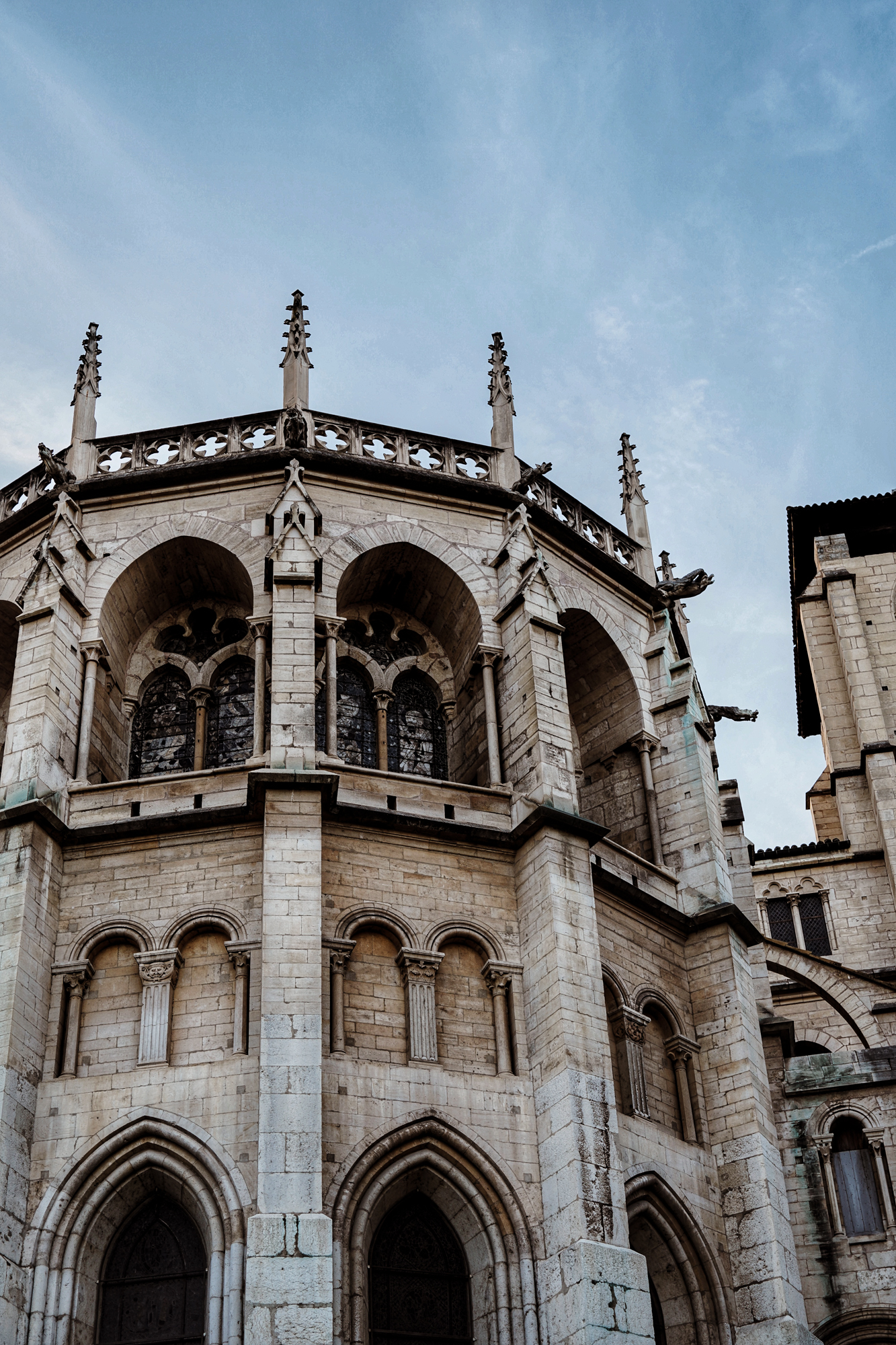
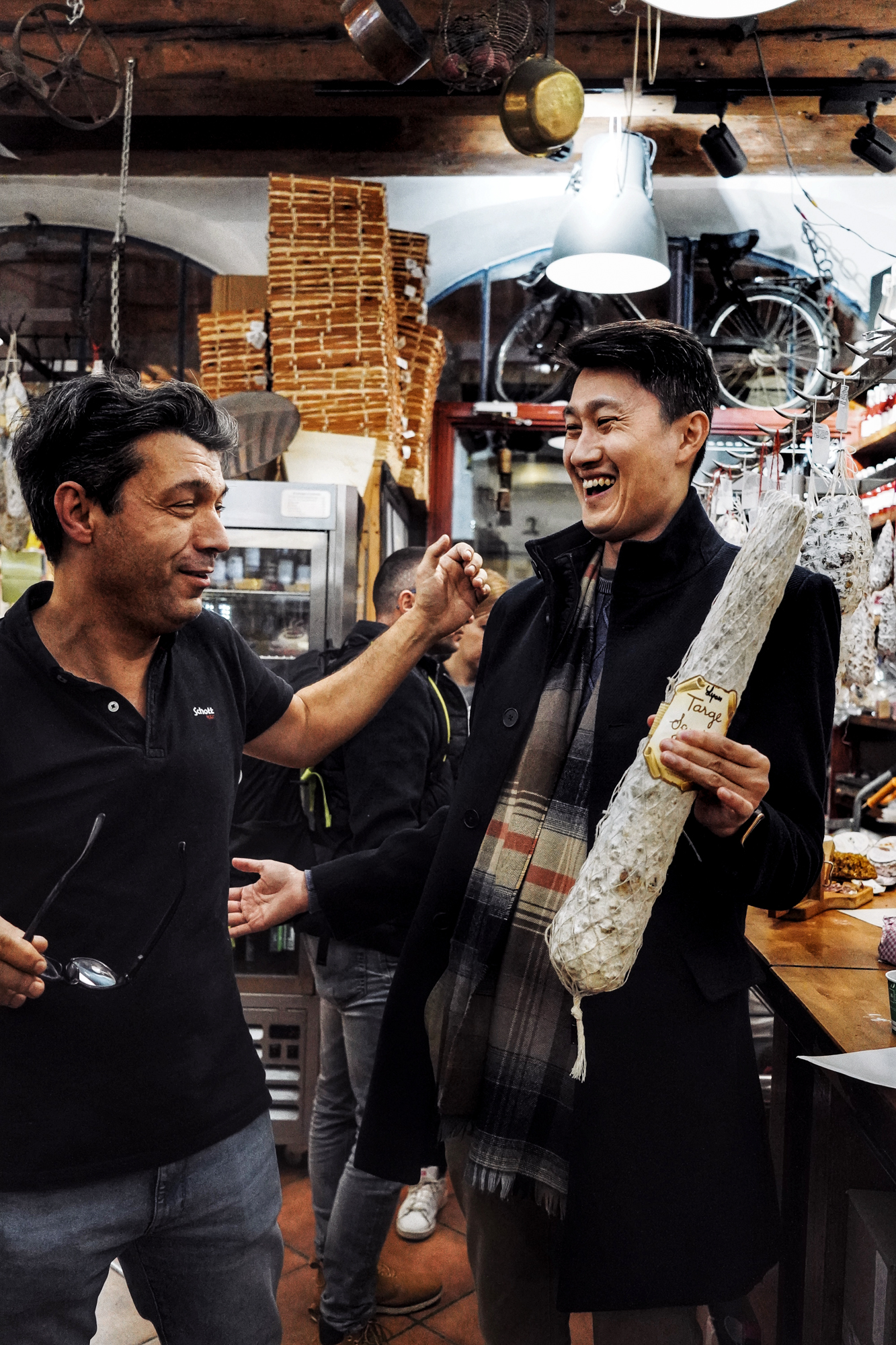
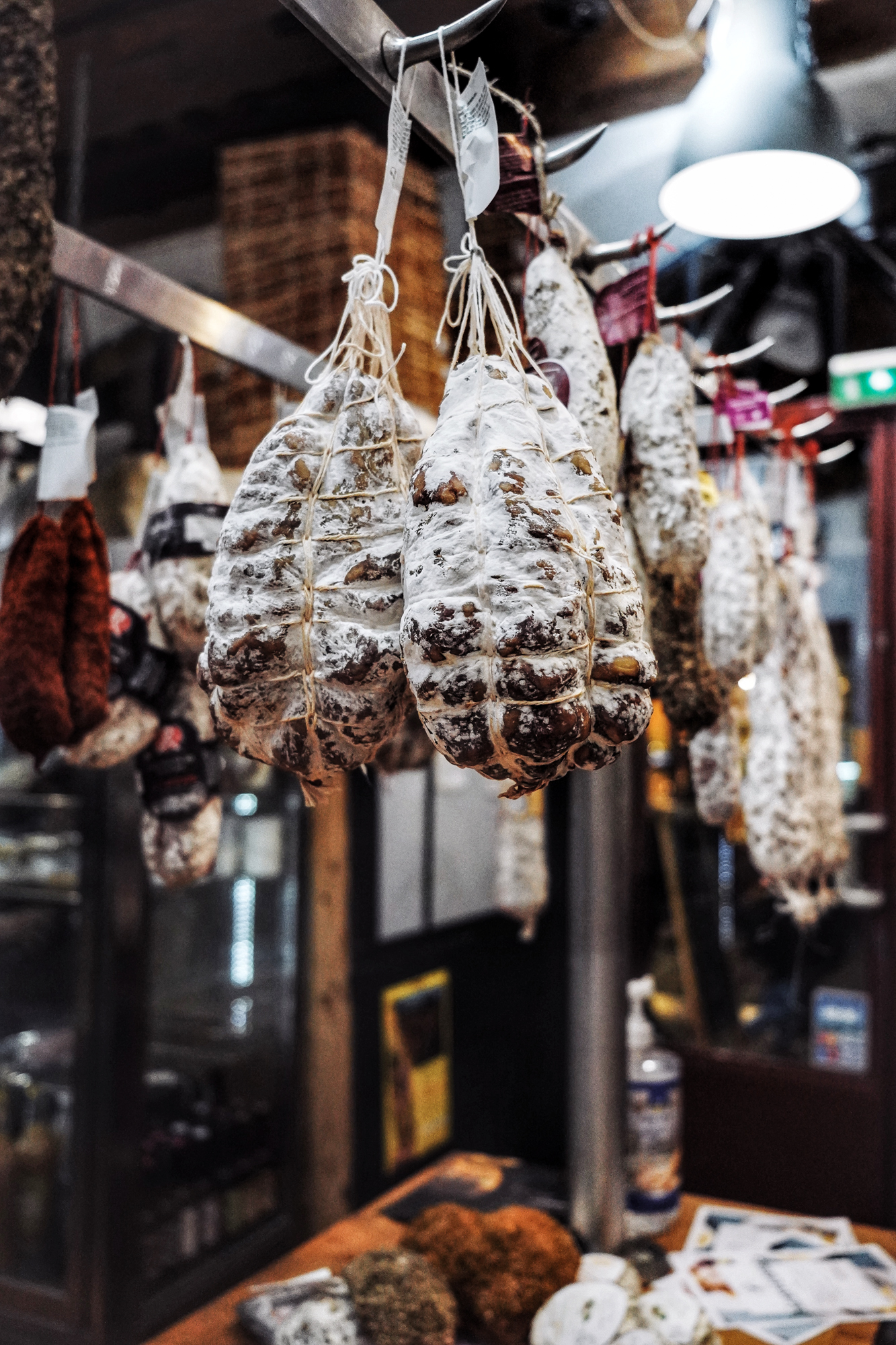
Everywhere we go in Lyon, we see churches and buildings that are the stuff fairytales are made of. There is the La Basilique Notre Dame de Fourvière, the Église Saint-Nizier de Lyon, the Eglise Saint Georges, the Église Saint-bruno-lès-chartreux. Along the Saône River, Romanesque, Gothic and French Renaissance architecture shimmer in the warm light. In the old town, crepe stands are set up and everyone wants theirs with nutella. At Le Sirop de la Rue, Frederic is handing out cups of sweet wine and saucisson cuts to anyone who dares venture into his tiny shop. Inside, we are surrounded by jars of jam, foie gras and rillettes. As we head off into the night, the street lights still twinkle for Lyon.
Processed with VSCO with kk2 preset

Processed with VSCO with kk2 preset

Processed with VSCO with kk2 preset

Processed with VSCO with a7 preset

Processed with VSCO with a9 preset

Processed with VSCO with a9 preset

Processed with VSCO with a9 preset

Processed with VSCO with j5 preset

CHATEAU DE LA CHAIZE

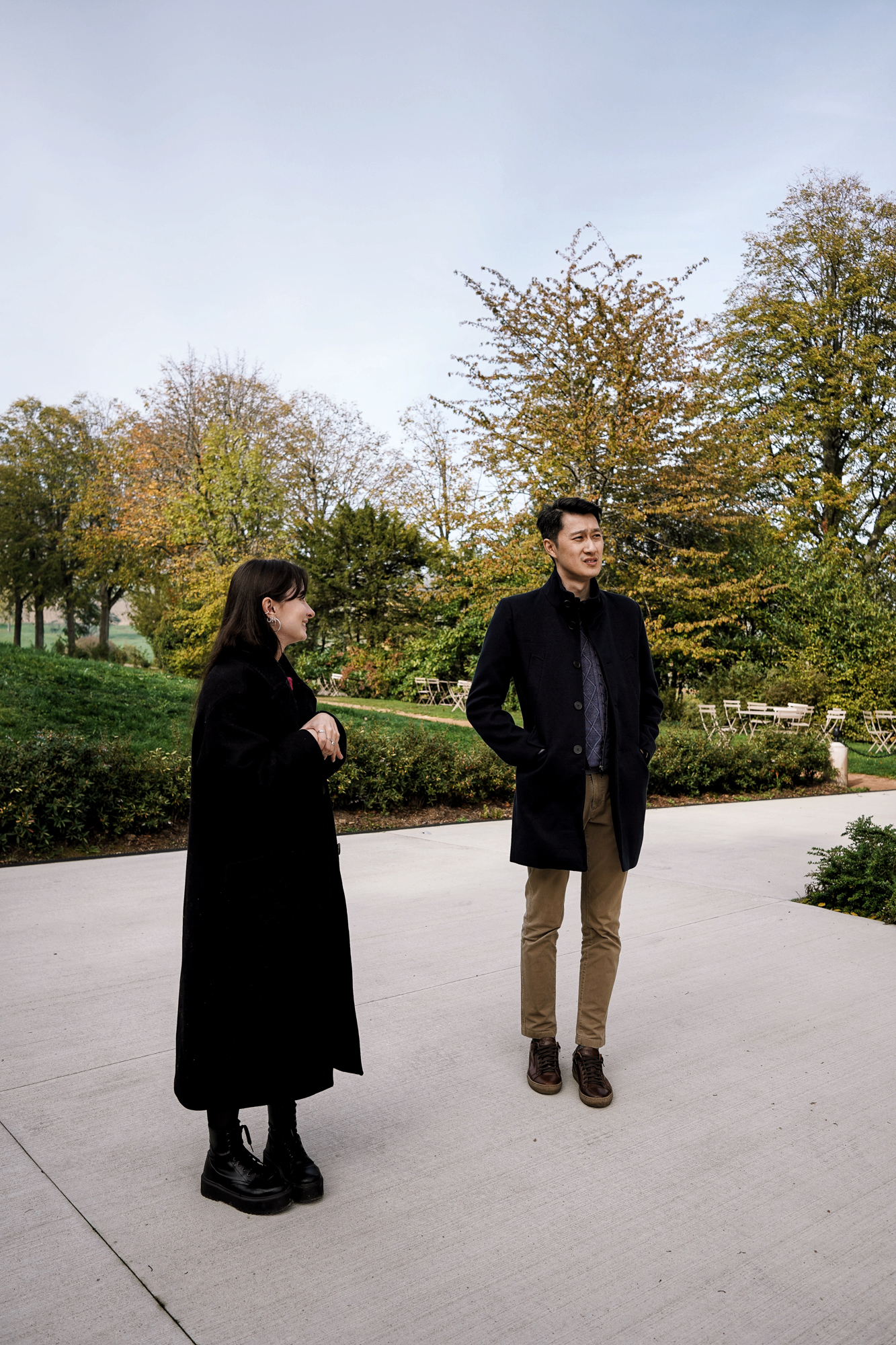
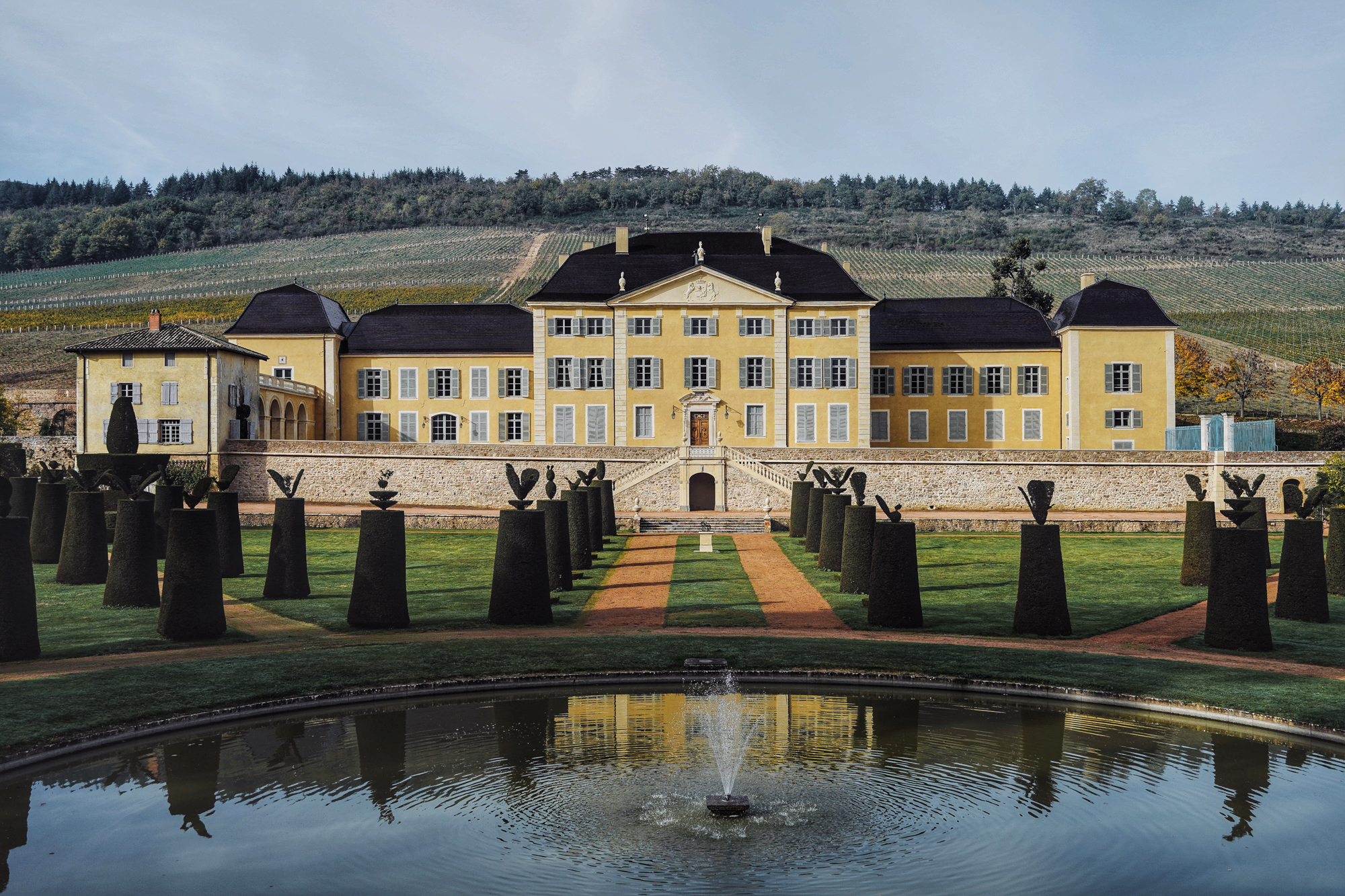
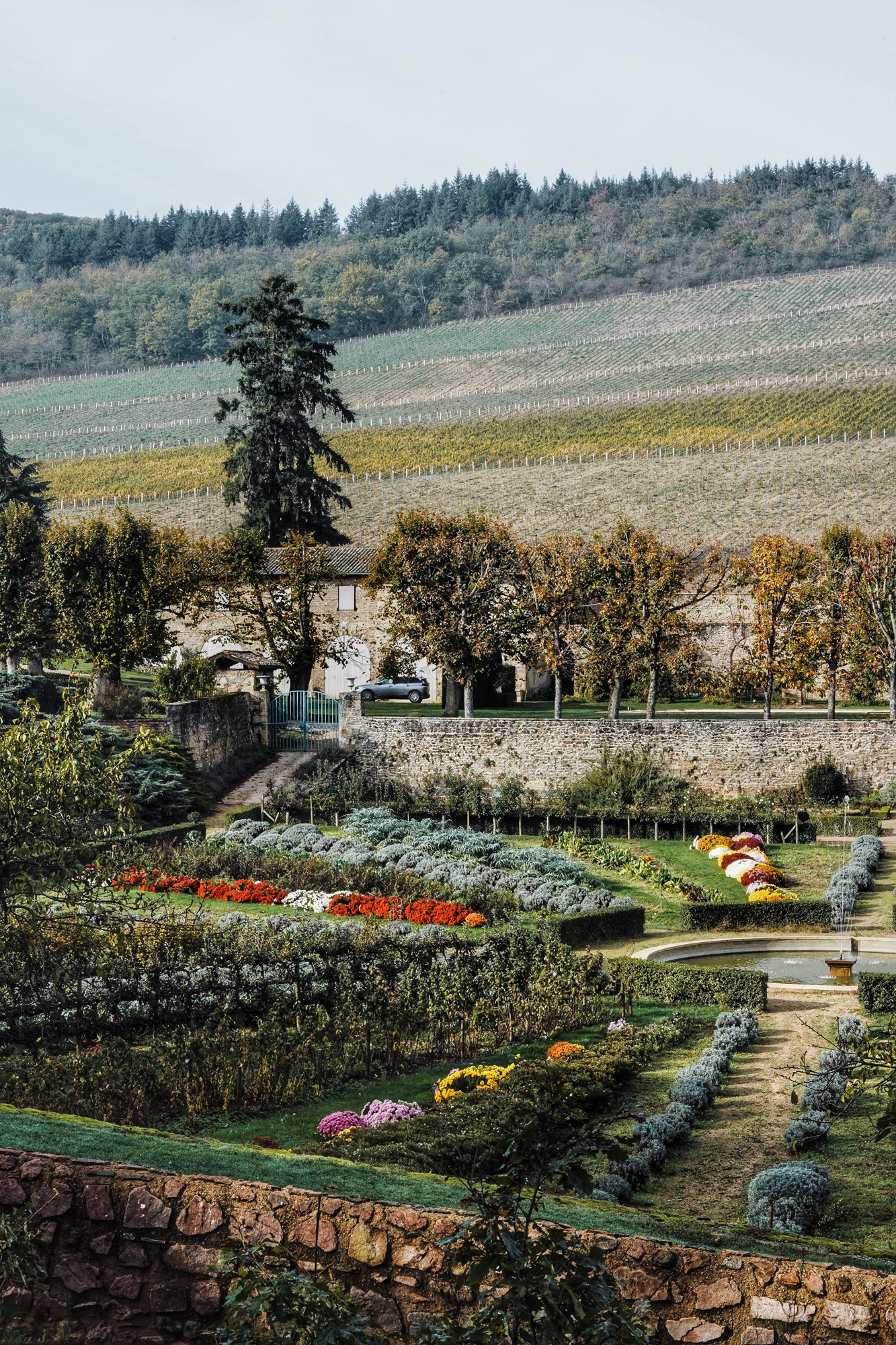
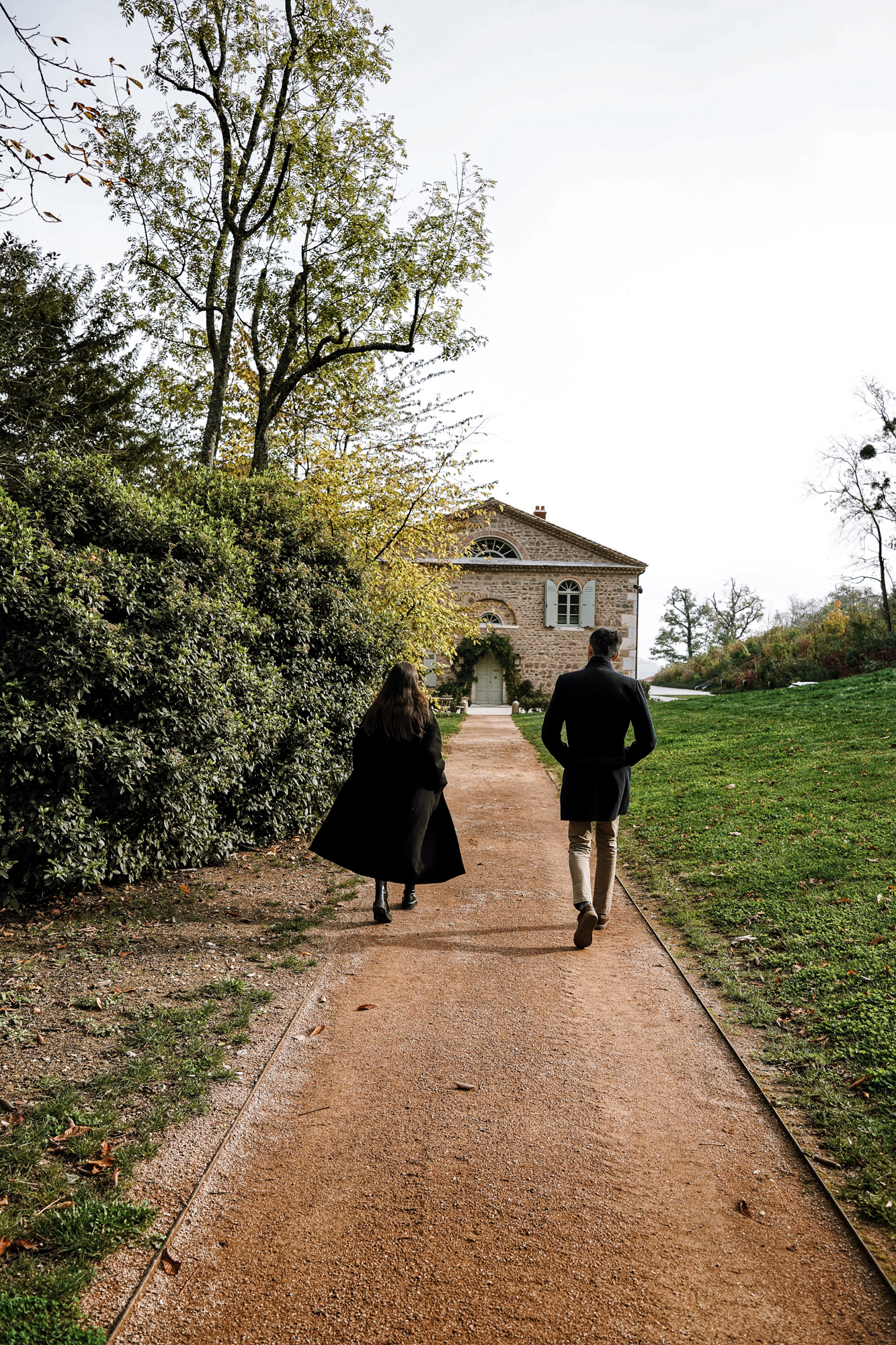
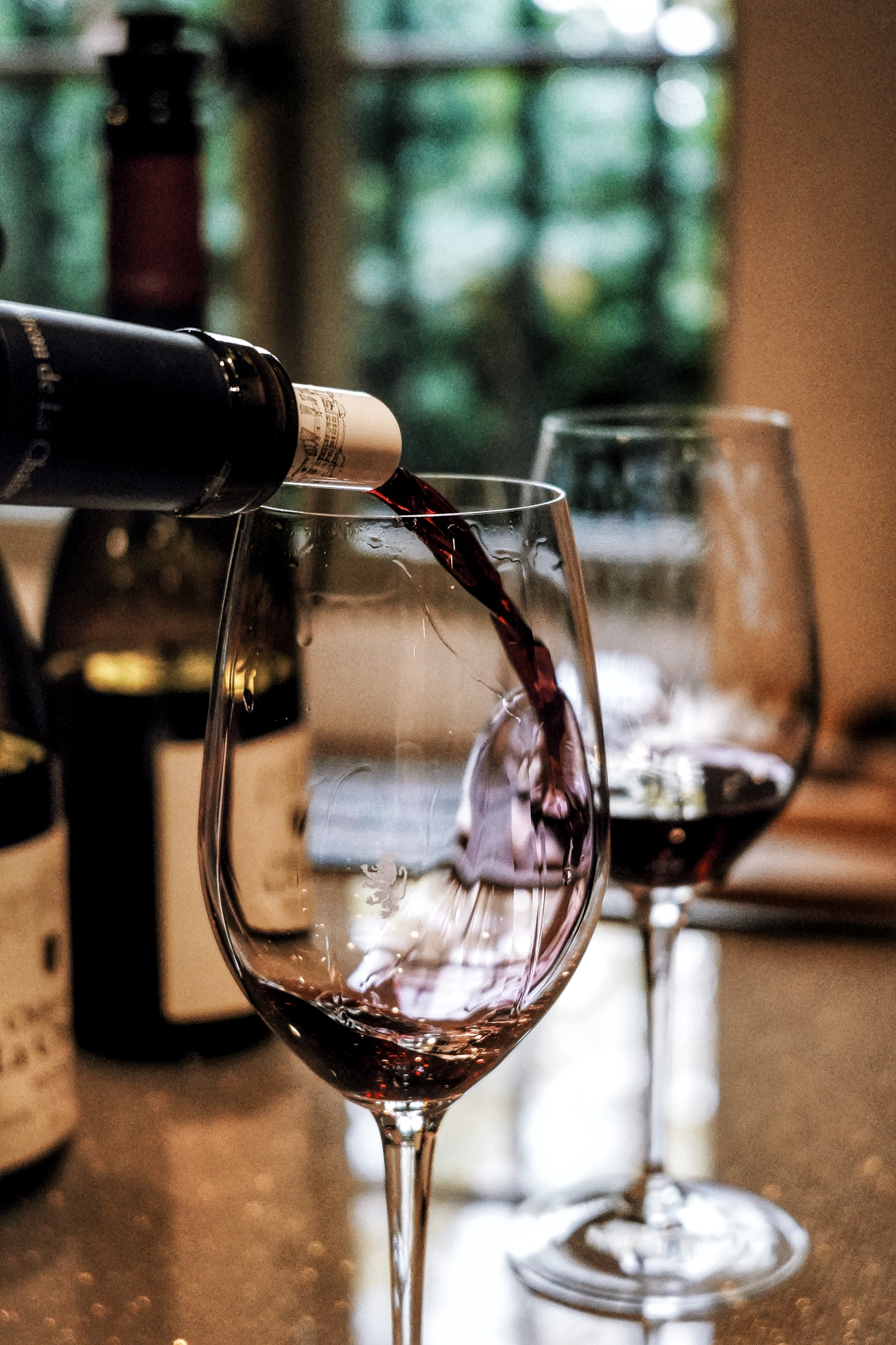
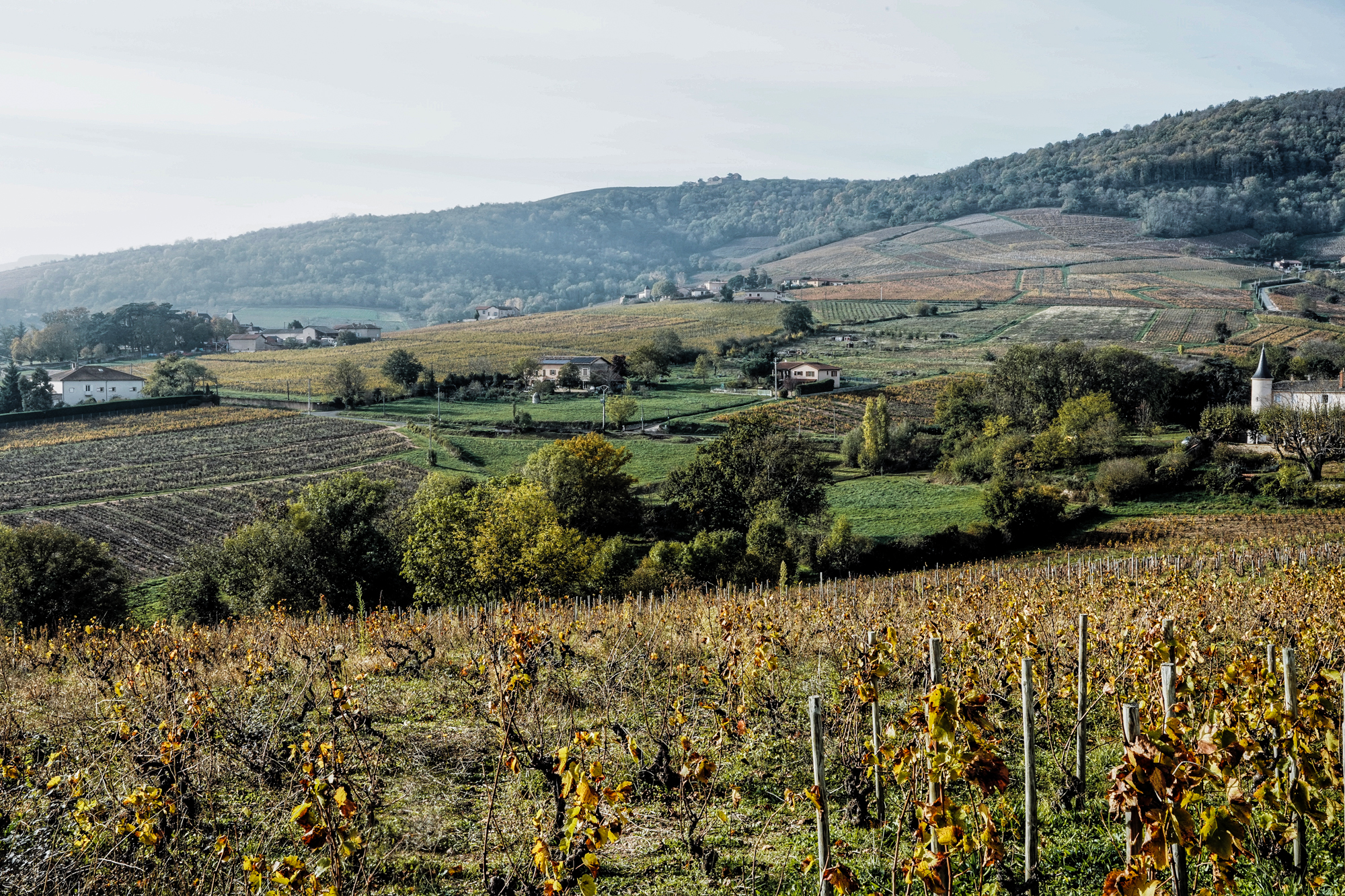
When we drive out of Lyon in the Auvergne-Rhône-Alpes region, fields and fields of vines and chateaus pass us by. It is through these fields that we come to the doorsteps of Château de la Chaize. The garden looks like a Monet painting and the château is dressed in the most beautiful coat of paint. “The owner likes to preserve old things,” Annaëlle tells us as we breathe in the smell of oak in the 18th century cellar where the Beaujolais is created. In a bouchon, there is only ever the Beaujolais. The Beaujolais comes in different crus – Moulin-à-Vent, Morgon, Fleurie, Juliénas, Saint Amour, Côte de Brouilly, Brouilly, Chiroubles, Régnié, Chénas. They are the many iterations of a single Gamay grape. “That’s the best thing about the Beaujolais,” Annaëlle says in quiet awe. The château has the Côte de Brouilly, Brouilly, Fleurie and Morgon. My personal favourite is the Fleurie. Annaëlle gives me a knowing look and sighs, “Very delicate and feminine. Women really like this wine.” So much so that she forgoes the food and wine pairing rules and reaches for the Fleurie for any dish

Processed with VSCO with j2 preset

Processed with VSCO with a7 preset

Processed with VSCO with a9 preset

Processed with VSCO with a9 preset

Processed with VSCO with j2 preset

Processed with VSCO with a8 preset

Processed with VSCO with j2 preset

Processed with VSCO with j2 preset

Processed with VSCO with a9 preset

Processed with VSCO with a8 preset

AU BON CRU

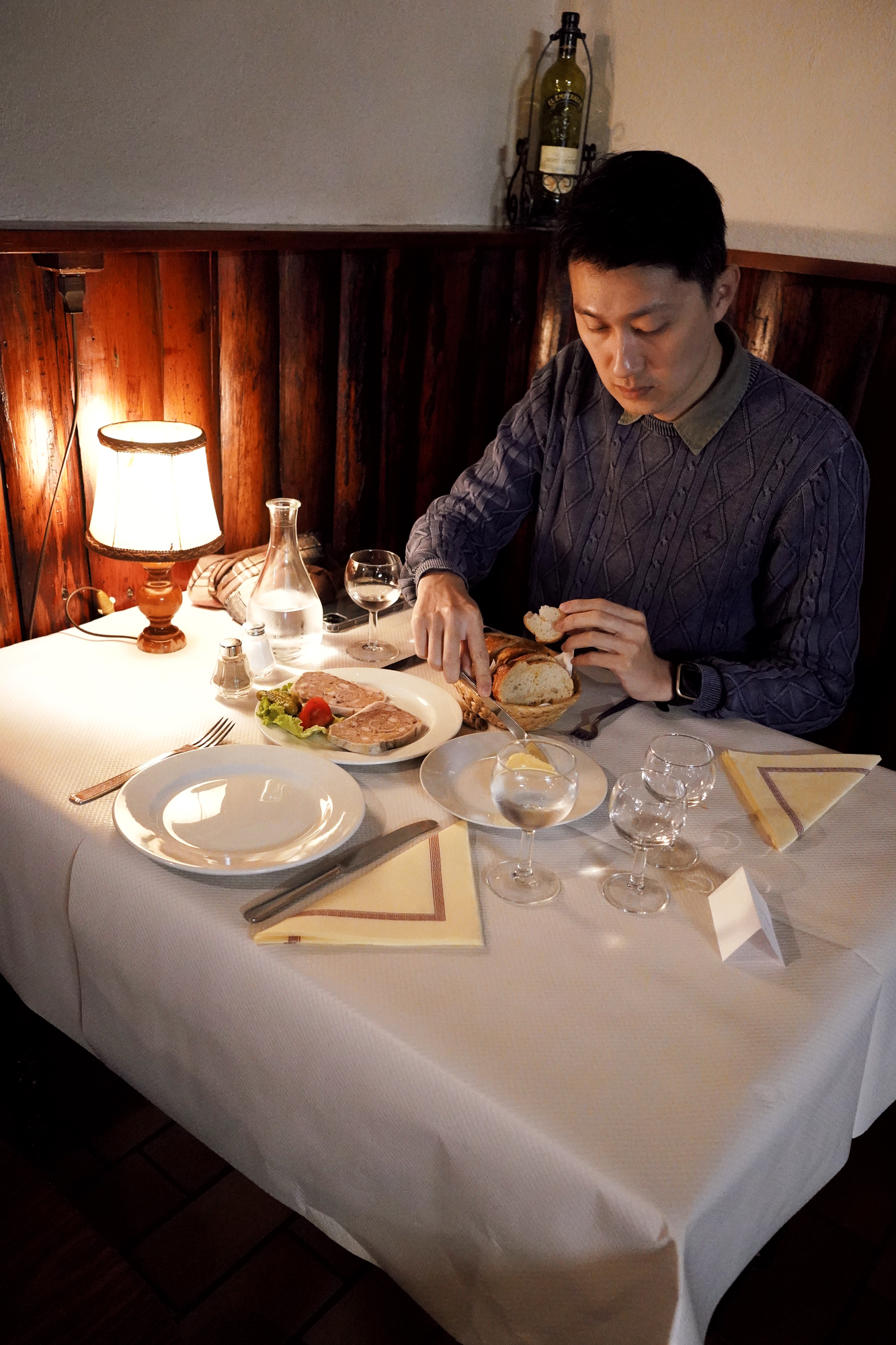
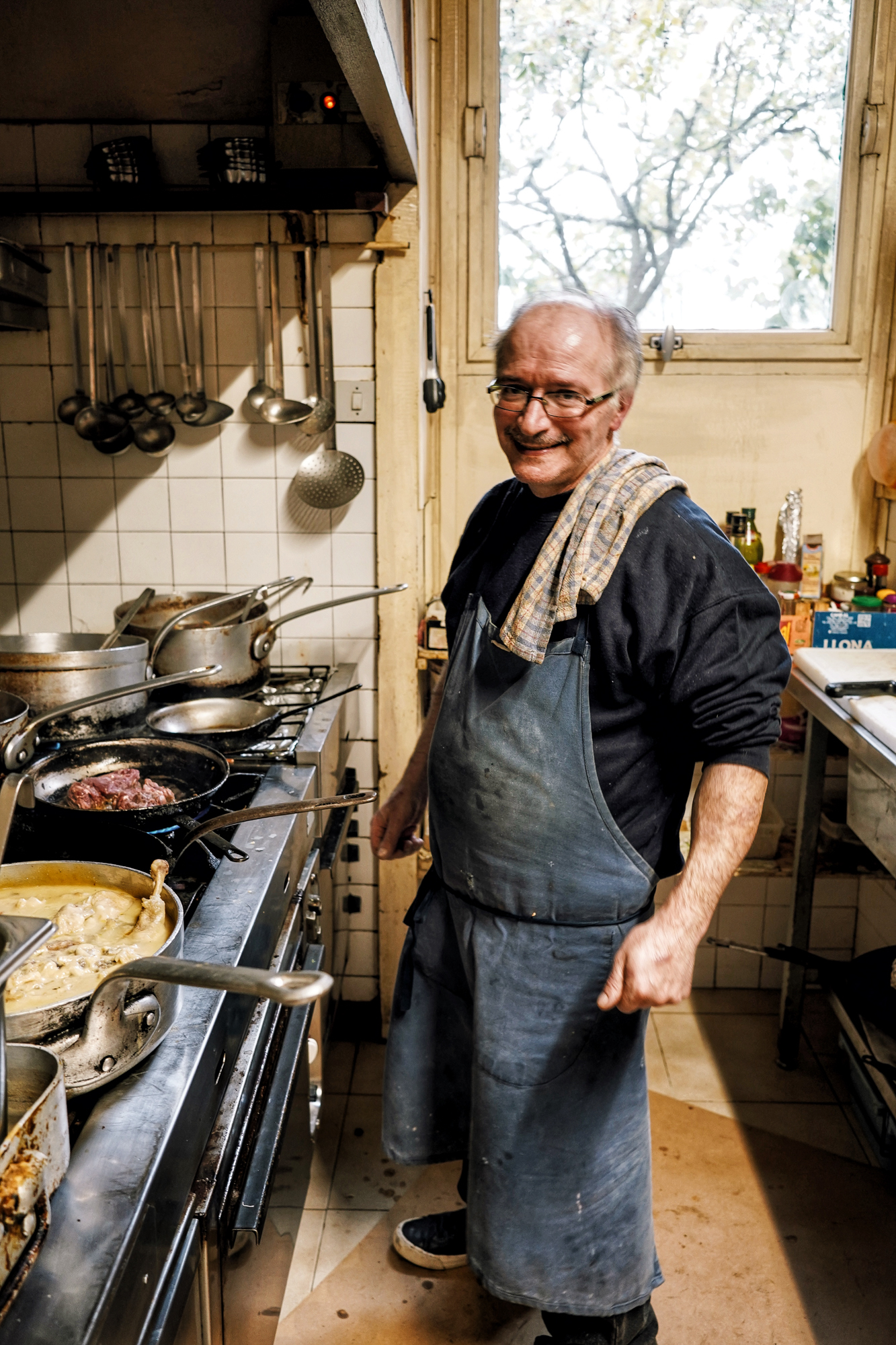
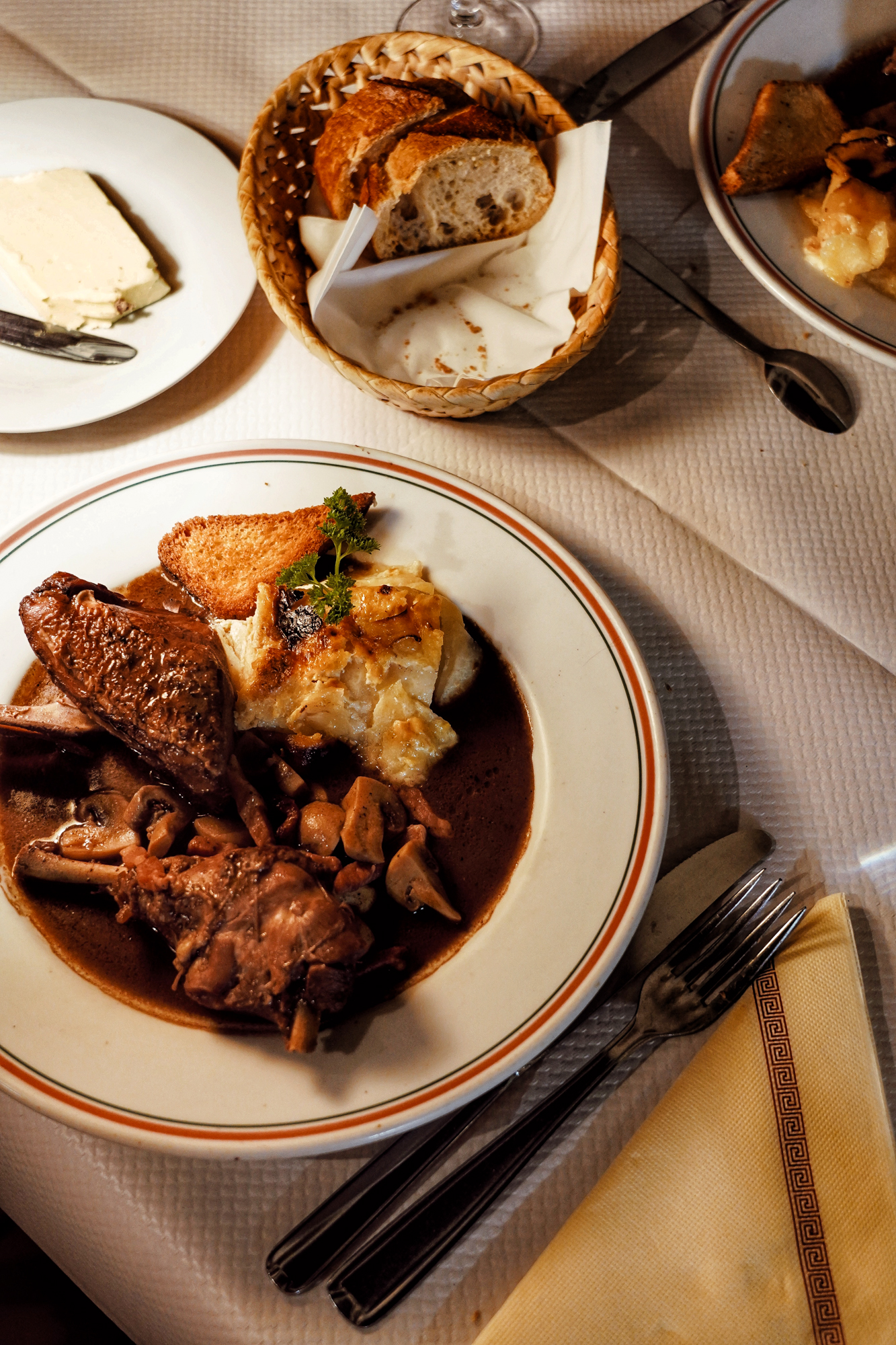
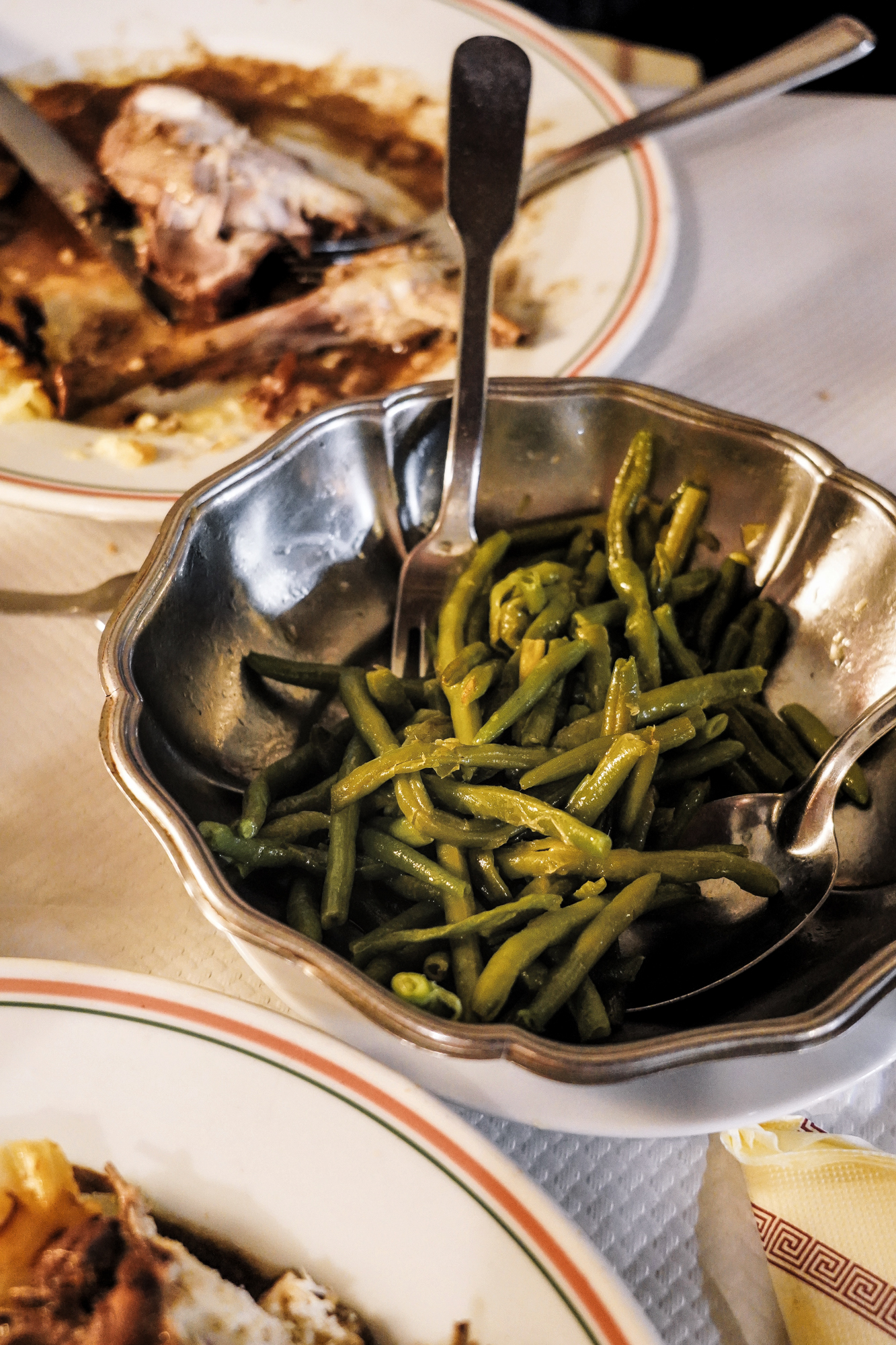
Before going to France, I find myself chasing the French countryside dream. This dream is one of French country-style furnishings, a more than 40-year-old bistro and plates of butter and bread. That dream became a meal at Au Bon Cru. Our first encounter with Au Bon Cru was a fully-booked lunch. We arrived close to two in the afternoon, thinking that the first seating might just be finished and we could savour a delicious meal. A silver-haired lady, Bernadette, looked stunned when I strolled in and she said, “Nous sommes complets.” She continued speaking in French and I knew nothing of the language. That was when Patrick, who has been at Au Bon Cru for decades, told me, “We’re full” as he carries plates of coq au vin to the tables in a flurry. French restaurants in the country rarely have more than one seating. Such is the joie de vivre in France. We looked around in envy as everyone had their food and wine. So we wasted no time in making a reservation for another day. Two weeks later, the plates of coq au vin are sent to our table at Au Bon Cru. Andre is making cake for dessert as he takes a swig from the wine bottle. His brother, Christophe, is helming everything else. Every now and then, guests who had just arrived would go to the kitchen and hug Andre before engaging in idle chitchat. It’s the weekend of Armistice Day. Every table is full, once again. Right there, we savour the Burgundy classic that has been replicated all over the world in the midst of Andre and Christophe’s friends and loved ones. French country cooking has never felt more special

Processed with VSCO with j2 preset

Processed with VSCO with a8 preset

Processed with VSCO with j5 preset

Processed with VSCO with j2 preset

Processed with VSCO with j5 preset

Processed with VSCO with j5 preset

Processed with VSCO with j2 preset

Processed with VSCO with j5 preset

Processed with VSCO with a8 preset

Processed with VSCO with j5 preset

Processed with VSCO with a8 preset

Processed with VSCO with j5 preset

Food & Travel Guide to Umbria, Italy – What to See, Eat & Do

Italy

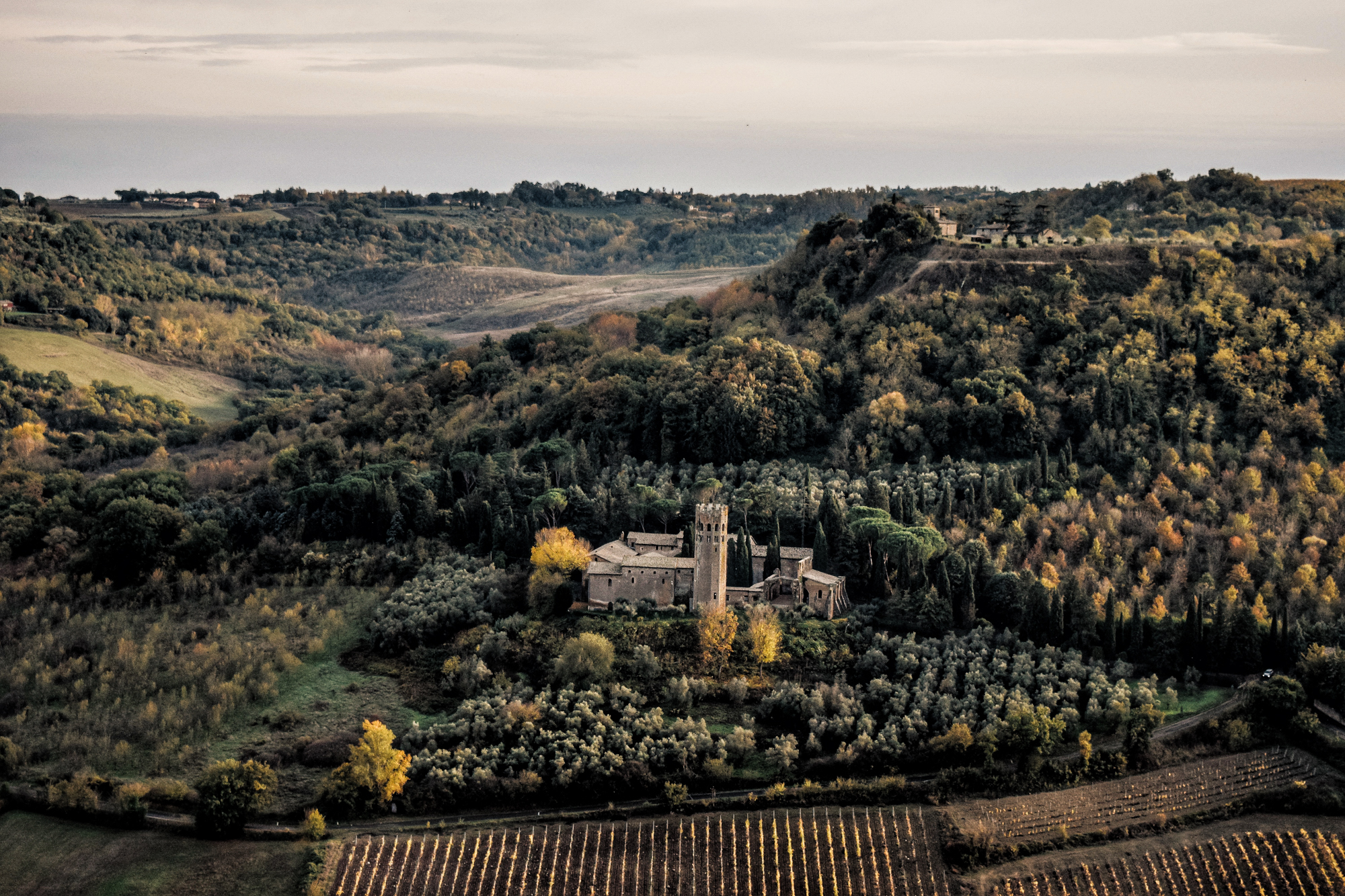
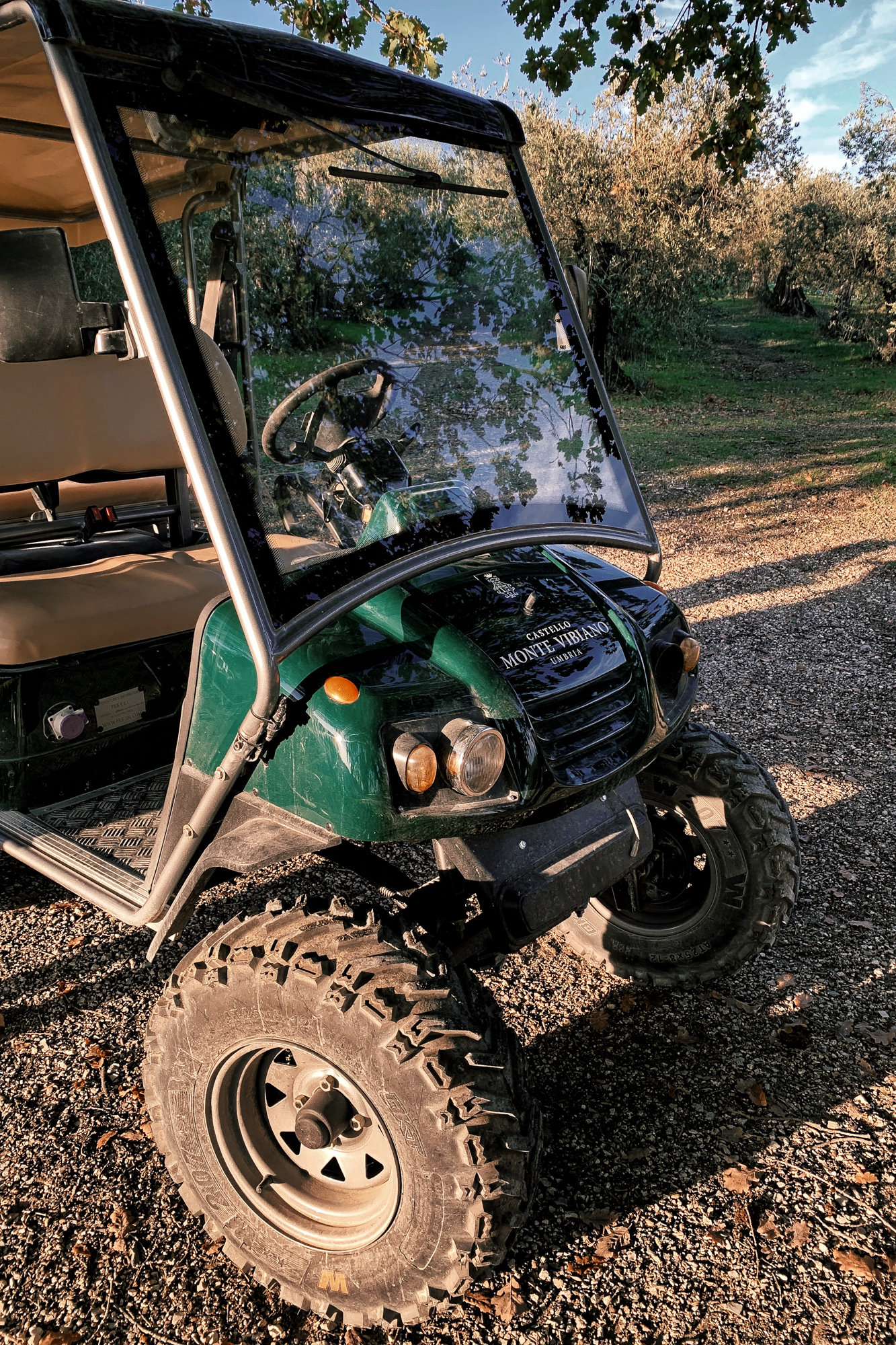
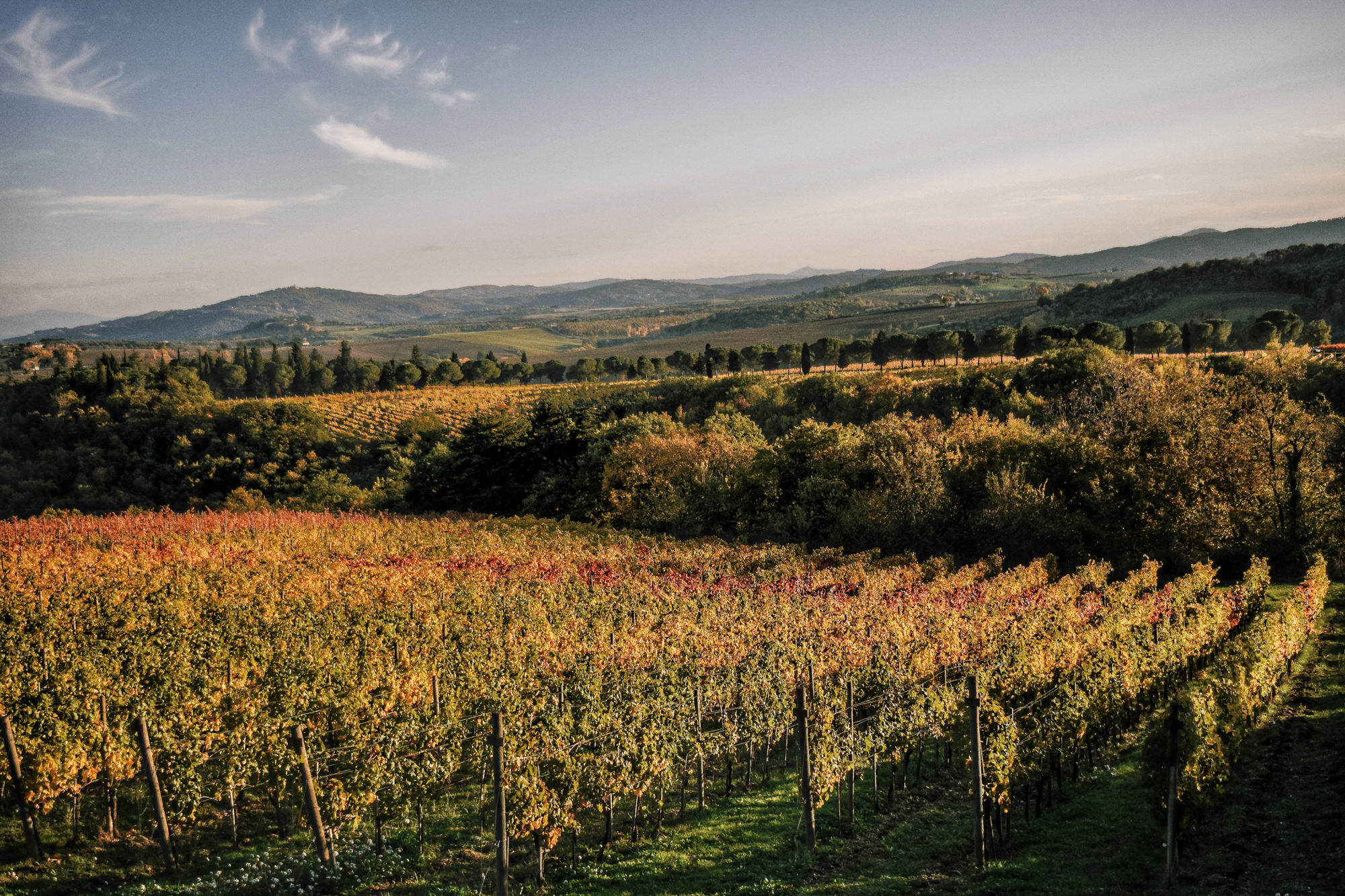
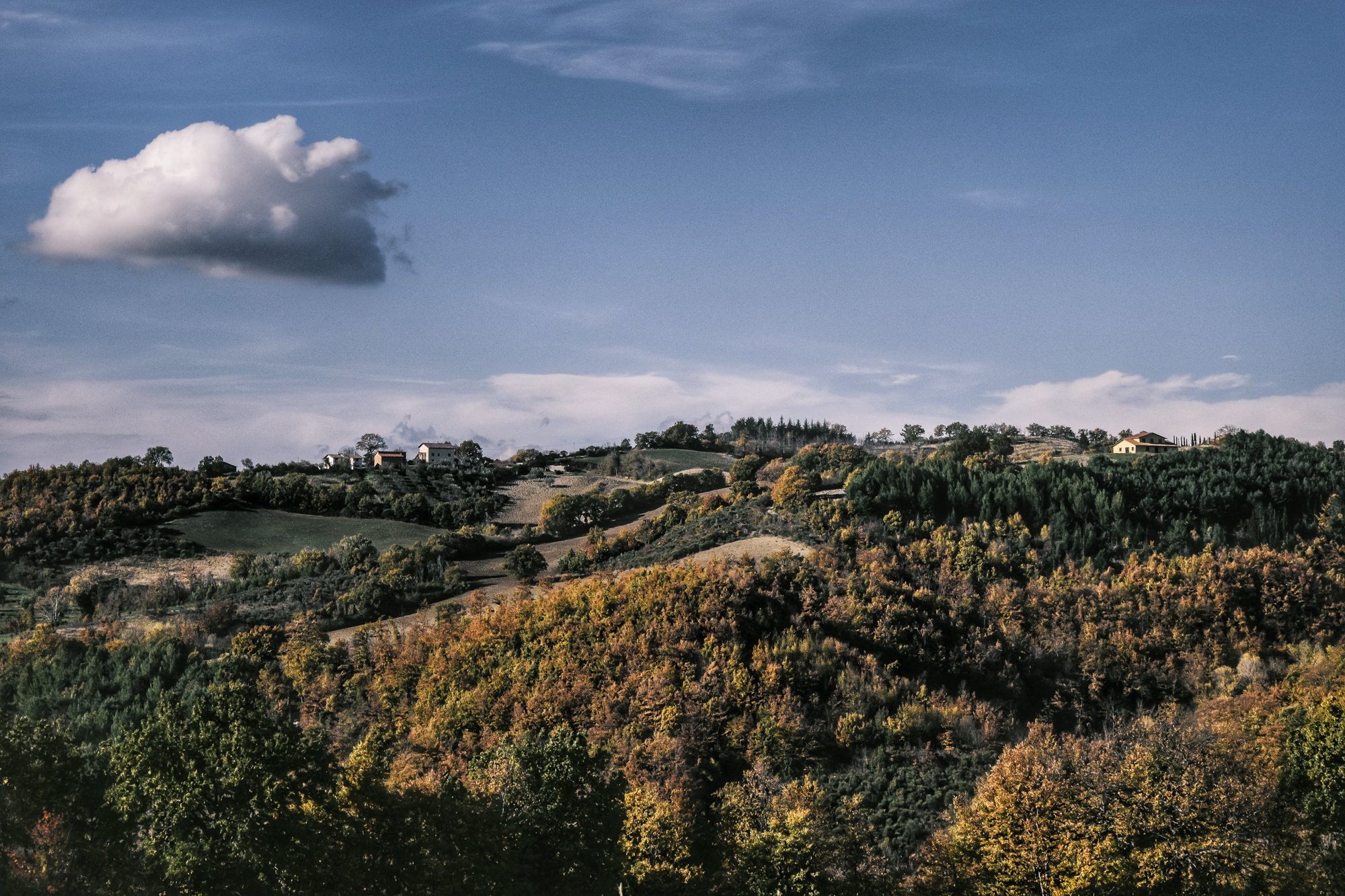
The sky is exceptionally clear for a November afternoon. It’s a few minutes past 3 pm and the sun is already slinking into waves of hills – the only green behind saffron-coloured vines. Electric jeeps crawl up a narrow road punctuated with potholes, stopping every now and then to sigh languidly. Finally, we come to a stop and step out. Roy and I are standing in front of the Lorenzo vineyard on the Castello Monte Vibiano estate.

Lucca is in a long-drawn-out introduction of Umbria, the place the Italians from Milan and Rome like to escape to, when suddenly he stops and says, “I want you to listen. Just listen.” The soft autumn wind caresses the golden leaves, birds engage in light humming. Then, nothing. Nothing. Perfect solitude. And Umbria is exactly that. A piece of secret Italy drenched in olive gold

Processed with VSCO with kk1 preset

CASTELLO MONTE VIBIANO

For decades, the Fasola Bologna family has been the custodians of their estate, their soil. It all began a long long time ago. Andrea Fasola Bologna planted thousands of trees to create a fence around their land back in the days to protect the vineyards and olive groves from manmade impact. Slowly, the trees grew and so their vineyards and olive trees prospered. Everything bears fruit. Nature for nature. It’s a simple philosophy. An ethos the family has stood by since.

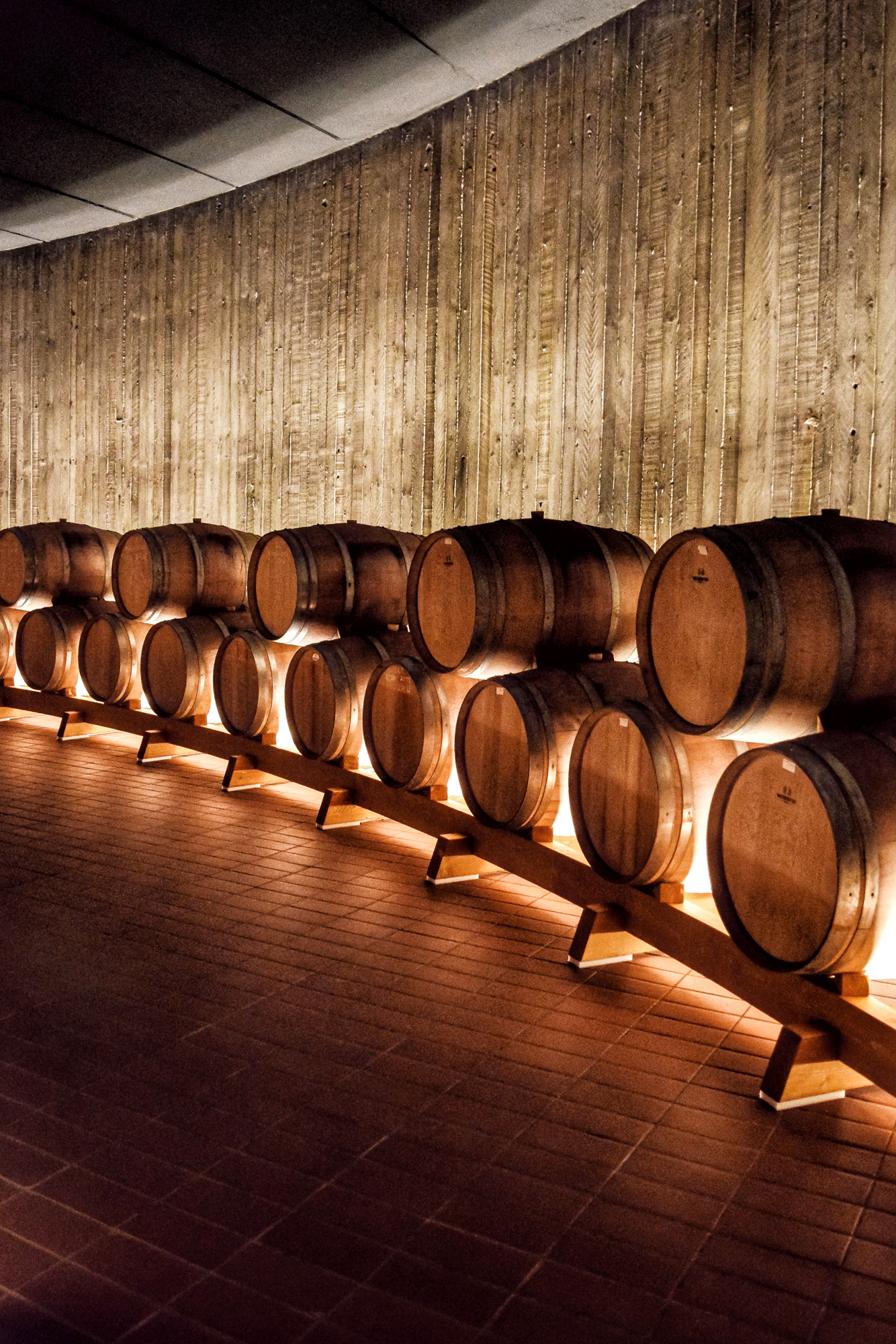
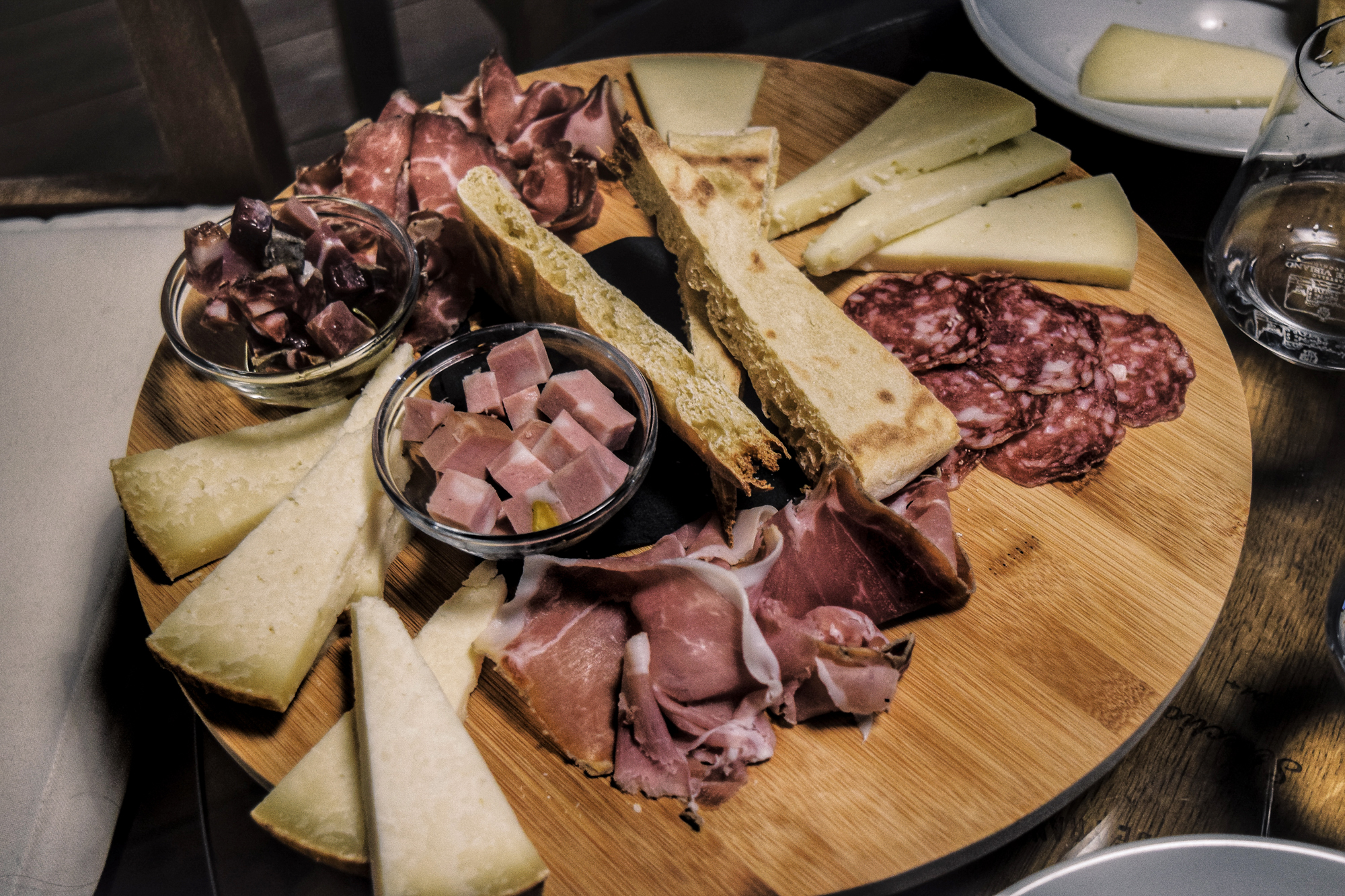
The ride back to the cellars is leisurely, slow-moving through the vines and the air scented by grapes. As the sky reaches twilight, the wine tasting is served. Wine tasting in Umbria is not a journey of the Italian superstars, like the Brunello di Montalcino, the Barolo or the Amarone. Harvesting wines here is the simple joy of pouring the best of the Umbrian land in a glass. Superstar wines are of course still exceptional. But exceptional does not always have to be famous. We started with the Maria Camilla and the Vigna Luisa – whites scented with fruit. The olive oil follows. A small bottle, for the preservation of quality Lucca says, is poured over bread. The taste is smooth and green. Then comes a platter of salumi and cheese from the macelleria up the hill not far from the estate. We have now come to the reds and that has to be the San Giovanni, the castello’s beloved

Processed with VSCO with j4 preset

Processed with VSCO with j6 preset

Processed with VSCO with j5 preset

Processed with VSCO with a8 preset

Processed with VSCO with a6 preset

Processed with VSCO with a7 preset

TRUFFLE HUNTING

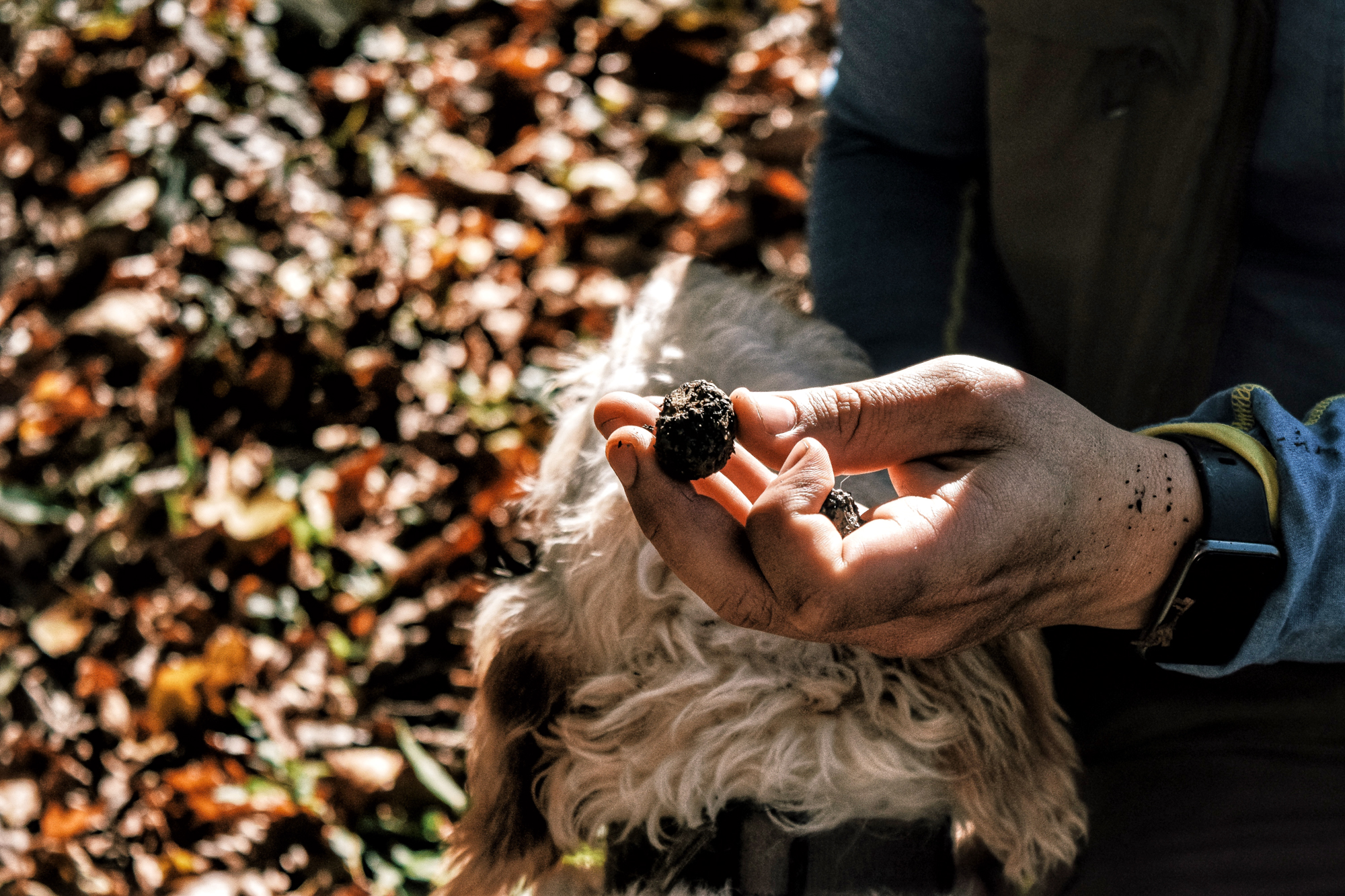
Like Tuscany, Umbrian soil is known for harbouring the best black diamonds. Near Borgo Castello Panicaglia, there is a tartufaia where truffles are hidden in the ground. Two dogs, Nora and Leia, are accompanying Johnny on the truffle hunt. Pigs were traditionally used but not anymore. “They eat the truffles,” Johnny tells us with raised eyebrows. Truffles are not really a kind of mushroom, and not like anything else. They are simply jewels hidden in the woodlands that have a curious, exquisite taste. As quick as their nose can carry them, Nora and Leia bound to each elusive spot and unearth the truffles. Each find is scooped up by Johnny who stores it securely in a jar.

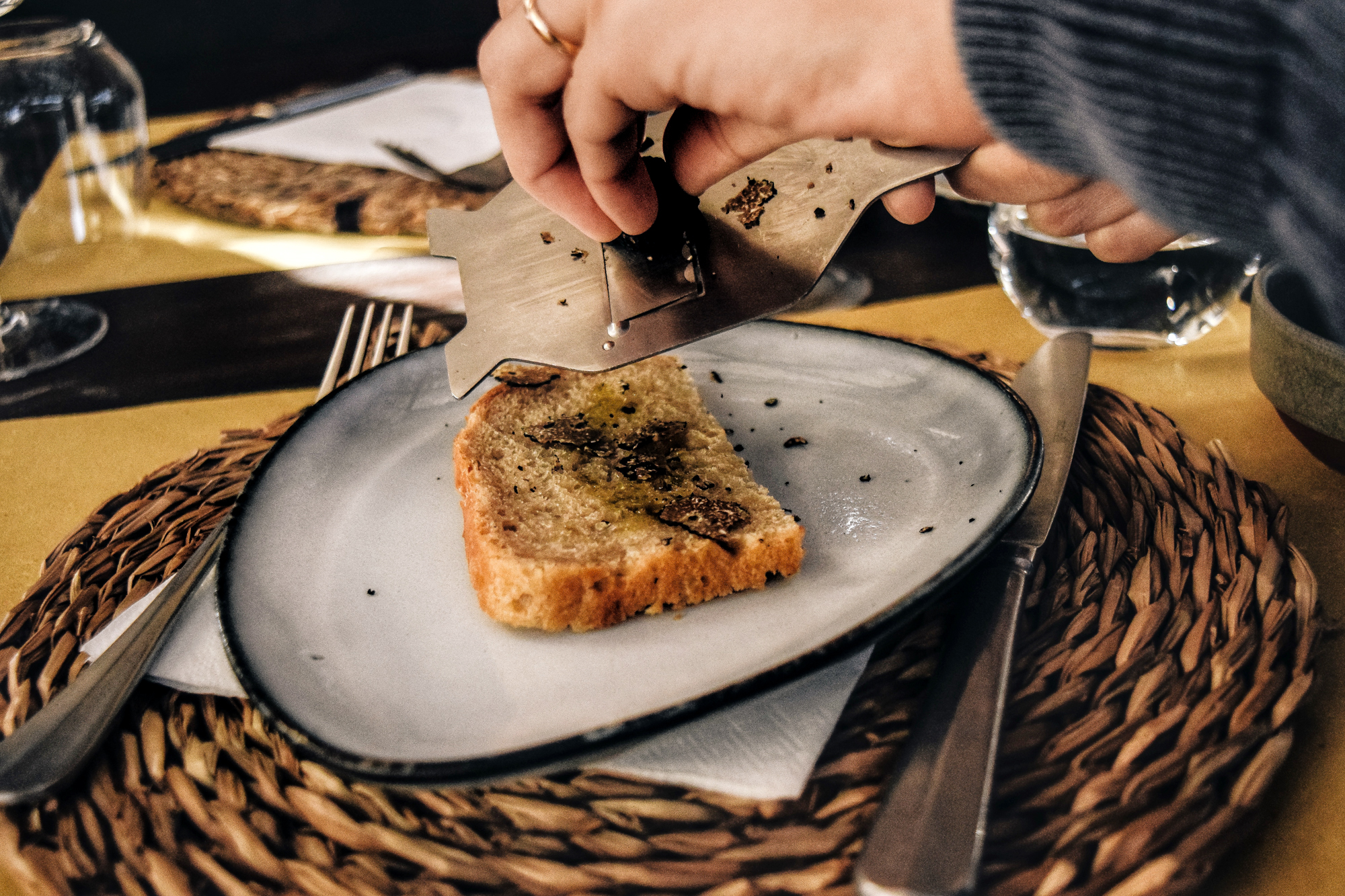
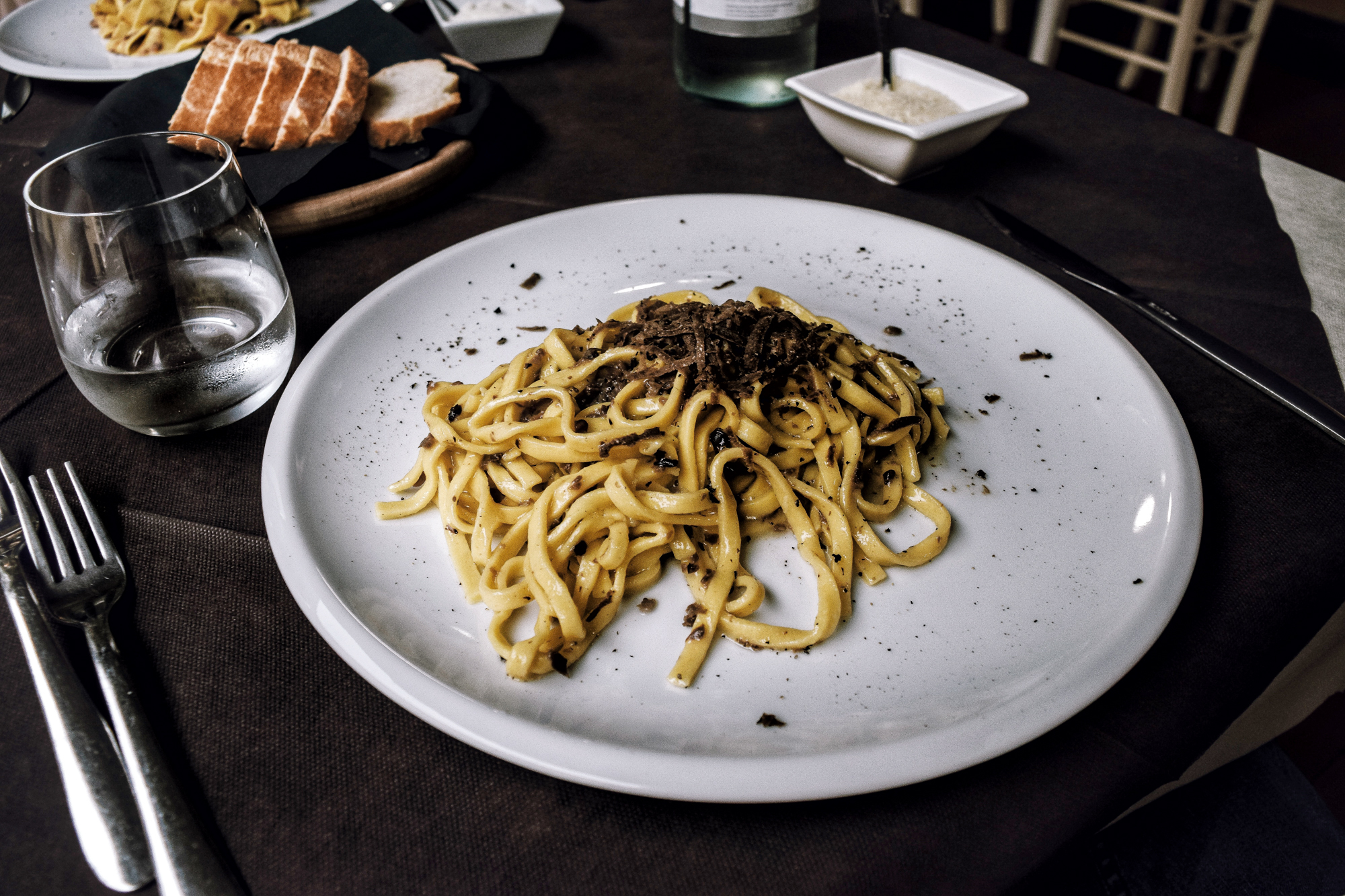
When we reach the castello, Federico has already prepared scrambled eggs and schiacciata. That day we brought back black truffles. White truffles are also found in Umbria, but they’re more elusive. As Mirca cleans the truffles, we pour ourselves each a glass of Umbrian wine as we imagine the dogs having their own treat, possibly prosciutto di norcia. We then eat the truffles shaved over the eggs and bread. “It’s very traditional,” Mirca says. To me, it’s cucina tipica italiana. Simple and delicious.

Borgo Castello Panicaglia is a 17-room hotel restored from a 13th century castello by Albert and Inger, who wanted to create a family-friendly agriturismo. So the castello became a place where children can bake pizza or while the evenings away perched on lounge pillows at an outdoor cinema. In the garden, Federico grows fruits and vegetables to make food for the guests. The rest are of course sourced locally. Only the best of Umbria. Doubles start from €140. 

Processed with VSCO with j5 preset

Processed with VSCO with j6 preset

Processed with VSCO with j6 preset

Processed with VSCO with j6 preset

Processed with VSCO with a7 preset

Processed with VSCO with j6 preset

Processed with VSCO with a6 preset

Processed with VSCO with a6 preset

Processed with VSCO with j4 preset

PERUGIA

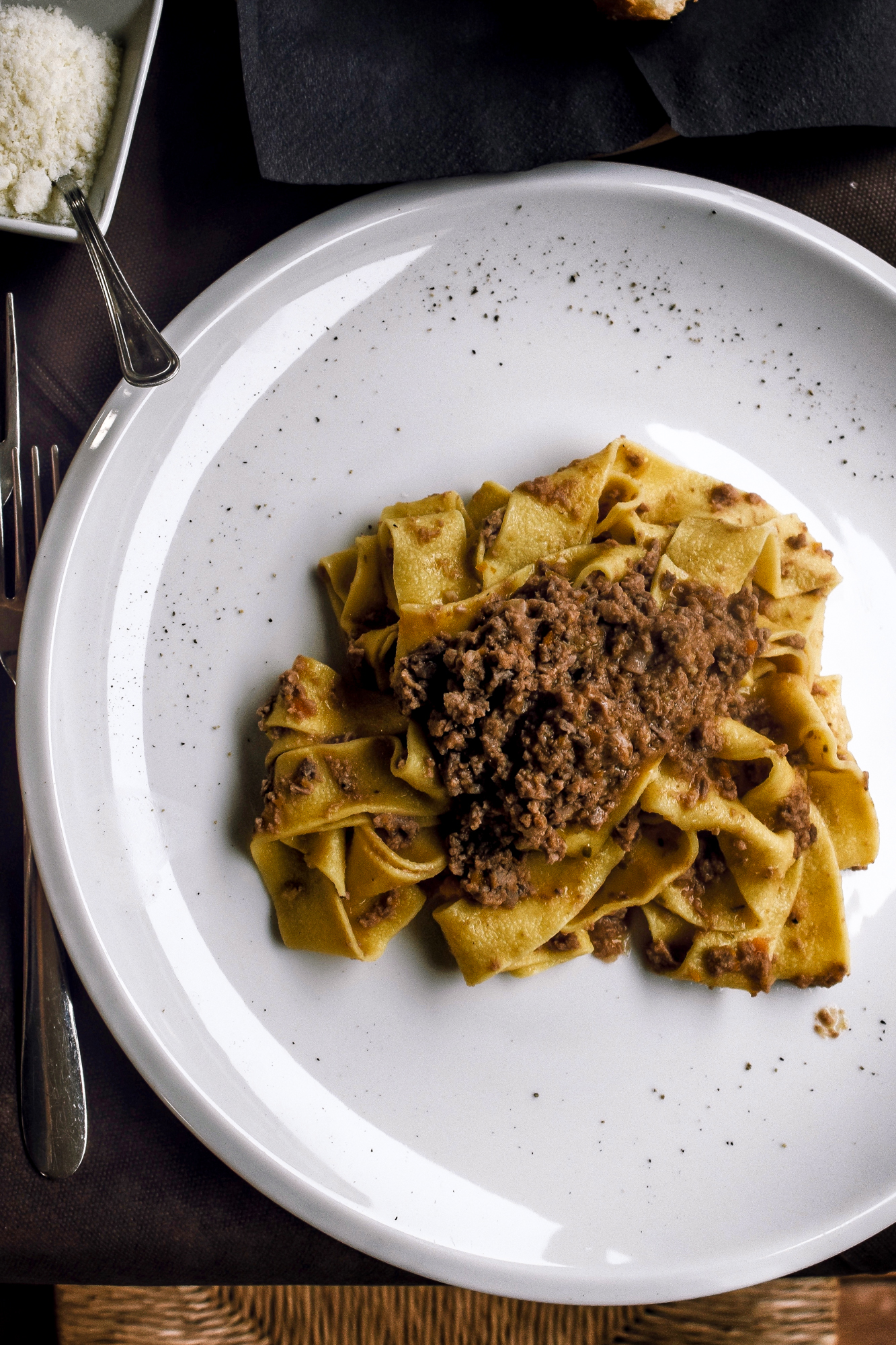
The loveliest of meals are often astonishingly accidental, a restaurant on the way to somewhere. We are driving to Perugia, the capital of Umbria. We had wanted to go to Civita di Bagnoregio first but seeing the number of steps, we decided to eat instead. We enter Antico Callaro and ask for the best dish to try. “The truffles or wild boar,” the waitress says without a single beat of hesitation. That is what we got and we find ourselves licking our lips at the last forkful.

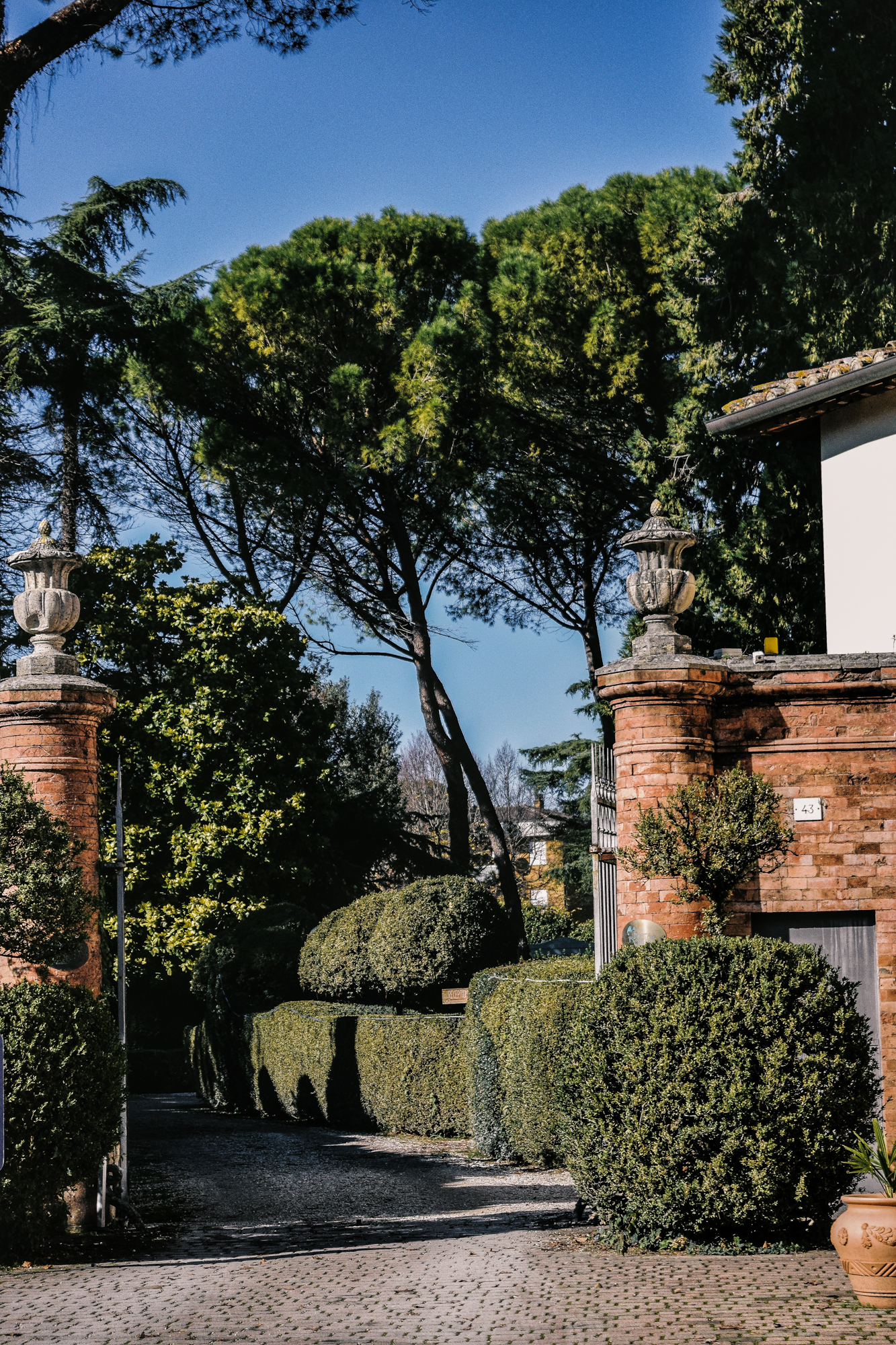
Anyone basing themselves in Perugia should stay a few nights at Posta Donini, a painfully beautiful residence that was once the summer home of the Donini family. This is an unruffled 15th century hotel peacefully situated away from the lights and sounds of the city. The delicate flora hand drawings on the pale yellow walls lining the hallways are of flowers and plants found in the garden. Everything is soft, airy and full of beautiful things. One evening, a black cat jumps off a table and scurries to the door as I approach the concierge. The concierge seems unstirred by the cat’s visit, like it is any usual day at Posta Donini. Roy is unconvinced, he was in the room. Of course, I could not let the cat’s presence go unacknowledged. As we stand in front of the concierge in the morning, I lean forward and ask about the black cat, part of me afraid that it had been all a daydream. Then, he proclaims with a flourish of his hand, “Ah… the gatto… He always comes here in the evenings… With the white one.” This is why it comes as a surprise that the cat is sunbathing out by the window that very morning. So Roy has a ball of a time stroking the black feline. He had to concede. There really is a black cat at Posta Donini. We call him Lucio, the Posta Donini cat. Doubles start from €120.

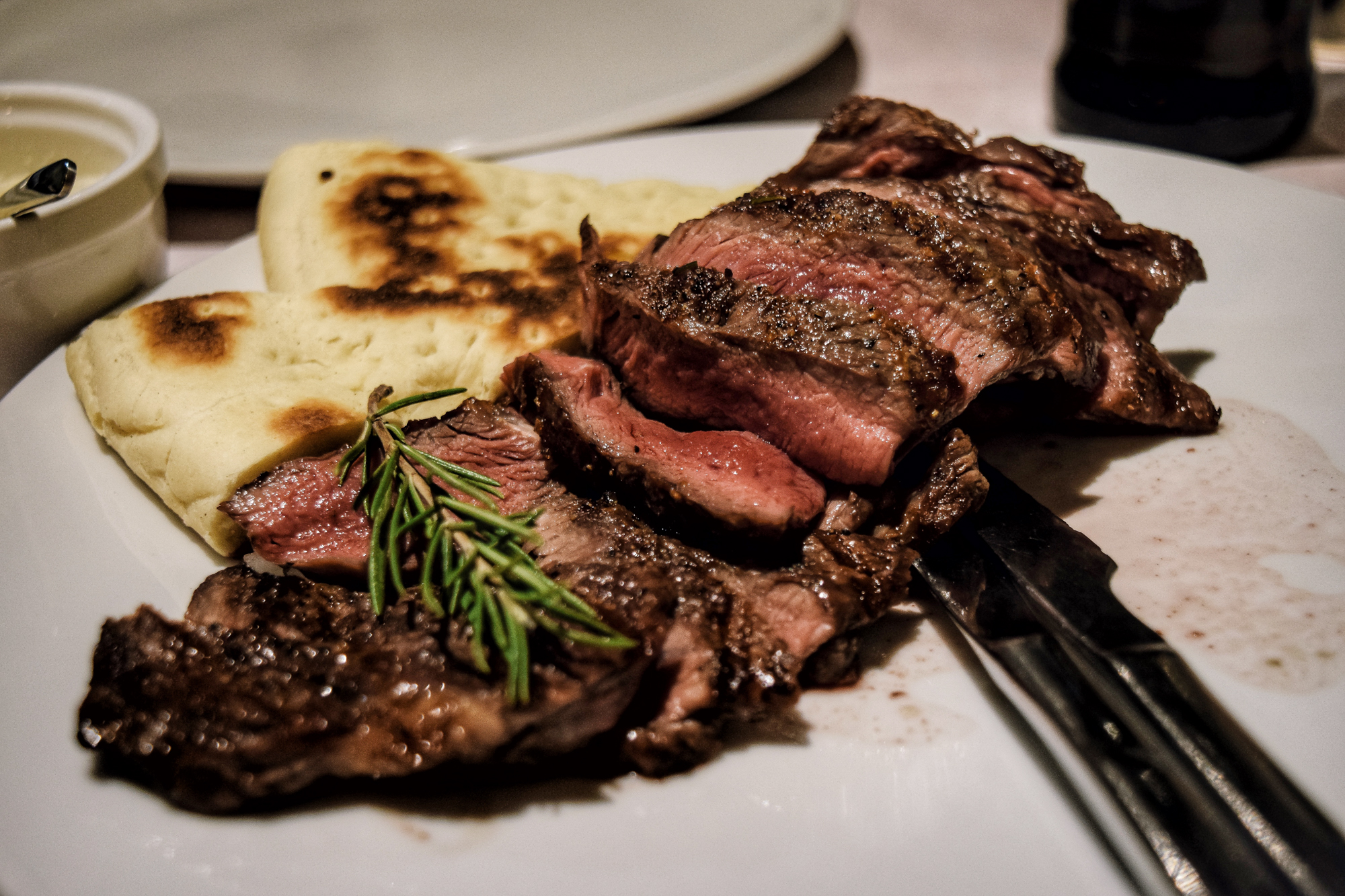
At a family-run restaurant nearby, Albergo Ristorante Siro does the warmest Umbrian dinners. Ask for Fabrizio, he knows the menu like the back of his hand. He is more of a refined friend and gentleman than a waiter. Everyone goes for the meat here; bistecca, salumi… For us too, nonetheless. When Fabrizio presents the bistecca, we cannot help but express our awe at the immense size of the cut. Fabrizio simply chuckles and says proudly, “When I was your age, I could eat two of that on my own.” That is our cue. We did ultimately finish the bistecca… and it was divine. For casual meals, make a trip to Osteria Mangiafuoco where umbrian food is served by Francesco, the owner with a larger-than-life personality. Every dish comes with laughter and nothing is ever taken too seriously

Processed with VSCO with j2 preset

Processed with VSCO with j6 preset

Processed with VSCO with j2 preset

Processed with VSCO with a7 preset

Processed with VSCO with j5 preset

Processed with VSCO with a4 preset

Processed with VSCO with kk1 preset

Processed with VSCO with a10 preset

Processed with VSCO with j2 preset

Processed with VSCO with a7 preset

Processed with VSCO with kk1 preset

Processed with VSCO with j5 preset

Processed with VSCO with acg preset

HILLTOP TOWNS

Orvieto has many great things. Great escalators, to take you up to one of the highest Umbrian towns. Great views, in Piazza San Giovanni and at the edge of Via del Duomo. And a great church. There is nothing more brilliant, more striking, than the Duomo di Orvieto. A reminder that in Orvieto, Christian religiosity is at the centre of everything. Churches in Italy are a very special thing. The art, carved and painted on every surface, is a masterpiece of love. Then there is the food. Another masterpiece of love. In the Piazza del Popolo, the tables at Osteria da Mamma Angela are full with people angling for a plate of salumi, Mamma Angela’s very-Italian specialty.

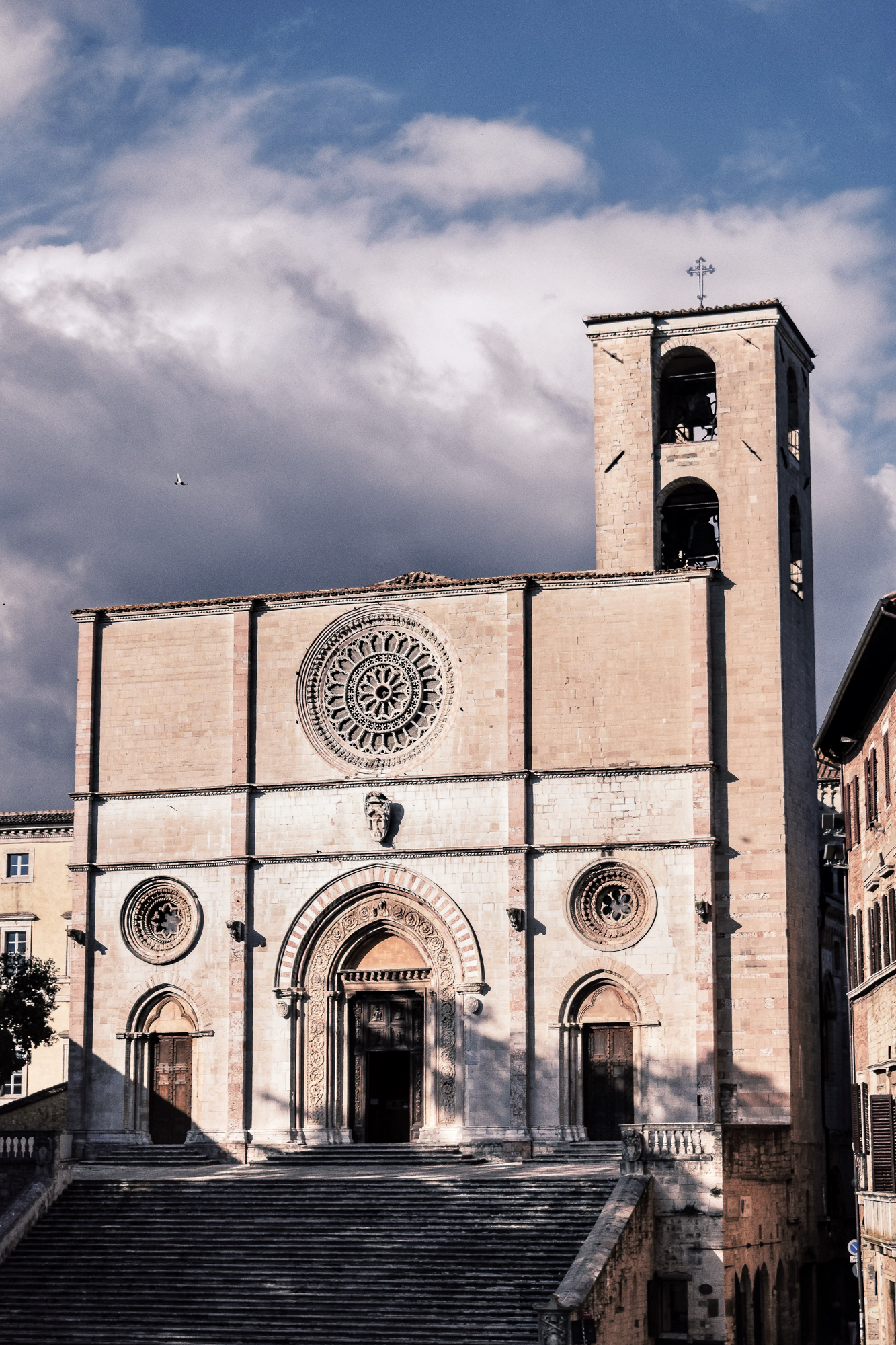
Near Orvieto, the day is moving slowly in Todi. Gelaterias have stopped selling anything cold in the autumn chill, replacing it with warm torciglione and coffee. The doors of other shops have shuttered in anticipation of the winter break. The Piazza del Popolo remains empty save for the locals catching up on their day-to-day routine. Even in such colourless days, there is much to see in the unhurried pace of the town. School children totter up and down the stairs that lead to the Cattedrale della Santissima Annunziata, playing catching. An elderly lady takes a stroll to the market. Waiters share a laugh with their friends outside the trattoria before dinner starts. Umbria is undisturbed, ever restful. Now I know why the Italians love to escape to Umbria.

Processed with VSCO with j5 preset

Processed with VSCO with kk2 preset

Processed with VSCO with a7 preset

Processed with VSCO with j4 preset

Processed with VSCO with kk1 preset