

Married to a Florentine sommelier, admirer of Pellegrino Artusi, a food blogger cooking in the suburbs of Tuscany – Emiko Davies is synonymous with the notion of Tuscan cuisine. She’s a Food52 columnist and food writer for The Sunday Times, The Guardian and Jamie Oliver Magazine. Emiko reveals her secret to picking an authentic gelateria, which wineries to go to, and the farm to table restaurant you need to dine at in Tuscany.
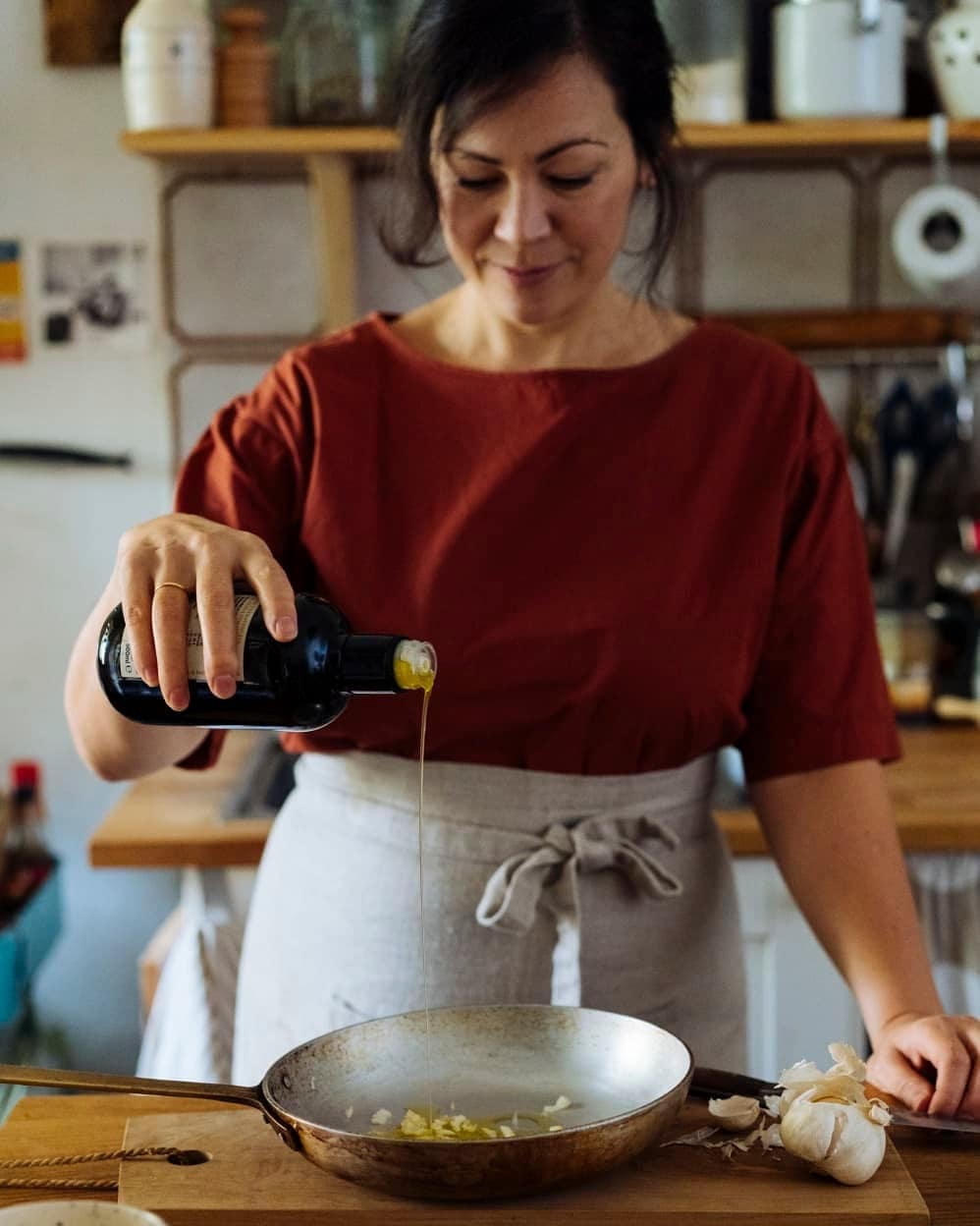
Photo: Emiko Davies
What is the one local dish you feel travellers can’t leave Tuscany without trying?
This definitely depends where you are in Tuscany, as each town has their unique specialties. In Livorno, it would be cinque e cinque, a baguette filled with chickpea flour pancake. In Florence, it would be a panino with lampredotto, or abomasum tripe, it’s not your regular tripe or your regular panino! Served warm with chilli sauce and salsa verde, it’s absolutely delicious.
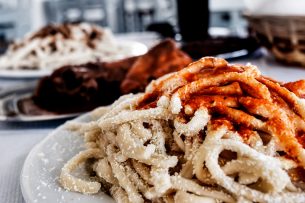
In the lagoon town of Orbetello in southern Tuscany, it would be spicy smoked eel or bottarga (cured fish roe), served with some lemon juice and olive oil. In Siena, you’d want to order a plate of pici, or hand-rolled fresh noodles, or pinci if you were in Montalcino. In the town of San Miniato, where my husband was born, it’s fresh white truffles that you need to try.
What about your favourite restaurants?
I am partial to my neighbourhood of Florence and I love the little restaurants in hilltop suburb of Settignano like Caffè Desiderio and La Sosta del Rossellino, full of character and run by people who want to make other people happy through their food and wine.
I also love Canto del Maggio in Terranuova Bracciolini, between Florence and Arezzo. It’s another special place run by a family who grow their own vegetables and make everything from scratch, all set in the most enchanting garden.
In San Miniato, there is a family-run butcher shop called Sergio Falaschi that has created a restaurant out the back behind the counters. They have the most exquisite view over the hills and have a small, appealing menu that changes daily.
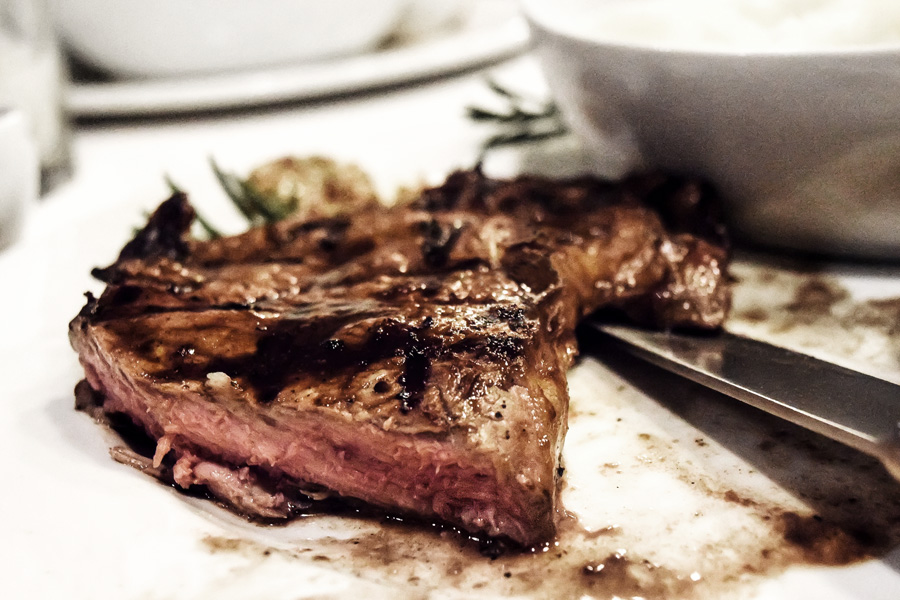
The Fioroni family farm in San Gimignano, Poggio Alloro, is also a wonderful place for an organic farm to table meal with a stunning view over San Gimignano. On Saturday nights, they serve their own hand-raised bistecca from chianina cattle.
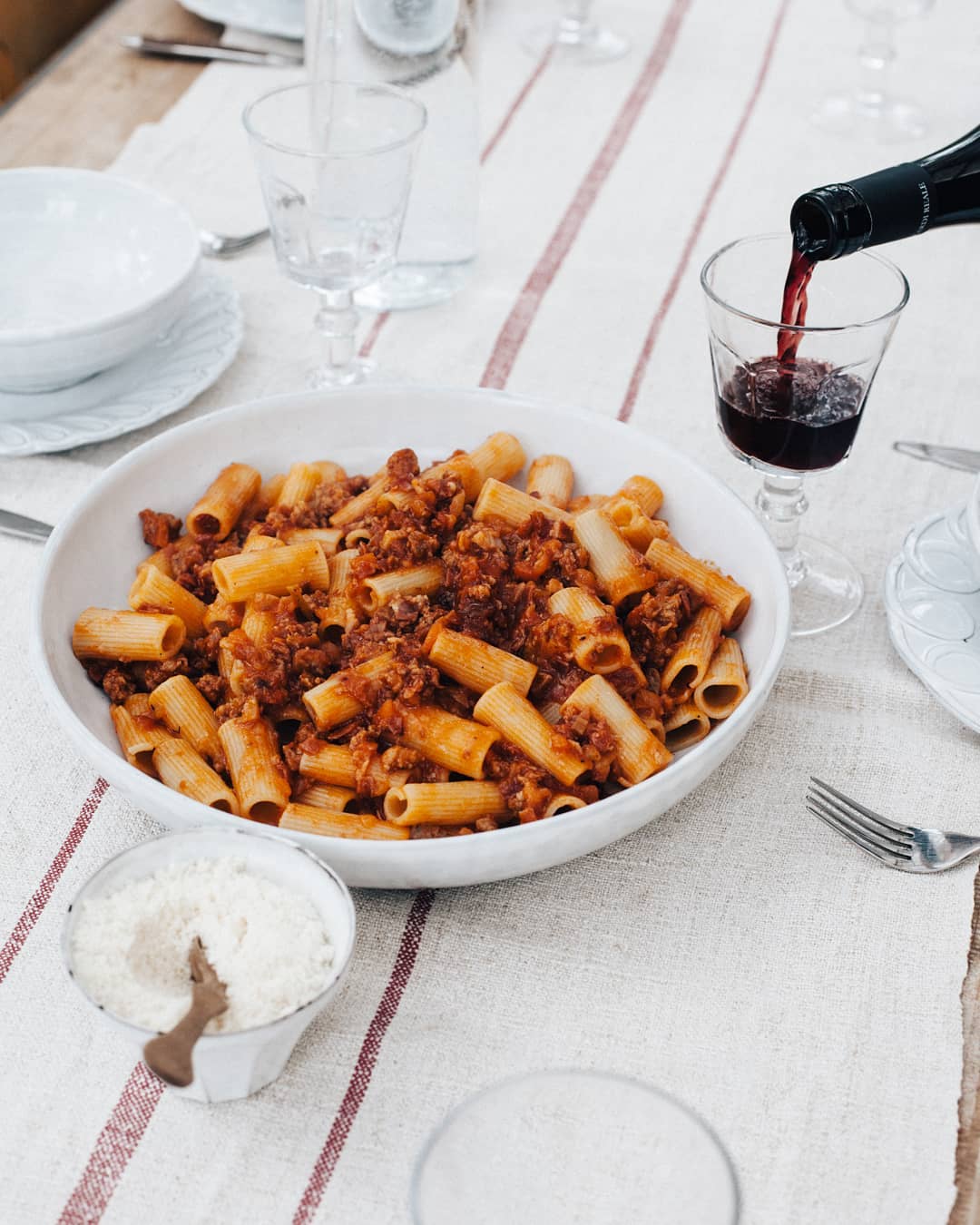
Photo: Emiko Davies
Fattoria Poggio Alloro. Photo: Emiko Davies
Name one Italian dining etiquette most travellers miss
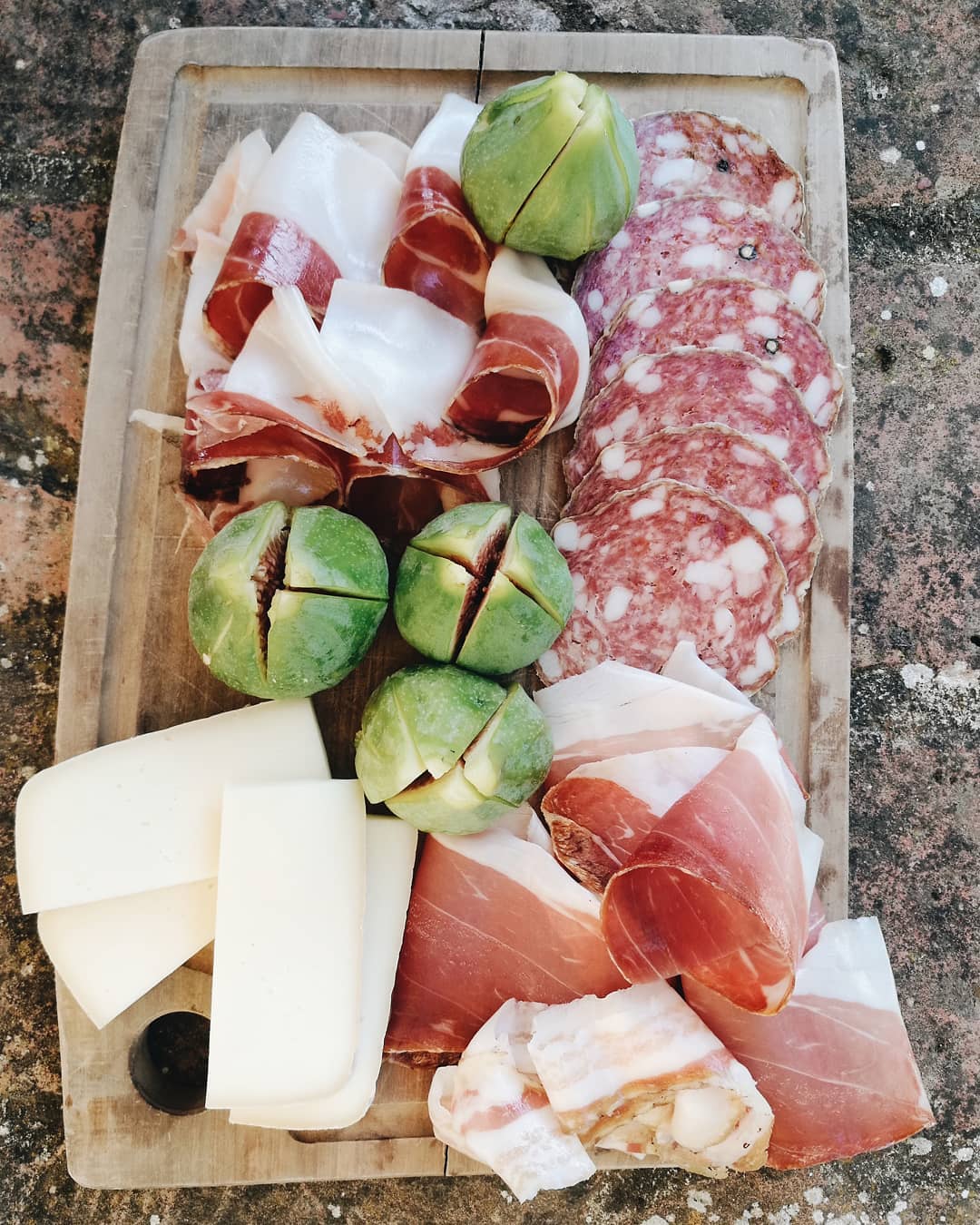
I think it can be hard to get used to the ordering of a meal they way Tuscans are used to. You start with antipasto, which is often something shared like a plate of salumi or a basket of broad beans with pecorino cheese. Then, move onto primi, which is either a soup or a pasta dish. Then you have secondi (mains) with various contorni (side dishes) that have to be ordered individually, and are usually portions large enough to share amongst the table.
Some people assume they have to order one of each thing, but in reality, Tuscans themselves may not always do that. It’s a huge amount of food and you may feel more comfortable ordering just two courses, say an antipasto and a main, which is often shared, and saving a bit of space for a simple dessert.
Name some tourist traps travellers should avoid in Tuscany
Unfortunately there are many. Get gelato at a dedicated gelateria – that is, a place that only does gelato. Bars that sell gelato as well as sandwiches and pastries and coffee and everything else probably aren’t making their gelato in house! And remember that good gelato comes in metal tubs, often hidden, it isn’t displayed in huge mounds.
Bars – the Italian word for a café – have different prices for sitting down and for standing at the bar. Italians will stand at the bar for their coffee and pastry. In a few places, this is being phased out in favour of a more Anglo-Saxon style café where you can sit all day long. But in general, and especially in a really classic Italian bar, be aware that there are two different prices depending on where you take your coffee. Many places don’t bother making this known or assume you should know, and some people can get a shock when their bill arrives.

Photo: Emiko Davies
Describe the perfect way to explore Tuscany
There are so many beautiful parts of Tuscany, but it is a very large region, so I personally would recommend sticking to one small area and getting to know that well.
For example, the Val d’Orcia, a beautiful valley near Siena, has plenty to keep you busy between pretty towns, spa towns and cheese, but you could combine it with an itinerary that takes you to Siena and Florence too.
Or another area that I just mentioned above is Maremma. Maremma is large too, so you could follow it all the way down the coast, even including some islands like Elba Island, which you can reach from Piombino or Giglio Island, from Porto Santo Stefano. You can also stick to the area south of Grosseto and enjoy the hilltop towns, the sea and good, country food.
If you’re in a rush, don’t try to do too much. Just pick one place. Florence, for example, makes a perfect city break for a long weekend because you don’t need to worry about renting a car, it’s easy to arrive by train or plane and you can choose to stick just to the historical centre.
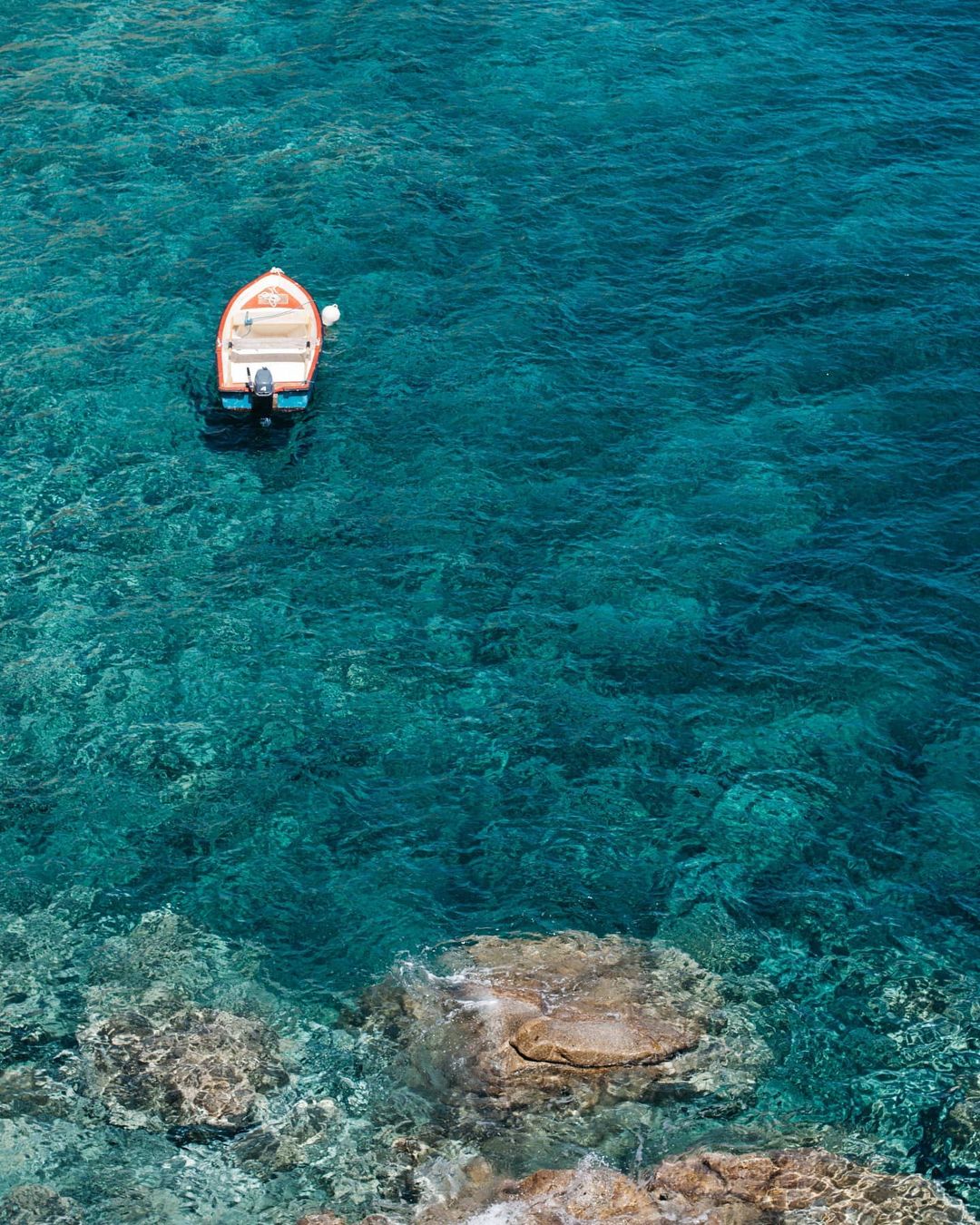
Photo: Emiko Davies
What about wineries?
This is something I hope to write more about on my blog soon, as it can be tricky to find places that have a cellar door that are easy to get to or even visit. My husband is a sommelier so we are often visiting wineries but they are definitely not the usual kind that would be easy for a traveller to find!
One of the ones we love, Altura Winery, is on Giglio Island, where you definitely need a car, but there is no cellar door. You can, however, find the wine at the same family’s restaurant, Arcobaleno, on the island.
Places like Montalcino and the Chianti Classico area that are better equipped for visitors and the wineries there make it easier to drop by and visit or taste wine. Another lovely place to try a bit of wine is the beautiful little town of Bolgheri, it’s basically made up of wine bars and wine shops so you can visit the town and taste all the local Super Tuscan wines directly there. Do a bit of research before you go, rent a car and have a designated driver!
What do you mean by wineries with a cellar door?
A cellar door is the term for a sales point in a winery. It could be a room, a shop or a tasting room, sometimes it’s even bigger and there is a restaurant or seating. It depends, but the main thing is that there is somewhere guests can taste and buy wine. Wineries that don’t have this aren’t often prepared to receive visitors. For travellers, it would be easier to go to wineries that have cellar doors.
Name one best kept secret of Tuscany
I’ve just written a cookbook about it, so it is not so secret now, but the coast and islands of Tuscany are incredibly beautiful and have a lot to offer. I particularly love the southernmost coast of Tuscany around Monte Argentario. We lived there for 6 months in Porto Ercole.
Many people have never heard of it, which shows you just what a secret treasure it is. Nearby is Giglio Island, one of the most beautiful places I have visited, and the Maremma countryside from Capalbio to Pitigliano and the towns in between make for wonderful exploring and eating.
One thing is that you need a car and you need to be a bit adventurous, and this is also what makes it so secret. It’s not the kind of place that people can easily wander into or stumble across, you need to have a bit of motivation. It’s for proper travellers and people who love the outdoors, the sparkling sea and eating traditional dishes like wild boar stew, deep fried anchovies and hearty soups.
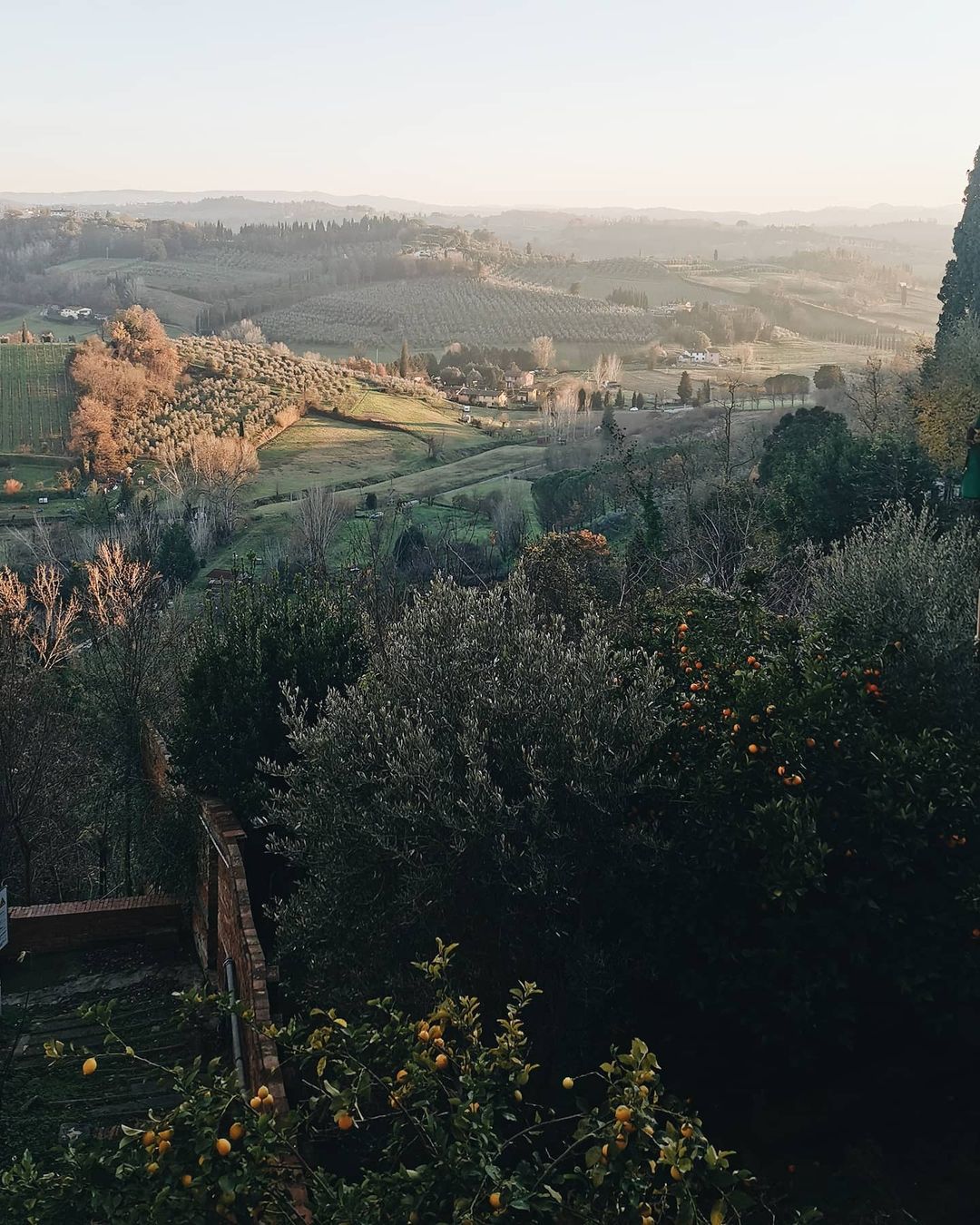
Photo: Emiko Davies
What should travellers bring home with them from Tuscany?
I always like to bring food or drink as a souvenir, something you can’t find anywhere else. If you are lucky enough to be able to bring fresh goods like cheese or salumi home, that’s a good option and most places will vacuum pack these for you. Otherwise, something like good extra virgin olive oil. Look for the ones in a tin if you are afraid of the glass breaking in your suitcase.
An unusual bottle of wine or something harder to find like vin santo (Tuscan dessert wine) makes a nice memento, especially when accompanied by a large bag of cantuccini (Tuscan almond biscotti), which are made for dipping into vin santo. This is a typical finish to any Tuscan meal, and cantuccini are also very hardy and travel well.
I personally like to bring home a big box of panbriacone, a panettone-like cake soaked in an alcoholic syrup from the Pasticceria Bonci pastry shop in Montevarchi. Many pastry shops in Florence sell it too. It’s divine and always well-appreciated!

 Eat Look Travel Book