Food & Travel Guide to Nimes, France – What to See, Eat & Do

France

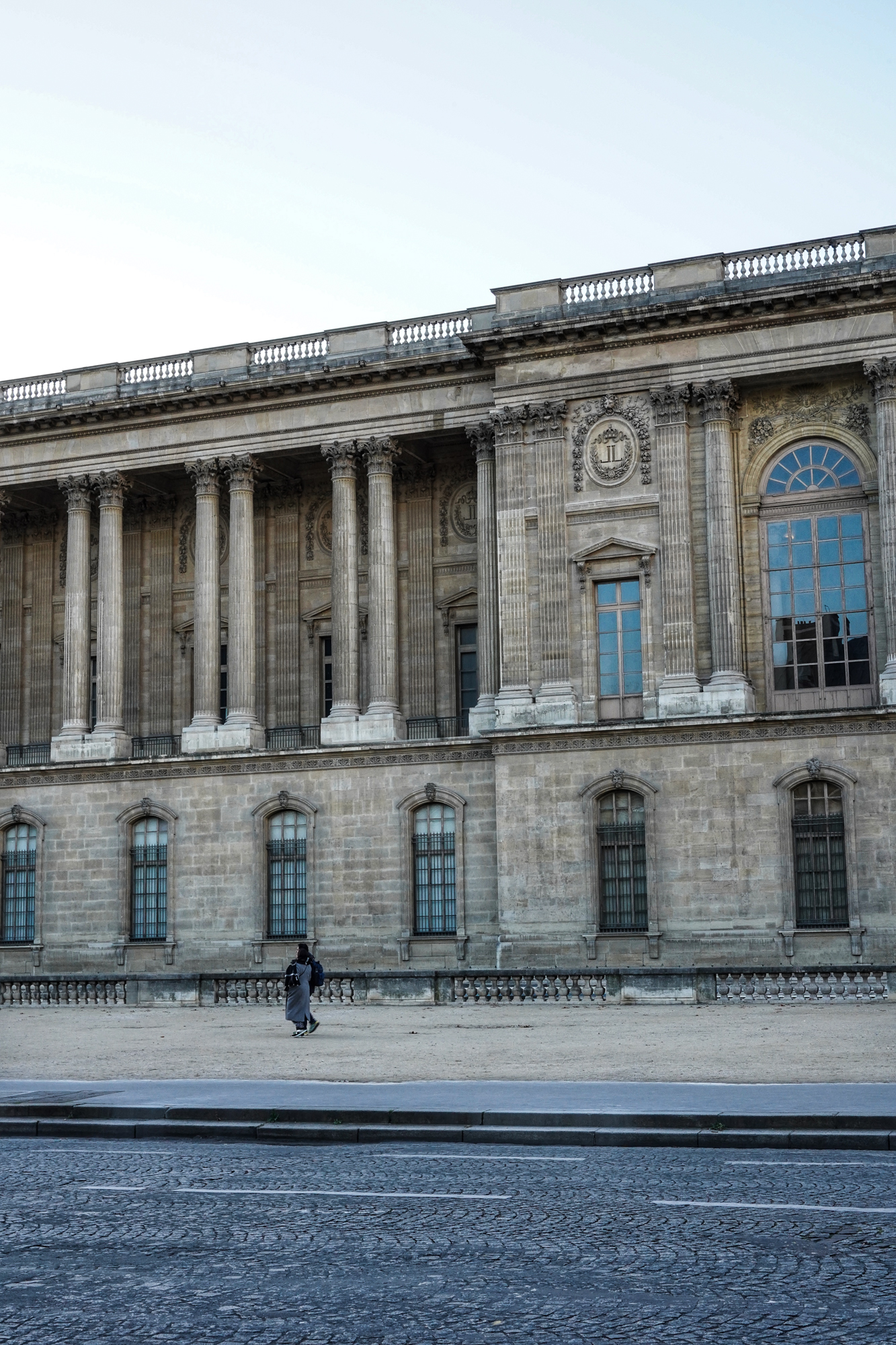
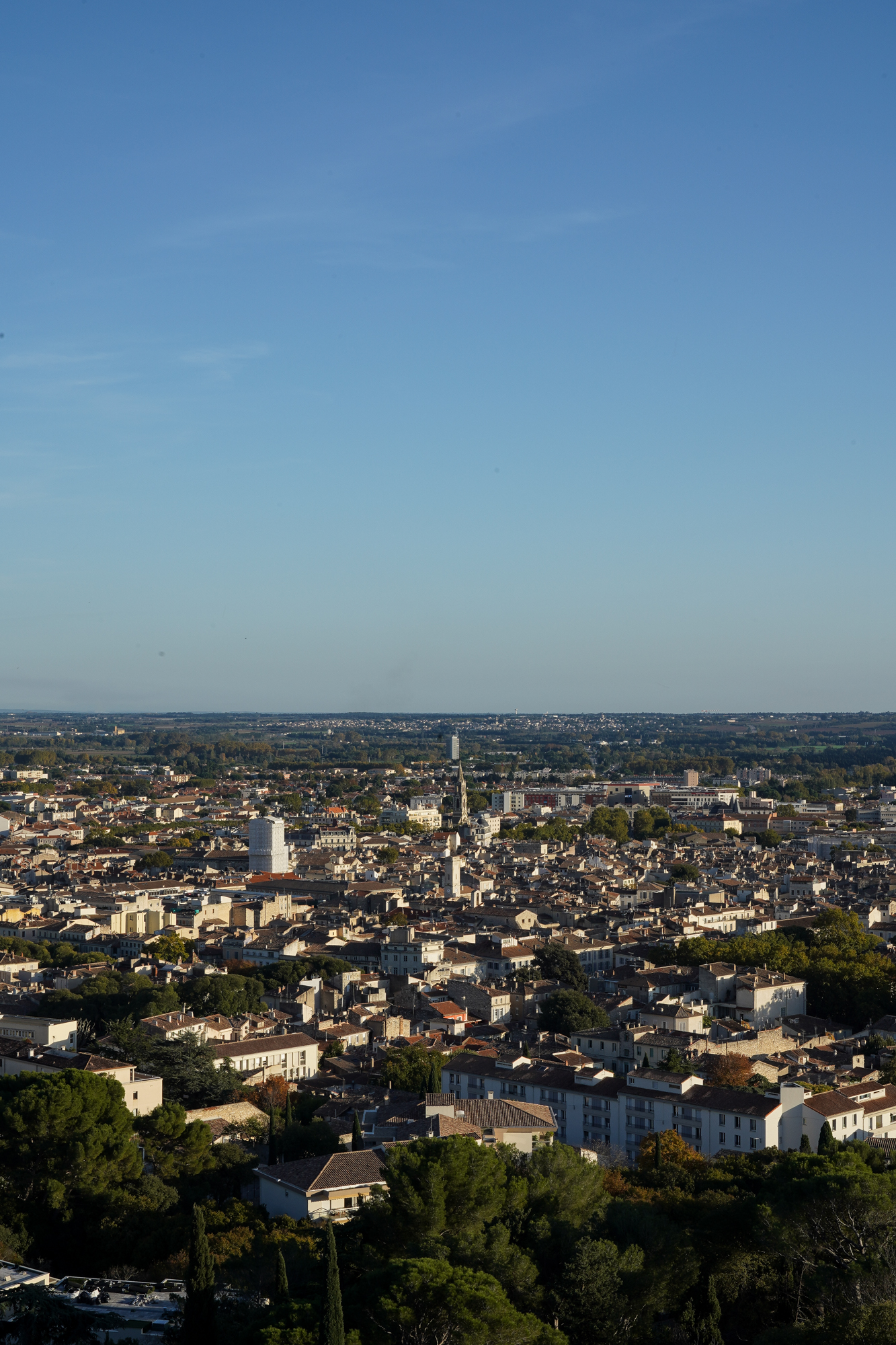
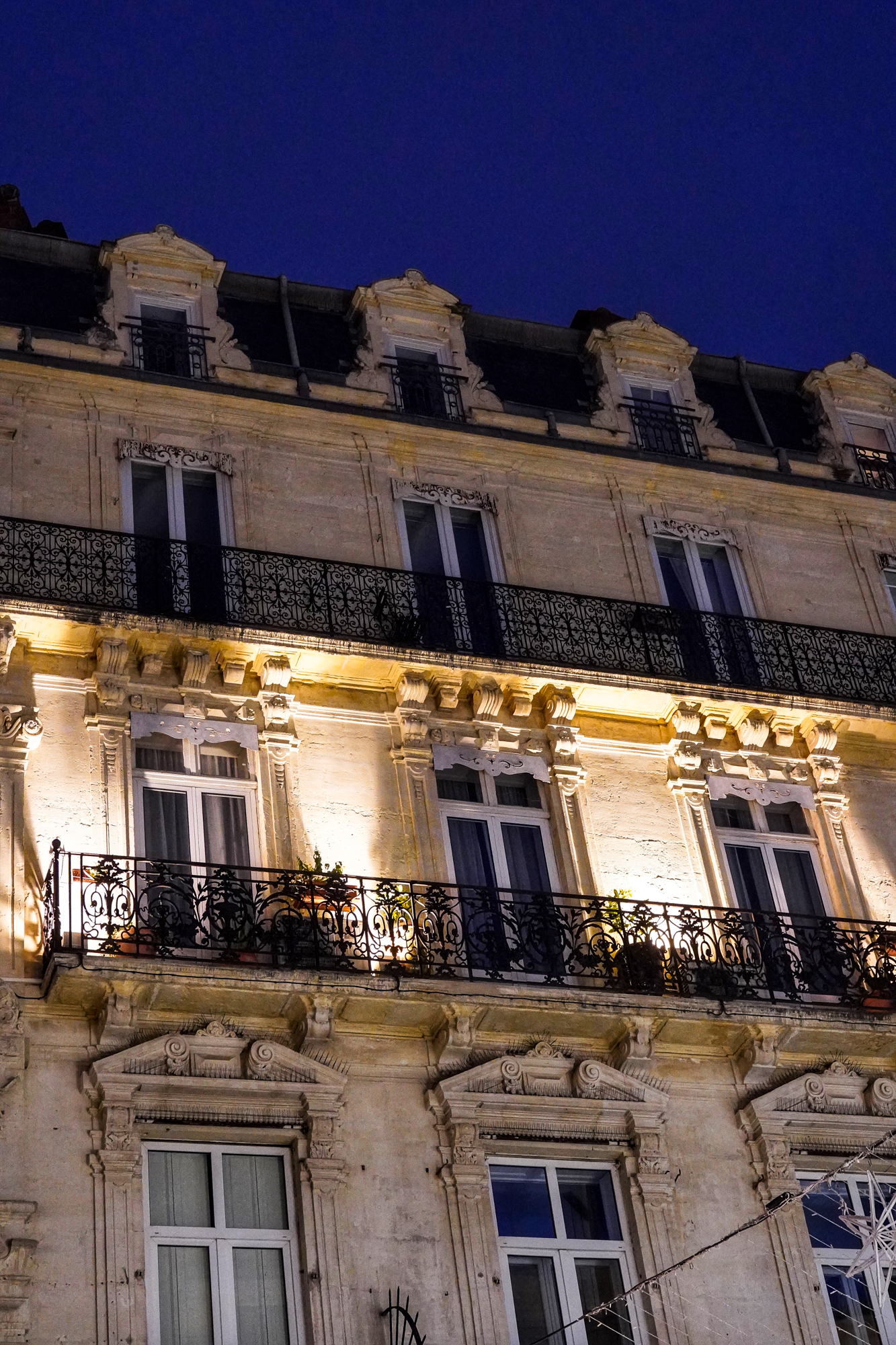
I call Nimes the most Roman of all French cities. At every Boulevard and every Rue, there is an artefact of Roman history. Being a traveller of history, Roy had a plan: to see all of the Roman landmarks in Nimes. It was ambitious and we only had one day. I was trailing Roy as he went from landmark to landmark. From the Amphitheatre of Nîmes to the Tour Magne, passing by the Jardins de la Fontaine along the way. We had to climb up the cobblestoned stairs for a view of the city. Us in our flats and a perfectly coiffed woman in her stilettos. All the way I was following Roy, half arguing with him on whether we could make it to the Museum Romanité in time. I was certain that we would not. While I hate to admit it, Roy was right. We did ultimately reach the museum just as the doors closed at 6 pm and right before dinner, we saw the Maison Carrée along with its sparkling lights

DSC01172_edited

DSC01167_edited

DSC01171_edited

DSC01189_edited

DSC01180_edited

DSC01181_edited

DSC01199_edited

DSC01178_edited

DSC01176_edited

DSC01184_edited

DSC01195_edited

DSC01196_edited

DSC01204_edited

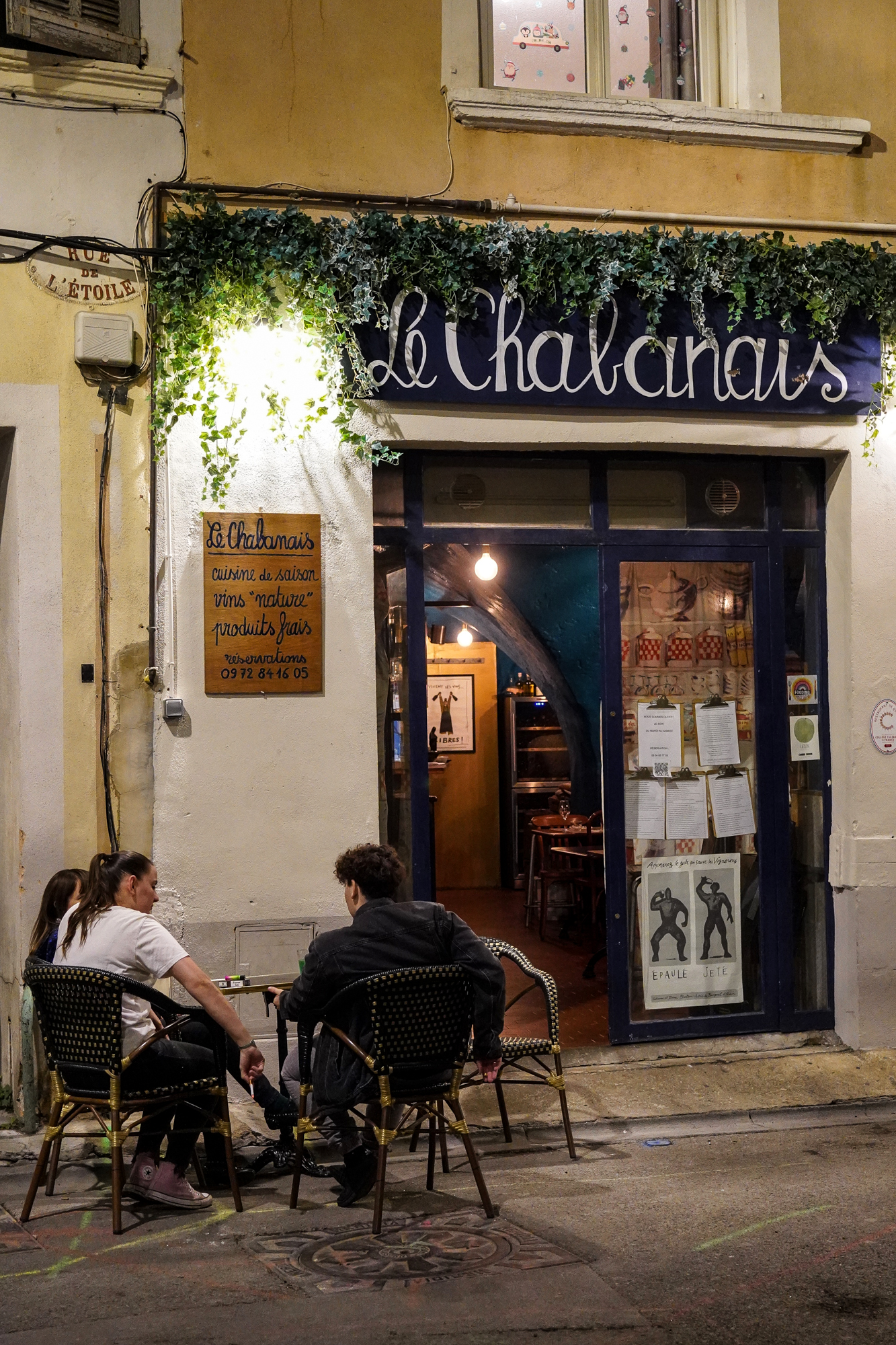
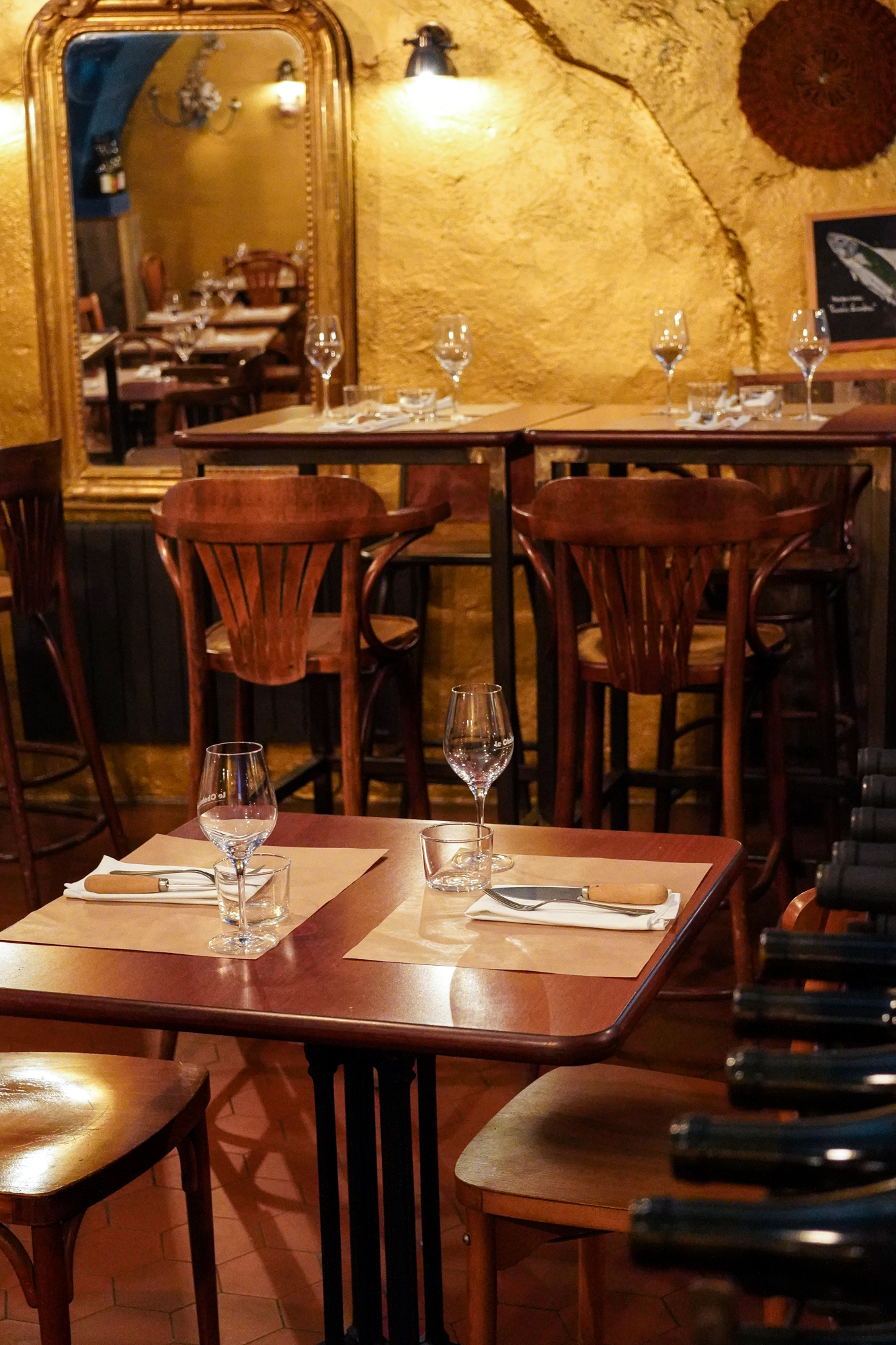
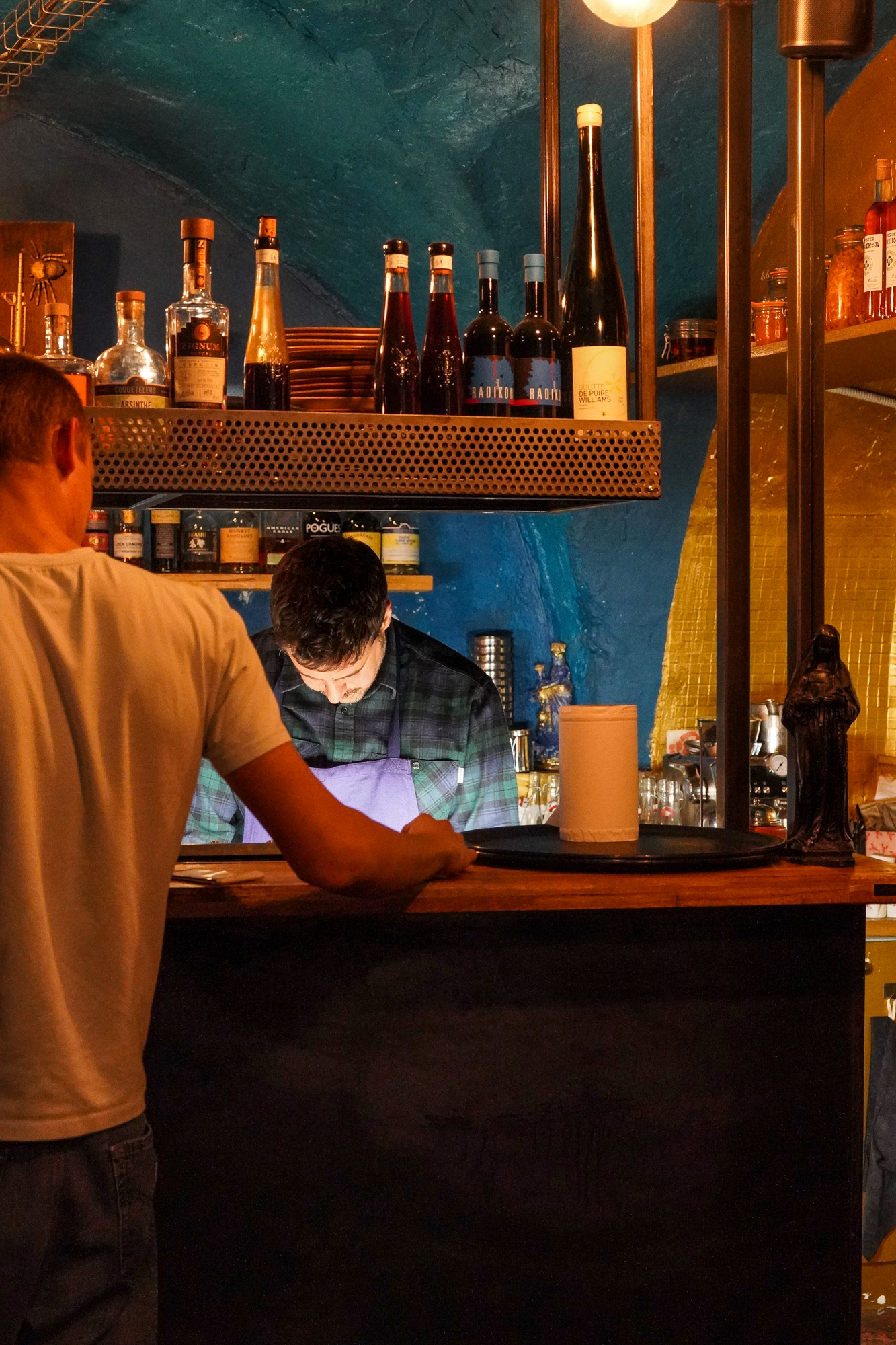
LE CHABANAIS 

When we were at Le Chabanais, there were plenty of cabbages and mushrooms. It was fall, a time for something wet and earthy. Everything on the menu was either a tapa or a drink, the former being obligatory. There we were, enjoying our tapas – brioche with candied wild boar, feta cream and honey-harissa; oysters and jambon serrano wrapped in cabbage; veal tataki with orloff sauce and chive cream; pita souffle with yogurt and chives – when we decide to have another look at the menu. As always, we ordered more than our appetites could afford. We were barely through with what was on the table when a hunk of breaded pork loin flavoured with chanterelles, currants and pickled pomegranates came our way. It took only a moment of greed for tapas to become a feast.

Days later, we were still talking about the oysters and jambon serrano wrapped in cabbage. A combination that tasted out of this world. 

DSC01205_edited

DSC01207_edited

DSC01211_edited

DSC01223_edited

DSC01208_edited

IMG_1884_edited

DSC01214_edited

DSC01226_edited

DSC01225_edited

Food & Travel Guide to Montpellier, France – What to See, Eat & Do

France

This is less of a food and travel guide and more of our time spent in Montpellier. A short 24 hours of bistro food, gothic buildings and oysters

DSC00921_edited

IMG_5999_edited

BROC CAFE

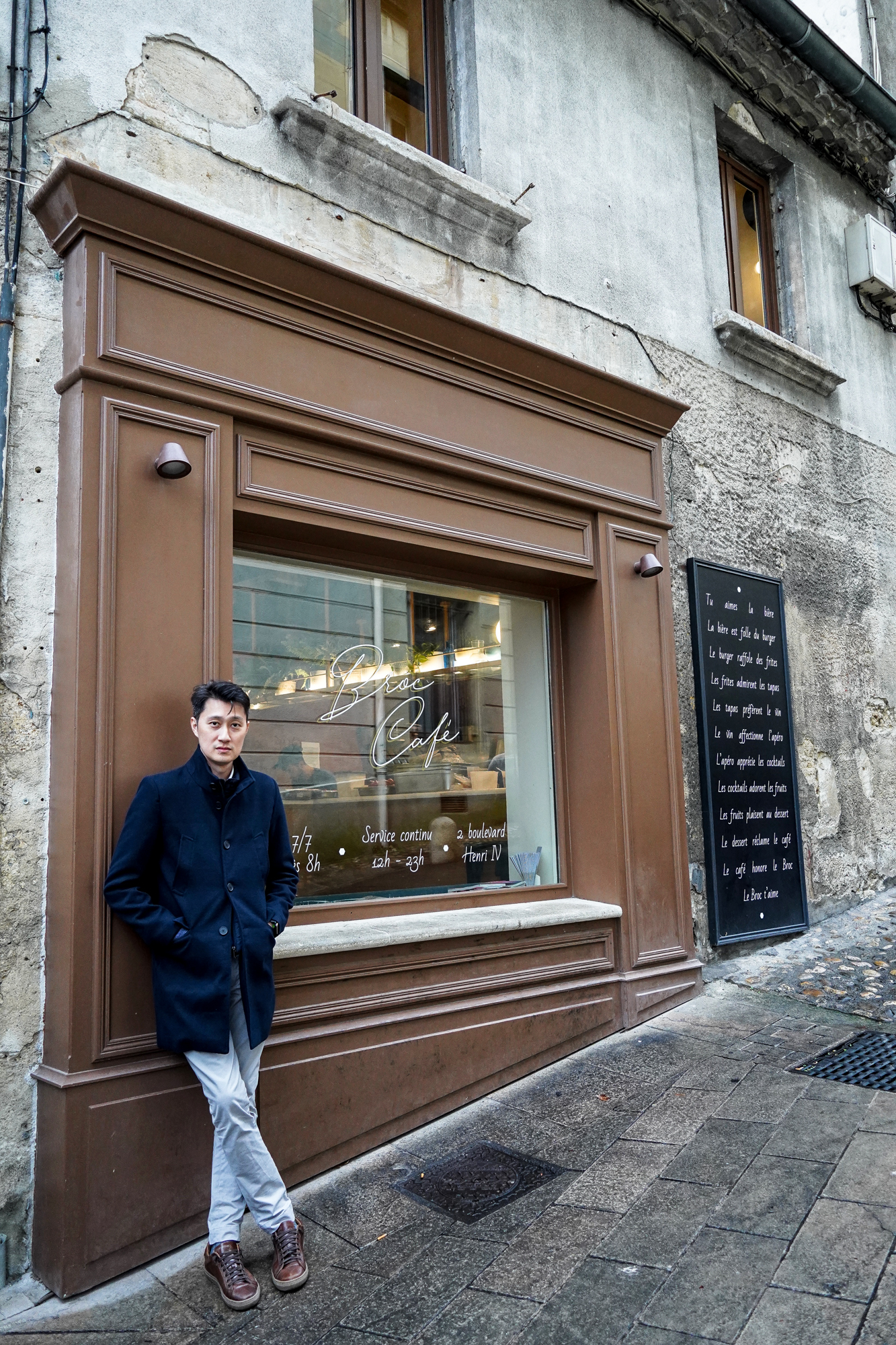
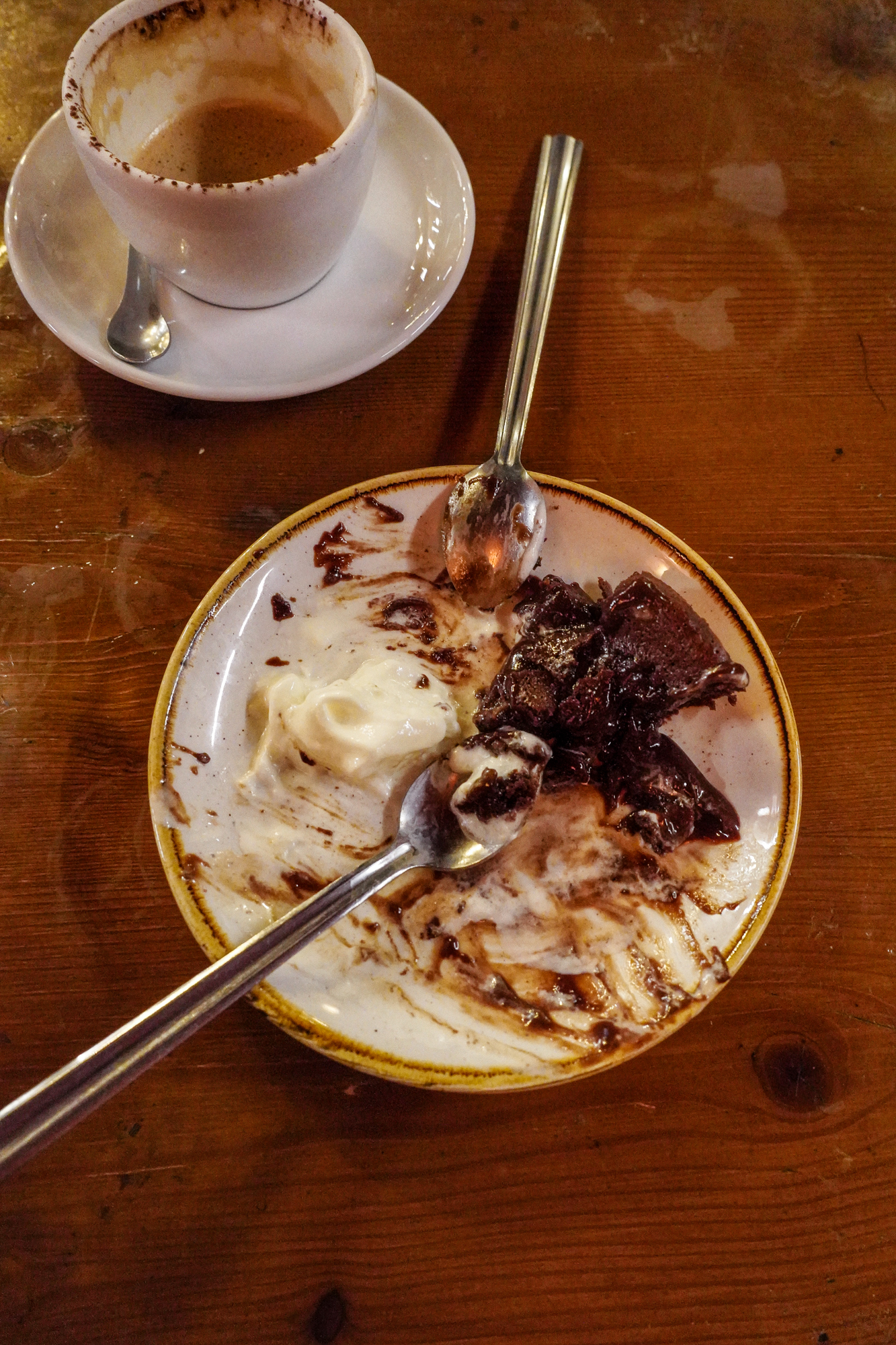
When we reached Montpellier, we were hungry. It was only 4 or 5 pm. Somewhere between lunch and dinner. I needed something sweet and Roy had to have his coffee. A cafe perhaps? It was the only agreeable place at that time. So we shuffled into Broc Cafe where students from the nearby university were enjoying frites, roasted camembert and wine. After a cappuccino and a chocolate cake with a side of cream, we decided to take a look around the city. As we were leaving, a teenager with tousled hair and gold-rimmed glasses was slicing bread for dinner. Next to him, the cooks were prepping the beef on the grill for their burgers oozing with Saint-Marcellin cheese. I knew there and then that we were coming back for dinner.

DSC00902_edited

DSC00908_edited

DSC00910_edited

DSC00911_edited

DSC00912_edited

DSC00925_edited

COQUI THAU 

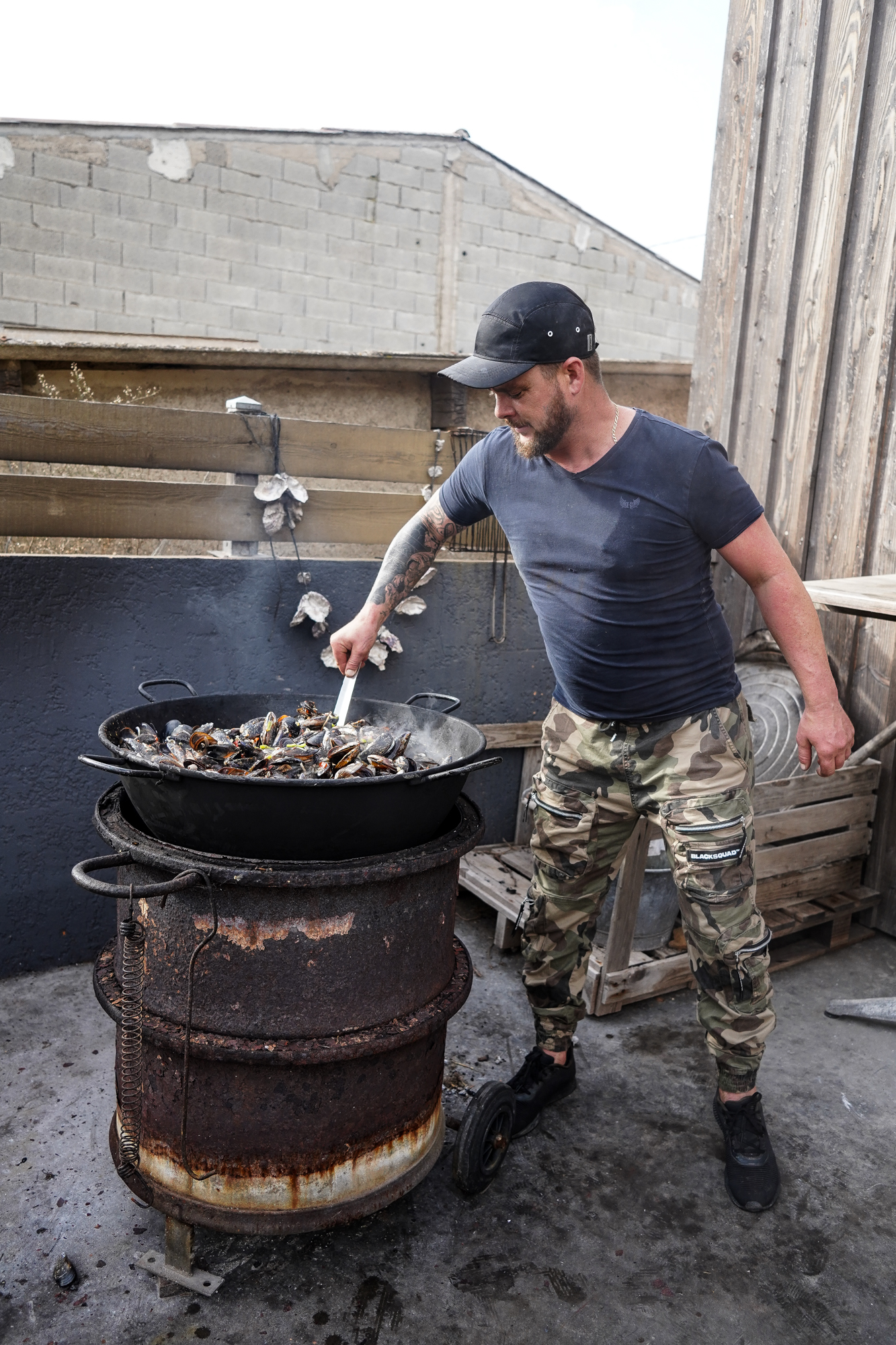
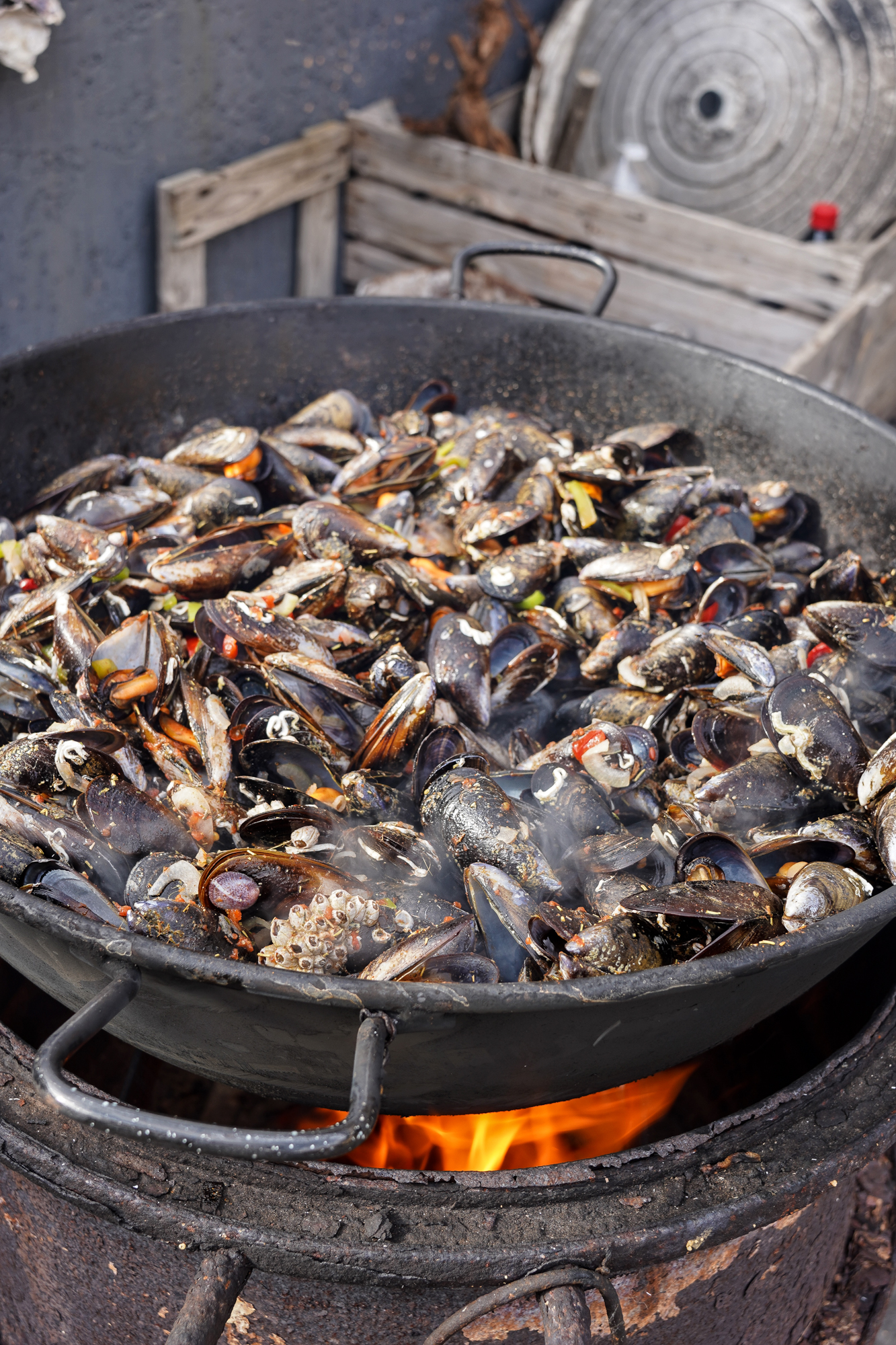
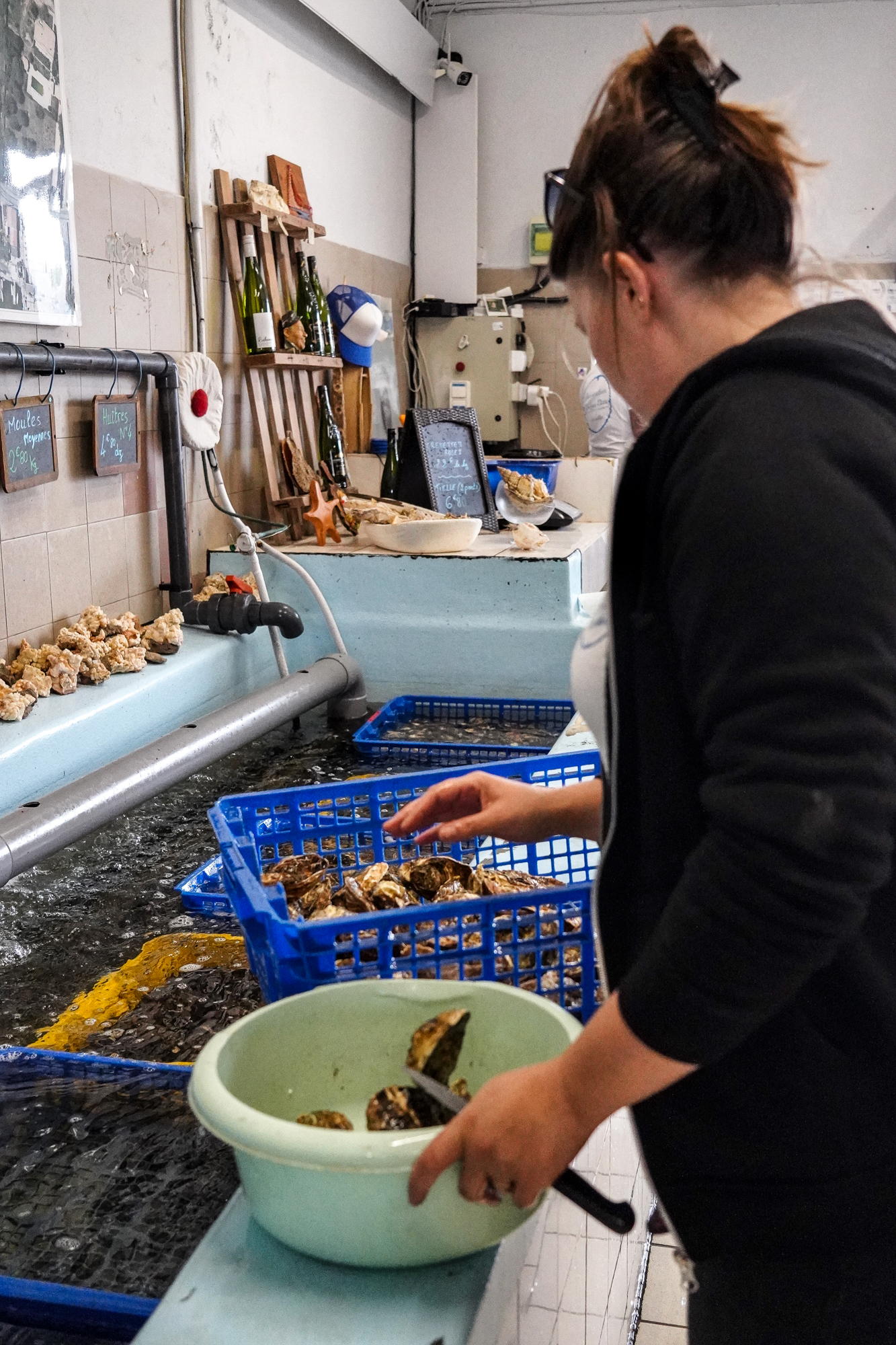
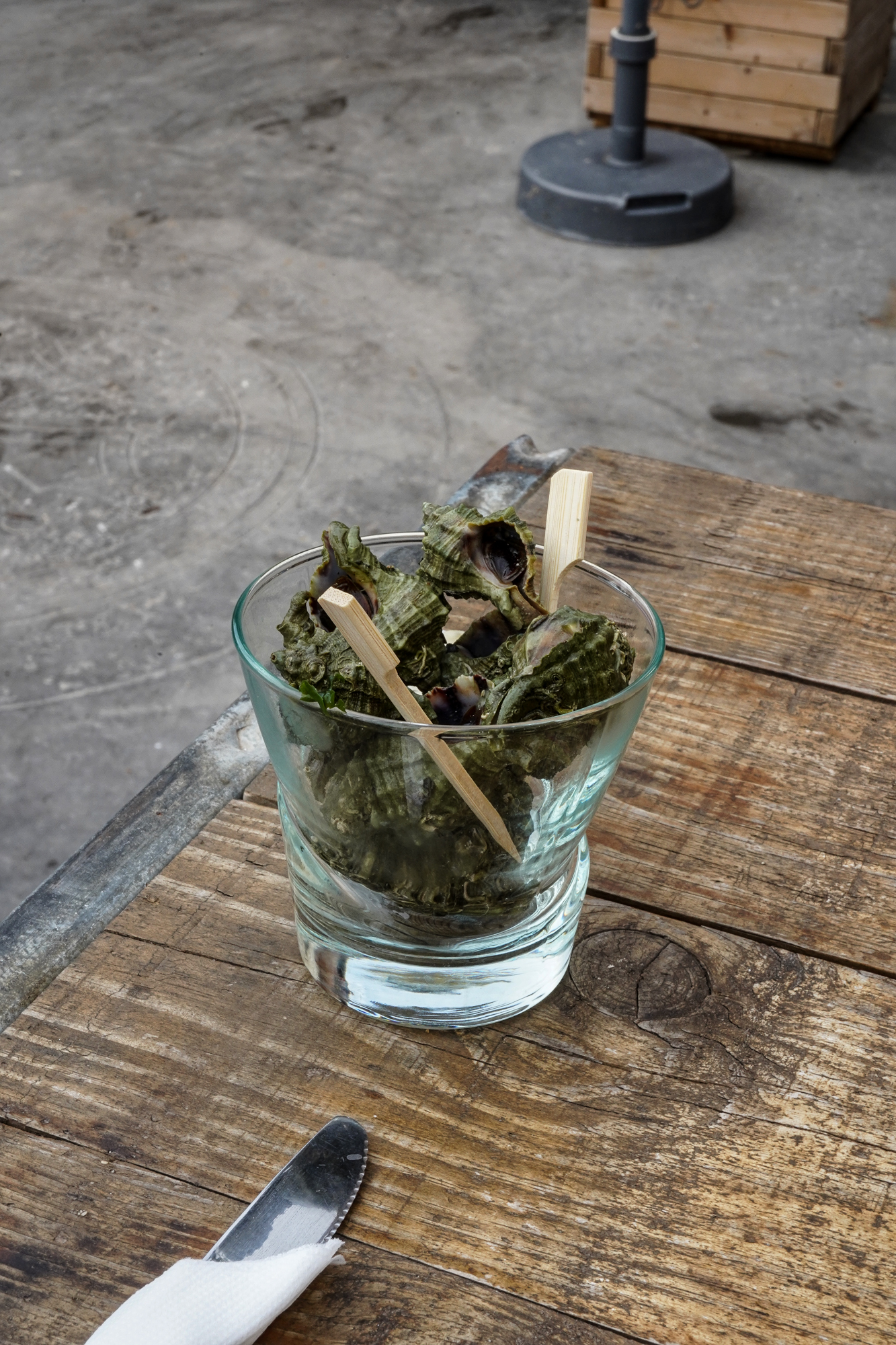
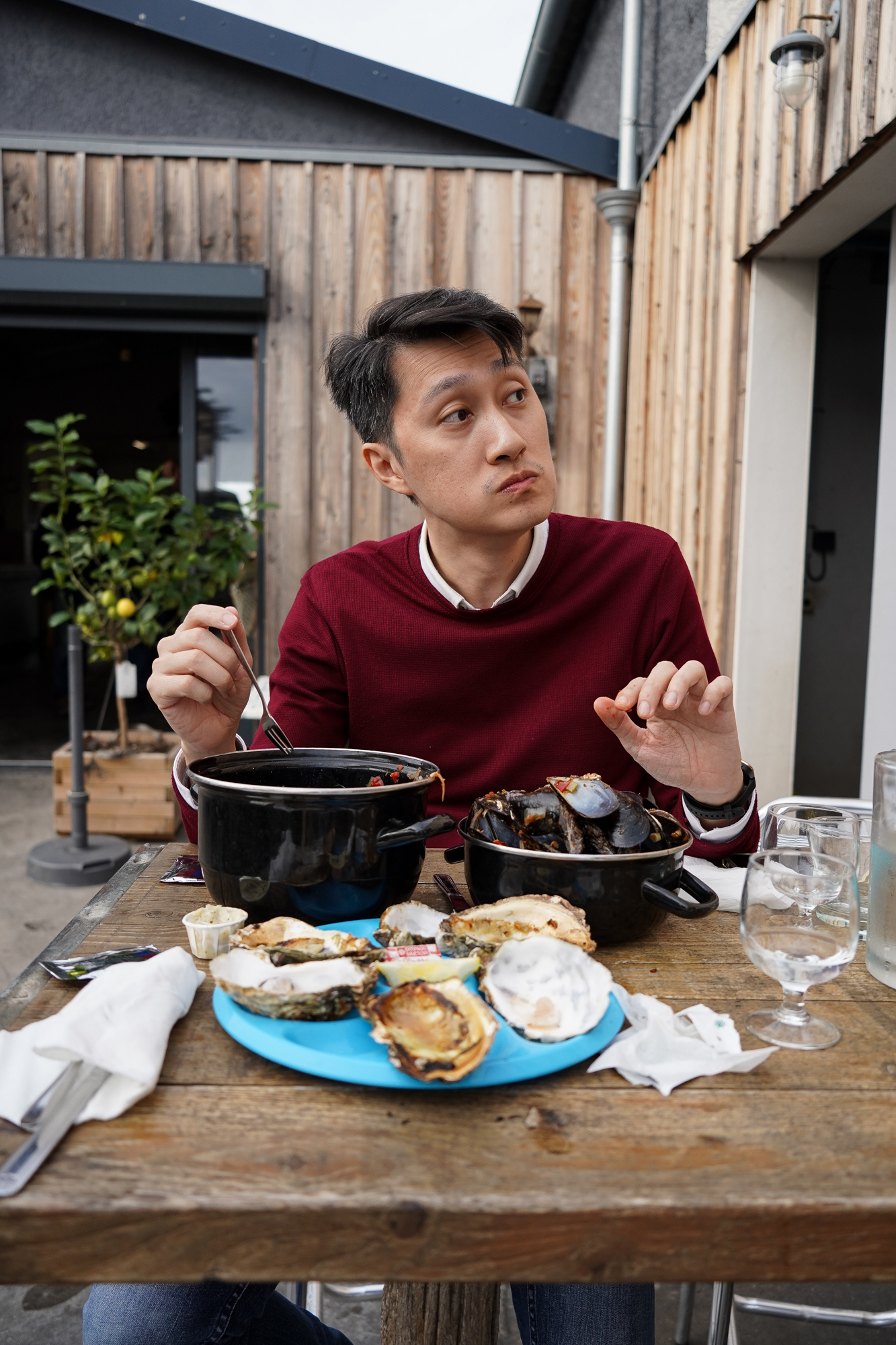
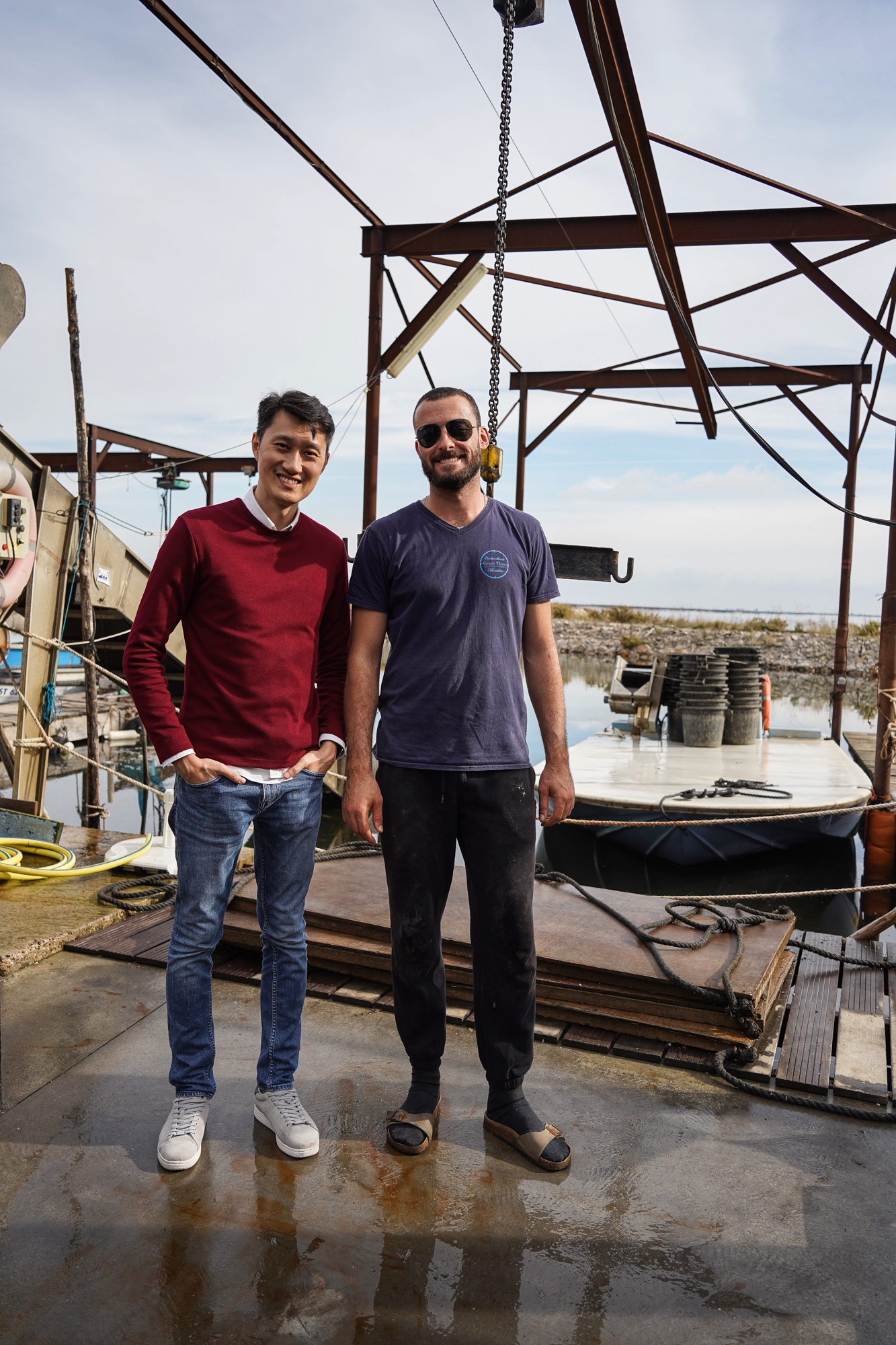
The real reason we went to Montpellier was because of oysters. Oysters from the Bassin de Thau. Coqui Thau was opened by Christian, the first generation owner of the oyster farm. On the day we visited the farm, his son Eric was out on the boat looking after the oysters at sea. A mid-morning pan of Bouzigues mussels was simmering a la brasucade. With the tang of the ocean mingling with the crisp cool air, Eric shucked the oysters so effortlessly as if he was paring an apple. My memory of raw oysters are those spritzed with fresh lemon. I had thought that that was the only way to eat a raw oyster. But that could not compare to the oysters “Nino style”, a recipe from their friend in Alicante which I had not been able to put a finger on. A drizzle of olive oil paired with something luxuriously pink made the oysters taste like heaven. 

DSC00930_edited

DSC00931_edited

DSC00935_edited

DSC00978_edited

DSC00981_edited

DSC00939_edited

DSC00948_edited

DSC00959_edited

DSC00973_edited

Food & Travel Guide to Paris, France – What to See, Eat & Do

France

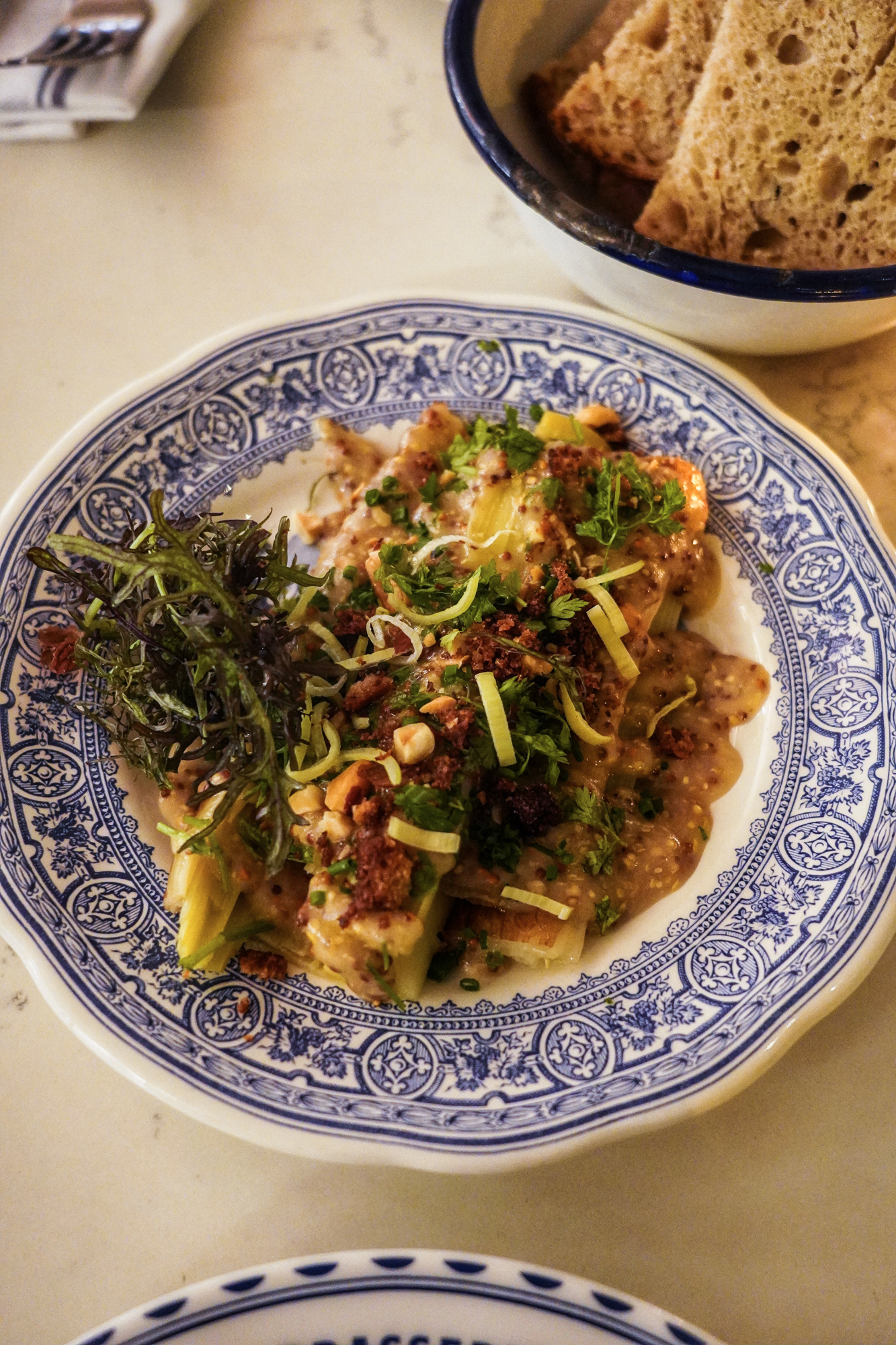
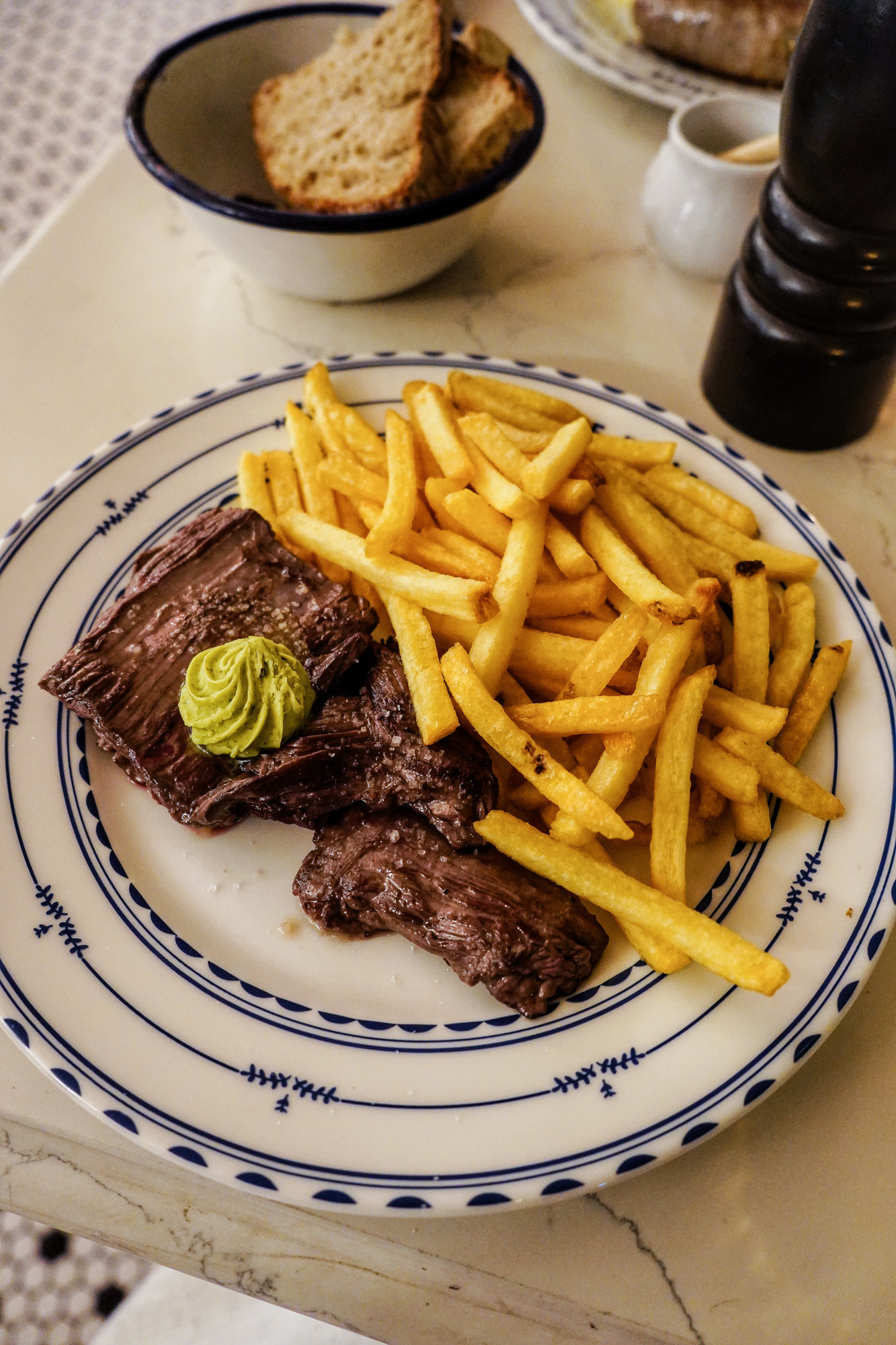
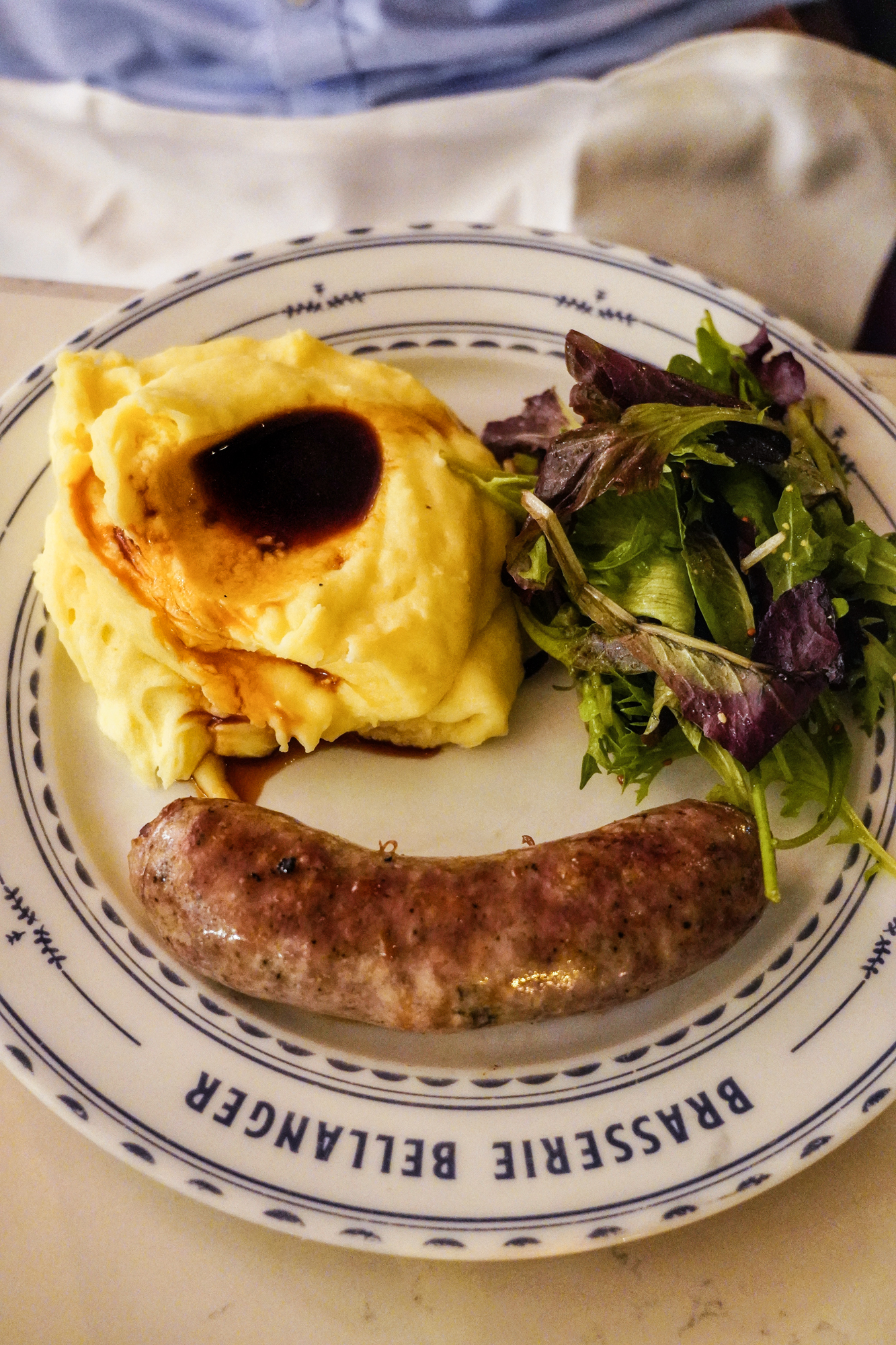
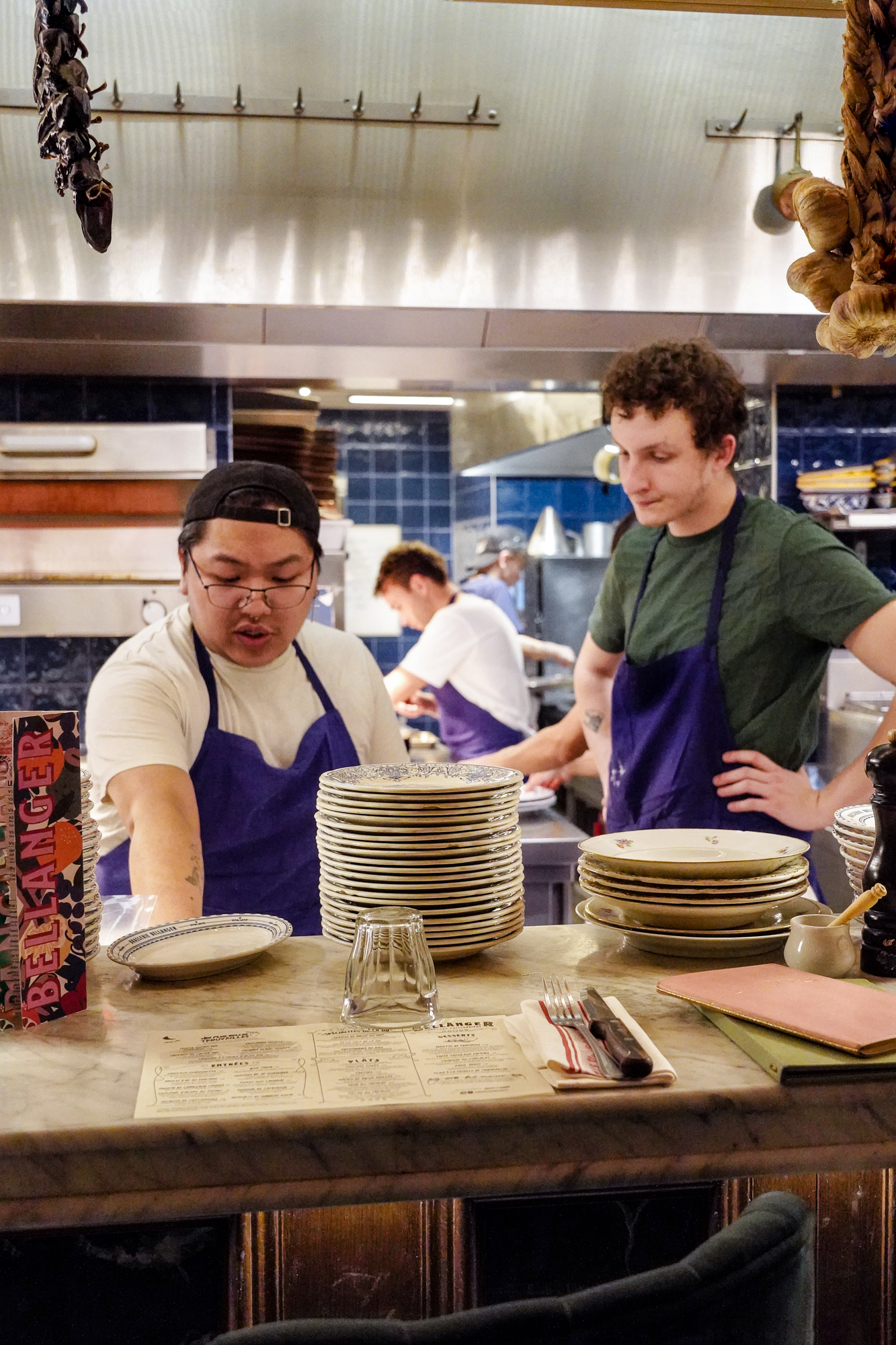
Our first night in Paris was a whirlwind. Roy was finding his way past a million cars to the 9th arrondissement where we dropped off our luggages at our hotel and ran to our dinner reservation at Bellanger. We arrived feeling flustered and was led into the brasserie which looked like an intimate bar of fashionable people drinking wine to the tunes of a Saint Laurent playlist. Our waiter was a tall, charming man who served us a delicious tray of saucisse, grilled flank steak and leeks with mustard vinaigrette. The entire time, waiters who looked like they had just finished shooting a Jacquemus ad were bringing food to the tables. When it was time for dessert, we ordered the Paris Brest. Our waiter flashed us the most charming smile and said approvingly, “Best dessert ever guys.”

Everything feels like a blur now but I can still remember this beautiful night in Paris

DSC01398_edited

DSC01396_edited

DSC01399_edited

DSC01394_edited

DSC01400_edited

DSC01391_edited

DSC01407_edited

DSC01408_edited

PARISIAN CLASSICS

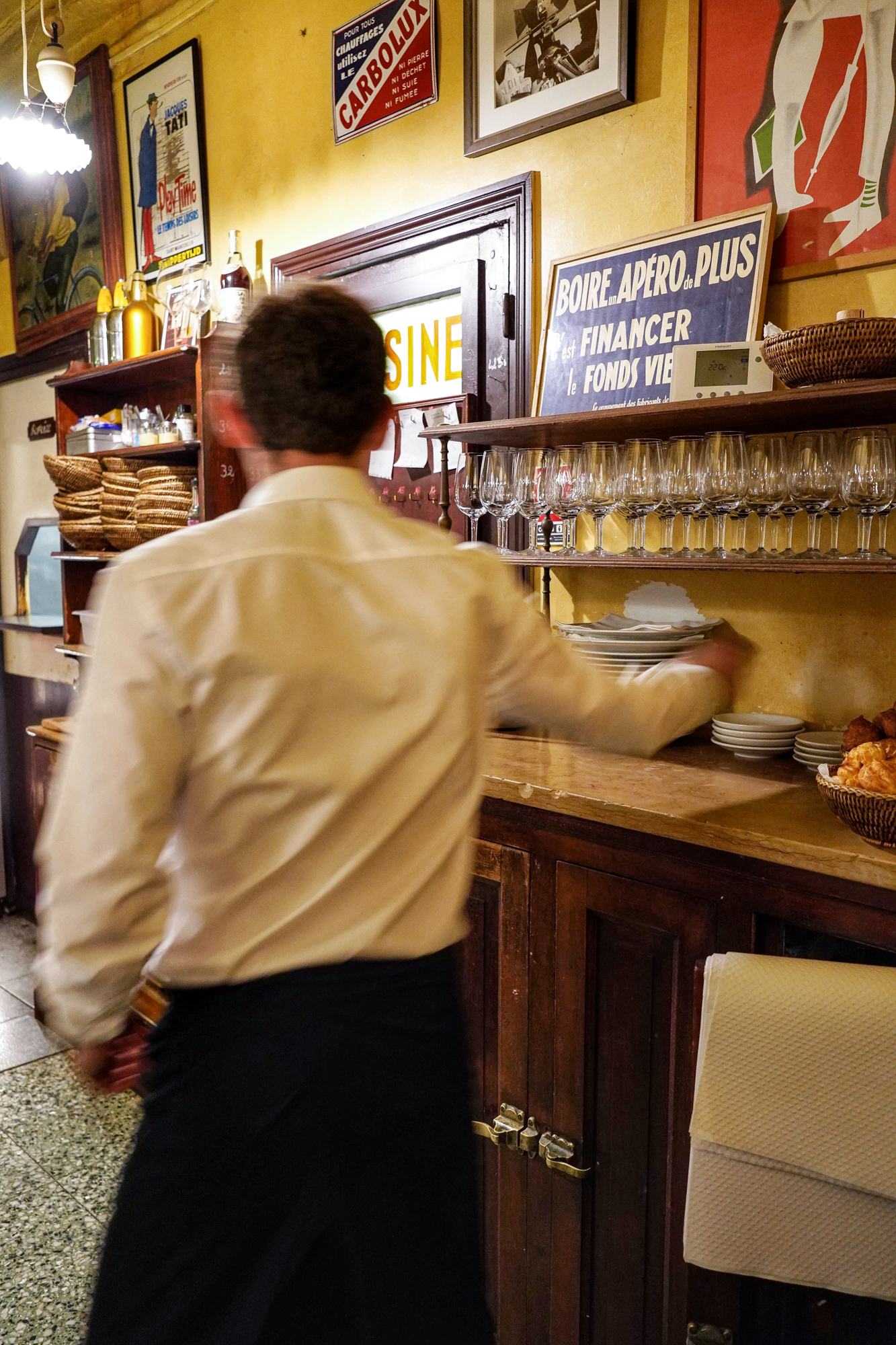
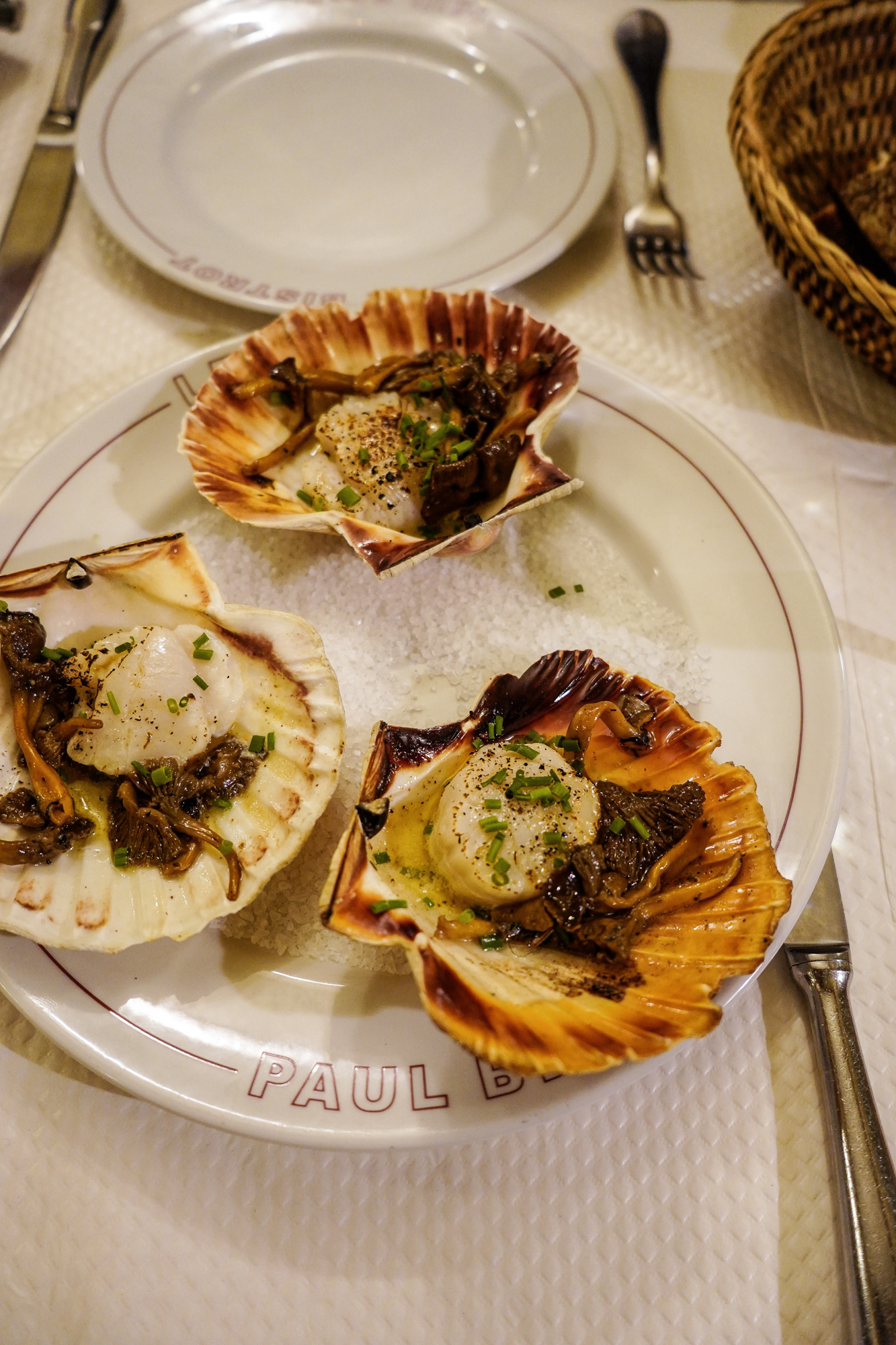
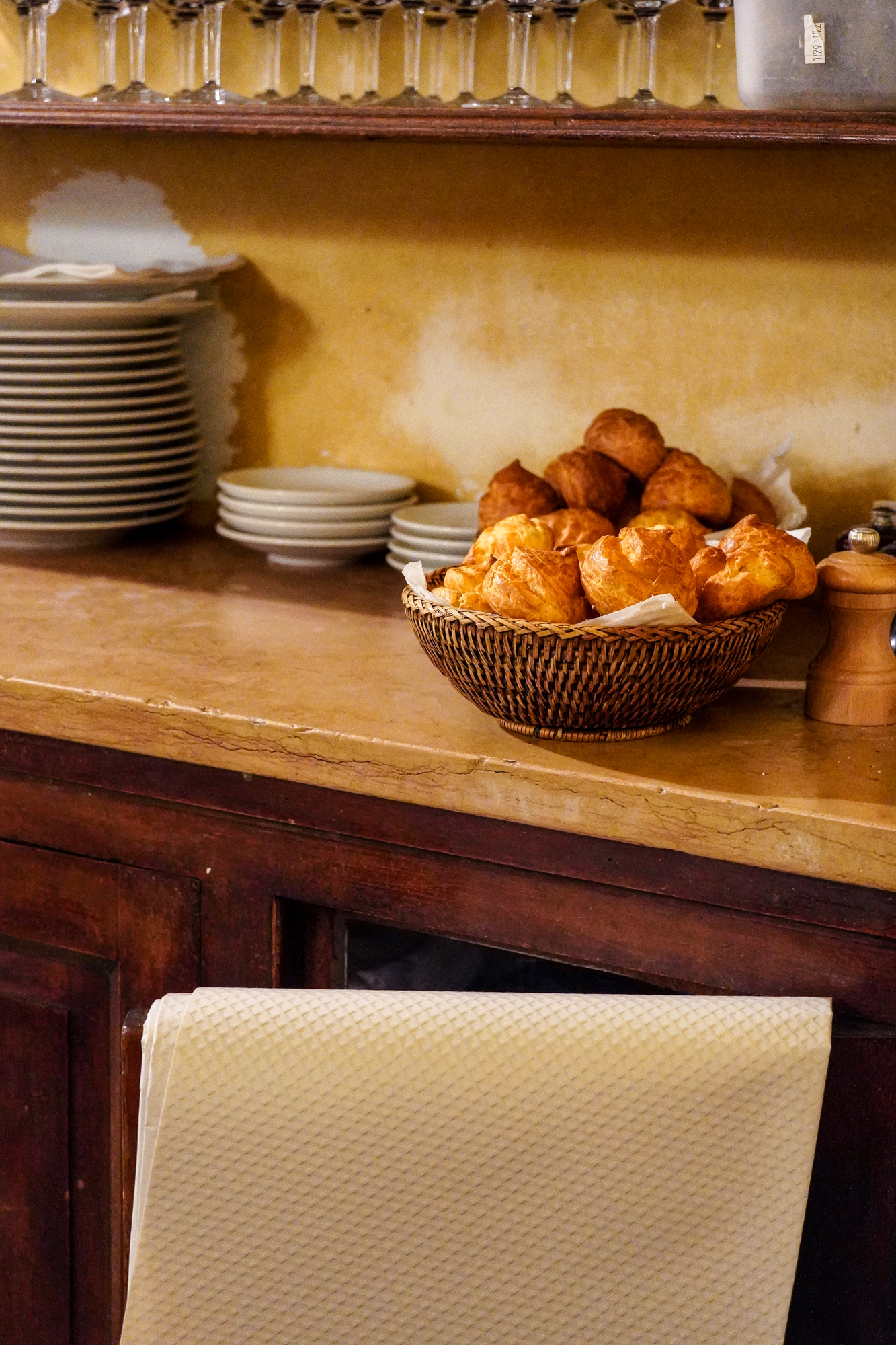
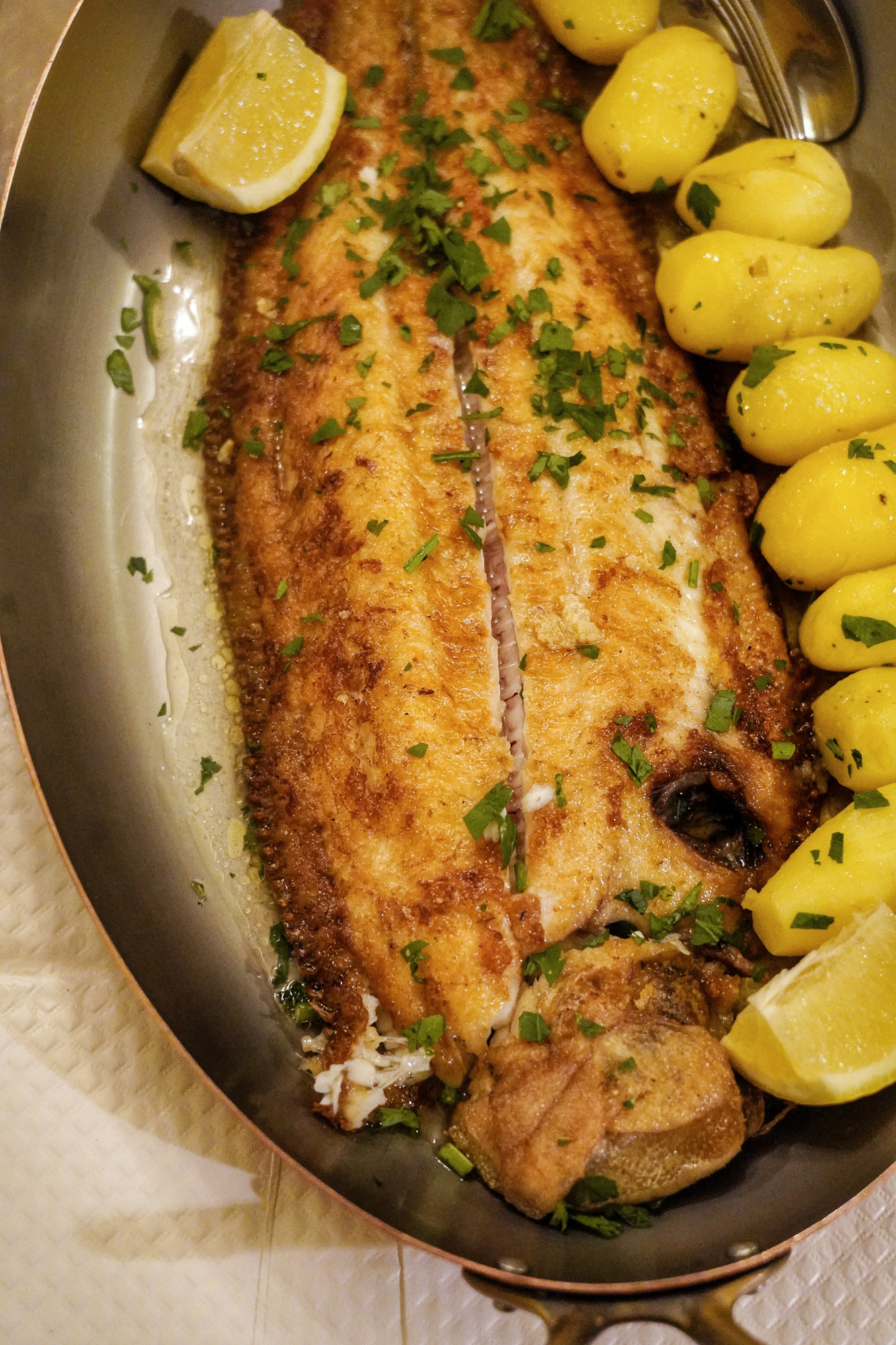
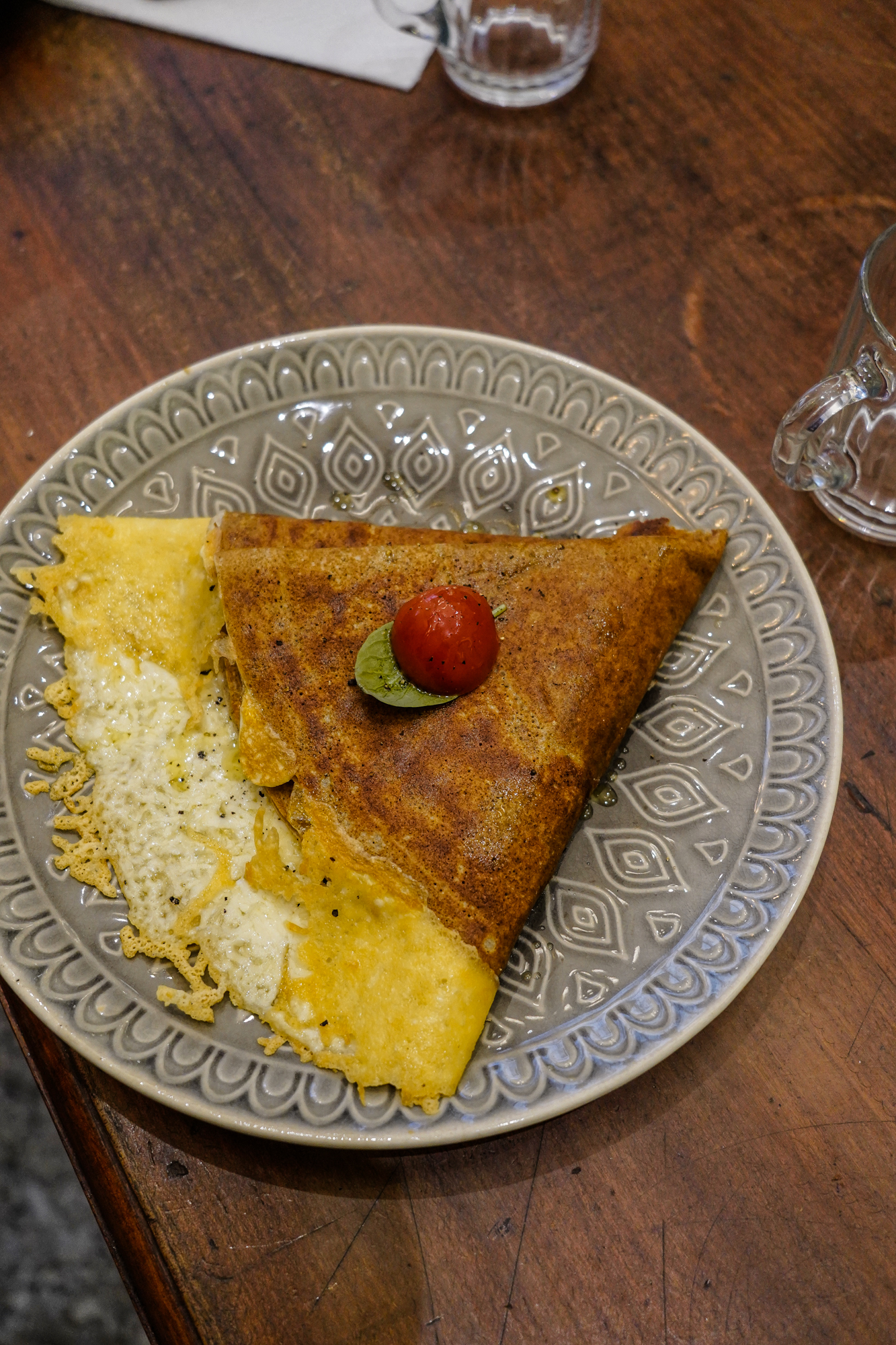
Paris is a place of old cuisine. Places like Bistrot Paul Bert have stood the test of time, so old that even the French get preferential tables and classics like sole meuniere and steak au poivre are still served. In the 10th arrondissement, the creperie La Droguerie makes the most traditional of French crepe – ham, cheese and egg.

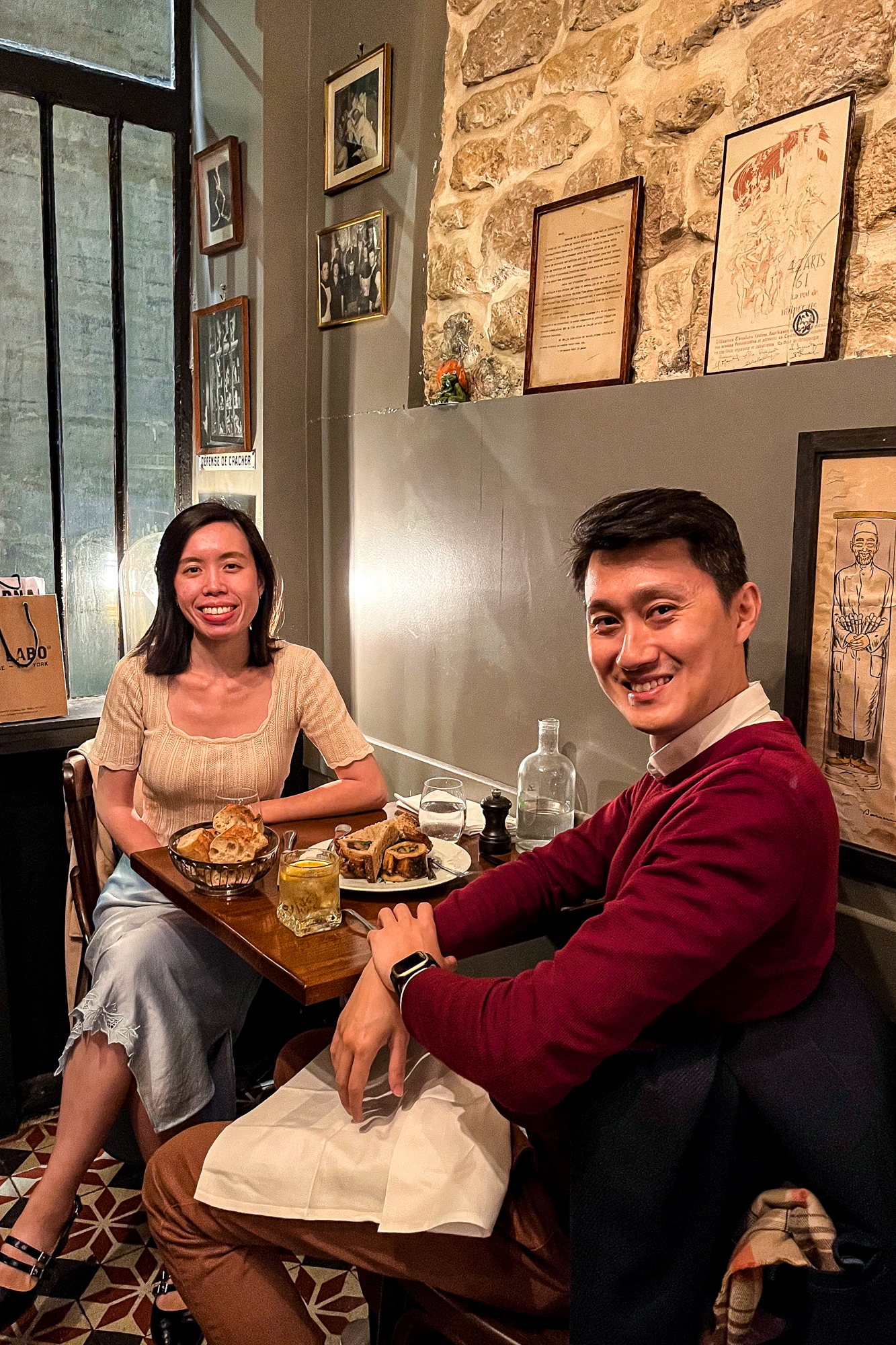
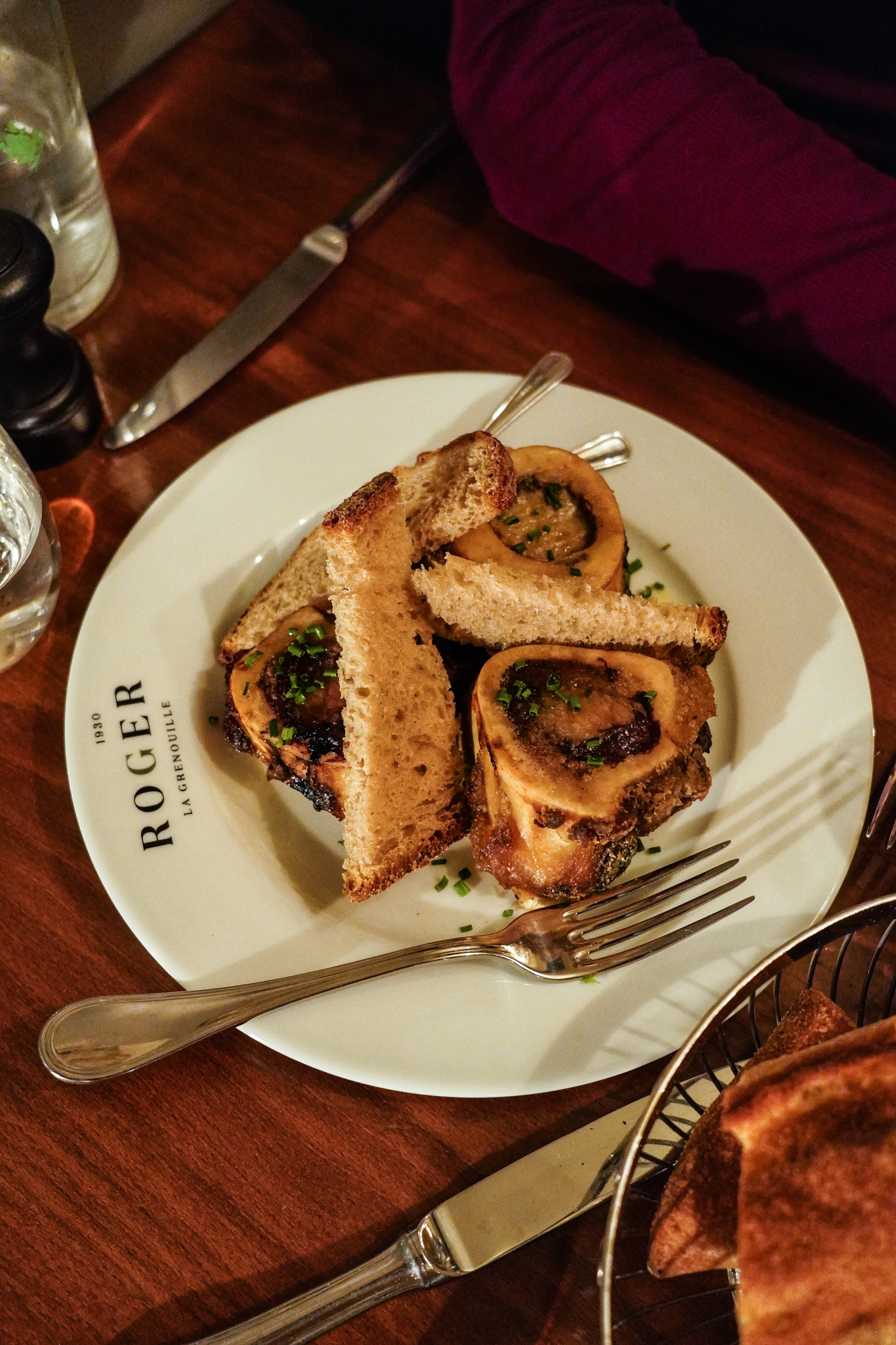
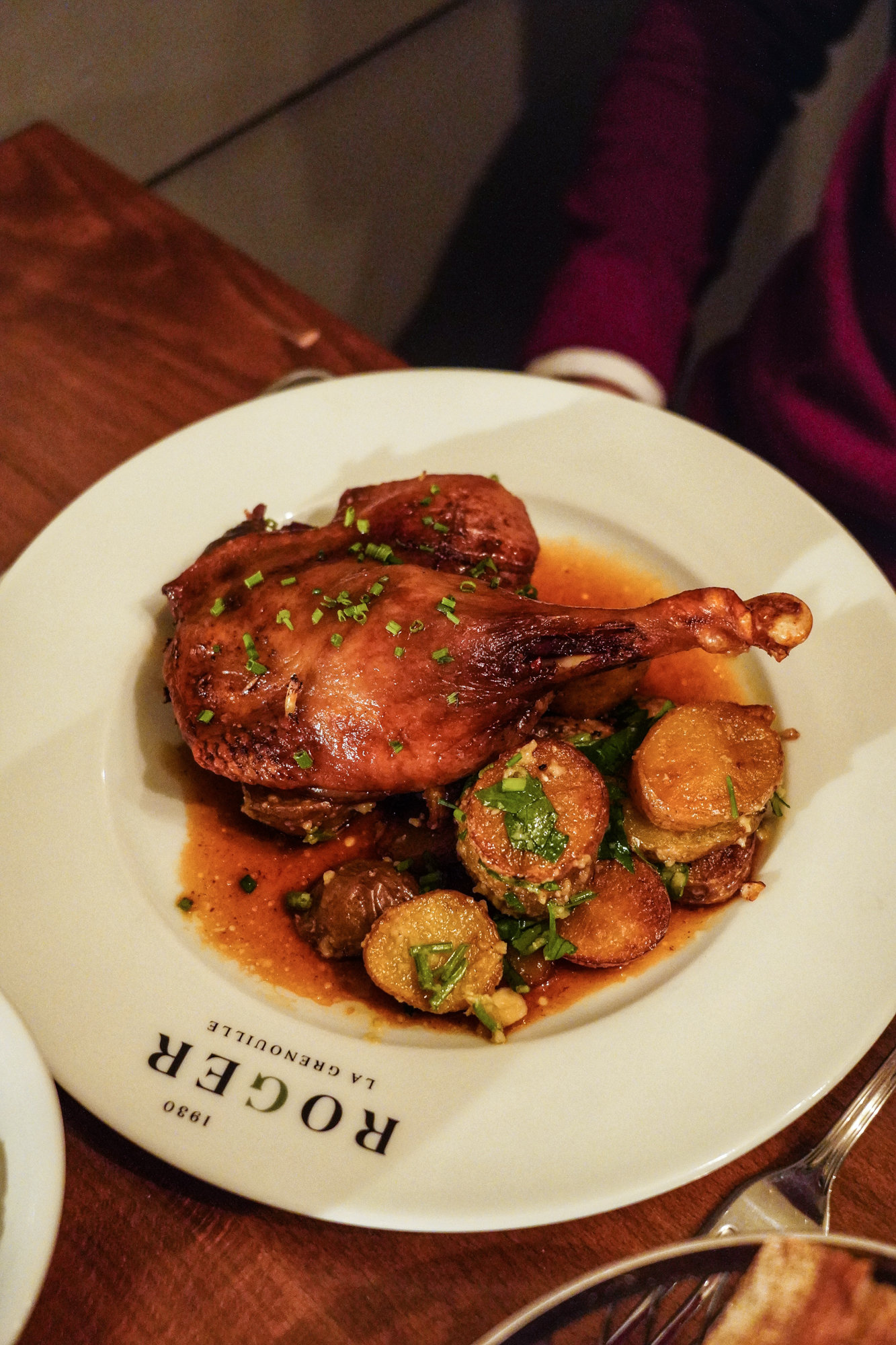
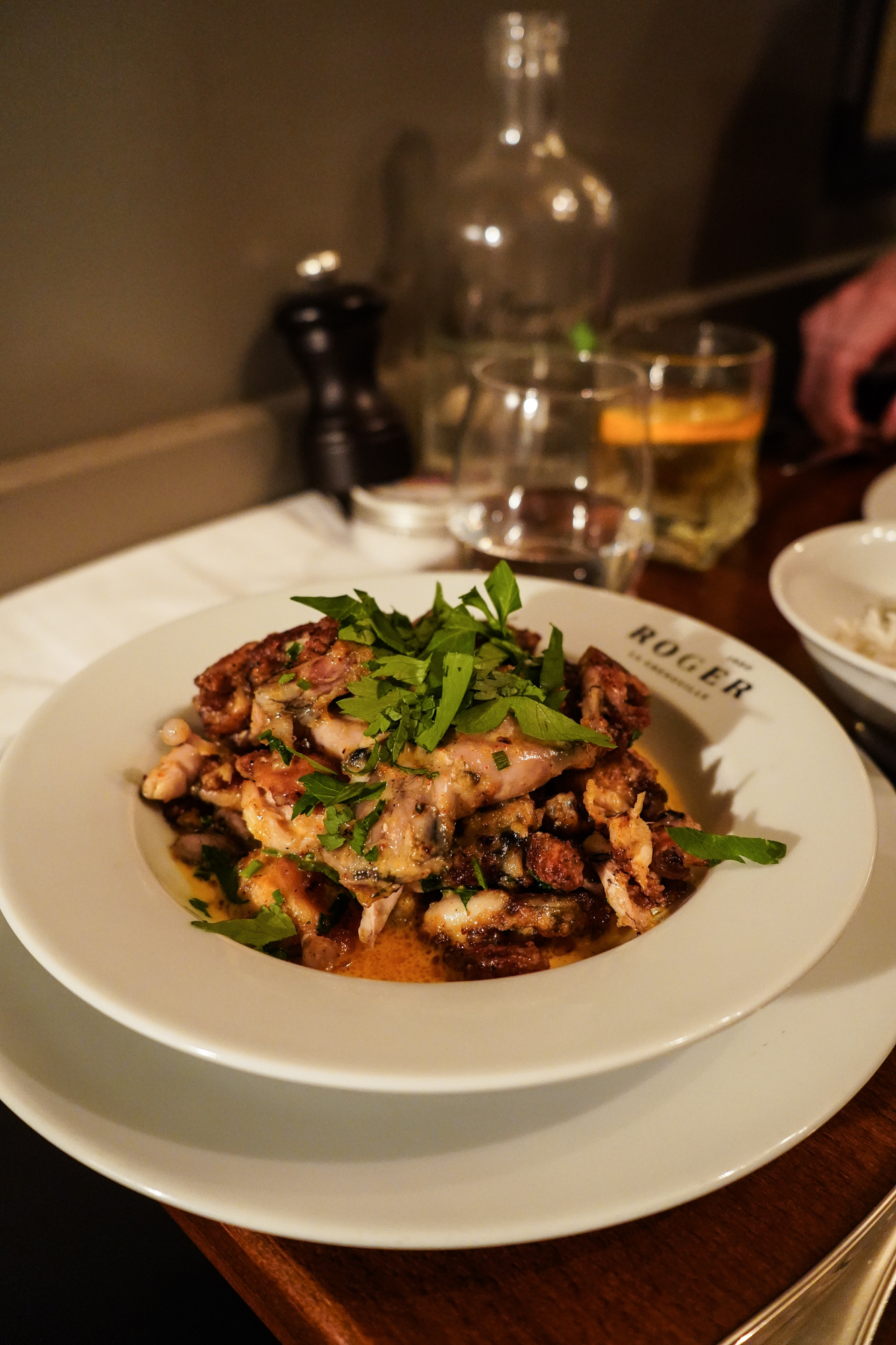
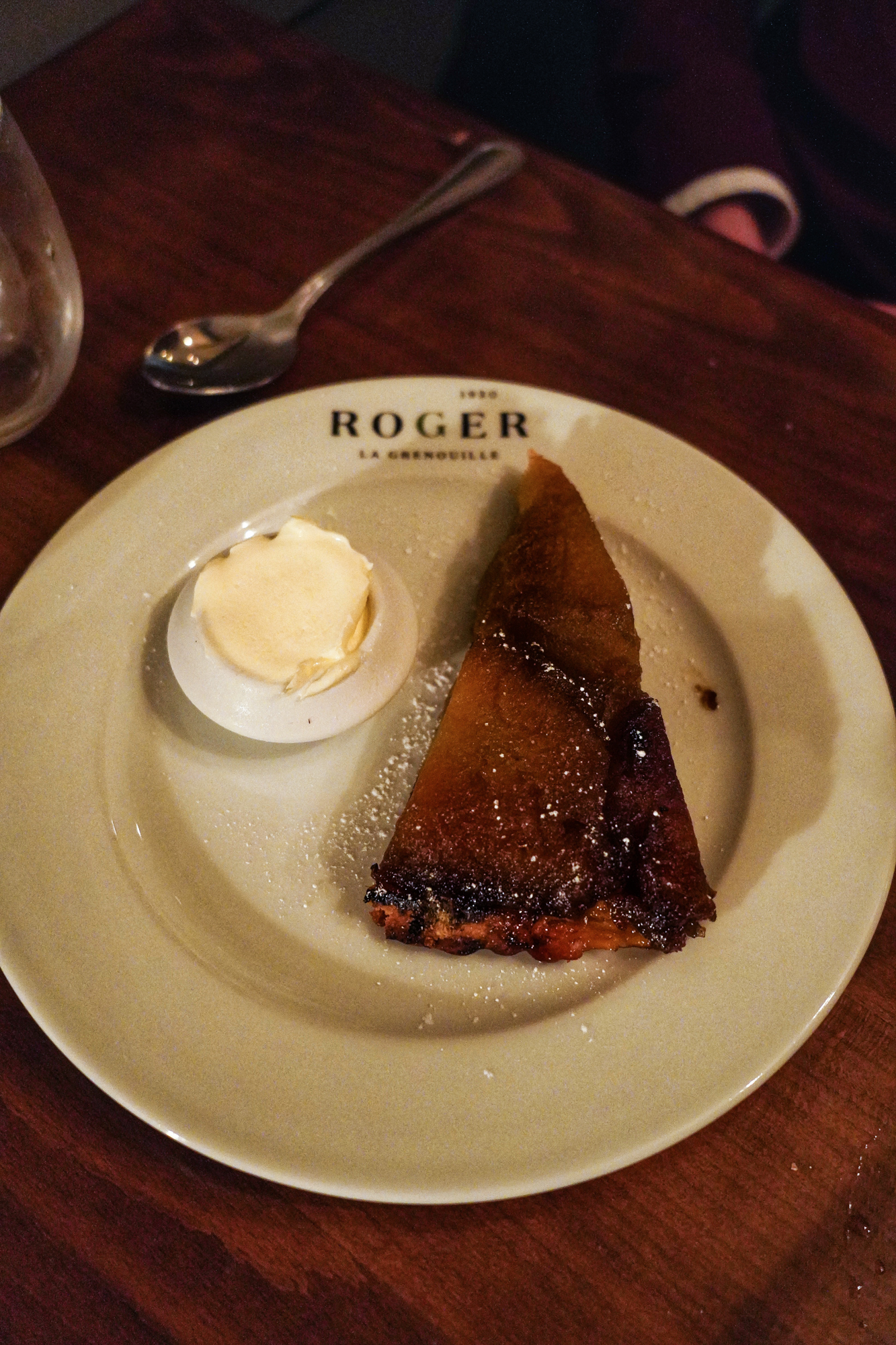
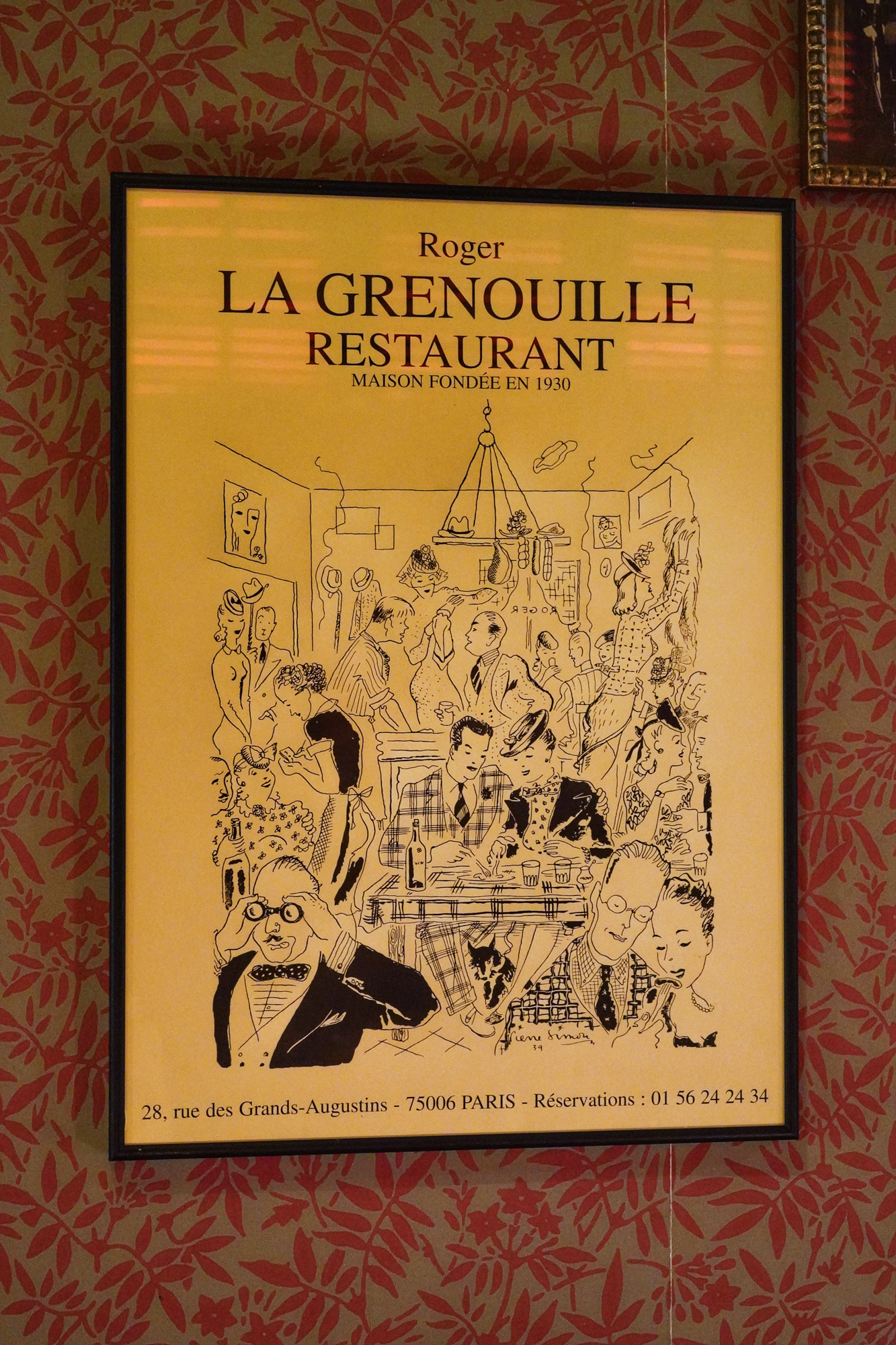
We were looking for a very old French dish – frog legs à la persillade – when we found Roger La Grenouille in the 11th arrondissement. Frog legs, an old world classic, have become a rarity even in the South of France. We came for the things that the French do best: roasted bone marrow, duck confit, tarte tartin and of course, frog legs. During dinner, an old American couple came in with rainwater trailing their umbrellas. They were not here for dinner, just to return a framed drawing to the restaurant. There was a commotion and then a bottle of champagne was popped. They were here during the early days of the restaurant, some thirty years ago, when everyone was still wearing frog hats. They had gotten the artwork then and wanted to return it now. “It was a wild time,” they told us as they sipped from their glasses. “Champagne for you too!” A man from the restaurant, whom we could only presume was an important person in the restaurant’s legacy, insisted. As we drank our champagne, we saw that his eyes were glistening with tears. It was a touching moment for a restaurant to be so fondly remembered for such a long time

DSC01437_edited

DSC01439_edited

DSC01442_edited

DSC01444_edited

DSC01443_edited

DSC01449_edited

DSC01454_edited

DSC01462_edited

DSC01465_edited

DSC01423_edited

DSC01428_edited

DSC01429_edited

DSC01514_edited

DSC01513_edited

DSC01512_edited

DSC01530_edited

DSC01567_edited

IMG_1061_edited

DSC01571_edited

DSC01572_edited

DSC01576_edited

DSC01582_edited

DSC01588_edited

DSC01590_edited

DSC01591_edited

DSC01594_edited

DSC01597_edited

DSC01681_edited

THE FRENCH CHICKEN 

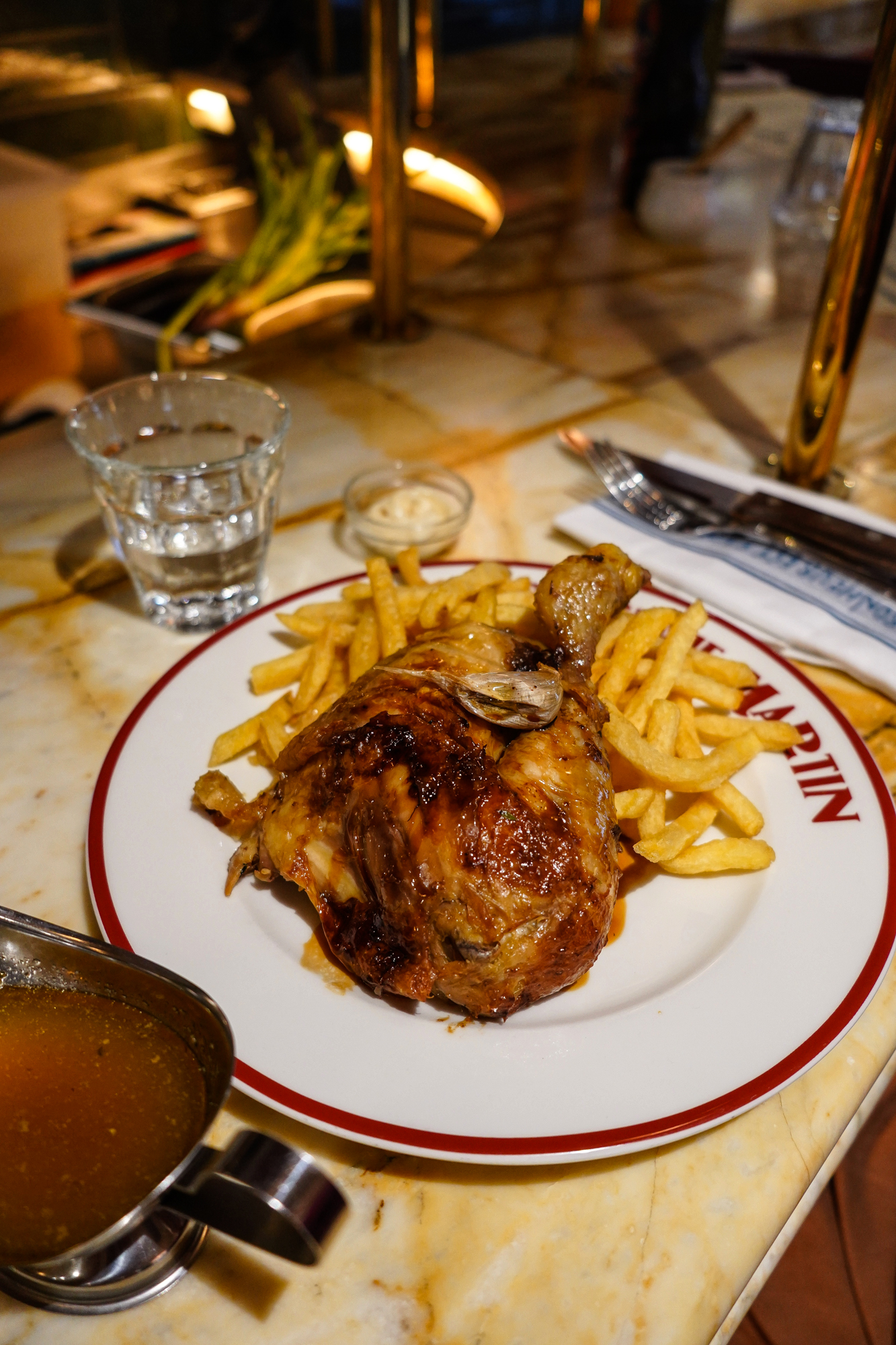
The French chicken is an undeniable classic. We had ours at Brasserie Martin. Roy loves the thigh while I prefer the breast. It’s an ongoing debate but I always argue that when done right, the breast will be moist and tender. To each their own. I love chicken roasted the simple way. The French way. Only salt and pepper. Maybe a little lemon or herbs but nothing more. The rest is technique. The timing, the temperature, the rotisserie. This is something I happily leave to the professionals while I sit back and wait, with a glass in hand, for the plate to arrive. At the end of it, I can truly say that the no one does a roast chicken better than the French. 

DSC01473_edited

DSC01487_edited

DSC01479_edited

DSC01485_edited

DSC01493_edited

DSC01494_edited

SHOPPING

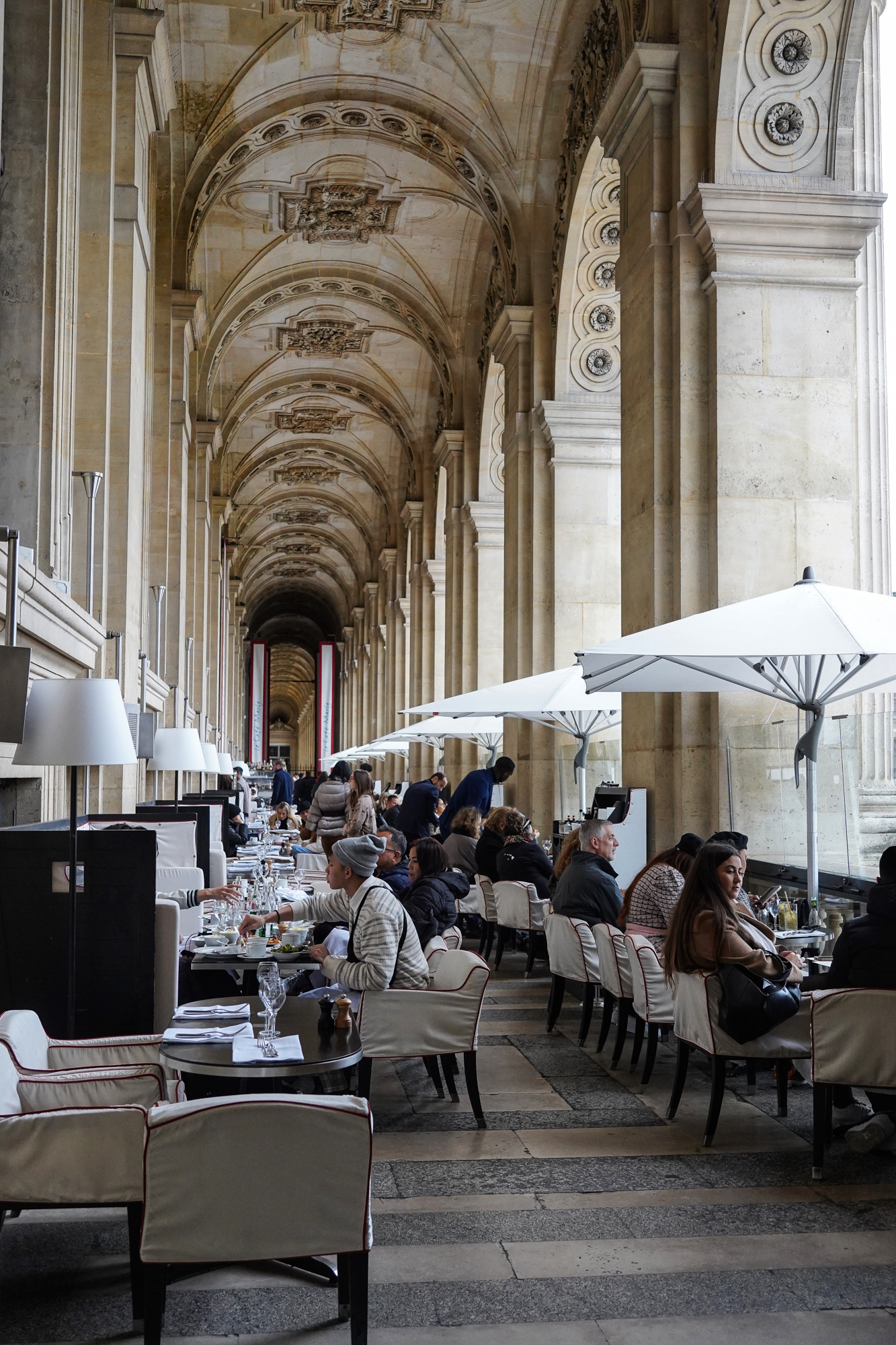
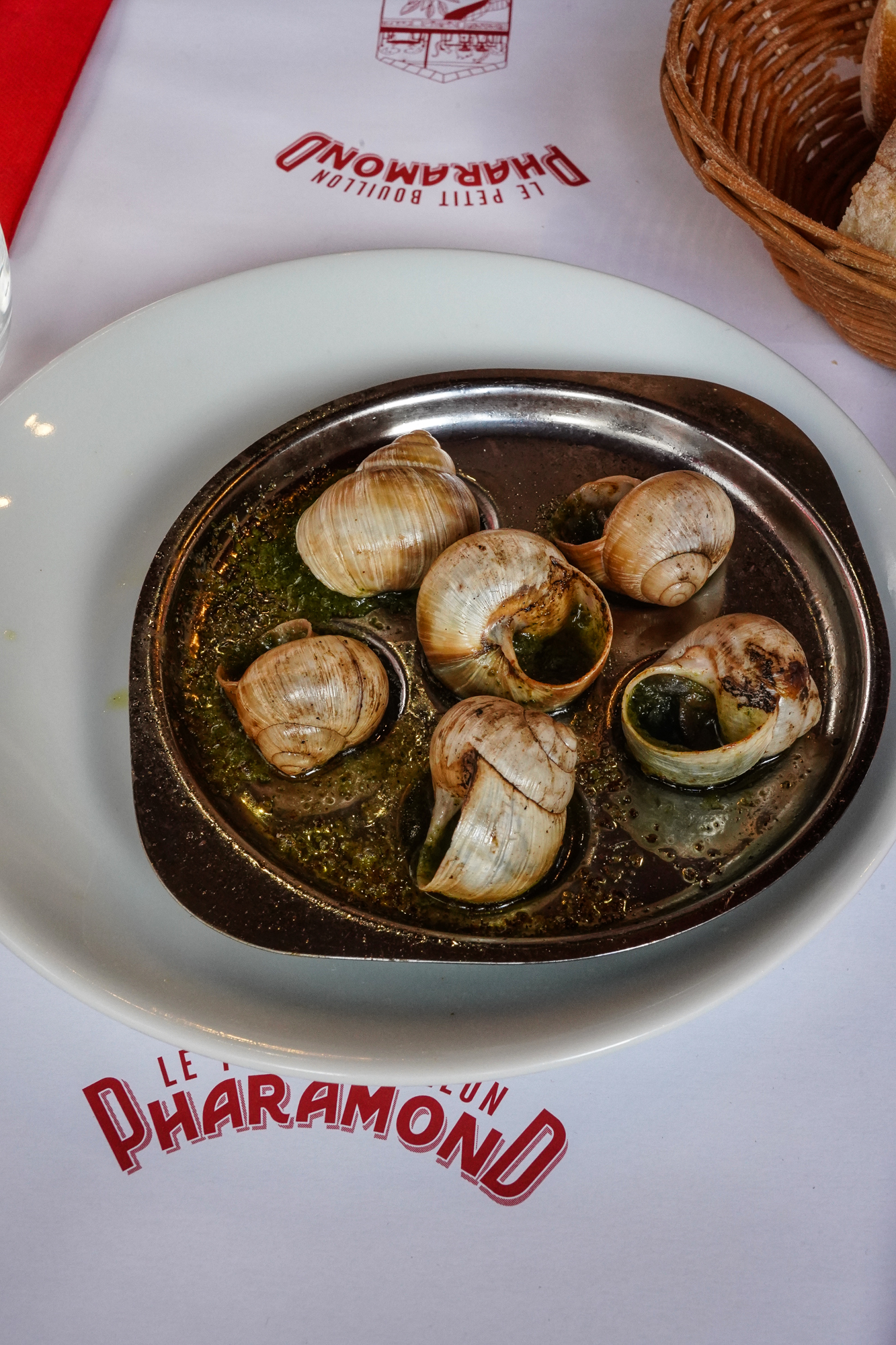
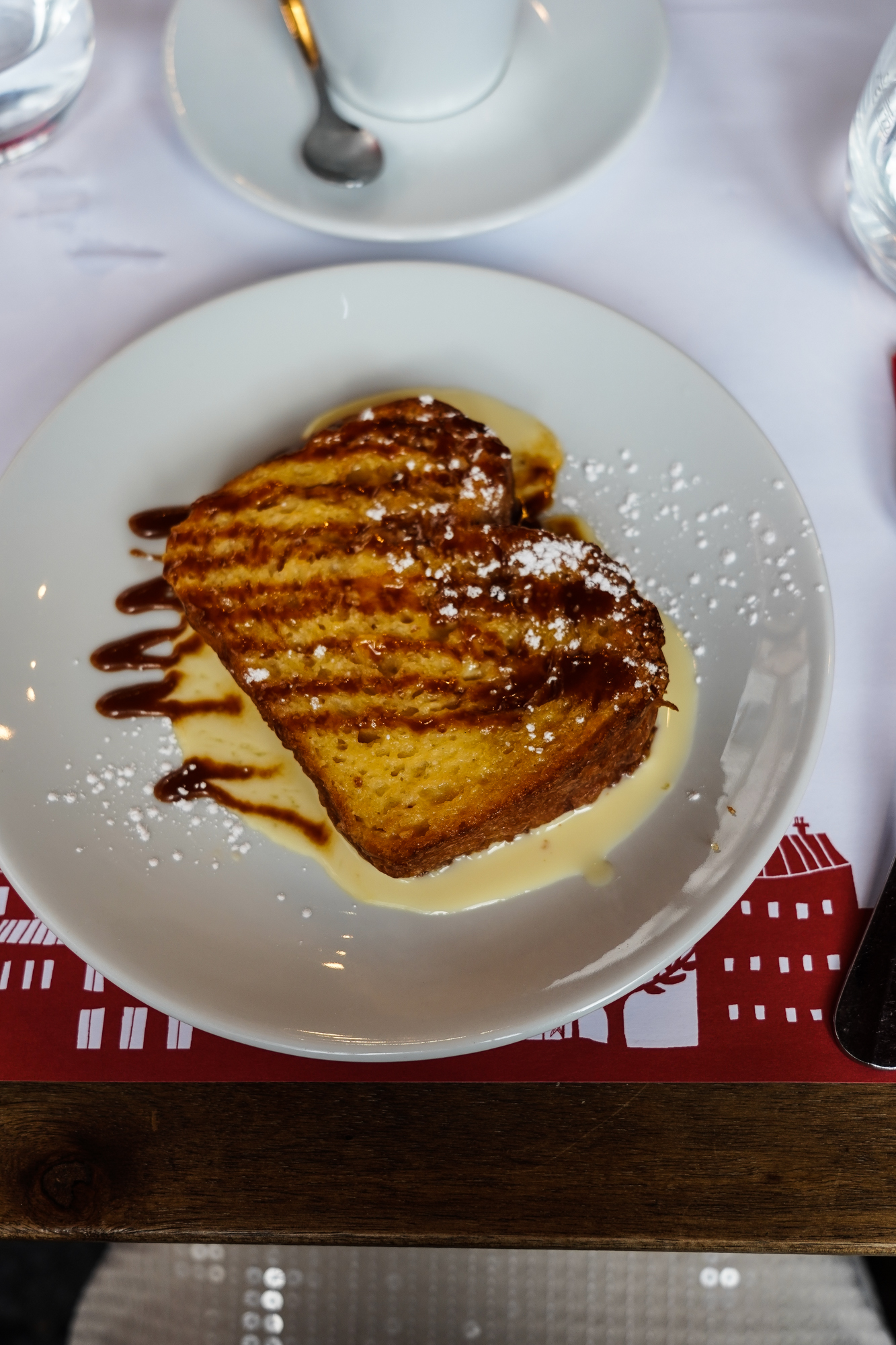
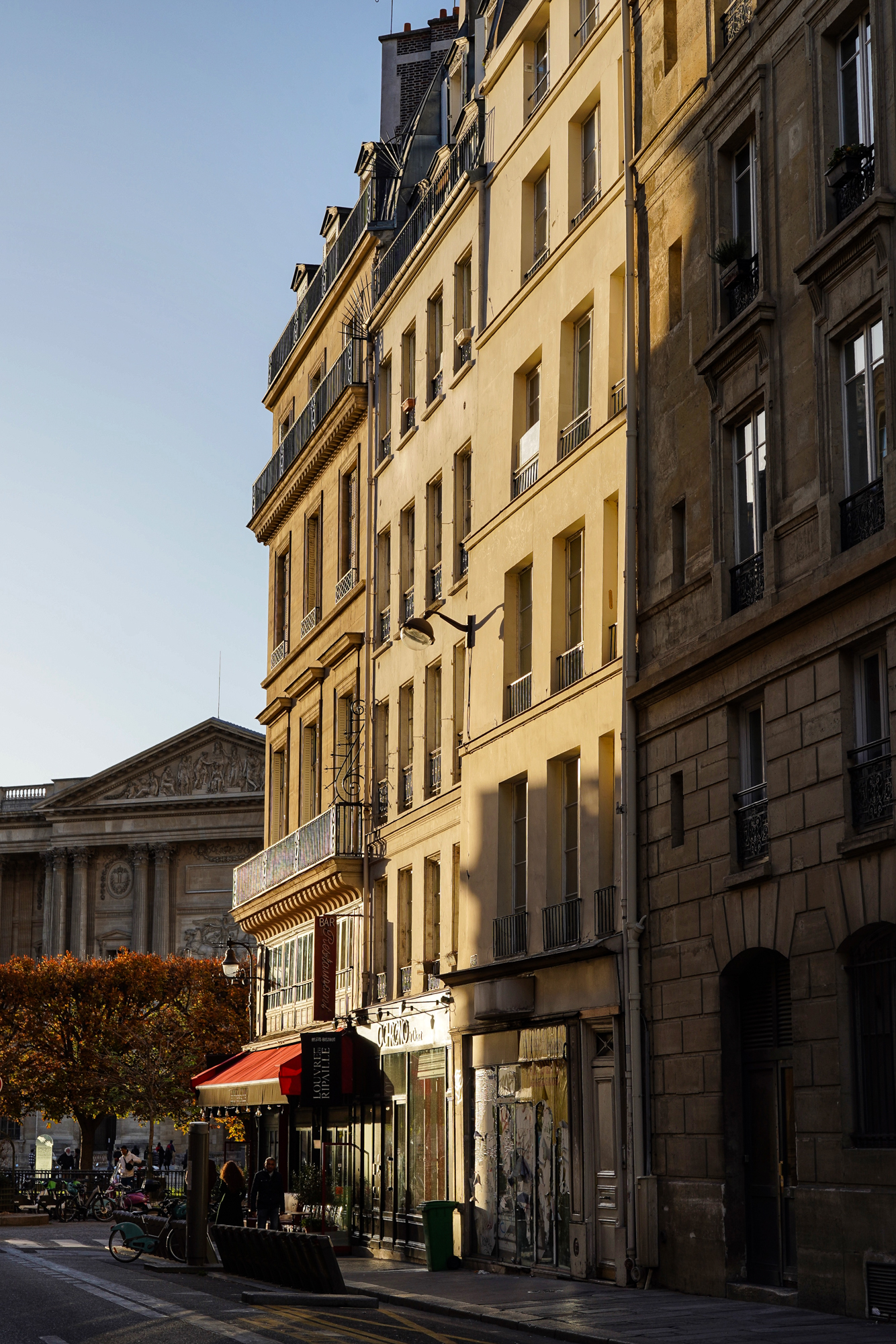
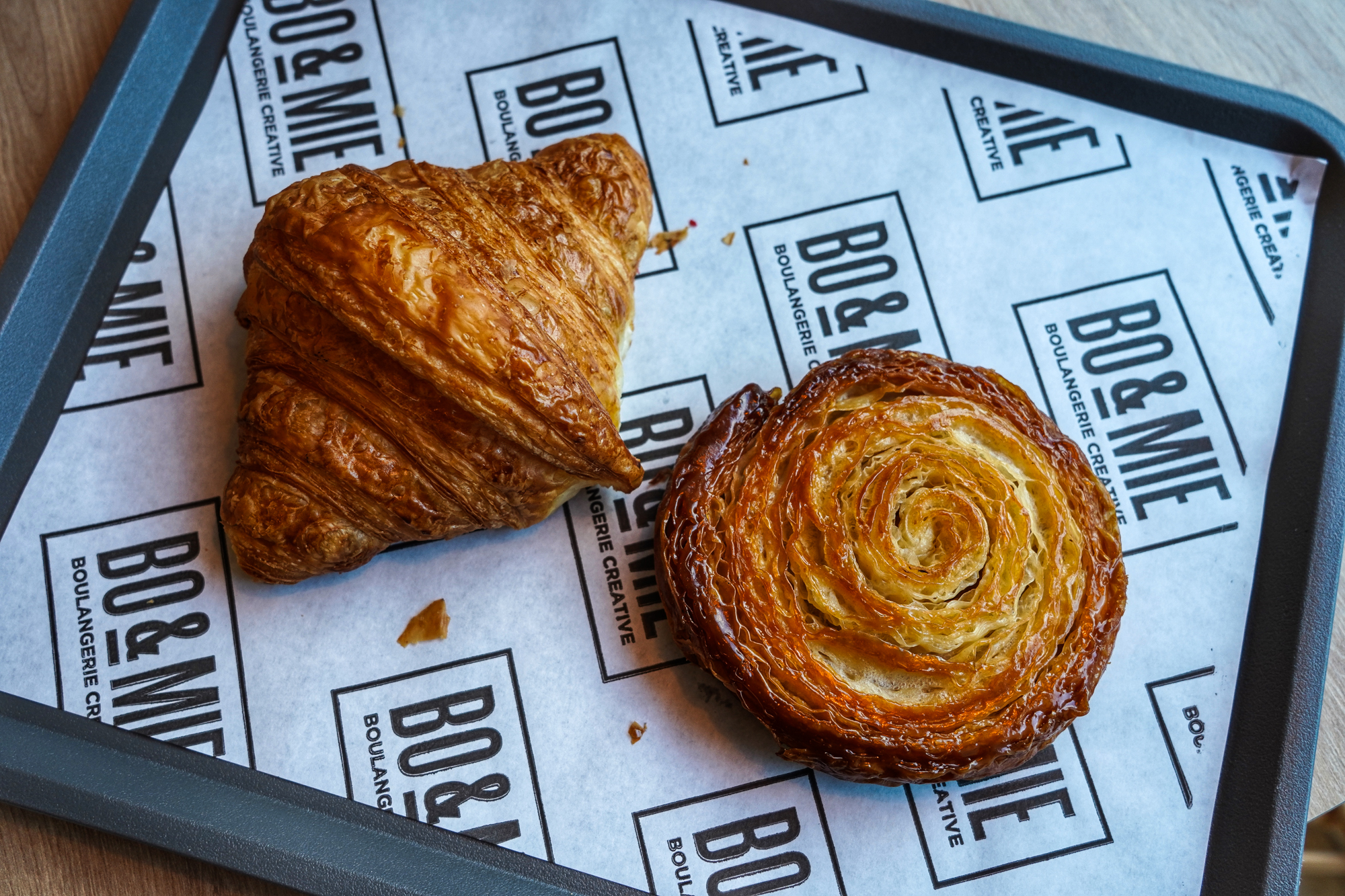
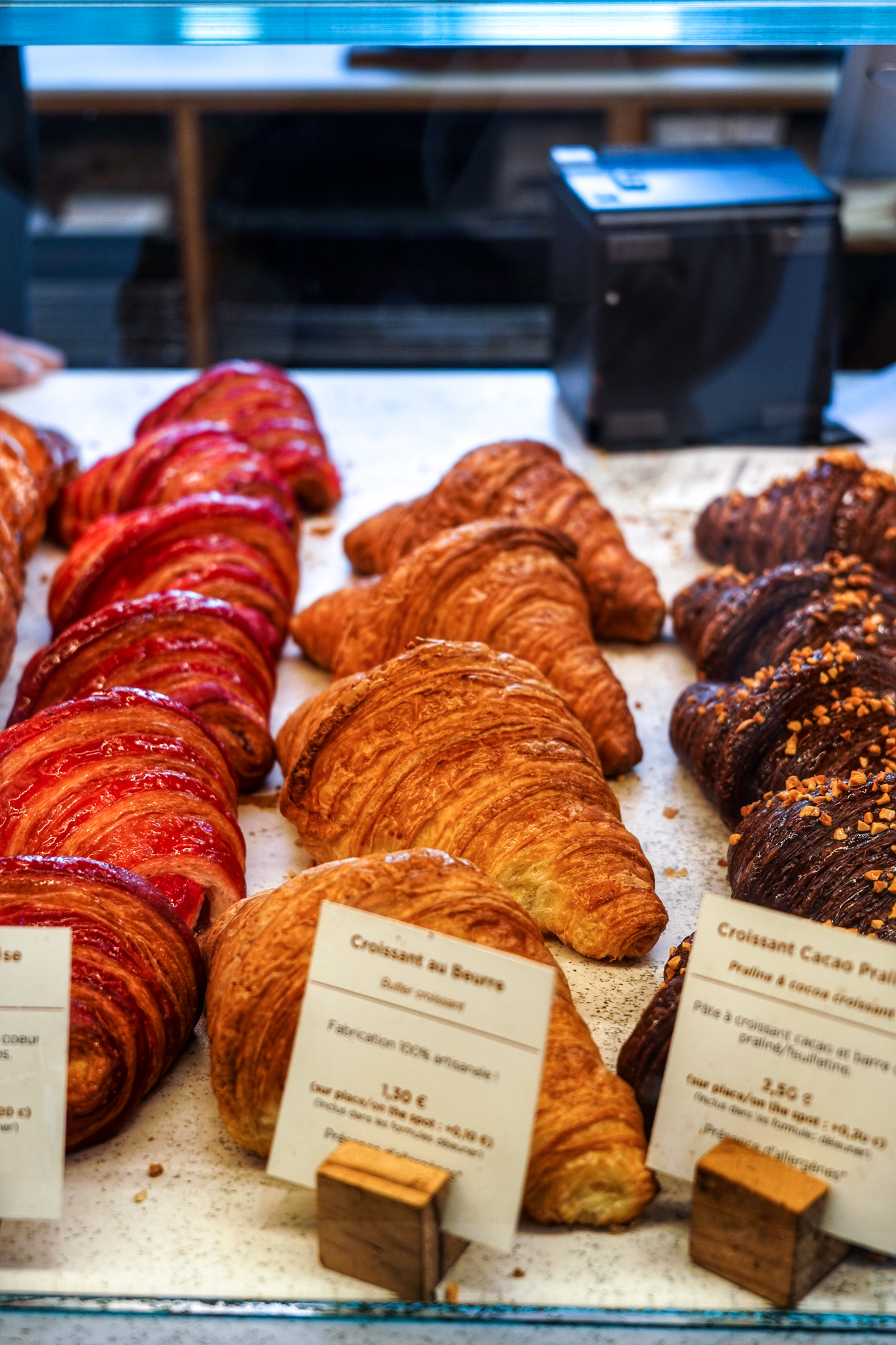
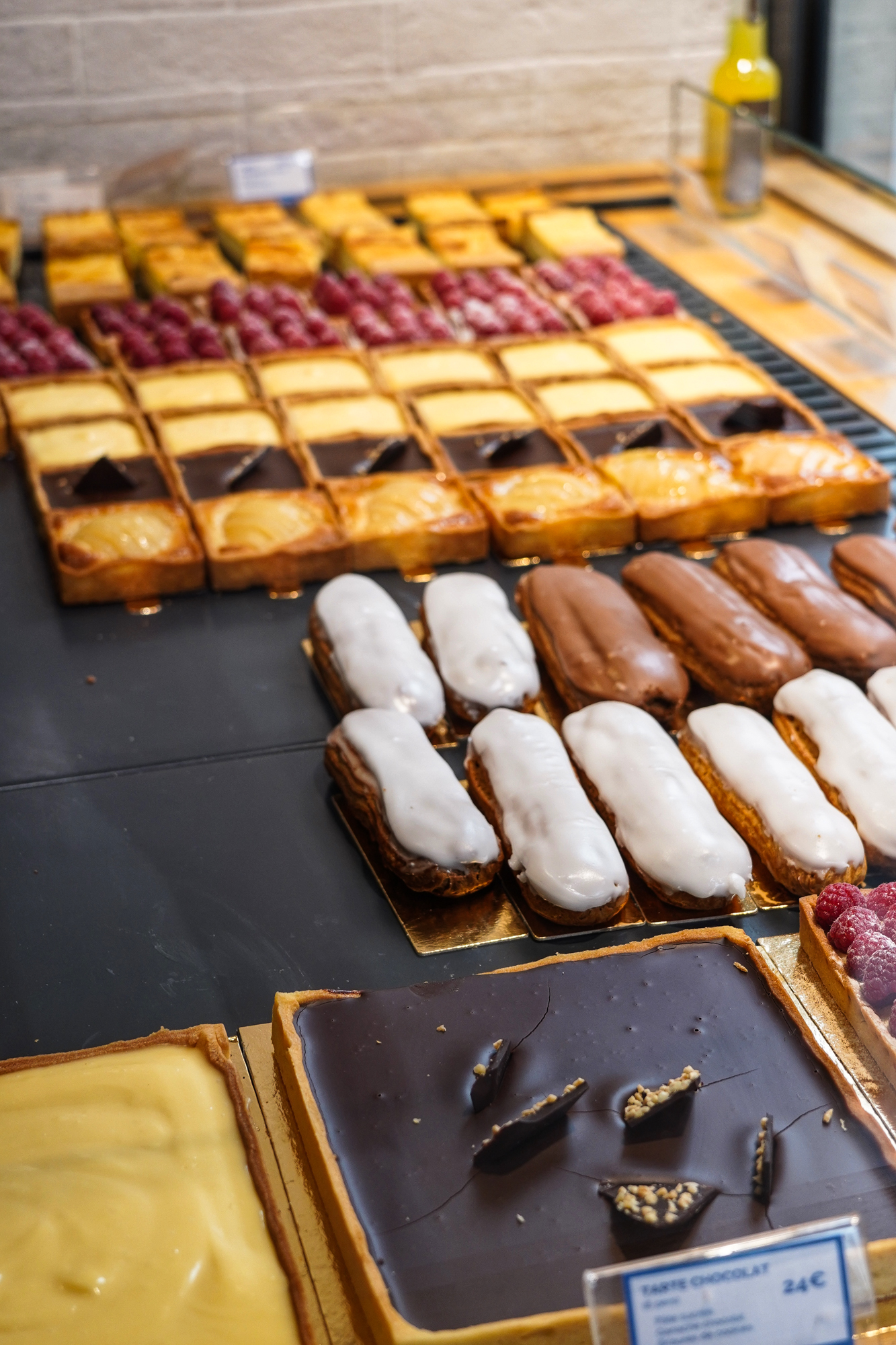
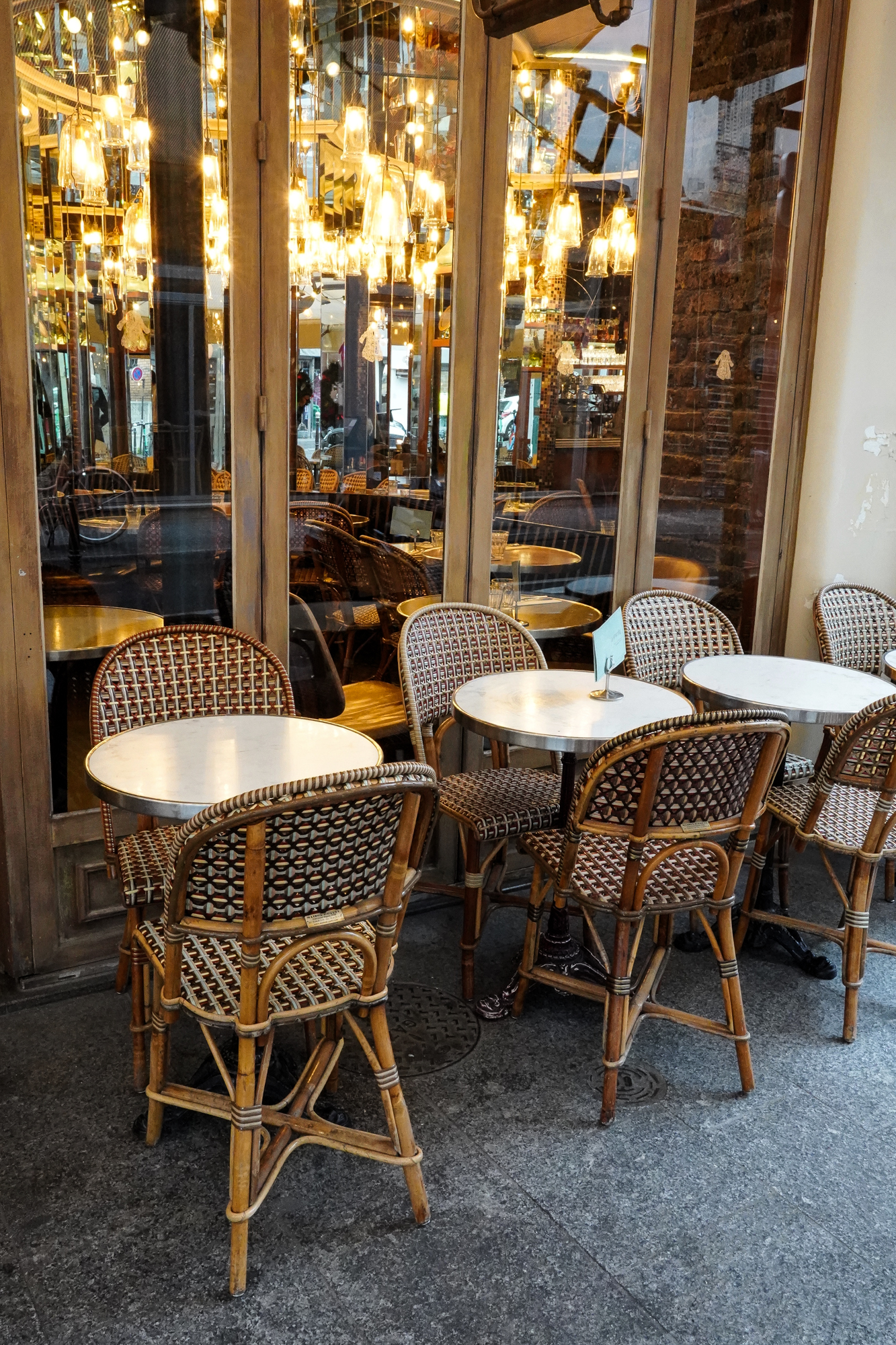
We started our day with a lunch of escargots, duck confit, beef bourguignon and french toast at Le Petit Bouillon Pharamond. It was a long queue but the waiter gave us a table outside where thin well-dressed ladies with cigarettes preside. The day was supposed to be just about food. Parisian food. But Paris was also fashion. After a few shirts at Café Coton (Roy of course), we shopped for cookware at E. Dehillerin and chocolates at François Pralus. Then came the time for our pre-dinner snack – a coffee, croissant and kouign-amann at Bo & Mie

DSC01685_edited

DSC01697_edited

DSC01708_edited

DSC01703_edited

DSC01713_edited

DSC01719_edited

DSC01728_edited

DSC01729_edited

DSC01731_edited

DSC01732_edited

DSC01735_edited

DSC01666_edited

DSC01733_edited

DSC01737_edited

DSC01568_edited

DSC01741_edited

DSC01744_edited

DSC01746_edited

DSC01756_edited

DSC01749_edited

DSC01766_edited

DSC01759_edited

DSC01761_edited

DSC01758_edited

PAIN D’ANTOINE

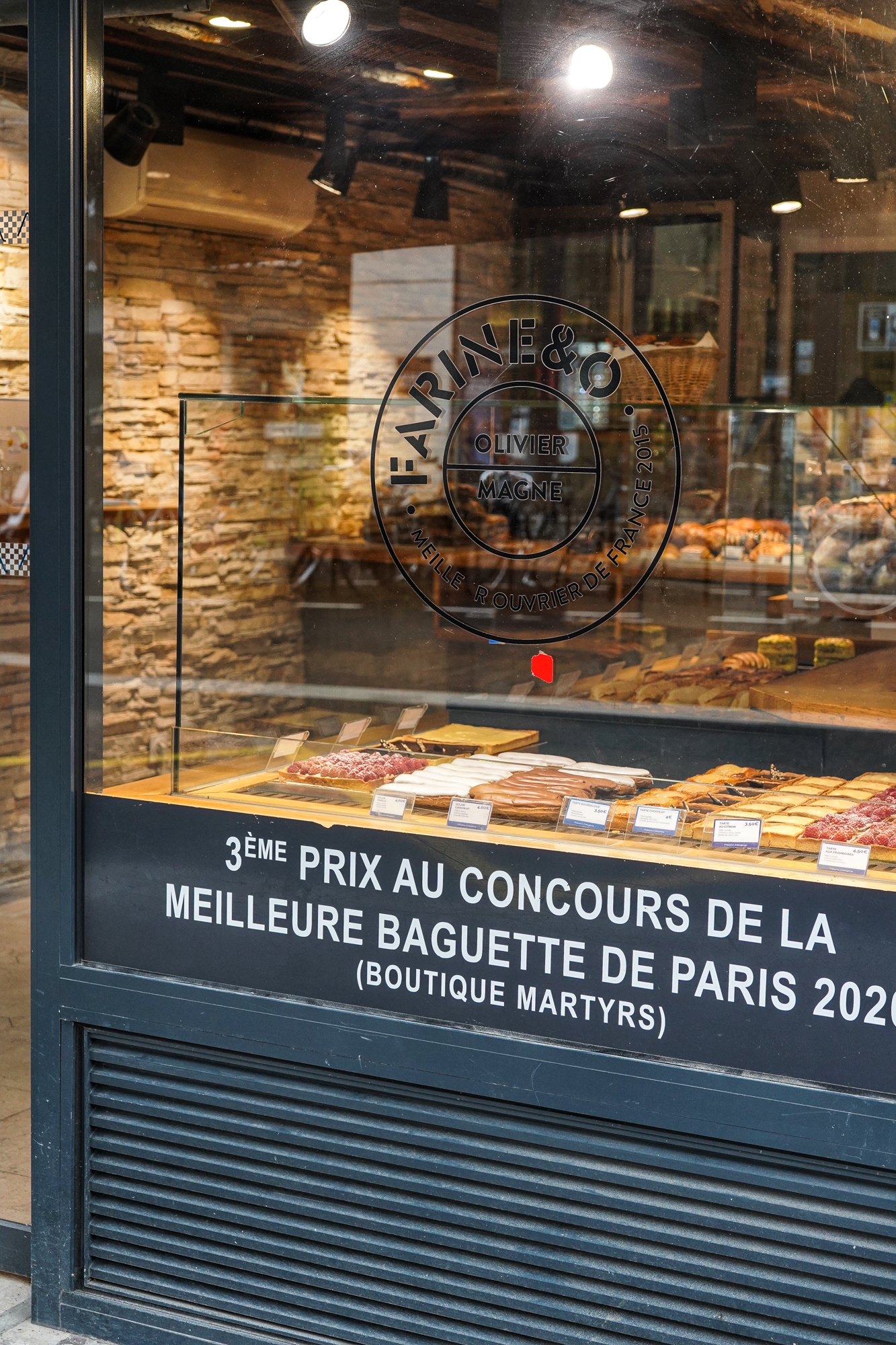
I never thought I could like something more than a pain au chocolat in Paris. It was a simple pastry at Farine & O that resembles a pain au chocolat. It was a pain d’antoine – orange zest in the flaky pastry and strips of hard chocolate on the outside. Chefs of Paris do not only replicate recipes of a hundred years ago. They change. They innovate. They are France’s capital. Chocolate and orange are a match made in heaven. 
DSC01505_edited

DSC01499_edited

DSC01503_edited

DSC01495_edited

DSC01412_edited

DSC01752_edited

DSC01676_edited

BRASSERIE BELLANGER

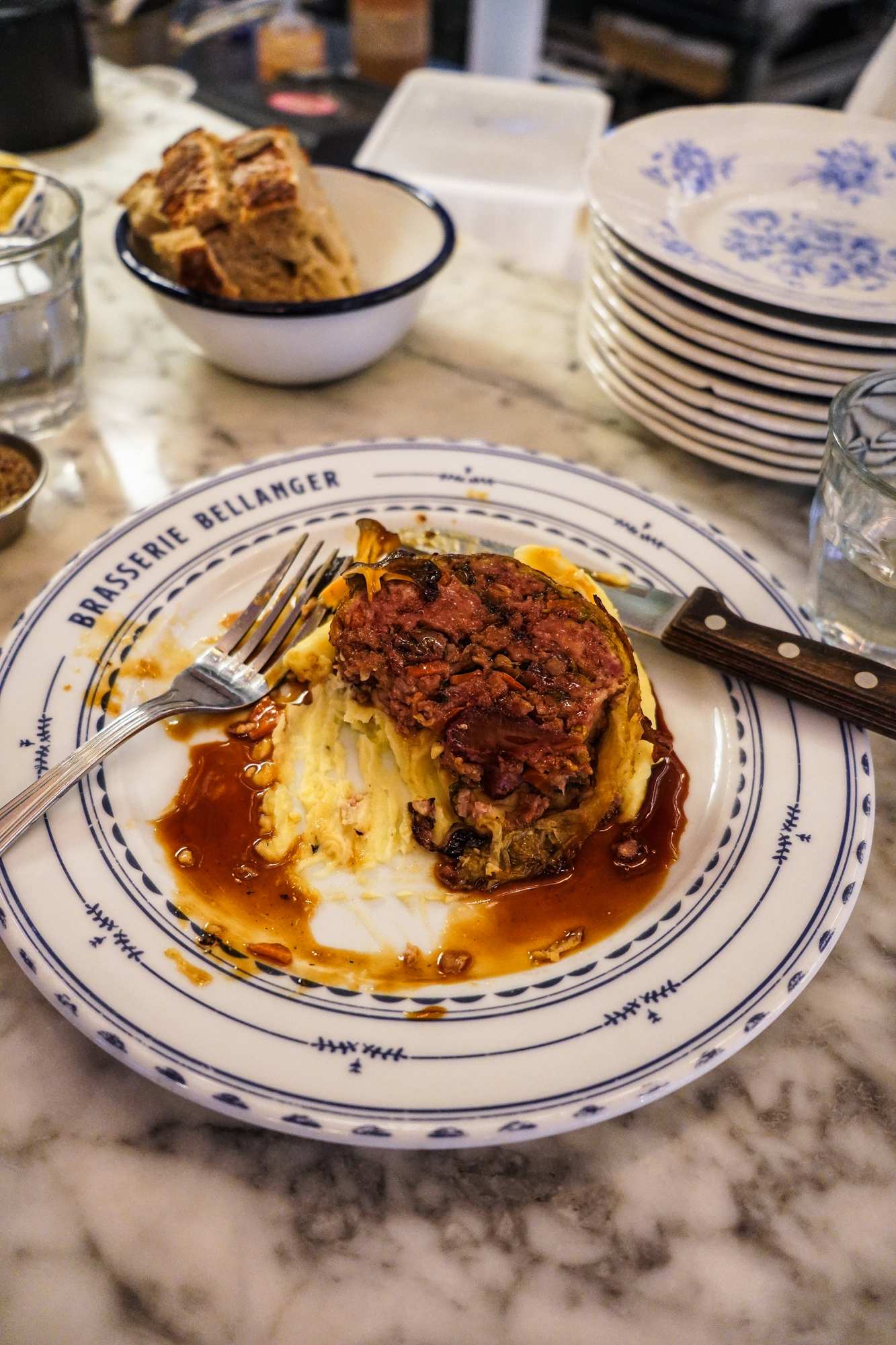
A few days later, we find ourselves back at Bellanger. I’m having the cabbage roll and Roy, the croque madame. He’s loyal to the madame, not the monsieur – something about the egg, he says, makes all the difference. Bellanger is part of a family of restaurants that call themselves La Nouvelle Garde. The new guard. They take old, beloved classics and dress them up just a little. Marrow gratin on oysters. French blood sausage crisped and dipped in applesauce. Caviar on potato dauphine. All served on polished porcelain or silverware. This is Paris at its best – always in style, never afraid to try something new. 
DSC01603_edited

DSC01686_edited

DSC01607_edited

DSC01632_edited

DSC01616_edited

DSC01618_edited

DSC01621_edited

DSC01637_edited

DSC01655_edited

DSC01648_edited