Food & Travel Guide to Paris, France – What to See, Eat & Do

France

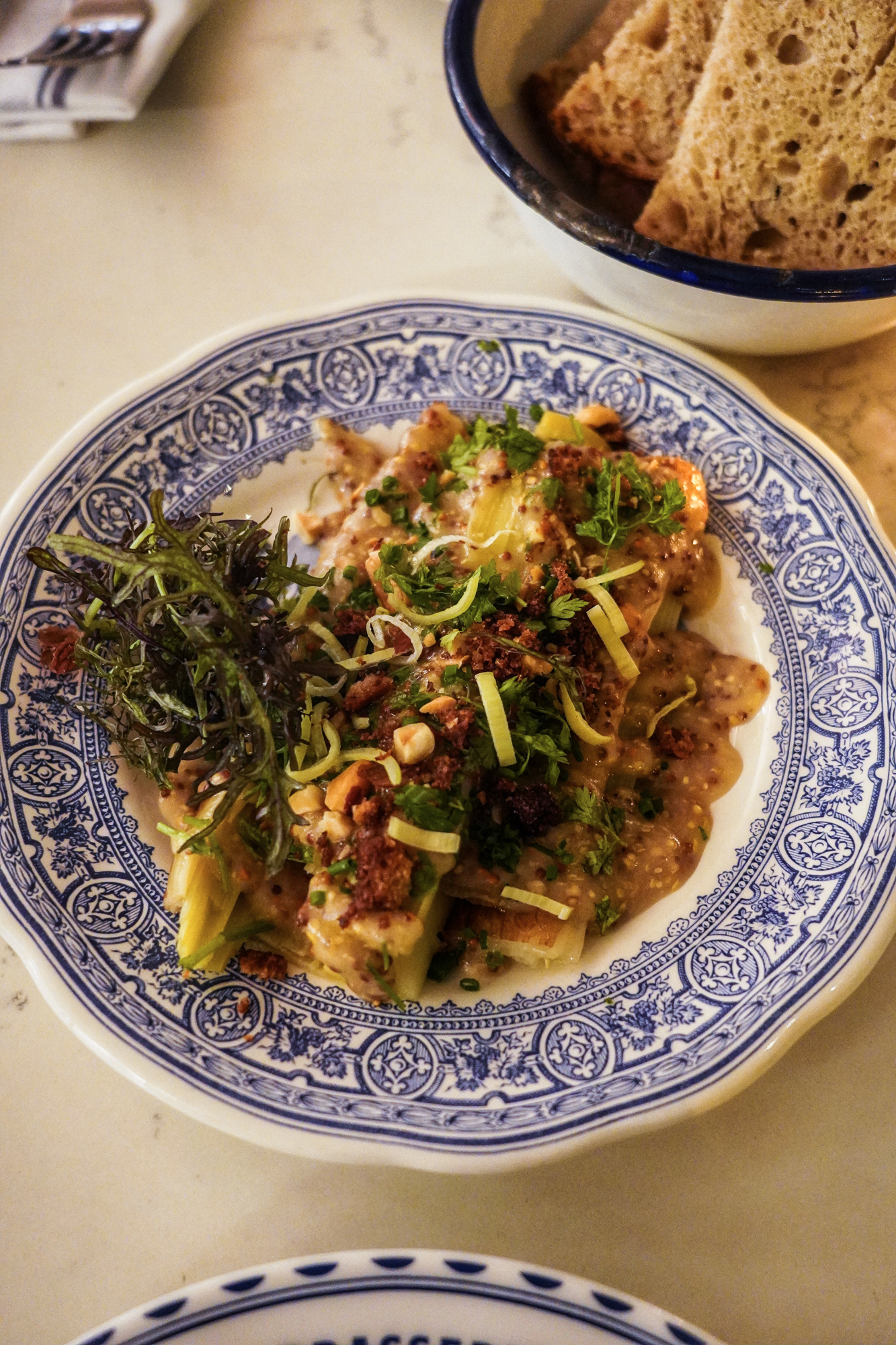
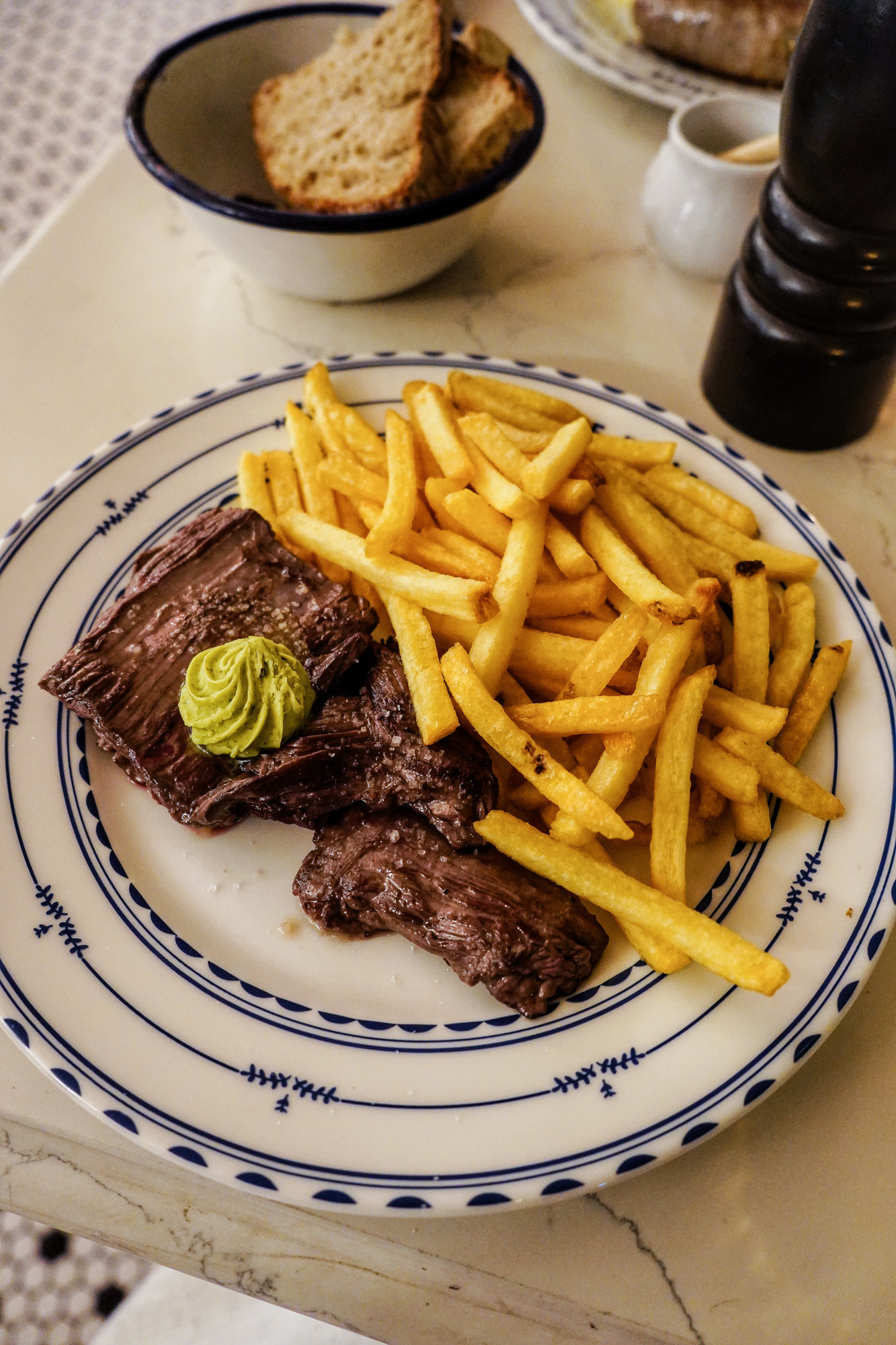
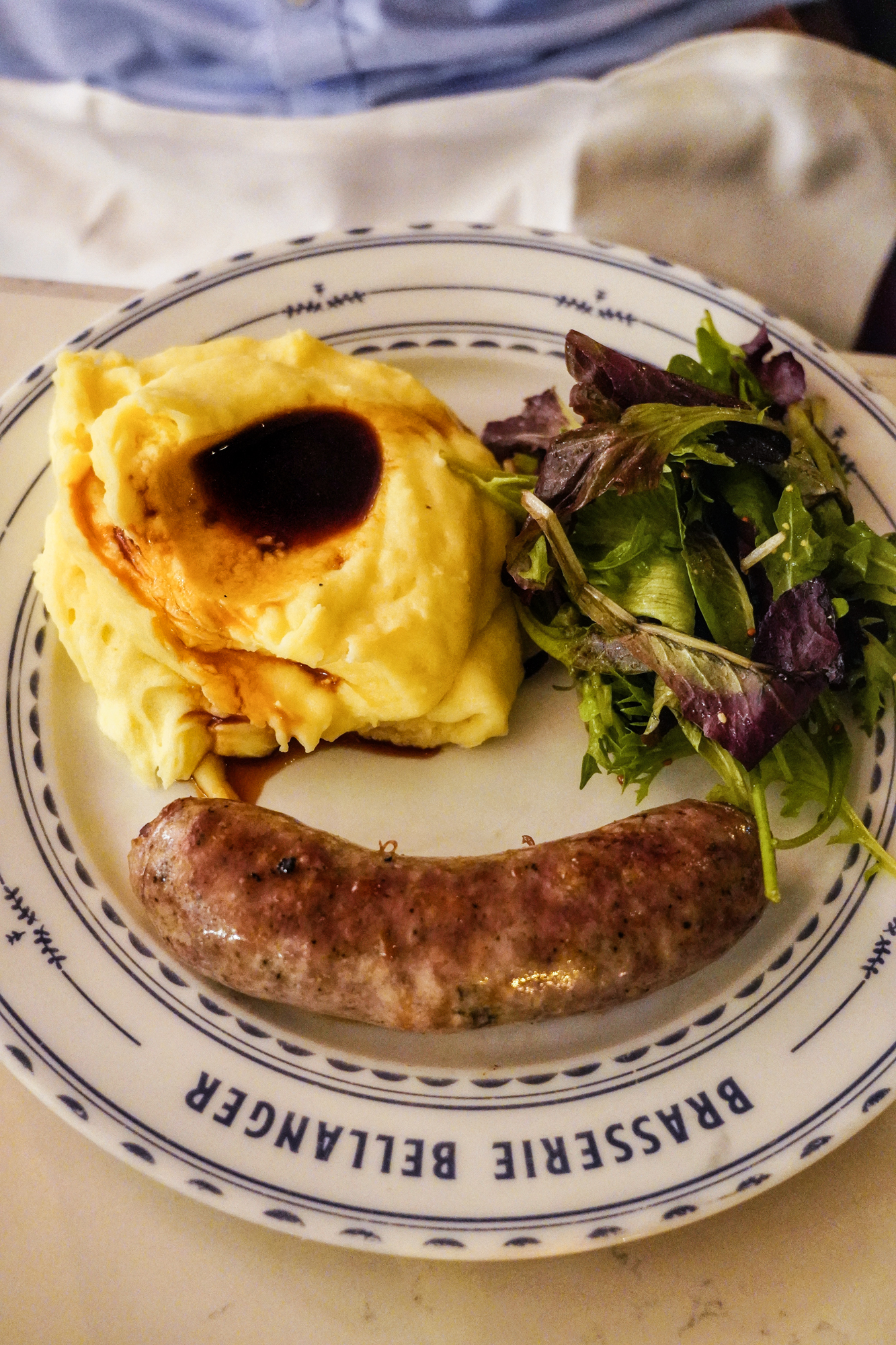
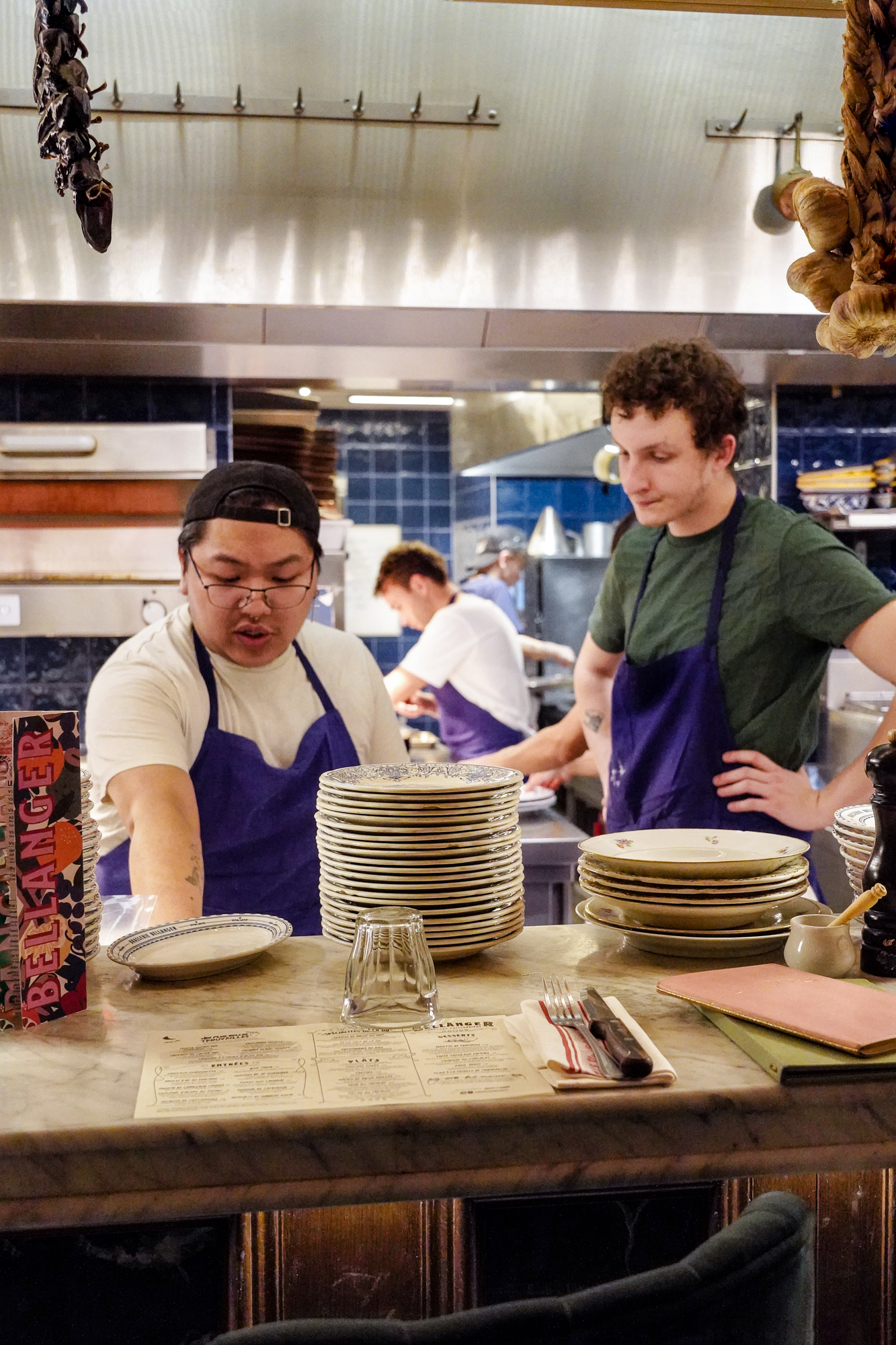
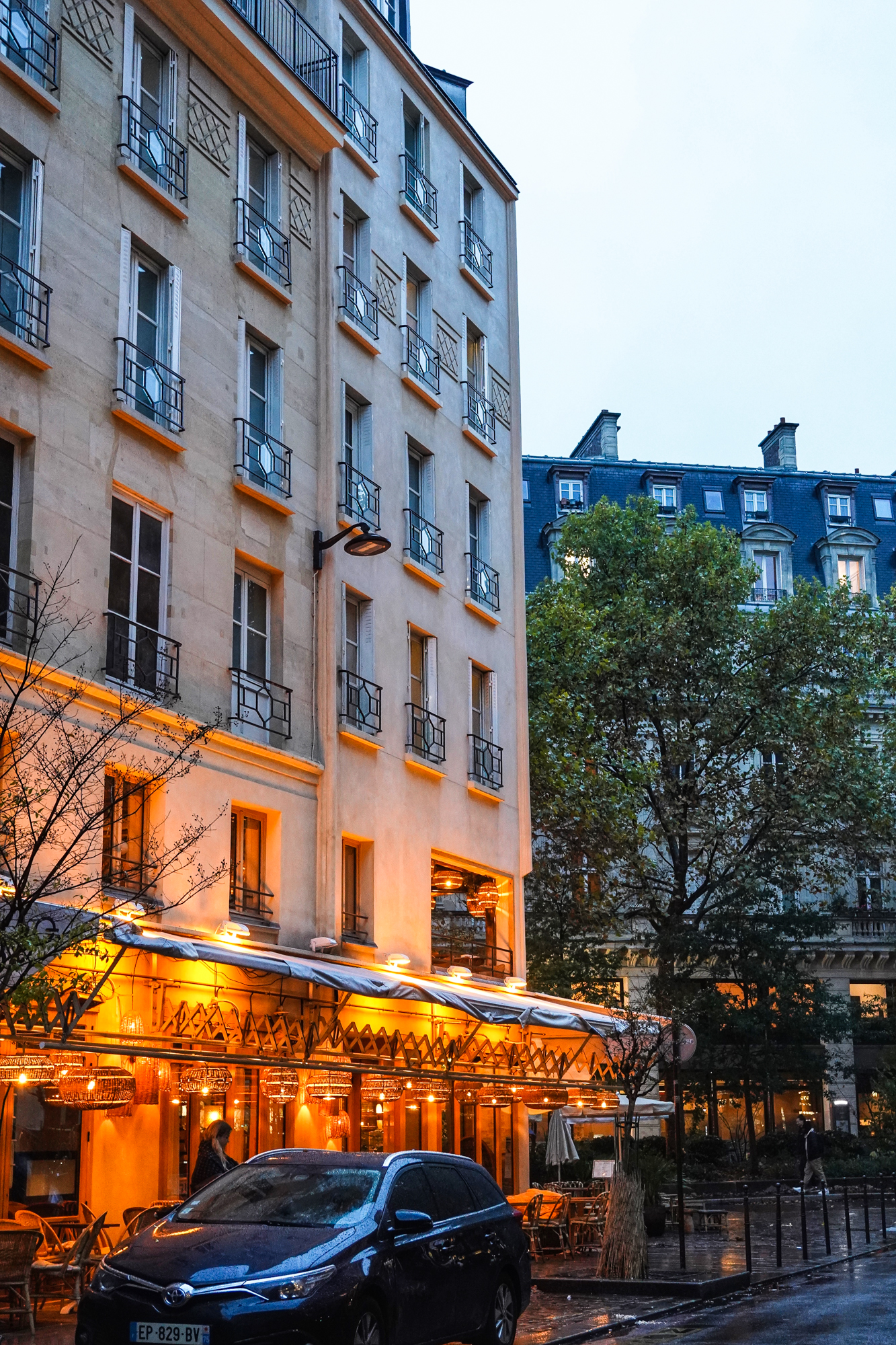
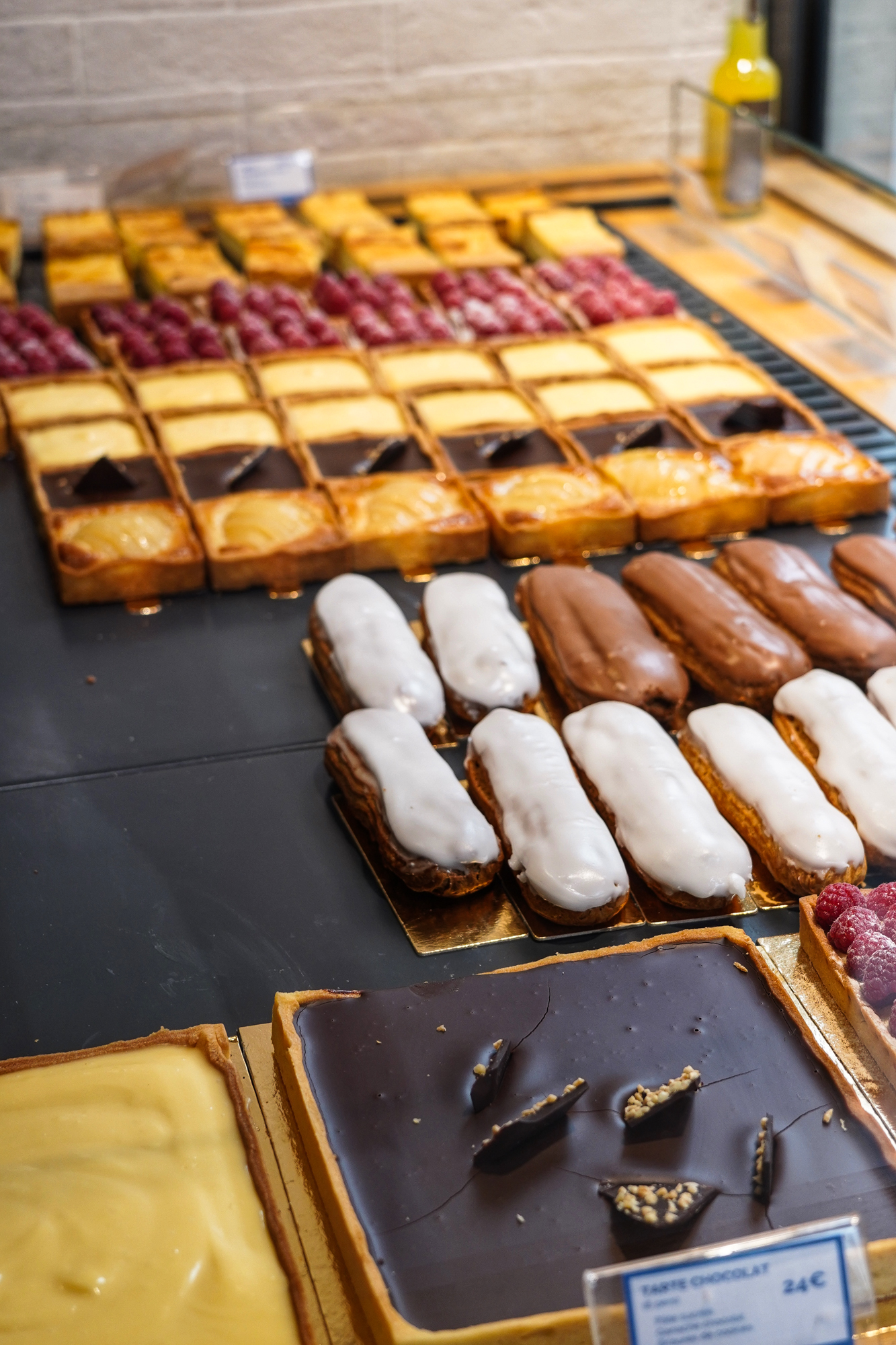
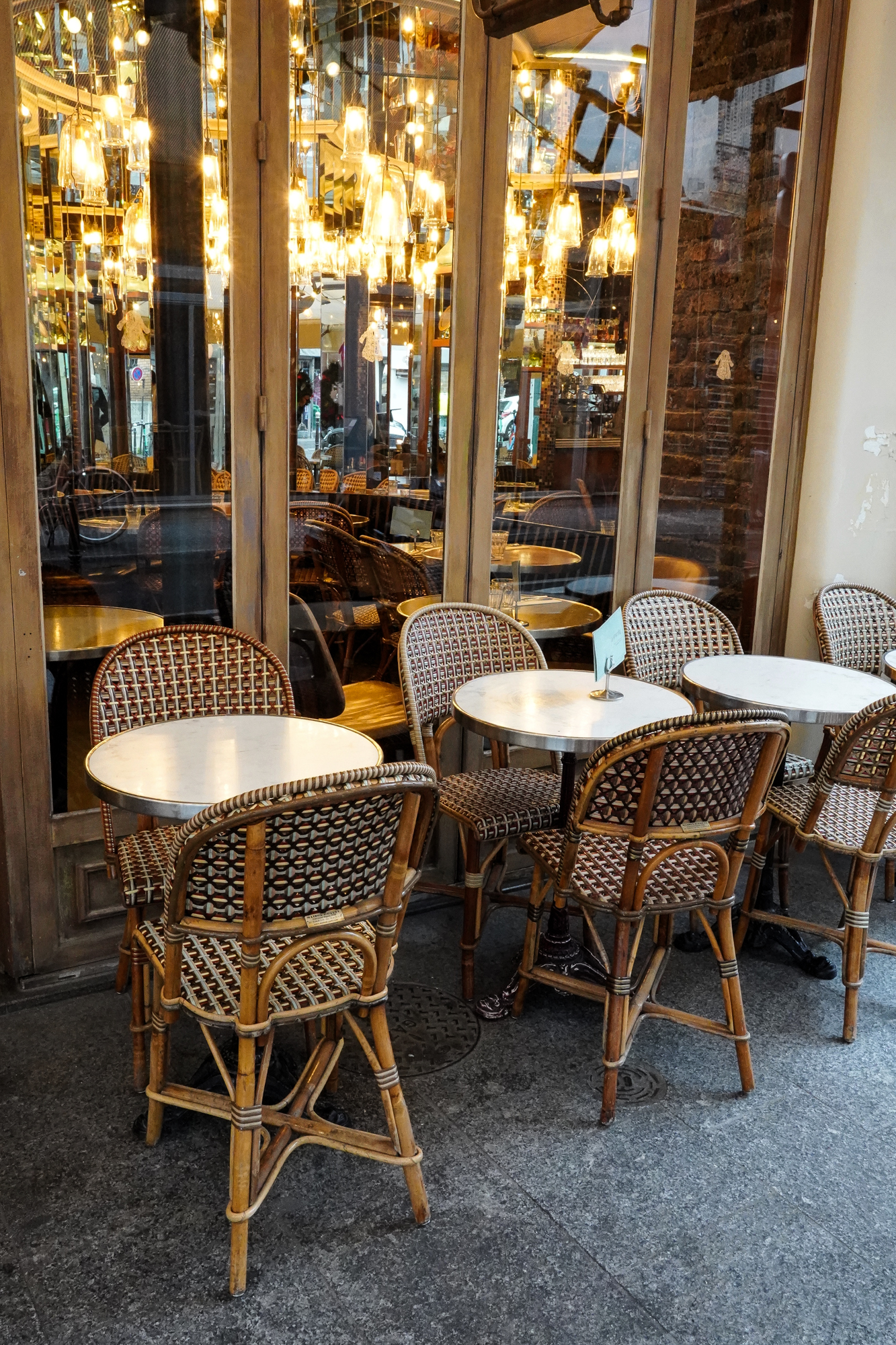
Our first night in Paris was a whirlwind. Roy was finding his way past a million cars to the 9th arrondissement where we dropped off our luggages at our hotel and ran to our dinner reservation at Bellanger. We arrived feeling flustered and was led into the brasserie which looked like an intimate bar of fashionable people drinking wine to the tunes of a Saint Laurent playlist. Our waiter was a tall, charming man who served us a delicious tray of saucisse, grilled flank steak and leeks with mustard vinaigrette. The entire time, waiters who looked like they had just finished shooting a Jacquemus ad were bringing food to the tables. When it was time for dessert, we ordered the Paris Brest. Our waiter flashed us the most charming smile and said approvingly, “Best dessert ever guys.”

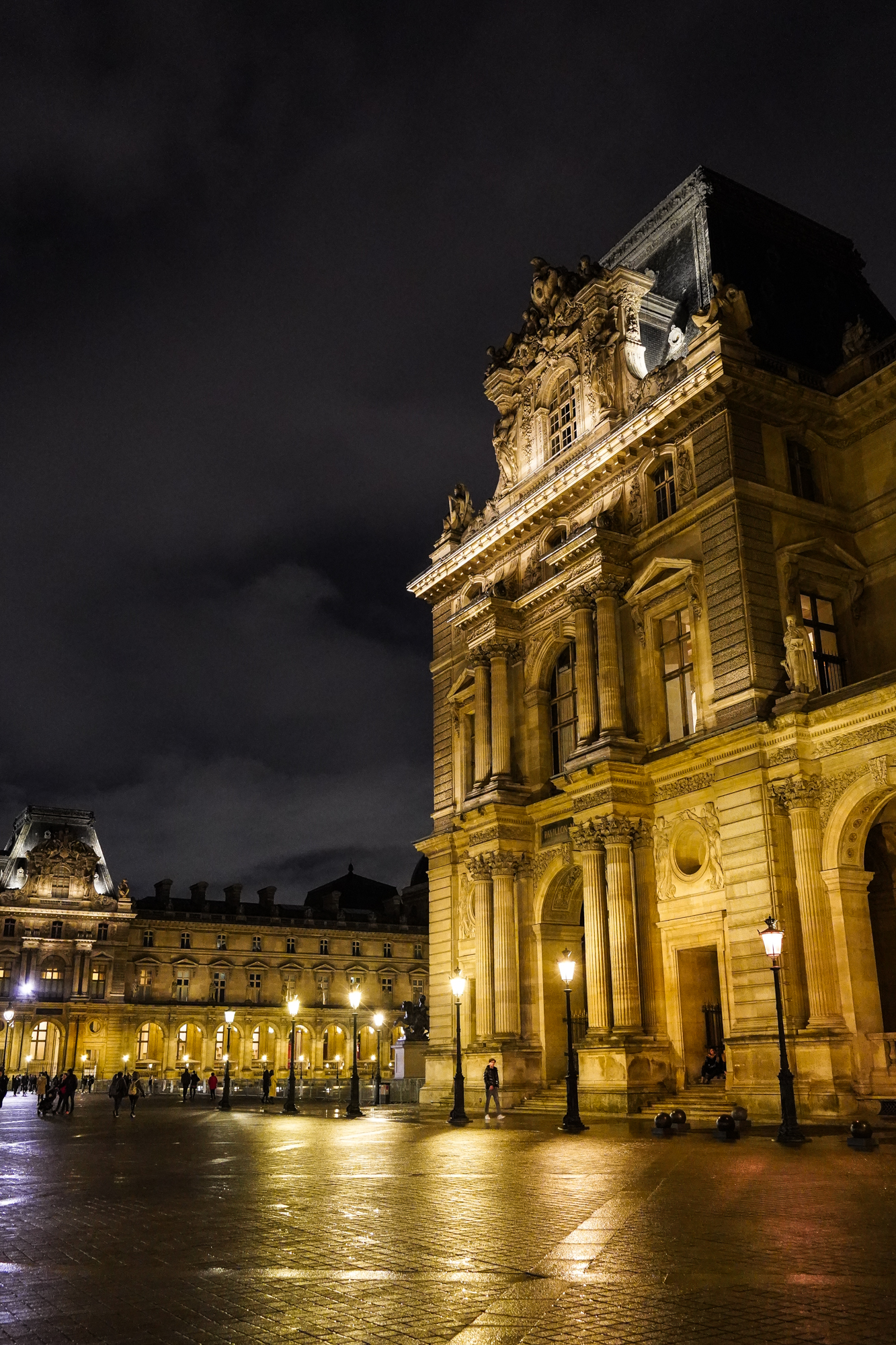
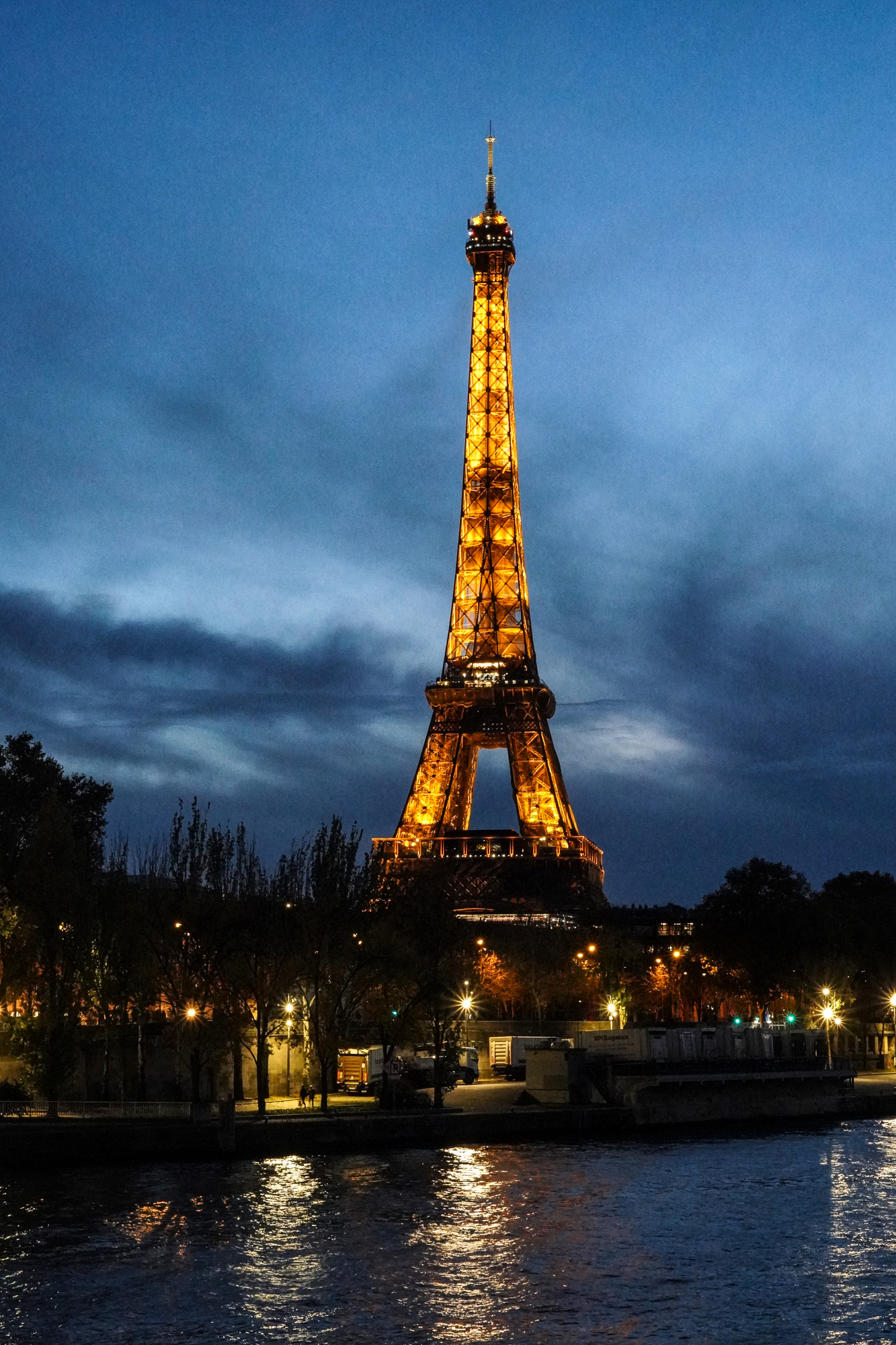
Everything feels like a blur now but I can still remember this beautiful night in Paris

DSC01398_edited

DSC01396_edited

DSC01399_edited

DSC01394_edited

DSC01400_edited

DSC01391_edited

DSC01407_edited

DSC01408_edited

PARISIAN CLASSICS

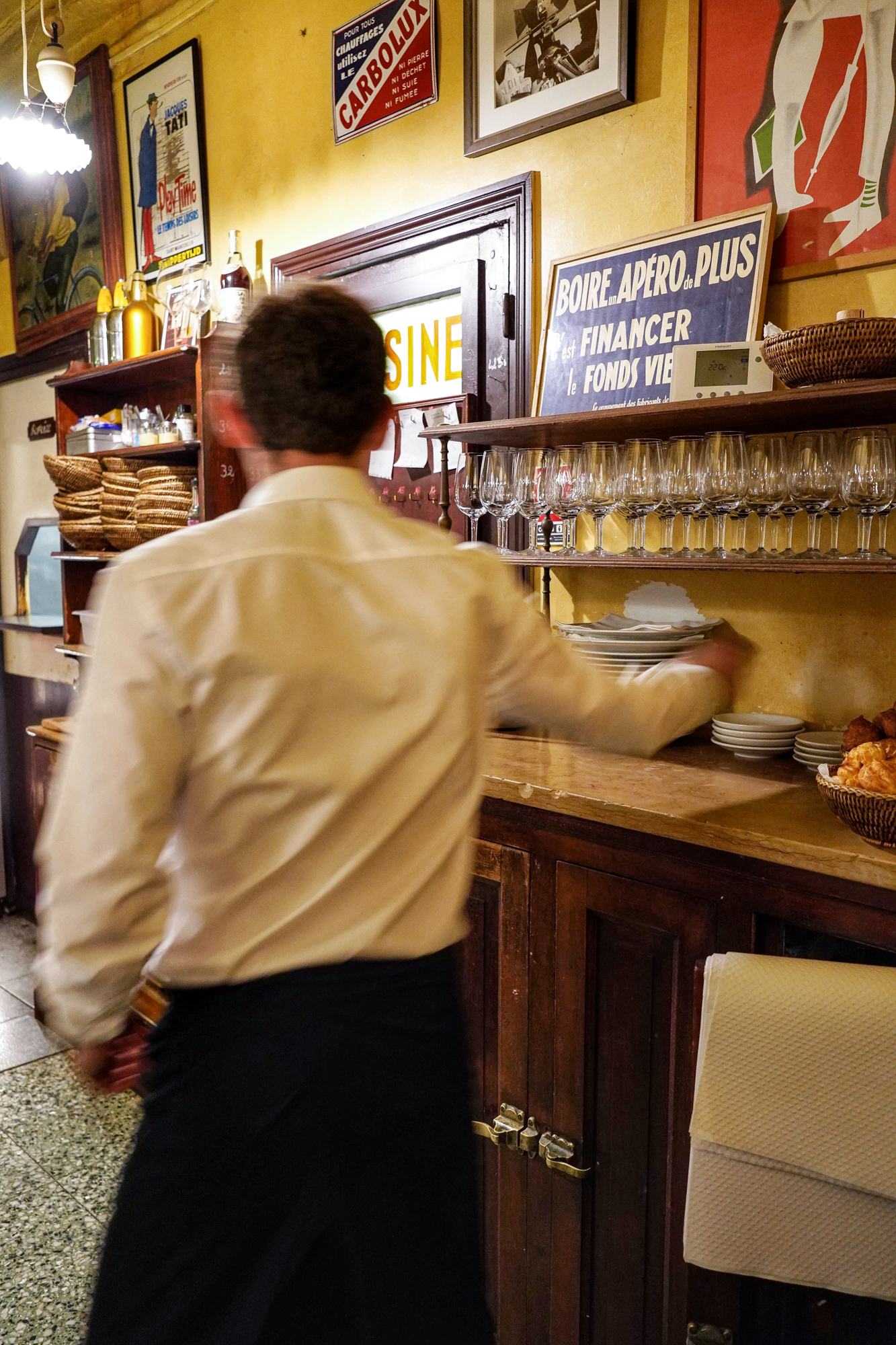
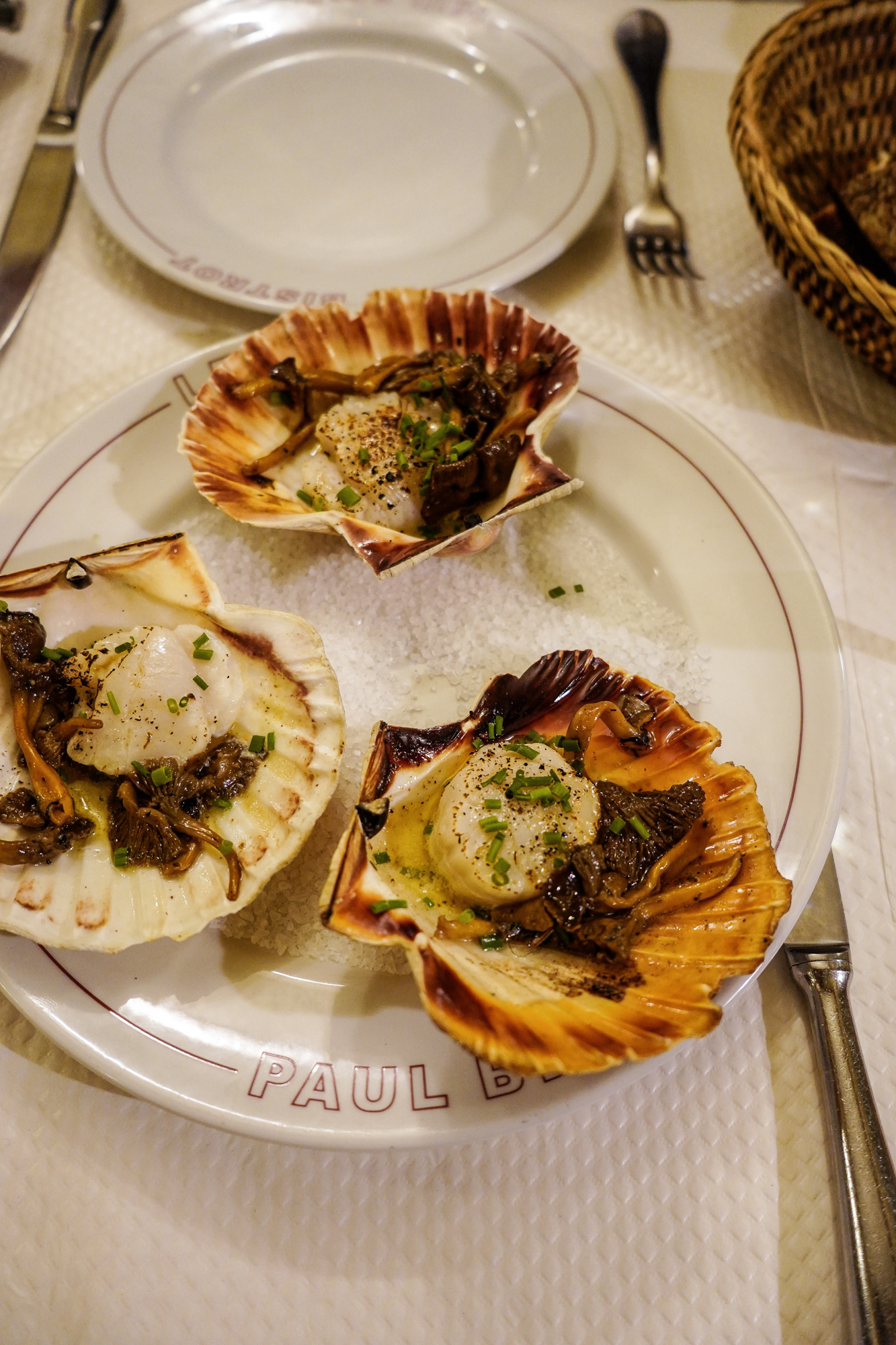
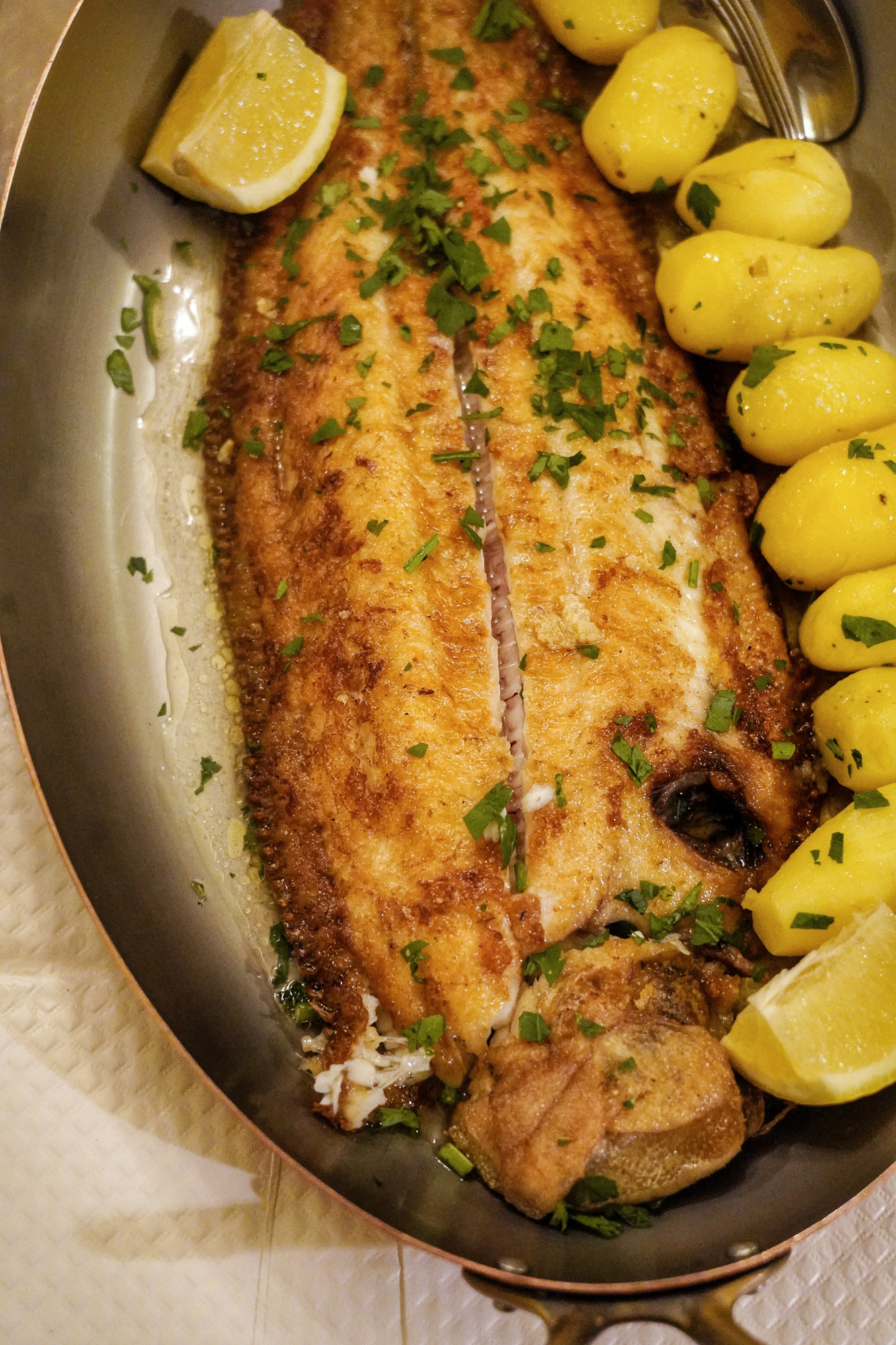
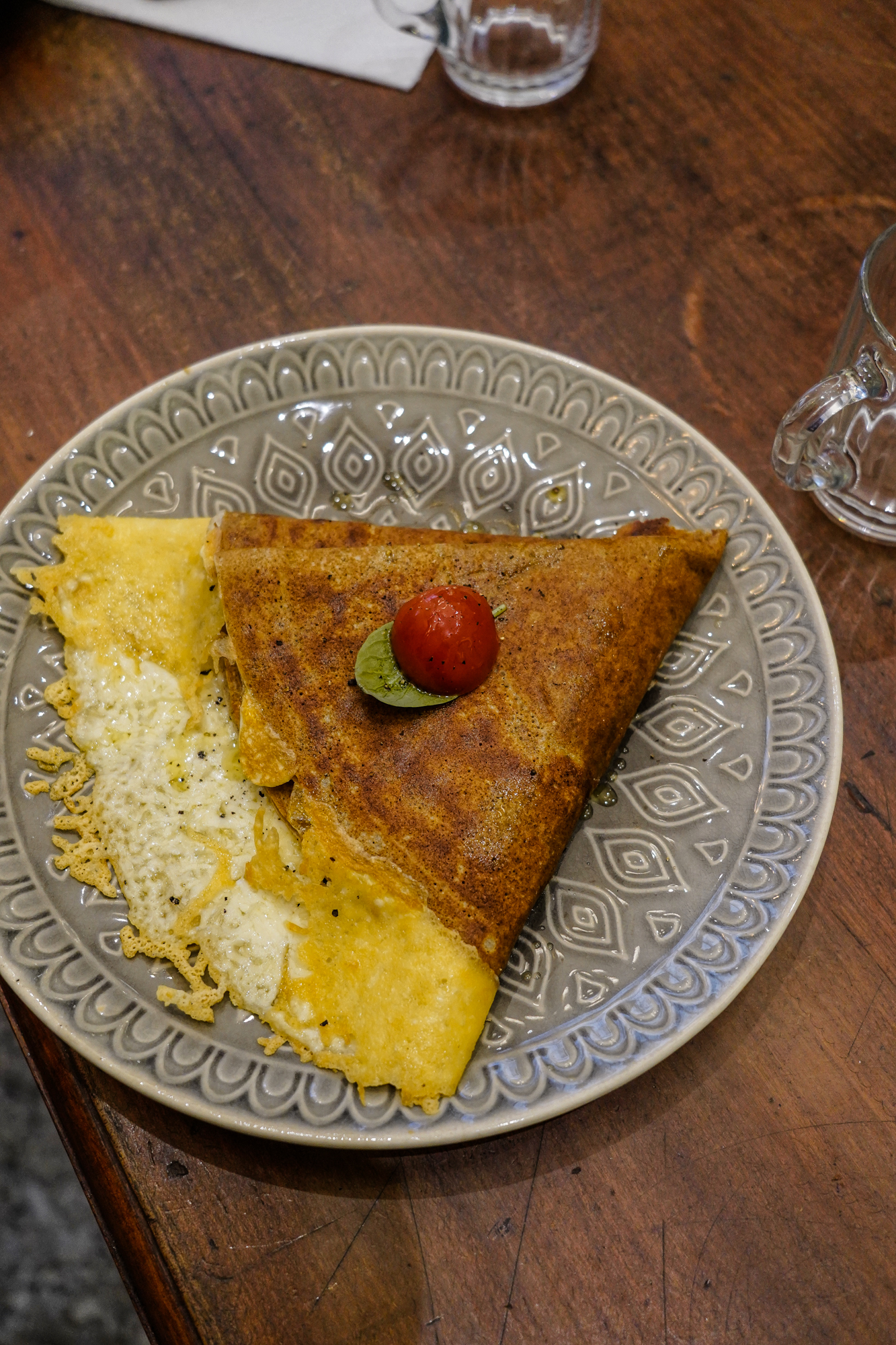
Paris is a place of old cuisine. Places like Bistrot Paul Bert have stood the test of time, so old that even the French get preferential tables and classics like sole meuniere and steak au poivre are still served. In the 10th arrondissement, the creperie La Droguerie makes the most traditional of French crepe – ham, cheese and egg.

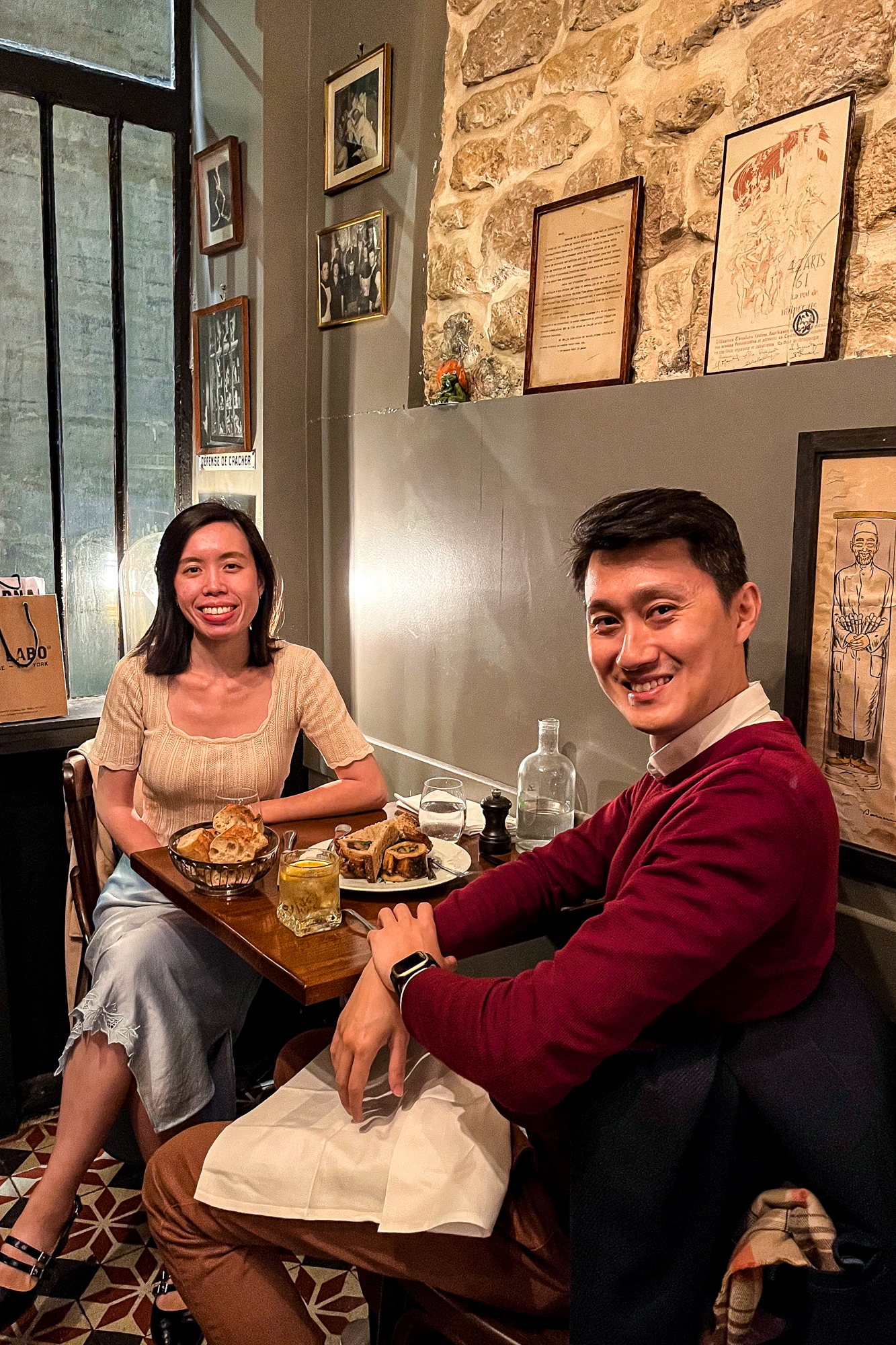
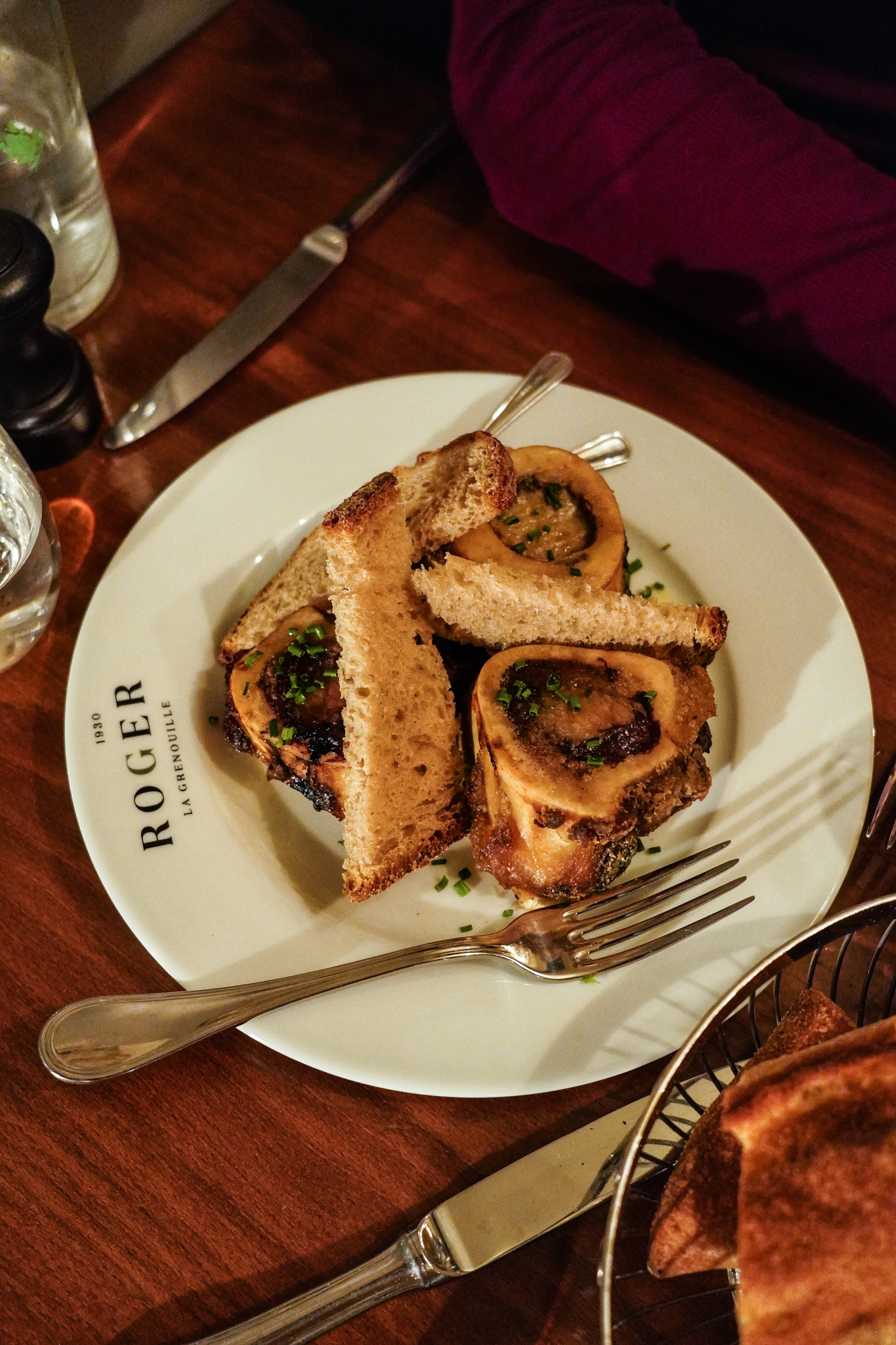
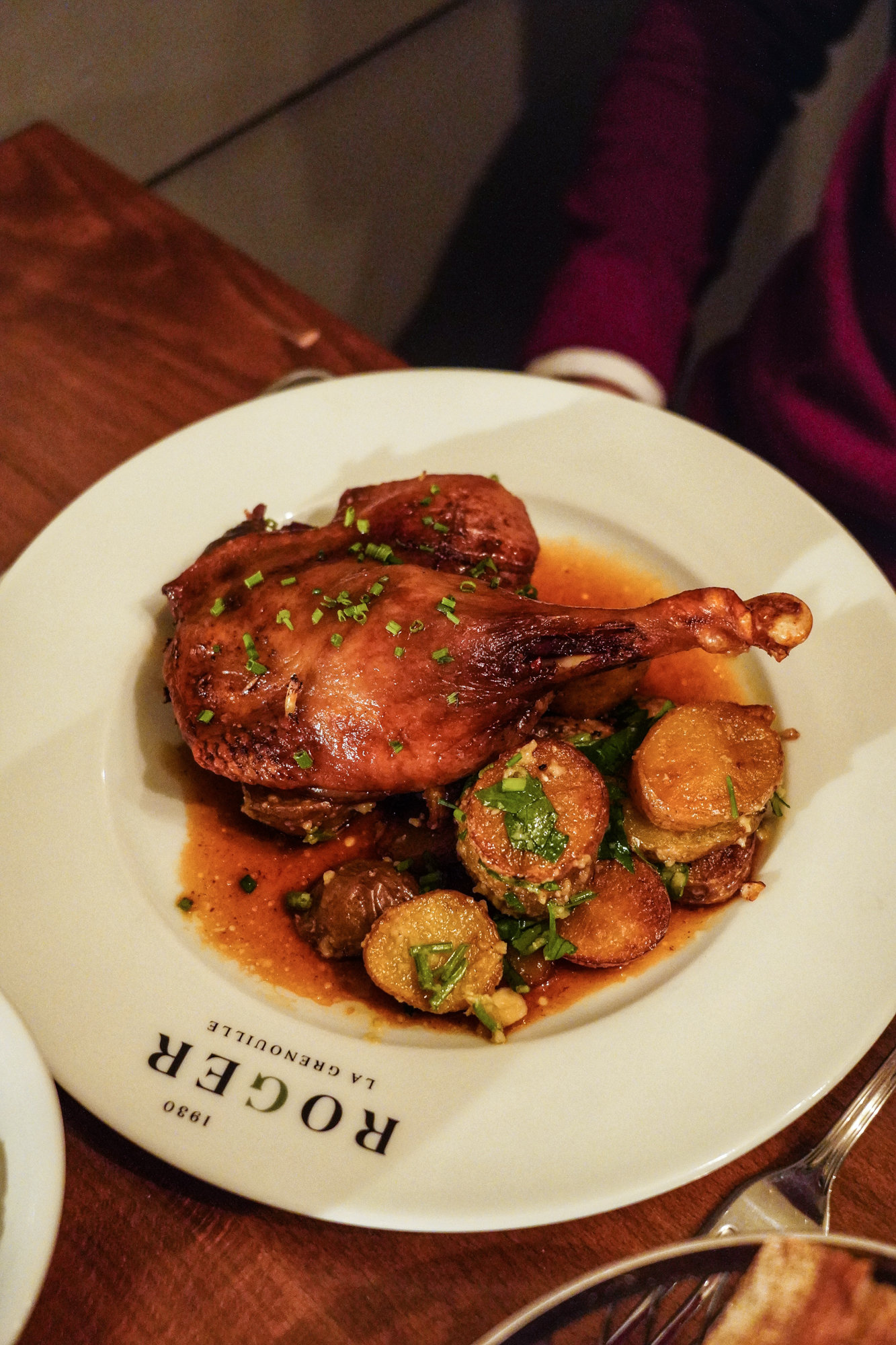
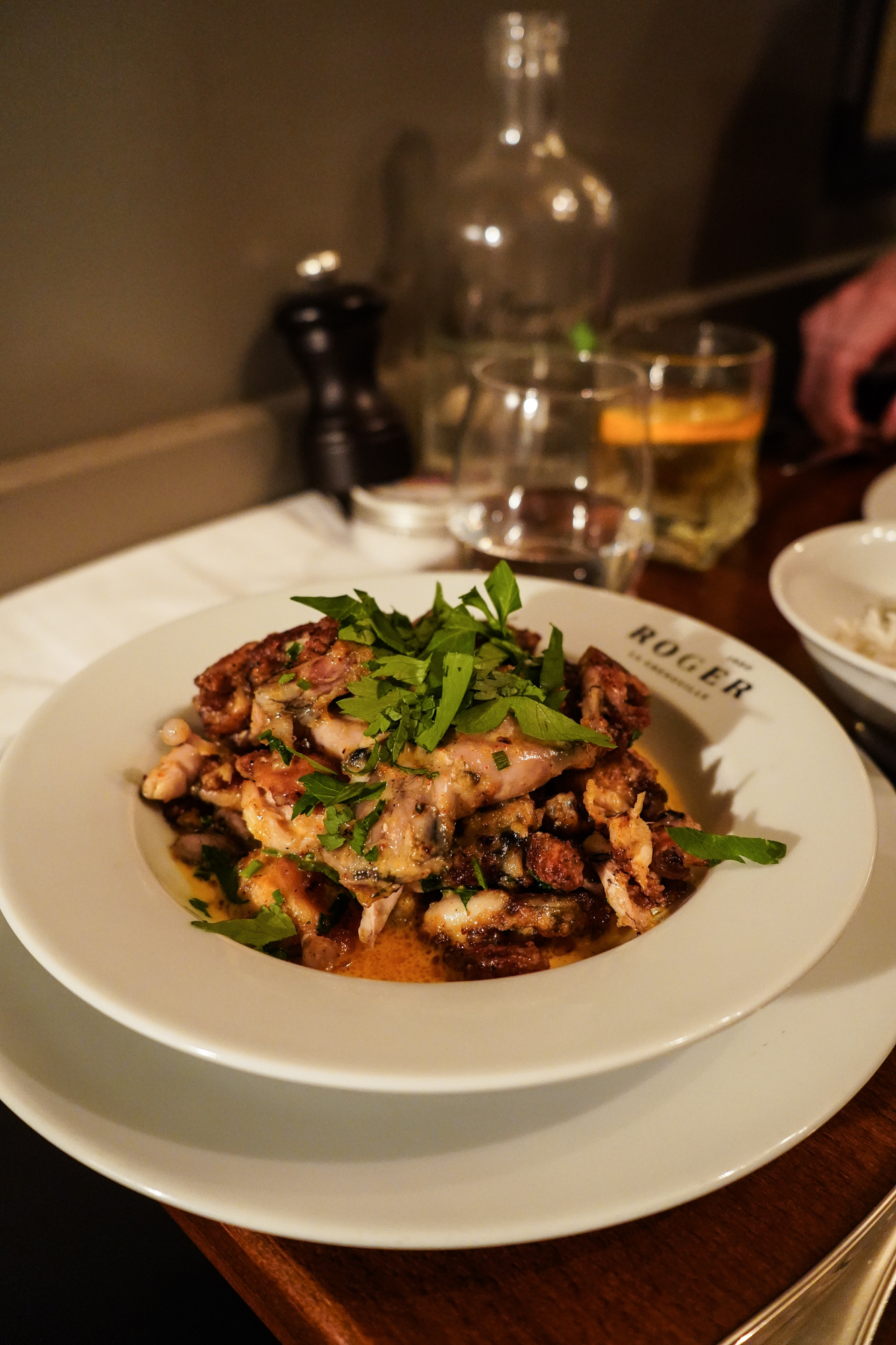
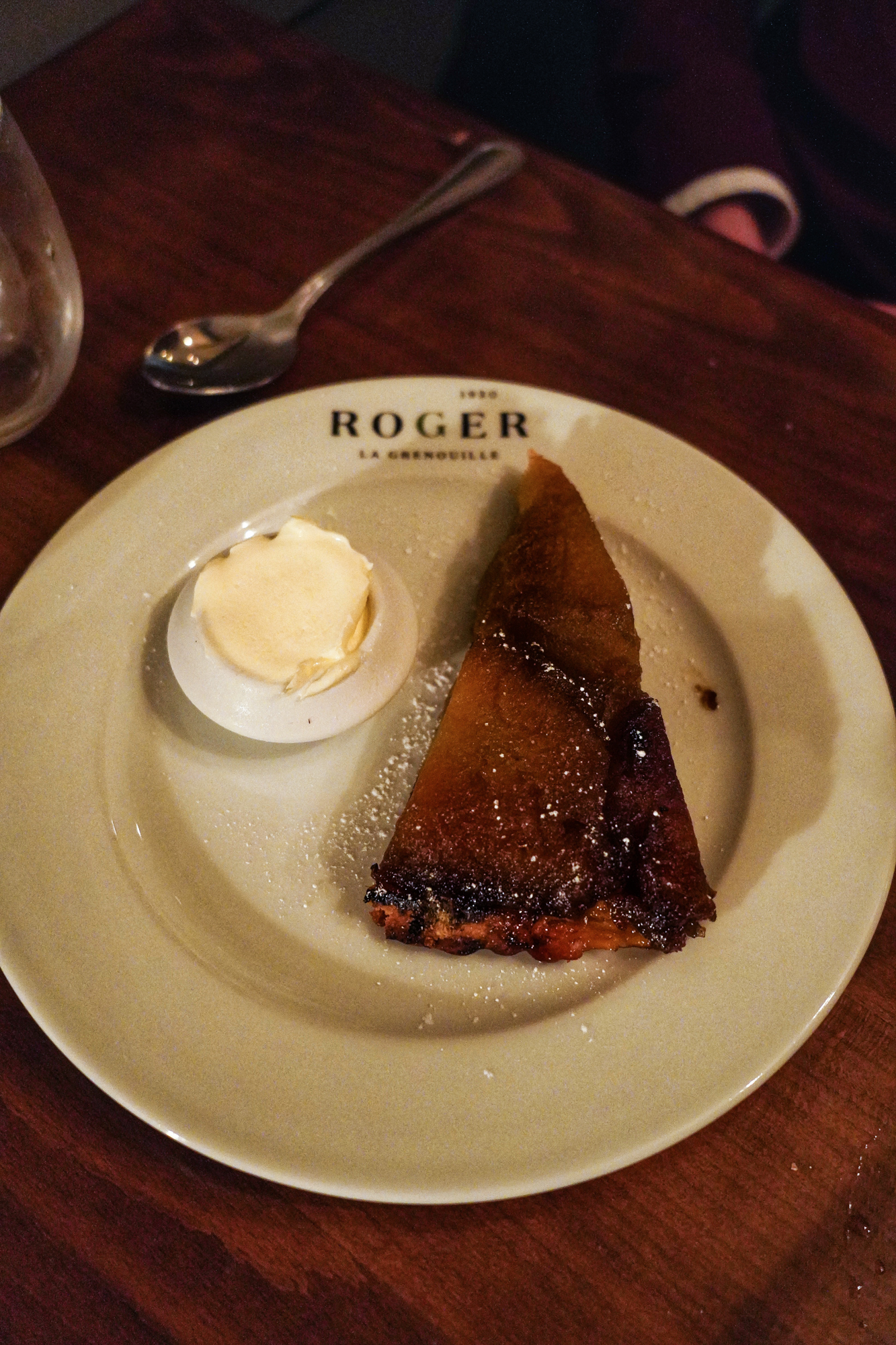
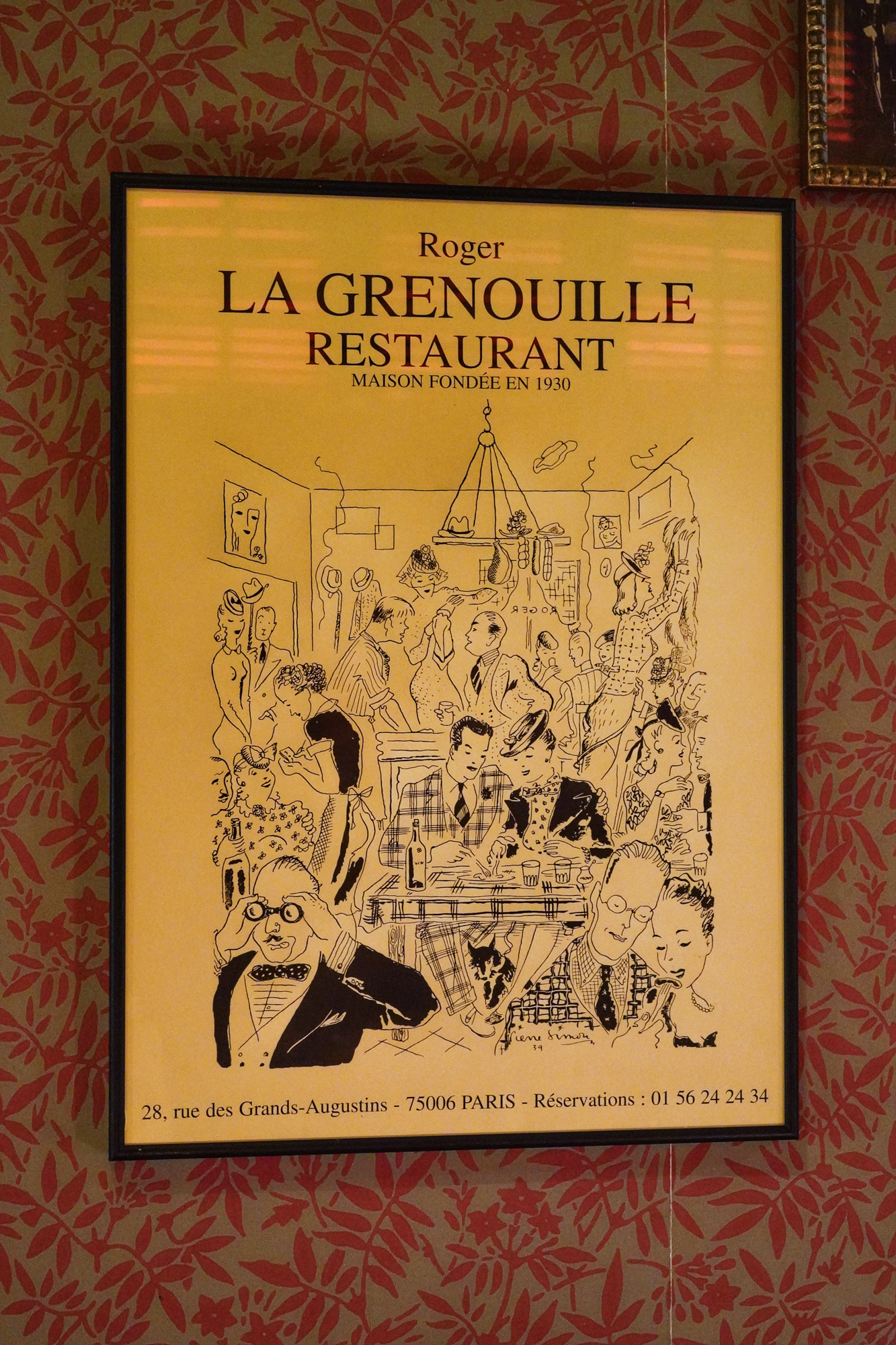
We were looking for a very old French dish – frog legs à la persillade – when we found Roger La Grenouille in the 11th arrondissement. Frog legs, an old world classic, have become a rarity even in the South of France. We came for the things that the French do best: roasted bone marrow, duck confit, tarte tartin and of course, frog legs. During dinner, an old American couple came in with rainwater trailing their umbrellas. They were not here for dinner, just to return a framed drawing to the restaurant. There was a commotion and then a bottle of champagne was popped. They were here during the early days of the restaurant, some thirty years ago, when everyone was still wearing frog hats. They had gotten the artwork then and wanted to return it now. “It was a wild time,” they told us as they sipped from their glasses. “Champagne for you too!” A man from the restaurant, whom we could only presume was an important person in the restaurant’s legacy, insisted. As we drank our champagne, we saw that his eyes were glistening with tears. It was a touching moment for a restaurant to be so fondly remembered for such a long time

DSC01437_edited

DSC01439_edited

DSC01442_edited

DSC01444_edited

DSC01443_edited

DSC01449_edited

DSC01454_edited

DSC01462_edited

DSC01465_edited

DSC01423_edited

DSC01428_edited

DSC01429_edited

DSC01514_edited

DSC01513_edited

DSC01512_edited

DSC01530_edited

DSC01567_edited

IMG_1061_edited

DSC01571_edited

DSC01572_edited

DSC01576_edited

DSC01582_edited

DSC01588_edited

DSC01590_edited

DSC01591_edited

DSC01594_edited

DSC01597_edited

DSC01681_edited

THE FRENCH CHICKEN 

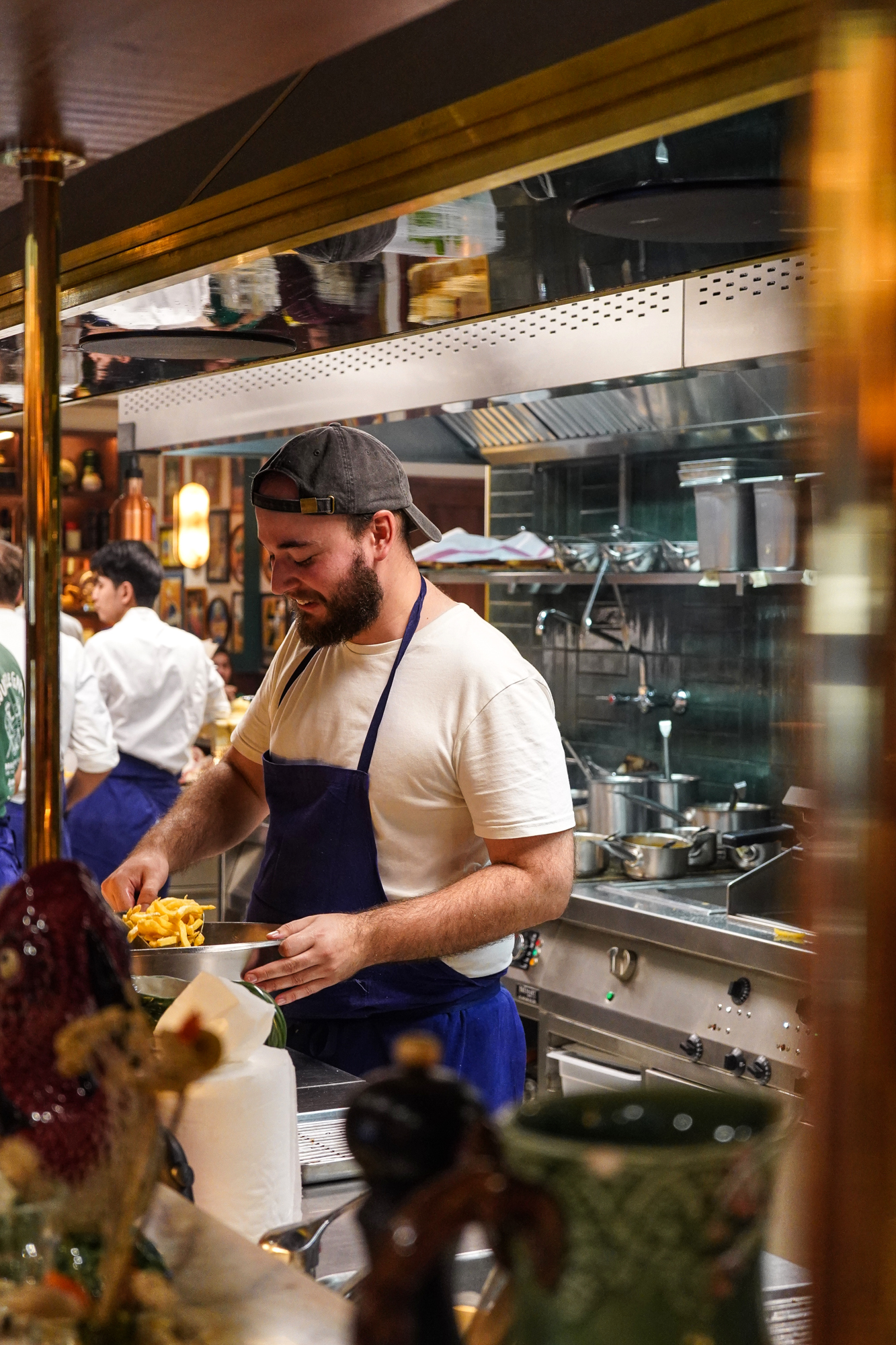
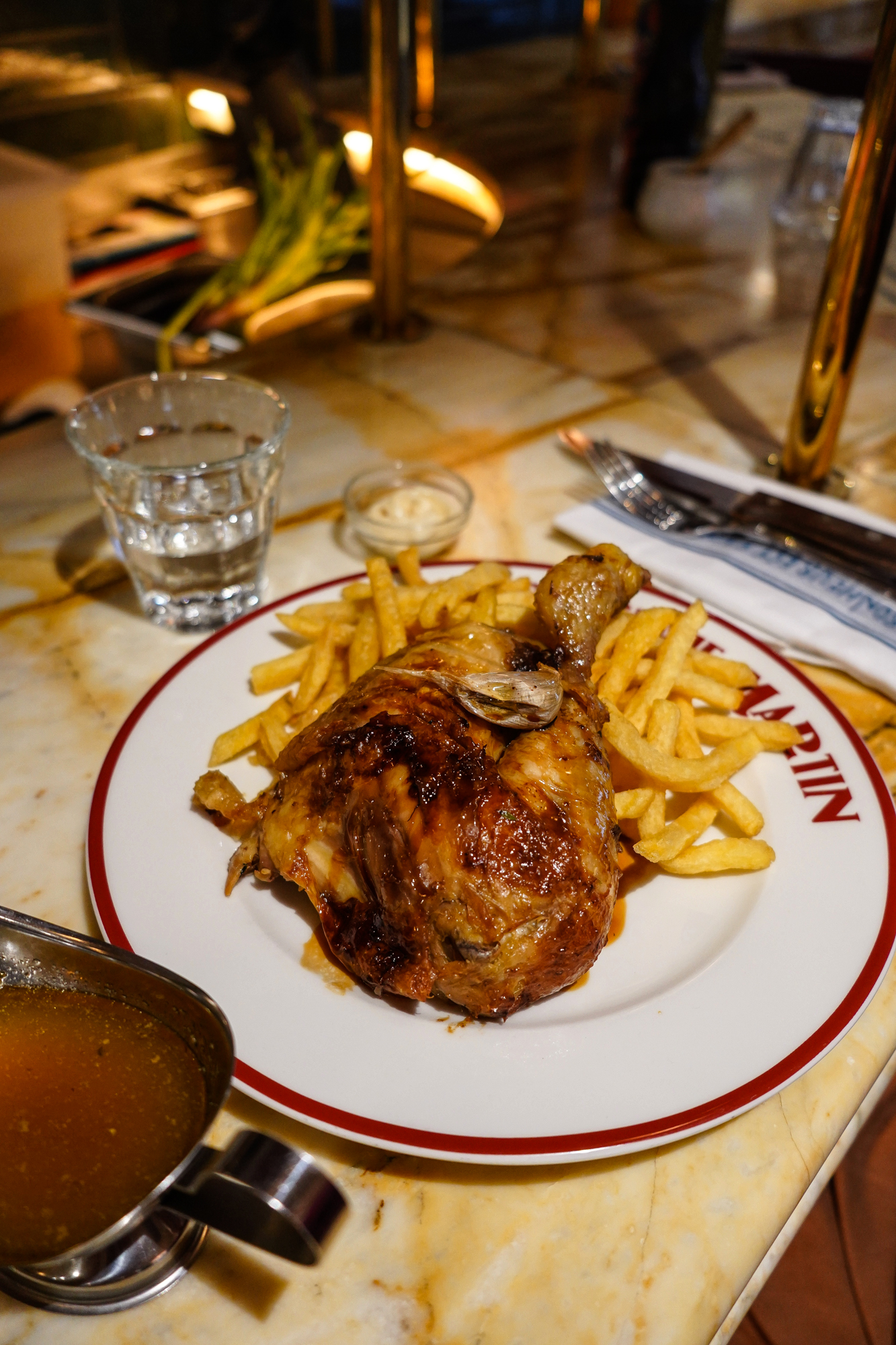
The French chicken is an undeniable classic. We had ours at Brasserie Martin. Roy loves the thigh while I prefer the breast. It’s an ongoing debate but I always argue that when done right, the breast will be moist and tender. To each their own. I love chicken roasted the simple way. The French way. Only salt and pepper. Maybe a little lemon or herbs but nothing more. The rest is technique. The timing, the temperature, the rotisserie. This is something I happily leave to the professionals while I sit back and wait, with a glass in hand, for the plate to arrive. At the end of it, I can truly say that the no one does a roast chicken better than the French. 

DSC01473_edited

DSC01487_edited

DSC01479_edited

DSC01485_edited

DSC01493_edited

DSC01494_edited

SHOPPING

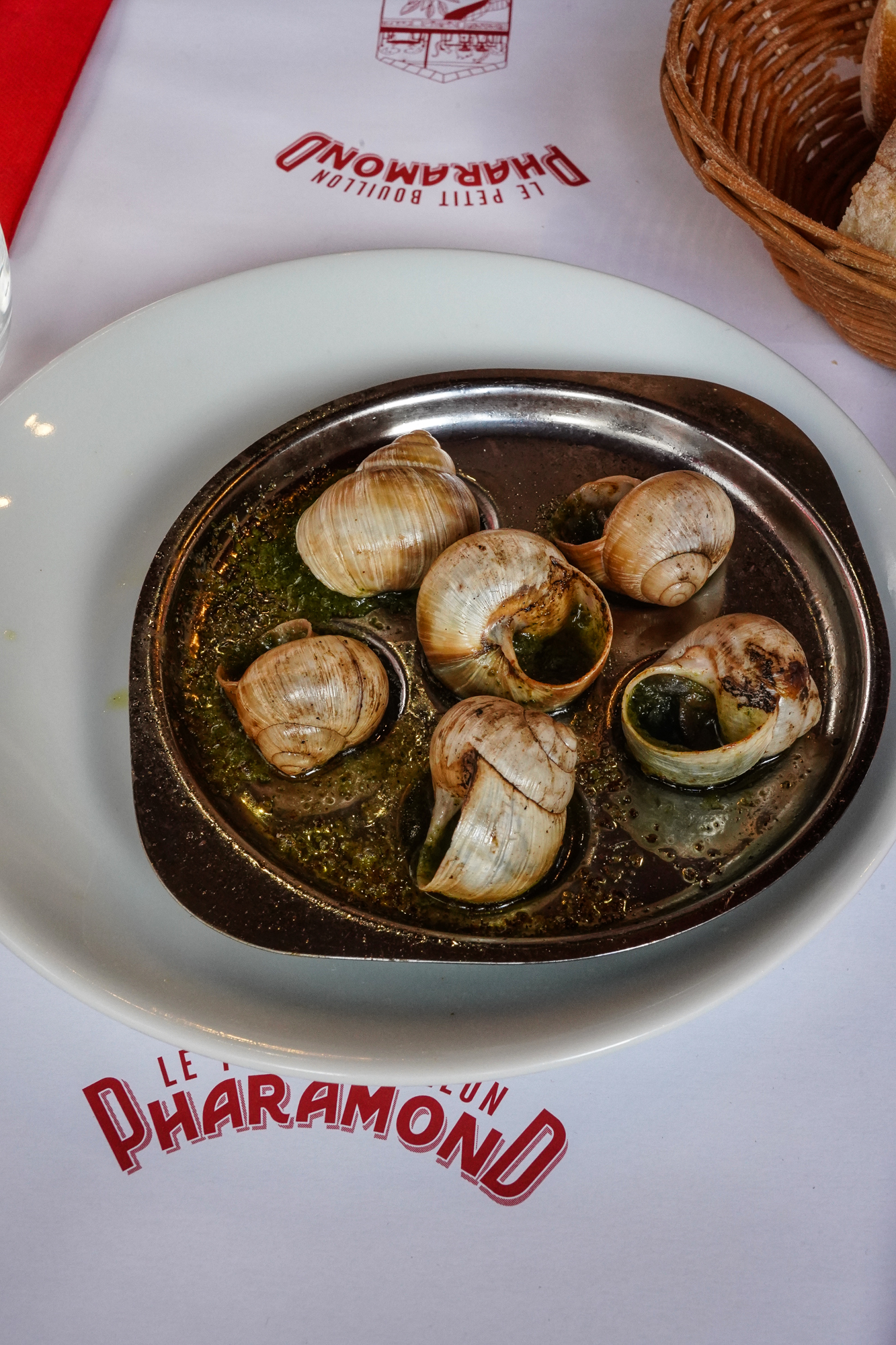
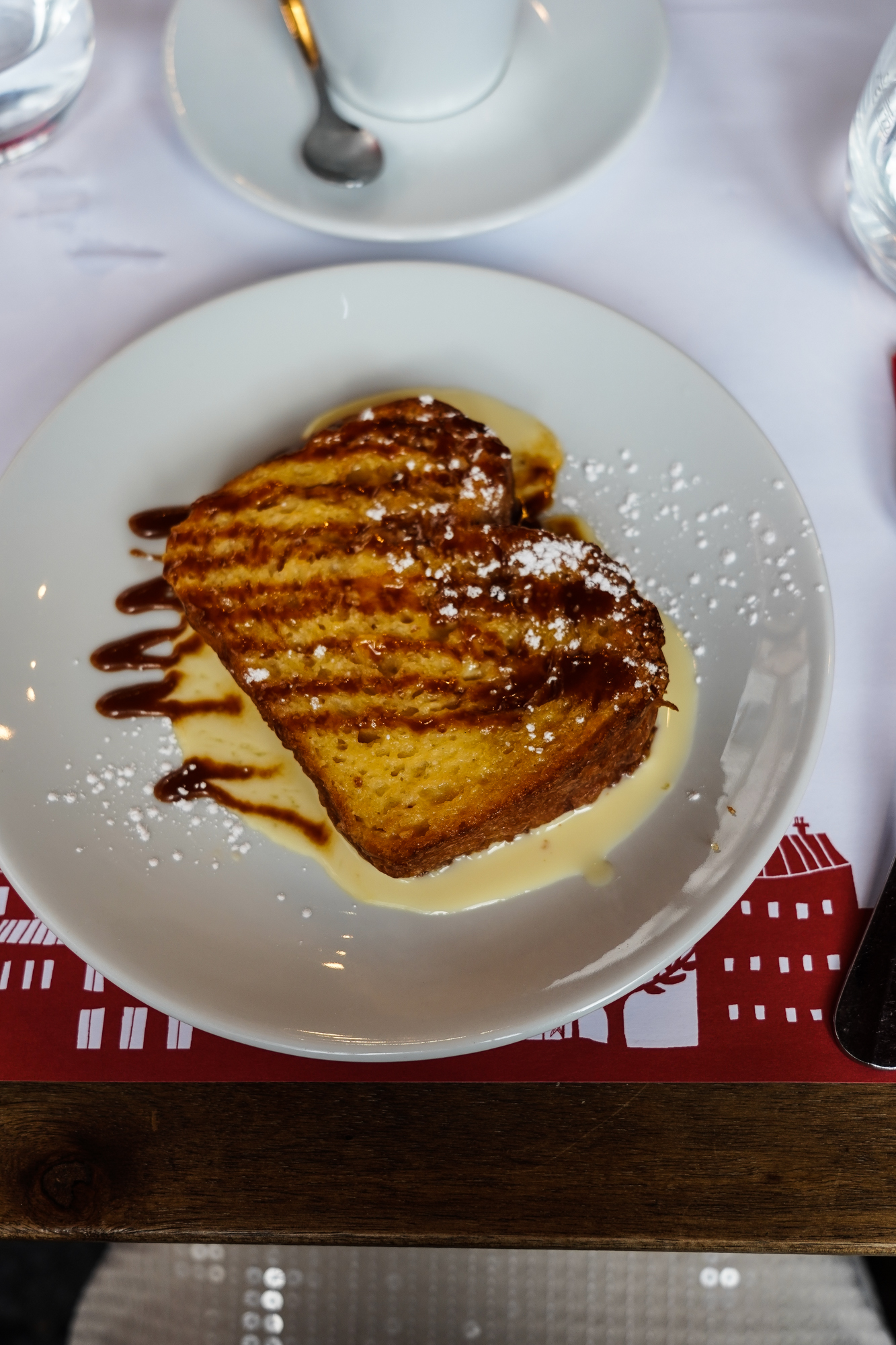
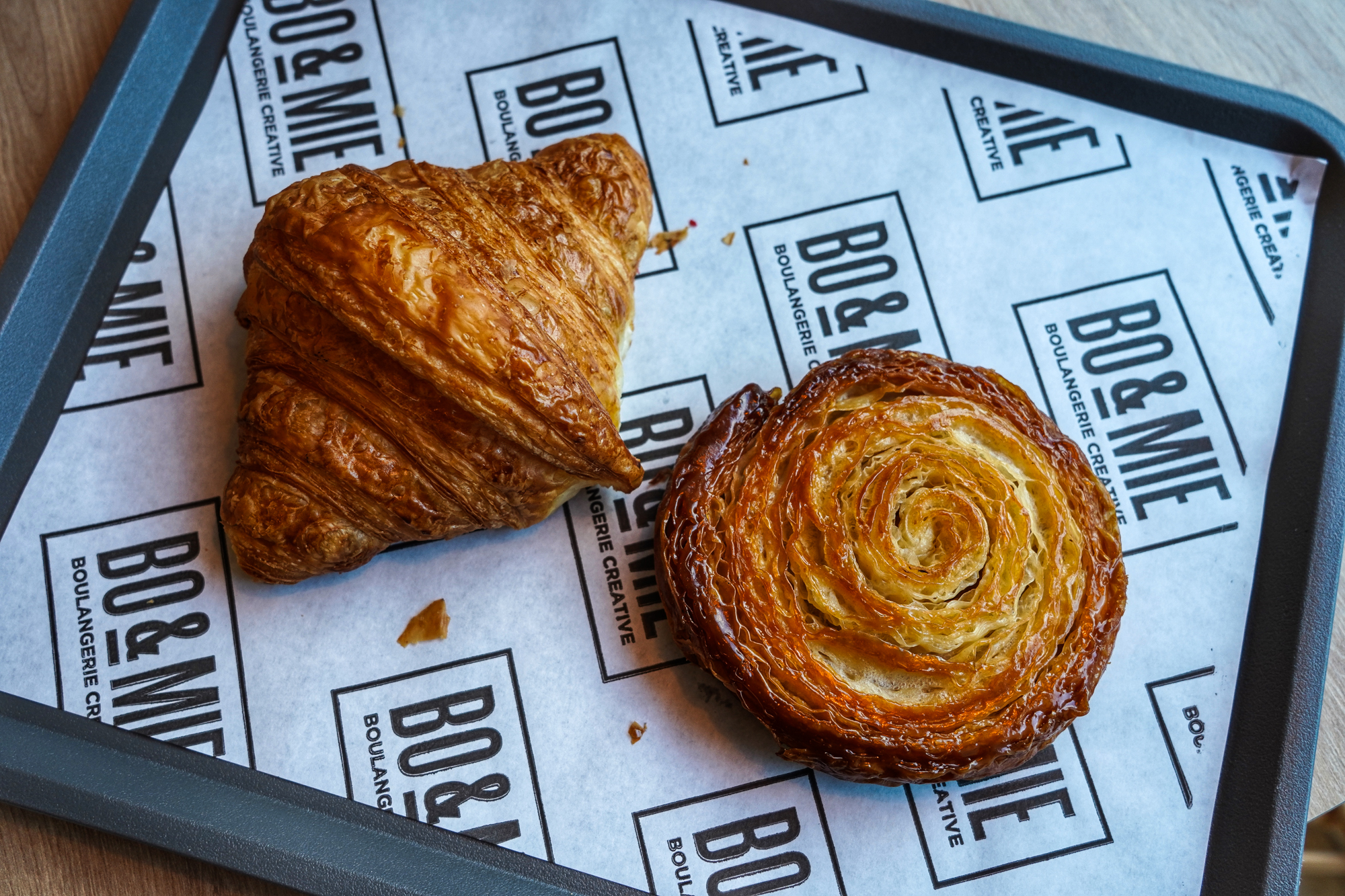
We started our day with a lunch of escargots, duck confit, beef bourguignon and french toast at Le Petit Bouillon Pharamond. It was a long queue but the waiter gave us a table outside where thin well-dressed ladies with cigarettes preside. The day was supposed to be just about food. Parisian food. But Paris was also fashion. After a few shirts at Café Coton (Roy of course), we shopped for cookware at E. Dehillerin and chocolates at François Pralus. Then came the time for our pre-dinner snack – a coffee, croissant and kouign-amann at Bo & Mie

DSC01685_edited

DSC01697_edited

DSC01708_edited

DSC01703_edited

DSC01713_edited

DSC01719_edited

DSC01728_edited

DSC01729_edited

DSC01731_edited

DSC01732_edited

DSC01735_edited

DSC01666_edited

DSC01733_edited

DSC01737_edited

DSC01568_edited

DSC01741_edited

DSC01744_edited

DSC01746_edited

DSC01756_edited

DSC01749_edited

DSC01766_edited

DSC01759_edited

DSC01761_edited

DSC01758_edited

PAIN D’ANTOINE

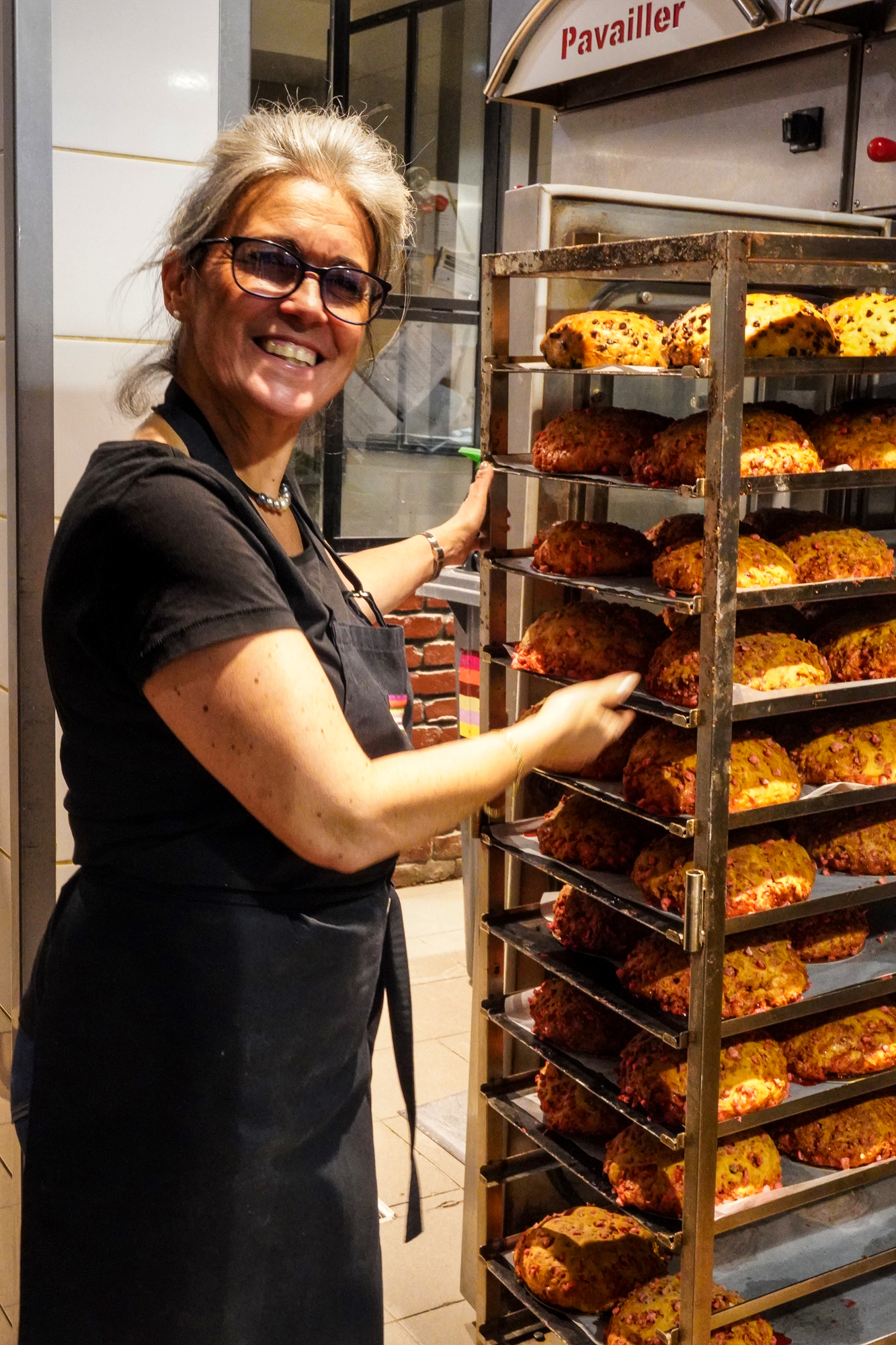
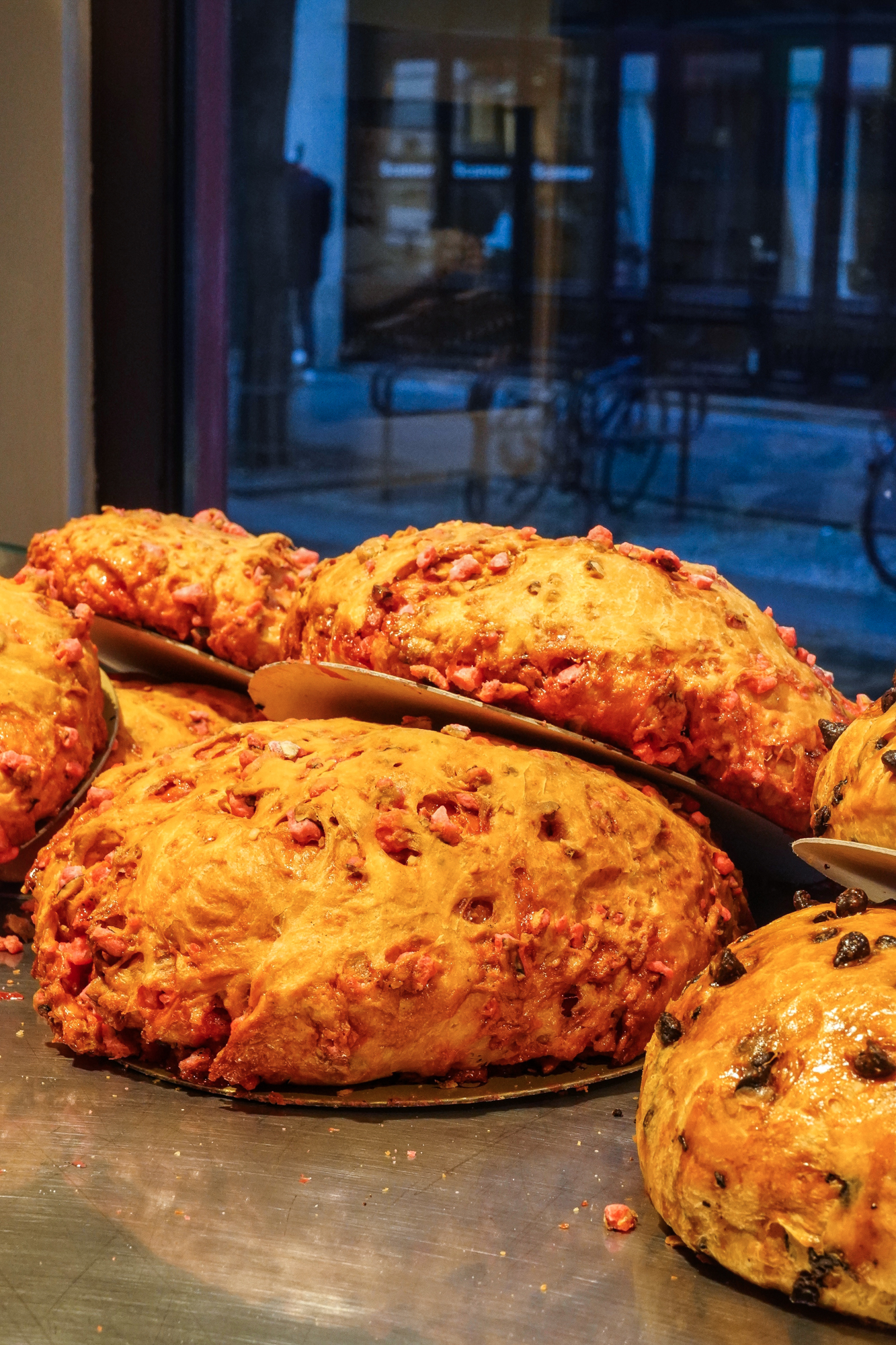
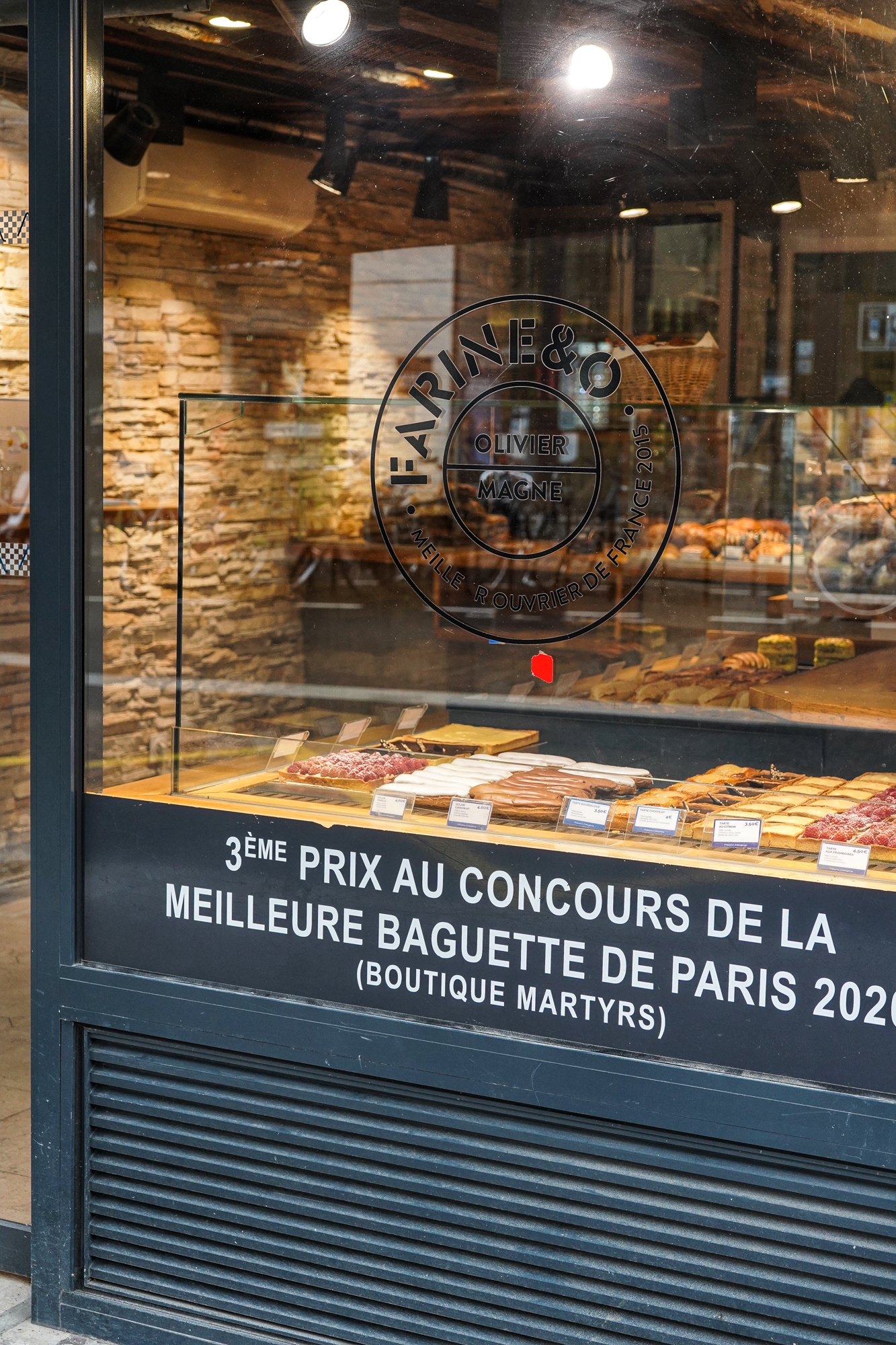
I never thought I could like something more than a pain au chocolat in Paris. It was a simple pastry at Farine & O that resembles a pain au chocolat. It was a pain d’antoine – orange zest in the flaky pastry and strips of hard chocolate on the outside. Chefs of Paris do not only replicate recipes of a hundred years ago. They change. They innovate. They are France’s capital. Chocolate and orange are a match made in heaven. 
DSC01505_edited

DSC01499_edited

DSC01503_edited

DSC01495_edited

DSC01412_edited

DSC01752_edited

DSC01676_edited

BRASSERIE BELLANGER

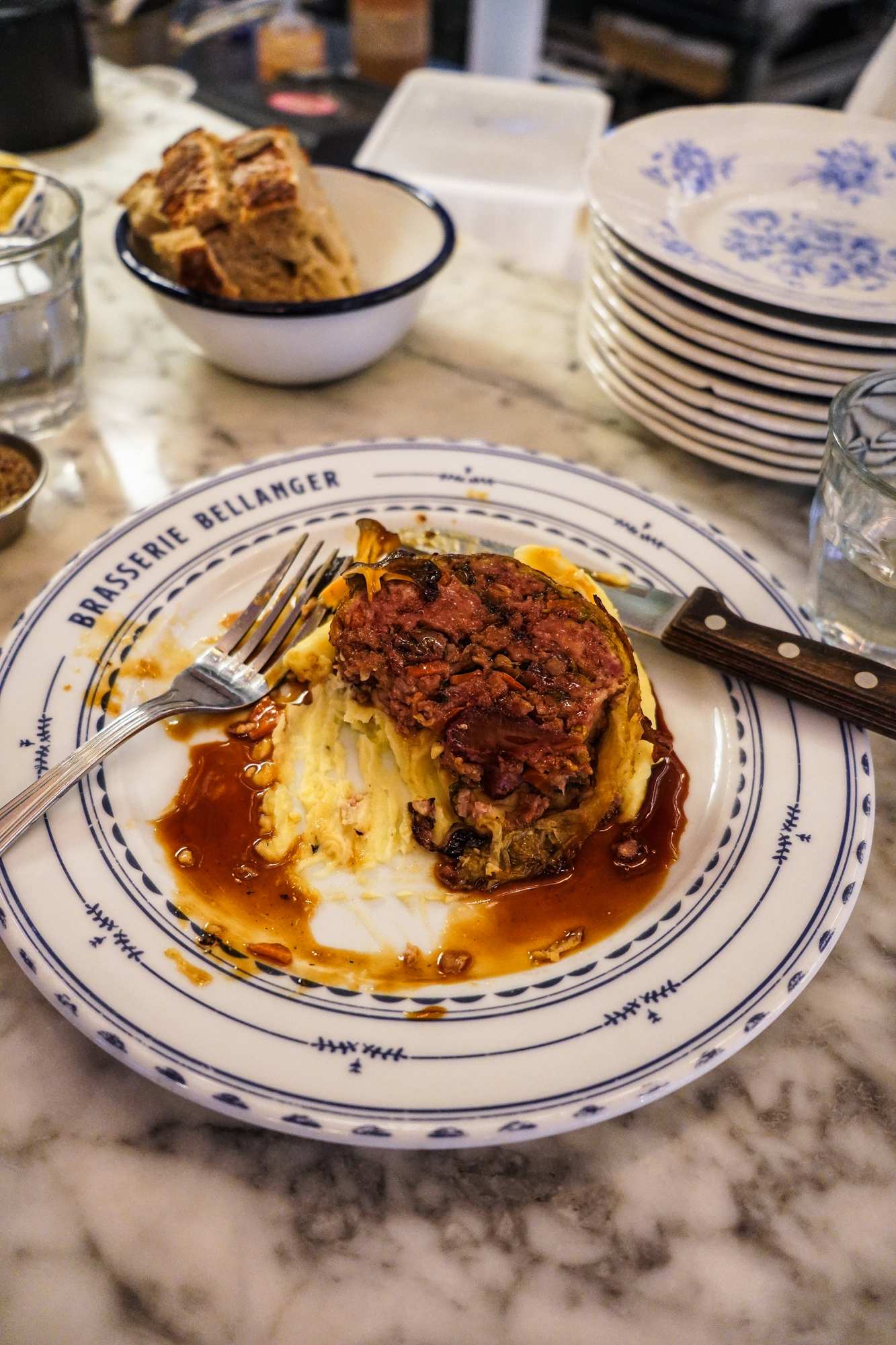
A few days later, we find ourselves back at Bellanger. I’m having the cabbage roll and Roy, the croque madame. He’s loyal to the madame, not the monsieur – something about the egg, he says, makes all the difference. Bellanger is part of a family of restaurants that call themselves La Nouvelle Garde. The new guard. They take old, beloved classics and dress them up just a little. Marrow gratin on oysters. French blood sausage crisped and dipped in applesauce. Caviar on potato dauphine. All served on polished porcelain or silverware. This is Paris at its best – always in style, never afraid to try something new. 
DSC01603_edited

DSC01686_edited

DSC01607_edited

DSC01632_edited

DSC01616_edited

DSC01618_edited

DSC01621_edited

DSC01637_edited

DSC01655_edited

DSC01648_edited

Food & Travel Guide to Provence, France – What to See, Eat & Do

France

I’ve come to know Provence through the taste of aioli, a sauce made of garlic, egg and olive oil. This is the sauce of the Mediterranean side of France. While butter is a staple, Provence’s climate in the far south yields aromatic herbs, tomatoes, apricots and above all, olive oil. The aioli is a humble reminder that France is a big country and its cuisine varied. But despite this variety, Provençal cuisine is still very much French. Complex cooking techniques that turn rural ingredients into polished masterpieces. Through this, the aioli took shape and became the sauce I reach for whenever fried potatoes are sent to the table
DSC00456_edited

FISHING VILLAGES

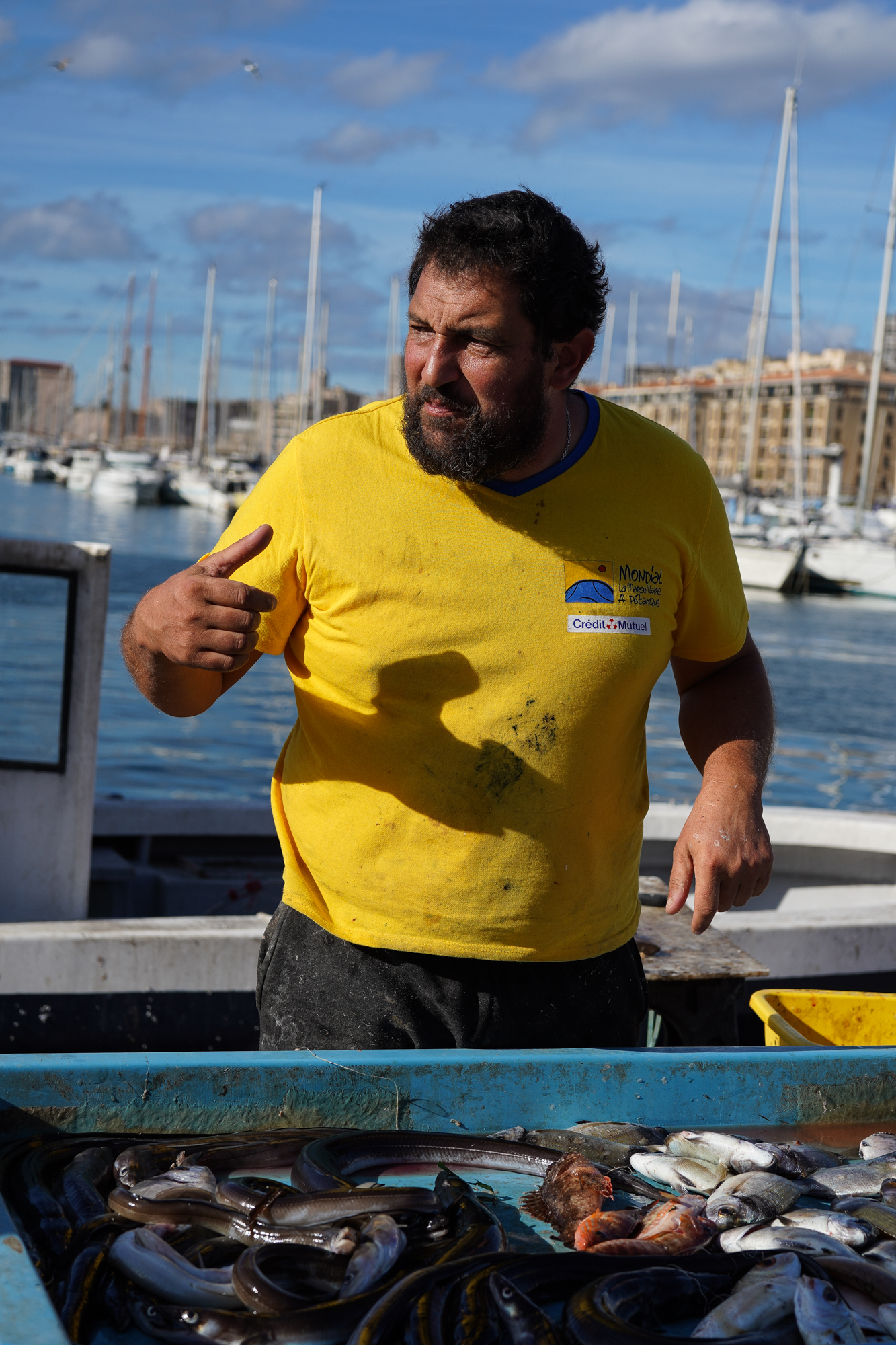
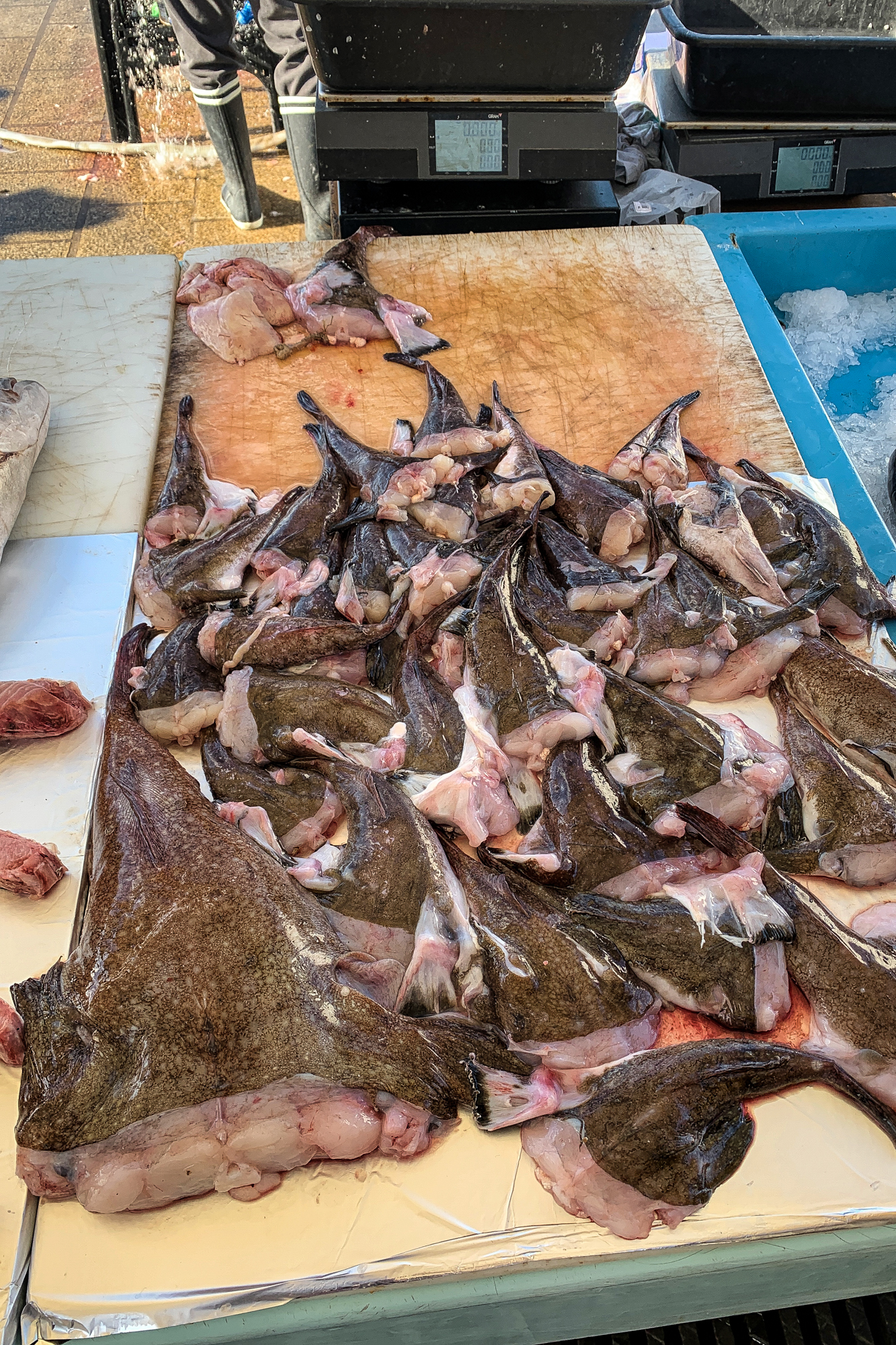
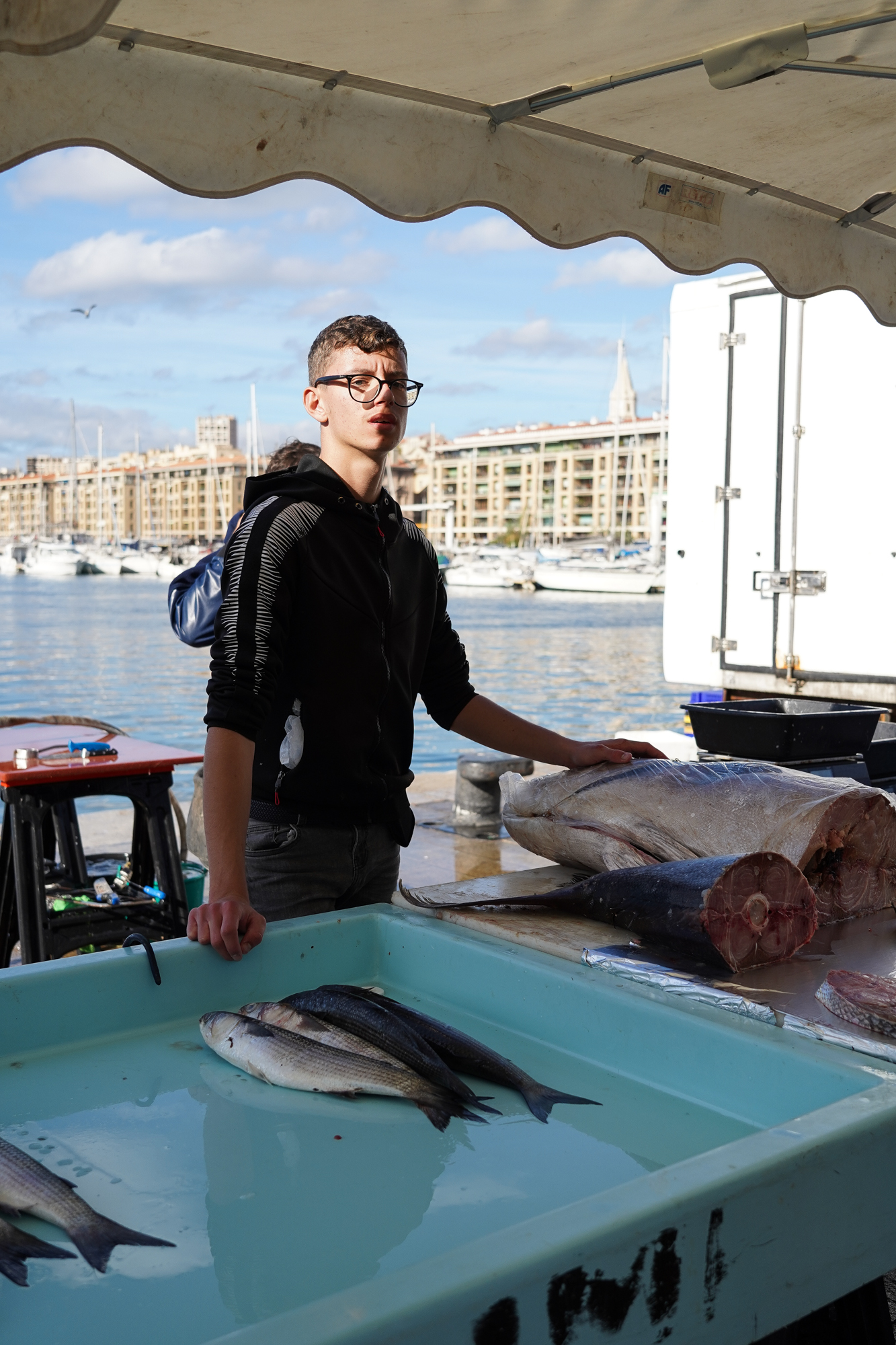
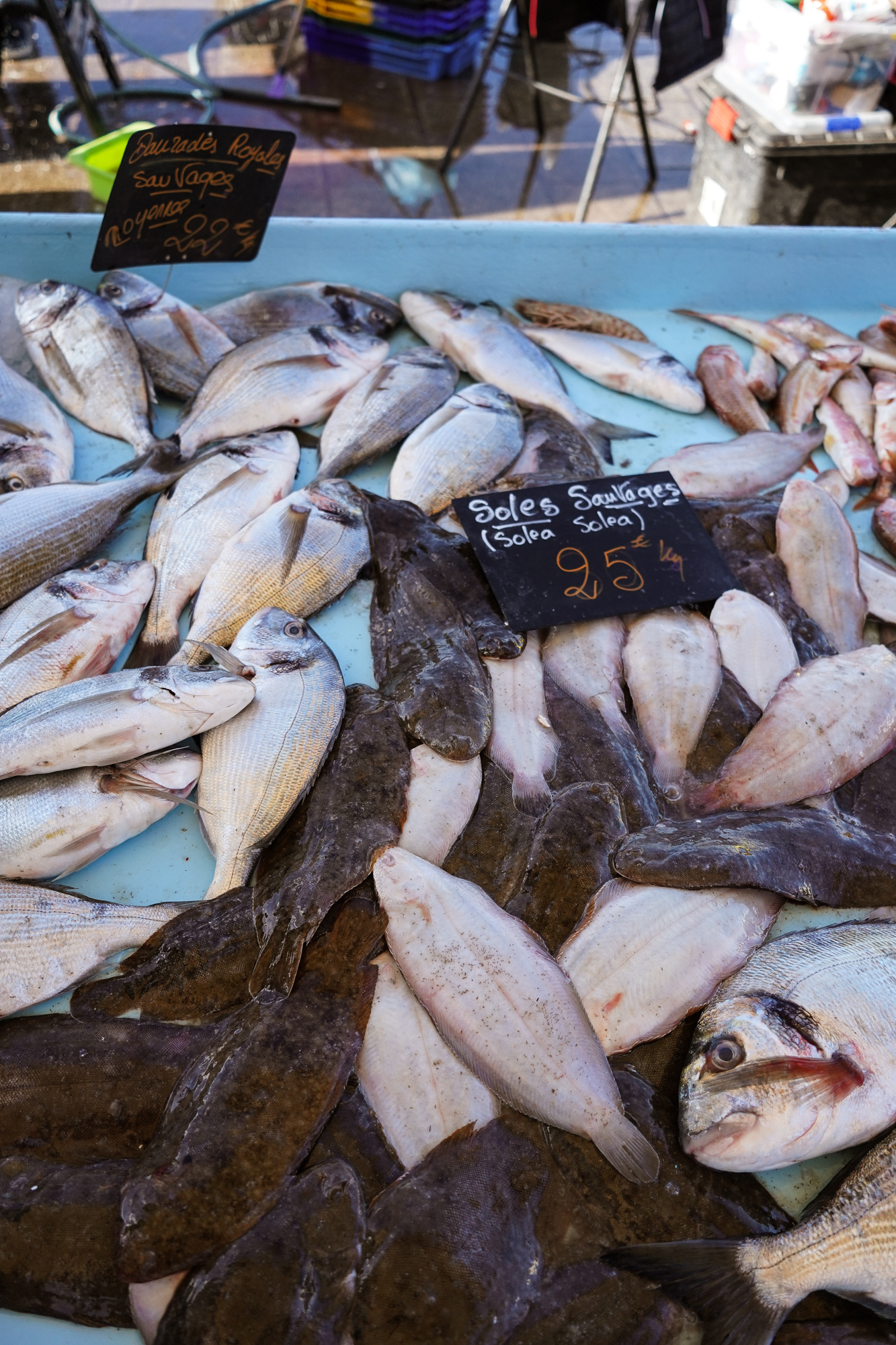
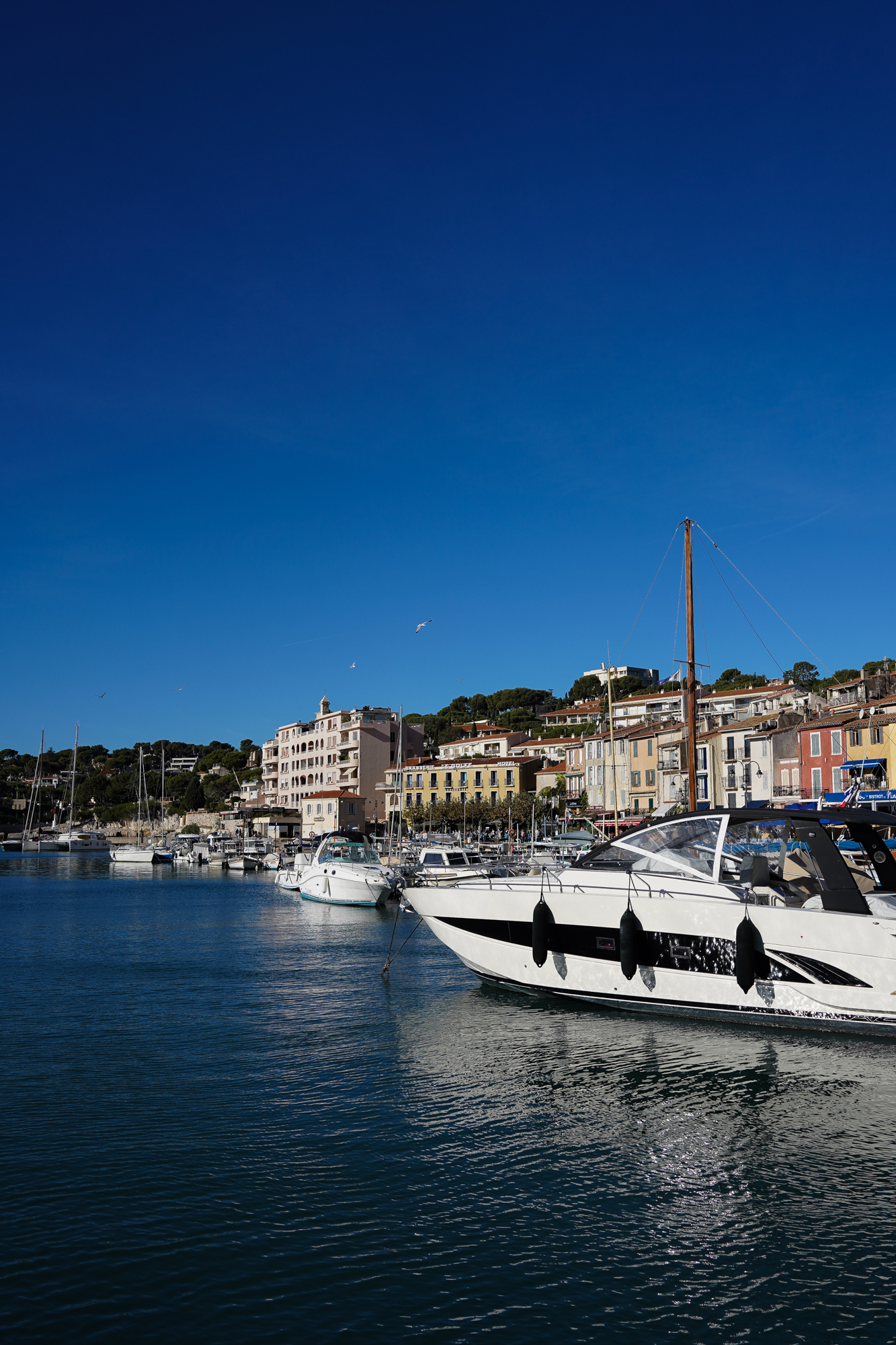
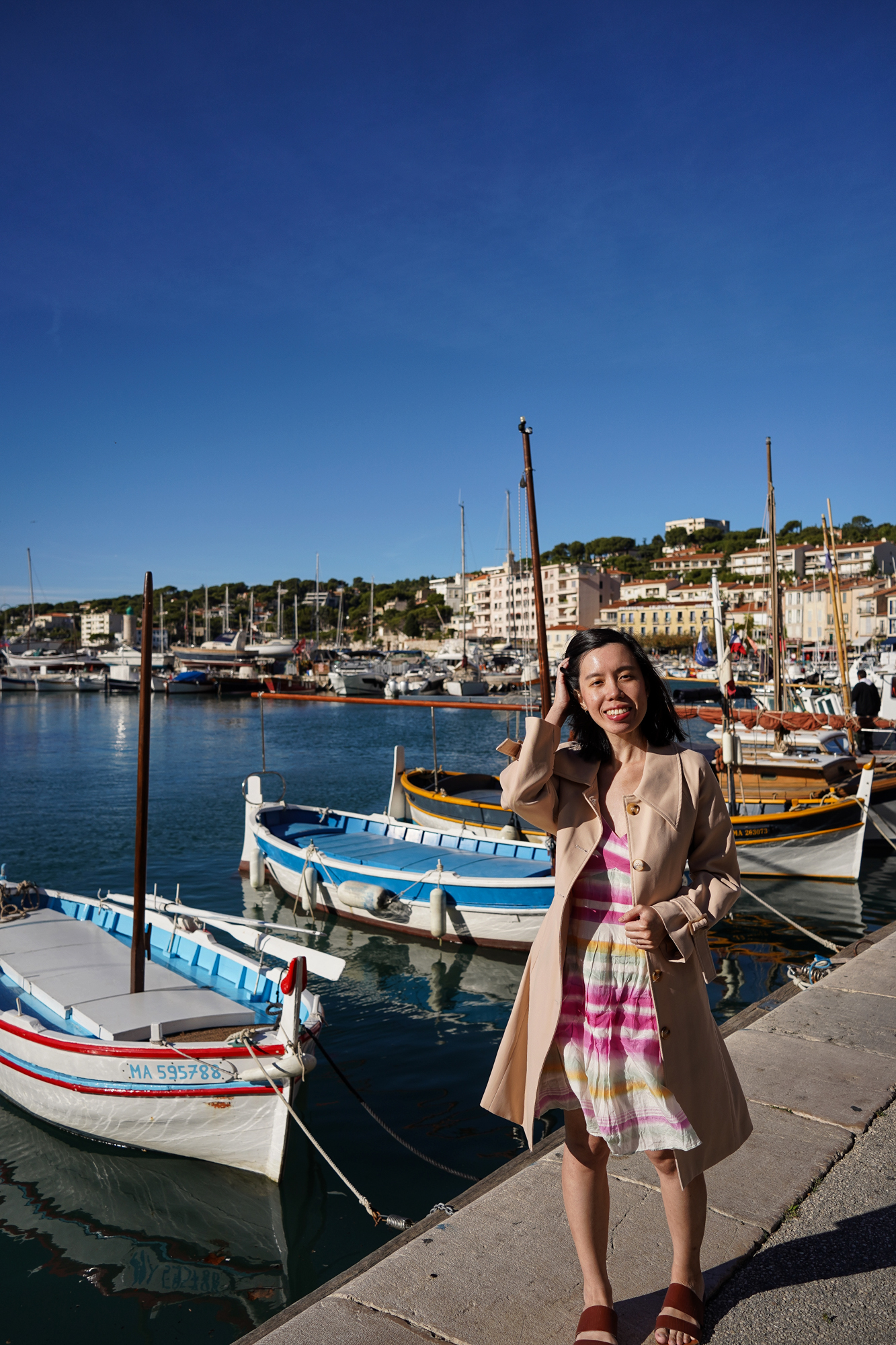
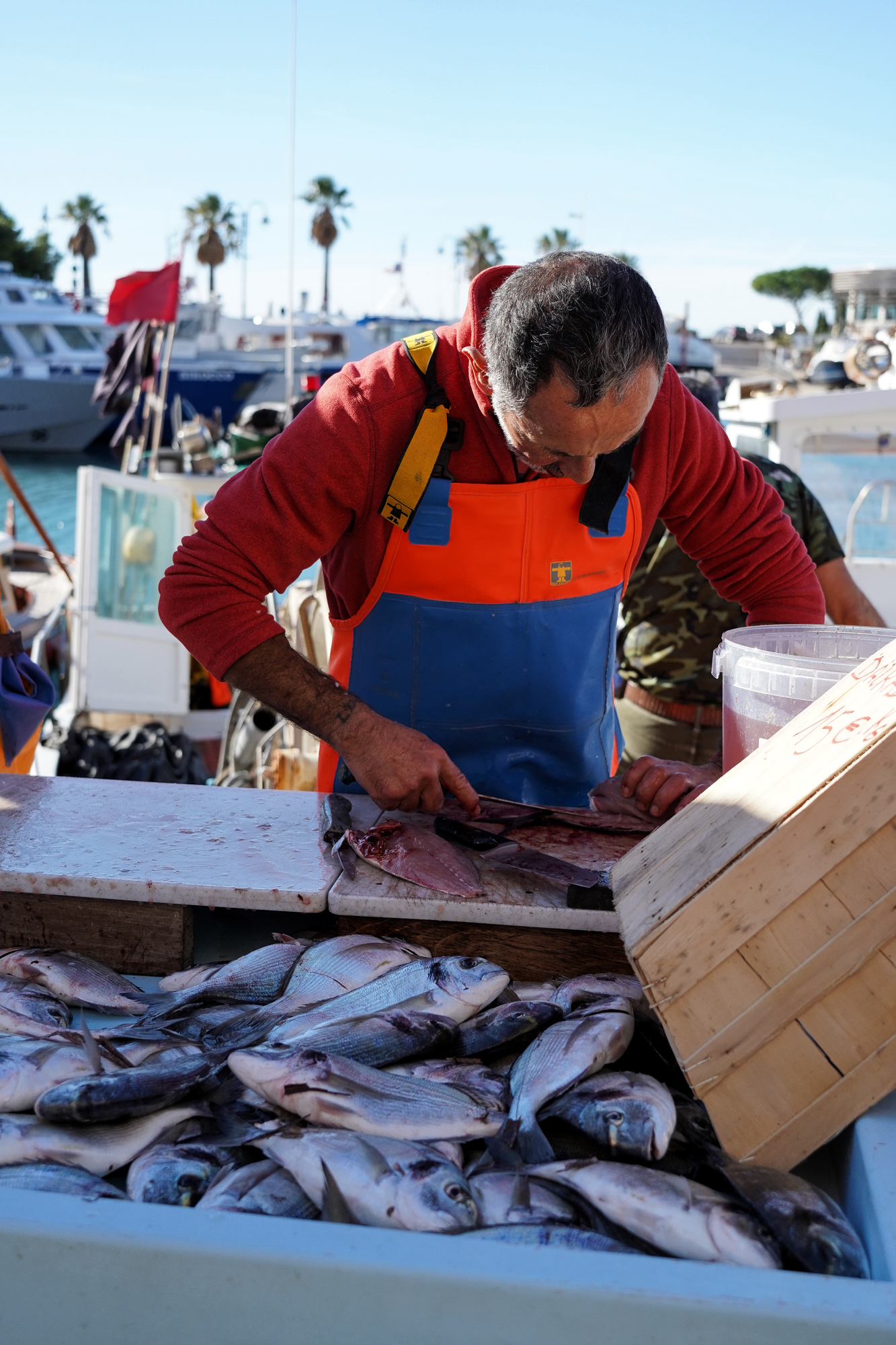
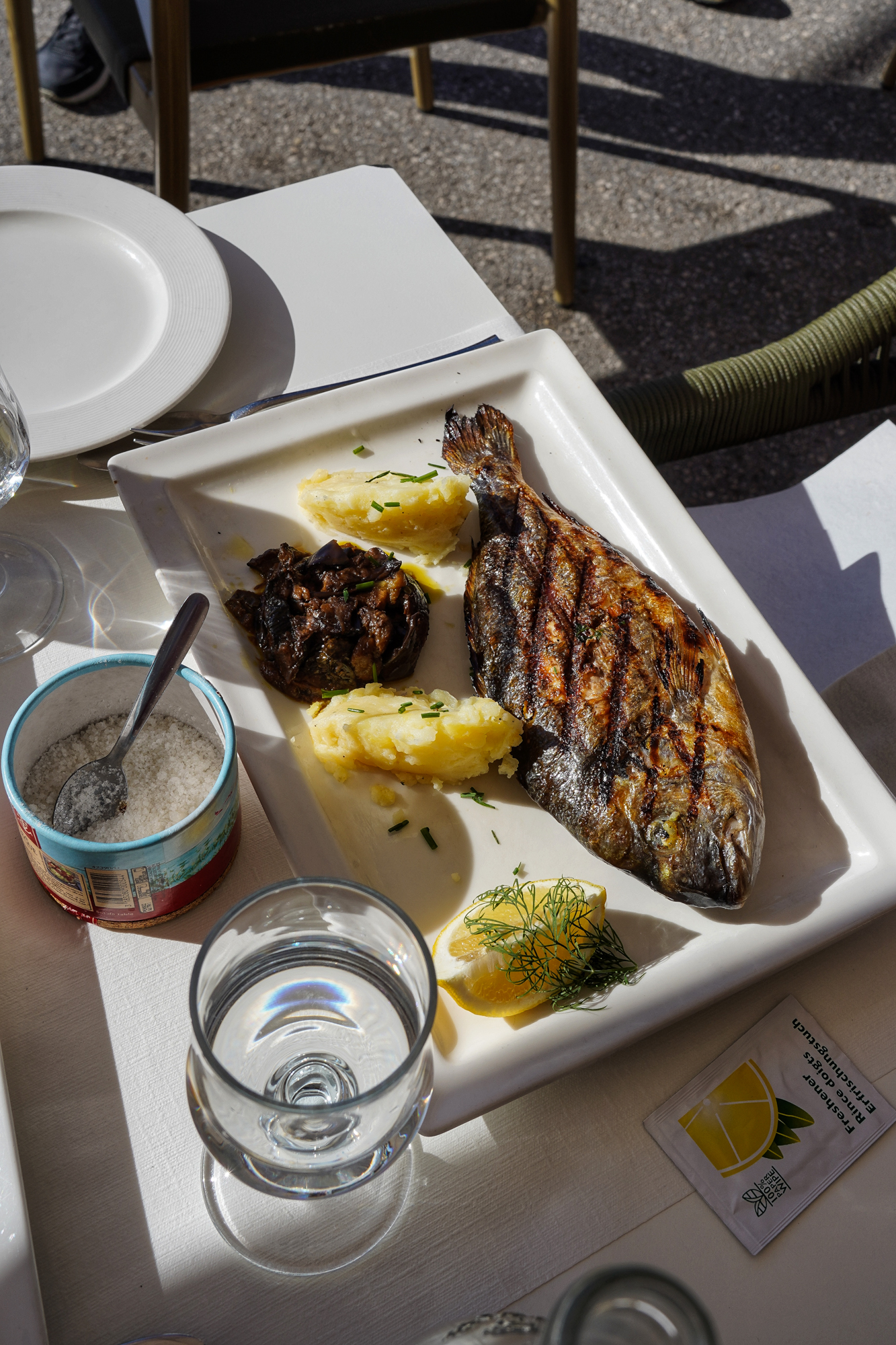
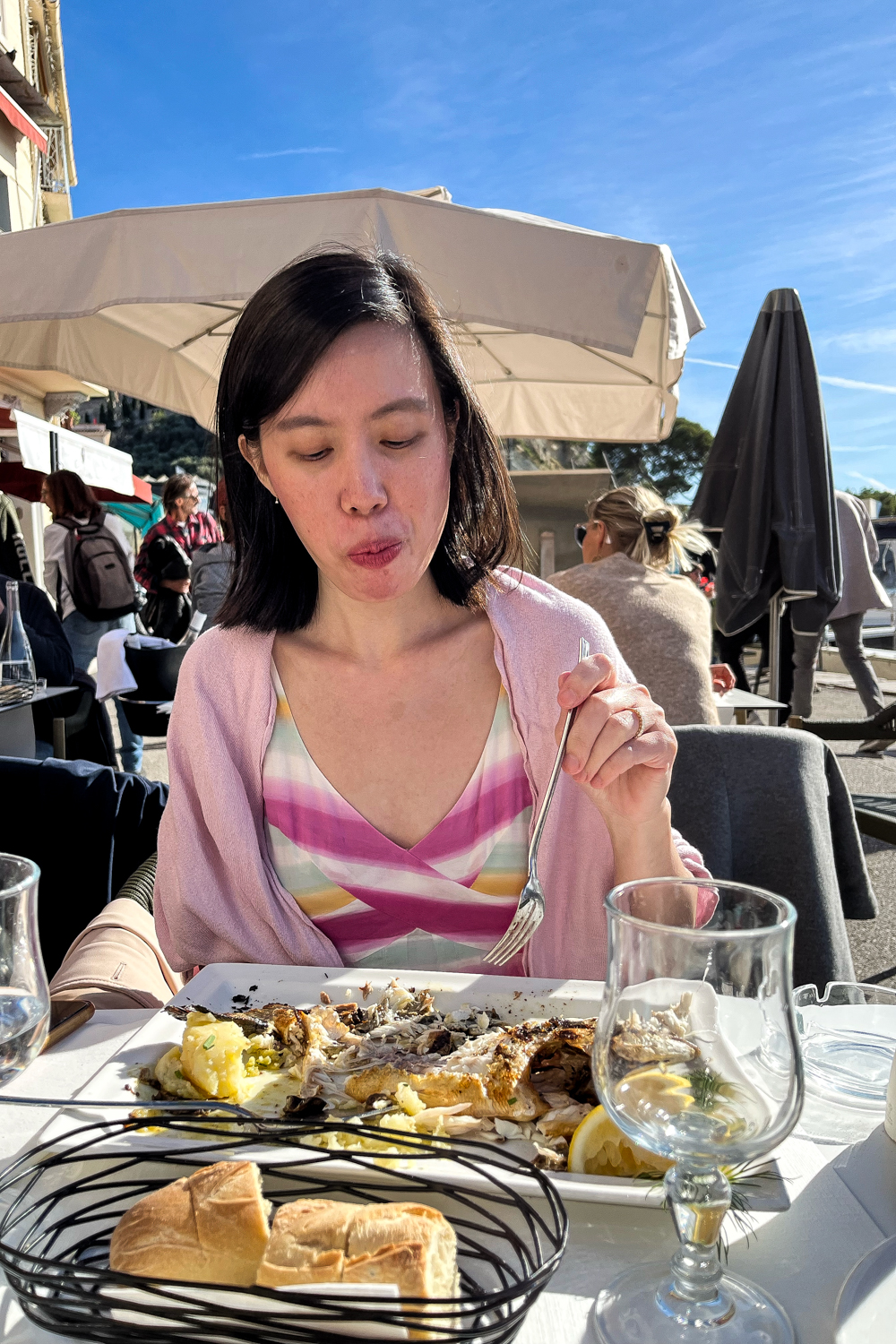
The South of France is a place of fish, fishing and fishermen. They are the rival to Brittany and Normandy in the northeast. Going to Marché aux Poissons in Marseille is a visual journey of fish. With their boats anchored to the port, the fishermen sell their catch and shout the names of what they have on the table. There is the seabass, the sole… then there is the monkfish, hideous but wonderful in stews. To the east of Marseille is Cassis, another fishing village. On Quai des Baux, we take a seat at Le Grand Bleu where a waiter is holding out a bucket of fresh catch to a woman at a table who is carefully inspecting the fish. Roy truly revels in the full experience of eating fish. Like one who is enjoying a glass of wine, he debones the whole grilled seabass using a fillet knife and sprinkles the fish with fleur de sel. Then, he places the plate of fully filleted fish in front of me. I can’t help but find myself lucky to have a husband who enjoys filleting fish for me.

DSC00555_edited

IMG_1634_edited

DSC00558_edited

DSC00563_edited

DSC00559_edited

DSC00564_edited

DSC00568_edited

Processed with VSCO with a9 preset

Processed with VSCO with a9 preset

DSC00451_edited

DSC00487_edited

DSC00494_edited

DSC00495_edited

DSC00496_edited

DSC00501_edited

DSC00514_edited

DSC00517_edited

DSC00455_edited

DSC00520_edited

DSC00523_edited

DSC00525_edited

DSC00538_edited

DSC00543_edited

DSC00545_edited

DSC00551_edited

DSC00552_edited

TOINOU LES FRUITS DE MER 

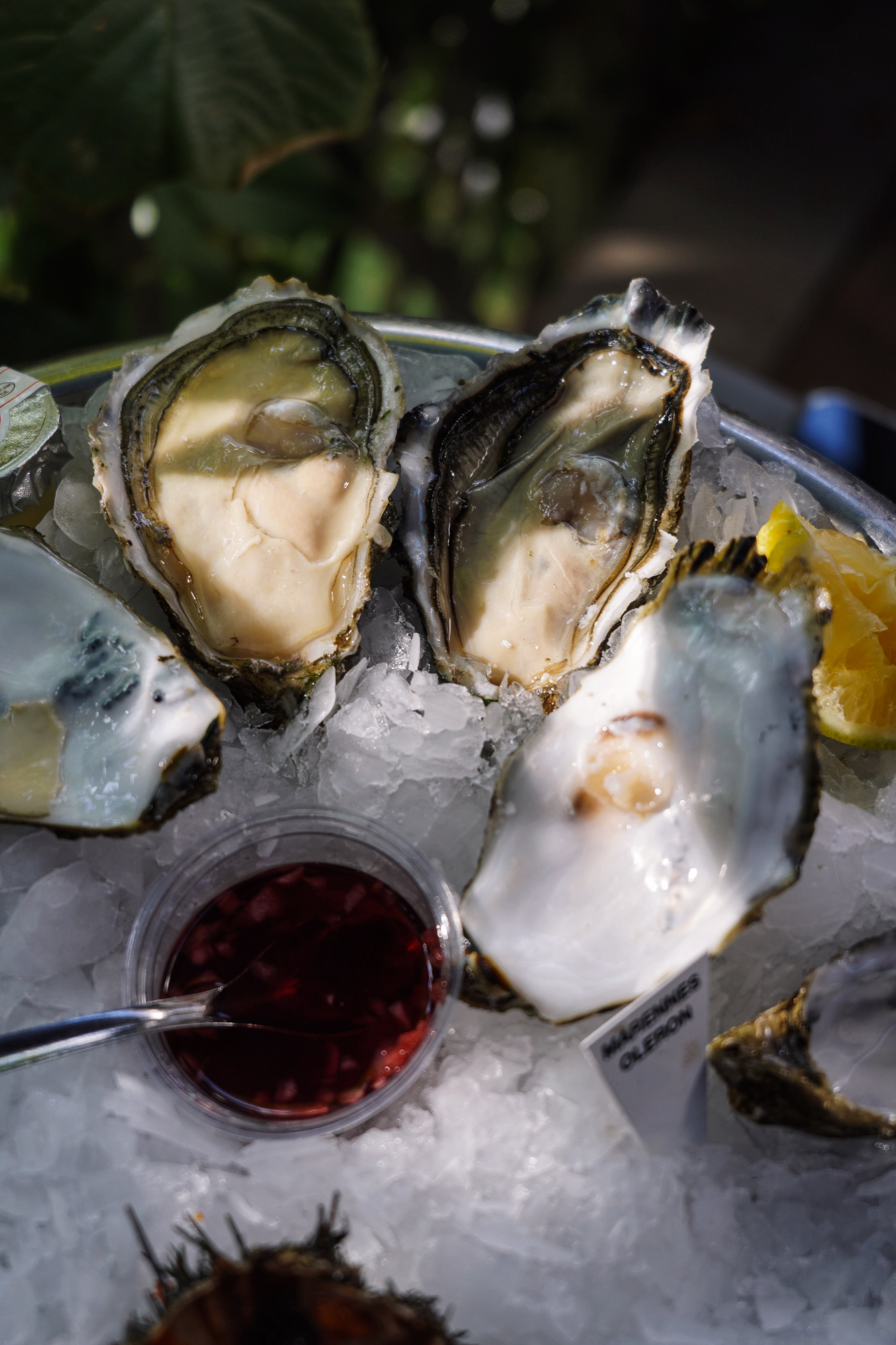
Seafood is a way of life in the South of France. At lunch, you will see a lady picking at a crab and another scooping out urchin from a spiky black shell. Always with a champagne in hand. Our first taste of French seafood really began at Toinou in Aix en Provence. It was a meal of oysters and urchins on a bed of ice with Bordier butter. Butter and oysters? Could this be true? So we asked our waiter and he said with a shrug, “Ahhh some people like to put the oysters on the bread with butter. I don’t really like it but others do.” Around us, everyone was taking their time with their platters of crabs, oysters, whelks, urchins, and at times spreading butter on bread. In the end, we spread the bread with butter and sea urchin. This is the only way I will eat sea urchin now – with bread and butter. 

DSC00074_edited

DSC00078_edited

DSC00572_edited

DSC00578_edited

Processed with VSCO with a7 preset

Processed with VSCO with a9 preset

CHATEAU D’ESCLANS

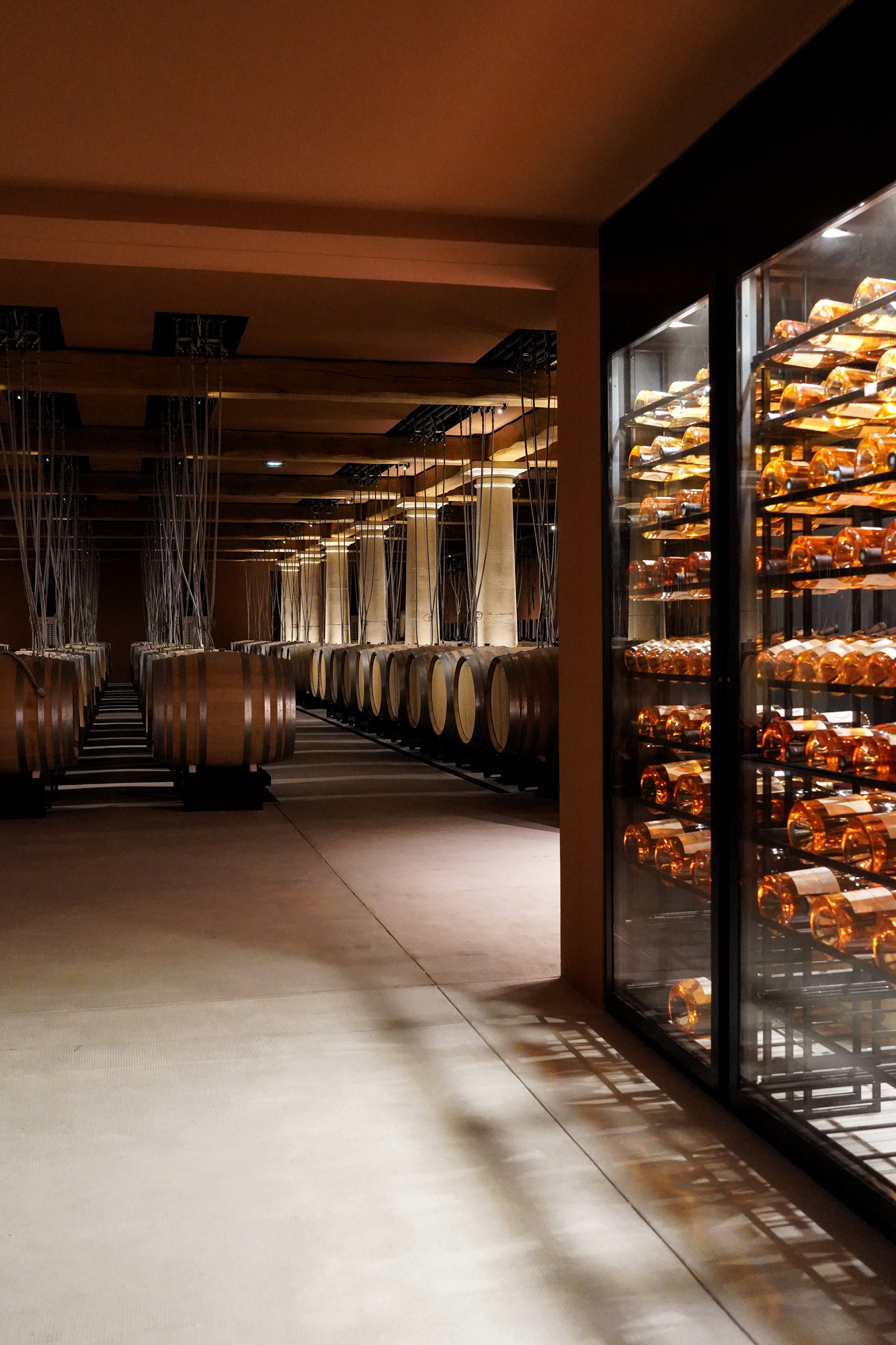
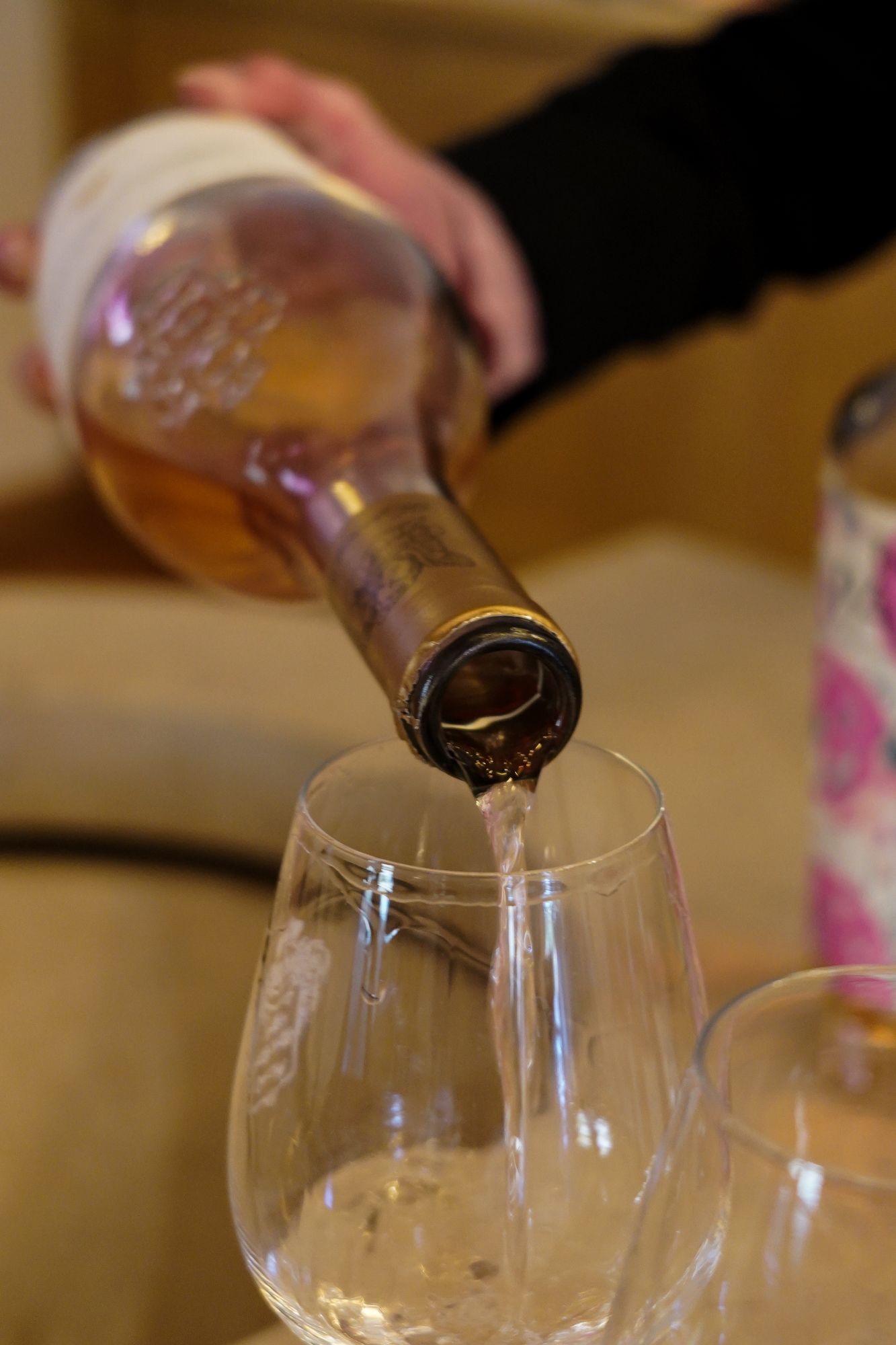
A rosé wine is the colour of Provence. A beautiful shade of pink that colours the walls of Provençal towns. We are at the Château d’Esclans in search of France’s most famous rosé. “It’s called the Whispering Angel,” Anne-Sophie tells us as she fills the glass with shimmering pink. The Whispering Angel is not dark or deep like a Bordeaux. It’s light, fruity and fashionable. All I can think of as I take sips from the glass are summers in the South of France and dinners of shellfish platters and langoustine gratin in the sunshine, all through rose-tinted shades. 

DSC00659_edited

Processed with VSCO with a7 preset

DSC00672_edited

DSC00688_edited

DSC00694_edited

DSC00697_edited

DSC00698_edited

DSC00704_edited

Processed with VSCO with a7 preset

DUCK

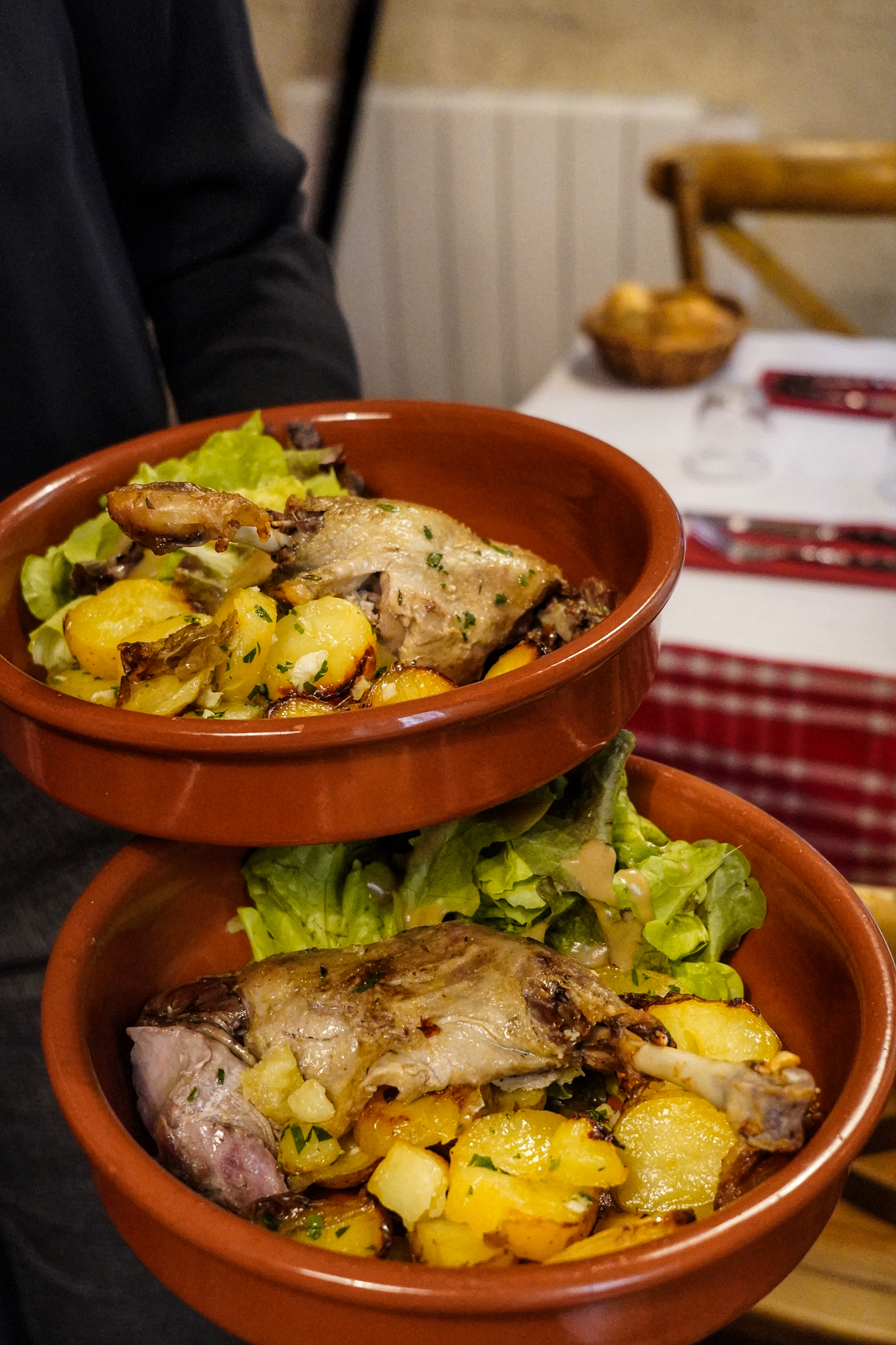
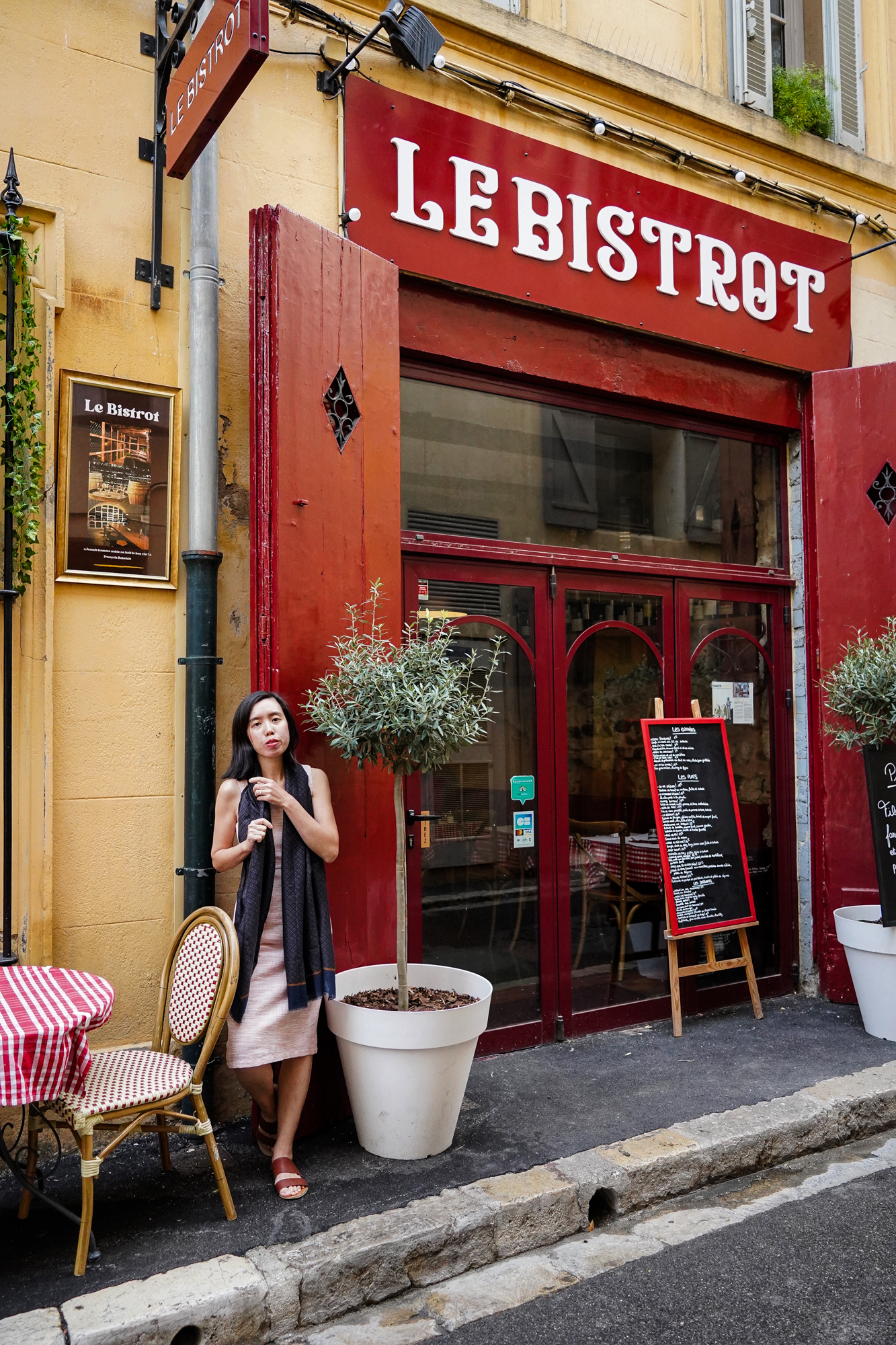
As a Chinese, I always find that I have an affinity with duck. Like the duck confit. Roy is terribly old-fashioned when it comes to duck confit. “The skin must be crispy,” he insists. For me, duck confit is about one thing – fat. Melting fat glazing over meat and potatoes. It adds a hearty shine to the food. The duck confit at Le Bistrot is exactly that. The duck skin is crisp with fat that had melted into a gloss. Even after finishing the duck and potatoes, I am helping myself to a baguette to polish up the fat. Fat simply can’t be ignored for some dishes.

IMG_0378_edited

DSC00890_edited

DSC00894_edited

IMG_0388_edited

DSC00895_edited

DSC00901_edited

DSC00886_edited

DSC00873_edited

CHATEAU DE MASSILLAN

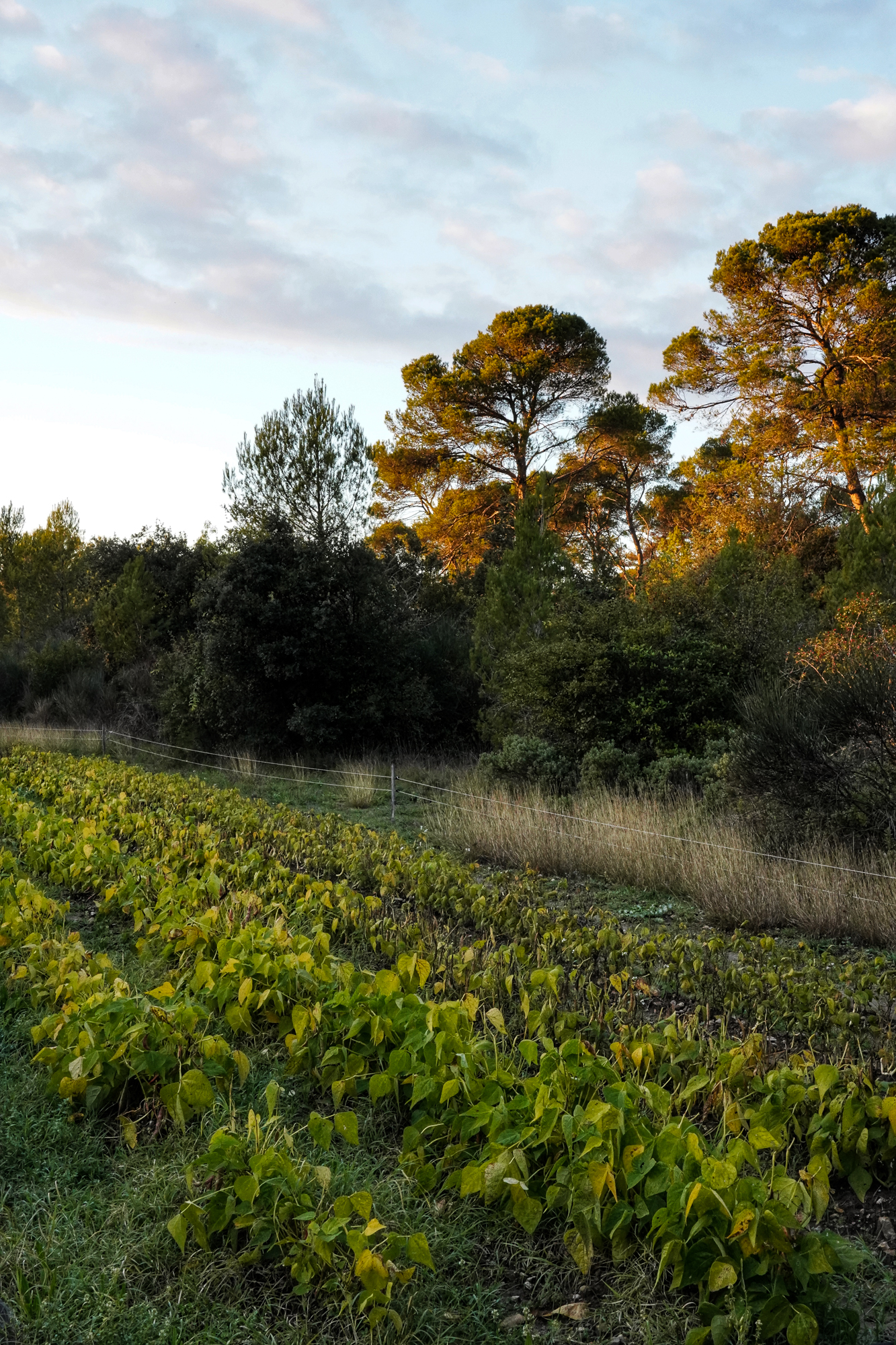
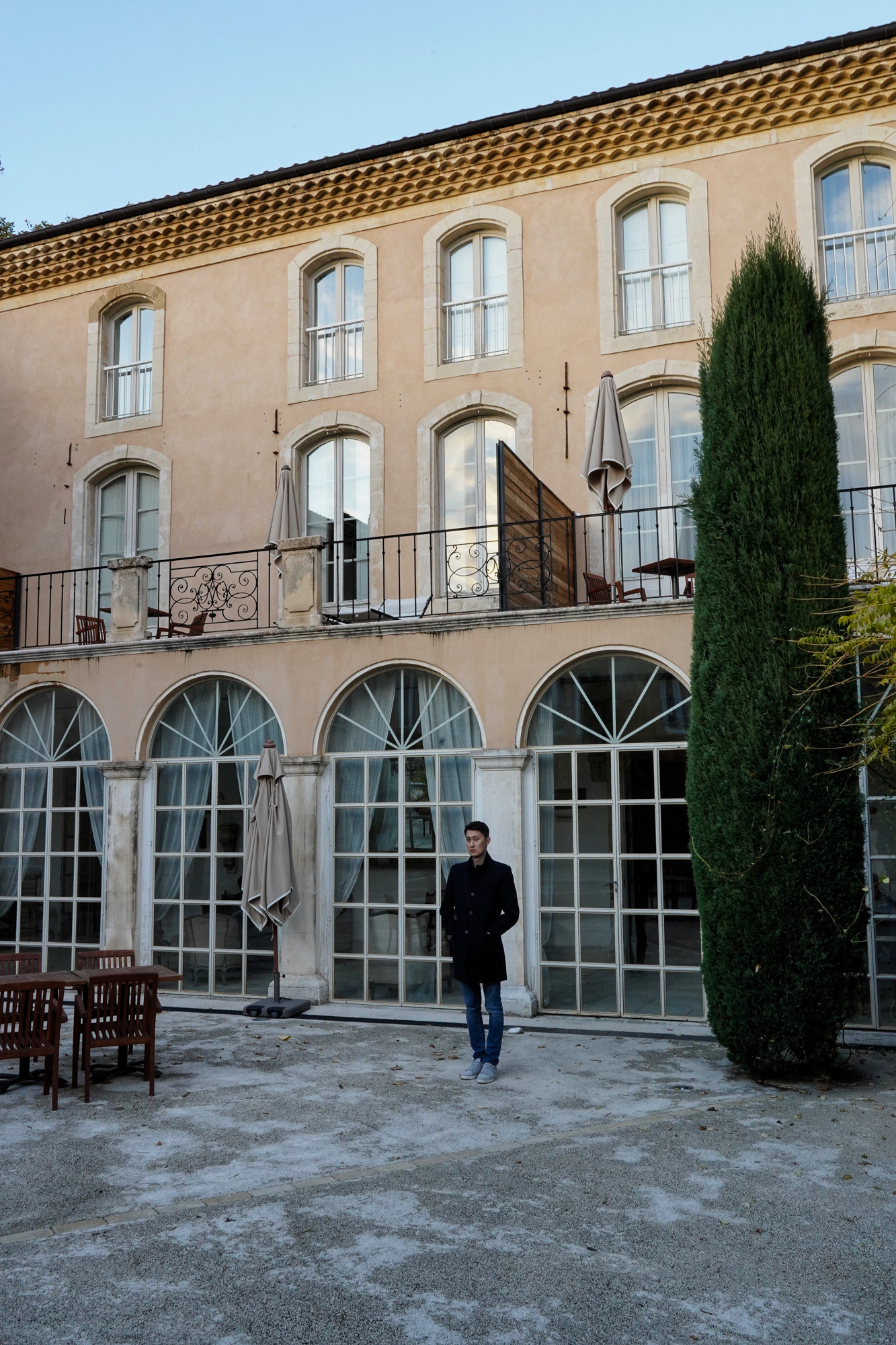
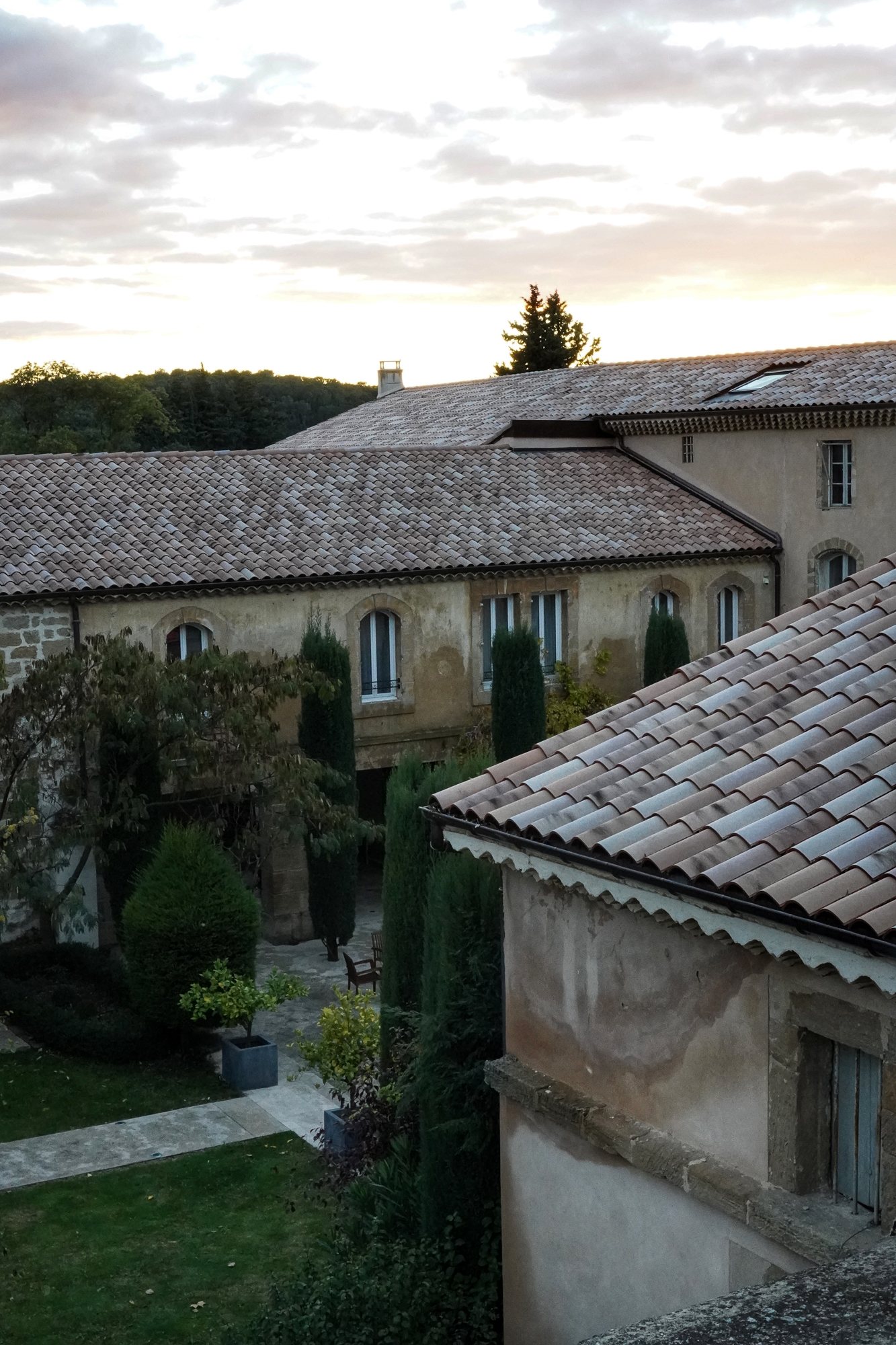
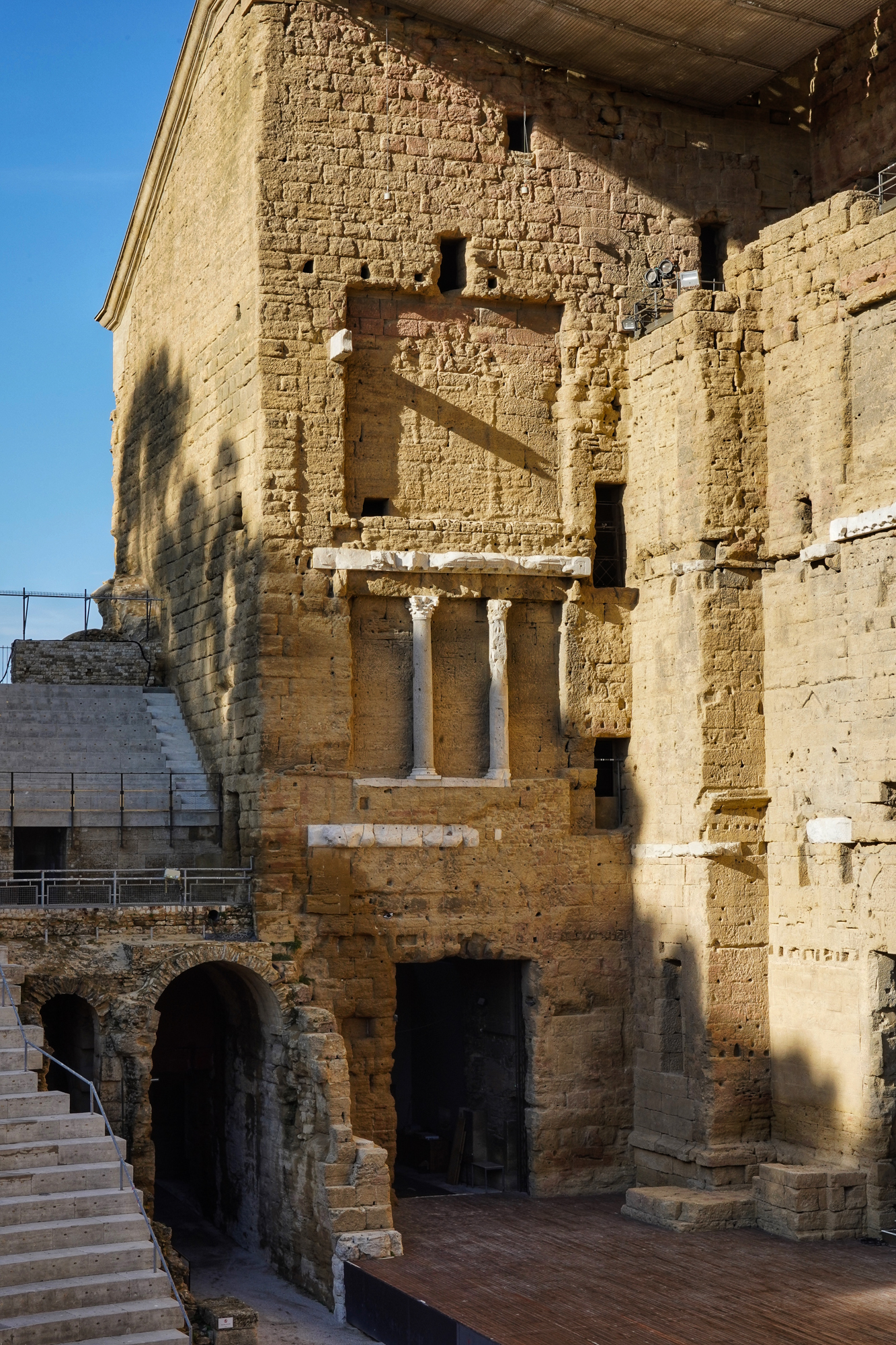
Near Avignon, we are staying at the Château de Massillan. The chateau – like all others in France – look like something out of a fairy tale. While Germany has the Grimms, France has Perrault and Villeneuve. The chateau is owned by the son of a farmer, someone who enjoys cultivating organic produce. These produce are used by the chef in the chateau’s restaurant. During our stay, we find ourselves drawn to Orange, a nearby town that is as old as the Roman Empire and where there is an ancient theatre.

DSC01068_edited

DSC01136_edited

DSC01144_edited

DSC01143_edited

DSC01140_edited

DSC01146_edited

DSC01149_edited

DSC01063_edited

DSC01154_edited

DSC01162_edited

DSC01158_edited

DSC01157_edited

BOUILLABAISSE 

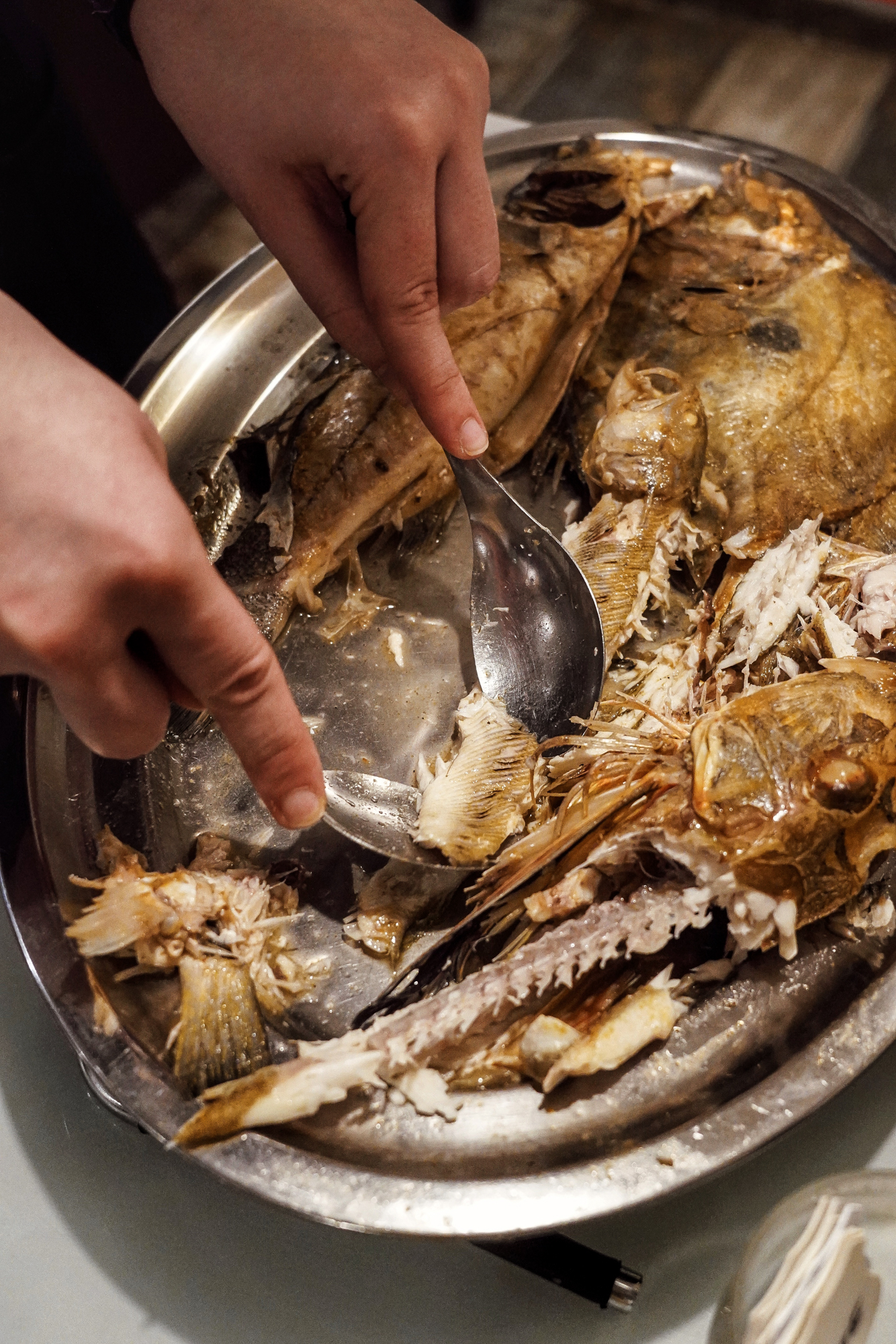
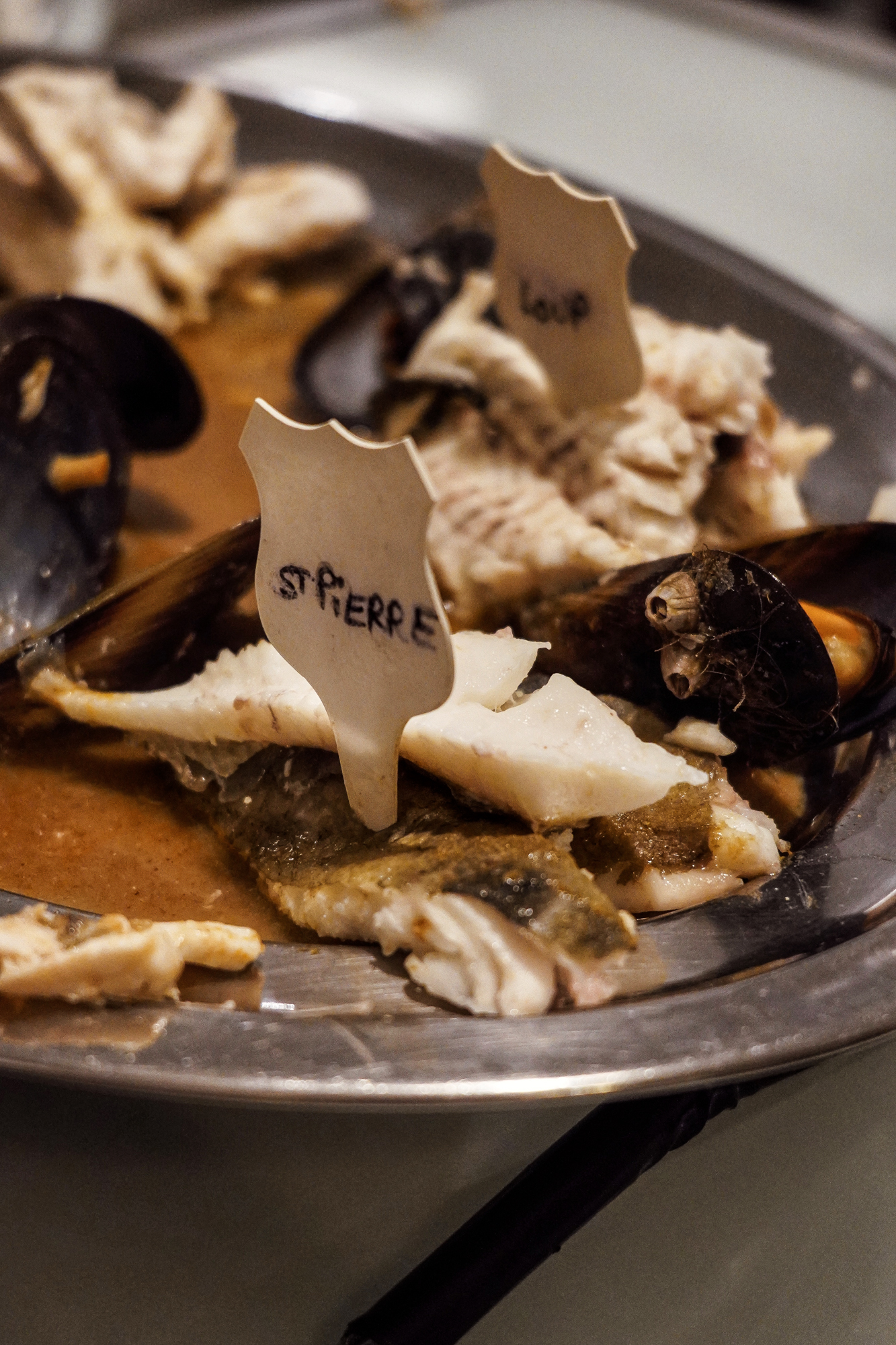
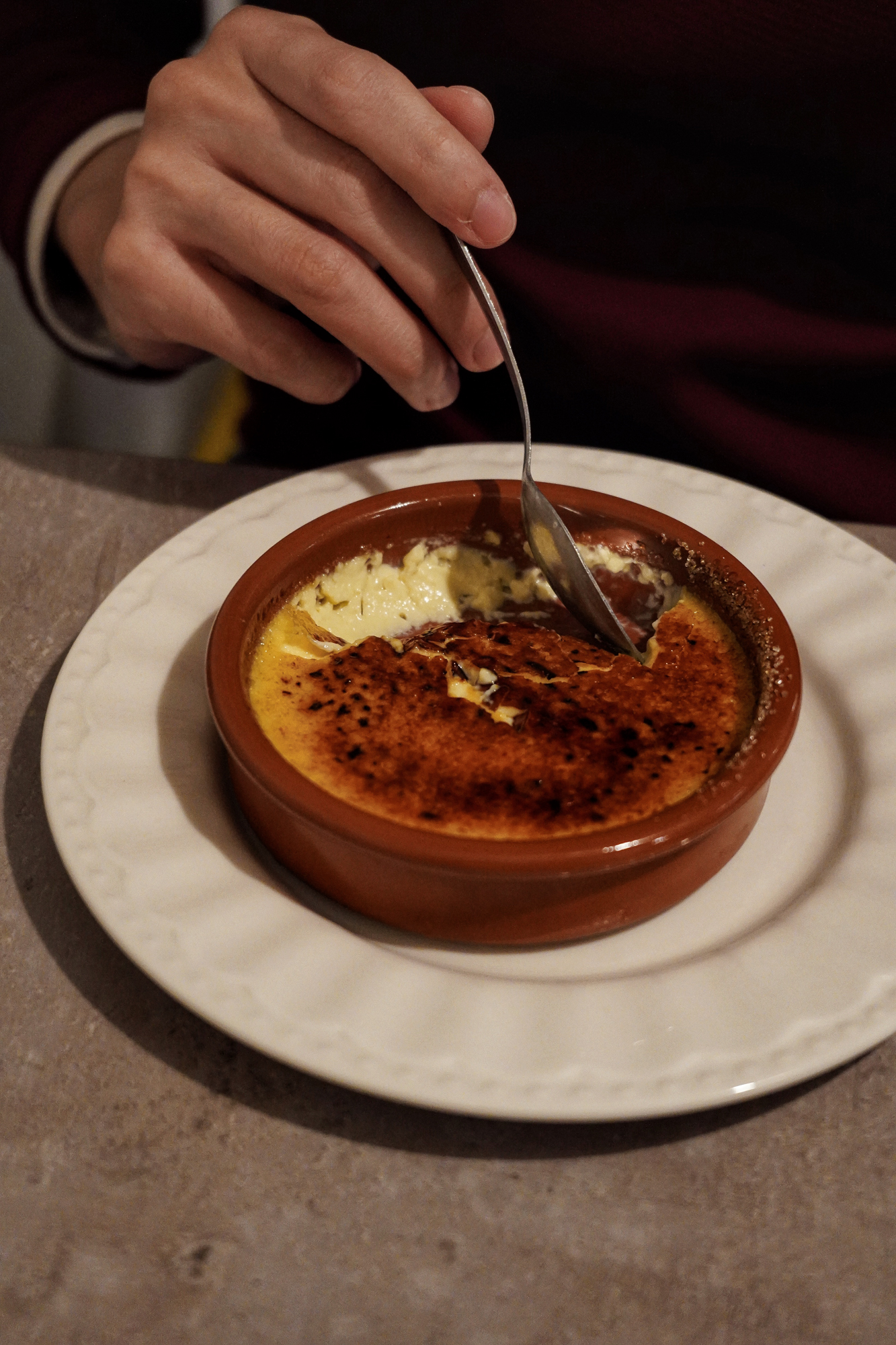
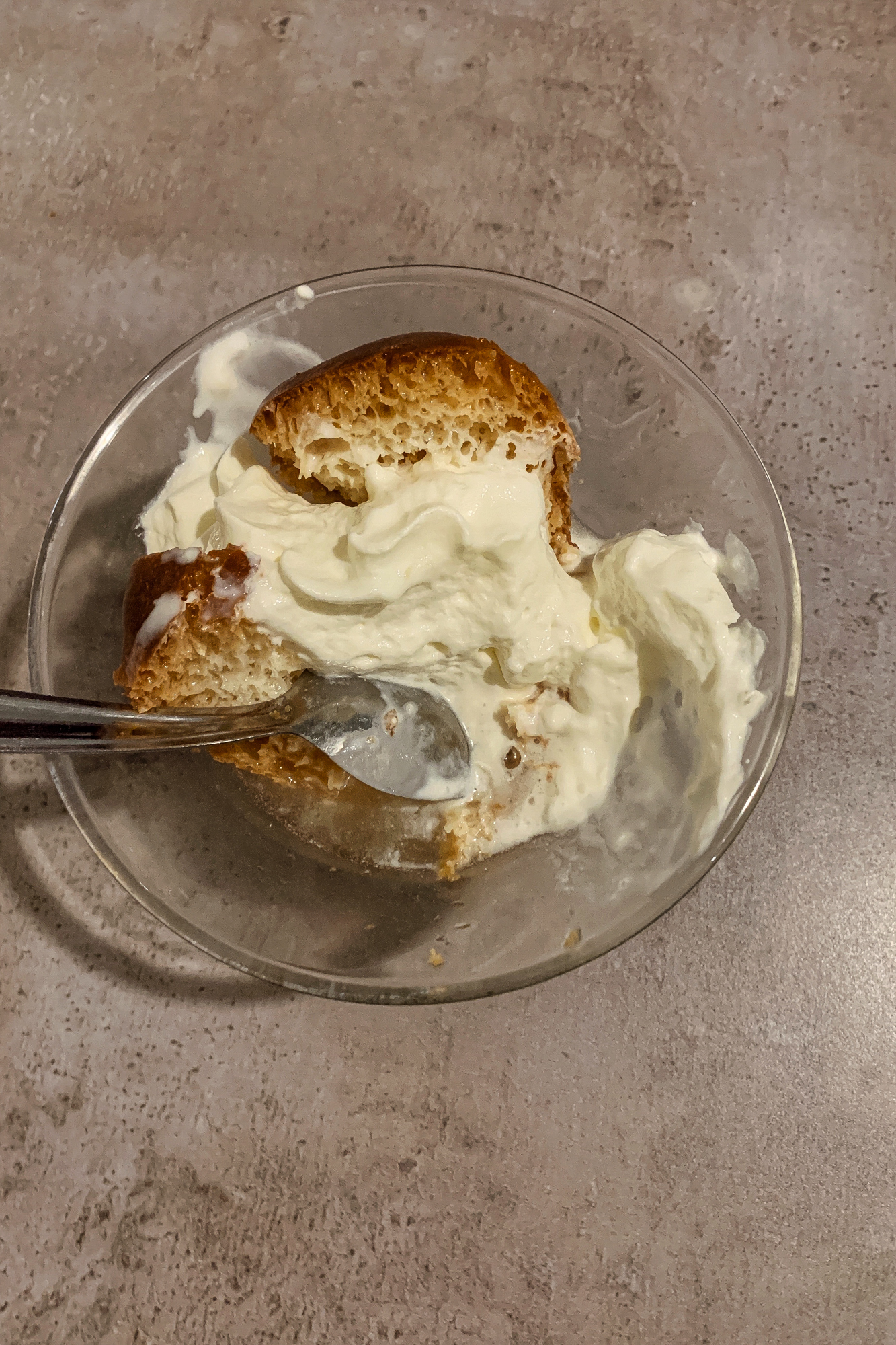
The bouillabaisse is a dish I could only dream of in the pages of French cookbooks when I was a child. I knew the dish as two long columns of ingredients and a more-than-10-step cooking process. It was a dish that only the most seasoned chefs could do For the days leading up to Restaurant Côté Mer, I could not stop talking about the bouillabaisse. It was “bouillabaisse this” or “bouillabaisse that”. And so on the day of our reservation, Roy drove through the grey stormy weather to Fontvieille. The rain was coming down hard in splashes, some roads were blocked as there were floods. But that didn’t stop us. We reached the restaurant at a late hour. There were no customers except us. The rain it seemed had an effect on business, but the chef was ready with our bouillabaisse. The meal lasted for more than an hour. She presented the fish, all five of them. She cooked, deboned and served them with a pot of homemade soup. Then we finished the meal with crème brûlée and baba au rhum. The latter was served with a bottle of cognac as if we were not already drowsy enough with bouillabaisse. 

Processed with VSCO with j5 preset

Processed with VSCO with j5 preset

Processed with VSCO with j5 preset

Processed with VSCO with j5 preset

Processed with VSCO with j5 preset

Processed with VSCO with j5 preset

Processed with VSCO with j5 preset

Processed with VSCO with j5 preset

A MENU-LESS LUNCH

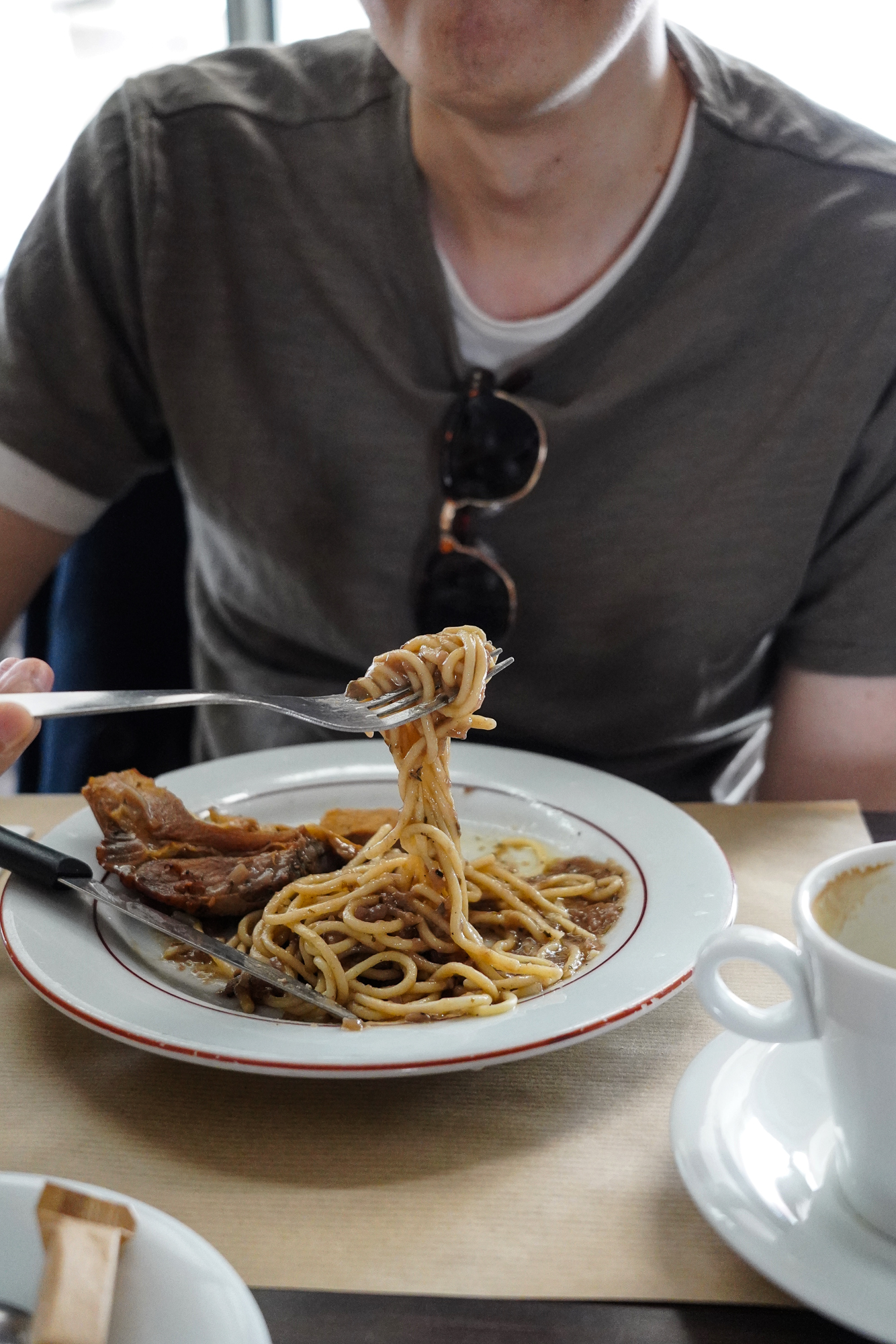
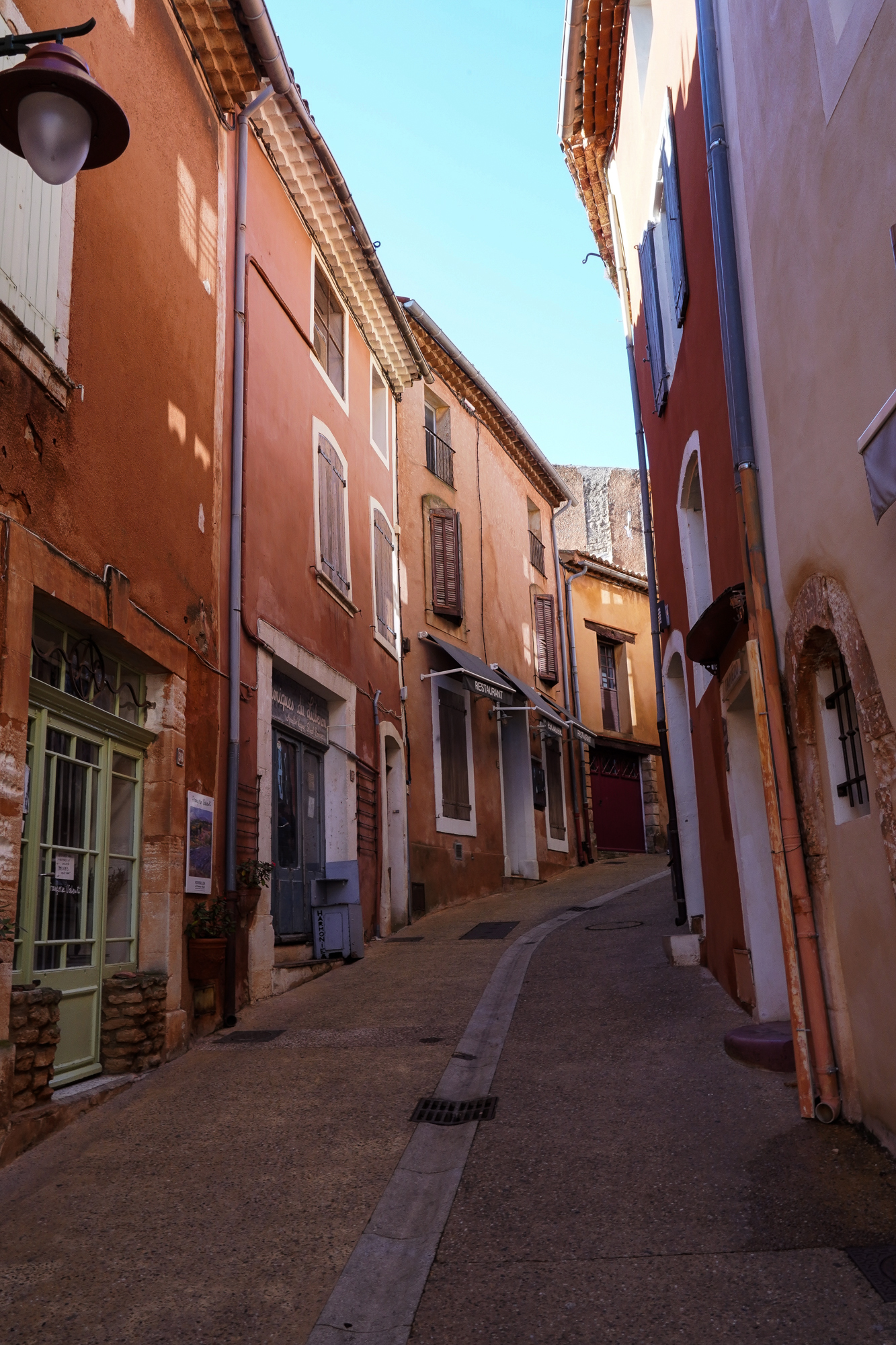
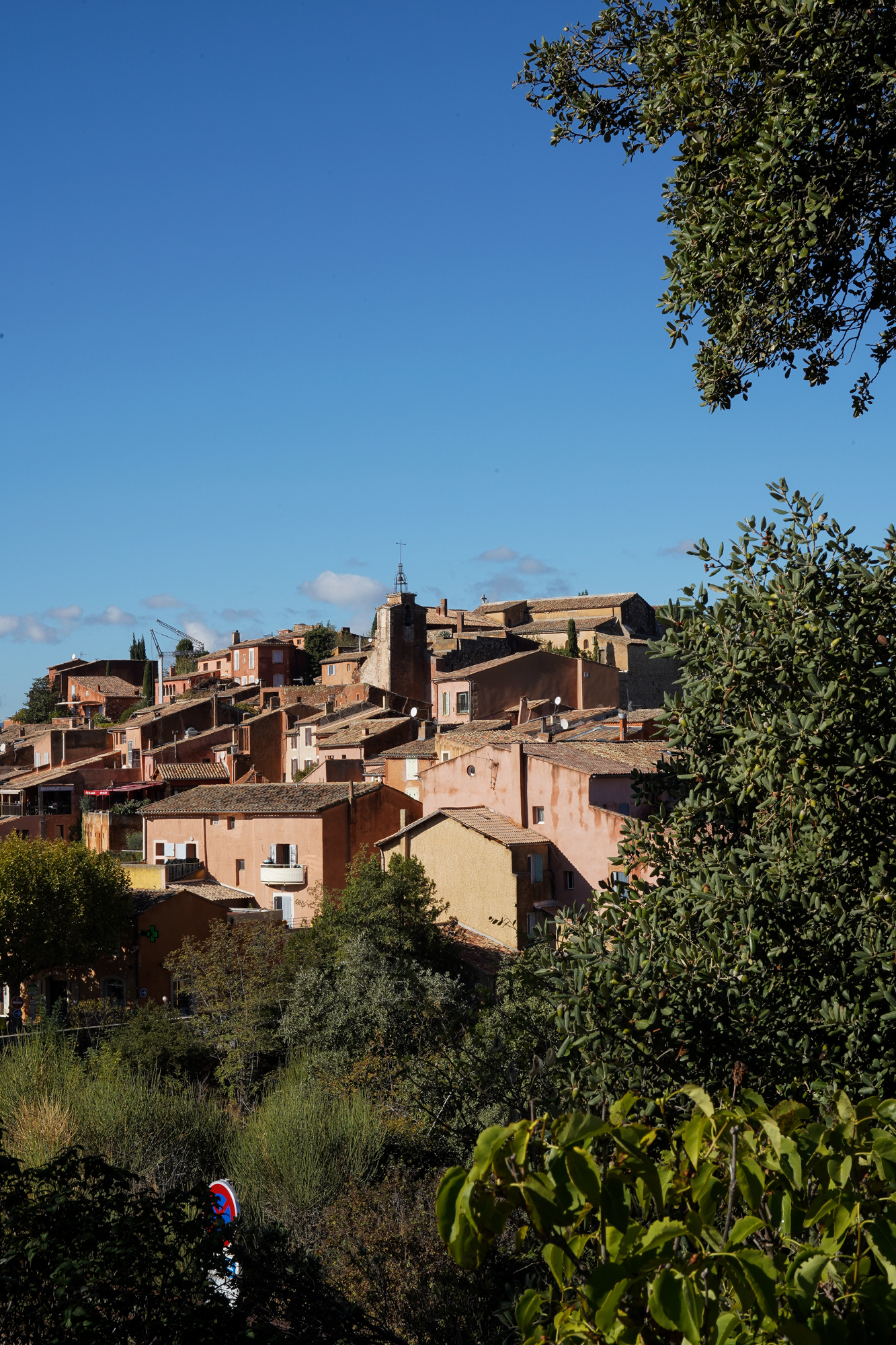
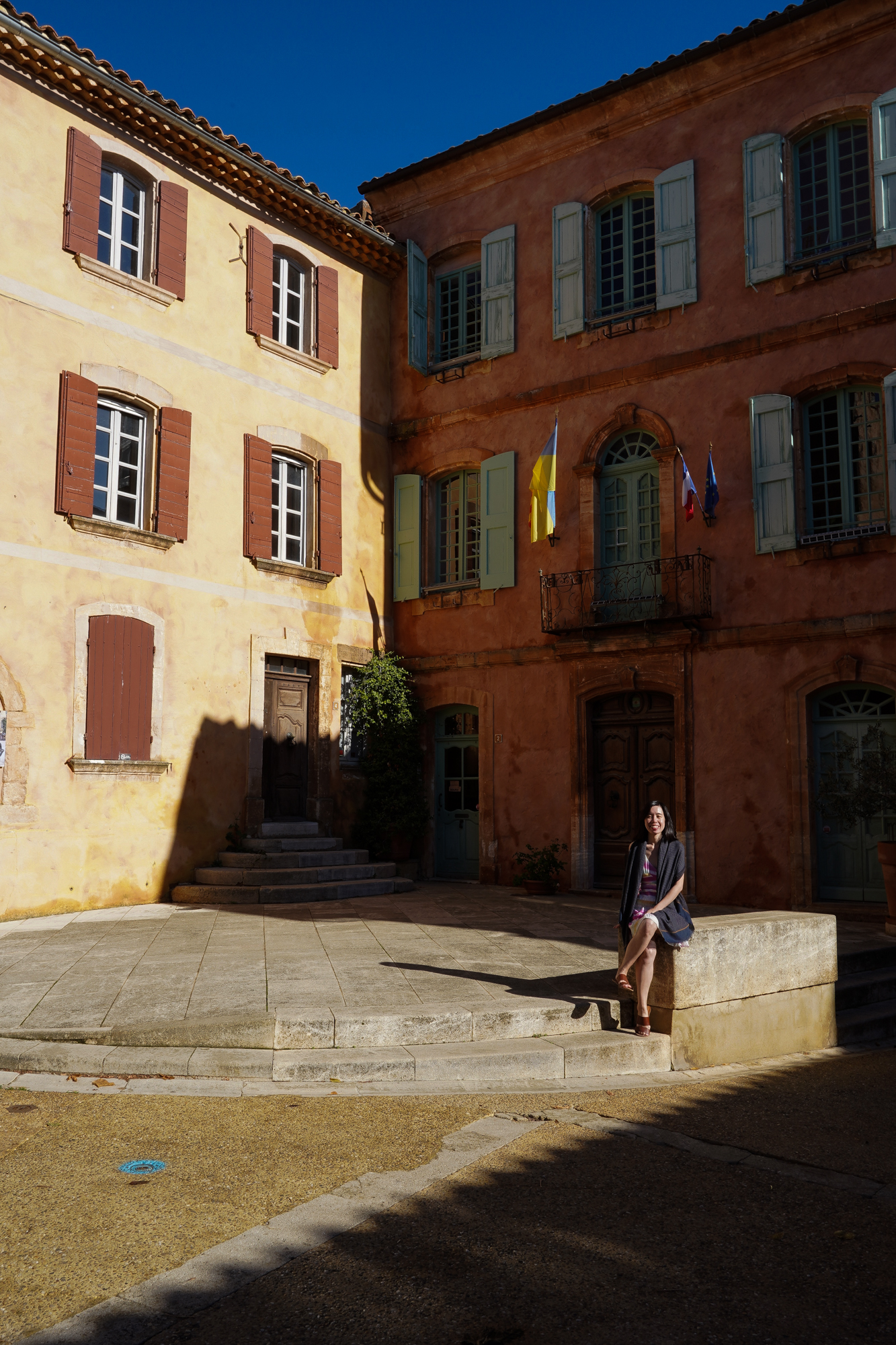
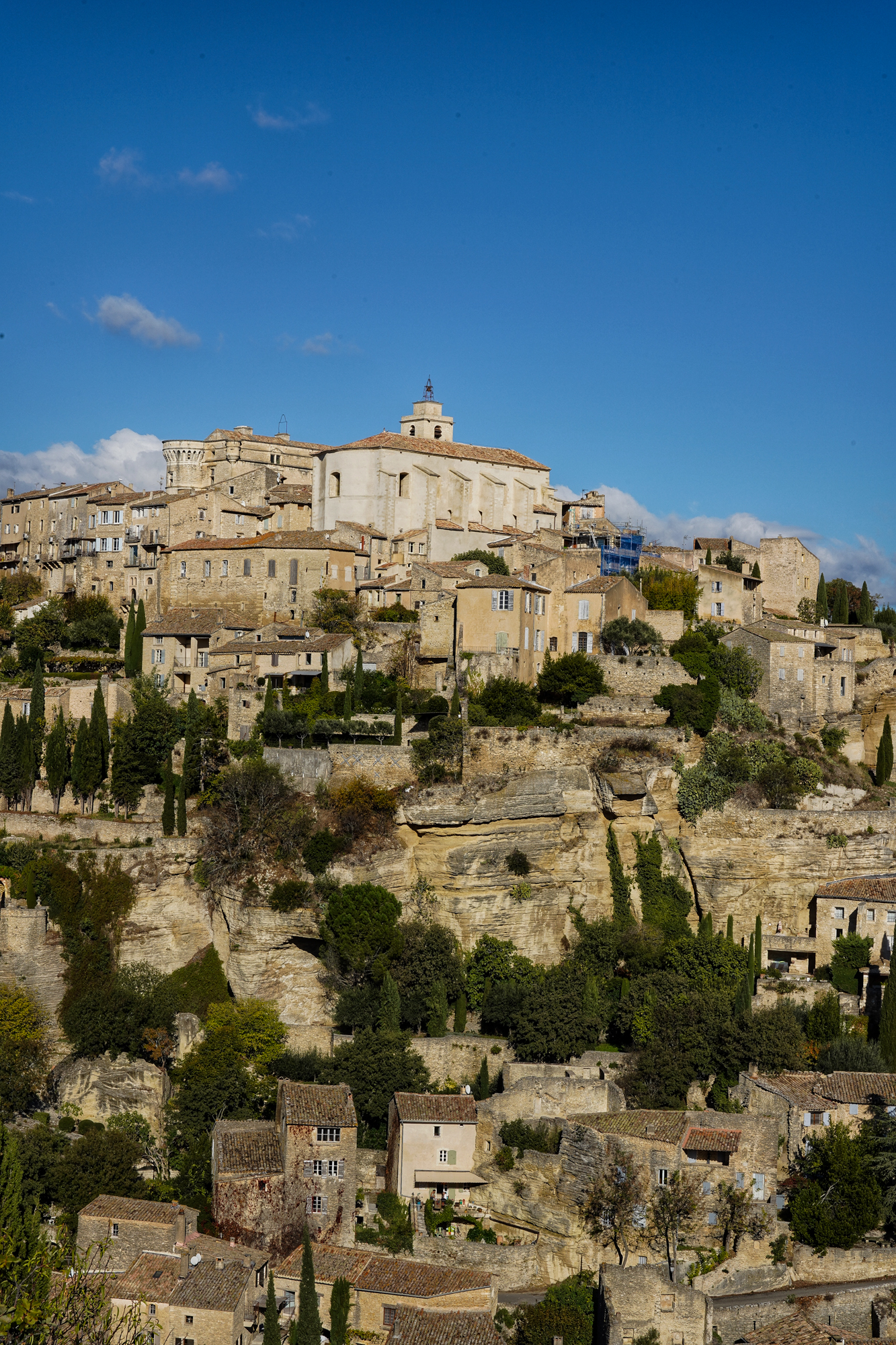
A menu-less meal is what they would call it a few centuries ago. Inns provided whatever they had in the kitchen to travellers who needed something to eat. It was on the way to the Provençal towns when we decided to stop in Sorgues for a really early lunch. The lady at Chez Gabin was surprised when we asked for “le déjeuner”. She looked at a man behind the counter with raised eyebrows before they shook their heads and said, “monsieur, only café and croissant.” Ah… lunch only starts at noon. She looked so perplexed until an idea came to her and she asked, “maybe something simple, we can do? Pasta?” As we sat down, she opened the appetisers for us. A spread of terrines, eggs, salad, champignons and saucisson. Then out came two plates of spaghetti with roasted pork. Just something they had whipped up using whatever they had at that early hour. It was this lunch that became the prelude to Roussillon and Gordes. Our stomachs feasted, then our eyes. 

DSC01069_edited

DSC01074_edited

DSC01080_edited

DSC01083_edited

DSC01088_edited

DSC01098_edited

DSC01090_edited

DSC01101_edited

DSC01095_edited

Processed with VSCO with kk1 preset

DSC01109_edited

DSC01118_edited

DSC01127_edited

DSC01106_edited